
This Quiet Ohio Park Features A Lake That Feels Almost Ocean-Sized
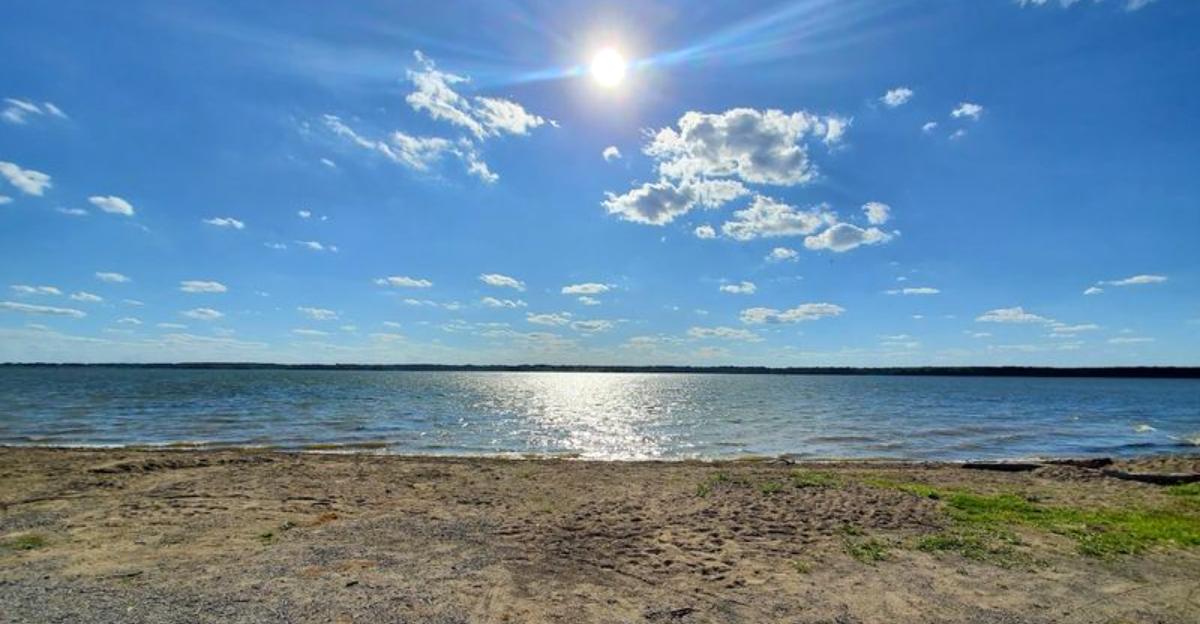
Stand on this northeastern Ohio shoreline for a minute, and your brain may need a second to recalibrate. The water stretches wide, the wind moves like it has somewhere important to be, and suddenly “quiet inland lake” feels like a serious understatement.
I expected a pleasant park with a nice view. What I found felt much bigger: open water, real waves, busy boating areas, peaceful trails, and the kind of breezy shoreline energy that makes Ohio seem slightly more coastal than it has any right to be.
That surprise is the real charm here. It is calm when you want space, lively when the marina is buzzing, and big enough to make a simple park visit feel like a proper escape.
A Lake That Rewrites Your Expectations
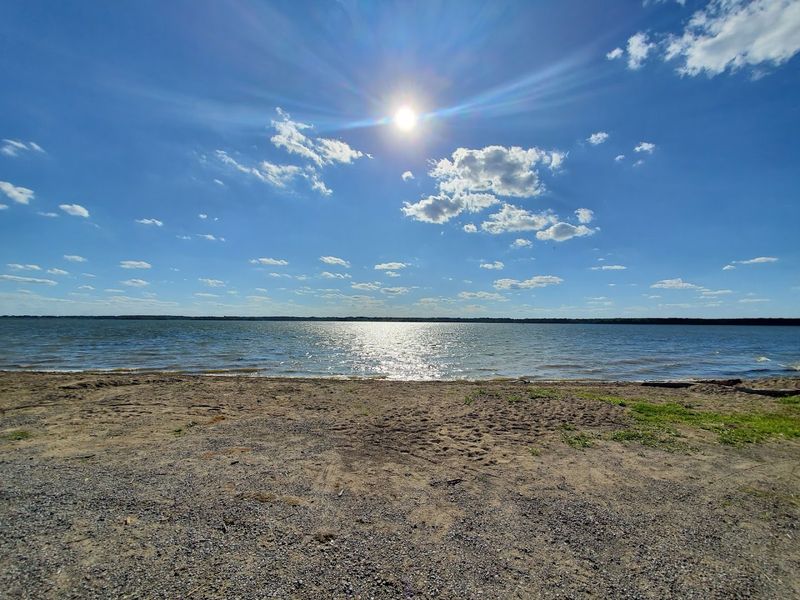
Most people picture a small, calm pond when someone says “Ohio lake,” so the first glimpse of this place genuinely stops you in your tracks.
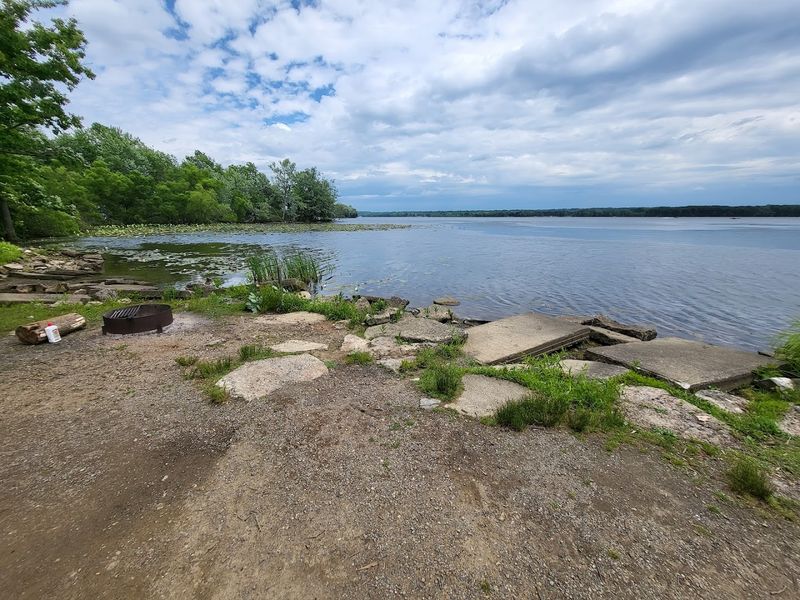
Mosquito Creek Lake covers roughly 7,850 acres of open water, making it one of the largest inland lakes in Ohio. The surface is wide enough that the far shore disappears on hazy days, and the wind builds real whitecap waves when a storm front rolls through.
That sense of open space is rare in a landlocked state, and it gives the whole park a coastal energy you do not expect until you are already standing there with the wind in your face.
Mosquito Lake State Park is located at 1439 State Route 305 in Cortland, Ohio 44410, tucked into the northeastern corner of the state. You can reach the park office at (330) 637-2856 if you want to plan your visit in advance.
The sheer scale of the water is what most visitors remember first, and it is honestly the best argument for making the drive out here at least once.
The Story Behind the Water
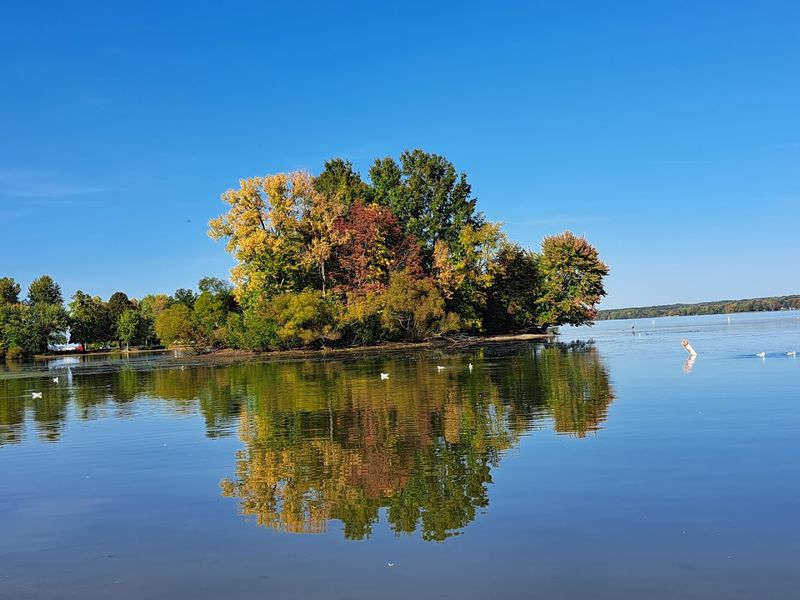
Not every beautiful lake has a dramatic origin story, but this one does. Mosquito Creek Lake was created as a flood control reservoir by the U.S.
Army Corps of Engineers, with the dam completed back in 1944.
The project was designed to protect downstream communities along the Mahoning River from serious flooding, and it has done exactly that job for decades while quietly becoming one of the region’s favorite recreational destinations.
The name itself comes from Mosquito Creek, the waterway that was dammed to form the lake. Local historians note that the creek’s name predates the park by well over a century, tied to the marshy lowlands that once lined its banks.
What started as a practical engineering solution gradually transformed into a full state park managed by the Ohio Department of Natural Resources.
That combination of functional history and natural beauty gives the lake a depth that goes beyond just the water itself. Knowing the backstory makes every walk along the shoreline feel a little richer and more grounded in the real landscape of this part of Ohio.
Boating and the Busy Marina
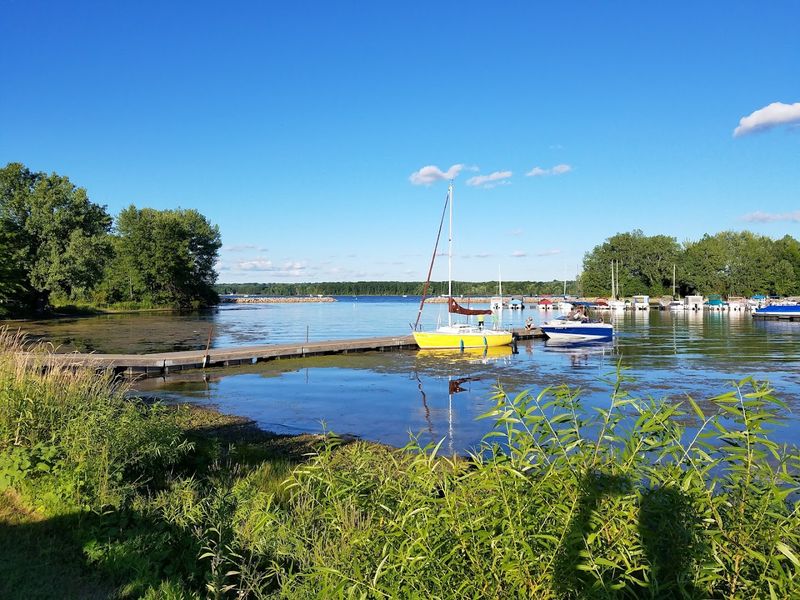
The marina at Mosquito Creek Lake is one of the park’s busiest spots on any warm weekend, and for good reason. Located inside Mosquito Lake State Park near the south end of the lake, it offers boat rentals, fuel, supplies, and easy water access for visitors who do not own their own vessel.
Boat rental options include pontoon boats, fishing boats, and kayaks, so you can choose your pace on the water.
The lake is large enough that you can spend an entire afternoon just cruising without retracing your path. On busy summer weekends, the marina hums with activity, but the lake itself is wide enough that it never feels overcrowded once you push away from the dock.
I rented a small boat for a few hours and spent most of the time just drifting, watching the treeline shift in the distance.
There is something quietly satisfying about being out on that much open water with nothing pressing to do and nowhere urgent to be.
Fishing That Keeps People Coming Back
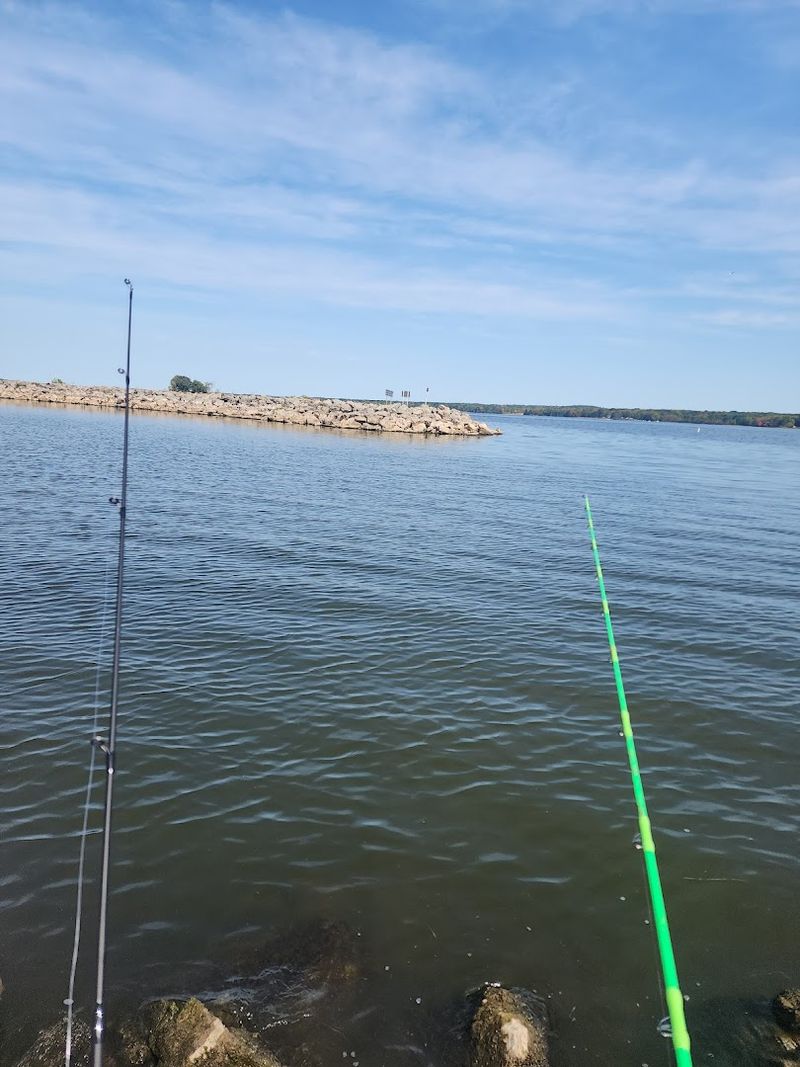
Ask any regular visitor what brings them back to this park season after season, and fishing comes up almost every single time. The lake has a strong reputation for bass fishing in particular, with thick aquatic vegetation providing the kind of habitat where fish populations genuinely thrive.
Crappie, walleye, and catfish are also well-represented, so the variety keeps things interesting whether you are a casual weekend angler or someone who takes the sport seriously.
Shore fishing is accessible from several spots around the lake, and the rocky areas near the park are popular with people who prefer to stay on dry land.
One thing worth noting is that some of those rocky fishing spots tend to collect litter, which is a reminder to pack out whatever you bring in. The park benefits from visitors who treat the space with care.
I watched a young kid land six fish in one afternoon while his grandparent cheered from a folding chair nearby. That kind of moment is exactly what this place is built for, and the lake delivers it reliably enough to earn its loyal following.
Camping With Room to Breathe
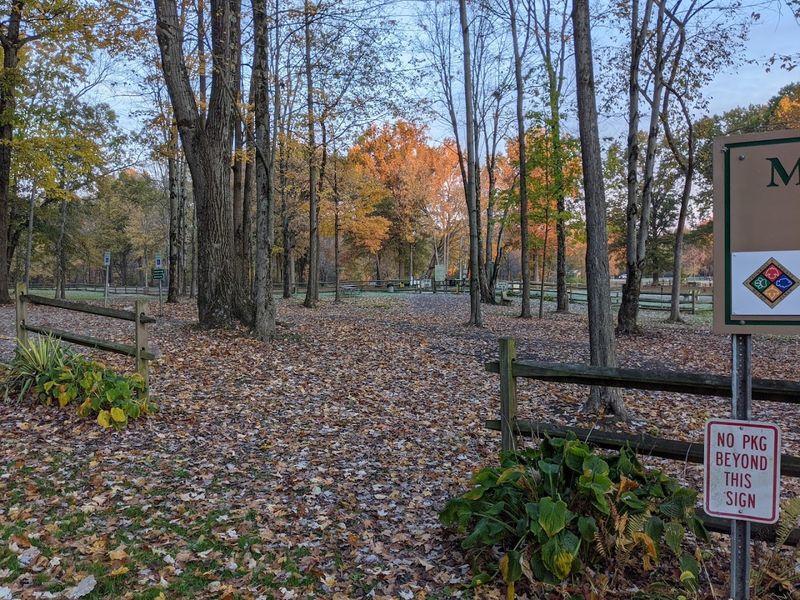
Camping at this park is a genuinely comfortable experience, especially if you snag one of the larger sites in Camping Area 2. Some of those spots are enormous, with deep shade from mature trees and enough space between neighbors that you actually feel like you have your own private corner of the woods.
The park offers a range of setups, from primitive tent sites tucked into the forest to full electric hookup spots that accommodate large RVs. Fifty-amp service is available, and the nightly rates are affordable enough that extended stays do not feel like a financial stretch.
Military discount pricing makes it even more accessible for veterans and active-duty families, which is a thoughtful touch.
The campground bathrooms have received mixed feedback over the years, with some facilities being pit-style rather than fully plumbed. The shower houses, however, are generally clean and well-maintained.
What I noticed most was the atmosphere after dark. The campground settles into a calm, friendly quiet by late evening, and the lack of dumpsters inside the camping area keeps things noticeably fresher smelling than at many other parks.
The Beach and Playground Area
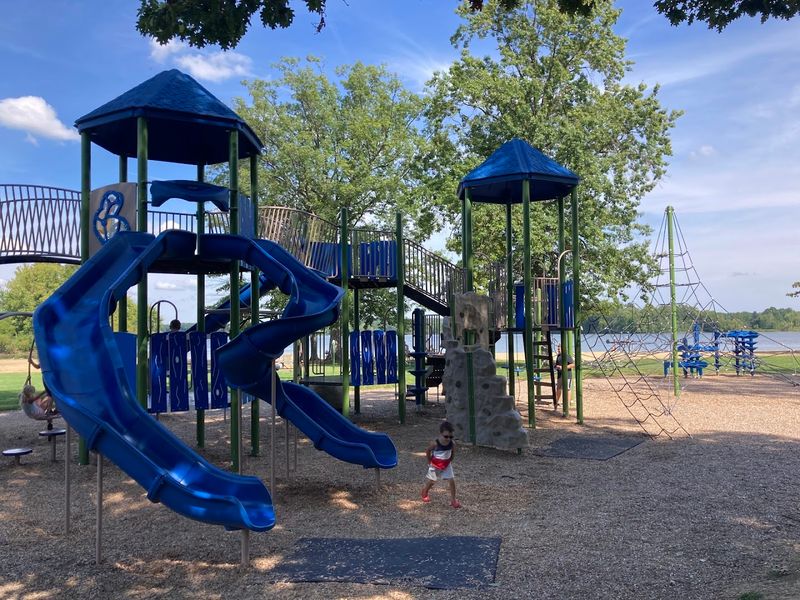
The beach here is one of those places that earns repeat visits on its own merits. The swimming area is clean, well-maintained, and noticeably larger than what you find at many other Ohio state parks, which gives it a relaxed, uncrowded feel even on busy weekends.
The water is not very deep near the shore, which makes it a comfortable spot for young swimmers and cautious waders. Parents can keep an easy eye on kids without constantly holding their breath.
Right next to the beach sits a large playground with a pavilion nearby for shade and picnicking. The nature play area also gets consistent praise, with creative setups that encourage kids to engage with the environment rather than just sit and scroll.
A storybook trail runs close to the playground area, which is a clever feature that turns a short walk into a read-aloud adventure for younger visitors.
I spent a morning just watching families cycle through the beach and playground, and the energy was cheerful and relaxed in equal measure. It is the kind of place that makes a summer afternoon feel genuinely well spent.
Trails, Wildlife, and Quiet Walks
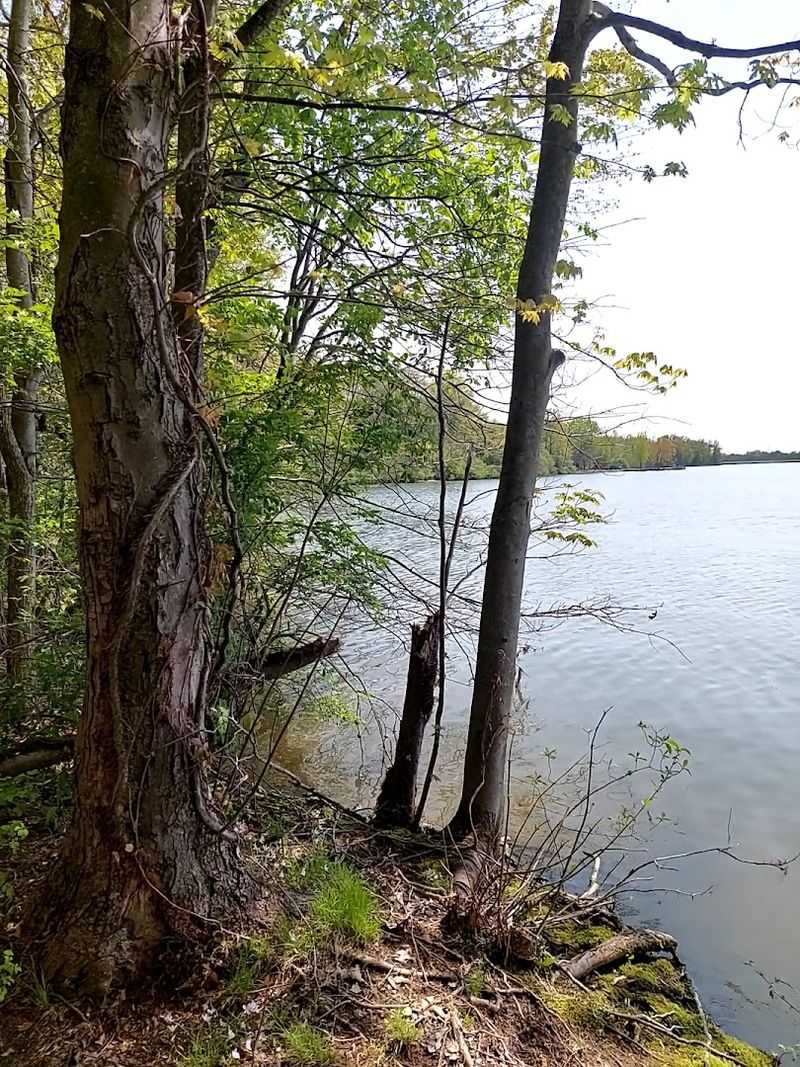
The trail system here is not the main event for most visitors, but it rewards the people who take the time to explore it. The paths wind through a mix of deep woods, open meadows, and wetland edges, offering a decent variety of scenery for a relatively flat landscape.
Birdwatching is a genuine highlight along these routes. The lake and its surrounding wetlands attract a wide range of species, and early morning walks during migration season can turn into unexpectedly rewarding birding sessions without any special equipment required.
The trails on the west end of the park are described by some visitors as a bit rough, so sturdy footwear is a smart choice if you plan to go beyond the main paths.
White-tailed deer are commonly spotted near the tree lines at dusk, and the wetland areas support frogs, herons, and the occasional muskrat if you move quietly enough.
Hunting is also permitted in designated areas of the park during appropriate seasons, which adds another dimension to how the land is used and enjoyed throughout the year. The park manages nearly 2,500 acres in total.
The Dog Park and Pet-Friendly Perks
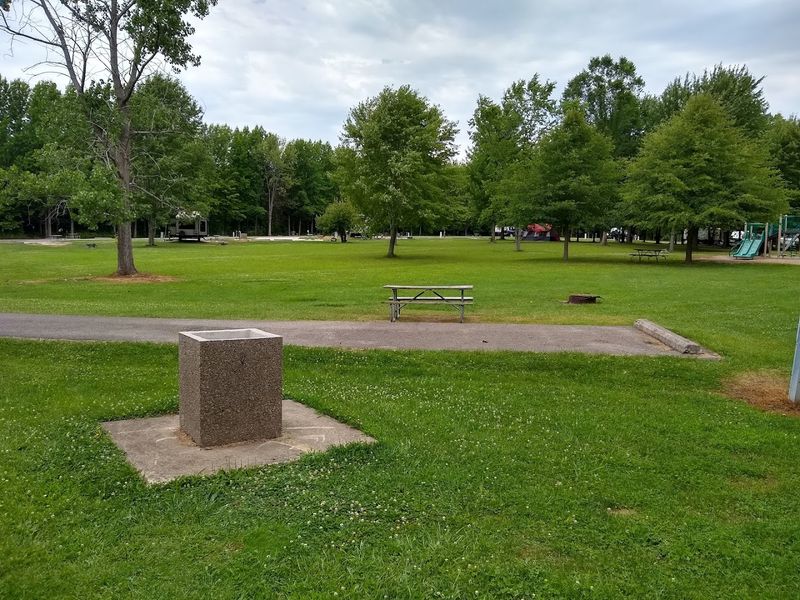
Bringing a dog to a state park can sometimes feel like an afterthought, with a small patch of grass and a single water spigot passing for pet accommodations. That is not the case here.
The dog park at Mosquito Creek Lake is genuinely large, well-fenced, and clearly a priority rather than a footnote. Multiple visitors have called it one of the best features of the entire park, and after seeing it in person, that assessment is hard to argue with.
Dogs are allowed throughout much of the campground as well, which makes the park a practical choice for families who travel with pets and do not want to leave anyone behind.
The open space around the dog park gives active breeds room to actually run, not just trot in small circles. The grass is kept reasonably maintained, and there is enough shade to keep things comfortable on warmer days.
I watched a group of dogs sprint full-speed across the enclosure while their owners chatted on benches nearby, and the whole scene had a low-key, community feel that matched the rest of the park perfectly.
Education Programs and Family Activities
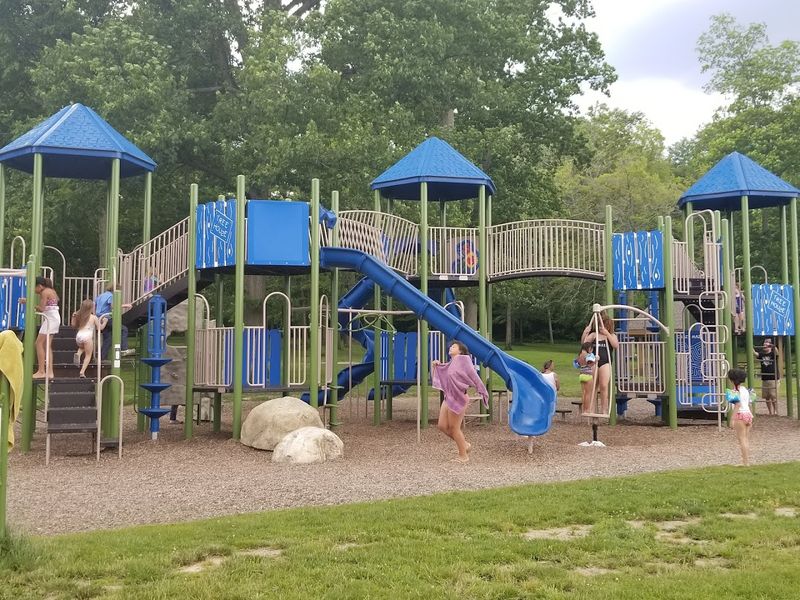
A state park that offers family-friendly features alongside its recreational facilities is doing something right, and this one delivers on that front in a way that families with curious kids will genuinely appreciate.
The park offers seasonal nature programming and family activities, and those events can add a fun educational layer to a day that might otherwise revolve around the beach, campground, or lake.
The nature play area and Storybook Trail are both close enough to the main recreation areas to work into a full day at the park without a lot of extra driving or planning.
These features reflect a broader philosophy at the park: the idea that outdoor spaces should teach as well as entertain. That balance is harder to strike than it sounds, and the park pulls it off without making anything feel forced or overly structured.
For families looking for a trip that gives kids something to talk about on the drive home, the educational and play-focused features here add a layer that a simple beach day alone cannot provide.
Practical Tips for Planning Your Visit
The park is open daily from 6 AM to 11 PM, which gives you a solid window for everything from early morning fishing to a late evening walk along the shoreline.
The phone number for the park office is (330) 637-2856, and the official website through the Ohio Department of Natural Resources has up-to-date information on camping reservations and seasonal programs.
Campsite rates are affordable, and the military discount pricing makes the park especially accessible for veterans and their families. Electric hookup sites with fifty-amp service are available for RV travelers, and primitive tent sites offer a more rugged experience for those who prefer it.
One practical note: the park maps have not always reflected current lake levels accurately, so do not rely solely on the map when choosing a waterfront campsite. Confirming site details with the park office before arrival can save some disappointment.
The park is also conveniently located within a few miles of restaurants and retail options in the Cortland area, so resupply runs are easy if you forget something at home.
Pack out your trash, respect the wildlife, and bring layers for evenings near the water.