
This Quiet Town In Kentucky Is So Picturesque, You’ll Think You’ve Stepped Back In Time
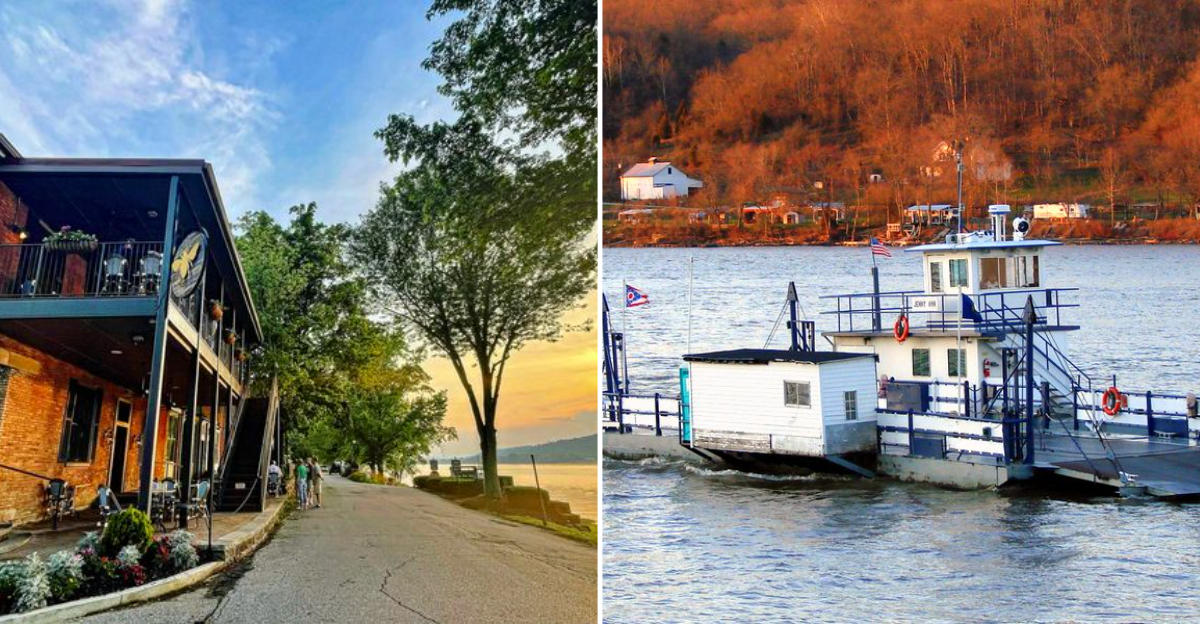
I stumbled into Augusta on a Sunday afternoon when my GPS decided to take a scenic detour, and honestly, I thought I’d driven onto a movie set.
This little Kentucky town hugs the Ohio River like it’s holding onto secrets from two centuries ago, and walking those brick sidewalks felt like flipping through a sepia-toned photo album that somehow came to life.
Around eleven hundred people call this place home, and every single one of them seems to understand that rushing here would be missing the entire point.
A Quiet Ohio River Town Where Time Moves Slower
Augusta sits along the southern bank of the Ohio River in northeastern Kentucky, a small community of around eleven hundred residents where the streets stay calm and the scenery feels almost unreal.
Founded in the late 1700s as a river port, the town still looks and feels like a snapshot from another era, often described as frozen in time and celebrated as one of Kentucky’s most picturesque small towns.
I remember parking my car and noticing how quiet everything was, like someone had turned down the volume on modern life. River towns usually buzz with tourist traps and chain stores, but Augusta kept its soul intact.
That unhurried vibe makes you want to slow your breathing and actually notice the details around you.
Walking Augusta’s Historic Riverfront And Water Street District
Strolling along the riverfront brings you into the Water Street Historic District, where 18th and 19th-century homes stand shoulder to shoulder facing the Ohio.
Italianate and Second Empire details frame big river views, and brick or old sidewalks invite a slow wander rather than a hurried march.
Every porch, bay window, and gabled pavilion quietly hints at the families who watched steamboats glide past more than a century ago.
My shoes clicked on those uneven bricks, and I caught myself peeking into front gardens where roses climbed up century-old trellises. Architecture buffs could spend hours just studying the ironwork and cornices.
Each house tells a different chapter of river commerce and family legacy.
Crossing By Ferry, The Oldest Commute Still In Daily Use
Approaching Augusta by water feels like a little time travel trick. The Augusta Ferry has shuttled people and vehicles across the river since the late 1700s and still runs daily on a generous schedule, carrying locals, road trippers, and curious day visitors.
A short ride on the Jenny Ann gives you open air, river breeze, and a slow reveal of the historic houses lining the Kentucky shore.
When I drove onto that ferry deck, the operator waved like we were old neighbors. The crossing takes just a few minutes, but those minutes let you breathe in river air and watch the town unfold from a perspective travelers rarely get anymore.
Storybook Streets, Brick Sidewalks And Movie Locations
Augusta’s preservation efforts kept its 19th-century waterfront intact, which turned the town into a ready-made film set for period productions.
Portions of the TV series Centennial, a PBS version of The Adventures of Huckleberry Finn, and Neil Simon’s Lost in Yonkers all used the streets here as a stand-in for older American cities.
Vintage architecture, old civic buildings, and the compact town grid make every block feel like you wandered onto a movie lot before the cameras roll.
Walking past those locations, I kept imagining directors scouting for authenticity and finding it in spades. No need for fake storefronts or CGI backdrops here. Reality beats special effects every single time.
Following In Rosemary Clooney’s Footsteps
One white house on Riverside Drive once served as a retreat for singer and actor Rosemary Clooney, and today it welcomes visitors as the Rosemary Clooney House museum.
Inside, displays highlight her life and career, with memorabilia and costumes, including an extensive collection from White Christmas, arranged in intimate rooms rather than cavernous galleries.
Fans step through the front door and suddenly feel closer to classic Hollywood while still standing in a quiet Kentucky river town.
I spent longer than planned reading handwritten letters and studying gowns behind glass. The museum staff shared stories like they were talking about a beloved aunt.
That personal touch made the whole experience feel less like a tourist stop and more like visiting family history.
Slow Afternoons In General Stores, Cafes And Boutiques
Downtown streets wrap around cafés, small inns, galleries, and a general store that still leans into old-school charm with wood floors and counter-service treats.
Travel writers describe grabbing a soda and hand-dipped ice cream at Augusta General Store and feeling like they landed on the set of an old television show, right down to the big display windows and friendly greetings.
Small restaurants and shops give visitors enough to explore without ever overwhelming the town’s sleepy rhythm.
I ordered a root beer float and sat on a bench outside, watching locals chat like they had all day. No one rushed, no one checked their phones obsessively. Simple pleasures taste better when you’re not multitasking.
Riverfront Sunsets And Quiet Moments On The Banks
Evenings often belong to the river. Several miles of largely unobstructed views let you watch barges drift by while the sky reflects in long bands of color over the water.
Benches, small landings, and grassy patches turn into front-row seats where conversations slow down, shoes come off, and the only background noise is the steady ripple of the Ohio.
I caught sunset from a bench near the ferry landing, and the whole sky turned pink and orange like someone spilled watercolors across the horizon.
A couple next to me shared a thermos of coffee and didn’t say much, just watched. Sometimes silence says more than any postcard ever could.
Tracing Layers Of History From College Halls To Underground Stories
Augusta once served as the Bracken County seat and later hosted Augusta College, one of the earliest Methodist colleges in the United States, with a few historic buildings still lingering near the river.
Local history interpreters also point to stories of Underground Railroad activity and early river trade, weaving together tales of education, commerce, and resistance.
Every plaque, preserved hall, and weathered marker adds another layer to the feeling that the past here remains close to the surface.
I stood outside one of those old college buildings and tried to picture students from the 1820s walking those same paths. History here isn’t locked behind museum glass.
It lives in the streets, the stories, and the stones beneath your feet.