
This Quirky Colorado Town Blends Trains, Wild Art, And Old-West Spirit
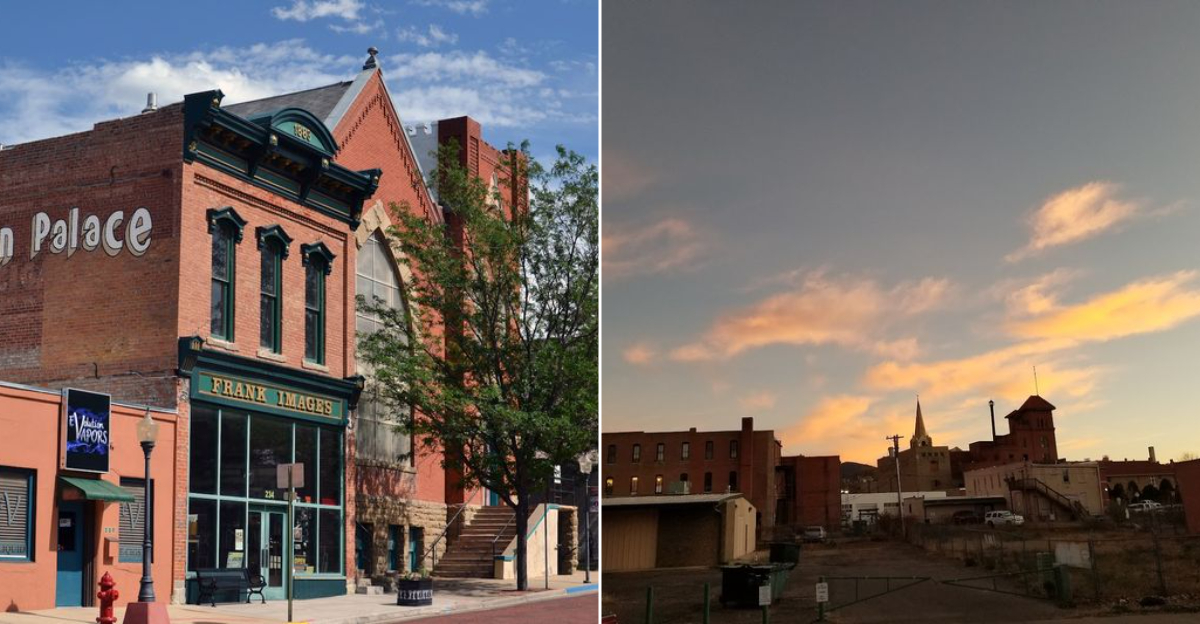
Some towns feel like they were built from sunshine, grit, and a stack of stories waiting for the right traveler to notice. Colorado has a southern charmer that sits along an old frontier route, where history still seems to linger in brickwork, hillsides, and the easy pace of the streets.
It is small enough to feel personal, yet packed with enough character to turn a quick stop into an unexpectedly full afternoon. You can wander past handsome old buildings, chase down quirky details, and feel the past bumping elbows with the present in the most delightful way.
Road-trippers get a perfect pause, history lovers get plenty to chew on, and curious wanderers get that rare thrill of finding a town with real texture.
Before long, Colorado’s borderland spirit starts to feel less like a chapter from a book and more like a lively conversation you accidentally walked right into.
Where The Santa Fe Trail Still Leaves Its Mark
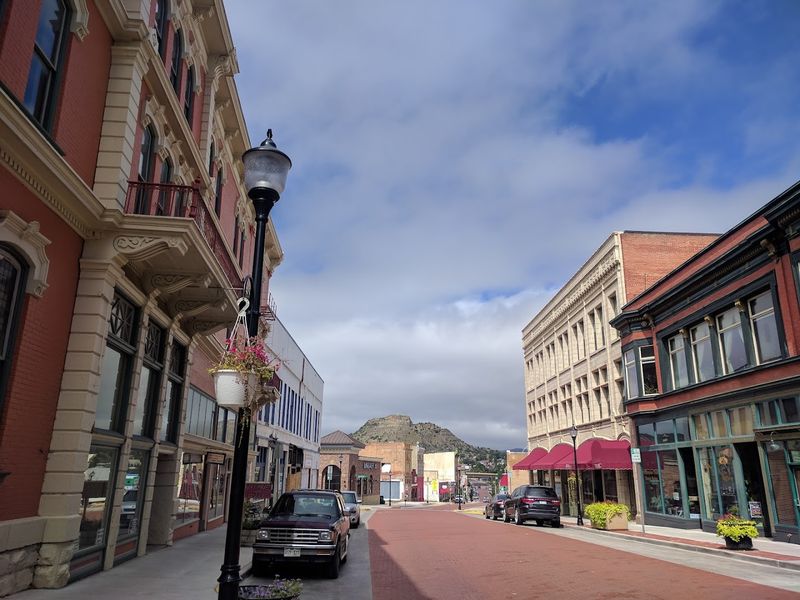
Long before GPS and interstate highways, travelers heading southwest relied on the Santa Fe Trail as their lifeline across the American frontier. It sits directly on that legendary route, and unlike many towns that have quietly erased their trail history, this one wears it openly.
The layout of the streets, the placement of historic buildings, and even certain land features still echo the path thousands of wagons once carved through the landscape.
Why It Matters: Understanding this history transforms a simple downtown stroll into something that feels genuinely cinematic. You are not just walking a sidewalk; you are retracing a route that shaped the American Southwest.
Families traveling with curious kids will find this angle especially rewarding. History that you can physically stand inside tends to stick in a way that textbooks rarely manage.
This Colorado town sits 195 miles south of Denver, making it an achievable and deeply satisfying detour for anyone driving I-25 through the region.
Pro Tip: Arrive on a weekday morning for a quieter experience when the downtown streets feel unhurried and the historic architecture is easier to photograph without crowds.
A Railroad Town That Never Forgot Its Roots
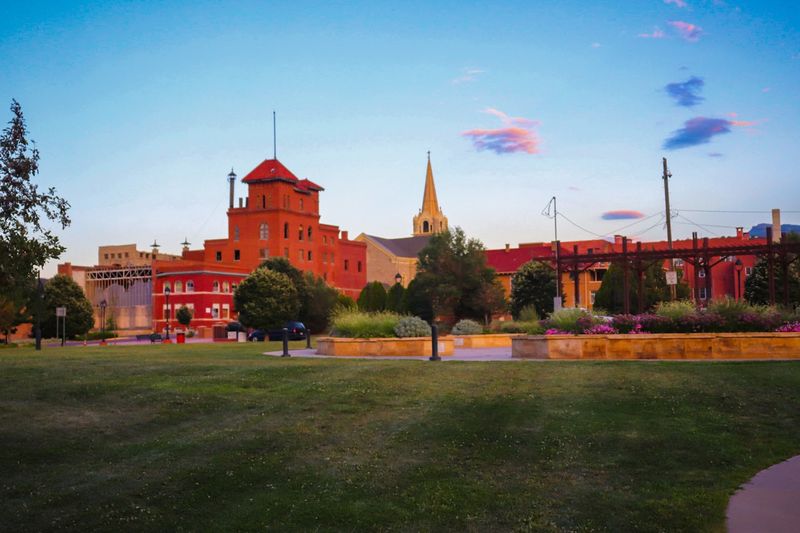
Trinidad grew into a regional powerhouse largely because of the railroad. When the Atchison, Topeka and Santa Fe Railway pushed through southern Colorado, this town became a critical stop for commerce, coal transport, and westward migration.
The railroad did not just pass through Trinidad; it shaped the town’s identity at a foundational level.
Quick Tip: Look for architectural details around the historic depot area that reflect the railroad era. The scale and craftsmanship of buildings from that period tell a story that no museum exhibit can fully replicate.
For train enthusiasts, this is a genuinely exciting destination rather than a consolation stop. The physical remnants of rail infrastructure give the town a layered, textured quality that rewards slow exploration.
Even visitors with no particular interest in trains tend to find themselves unexpectedly absorbed by the atmosphere.
Best For: History-minded travelers, families with kids who love transportation history, and photographers drawn to industrial-era architecture. Trinidad’s railroad legacy is not a footnote; it is a full chapter in the story of the American West, and the town has preserved enough of it to make the experience feel authentic rather than reconstructed.
Wild Art That Stops You Mid-Stride
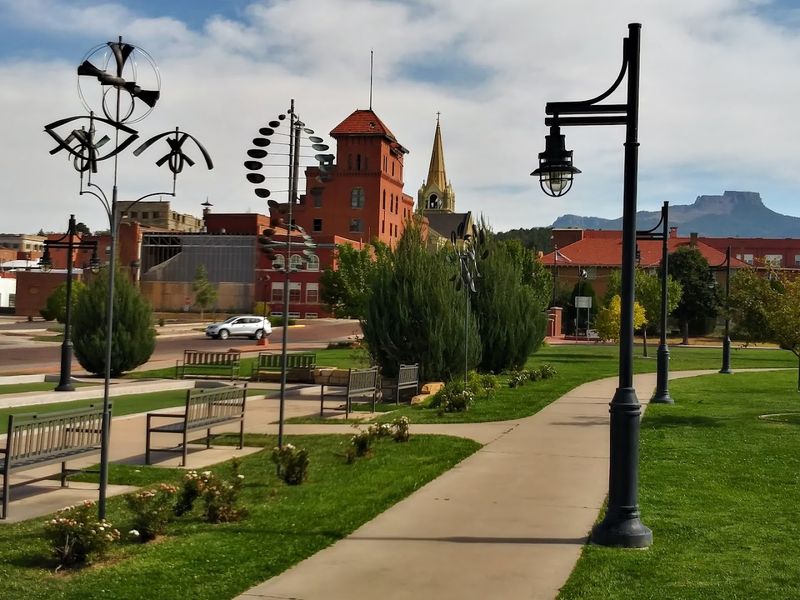
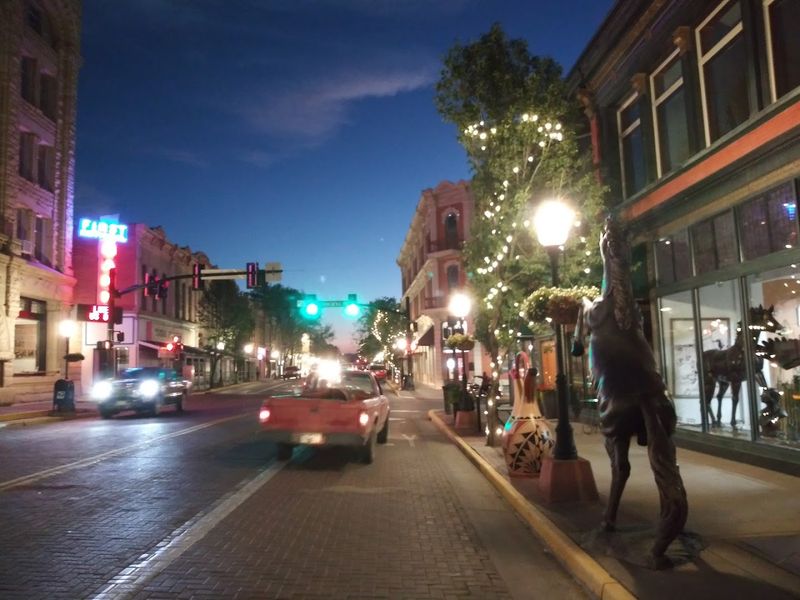
Something unexpected happens when you turn a corner in Trinidad: art appears where you least expect it. Murals climb the sides of brick buildings, sculptures occupy public spaces with the casual confidence of longtime residents, and creative installations pop up in spots that seem almost deliberately chosen to catch visitors off guard.
The art scene here is not curated for a gallery crowd; it feels more like a town-wide conversation happening in paint and metal.
Insider Tip: Walk slowly and look up. Several of the most striking murals are positioned on upper building facades where a hurried visitor would easily miss them entirely.
The variety is genuinely impressive for a town this size. Styles range from bold realism to abstract experimentation, and the subjects often pull from local history, landscape, and community identity.
Nothing here feels imported or generic.
Who This Is For: Creative travelers, couples looking for a visually interesting afternoon, and families who want an outdoor activity that sparks conversation. Trinidad has quietly developed one of the more distinctive public art environments in southern Colorado, and it rewards visitors who are willing to simply wander without a fixed agenda in mind.
The Old-West Spirit You Can Actually Feel
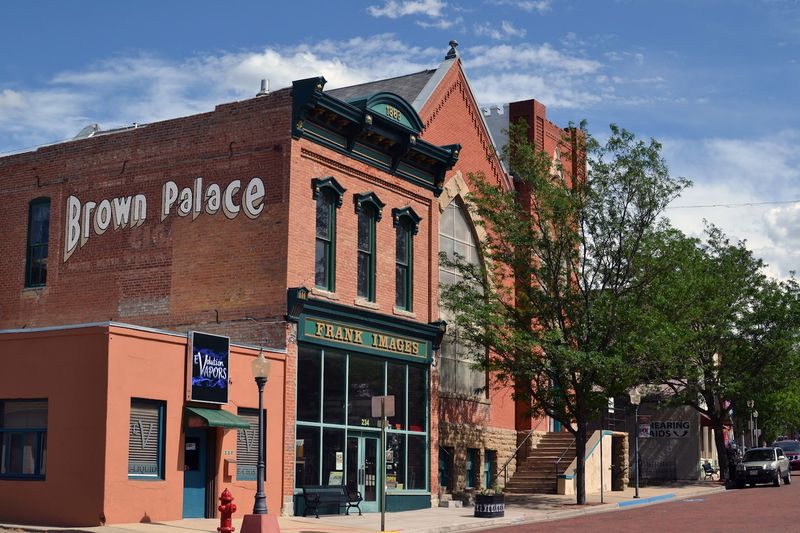
A lot of towns claim Old West heritage the way distant relatives claim famous ancestry: enthusiastically but without much evidence. Trinidad is not one of those towns.
The built environment, the street grid, and the preserved commercial architecture collectively create an atmosphere that feels genuinely rooted in the late 1800s rather than reconstructed for tourism purposes.
Common Mistakes to Avoid: Rushing through downtown in under an hour. The Old West character of Trinidad reveals itself gradually, through details like original storefront cornices, cast-iron architectural elements, and building proportions that modern construction simply does not replicate.
Walking the main commercial corridor gives visitors a tangible sense of what a prosperous frontier town actually looked like at its peak. The scale feels human rather than monumental, which makes the history feel approachable rather than distant.
Best Strategy: Pair a downtown walk with a visit to one of the local historical resources to give context to what you are seeing. Trinidad sits at the intersection of Spanish colonial, Native American, and Anglo-American histories, and that layered past is visible in the architecture, place names, and cultural details scattered throughout the town if you know where to look.
Fisher’s Peak: The Mountain That Defines The Skyline
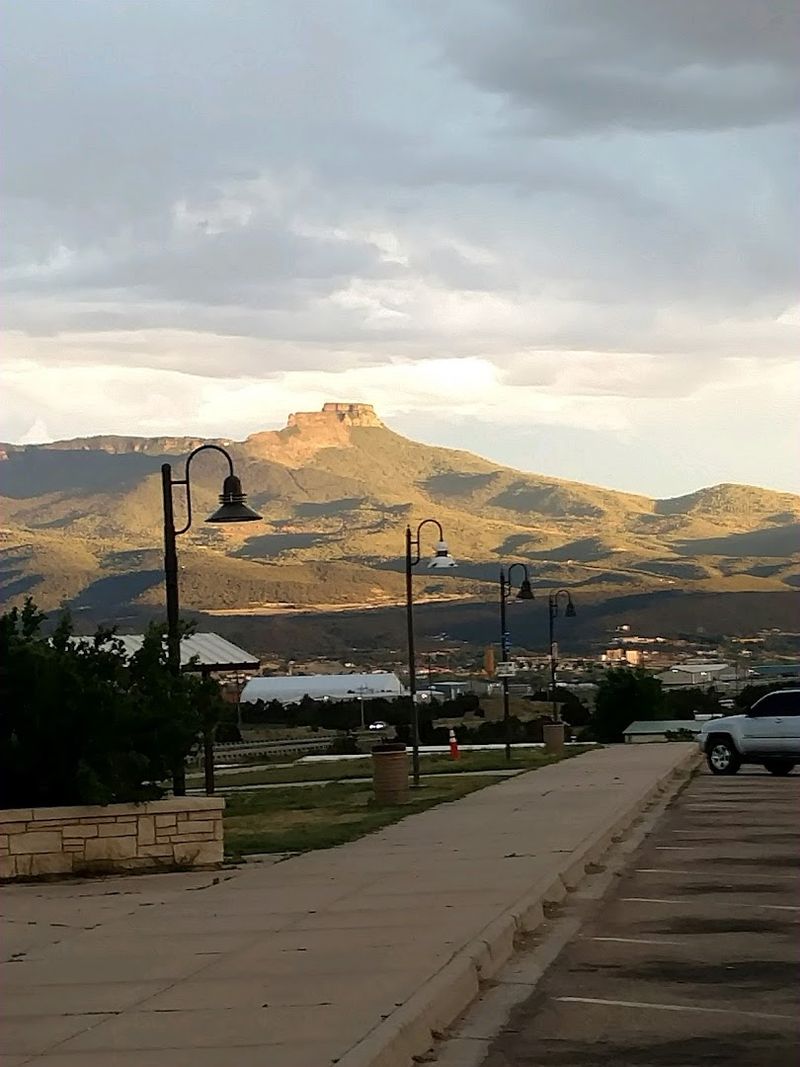
You cannot spend time in Trinidad without noticing Fisher’s Peak. The flat-topped mesa rises dramatically to the east of town, creating one of the most recognizable skylines in southern Colorado.
At roughly 9,627 feet in elevation, it dominates the landscape with the kind of quiet authority that makes you understand immediately why this location mattered to everyone who passed through it historically.
Why It Matters: Fisher’s Peak State Park, which opened in 2021, expanded public access to the mountain and added a new dimension to what Trinidad offers outdoor visitors. The park provides trails with views that extend across the Raton Pass region into New Mexico on clear days.
For families, the combination of town exploration and accessible outdoor activity makes Trinidad a genuinely complete day-trip destination rather than a single-note stop. The mountain backdrop also means that nearly every photograph taken in or around town has a built-in dramatic element.
Quick Tip: Check trail conditions before heading out, particularly in shoulder seasons when the elevation can produce weather that differs significantly from what you experience in town. The visual payoff from the higher trails is substantial, but preparation makes the difference between a memorable hike and an unexpectedly challenging one.
The Corazon De Trinidad: A Historic District Worth Slowing Down For
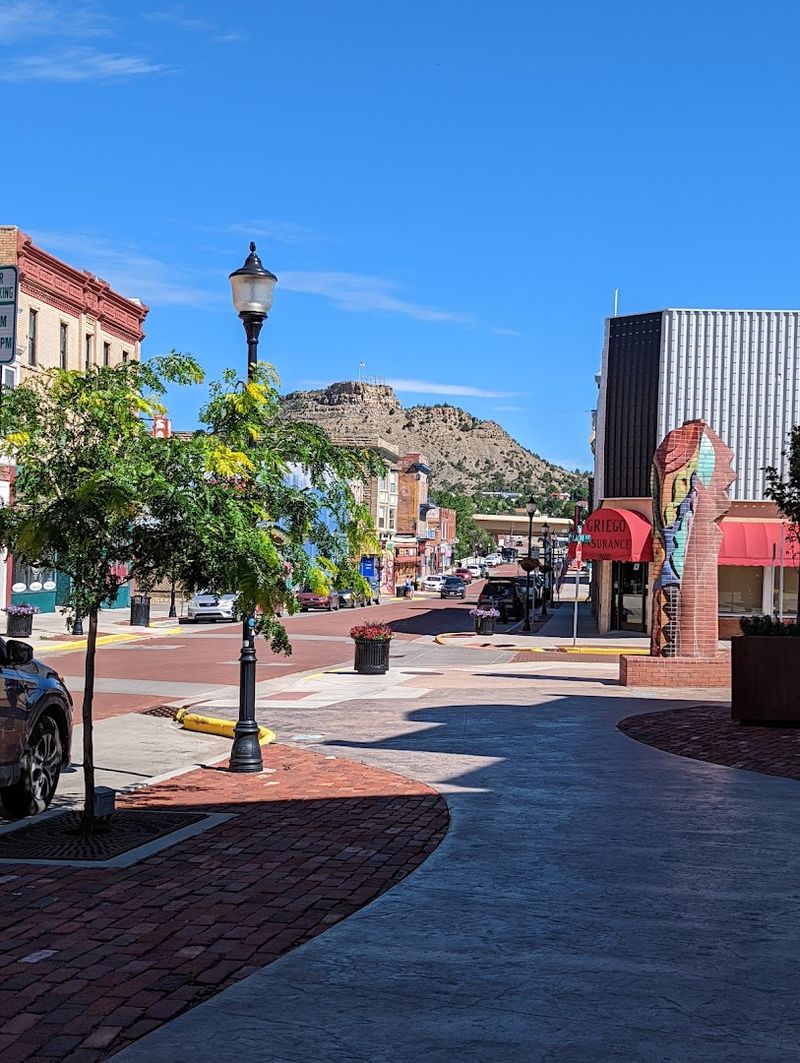
The Corazon de Trinidad National Historic District covers the core of downtown and represents one of the best-preserved examples of late Victorian commercial architecture in the entire state. The district earned its National Historic Landmark designation based on the density and integrity of its historic buildings, which is a genuinely rare achievement for a town of this size.
Insider Tip: The brick work on many of the older buildings reflects craftsmanship from an era when construction was a point of civic pride. Pay attention to the decorative cornices, arched windows, and varied facade treatments that give each building a distinct personality despite the shared architectural vocabulary.
Walking through this district mid-morning on a quiet weekday feels like stepping into a remarkably intact moment from another century, minus the mud and the horses. The human scale of the streetscape invites lingering rather than rushing, which is exactly the right pace for absorbing what makes this place special.
Best For: Architecture enthusiasts, history travelers, and anyone who finds that the physical fabric of a place tells a more honest story than any interpretive sign. The Corazon district is the kind of place that makes you want to slow your scroll speed to match the town’s natural rhythm.
Mid-Article Check-In: The Surprises Keep Coming
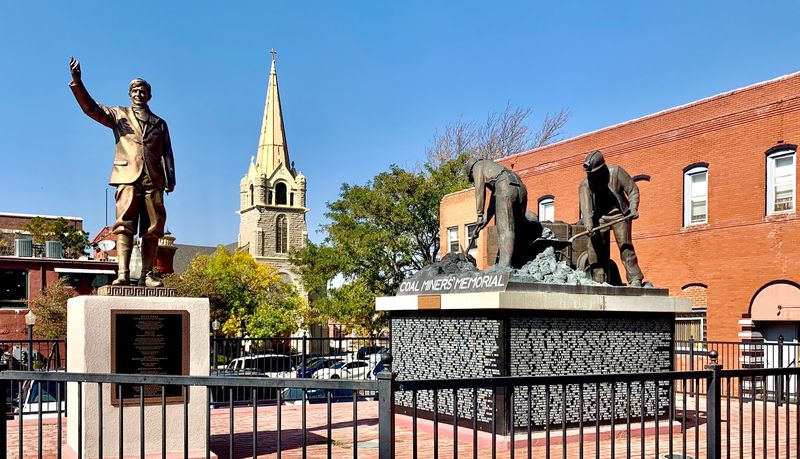
By this point in the story, a pattern has probably emerged: Trinidad is a town that consistently delivers more than its modest size suggests it should. The railroad history, the art, the Old West architecture, the mountain backdrop, and the preserved historic district would each be sufficient reason to visit a town on their own.
Finding all of them in one place, at this scale, is the kind of travel discovery that makes you feel genuinely clever for having found it.
Quick Verdict: Trinidad rewards visitors who arrive with curiosity and leave with a camera roll full of things they did not expect to find in southern Colorado. The town is not trying to be something it is not, which is precisely what makes it so satisfying to experience.
The second half of this feature covers the practical and personal dimensions of a Trinidad visit, from how it fits different travel styles to what makes it a particularly strong choice for road-trippers navigating the I-25 corridor. The surprises are not finished yet, and the details ahead will help you decide whether Trinidad belongs on your next itinerary.
Planning Advice: Block at least a half-day minimum for downtown exploration. A full day allows for both the historic district and outdoor time near Fisher’s Peak without feeling rushed.
A Coal Mining Past That Shaped Everything
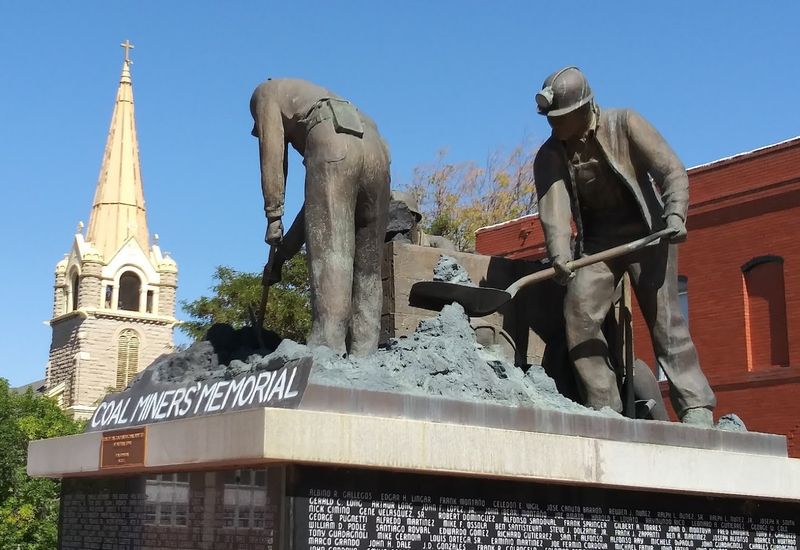
Trinidad’s growth in the late 19th and early 20th centuries was fueled significantly by coal mining in the surrounding Las Animas County region. The coal industry brought workers from across Europe and beyond, creating a culturally diverse community that was unusual for the frontier West.
That diversity left lasting impressions on the town’s food traditions, architecture, and community character.
Fun Fact: The labor history of the Trinidad area includes connections to some of the most significant labor disputes in American history, making it a place of genuine national historical importance beyond its role as a scenic stop.
Understanding the coal history helps explain why Trinidad feels different from other small towns in the region. The community that built this place was not homogeneous, and the cultural layers that resulted from that diversity give the town a depth that rewards curious visitors.
Who This Is For: Travelers interested in American labor history, social history enthusiasts, and anyone who appreciates understanding the full story behind a place rather than just its surface appeal. Trinidad does not sanitize its complicated past, which makes it a more honest and ultimately more interesting destination than towns that only celebrate their highlight reel.
The Trinidad History Museum: Where The Stories Live
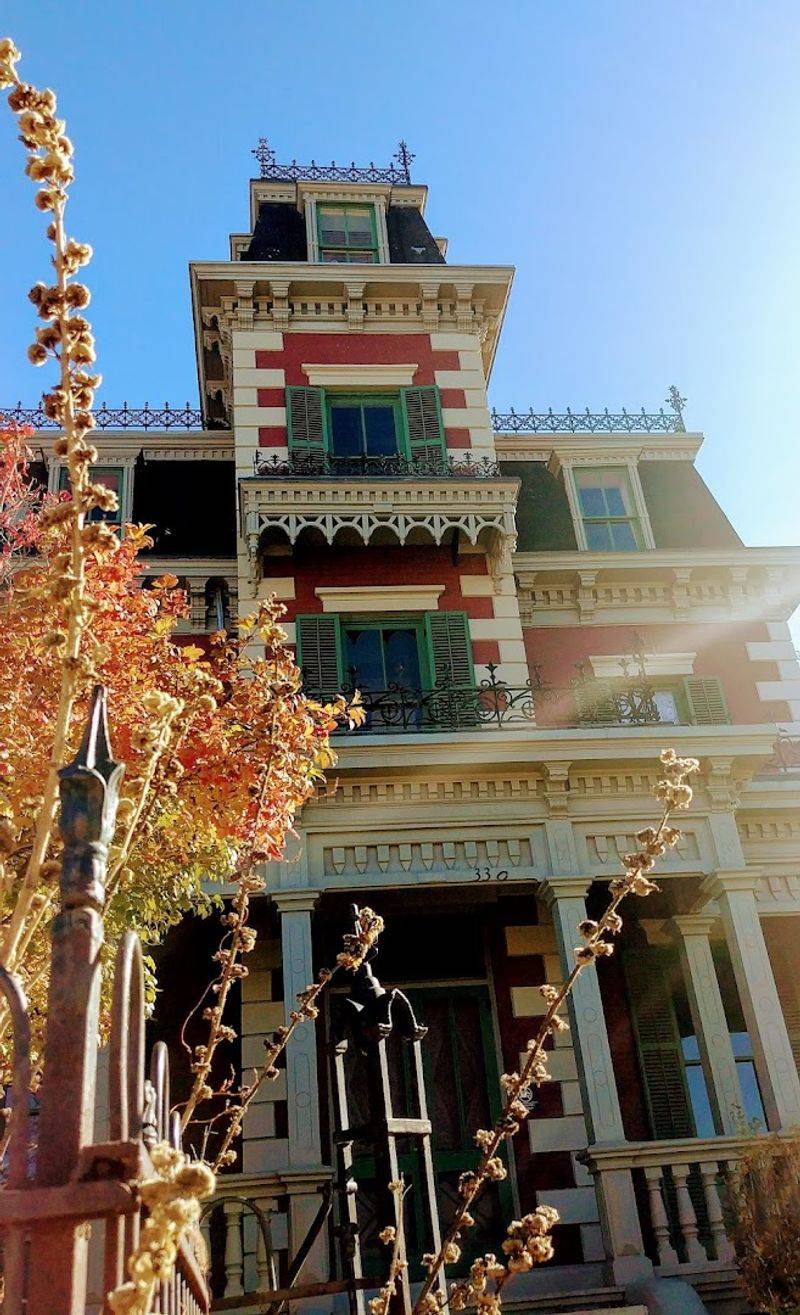
The Trinidad History Museum, operated by History Colorado, occupies a collection of historic structures in the downtown area and covers the full sweep of the region’s past. From the Santa Fe Trail era through the ranching and mining periods, the museum provides context that transforms a casual town visit into something more coherent and meaningful.
Best For: First-time visitors who want orientation before exploring independently, families with school-age children, and history travelers who prefer depth over surface-level sightseeing. The museum’s scope matches the genuine complexity of the region’s history.
The Baca House and Bloom Mansion, both part of the museum complex, represent different chapters of Trinidad’s social history. One reflects the Spanish colonial heritage that predates Anglo settlement; the other showcases the prosperity of the later commercial era.
Seeing them side by side makes the town’s layered identity immediately legible.
Pro Tip: Visit the museum early in your Trinidad trip rather than at the end. The background it provides will make everything else you encounter in the historic district significantly more interesting.
Good context is the difference between looking at old buildings and actually reading them as historical documents written in brick and adobe.
How Trinidad Fits Every Kind Of Traveler
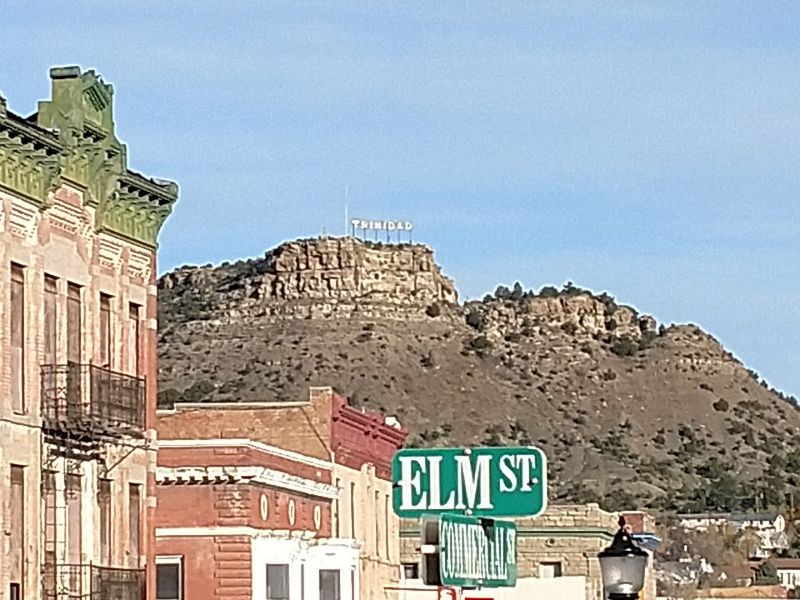
One of the genuinely useful things about Trinidad is how cleanly it adapts to different travel styles without requiring much advance planning. Families get the outdoor options near Fisher’s Peak, the hands-on museum experience, and a walkable downtown that does not require a stroller obstacle course.
Couples get the kind of unhurried, photogenic environment that makes a Saturday feel productively romantic without any manufactured effort.
Who This Is Not For: Visitors seeking a packed itinerary of ticketed attractions and structured entertainment. Trinidad rewards wandering and noticing rather than checking boxes.
If your ideal trip involves a rigid schedule, the town’s relaxed pace might feel underbuilt rather than refreshing.
Solo travelers will find the town exceptionally easy to navigate and genuinely interesting to explore at their own speed. The combination of walkable history, outdoor access, and a compact downtown means that a solo visitor can cover a satisfying amount of ground without a car once they have parked.
Best Strategy: Arrive without a rigid plan. Pick one anchor point, whether the museum, the historic district, or the trailhead, and let the rest of the day organize itself around what you find.
Trinidad is the kind of place that tends to reward that approach more consistently than over-scheduled alternatives.
The I-25 Corridor Secret Most Drivers Skip
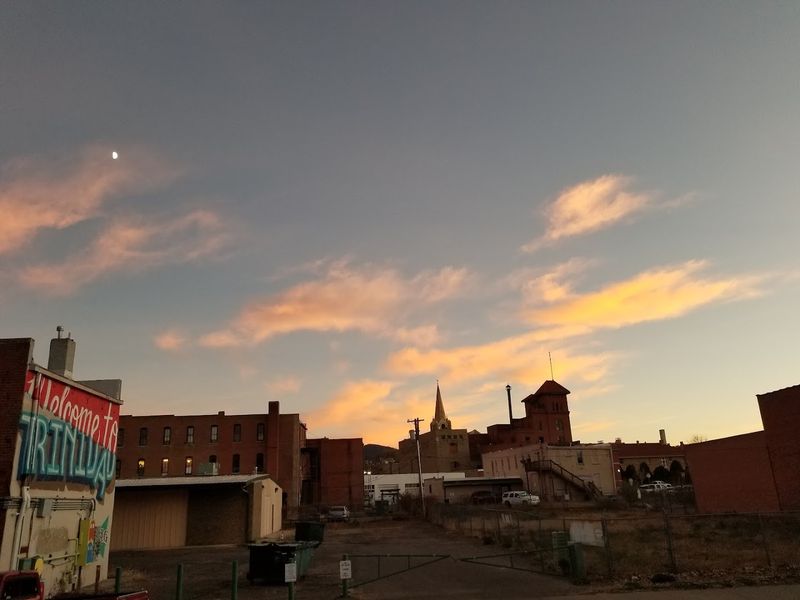
Trinidad sits directly on Interstate 25, roughly 21 miles north of the New Mexico border. For drivers making the run between Denver and Albuquerque or Santa Fe, it occupies a natural stopping point that most people blow past without a second thought.
That is a consistent and easily correctable mistake.
Quick Tip: If you are driving I-25 south and need a break anyway, Trinidad gives you something worth stopping for rather than just a fuel station and a vending machine. The exit deposits you into a historic downtown within minutes, which is not something most interstate exits can honestly claim.
The town’s position on the historic Santa Fe Trail adds a layer of geographic poetry to an otherwise functional highway stop. You are not just stretching your legs; you are standing at a place where the modern road and the historic trail essentially trace the same human logic through a challenging landscape.
Insider Tip: A two-hour stop in Trinidad can comfortably include a downtown walk, a museum visit or a quick look at the murals, and a meal, leaving you back on the highway feeling like you actually experienced something rather than just consumed miles. That is a rare and valuable thing to find right off an interstate exit.
Trinidad Is The Real Thing
Trinidad, Colorado is not a theme park version of a historic western town. It is an actual place with actual history, actual art, and an actual mountain sitting behind it like a very patient and impressive neighbor.
The Santa Fe Trail, the railroad era, the coal mining legacy, the preserved Victorian architecture, and the emerging art scene are not separate attractions bolted together for visitor appeal. They are chapters of a continuous story that the town is still living inside.
Key Takeaways: Trinidad rewards curiosity over checklists. It works equally well as a dedicated day trip from the Denver or Albuquerque directions, a road-trip stop on I-25, or a weekend base for exploring southern Colorado.
The combination of walkable history, outdoor access at Fisher’s Peak State Park, and a genuinely preserved downtown is difficult to find at this scale anywhere in the region.
The town sits at Colorado 81082, county seat of Las Animas County, and it has been quietly earning its reputation as one of southern Colorado’s most underrated destinations for years. The question is not whether Trinidad is worth your time.
The question is why it took this long to end up on your itinerary.
Final Recommendation: Go. Wander slowly.
Look up at the murals. Read the history.
Then tell exactly one friend, because some discoveries are worth keeping just slightly to yourself.