
This Rare Elephant Sanctuary In Florida Feels Like A Hidden Wildlife Paradise
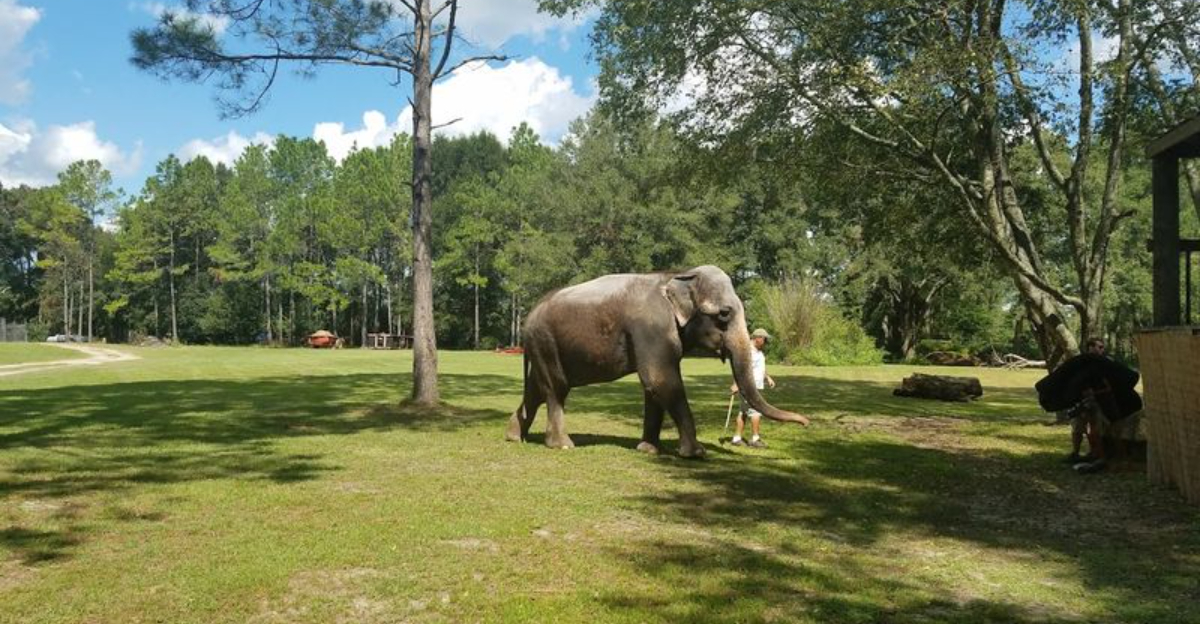
Florida is full of unexpected experiences, but nothing quite prepares you for the moment you realize you are about to stand just a few steps away from an animal most people only ever see in documentaries. One minute you are driving along a quiet rural road, and the next you are hearing the deep, unmistakable rumble of an elephant greeting the day.
This is not a crowded attraction or a typical zoo stop you would expect to find in Florida. The atmosphere feels calm, personal, and almost surreal, like you have stumbled onto something few travelers even know exists.
The air is still, the surroundings peaceful, and then suddenly there they are. Massive, gentle, and impossible to ignore.
Seeing elephants this close changes something. You notice their movements, their sounds, their presence.
And in that moment, it becomes clear this is not just another roadside stop. It is the kind of experience that stays with you long after you leave.
A Family Legacy Built On Exotic Animal Care
Patricia comes from a lineage that reads like an adventure novel, with generations of her family dedicating their lives to exotic animal training and care. I stood listening to her recount stories of circus work, film sets, and the evolution of animal welfare standards, and I realized this woman has forgotten more about elephants than most experts will ever learn.
Her family history weaves through decades of hands-on experience with species most of us only see in documentaries.
I watched her speak with visitors at Two Tails Ranch, located at 18655 NE 81st St, Williston, FL 32696, where she talks about dominance and respect in the same breath, explaining how these concepts keep both handlers and elephants safe during daily interactions. The educational component of the tour revolves around her willingness to answer literally any question thrown her way, from diet specifics to behavioral cues.
I watched her field inquiries about everything from elephant sleep patterns to the economics of maintaining a 12,000-pound animal, never once hesitating or deflecting. Her straightforward style might catch some visitors off guard, but I appreciated the authenticity.
This is someone who prioritizes animal welfare over people-pleasing, and that commitment shows in every corner of the ranch. The knowledge she shares transforms a simple visit into a genuine learning experience that sticks with you long after you leave.
Educational Tours That Challenge Your Assumptions
I expected a traditional guided tour with photo stops and scripted facts, but what I got was something closer to a college seminar conducted outdoors.
Patricia leads visitors to five or six strategic spots around the property, pausing at each location to open the floor for discussion. The format feels less like a performance and more like an invitation to genuinely understand these animals and the challenges of their care.
People asked about everything from foot care routines to the annual food budget, which hovers around a staggering figure that makes you appreciate the financial commitment involved. I learned that each elephant consumes roughly $120,000 worth of food per year, a detail that puts the donation requests into perspective.
The tour runs about 45 minutes to an hour, and younger children sometimes grow restless during the question-and-answer portions. I recommend arriving hydrated since outside food and drinks are not permitted during the experience.
This policy keeps the animals safe and the tour area clean, but it means planning ahead. The educational value alone justifies the admission price, especially for families looking to move beyond surface-level animal encounters.
I left with a completely different understanding of what it takes to ethically house and care for elephants in a private setting.
Up-Close Encounters With Asian Elephants
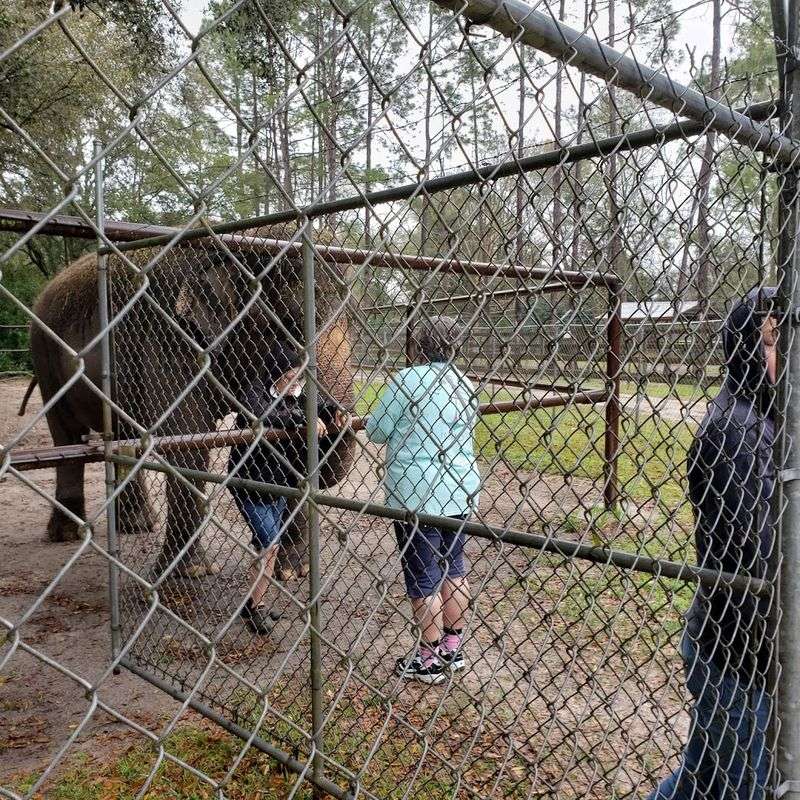
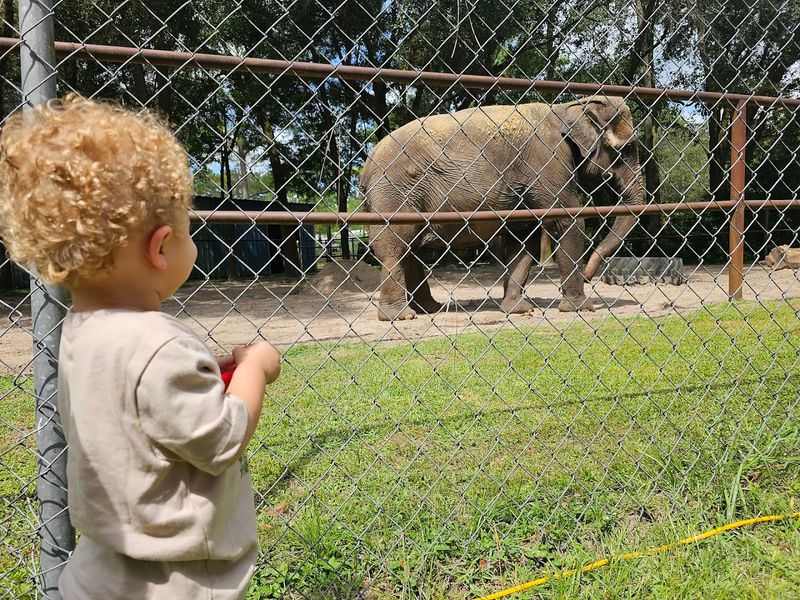
Standing a few feet from a full-grown elephant, separated only by a sturdy fence, I felt my heart rate kick up in the best possible way.
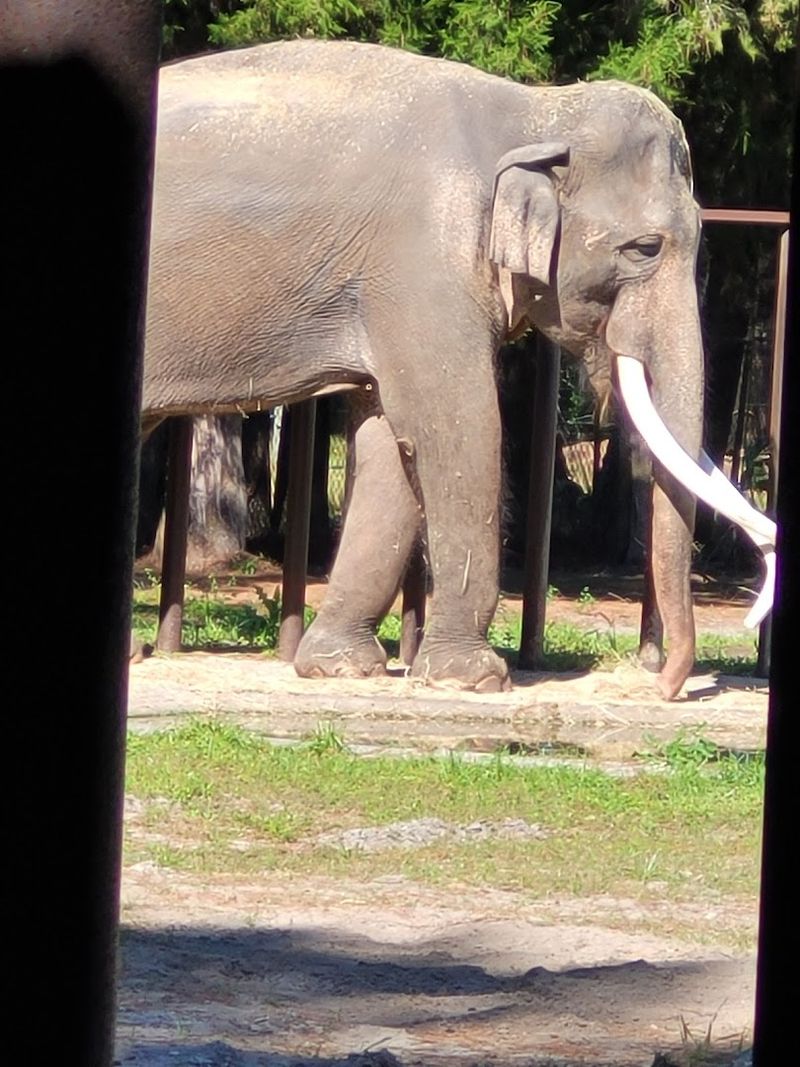
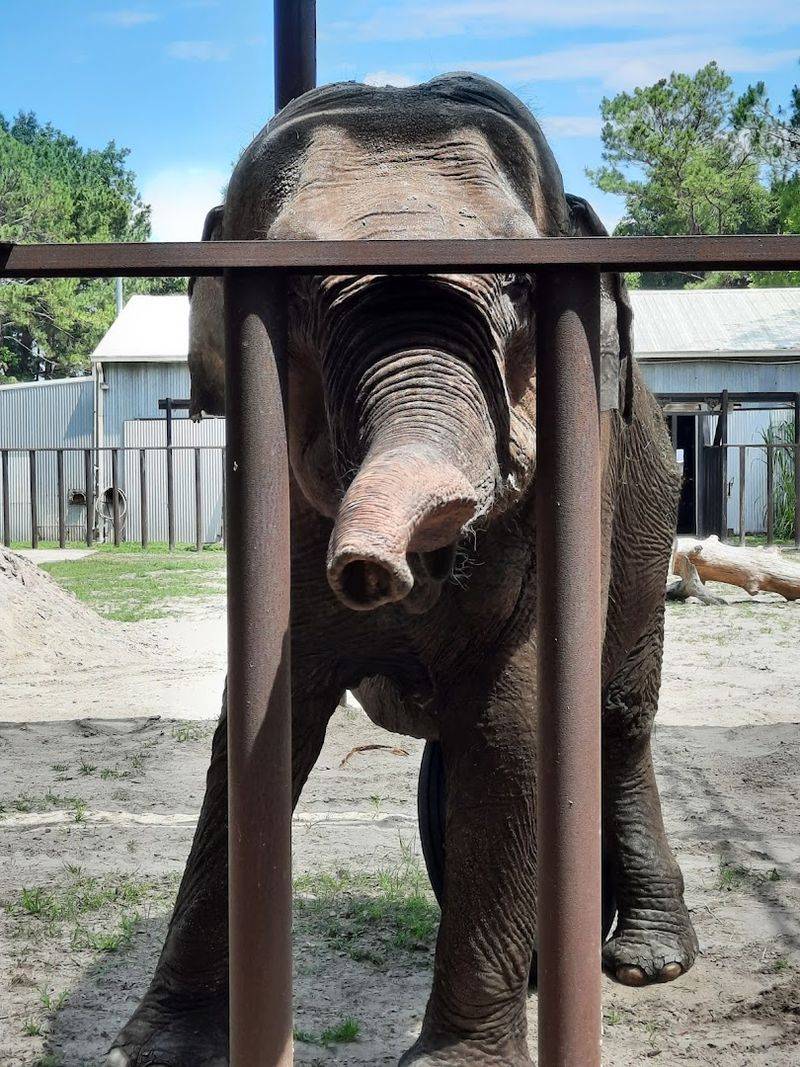
The basic tour keeps visitors at a safe distance, allowing you to observe these magnificent creatures without direct contact. I watched as one of the elephants swayed gently, its trunk exploring the air with curious intelligence.
For those willing to book the Extreme Encounter in advance, the experience expands to include feeding, bathing, and even riding opportunities. I stuck with the standard tour during my visit, but I overheard multiple people expressing regret that they had not reserved the more immersive option ahead of time.
The elephants themselves appear well-maintained, with clean living spaces and attentive care visible throughout the property. Some reviewers have raised concerns about captive elephant welfare, and those questions deserve serious consideration.
Patricia addresses these issues head-on during the tour, discussing training methods, enrichment activities, and the reality of caring for animals that cannot be safely released into the wild. I appreciated her willingness to engage with difficult questions rather than avoiding them.
The ranch also houses other species, including zebras, lemurs, ostriches, and a giant tortoise, creating a diverse menagerie that adds variety to the visit.
Feeding Experiences That Create Lasting Memories
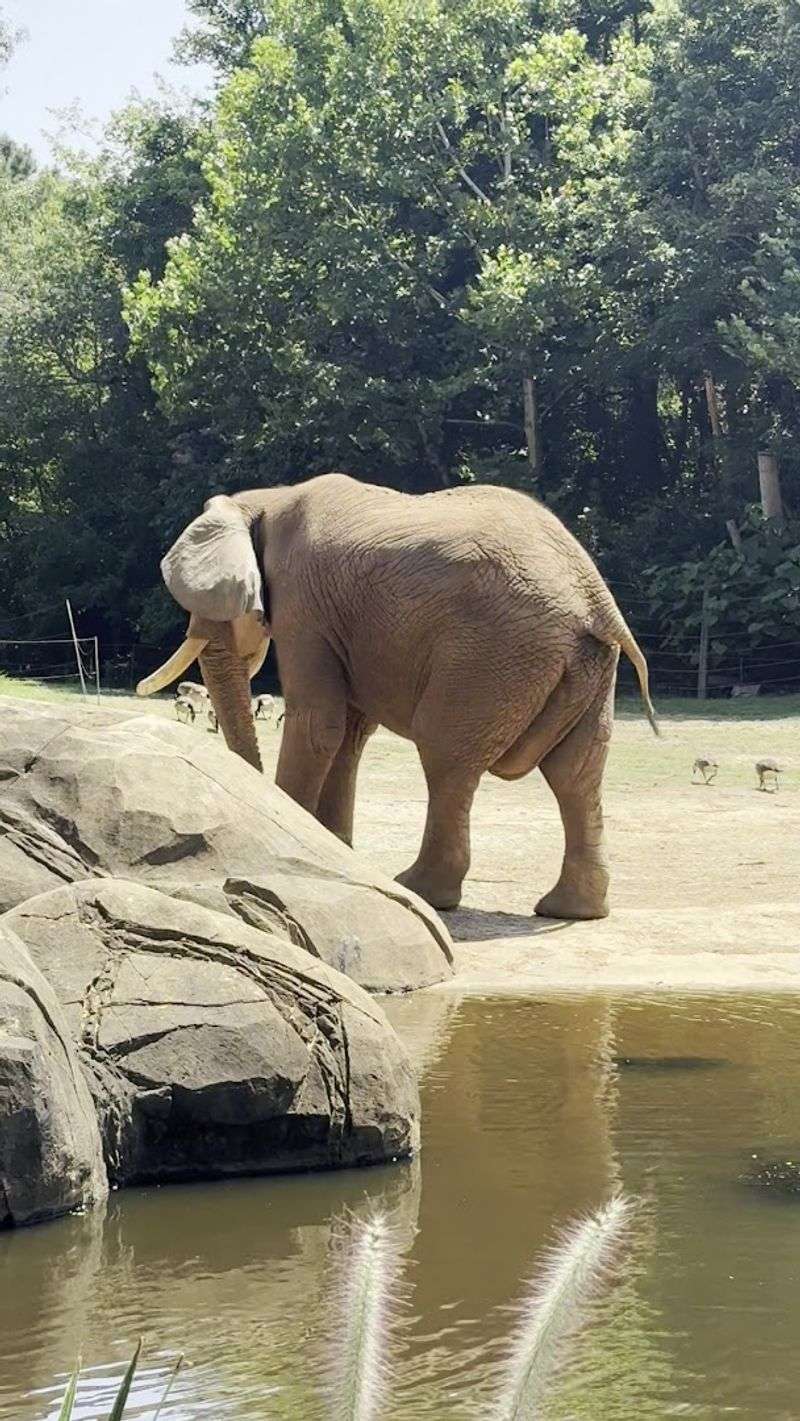
For an additional five dollars, I purchased the chance to hand-feed one of the elephants a couple of baby carrots, and that brief interaction became the highlight of my entire visit.
The elephant’s trunk moved toward my outstretched hand with surprising gentleness, the texture rough and warm against my palm as it delicately plucked the carrots. That moment of connection, fleeting as it was, created a memory that photographs struggle to capture.
The feeding experience lasts only seconds, and visitors are not permitted to linger for casual photos during the process unless they pay the separate photo fee. This policy frustrates some guests who assume a feeding opportunity includes unlimited picture-taking time.
I recommend clarifying all additional costs before your visit to avoid surprises at checkout. The photo package runs $25 and grants you the chance to pose with an elephant while someone snaps pictures with your own phone.
Some visitors find this charge excessive, especially when using their personal devices rather than professional equipment. I chose to skip the formal photo session and instead focused on being fully present during my brief feeding moment.
The sensory experience of feeling an elephant’s breath, hearing the low rumbles of communication, and watching those intelligent eyes study you cannot be replicated in a photograph anyway.
Elephant Rides Around A Compact Course
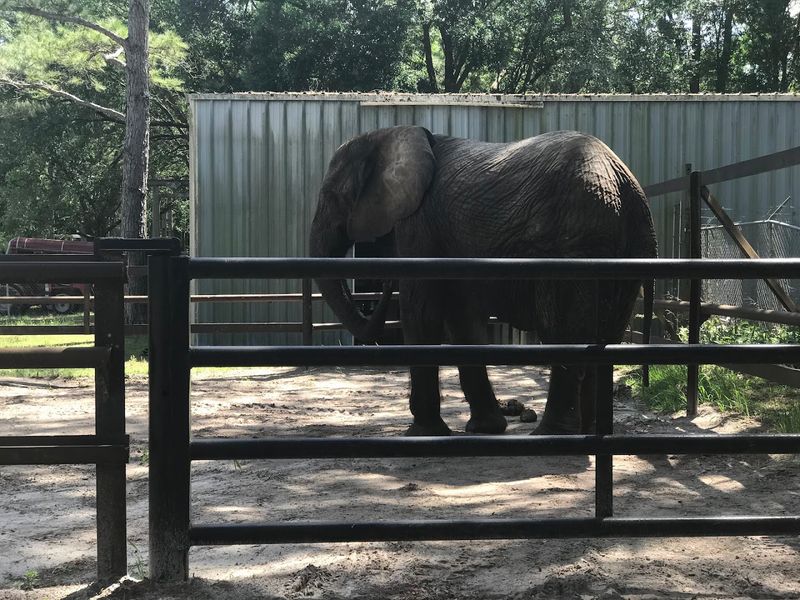
The elephant ride option generates the most mixed feedback among visitors, and I understood why the moment I saw the actual riding area.
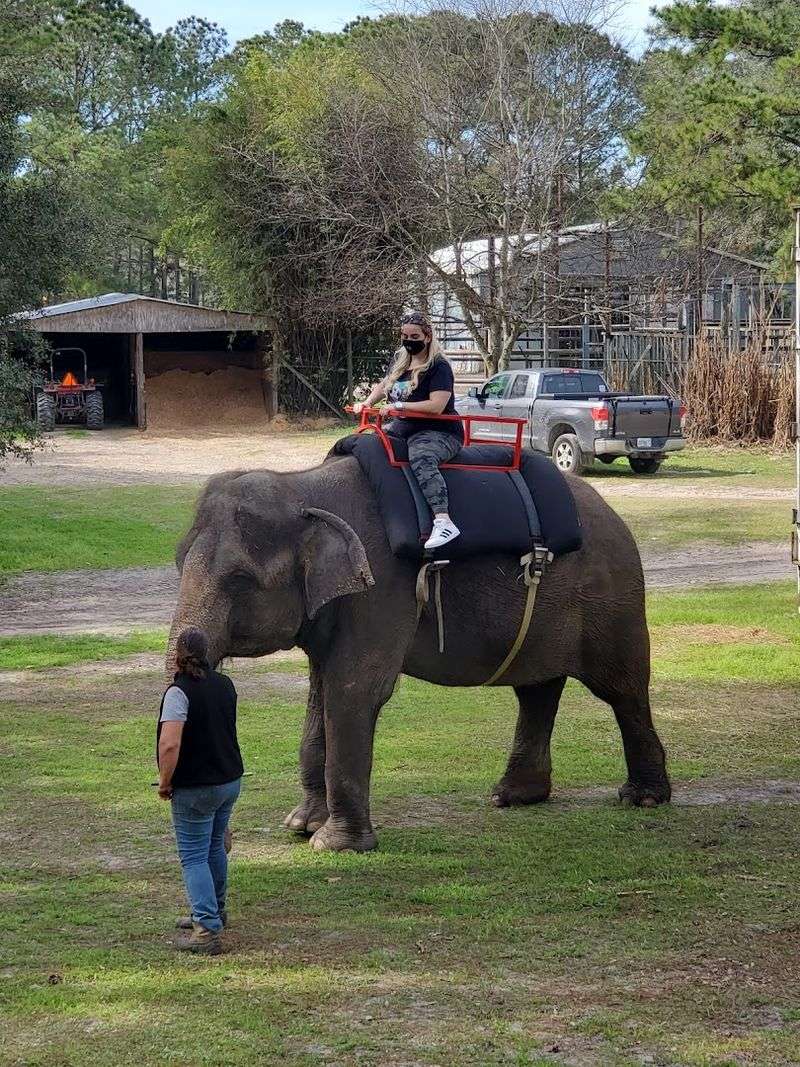
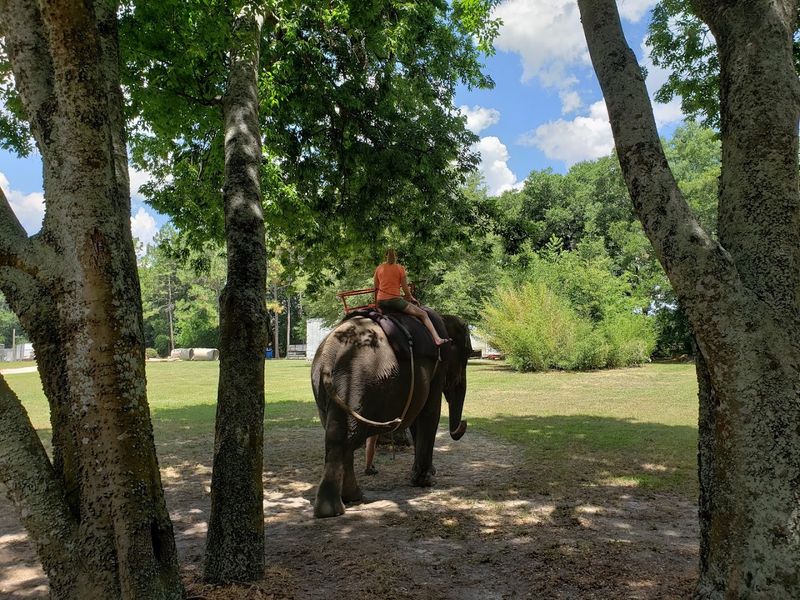
For $40 per person, riders take a single loop around a post in a space roughly the size of a coffee shop drive-through lane. The entire experience lasts about 30 seconds, which catches many people off guard given the price point.
I spoke with a family who felt disappointed by the brevity and the weight-based restrictions that sometimes require lighter riders to double up. Patricia makes decisions about riding arrangements based on the elephants’ comfort and safety, which makes sense from an animal welfare perspective but can feel frustrating when you have paid for individual rides.
The ride itself offers a unique sensation, sitting atop an animal that moves with surprising grace despite its massive size. I felt the elephant’s muscles shift beneath me, the rhythmic sway creating a gentle rocking motion.
For some visitors, that brief moment justifies the cost as a once-in-a-lifetime experience. Others leave feeling that the price does not match the duration or scope of the activity.
If you are considering the ride, manage your expectations about both the time involved and the riding path itself, which is deliberately kept small for safety and control purposes.
A Cast Of Unexpected Animal Neighbors
Beyond the elephants, Two Tails Ranch houses a quirky collection of other species that add unexpected variety to the visit.
I spotted a zebra grazing near the property edge, its stripes stark against the green Florida landscape. Ring-tailed lemurs chattered from their enclosure, their distinctive tails curled and their large eyes tracking visitor movements with primate curiosity.
A giant tortoise lumbered through its space with the kind of patient determination that only a creature with a century-long lifespan can muster. Ostriches and emus paced their pens, their long necks swiveling as they monitored the human activity around them.
Patricia warns visitors to maintain at least 15 feet of distance from certain enclosures, particularly the large birds, which can become aggressive if approached too closely. I noticed this rule sometimes conflicts with the parking arrangement, which places vehicles quite near the ostrich pen.
The variety of species creates an interesting educational opportunity, allowing Patricia to discuss different aspects of exotic animal care and conservation. I learned about the challenges of maintaining proper diets for such diverse creatures and the specialized knowledge required for each species.
The ranch operates as a working facility rather than a polished tourist attraction, which means the focus stays on animal welfare rather than visitor entertainment.
Limited Hours That Require Advance Planning
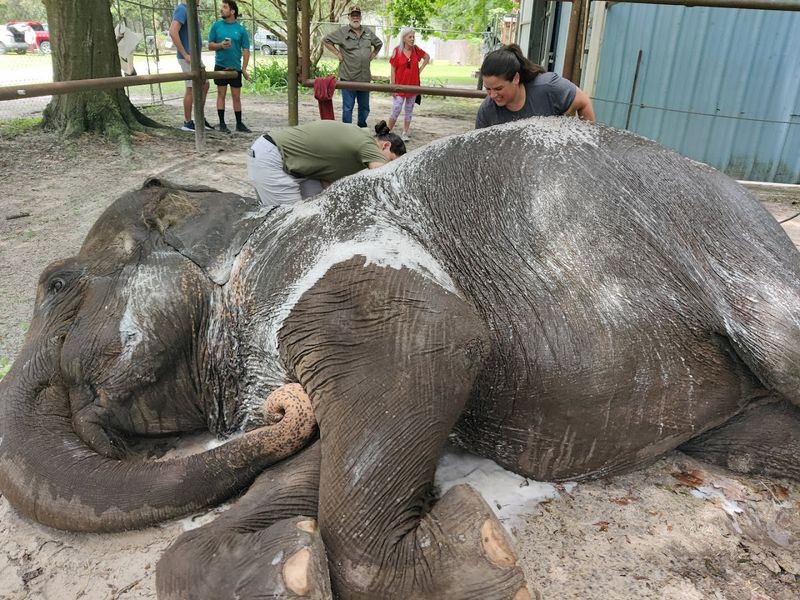
Two Tails Ranch operates on a schedule that demands careful planning, with tours running from 8:30 AM to 1 PM daily.
I arrived mid-morning after making a reservation, which I strongly recommend since walk-up availability can be unpredictable. The limited operating window reflects the reality of animal care schedules and the physical demands of conducting multiple educational sessions each day.
Patricia and her staff balance tour groups with feeding times, cleaning routines, and the elephants’ need for rest and enrichment activities. The morning schedule works well for the animals but can be challenging for visitors traveling from distant cities who need to factor in drive time.
I met families who had made the two-hour trek from Orlando and others who drove even farther to experience this unique facility. The ranch closes on certain days, so checking the current schedule before making the drive is essential.
Phone reservations can be made at 352-528-6585, and I found the booking process straightforward despite some website confusion about whether printed tickets are required. The website indicates you can show digital confirmations at check-in, though some visitors have encountered staff who seemed unaware of this policy.
Arriving 15 minutes early gives you time to navigate the check-in process and use the facilities before the tour begins.
Basic Facilities In A Working Ranch Environment
Two Tails Ranch prioritizes animal care over visitor amenities, which becomes immediately apparent when you survey the available facilities.
Portable toilets serve as the only restroom option, and reviews consistently mention that these units need more frequent servicing. I used the facilities before my tour started and found them functional but not particularly pleasant, with no hand sanitizer provided inside or nearby.
The ranch includes a small covered area with chairs where visitors wait before tours begin, offering shade during Florida’s intense summer months. A modest gift shop sells elephant-themed merchandise and educational materials, giving supporters a way to take home a memento while contributing to the ranch’s operating costs.
Accessibility poses challenges for visitors using wheelchairs or walkers, as the property features uneven terrain and limited paved surfaces. I watched an elderly guest navigate the tour route slowly, managing the experience but clearly working harder than younger, more mobile visitors.
The rustic nature of the facility reflects its status as a working animal care operation rather than a commercial tourist destination. Patricia has invested resources into elephant welfare rather than visitor comfort, a choice that aligns with her stated priorities but may disappoint guests expecting polished amenities.
Bringing your own water bottle, hand sanitizer, and realistic expectations about facility conditions will improve your overall experience significantly.
A Polarizing Personality Behind The Operation
Patricia Zerbini’s direct communication style generates the most passionate and divided responses among visitors, with some praising her expertise and others finding her approach off-putting.
I observed her interact with my tour group and noticed she has little patience for what she considers uninformed questions or behavior that could endanger animals or people. Her tone can come across as sharp, especially when correcting visitors who stray too close to enclosures or when addressing questions she has already answered.
Some guests interpret her demeanor as rude or condescending, while others recognize it as the no-nonsense attitude of someone who has spent decades working with potentially dangerous animals. I found myself in the latter camp, appreciating that she prioritizes safety and accuracy over making everyone feel warm and fuzzy.
She occasionally makes jokes that land awkwardly, and her tendency to smoke cigarettes during tours bothers visitors who prefer a more professional presentation. I noticed her step away briefly at one point, returning with the faint smell of tobacco smoke.
Her knowledge base is genuinely impressive, and she fields complex questions without hesitation or deflection. The challenge for visitors is accepting that you are getting unfiltered expertise rather than a carefully curated customer service experience.
If you can look past the delivery method, the information she shares is invaluable and rarely available elsewhere.
Supporting Conservation Through Controversial Means
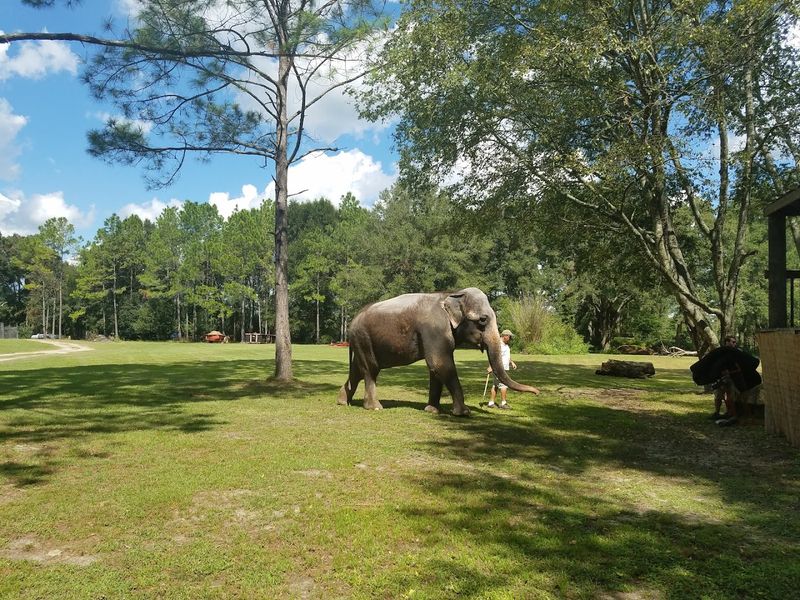
Two Tails Ranch exists in the complicated space between traditional captive animal facilities and modern sanctuary models, raising questions about the ethics of private elephant ownership.
Patricia emphasizes that her elephants cannot be released into the wild and that maintaining them requires enormous financial resources and specialized knowledge. The ranch operates on admission fees, ride and photo charges, and donations from visitors who want to support the animals’ care.
I wrestled with my own feelings about seeing elephants perform trained behaviors and offer rides to tourists, activities that many modern conservation organizations oppose. The swaying behavior I observed in one elephant is often cited as a sign of stress in captive animals, though Patricia would likely explain it differently based on her training philosophy.
Some visitors leave feeling that the elephants are being exploited for profit, while others believe the ranch provides necessary care for animals that have no other viable options. The truth probably lies somewhere in the middle, as it often does with complex animal welfare issues.
I appreciated that Patricia engages with these difficult conversations rather than pretending the concerns do not exist. The ranch has maintained its license and operates within legal parameters, though that legal status does not settle the ethical debates.
Visiting Two Tails Ranch ultimately requires each person to decide where they stand on private exotic animal ownership and what role places like this should play in education and conservation.