
This Rare Wildlife Refuge In Arkansas Feels Like A Hidden Nature Paradise
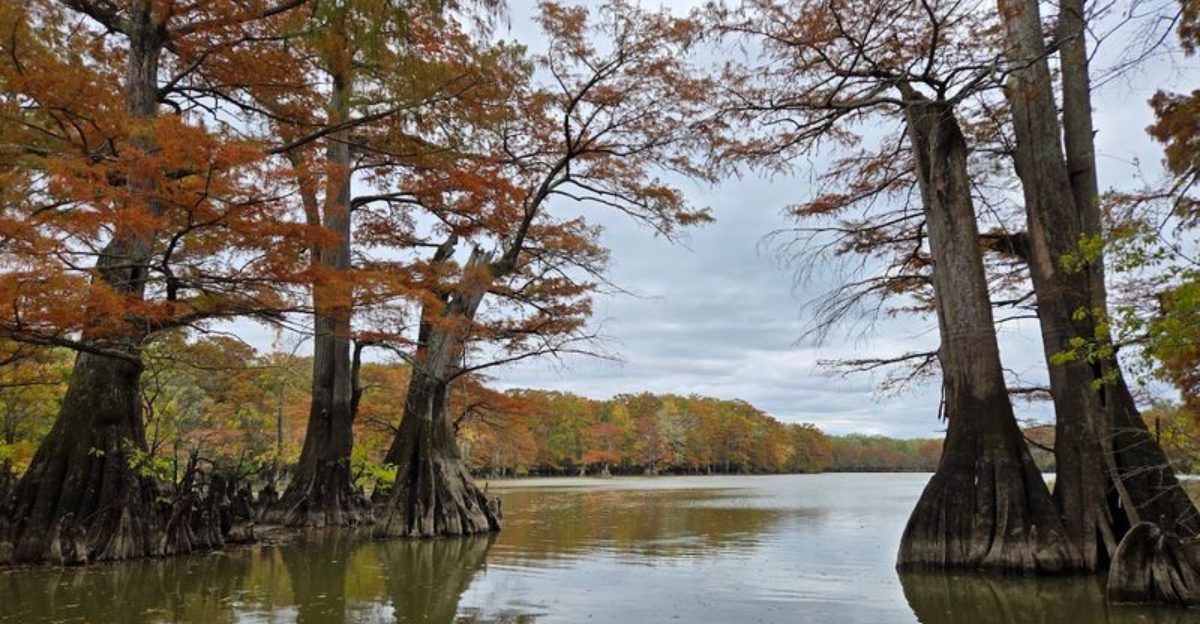
I didn’t expect much when I turned off the road in the Arkansas Delta. Then everything changed. The air felt different. Slower.
Thicker. Trees stretched high above dark water, their reflections barely moving. I paused for a second. Then a little longer.
Within an hour, I was completely locked in. No noise. No rush. Just the quiet rhythm of a place doing exactly what it has always done.
It keeps going, farther than you think. Flooded forest. Twisting waterways. Open sky that feels endless.
Every step pulls you deeper into it. You start noticing small things. Ripples. Calls in the distance. Light shifting through the branches. It all adds up.
This isn’t the kind of place you scroll past. It’s the kind that makes you stop everything and pay attention.
And honestly, once you’re in it, leaving feels like the hardest part.
Vast Bottomland Forest Across Flooded Wilderness
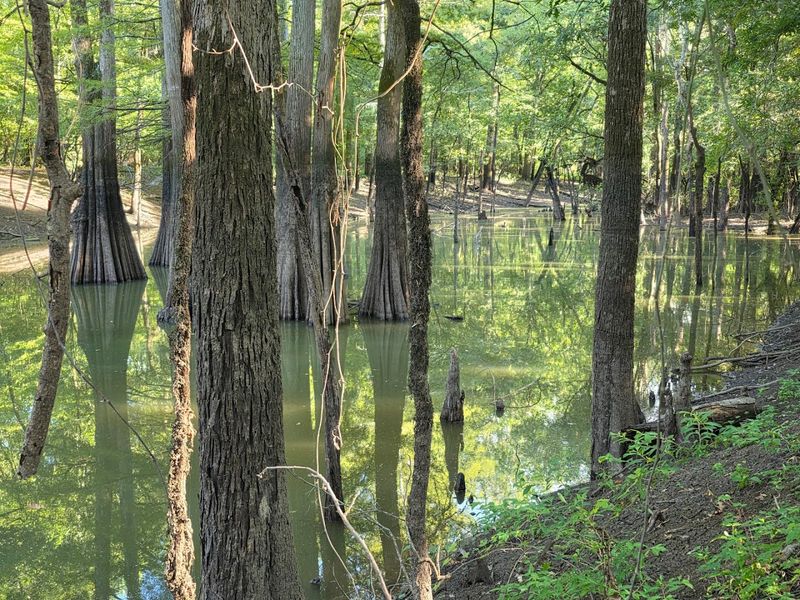
Standing at the edge of this forest felt like stepping into a place that time genuinely had no interest in rushing through.
The refuge protects one of the largest remaining bottomland hardwood forests in the entire Mississippi River Valley, stretching across approximately 160,000 acres of ancient woodland.
Massive oaks, hickories, and pecans crowd the landscape, their roots gripping the soft, water-rich soil with a grip that speaks to decades of survival.
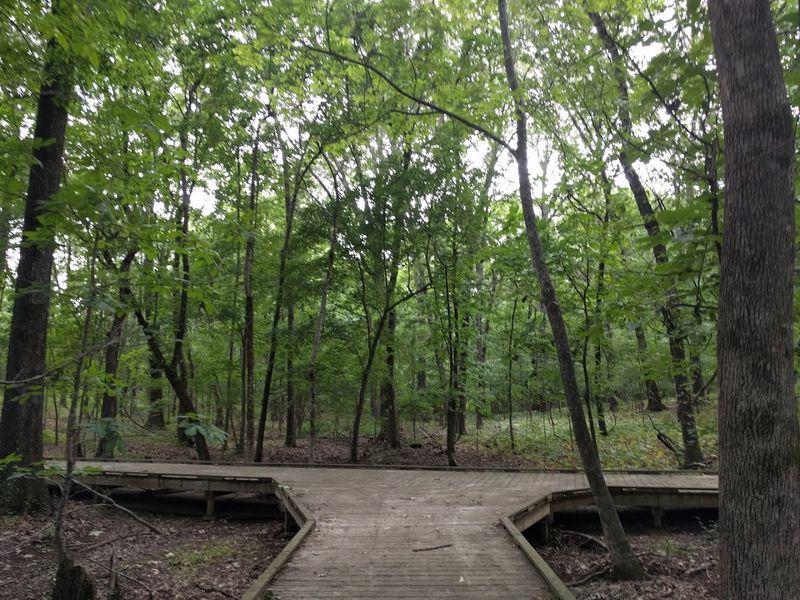
I walked some of the trails early one morning and the canopy above me was so thick that the sky almost disappeared entirely.
Bottomland forests like this one once covered enormous stretches of the American South, but development has stripped most of them away over generations.
Finding one this intact and this protected feels like a privilege that not every traveler gets to experience.
The refuge was established in 1935, and that long history of conservation has allowed the forest to mature into something truly spectacular.
You can find this extraordinary wilderness at Dale Bumpers White River National Wildlife Refuge, located at 57 South CC Camp Road, St Charles, AR 72140.
Seasonal Floodwaters Transforming The Landscape
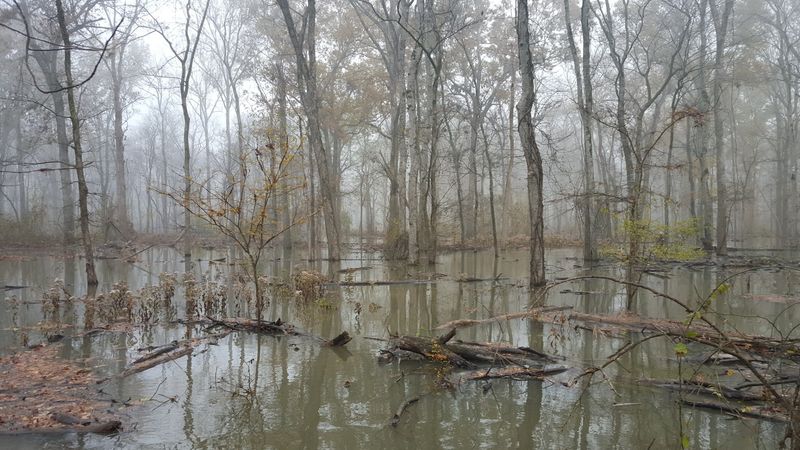
Few natural events reshape a landscape as dramatically or as quietly as seasonal flooding, and at this refuge, that transformation is nothing short of theatrical.
Each winter and spring, the White River rises and pushes water across the forest floor, turning the woodland into a shallow inland sea that stretches for miles in every direction.
The floodwaters carry nutrients that feed the soil, support fish populations, and create the perfect conditions for the refuge’s extraordinary biodiversity to thrive.
I visited during a period when the water levels were still high, and paddling through the flooded timber felt genuinely surreal, like gliding through a forest that had simply decided to become a lake for a while.
When the waters recede in late spring, the land reappears slowly, leaving behind rich sediment and a refreshed ecosystem ready for another productive season.
Wildlife managers at the refuge actually rely on these flood cycles as a natural management tool, timing water levels to benefit migratory waterfowl and nesting species.
Checking current water conditions before your visit is a smart move, since flooding can limit road and trail access significantly.
Black Bear Stronghold In Protected Habitat
Here is a fact that stopped me in my tracks when I first read it: this refuge serves as a stronghold for Arkansas’s surviving native Delta black bear population.
That single detail sets it apart from many other natural areas in the state and adds a genuine thrill to every hike and paddle you take here.
The bears found in this refuge represent one of the most important remaining native populations in the region, with deep roots in the Delta landscape.
Spotting one in the wild is not guaranteed, but the possibility keeps your senses sharp and your camera ready at all times.
The thick forest cover, abundant mast crops like acorns, and the refuge’s protected status create ideal conditions for bears to feed, den, and raise young undisturbed.
Rangers and biologists here take the bear population seriously, conducting ongoing monitoring to track health, movement, and population trends across the refuge.
I kept a respectful distance during my visit, but even catching a glimpse of fresh tracks in the mud felt like a small victory that most travelers never get to experience.
Cypress And Tupelo Rising From Backwaters
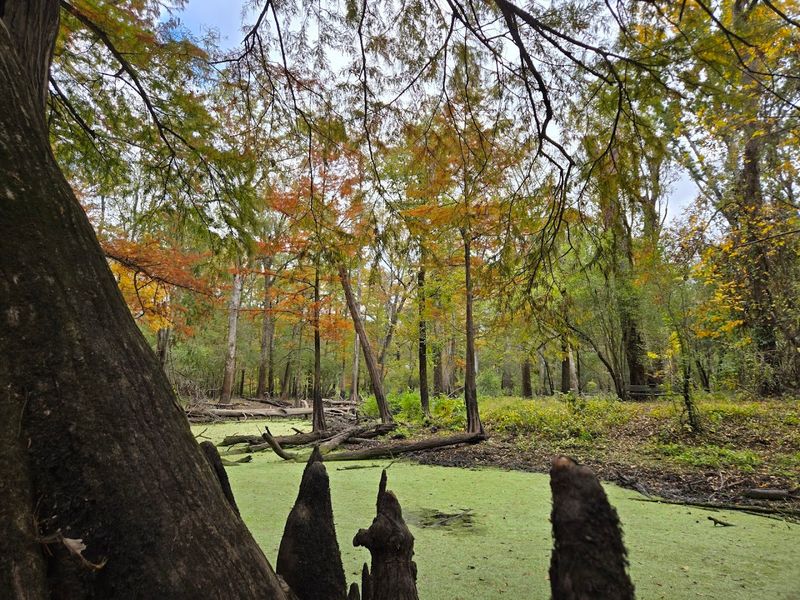
There is something almost prehistoric about the way bald cypress and tupelo trees grow here, rising straight out of the black water with their flared bases and knobbly knees poking up through the surface.
The refuge is home to the largest bald cypress tree in the entire state of Arkansas, a towering giant that has been quietly growing for centuries without anyone making a big fuss about it.
Paddling through the backwater sloughs where these trees cluster together feels like traveling through a cathedral that nature built without a blueprint.
The tupelo trees add their own character to the scene, with wide, water-adapted trunks and dense canopies that cast deep shade over the channels below.
In autumn, the cypress needles turn a warm copper-orange before dropping, giving the swamp a fiery seasonal display that photographers absolutely love.
These trees are not just beautiful, they also provide critical nesting habitat for wood ducks, herons, and dozens of other species that depend on the flooded forest environment.
Seeing the champion cypress up close reminded me that the most impressive things in nature often grow in the quietest, most overlooked corners of the country.
Migratory Bird Flyway Filling The Skies
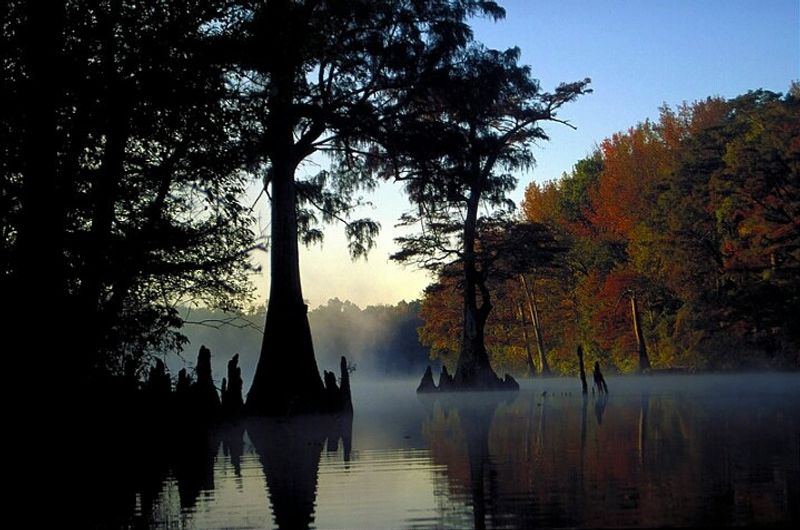
The variety of birdlife here is remarkable, with hundreds of species recorded within the refuge over time, a fact that makes serious birders weak in the knees.
Sitting along the Mississippi Flyway, one of North America’s most important migratory corridors, the refuge acts as a critical stopover and wintering ground for countless species traveling between Canada and the Gulf Coast.
During peak migration in fall and winter, the skies above the flooded timber fill with the sound of wings, calls, and the organized chaos of thousands of waterfowl moving through at once.
Mallards, pintails, wood ducks, and teal are just a few of the species that crowd the backwaters during their seasonal visits.
Wading birds, raptors, and songbirds also pass through in significant numbers, making every season here feel like a new chapter in a very long bird book.
I set up near a flooded field one afternoon and watched a ribbon of geese stretch across the horizon for what felt like ten full minutes without a break.
Bringing binoculars and a field guide is not optional here, it is simply the price of admission for getting the most out of this extraordinary flyway experience.
Remote Boat Routes Through Hidden Channels
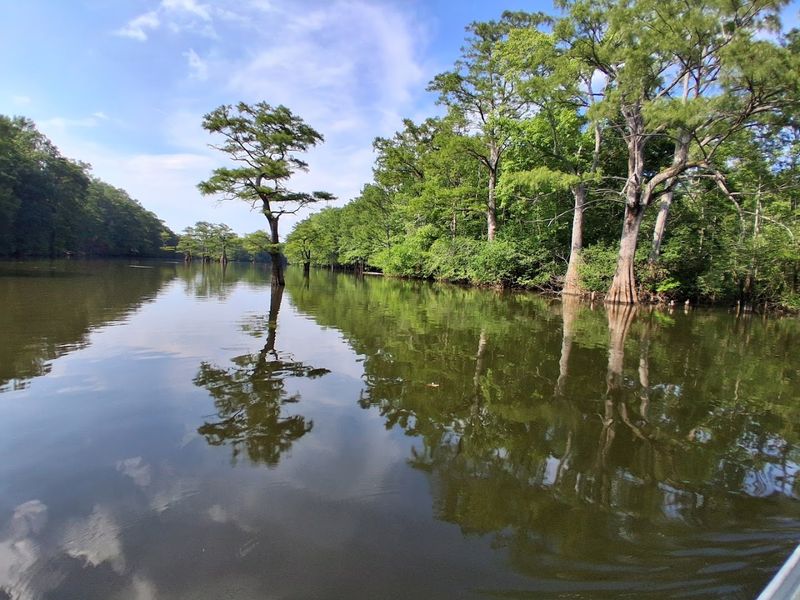
Getting truly deep into this refuge requires a boat, and that simple fact keeps the crowds thin and the experience wonderfully raw.
The White River and its network of sloughs, bayous, and cut-off channels create a maze of navigable waterways that reward explorers willing to venture beyond the main access roads.
I rented a small flat-bottom boat and spent a full day threading through narrow passages where the trees closed in overhead and the only sounds were water, birds, and the occasional splash of something large sliding off a log.
These hidden channels connect flooded timber flats, open lakes, and quiet backwaters that most visitors never reach on foot.
Navigation can be tricky when water levels are high, since familiar landmarks disappear and the forest floor becomes part of the route, so bringing a waterproof map or GPS unit is genuinely important.
Fishing along these remote routes is exceptional, with largemouth bass, crappie, and catfish all thriving in the nutrient-rich floodwaters.
Every bend in the channel seemed to reveal something new, whether a great blue heron standing still as a statue or a river otter popping up to investigate my presence with cheerful curiosity.
Quiet Oxbow Lakes Reflecting Wild Scenery
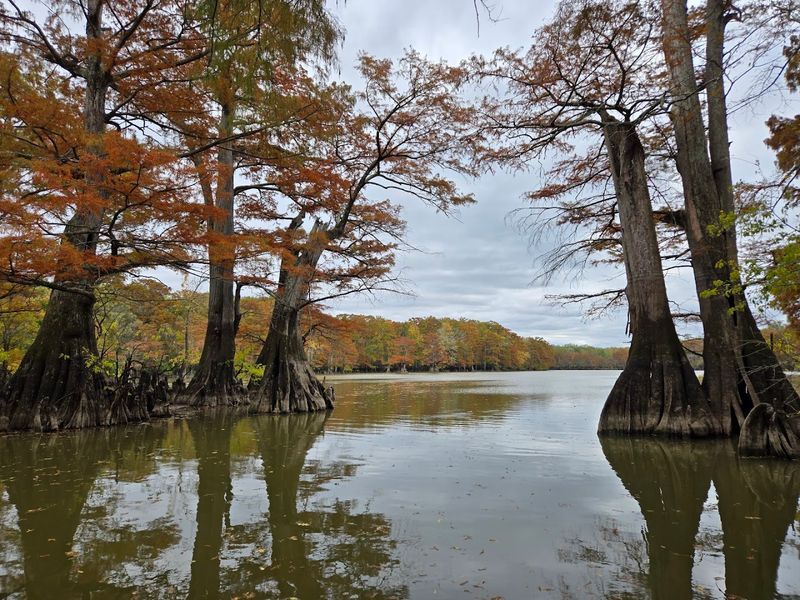
Scattered across the refuge like forgotten mirrors, the oxbow lakes here are among the most peaceful spots I have ever sat beside in my years of outdoor travel.
Formed when the river shifted its course over time and left curved sections of water behind, these lakes now sit quietly among the trees, their still surfaces reflecting every branch, cloud, and passing bird with almost perfect clarity.
Fishing from the bank of an oxbow lake here feels like a private arrangement between you and the water, with no noise, no crowds, and no reason to look at your phone.
Wildlife concentrates around these lakes in impressive numbers, since the calm, shallow water provides excellent feeding habitat for wading birds, turtles, and the occasional alligator warming itself on a sunny bank.
I sat at one oxbow for nearly two hours and counted six different heron and egret species without moving more than a few feet in any direction.
The reflections on the water at sunrise were so clear and so still that I genuinely had trouble figuring out which way was up in my photos.
These lakes are a reminder that the most quietly beautiful places rarely announce themselves with a sign.
Rich Biodiversity With Alligators And Deer
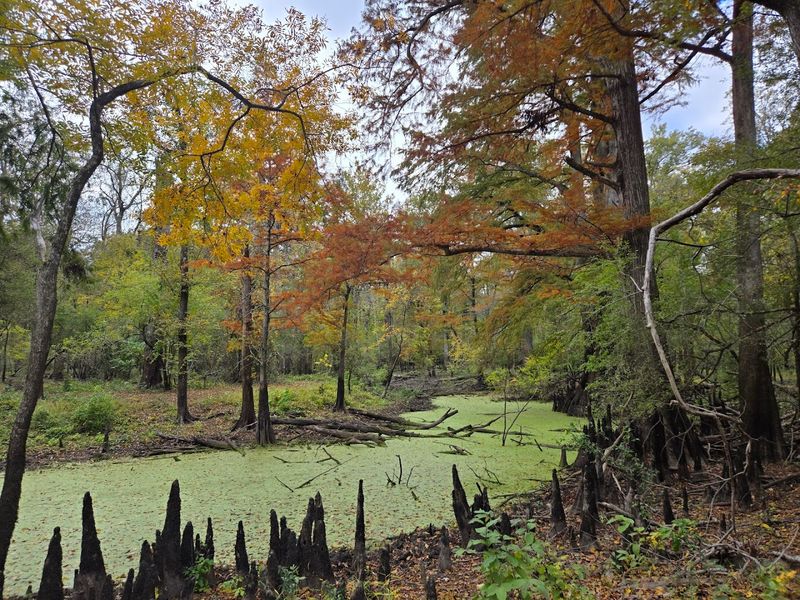
Somewhere between spotting a whitetail deer grazing at the tree line and noticing an alligator sunning itself on a muddy bank twenty feet away, it became very clear that this refuge operates on its own rules entirely.
The biodiversity here is staggering, supported by the combination of flooded forest, open water, upland edges, and the constant input of nutrients from the White River’s annual cycles.
White-tailed deer are abundant throughout the refuge, and seeing them move through the early morning mist along the forest edge is the kind of sight that makes you put the camera down and just watch.
American alligators have established a presence here as well, adding a reptilian edge to the already impressive wildlife roster and keeping things interesting on every paddle and shoreline walk.
River otters, beavers, raccoons, wild turkey, and dozens of fish species round out a list of residents that keeps naturalists busy and engaged across every season.
The refuge has been designated a Wetland of International Importance, a recognition that speaks directly to the global significance of what is being protected here.
Visiting this place feels less like a day trip and more like a responsibility to witness something rare before the rest of the world catches on.