
This Recreated 16th-Century Arizona Village Feels Like Stepping Into A Storybook
My velvet cloak might be reaching its limits in the afternoon sun, but I wouldn’t trade this outfit for the world. I’m currently dodging a wandering juggler while trying to figure out the best way to eat a giant drumstick without ruining my dignity.
Spoiler alert: it’s impossible.
This isn’t some hollow movie set; it feels like a genuine, bustling village that somehow got lost in time and decided to stay there forever. The laughter is louder here, the colors are brighter, and every corner holds a new mystery waiting to be unraveled by a curious traveler.
While the rest of the world rushes toward the future, this corner of Arizona remains a sun-drenched pocket of the 1500s where magic feels as common as the cactus.
I’m definitely not in the modern world anymore, and honestly, life feels better with dragons. This 50-acre wonderland recreates a bustling 16th-century European village so convincingly that you’ll forget you’re in modern-day Arizona.
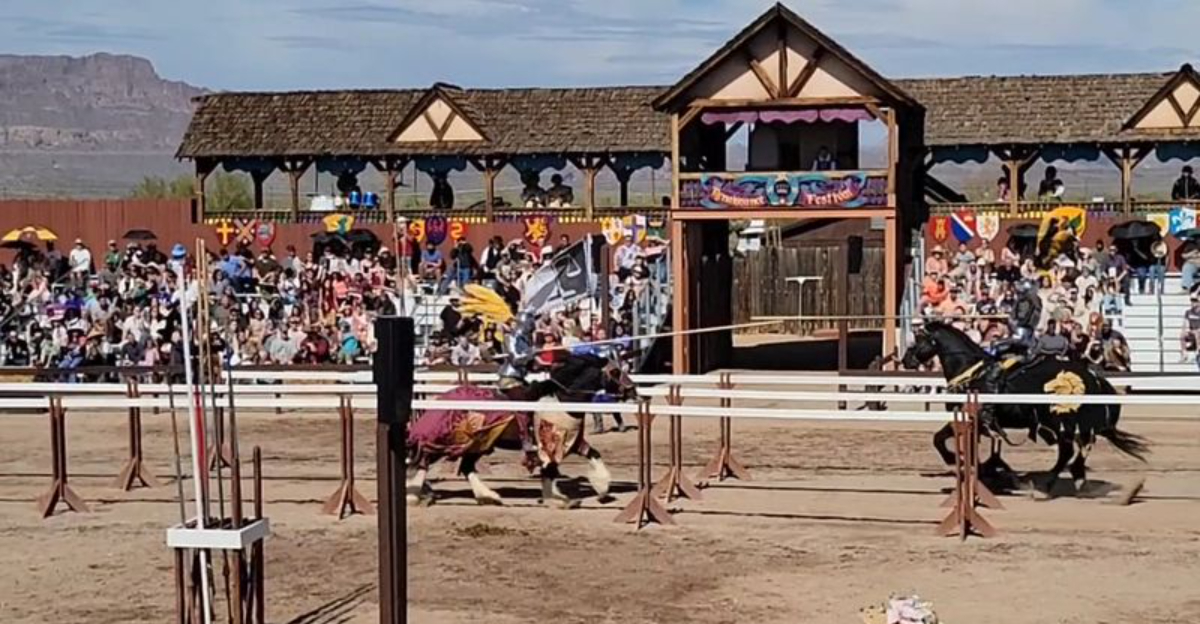
Every weekend from late January through March, the festival comes alive with jousting knights, wandering minstrels, and artisans crafting their wares just as they would have centuries ago.
A Living Village That Breathes History
Walking through the festival grounds feels less like attending an event and more like discovering a hidden village that time forgot. The attention to detail is remarkable, with every building, pathway, and decorative element carefully designed to transport you to Renaissance-era Europe.
Thatched roofs top timber-framed structures while colorful banners flutter in the desert breeze. Cobblestone paths wind between shops and stages, leading you deeper into this carefully crafted world.
I found myself genuinely surprised by how immersive the environment became once I stopped looking for modern elements.
The layout encourages exploration, with hidden corners and unexpected discoveries around every turn. Street performers suddenly appear, engaging passersby in impromptu comedy sketches or musical performances.
Craftspeople work at their benches, demonstrating traditional techniques that have been passed down through generations.
What struck me most was the commitment of everyone involved. From the architecture to the costumes to the language used by performers and vendors, everything works together to maintain the illusion.
This isn’t just a festival with a theme; it’s a fully realized world that invites you to step inside and become part of the story.
Jousting Knights And Arena Spectacles
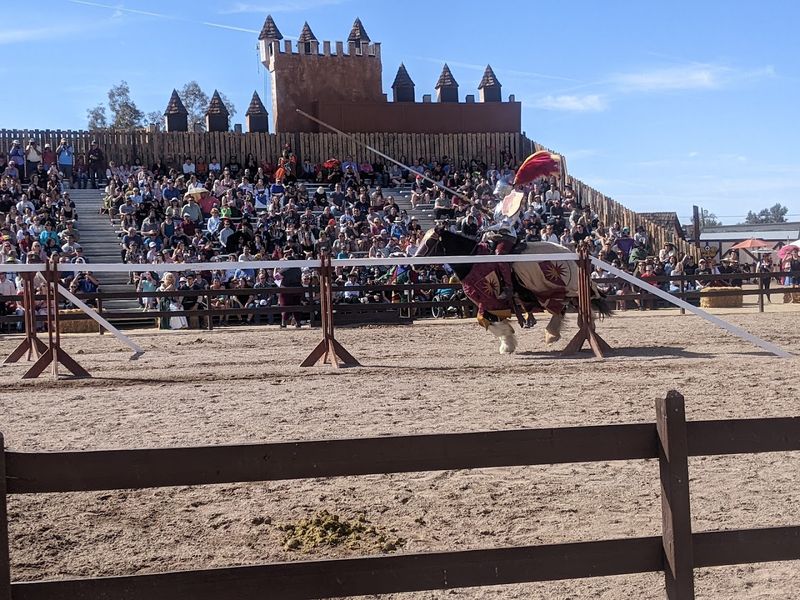
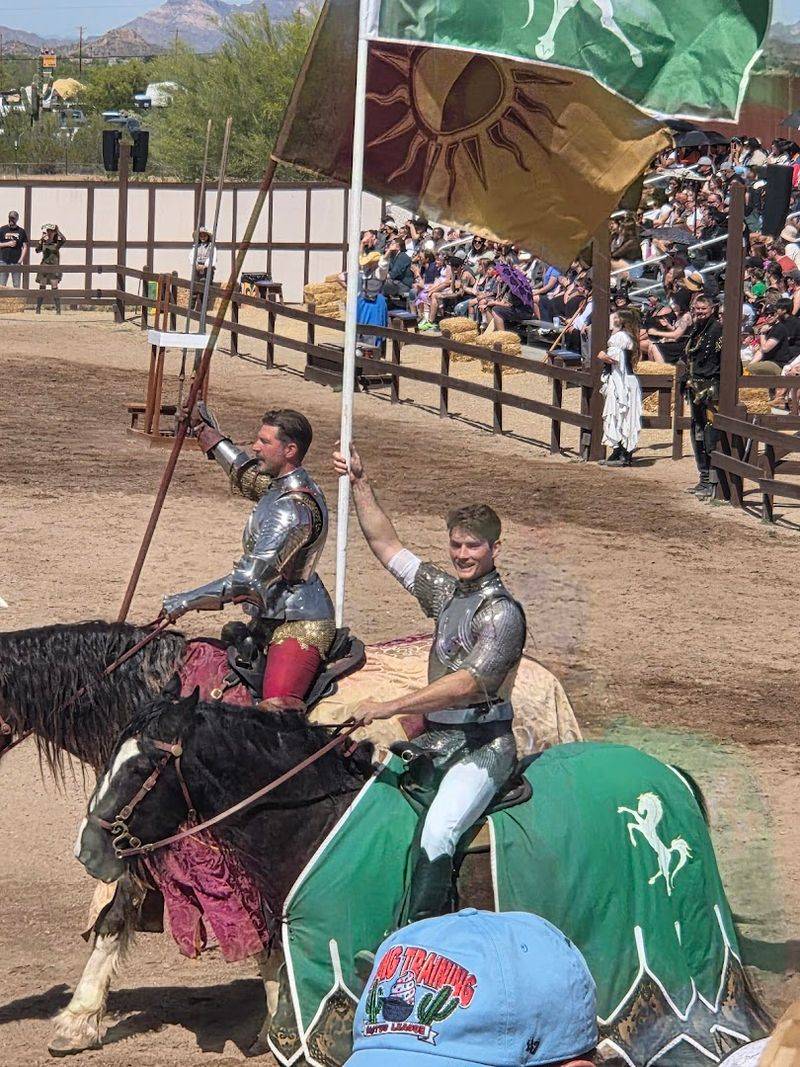
The thundering hooves and clash of lances in the 5,000-seat jousting arena create moments of pure adrenaline that had me gripping my seat. Real knights in full armor compete in authentic tournaments that showcase both horsemanship and combat skills honed through years of training.
I watched as mounted warriors charged toward each other at full gallop, their colorful plumes streaming behind polished helmets. The impact when lance meets shield sends splinters flying and draws gasps from the crowd.
Between jousting runs, knights demonstrate sword fighting techniques and interact with spectators, often choosing champions to represent in battle.
The arena shows run multiple times throughout each festival day, ensuring you won’t miss the action. Arrive early to snag good seats, as the performances draw massive crowds.
The announcers keep the energy high with play-by-play commentary delivered in appropriately theatrical Renaissance style. Beyond the main jousting, I discovered smaller combat demonstrations happening throughout the grounds.
Sword fighters engage in choreographed duels while explaining historical fighting techniques. These intimate performances let you appreciate the skill and athleticism required for medieval combat up close.
Sixteen Stages Of Nonstop Entertainment
Continuous entertainment pulses through the festival grounds from 16 different stages, each offering something completely different. I spent an entire day bouncing between performances and still didn’t see everything available.
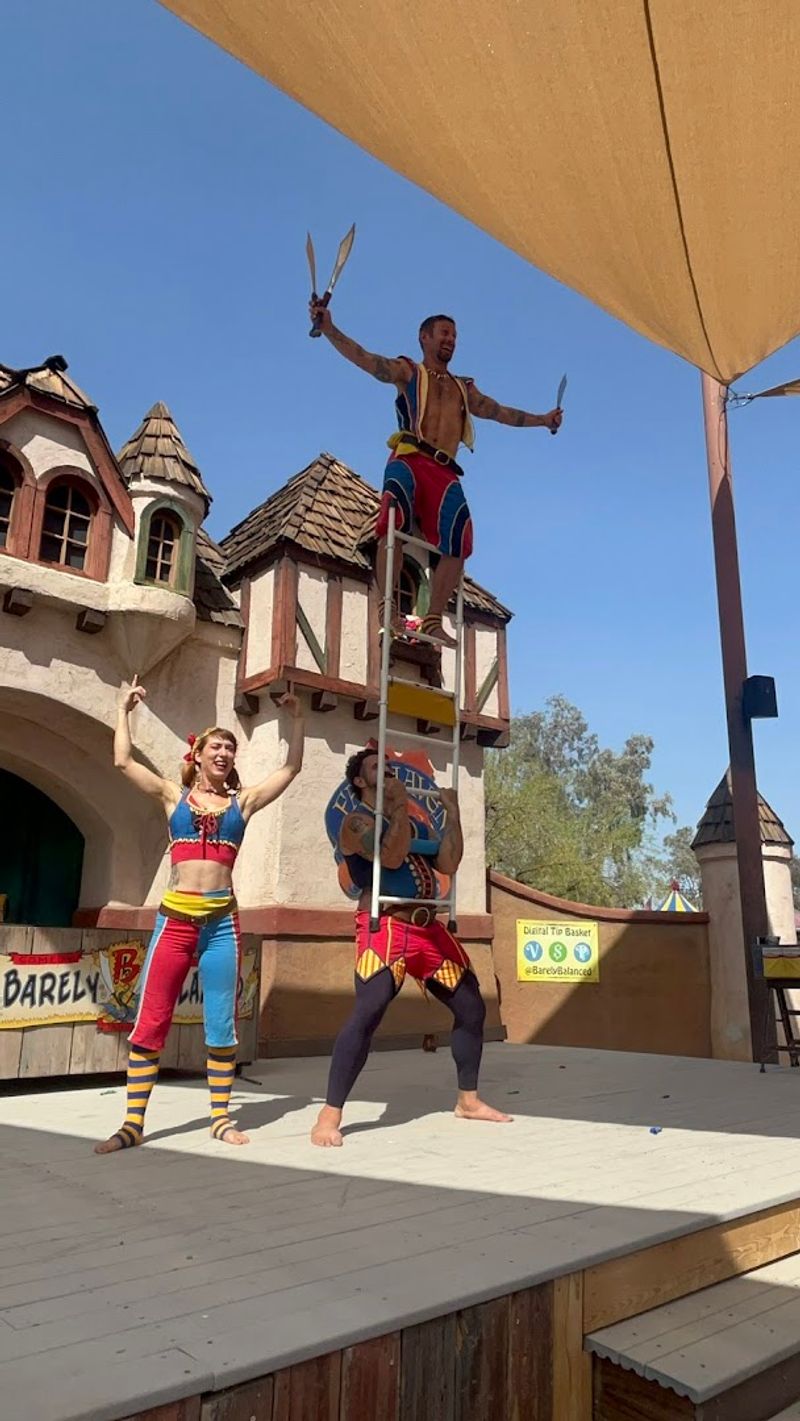
Musical acts range from traditional Celtic bands to bawdy tavern songs that had the whole audience laughing and clapping along. Acrobats defy gravity with death-defying stunts performed without modern safety equipment, using only the techniques available in the 1500s.
Comedy shows blend historical humor with clever wordplay that works across centuries. The variety means there’s genuinely something for everyone.
One stage might feature a dramatic Shakespearean scene while another hosts a raucous game show involving audience participation. I particularly enjoyed the smaller, more intimate performances tucked into corners of the village, where you might stumble upon a lone storyteller captivating a small group.
Performance schedules are available at the entrance, but I found the best approach was simply wandering and following whatever music or laughter caught my attention.
The overlapping showtimes mean you’ll always find something happening nearby, creating an atmosphere of constant celebration and merriment throughout the village.
Artisan Marketplace With Over 200 Unique Shops
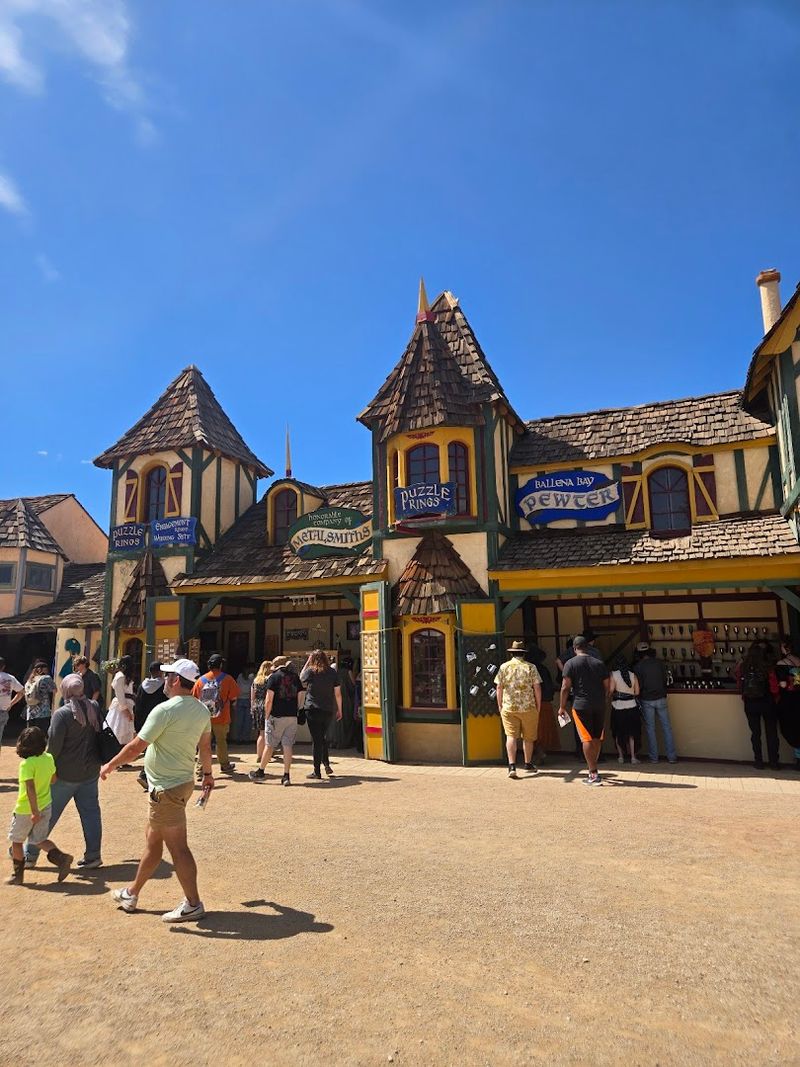
More than 200 artisan vendors line the village streets, offering handcrafted treasures you simply won’t find anywhere else. I could have spent the entire day just shopping, examining the incredible craftsmanship on display.
Blacksmiths hammer glowing metal into swords and decorative pieces right before your eyes. Leatherworkers stitch elaborate belts, bags, and armor using traditional tools and techniques. Glassblowers shape molten glass into delicate ornaments while explaining their centuries-old craft.
The jewelry selection alone is staggering, ranging from simple wire-wrapped pendants to elaborate pieces featuring gemstones and intricate metalwork. I watched one artisan weave chainmail by hand, linking thousands of tiny rings into flexible armor that actually functions as the real thing did.
Beyond the typical Renaissance faire offerings, I discovered pottery, woodcarving, candle making, and textile arts. Many vendors customize items on the spot, adding names or specific designs to make truly one-of-a-kind purchases.
The prices vary widely, accommodating both serious collectors and casual shoppers looking for affordable souvenirs. Every purchase comes with the knowledge that you’re supporting traditional crafts and keeping historical techniques alive.
Interactive Games And Family Activities
Hands-on activities scattered throughout the grounds invite visitors to test skills that would have been essential in the 16th century. I tried my hand at several and discovered I would not have survived as a medieval archer.
Archery ranges let you loose arrows at targets using traditional bows, with patient instructors offering tips on proper form. Axe throwing has become wildly popular, and watching wobbling axes tumble toward wooden targets provides endless entertainment even when you’re not participating.
Smaller games include ring toss, dart throws, and various contests of strength and accuracy. Children particularly love the interactive elements designed specifically for younger visitors. Face painting transforms kids into fairies, knights, or dragons.
The Royal Petting Zoo features gentle animals that would have been common on Renaissance farms. Treasure hunts send families searching for clues hidden throughout the village.
I appreciated that most games require minimal waiting and offer quick, satisfying experiences perfect for breaking up longer stretches of walking or watching performances. Winning often earns you prizes ranging from simple tokens to elaborate handmade items.
The game masters stay thoroughly in character, adding extra entertainment value beyond the activities themselves.
Planning Your Visit To Gold Canyon
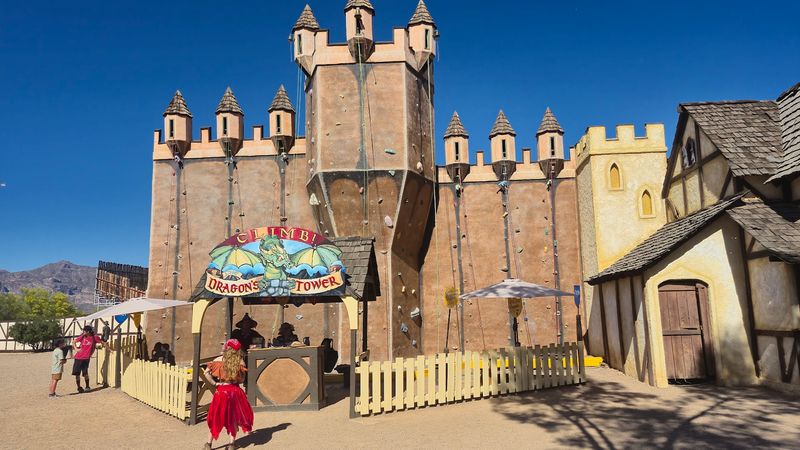
Located in Gold Canyon, Arizona, the festival grounds sit against the dramatic backdrop of the Superstition Mountains, about 40 minutes east of Phoenix. The specific address and detailed directions are available on the official festival website, which I highly recommend checking before your visit.
The festival runs exclusively on weekends from late January through March, with specific dates varying each year. I suggest arriving when gates open to maximize your time, as there’s genuinely more to see and do than fits comfortably into a single day.
Parking is plentiful but can involve a bit of walking, so wear comfortable shoes. Admission tickets can be purchased online in advance, often at a discount compared to gate prices.
Season passes make sense if you plan multiple visits or want to experience the festival at different points in the season, as entertainment and vendors rotate somewhat.
The desert setting means weather can vary dramatically. I visited in February and experienced everything from chilly mornings requiring layers to warm afternoons perfect for lighter clothing.
Bring sunscreen regardless of the temperature, as the Arizona sun is intense even in winter. The grounds include shaded areas and plenty of seating for rest breaks throughout your adventure.
Immersive Atmosphere And Costumed Characters
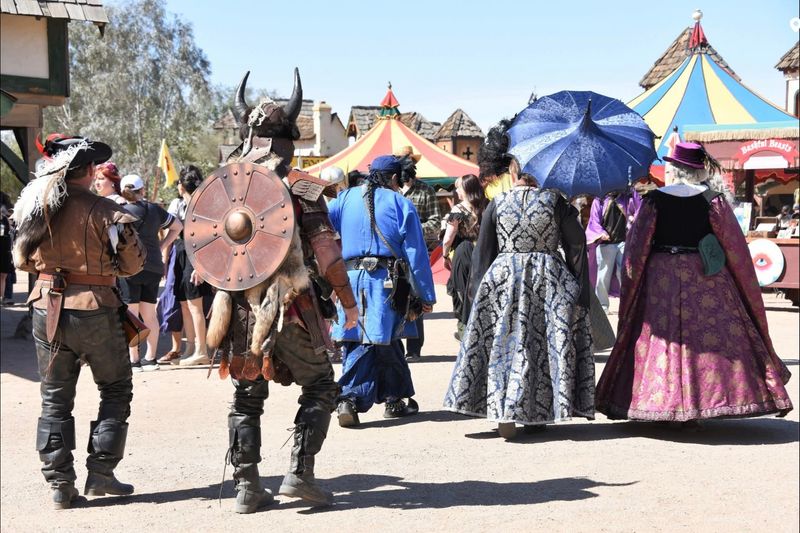
Perhaps the most enchanting aspect of the festival is how the costumed participants create a living, breathing world around you. Hundreds of performers, vendors, and even many visitors dress in period-appropriate attire, blurring the line between audience and cast.
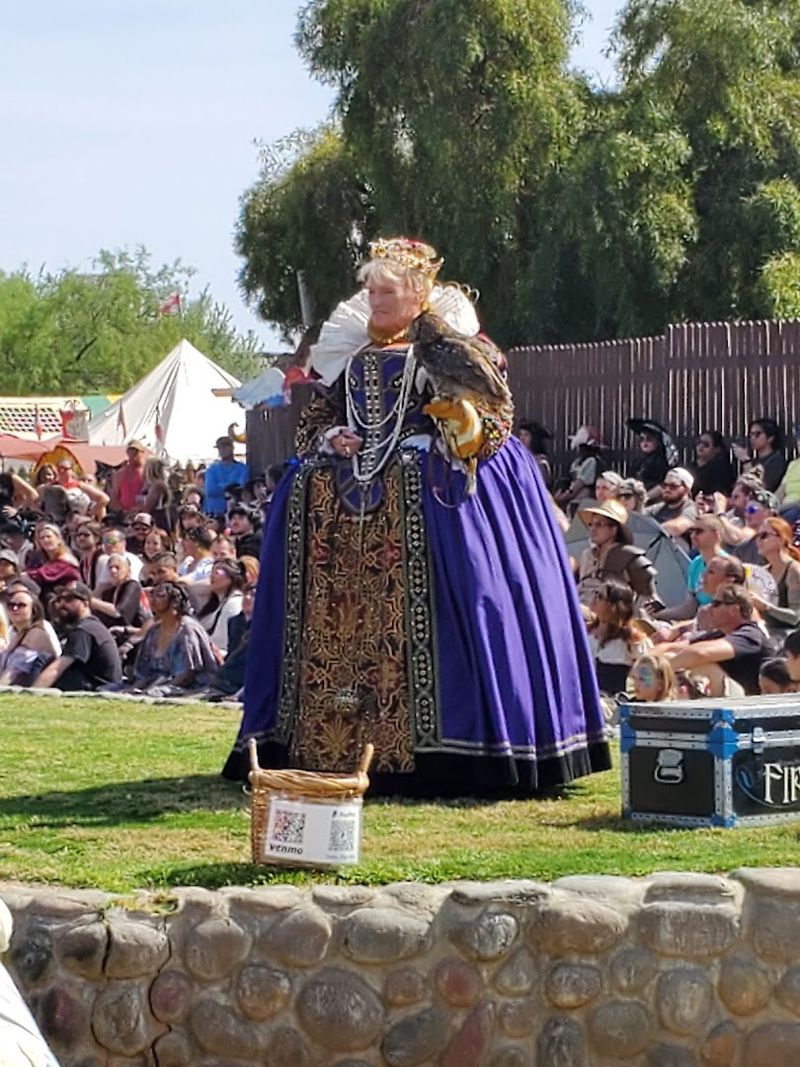
I encountered wandering characters at every turn, each fully committed to their role. A haughty noble lady swept past, commenting on the common folk blocking her path. A muddy beggar pleaded for coins with theatrical desperation.
Guards patrolled the streets, occasionally stopping to question suspicious-looking visitors about their business in the village. The improvisational interactions make every visit unique.
Characters respond to modern items like cell phones with confusion and wonder, maintaining the illusion even when confronted with obvious anachronisms. I watched one performer spend five minutes trying to understand what a camera was, eventually deciding it must be some form of witchcraft.
Many visitors embrace the opportunity to dress up themselves, and the festival welcomes this participation enthusiastically. Costume rental is available on-site for those who arrive unprepared but want to join the fun.
Walking through the village in Renaissance garb genuinely enhances the experience, making you feel less like an observer and more like a true participant in this temporary journey through time.