
This Red Rock Swimming Spot In Arizona Is Worth Visiting This Summer
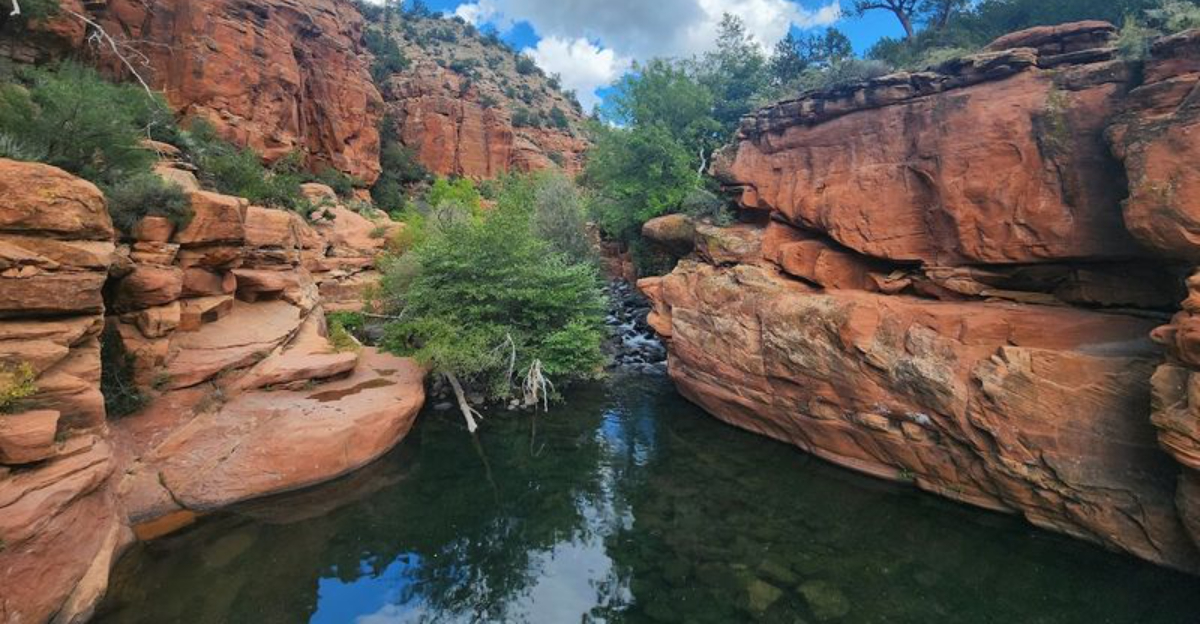
My love for the desert’s sizzling embrace led me to a surprising cool hideout in Arizona that feels like a secret aquarium carved into red cliffs. I arrived with a tube, a sense of adventure, and a pun for every splash, and was greeted by water so clear I could count the fish jokes in my head.
The sun painted the rocks amber while I pretended to be a mermaid, waving at the cactus audience. Even the birds seemed to gossip about how a place this refreshing could stay so low‑key.
If you’re hunting for a summer escape that combines natural wonder with a splash of humor, this hidden red‑rock oasis in Arizona is the perfect plot twist in your adventure diary. Bring a float, a snack, and a grin; you’ll leave with stories that make the desert jealous.
Bell Trail No. 13 and Its Storied History
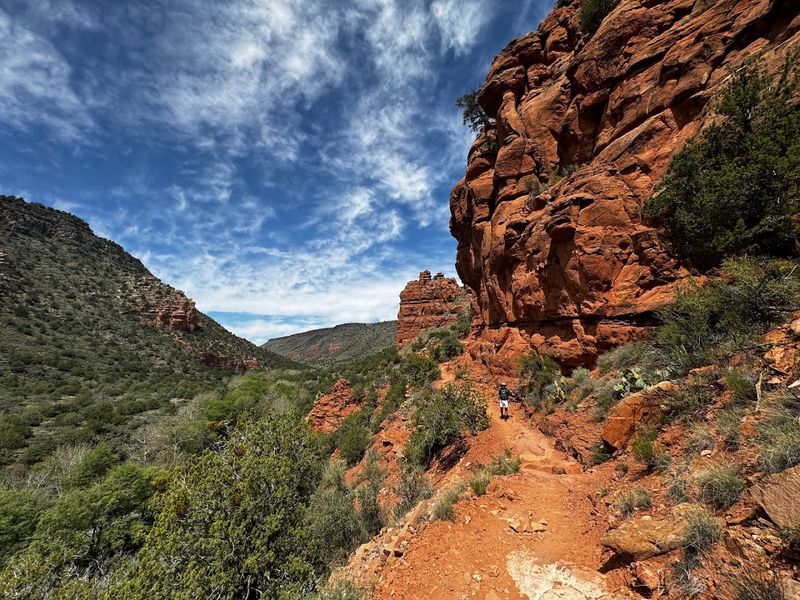
Before the trail ever belonged to hikers, it belonged to cattle. Bell Trail No. 13 was established in 1932 by rancher Charles Bell, who needed a reliable path to move his livestock through the rugged terrain of what is now the Coconino National Forest.
That historical detail gives the trail a certain old-school character that most people walk right past without realizing it.
Today, the trail stretches approximately 3.5 miles one way, making it a manageable 7-mile round trip for most active visitors. The elevation gain sits around 580 to 600 feet, so the difficulty level lands solidly in the moderate range.
It is not a casual stroll, but it is absolutely doable for anyone with decent fitness and the right footwear.
The trailhead is located near Rimrock, Arizona, roughly 20 miles southeast of Sedona and about 100 miles from Phoenix. Starting early means cooler temperatures and a much quieter trail, which makes the whole experience feel personal and unhurried rather than crowded and rushed.
Getting To The Bell Trailhead from I-17
Road trips to natural spots always have that one stretch of highway that makes you feel like the adventure has officially started.
For this destination, that moment comes when you take Exit 298 off Interstate 17, following signs for Beaver Creek Road, also known as Forest Road 618. Turn left heading east, and the scenery starts shifting almost immediately.
The majority of the drive is paved and easy to handle in a standard vehicle. However, the final stretch leading directly to the Bell Trailhead can get dusty and a bit uneven, so slow down and take it steady.
No four-wheel drive is typically required, but a vehicle with decent clearance makes things more comfortable. Once you arrive, the trailhead offers vaulted toilets but absolutely no potable water on site.
That detail matters more than people expect after a warm drive through open desert. Fill up your water bottles before leaving the highway, pack at least one gallon per person, and do not skip the sunscreen sitting in your bag.
The Desert Scenery Along The Hike
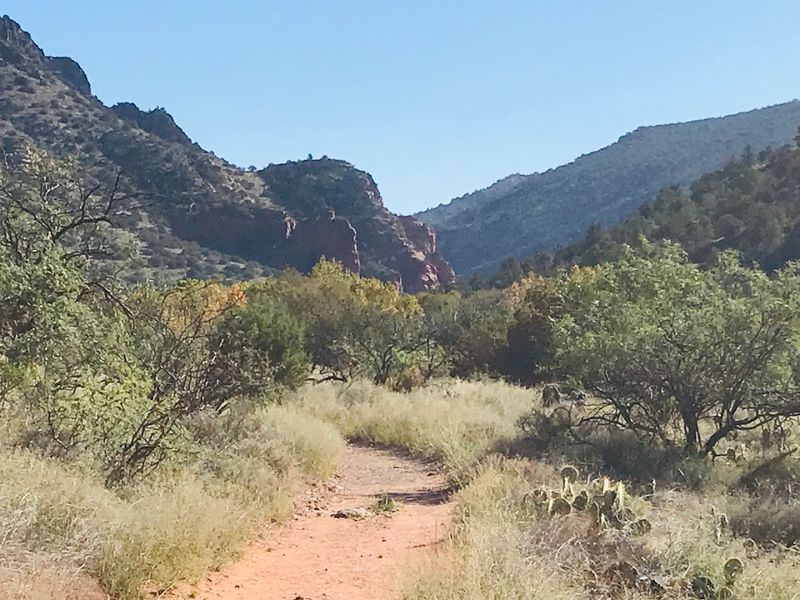
Something interesting happens as you walk Bell Trail No. 13. The landscape does not stay the same the whole time. It shifts, almost like the trail is telling a story that gets more dramatic with every mile you cover.
The first section opens through wide, sun-drenched grasslands with very little shade to speak of. That exposure is something to take seriously, especially during summer months when the Arizona sun shows zero mercy.
Wearing a hat, sunglasses, and sunscreen is not optional here; it is genuinely necessary gear for a comfortable hike. About a mile into the journey, keep your eyes open for a large grey boulder covered in Sinagua petroglyphs.
These ancient carvings offer a quiet, fascinating glimpse into the people who lived and traveled through this landscape centuries ago. After that discovery, the trail gradually narrows and the red sandstone canyon walls begin rising on either side, signaling that the creek and The Crack are getting wonderfully close.
The Crack Itself And What Makes It Special
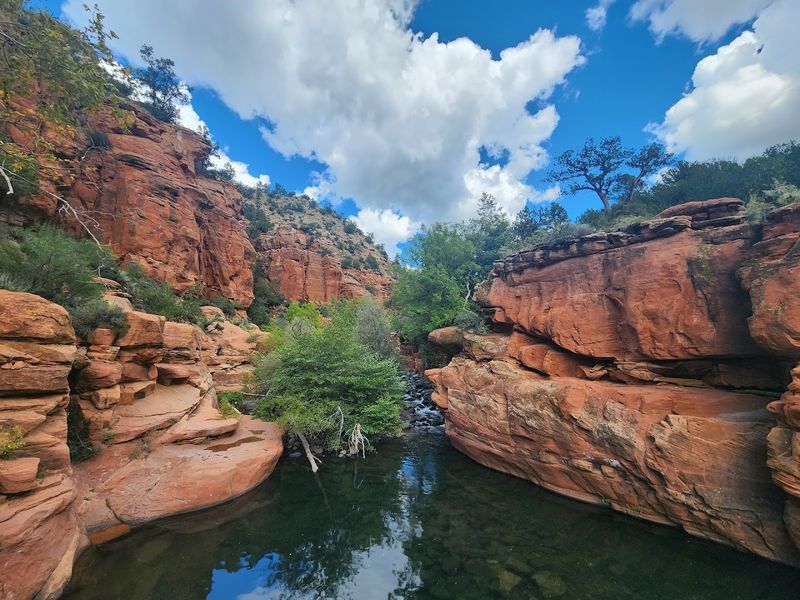
Arriving at The Crack for the first time is a genuinely surprising moment. After miles of open desert and rocky trail, the landscape suddenly tightens into a narrow channel of smooth red sandstone, and below it sits a deep, clear pool of cool water that looks almost impossibly refreshing.
Wet Beaver Creek carved this formation over thousands of years, sculpting a series of connected pools through the bedrock in a way that feels both natural and theatrical.
The canyon walls rise around the swimming area like a natural amphitheater, blocking some of the sun and creating a sheltered, almost private atmosphere even on busier days.
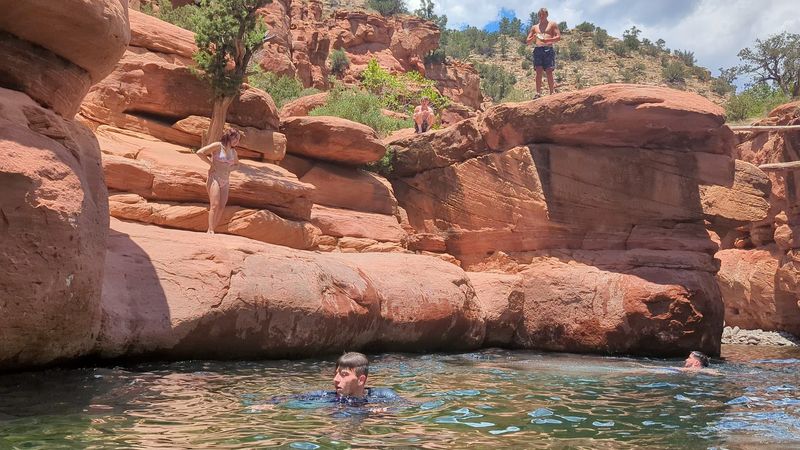
Cliff jumping is popular here, with several height options available for different comfort levels. One non-negotiable rule applies regardless of experience: always check the water depth before jumping, because conditions can change with the seasons.
No lifeguards patrol this area, so personal responsibility is the only safety net available. That reality does not dampen the fun; it simply keeps things honest.
Best Time To Visit for Swimming And Crowds
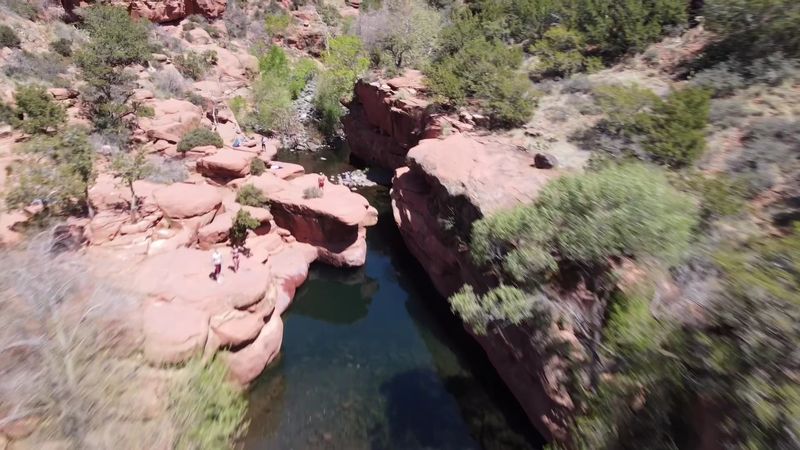
Timing a trip to The Crack can genuinely make or break the experience. Summer visits are absolutely possible and popular, but they come with real considerations that are worth planning around rather than discovering the hard way.
September tends to be the sweet spot for most visitors. The swimming temperatures remain comfortable, the brutal peak-summer heat softens just enough to make the hike pleasant, and the crowds thin out noticeably compared to July and August weekends.
If a summer visit is the only option, arriving before 7 AM is strongly recommended to beat the heat and claim a parking spot before the lot fills up. Weekdays offer a dramatically quieter experience than weekends throughout the entire season.
Spring visits from May through June also deliver excellent conditions, with particularly clear and cool water that reflects the red canyon walls in the most photogenic way. Whatever the chosen season, checking current creek conditions before heading out is always a smart move, since water levels shift with rainfall patterns.
Essential Gear And Practical Tips For The Trail
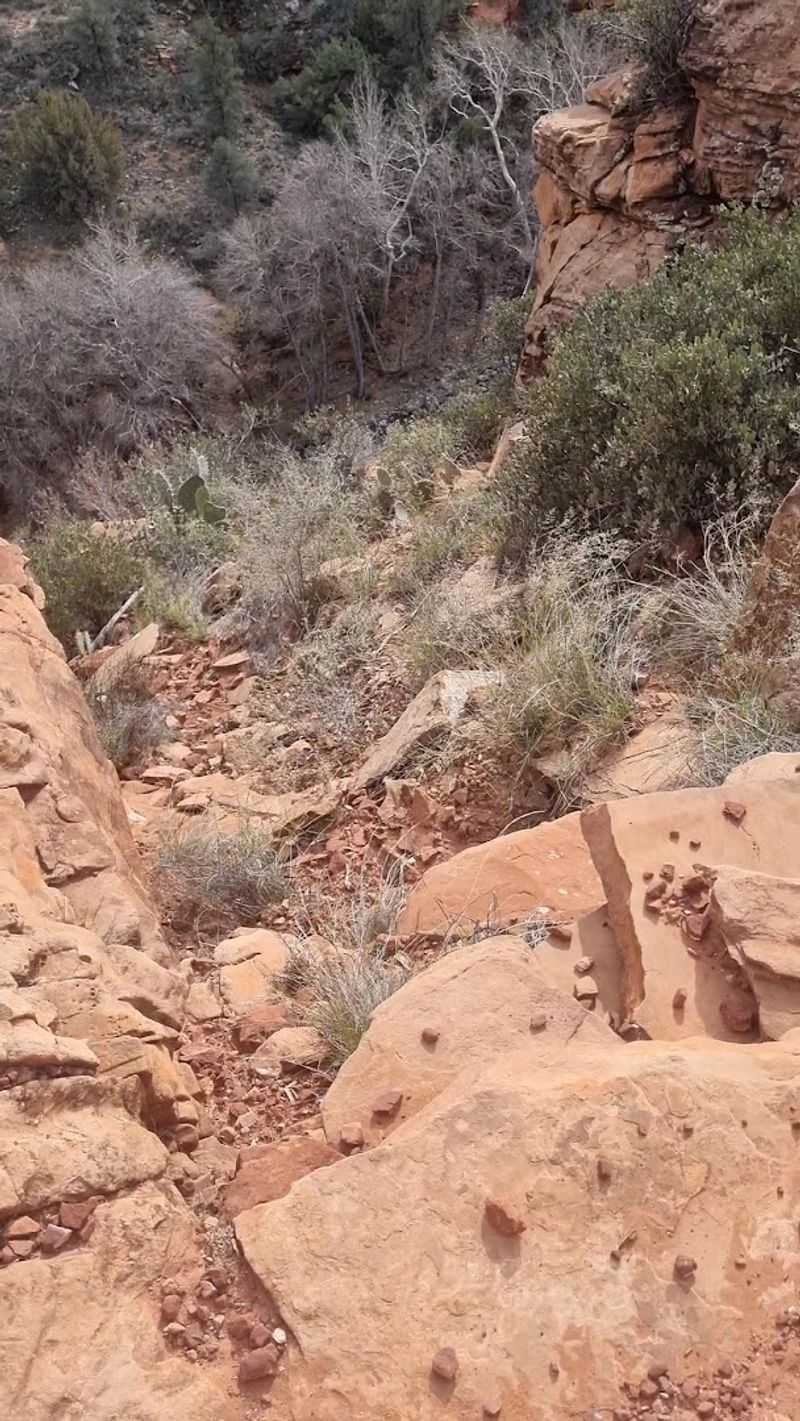
Packing smart for Bell Trail No. 13 is one of those things that separates a great day from a miserable one. The trail is exposed, the sun is relentless, and the trailhead offers no water, so preparation is everything before stepping out of the car.
Water is the top priority. Bring a minimum of one gallon per person for the full round trip, and consider adding an extra bottle during summer months when temperatures climb well above 90 degrees Fahrenheit.
Sturdy hiking shoes with ankle support handle the rocky terrain far better than sandals or casual sneakers.
Sunscreen, a wide-brim hat, and UV-blocking sunglasses round out the sun protection kit. Snacks matter too, since a 7-mile round trip burns real energy. A $5 parking fee is collected at a self-pay kiosk at the trailhead, so bring cash or a card.
No permit is required for the trail itself. Practicing Leave No Trace principles keeps this stunning spot beautiful for every visitor who comes after you.
Why The Crack Deserves A Spot On Your Summer List
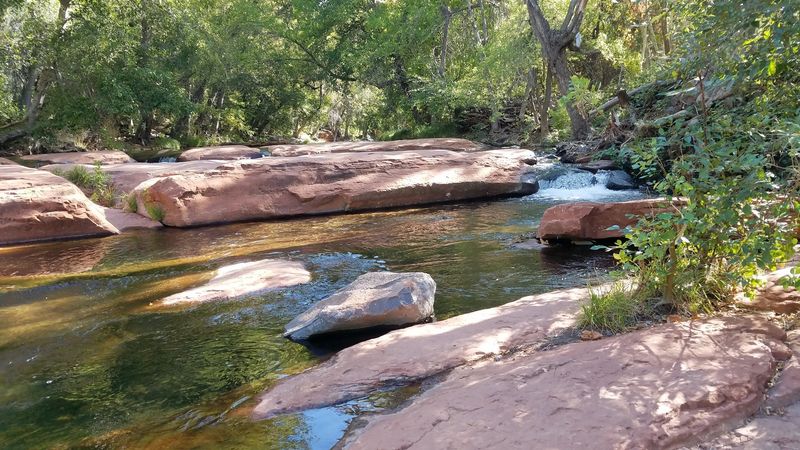
Some places earn their reputation honestly, and The Crack at Wet Beaver Creek is absolutely one of them. It delivers something rare in the American Southwest: a genuinely cool, swimmable natural pool set inside a landscape so visually striking that photos never quite do it justice.
The combination of a historically interesting trail, ancient petroglyphs, dramatic canyon scenery, and a refreshing payoff at the end creates an experience that feels complete rather than one-dimensional.
Families, solo hikers, and groups of friends all find something worth loving about this destination, which speaks to its broad and lasting appeal.
Accessibility is another quiet strength. Located about 45 miles from Flagstaff and roughly 100 miles from Phoenix, the Bell Trailhead near Rimrock, Arizona fits naturally into a day trip itinerary without requiring overnight planning.
If this summer needs one outdoor adventure that combines history, scenery, and a well-earned swim, The Crack at Wet Beaver Creek makes a genuinely compelling case for the top of that list.
Overnight Options Worth Knowing
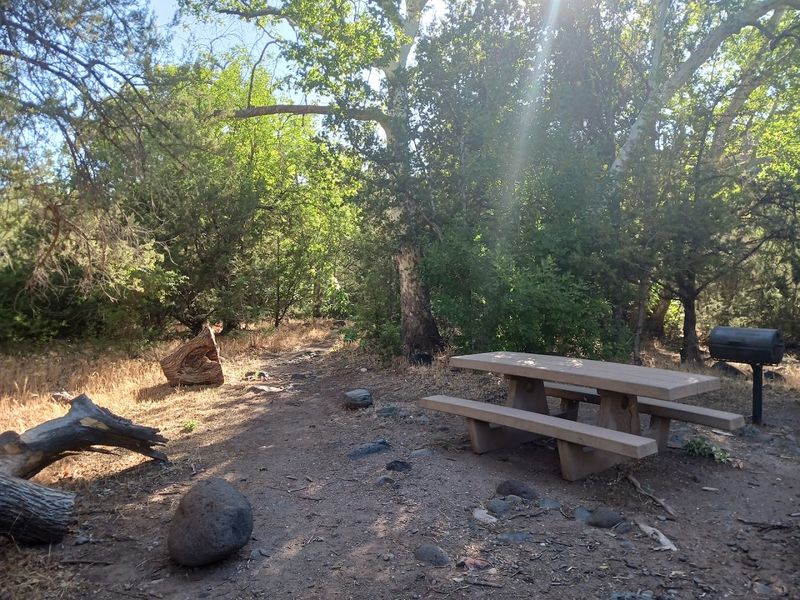
Some places are worth more than a single afternoon, and The Crack is absolutely one of them. Spending the night nearby means you can hit the trail early before temperatures climb and crowds arrive. Beaver Creek Campground sits just a short drive from the Bell Trailhead and offers basic amenities including toilets and fire rings.
Reservations are recommended during summer months since spots fill up fast. Dispersed camping is also available in certain areas of the Coconino National Forest, giving you more flexibility.
Waking up surrounded by red rock country before a morning swim is an experience that sticks with you long after you leave. If you camp nearby, keep the morning plan simple so the hike never feels rushed.
Pack water before bed, set out your trail shoes, and give yourself enough time to reach the creek while the canyon still feels cool.
That early start makes the whole trip feel smarter, especially in July when Arizona heat can change the mood fast. After the swim, heading back to camp for shade and a slow meal feels like the perfect reward.
It turns the visit into more than a quick dip, making the whole adventure feel like a true summer reset.