
This Remote Arizona Campground Takes A 10-Mile Hike To Reach, But The Blue-Green Water Feels Unreal
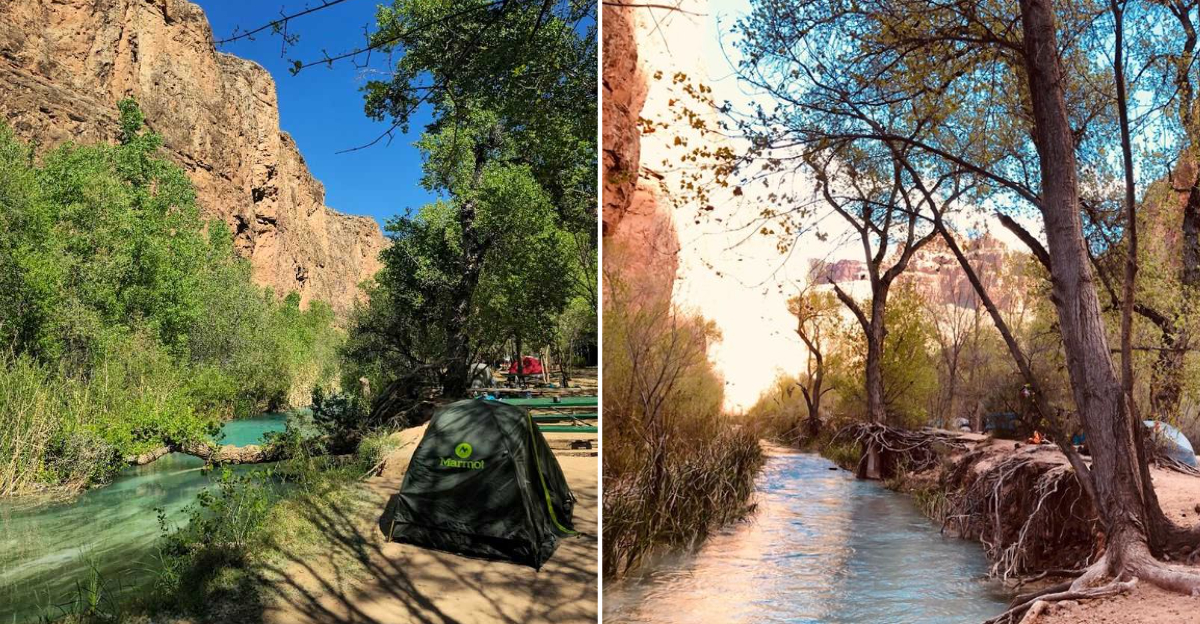
Surviving the ten-mile haul into this hidden pocket of Arizona requires a decent pair of boots, a surplus of electrolytes, and a healthy dose of optimism.
Most people prefer their vacation accommodations to be accessible by a paved road, but the true magic happens only when you are willing to earn your view the hard way. Somewhere between mile eight and mile ten, you might find yourself wondering why you didn’t just book a nice beach resort instead.
However, the moment those turquoise pools shimmer into existence behind the canyon walls, the struggle instantly fades into a distant memory.
Living out of a backpack under the desert stars is a humbling experience, but nature really knows how to show off when she thinks no one is watching. Ten miles of trail separated me from one of the most jaw-dropping places I have ever set foot in, and every single step was worth it.
The 10-Mile Hike From Hualapai Hilltop
Starting the hike before the sun comes up is not just a suggestion here, it is practically a survival strategy.
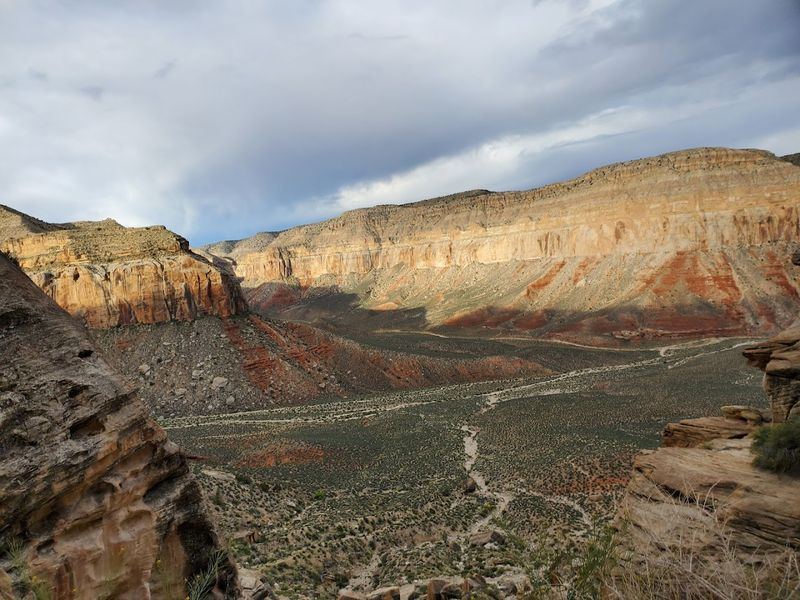
The trail to Havasupai Campground begins at Hualapai Hilltop, located in northwestern Arizona, and the first 1.5 miles throw you straight into steep switchbacks that drop about 1,100 feet in elevation.
Your legs will feel it, but the canyon walls glowing in the early morning light make for a pretty incredible distraction.
After those initial switchbacks, the trail flattens into a long, steady canyon walk that stretches for about 8 miles to Supai Village. The terrain shifts from rocky and dramatic to sandy and shaded, which gives your knees a welcome break.
From the village, it is another 2 miles south to the campground itself. The full round trip covers roughly 20 miles and is rated moderate to challenging.
Carrying at least one gallon of water per person is essential, since there are no water sources along the trail. Pack light where you can, start early, and take your time enjoying the canyon scenery unfolding around you with every turn.
By the time you reach the campground, the effort starts to make sense, because the sound of nearby water and the shade of the canyon feel like a reward built into the trail itself.
Securing Your Permit Before February 1st
Getting a permit to visit Havasupai is honestly one of the most competitive outdoor reservation experiences in the entire country. Every year on February 1st at 8:00 a.m. Arizona time, the Havasupai Tribe releases campground permits, and they routinely sell out within minutes.
Setting multiple alarms and having a strong internet connection ready is not overkill, it is just smart planning.
As of 2026, campground permits cost approximately $455 per person for a mandatory 3-night, 4-day stay. Permits are non-transferable, and reselling them is strictly prohibited by the tribe.
Each visitor receives a wristband at check-in, which takes place at Grand Canyon Caverns and Inn on the day the permit begins or the day before.
Cancellations made within 90 days of the booking start date are non-refundable, so locking in your dates with full commitment is the only real approach.
The Havasupai Tribe limits visitor numbers deliberately to protect their sacred land, so every permit represents a genuine privilege. Treat the process with respect and plan well in advance.
That limited access is exactly what keeps the canyon experience from feeling overrun, even when demand for those permits is sky-high.
The Unreal Blue-Green Color Of Havasu Creek
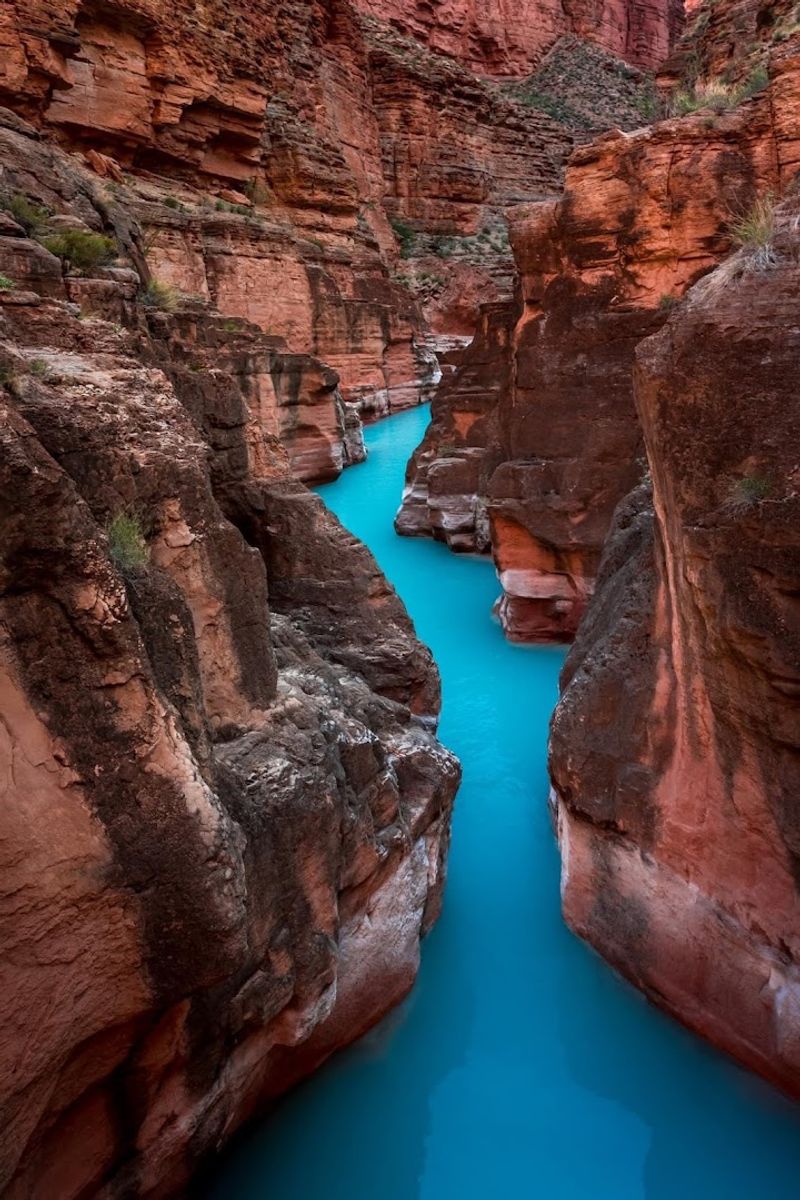
Nothing quite prepares you for the first moment you see Havasu Creek in person. The water is this shocking, electric shade of blue-green that makes you genuinely question whether you are looking at something natural or staged for a photo shoot.
The color is completely real, and the science behind it is just as fascinating as the view itself. That vivid hue comes from dissolved magnesium and calcium in the water, along with suspended calcium carbonate particles that scatter light in a way that produces the turquoise effect.
The reflective limestone riverbed underneath amplifies the brilliance even further, turning the creek into something that looks like liquid gemstone. The water originates from a hidden limestone aquifer deep below the canyon floor.
The Havasupai people have been called “the People of the Blue-Green Water” for generations, and standing beside Havasu Creek, you immediately understand why that name carries such meaning.
This is not just a pretty color. It is the living identity of an entire community and the heart of one of Arizona’s most extraordinary natural landscapes.
Life At The Havasupai Campground
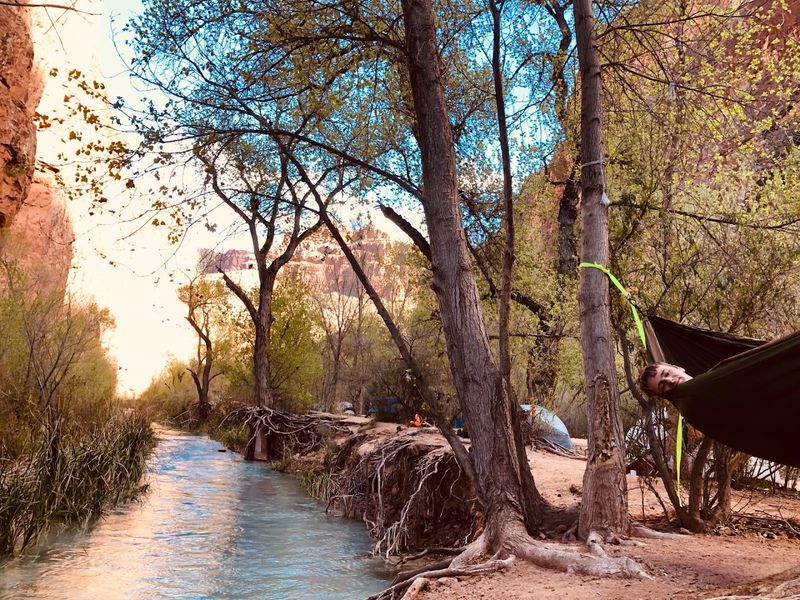
Waking up at the Havasupai Campground feels like opening your eyes inside a postcard.
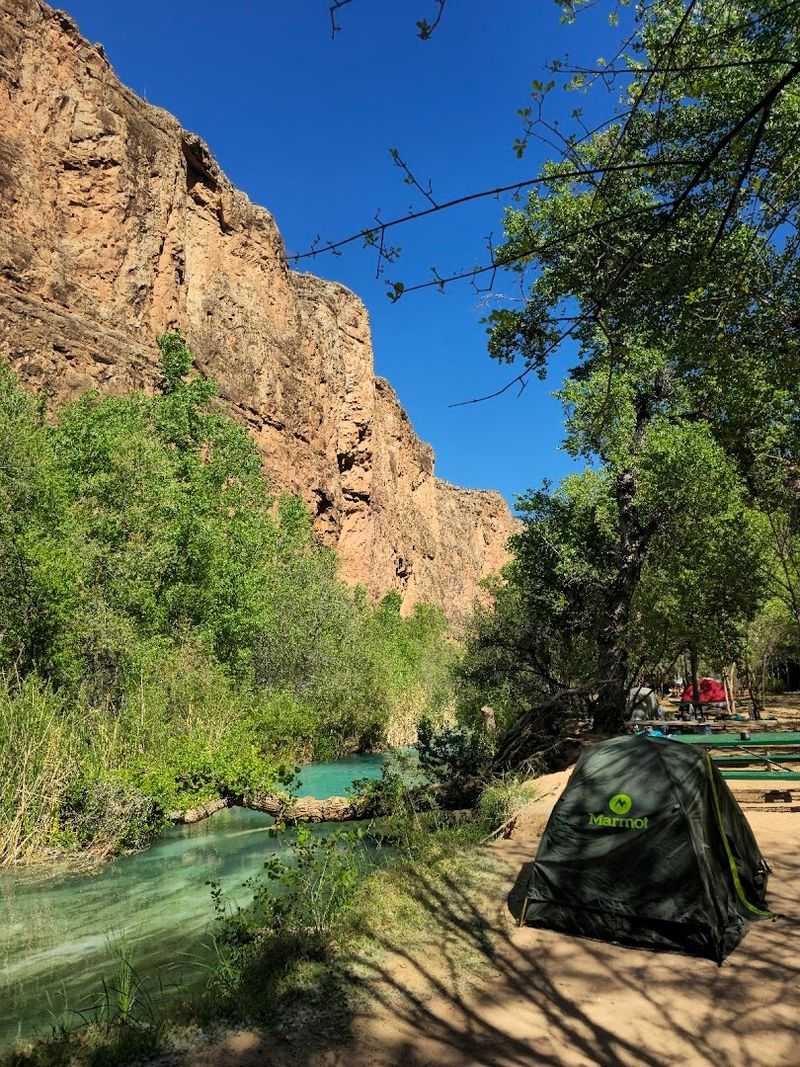
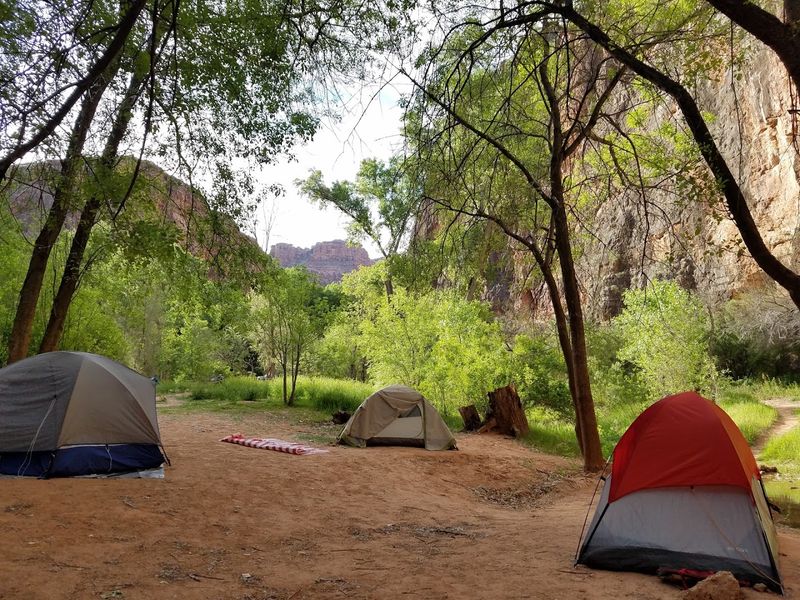
The campground stretches for about one mile along Havasu Creek, and campers are free to pitch tents anywhere within the designated area, including spots right along the creek bank where the sound of moving water becomes your personal white noise machine.
The campground provides composting toilets and access to drinking water from Fern Spring, so basic needs are covered. Fires, drones, and anything related to alcohol are all prohibited within the campground, which keeps the atmosphere respectful and peaceful.
On a typical night, between 300 and 400 people share the space, so privacy is limited but the communal energy is surprisingly warm.
Havasu Falls sits near the south end of the campground, making it an easy stroll from most campsites. Mooney Falls anchors the north end, offering a more adventurous side trip.
Cell service is essentially nonexistent inside the canyon, which, honestly, ends up being one of the best parts of the entire experience.
Havasu Falls Up Close
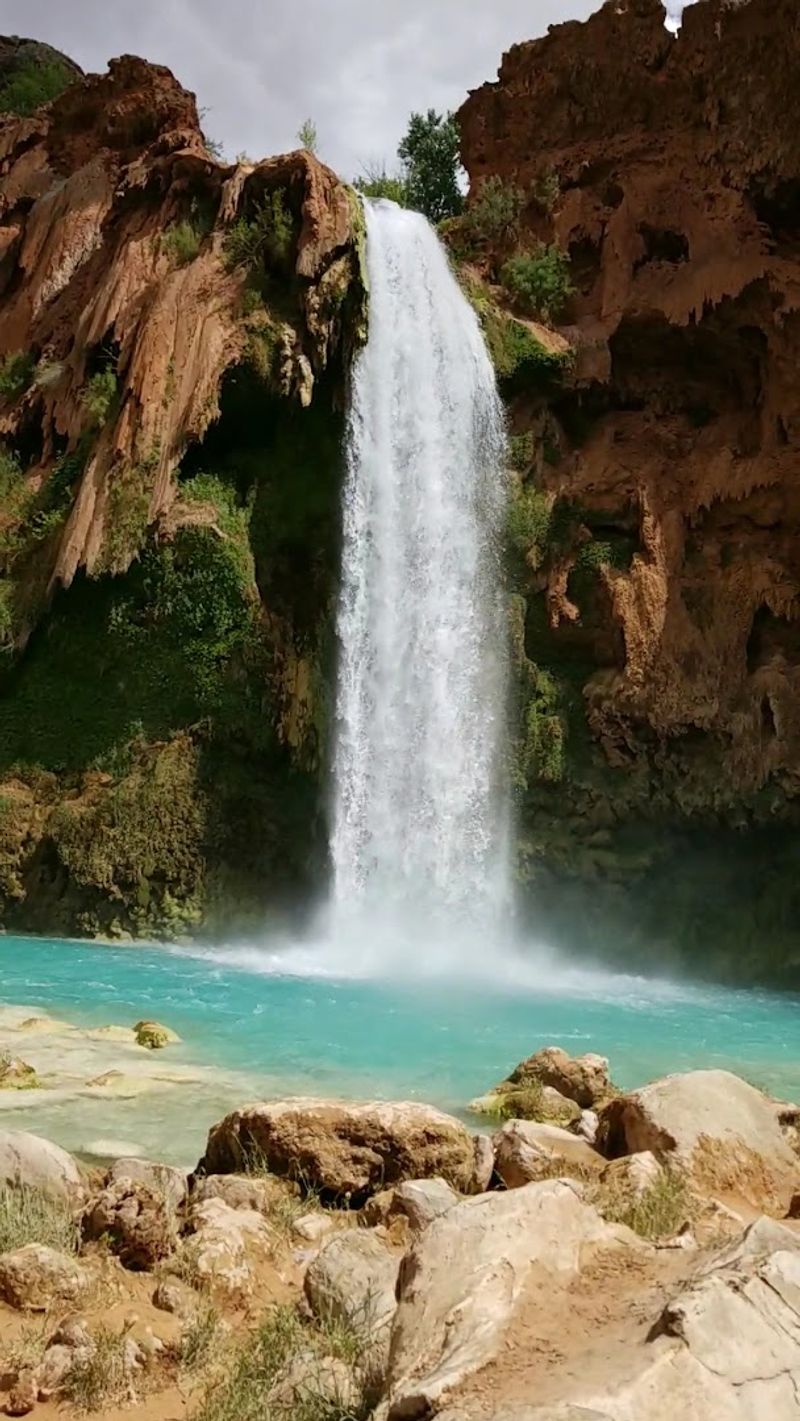
Havasu Falls is the kind of place that shows up in travel magazines so often that you start to wonder if the photos are enhanced.
They are not. Standing at the base of the falls for the first time, with that rush of blue-green water crashing into a turquoise pool surrounded by red travertine rock and green trees, is a full sensory experience that photographs simply cannot capture completely.
The falls drop roughly 100 feet and flow year-round, fed by the same limestone aquifer that gives Havasu Creek its famous color.
The pool at the base is swimmable, and on a warm afternoon, floating in that water while the canyon walls tower above you ranks among the most surreal moments I have ever had outdoors.
Because Havasu Falls sits near the south end of the campground, most visitors can reach it in just a few minutes on foot. Going early in the morning means fewer people and better lighting for photos.
The falls are open to all permit holders throughout their stay, so visiting multiple times is both possible and highly recommended.
Mooney Falls And The Chain Descent
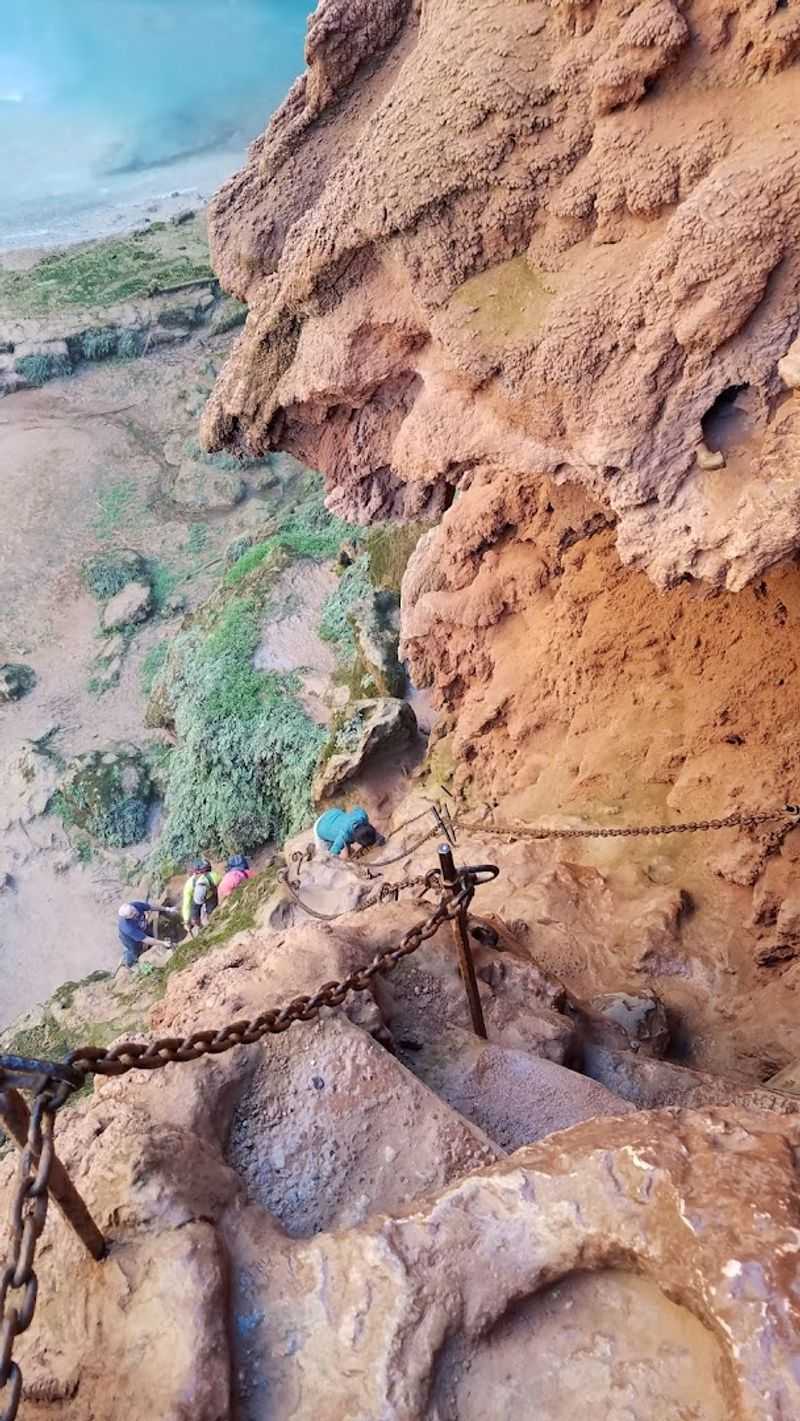
If Havasu Falls is the campground’s welcoming highlight, Mooney Falls is its bold and slightly intimidating neighbor.
Standing at 196 feet tall, Mooney Falls is actually the tallest waterfall in the Havasupai canyon system, and reaching its base requires descending a narrow cliff face using iron chains and hand-cut footholds drilled directly into the rock. It sounds intense because it genuinely is.
The descent takes you through two short tunnels carved into the canyon wall before the chain section begins. Wet rock makes the route slippery, so wearing sturdy footwear with good grip is not optional.
Most people move slowly and carefully, and the shared experience of tackling the route together creates an unexpectedly fun group atmosphere at the top and bottom.
Once you reach the pool below Mooney Falls, the reward is immediate and overwhelming. The roar of nearly 200 feet of falling water fills the canyon, and the mist keeps everything cool even on a hot Arizona afternoon.
From here, hikers can also continue downstream toward Beaver Falls for an even longer and more remote adventure along the creek.
Practical Tips For Making The Trip Work
Planning a Havasupai trip well is the difference between a smooth adventure and a genuinely rough experience. Carrying at least one gallon of water per person for the hike in and out is non-negotiable, since the trail offers no water refill points.
Starting before sunrise is equally important, especially during summer, when canyon temperatures can become dangerously hot by mid-morning.
Pack mules can be reserved through the tribe to carry gear to the campground, running approximately $400 round-trip per mule as of 2026. A helicopter service is sometimes available for those who need it, though relying on it as your main transport plan is not wise since availability is not guaranteed.
Packing only what you truly need keeps the hike manageable. Supai Village, the capital of the Havasupai Indian Reservation, sits 8 miles in from the trailhead and is one of the most remote communities in the United States.
It is the only place in the country where mail is still delivered by mules. Respecting the land, following all tribe rules, and carrying out every piece of trash you bring in honors the community that makes this extraordinary place accessible to visitors.