
This Remote Arizona Canyon Hides A Surprising Oasis Of Native Palm Trees
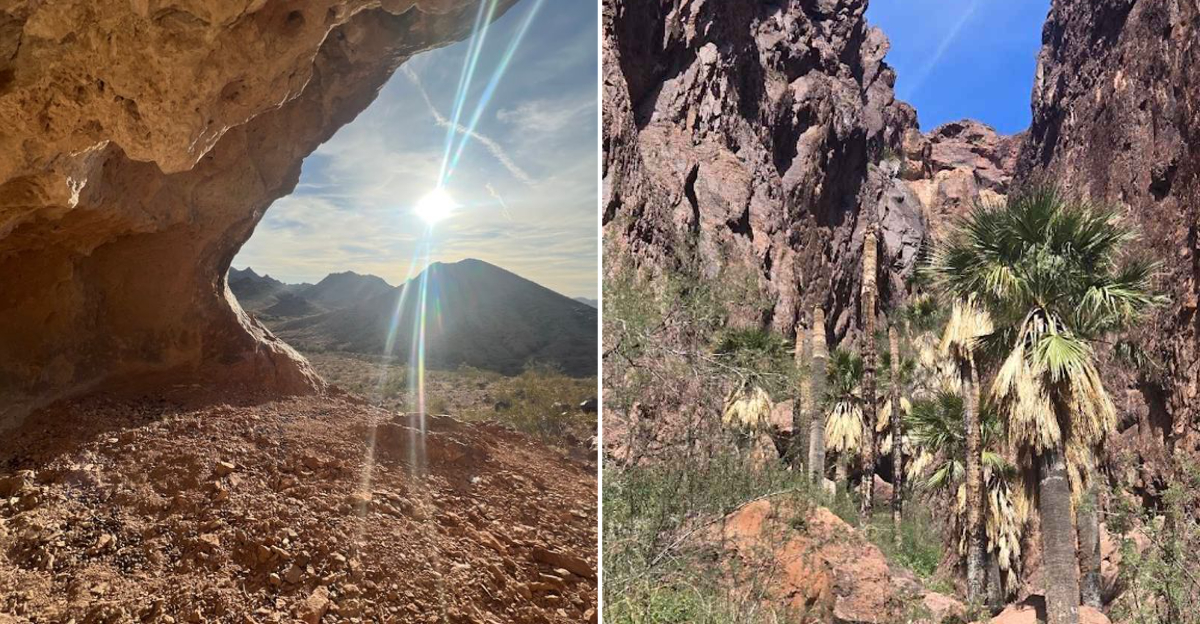
I remember rounding a bend in this remote Arizona canyon and feeling like the landscape had suddenly changed the rules. One minute it was all stone, dust, and silence, and the next there was a cluster of native palm trees rising beside clear water like something the desert had no business hiding.
The contrast is what stays with you most, that sudden burst of green in a place that feels so rugged and remote. I found myself lingering longer than planned, just watching the fronds move in the breeze and taking in how unexpected it all felt.
For a place so quiet and tucked away, it leaves a surprisingly lasting impression. This remote canyon shelters Arizona’s only known native population of California fan palms, a botanical surprise that has drawn curious hikers and nature lovers for generations.
Getting there takes a little effort, a seven-mile drive down a washboard dirt road followed by a half-mile trail climb, but the reward waiting at the end is genuinely worth every dusty mile.
The Story Behind Arizona’s Only Native Palms
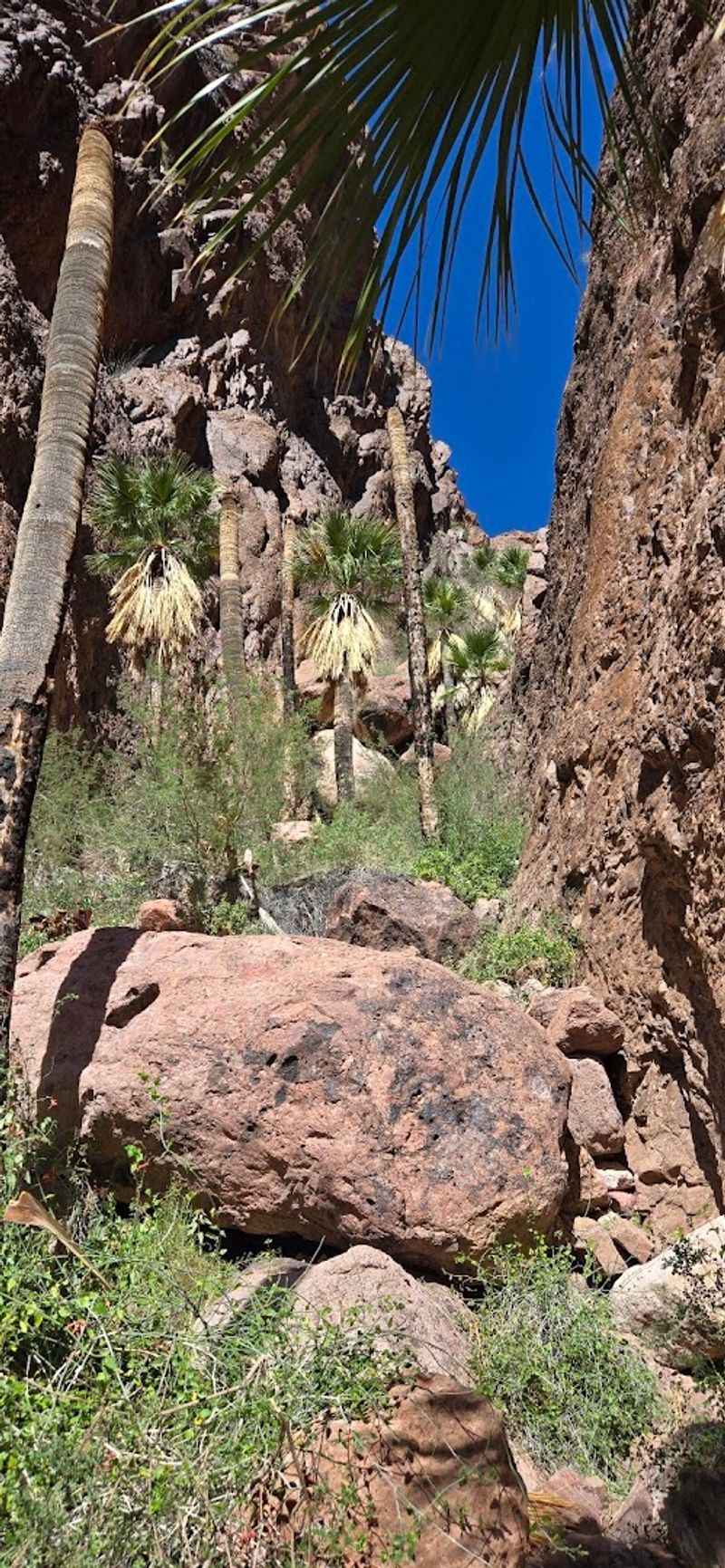
Long before Arizona was a state, these palms were already here. The California fan palms growing inside Palm Canyon are believed to be living relics from a much older era, a time thousands of years ago when the Sonoran Desert received significantly more rainfall and stayed considerably cooler than it does today.
As the climate shifted and dried out over millennia, most of the palms across the region vanished. The ones clinging to this narrow canyon survived because the rocky walls trap moisture and create a sheltered microclimate that mimics the wetter conditions the trees need to thrive.
Scientists classify these palms as Washingtonia filifera, a species native to the American Southwest and northern Mexico. Seeing them here feels almost like catching a glimpse of a prehistoric world that somehow refused to disappear.
Their presence is a quiet reminder that nature finds a way to hold on, even in the most unlikely corners of the desert.
Finding Your Way To This Remote Desert Canyon
Reaching Palm Canyon requires a bit of planning, and that is honestly part of the adventure. From U.S. Highway 95, look for the Palm Canyon sign located roughly 63 miles north of Yuma or about 18 miles south of Quartzsite.
From there, a seven-mile dirt road leads east toward the striking block mountain that marks the refuge. The road is technically passable in a standard passenger car, though the surface is rough and washboarded, so drive slowly and keep your eyes on the track.
Four-wheel-drive or high-clearance vehicles make the trip more comfortable, especially after rain. Cellular service is essentially nonexistent throughout the refuge, so download offline maps before you leave town.
Always tell someone your plans before heading out, including when you expect to return.
The isolation that makes Palm Canyon so appealing also means help is a long way off if something goes wrong. Smart preparation turns a remote trip into a smooth one.
Walking The Palm Canyon Trail
The Palm Canyon Trail is refreshingly short, stretching only about half a mile from the small parking area to the viewing point near the base of the canyon. That said, the path climbs steadily over rocky terrain, so wear sturdy shoes with good grip and take your time on the loose gravel sections.
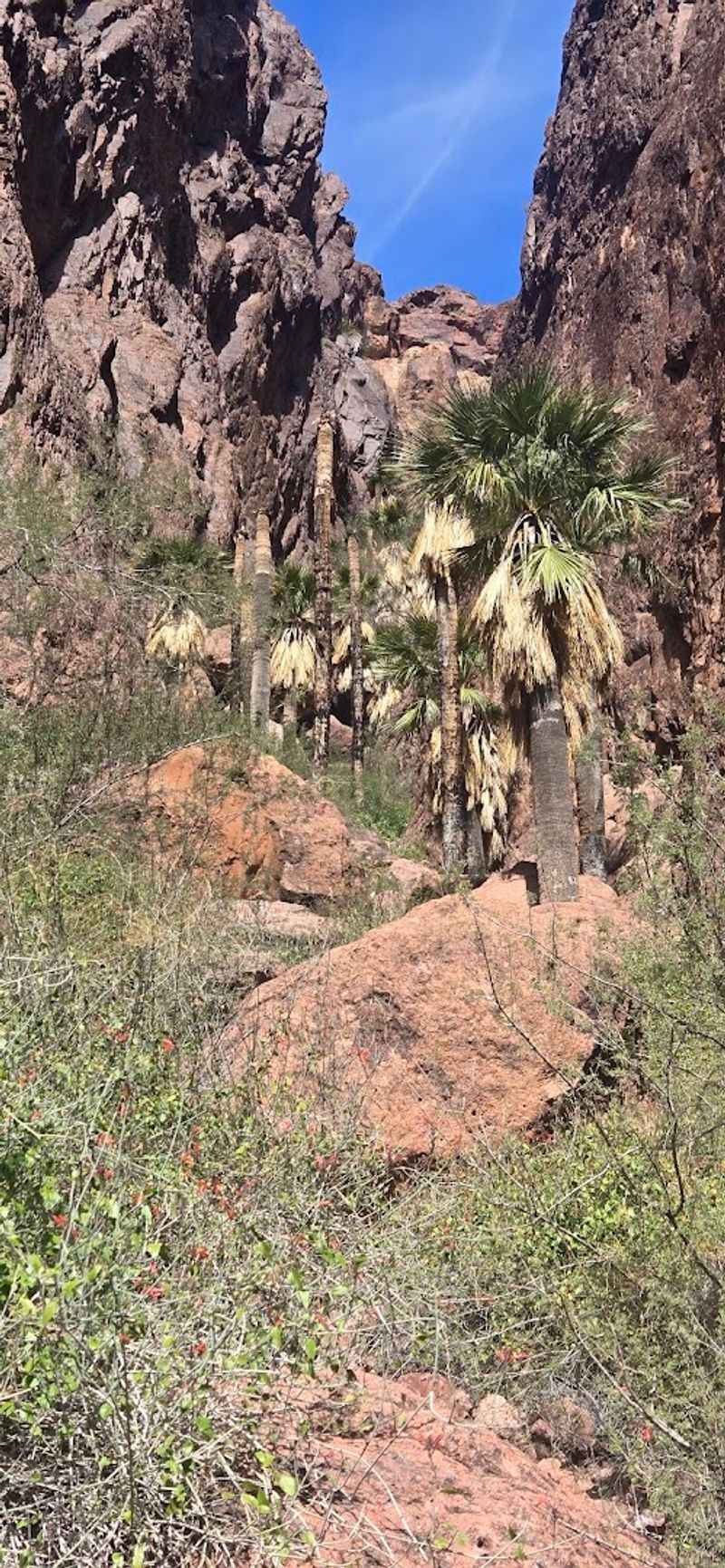
About halfway up, a small trail sign marks an elevated spot where you can look upward into the narrow north-trending side canyon.
That upward glance is the payoff moment, the spot where the fan palms suddenly come into view against the canyon walls, their shaggy fronds catching whatever light filters in from above.
Midday offers the best lighting for photographs, since the sun angles directly into the canyon for a brief window of time. Outside that window, the palms stay mostly shaded. If you want to get closer, a steeper and trailless route continues further up the canyon for those comfortable scrambling over boulders without a marked path to follow.
What You Will Actually See At The Top
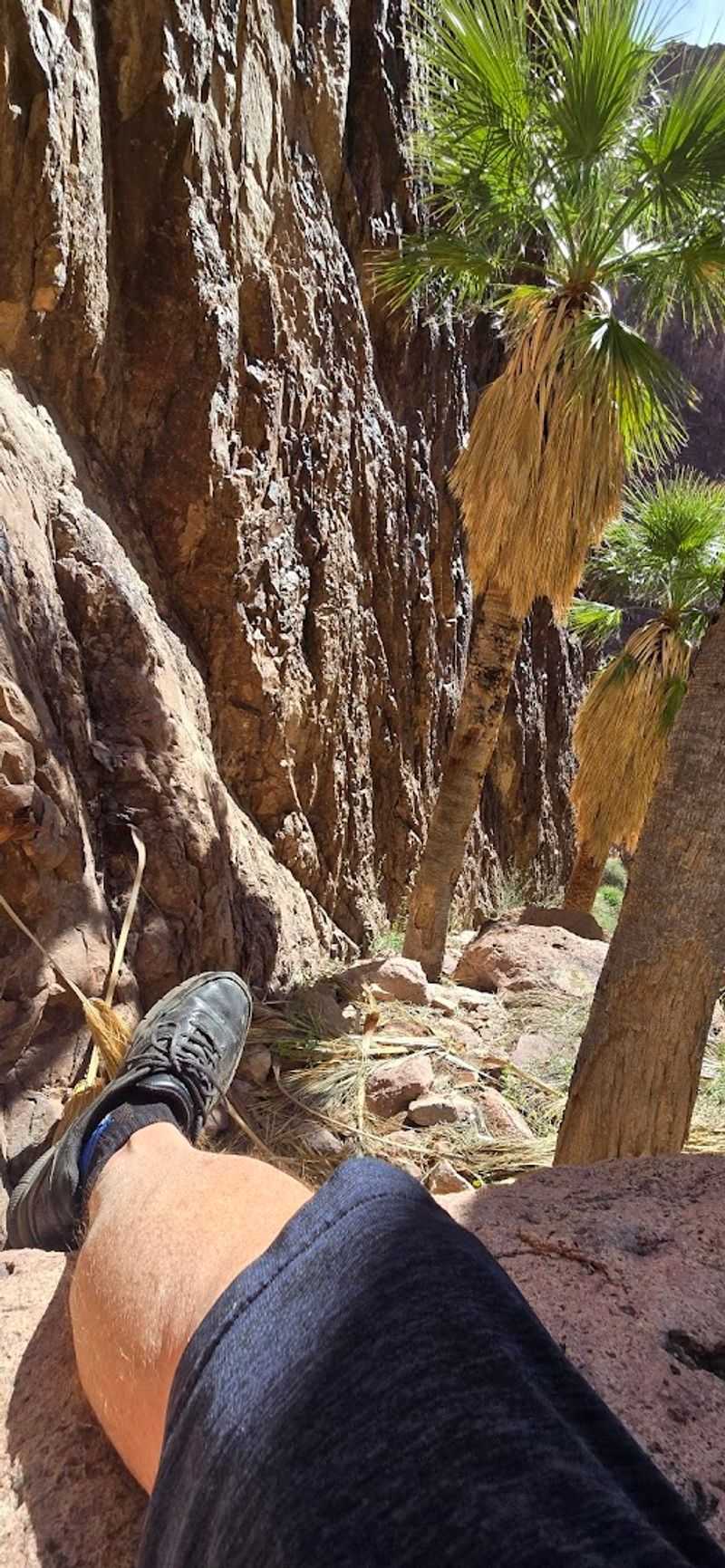
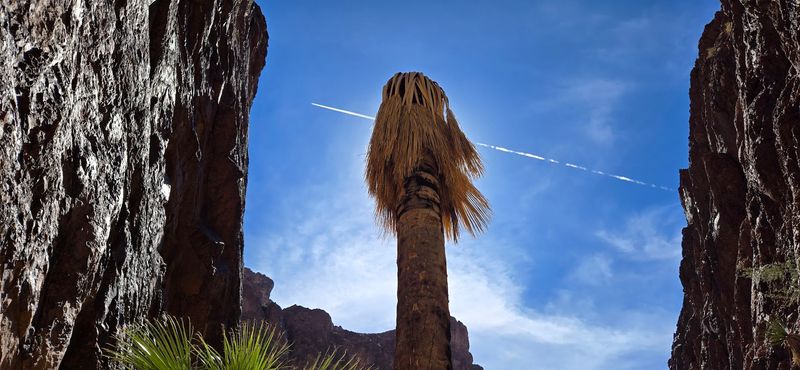
Standing at the viewing spot and looking up into that narrow side canyon for the first time is genuinely surprising. The palms rise dramatically against the canyon walls, their thick trunks wrapped in layers of dead fronds that hang down like a shaggy skirt, a classic feature of wild Washingtonia filifera trees that have never been trimmed or groomed.
The green fronds fan out broadly at the crown, creating a lush canopy that looks strikingly out of place against the bare red and gray rock surrounding them. Depending on the time of year, you may also spot clusters of small dark fruits hanging beneath the fronds, a food source that birds and other wildlife rely on.
The overall scene is quieter and more intimate than most famous natural landmarks. There are no crowds, no gift shops, and no guardrails.
Just you, the canyon walls, and a grove of ancient trees that have been growing here long before anyone thought to put a trail sign nearby.
Wildlife Watching In The Kofa Refuge
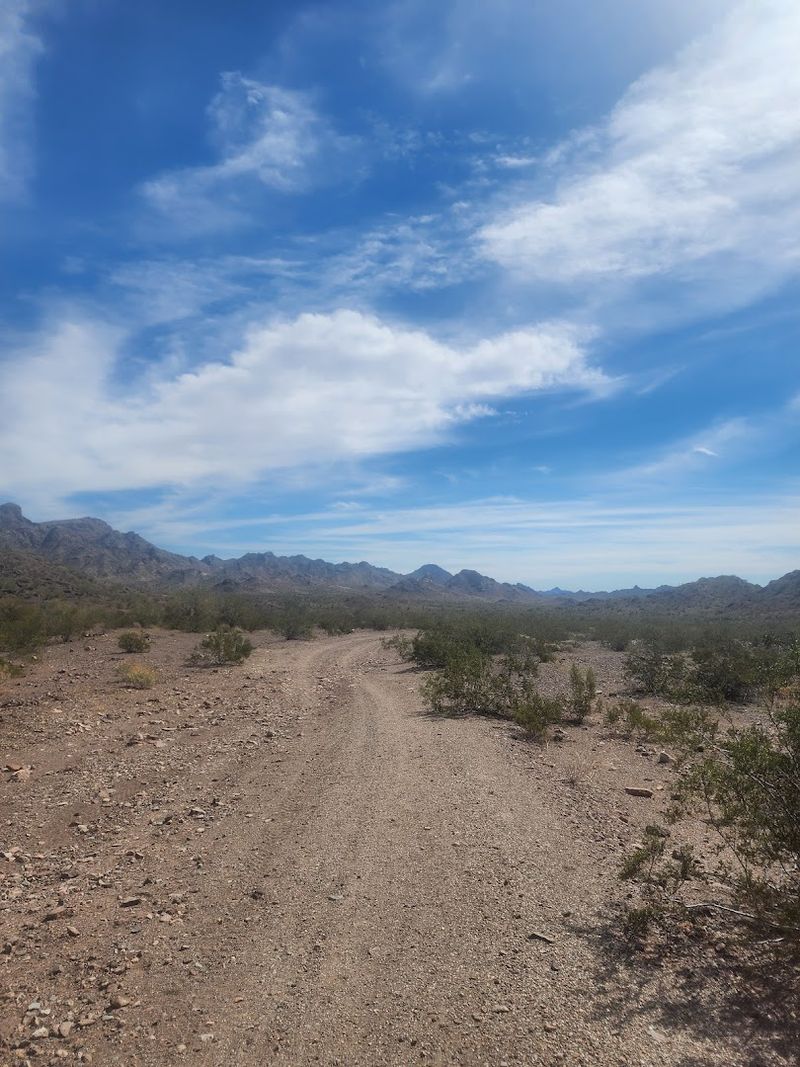
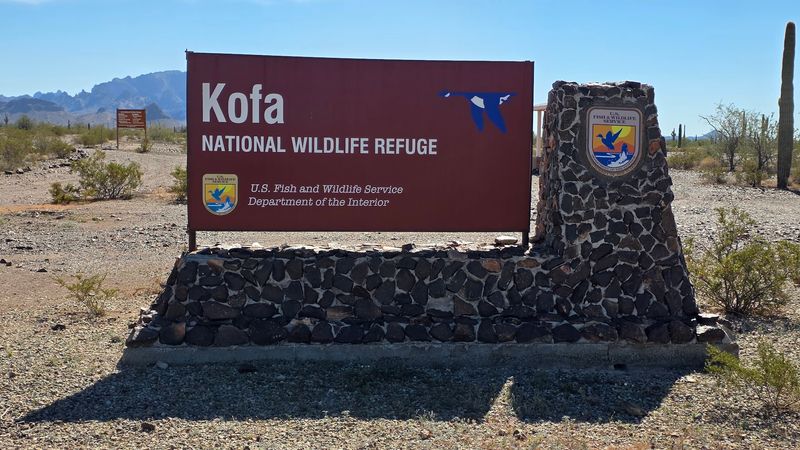
Palm Canyon sits inside the Kofa National Wildlife Refuge, a vast protected area covering nearly 665,400 acres of raw Sonoran Desert.
The refuge was established primarily to protect the desert bighorn sheep population, and with patience and a pair of binoculars, spotting one of these agile animals on the canyon walls is absolutely possible.
Dawn and dusk are the golden hours for wildlife watching here. During the heat of the day, most animals retreat to shade, but in the cooler morning and evening light, you might also see coyotes, Gambel’s quail, Gila woodpeckers, and various species of hawks riding thermals overhead.
Reptiles including chuckwallas and Gila monsters are also present, though the latter deserves respectful distance. Sitting quietly in one spot often works better than walking around.
Animals that initially hide when you arrive will sometimes reappear once they grow accustomed to your presence. Bring your binoculars, move slowly, and let the desert come to life around you at its own unhurried pace.
Camping Under The Desert Stars
One of the most rewarding ways to experience Palm Canyon is to spend a night in the refuge itself. Primitive camping is allowed throughout the Kofa National Wildlife Refuge at no charge, meaning you can set up camp virtually anywhere as long as your site stays at least a quarter mile from any water source and your vehicle remains within 100 feet of a road.
The desert sky out here is something special. With almost zero light pollution for miles in every direction, the stars appear in a density that feels almost unreal if you are used to city skies.
Campfires are permitted using only dead, downed wood that you find on the ground, though wood is scarce enough that bringing your own supply is the smarter move.
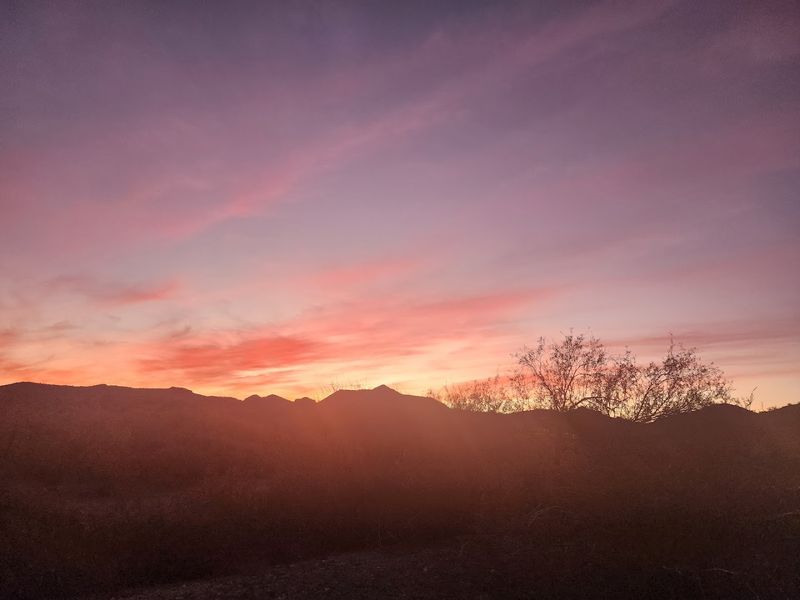
Summer camping is a serious commitment given the extreme heat, but fall through early spring offers mild and comfortable nights. Waking up in the Kofa desert as the sun paints the mountains pink and orange is one of those mornings that stays with you long after the trip ends.
Practical Tips For A Safe And Enjoyable Visit
Packing smart is non-negotiable when visiting Palm Canyon. Bring far more water than you think you will need, especially in warmer months when temperatures in the Kofa refuge can push well past 110 degrees Fahrenheit.
Sunscreen, a wide-brimmed hat, and lightweight long sleeves are your best friends out here. The sun reflects off the pale canyon walls and hits you from multiple angles at once.
The best visiting season runs from October through April, when temperatures stay manageable and the desert landscape shifts into its most photogenic state. Spring wildflowers occasionally dot the flats surrounding the canyon, adding unexpected color to an already striking scene.
Avoid summer visits unless you are an experienced desert traveler with extensive heat preparation.
One important note: cross-country hiking in the refuge carries the risk of encountering unexploded military ordnance left from historical training exercises. If you spot anything that looks like military hardware, do not touch it. Stay on established paths and enjoy the canyon responsibly.
The Best Time Of Year To Make The Trip
Not every season treats Palm Canyon visitors the same way, and knowing when to go can make a huge difference.
The sweet spot is October through April, when temperatures stay comfortable and the harsh desert sun is far less punishing. Summer visits can feel brutal, with midday heat regularly pushing past 110 degrees Fahrenheit in this part of Arizona.
Spring brings a bonus: wildflowers sometimes dot the rocky slopes around the canyon entrance, adding splashes of color to an already dramatic landscape. Early morning arrivals are always the smartest move, giving you cooler air and better lighting for photos of the palms.
The cooler months also make the hike feel much more enjoyable, especially if you want time to slow down and really take in the scenery.
By late morning, even pleasant days can start to feel noticeably warmer as the sun settles over the canyon.
That is why many experienced visitors plan their trip around a calm, early start rather than trying to beat the heat later in the day. Choosing the right season and time of day can turn this from a challenging desert outing into a far more comfortable and memorable adventure.