
This Remote Arizona Dark Sky Park Puts The Whole Milky Way Right Over Your Campsite
Little Dipper stars are famously faint, so seeing every single one of them is a quiet test of how dark a sky really is. On the north side of a mountain range in southern Arizona, a former cattle ranch passes that test with ease.
By day it is a breezy high-country park with oak, granite boulders, and an old ranch house full of stories. By night it becomes one of the best free-feeling shows in the state, and it sits within an easy drive of Tucson and Phoenix.
A Ranch-Turned-Refuge in the Foothills Above Oracle
Start with the address: 3820 E Wildlife Dr, in the small town of Oracle, Arizona. Drive up the winding road and you land in a large wildlife refuge where desert scrub blends into oak-studded hills.
Park staff and visitors describe it as a high chaparral landscape, a mix you rarely see so close to the city.
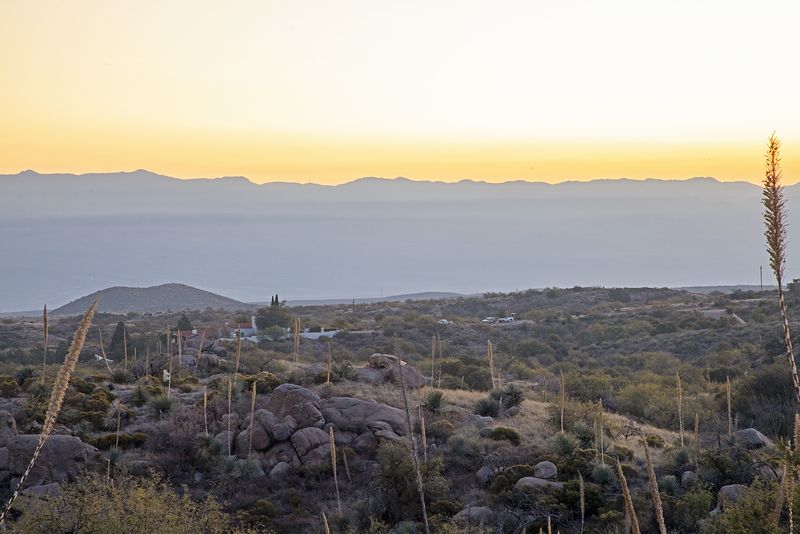
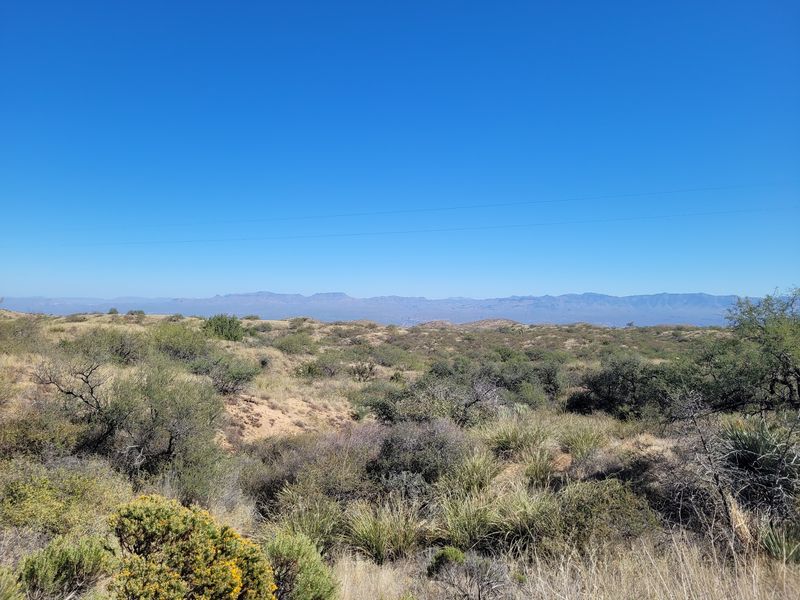
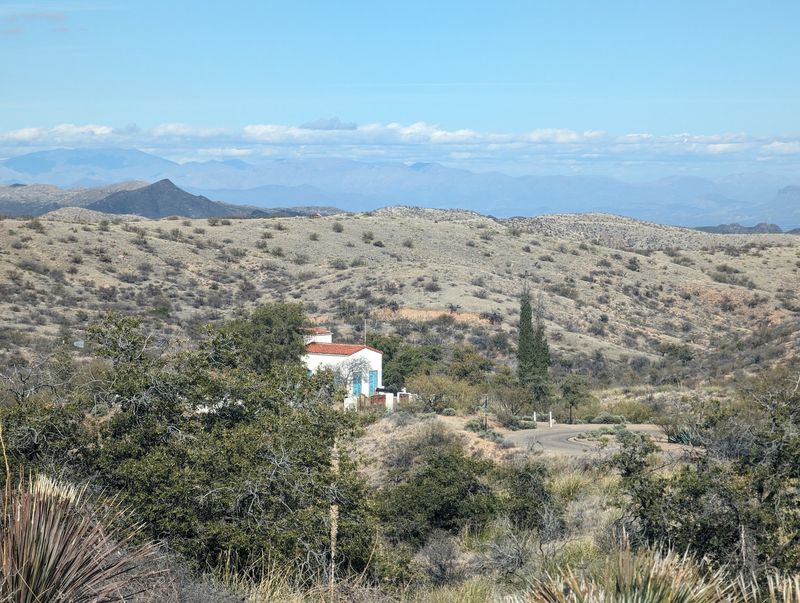
Oracle State Park spreads across wide open country on the northern slopes of the Santa Catalina Mountains. Folks who know the Tucson side of the range often say the scenery here feels completely different, greener and cooler, with boulders scattered like someone dropped a bag of marbles.
Mountain views roll out in nearly every direction.
What makes it special for night lovers is a single designation. It was the first state park in Arizona to be recognized by the International Dark-Sky Association, now known as DarkSky International.
That honor means the stars here are protected, not just lucky.
The park combines miles of trails, picnic ramadas, a historic home, and a calendar of ranger-led events. It is quiet, roomy, and rarely crowded.
For anyone who loves a worth-the-drive find that skips the tourist traffic, this corner of Pinal County delivers a lot more than the small sign at the entrance suggests.
The Kannally Family Story
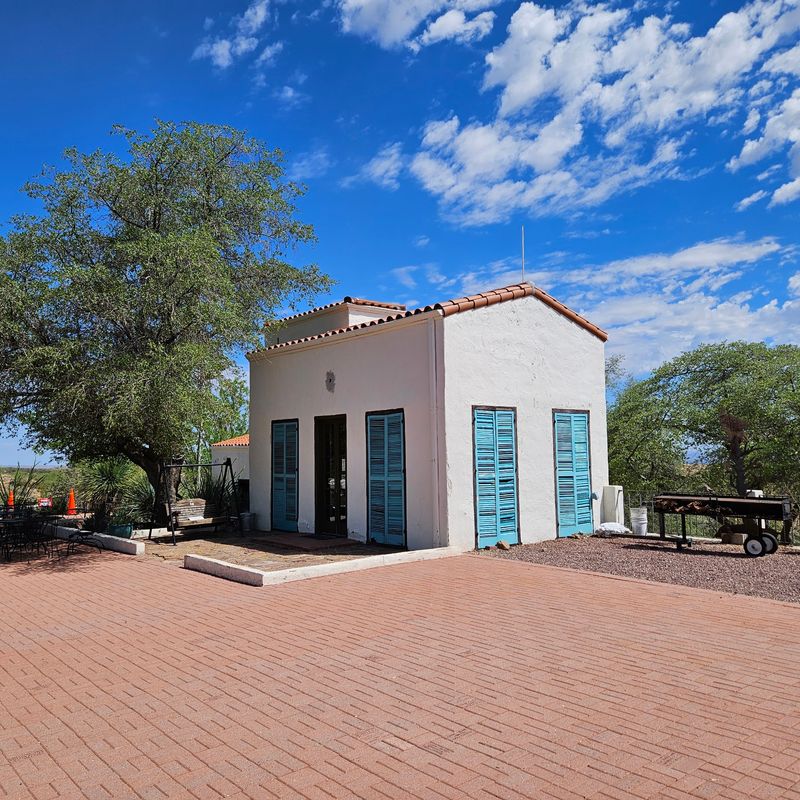
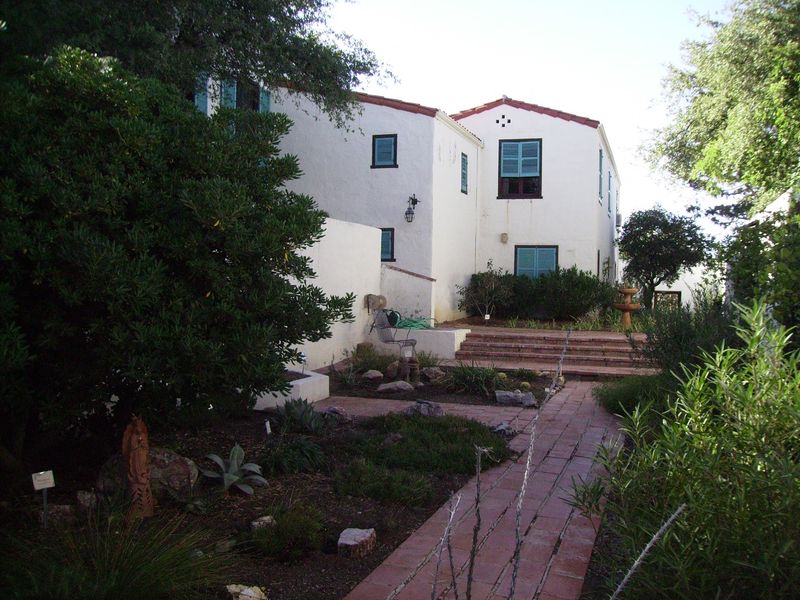
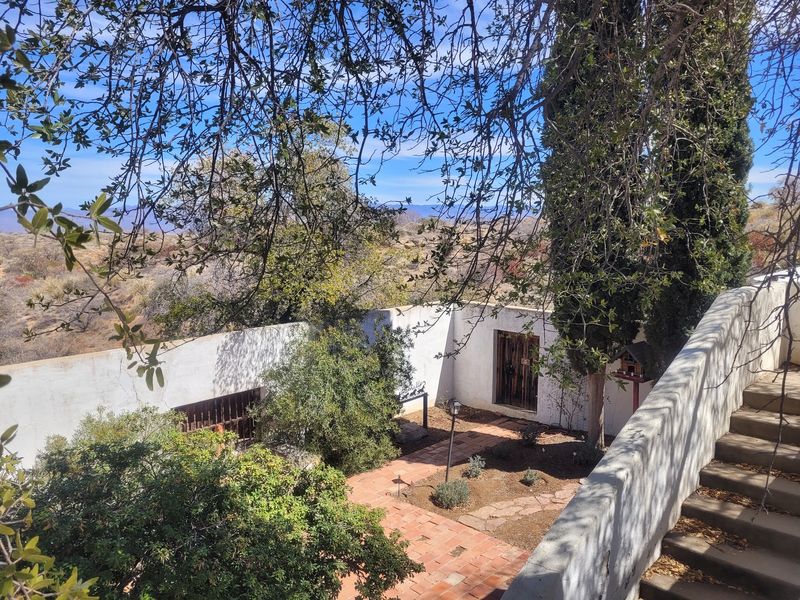
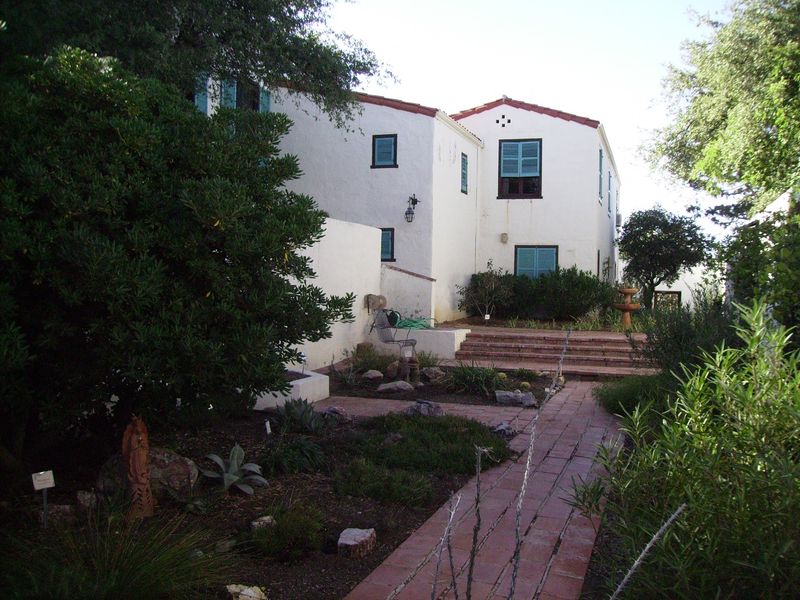
Back in 1932, a family built a winter home in these hills that still turns heads today. The Kannally Ranch House is a Mediterranean-Revival beauty, a fine example of what a fancy early 20th century getaway looked like in the Arizona backcountry.
Cattle once grazed the land around it.
The family story unfolds right inside the walls. Displays explain how the Kannallys built the place and later offered much of the land to a conservancy, which is a big part of why the hills stayed wild instead of filling up with houses.
Without that choice, the dark skies people drive out for might look very different.
Visitors can wander down into the historic sitting rooms and see household displays that feel lived-in rather than museum-stiff. A short interpretive trail near the house leads to the old cattle corral area, giving a sense of the working ranch days.
The house now holds a small gift shop and visitor center too. Fun fact for history fans: the home has been carefully maintained for close to a century, so the tile, woodwork, and porches still look ready for guests.
Rangers are known for being happy to share extra details if you ask.
Starlight Without the City Glow
Count the stars in the Little Dipper next time you are outside. Most city folks find two or three, maybe four.
At Oracle State Park, guests at night events report seeing every star in that small constellation, which astronomers often treat as a sign of a truly dark sky.
That darkness is the whole reason the park earned its International Dark Sky Park status. Lighting is kept low and careful, and the town and surrounding hills help hold back the glow of Tucson and Phoenix.
On a clear, moonless night, the Milky Way can stretch across the sky like a pale river.
Summer is a smart time to plan around. Hot Arizona days give way to comfortable evenings at this higher elevation, and the bright center of the Milky Way tends to ride highest in the warmer months.
Bring a blanket or a reclining chair so your neck can relax.
Even without a telescope, simply lying back and looking up can feel like a reset button. The quiet here helps too.
With few lights and almost no traffic noise, the only soundtrack is wind in the oaks and maybe a distant owl.
Star Parties, Concerts, and Telescope Nights
Telescopes lined up in a row, music drifting through the evening air, and a crowd waiting for the sky to go black. That is a typical scene at one of the park’s dark sky viewing nights.
Some events even start with a concert beforehand, which makes the wait for full darkness part of the fun.
Volunteers and staff often set up many telescopes so visitors can peek at planets, star clusters, and whatever is shining brightest that night. Guests regularly say that just lying on the ground and staring up felt every bit as memorable as the view through the eyepiece.
These evenings are popular, and people call ahead to book star party spots. Because the park’s regular hours end in the afternoon, these special programs are the main way to enjoy the grounds after dark, so checking the event calendar before you go can save you a disappointing trip.
A favorite among regulars is the Storytelling Sky Tour, which mixes constellations with the myths and legends tied to them. Kids tend to love it, and adults usually walk away with a new favorite star.
Dress warmly, since the higher elevation can make nights chillier than you might expect.
Night Photography Classes With a Ranger
Ever snapped a photo of the night sky and gotten nothing but a black rectangle? Plenty of people have, which is why the park’s night photography classes have such a loyal following.
A ranger leads the sessions, walking participants through settings and composition right under the stars.
Participants often come away thrilled with their pictures, crediting patient, hands-on help. The guide is described as both knowledgeable and a talented photographer, the kind of teacher who can explain long exposures in plain language.
Daytime photography hikes are offered as well, so you can practice landscapes before tackling the Milky Way.
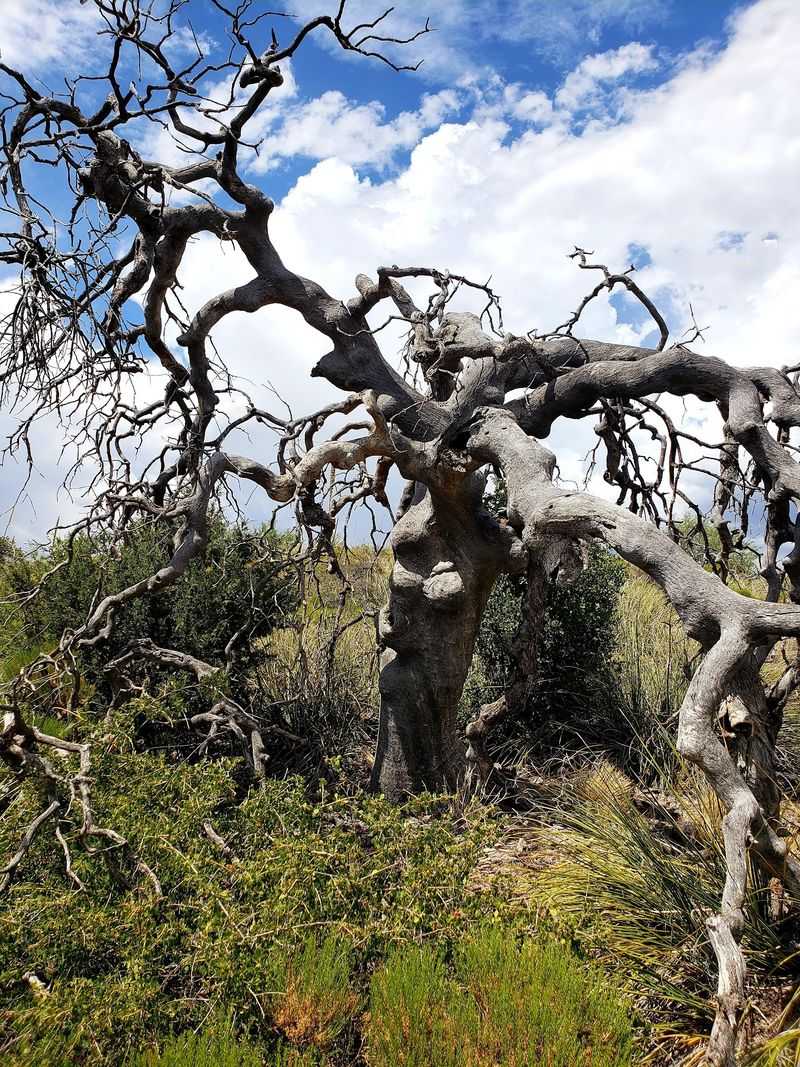
Granite boulders and twisted oaks make wonderful foregrounds. A star-filled sky behind a rock formation looks far more dramatic than stars alone, and the park has no shortage of interesting shapes to frame.
Bring a tripod if you have one, a camera that allows manual settings, and a red flashlight to protect your night vision. Even a newer smartphone with a night mode can pull off surprising results here.
Classes may fill up, so reserving early is a good idea. It makes a thoughtful gift, too, for a friend who keeps talking about wanting to learn.
Over 15 Miles of Trails, Arizona Trail Included
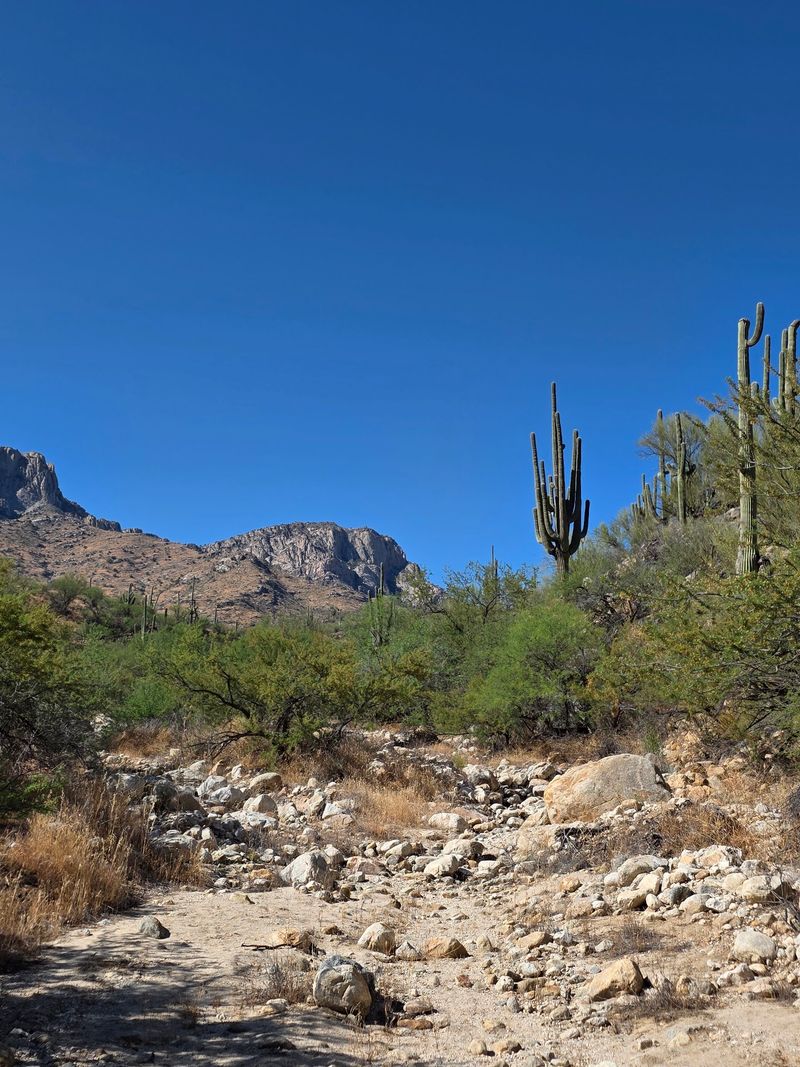
Long or short, steep or gentle, the trail network here lets you build your own adventure. Over 15 miles of paths loop through the hills, and they connect in ways that make it easy to stretch a quick stroll into a half-day outing.
A section of the famous Arizona Trail even crosses the park.
One satisfying route links the Nature Trail with the Wildlife Corridor Trail out to the Arizona Trail junction. Out and back, that adds up to roughly four easy miles with wonderful views and few steep climbs.
Hikers on that stretch have spotted gray fox and white-tailed deer.
For scenery, the Granite Loop gets frequent praise thanks to its boulder views. Mountain bikers enjoy the park as well, and the wide, open trails give good sightlines of who is coming around the bend.
A friendly heads-up: some junctions are not well marked on the paper map, and several side paths can lead you astray. Taking a photo of the trail map or downloading it before you start can save some backtracking.
Also note that many trails do not allow dogs, so check the rules if you plan to bring your four-legged hiking buddy along.
A Self-Guided Lesson in Rocks
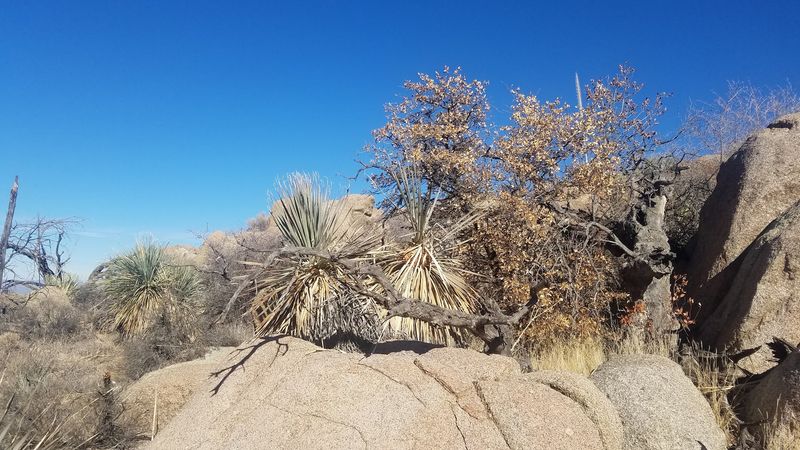
Granite tells long stories, and the Geology Trail is where you get to read them. Numbered markers sit along the path, and a matching trail map explains what you are looking at at each stop.
Think of it as a museum where the exhibits are the size of houses.
The park geologist helped develop this self-guided tour, so the information is solid and surprisingly engaging. You can pick up a paper brochure at the start or download the map and notes to your phone.
Guided geology tours are offered at times, and attendees describe them as incredibly informative.
Families like that the route is easy. Children around two and older can manage parts of it during mild weather, though strollers are not a good fit.
One handy shortcut uses the Kannally wash to skip between markers, letting little legs see highlights without covering the whole loop.
Opinions vary a bit. Some hikers find the stops subtle and prefer the bigger boulder views on other trails.
Others love slowing down and learning why the landscape looks the way it does. Either way, it is a free bonus lesson included with your entry, and it makes the rocks in your night photos far more interesting.
Birds, Foxes, and Porch-Side Wildlife Watching
Goldfinches flutter around the feeder in front of the ranch house like tiny yellow sparks. Sitting in the shade of the porch and watching them might be the most relaxing activity in the whole park.
Visitors often report seeing many bird species without ever leaving that spot.
A quiet bird watching area near the house doubles as a nice meeting point if your group splits up on the trails. There is also a wildlife observation area, and the park itself is a large wildlife refuge, so the critters are the true residents here.
Out on the paths, sharp eyes have picked out gray fox and white-tailed deer. Lizards and snakes come out when the weather warms up, and the boulder piles give rattlesnakes plenty of hiding places.
Watch where you step, keep to the trail, and give any snake lots of room.
Wildlife sightings are never guaranteed. Some winter visitors see only birds, while others catch a fox trotting across the trail.
Early morning tends to bring more activity, and the park opens at 6 AM, which is perfect for birders. Pack binoculars and a field guide, and you may surprise yourself with how many species you can tick off.
Who Feels Right at Home Here
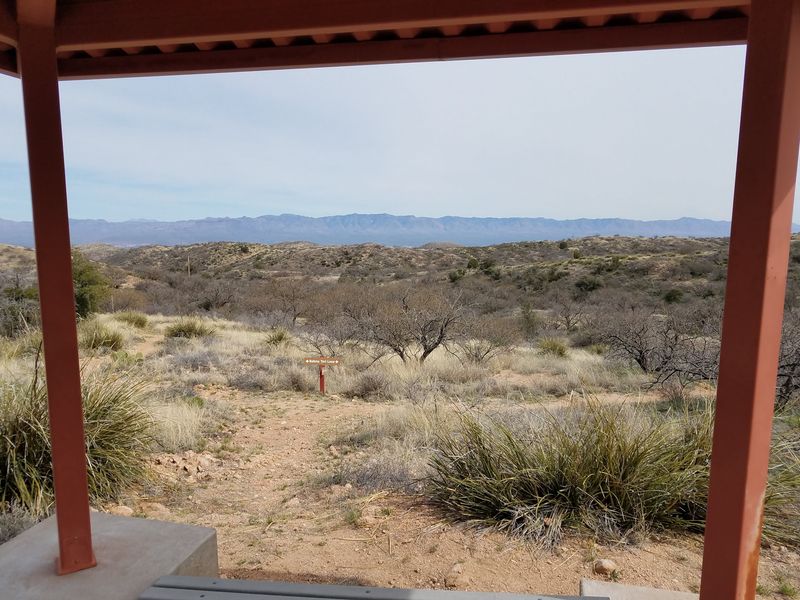
Quiet seekers, mostly. The park is known for being peaceful, with wide open spaces and few crowds, so it suits people who would rather hear wind than chatter.
Retirees and day-trippers from Tucson often treat it as an easy escape from the city heat.
Families with young kids do well too. The shorter, gentler trails work for children under eight and for older adults who want scenery without strain.
Ask a ranger for the activity pamphlet, and kids who finish it can return for a cool yellow badge, which tends to be a huge hit.
Hikers wanting long, rugged climbs may find some trails short, especially in the plainer winter season. Mountain bikers, photographers, history buffs, and amateur astronomers all find their own reasons to come back.
Seasonal happenings, like a Reptile Expo, bring in curious crowds as well.
Friendly staff are a recurring theme. Rangers at the front desk often suggest routes, point out the old corral trail, or share stories about the house.
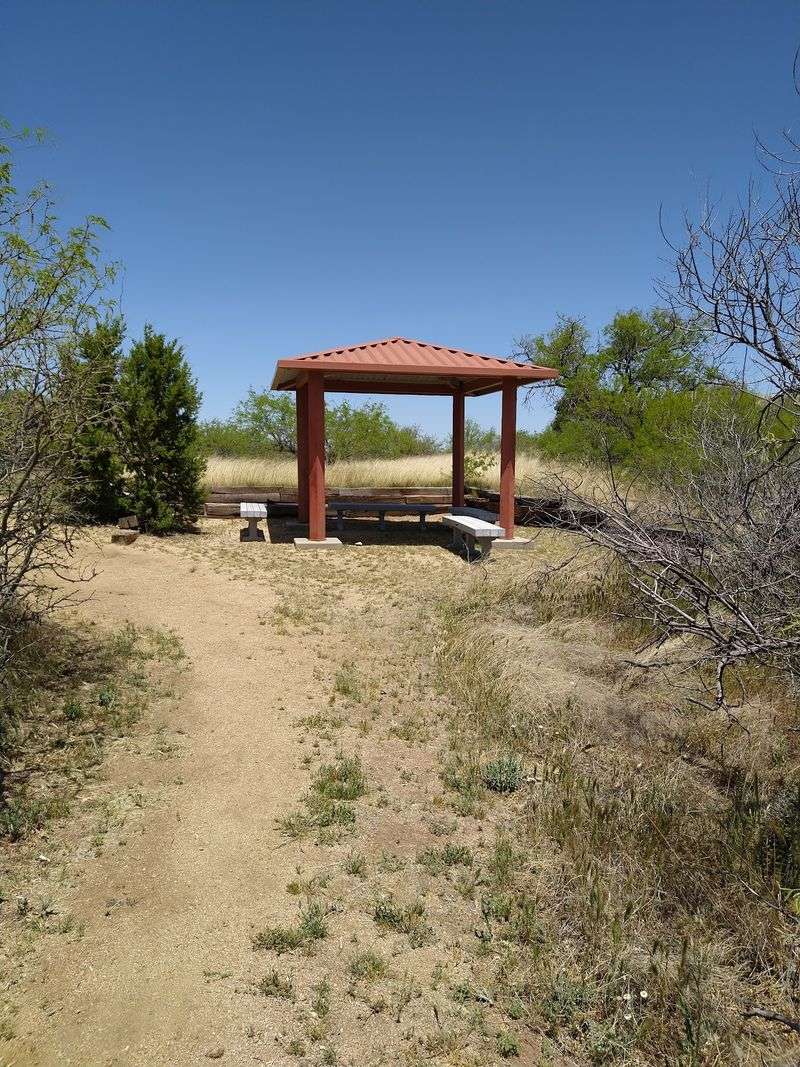
Picnic ramadas and pavilions give everyone a place to regroup, snack, and rest. It is the kind of place where you might show up for one trail and end up staying for lunch on a shaded bench.
Hours, Fees, and the Gate That Stays Open
Gates swing open at 6 AM every day and close at 3 PM, according to the current listing. That early start is great for birders and hikers trying to beat afternoon sun.
Hours can shift with seasons or special events, so a quick check before leaving home is wise.
Entry is budget friendly. Recent visitors report paying $10 per car with one person, or $20 for a car with two to four people.
You pay at the gift shop inside the ranch house rather than at the front entrance, a small detail that confuses first-timers.
Watch for free days, too. On Martin Luther King Jr. Day, Arizona residents have enjoyed free admission at state parks, including this one.
That kind of deal makes the drive feel even sweeter.
Night owls should know a local tip. Stargazers have long said the American Avenue trailhead parking area is one of the best spots for looking up, and its gate has been described as always open.
Rules can change, so confirm access with park staff before planning a late visit. Booked star parties and night photography classes remain the surest way to enjoy the main grounds after dark, with rangers on hand to guide you.
Worth the Winding Drive
Honestly, the best part of a trip here may be the moment you realize how many stars you have been missing. Oracle State Park pairs an affordable day of hiking and ranch history with some of the darkest skies you can reach from Tucson or Phoenix without a marathon drive.
Plan for weather. The park sits at a higher elevation, so temperatures can feel noticeably cooler than the valley, and wind is common.
Bundling up, even on sunny days, is a smart move. Clean restrooms are available at the parking lot and along the trails, which makes longer visits much more comfortable.
A good game plan might look like this: arrive in the morning, tour the ranch house on a weekend, picnic under a ramada, and hike the Granite Loop. Then check the event calendar for a star party, a sky storytelling tour, or a night photography class to finish the day under the Milky Way.
It is not flashy, and that is exactly the charm. Quiet trails, friendly rangers, goldfinches at the feeder, and a sky packed with stars add up to a little everyday magic.
Tag your stargazing buddy and save this one for your next clear, moonless night.