
This Remote Maine Mountain Town Is Called “The Switzerland Of Maine” For A Reason
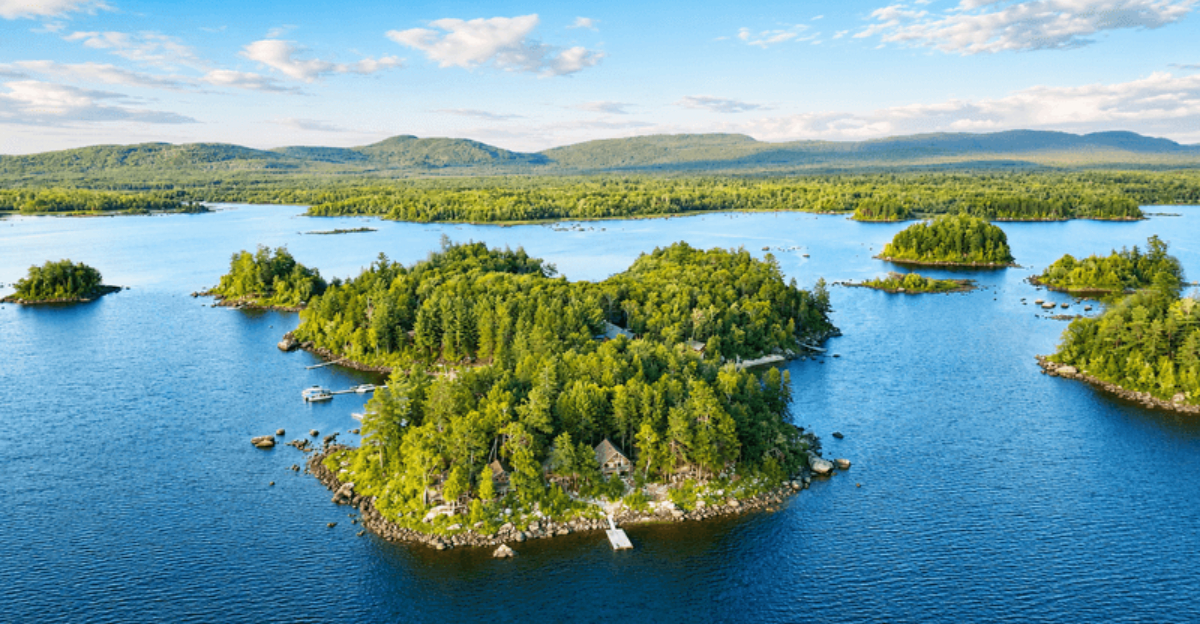
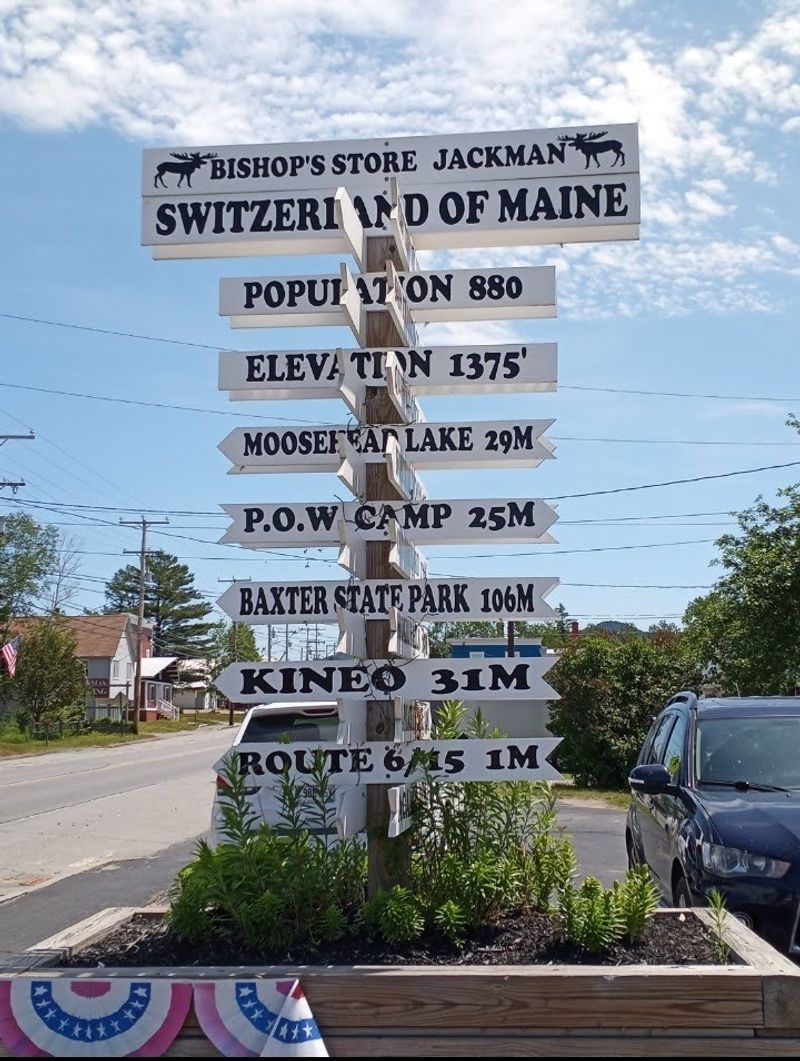
There’s a tiny mountain town in Maine where the lakes are clear, the forests seem endless, and seeing a moose does not feel like some once-in-a-lifetime miracle. This quiet community near the Canadian border has fewer than 800 residents, but the scenery feels huge.
Think rugged peaks, cold waterways, thick woods, and the kind of silence that makes you realize just how loud everyday life can be. It is known as The Switzerland of Maine, and once you see the mountain views, the nickname makes sense.
Winter brings snowmobiles, summer brings paddlers, fall lights up the hills, and wildlife has a way of showing up when you least expect it.
The Switzerland Of Maine Nickname
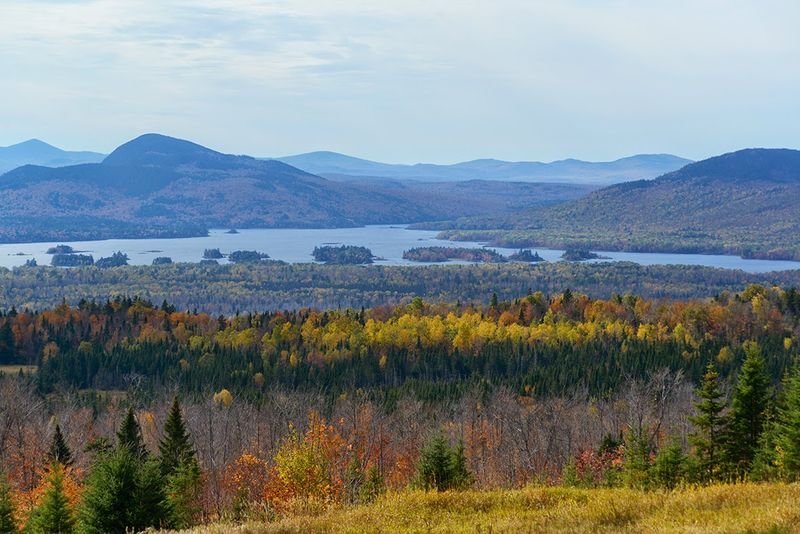
Some nicknames are just marketing fluff, but this one actually holds up. Jackman sits in a valley surrounded by mountains, rivers, and lakes that create a landscape so dramatically beautiful that early visitors could not help comparing it to the Swiss Alps.
The Boundary Mountains rise around the town on multiple sides, and the combination of elevation changes, dense forest, and open water gives the region a layered, cinematic quality.
The town sits at around 1,200 feet above sea level, which contributes to cooler temperatures and more dramatic seasonal changes than most of coastal Maine experiences.
When fall foliage arrives, the surrounding hills turn into a rolling canvas of orange, red, and gold that stretches as far as you can see.
That visual drama is not accidental. The geography here is shaped by ancient glacial activity that carved valleys and deposited the kind of rugged terrain that outdoor lovers dream about year-round.
Deep In The Maine Woods
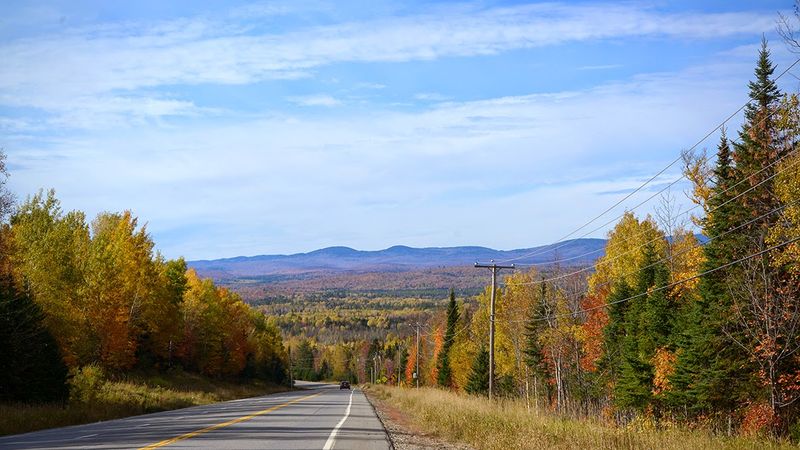
The town sits along U.S. Route 201 in Somerset County, roughly 90 to 100 miles north of Skowhegan and less than 20 miles from the Quebec border.
There are no major highways cutting through, no commercial airports nearby, and the closest city with a full range of services is a serious drive away.
That remoteness is not a flaw. For many visitors, it is the entire point.
The long drive through the North Woods on Route 201 is itself a kind of decompression, where cell service fades, trees close in on both sides of the road, and the everyday noise of modern life gradually disappears behind you.
Jackman has a small downtown with a handful of businesses, a gas station, a few restaurants, and lodging options, but do not expect a strip mall. What you get instead is a town that has stayed genuinely itself, which is rarer than it sounds.
Moose Country Starts Here
Maine has the largest moose population in the contiguous United States, and Jackman sits at the heart of prime moose country.
Spotting one is common here, especially with good timing and patience. Early morning and dusk are the best windows, especially near wetlands, ponds, and the roadside ditches that moose love to wade through for aquatic plants.
Locals and visiting wildlife enthusiasts regularly spot moose along Route 201 and the network of logging roads that spread through the surrounding forest.
Some guided moose-watching tours operate out of the area, giving visitors a structured way to increase their chances of getting close without disturbing the animals.
A fully grown bull moose can stand over six feet tall at the shoulder and weigh more than 1,000 pounds, so seeing one up close is genuinely jaw-dropping. Keeping a respectful distance is important, but the memory of watching one move through the early morning mist tends to stick with you for a long time.
The Magic Of Attean Pond
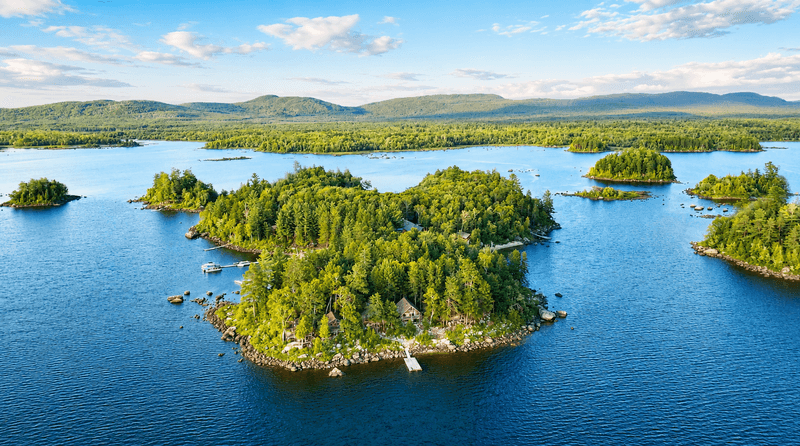
Attean Pond is one of those places that photographers, kayakers, and quiet-seekers all agree on. Located just west of downtown Jackman, this large lake is dotted with forested islands and framed by hills that reflect perfectly in the calm water on still mornings.
The view from the Attean Pond Overlook, accessible by a short hike, is considered one of the best in all of western Maine.
The pond covers nearly 2,800 acres and sits within a largely undeveloped landscape, which means the shoreline feels wild and unhurried. Canoeists and kayakers can spend an entire day exploring its coves and islands without seeing another person.
Fishing is popular here too, with brook trout and landlocked salmon drawing anglers throughout the warmer months.
There is something quietly powerful about paddling across a lake that looks almost exactly as it did a century ago. Attean Pond delivers that feeling with zero effort, and the overlook view alone is worth the drive to Jackman.
Follow The Moose River
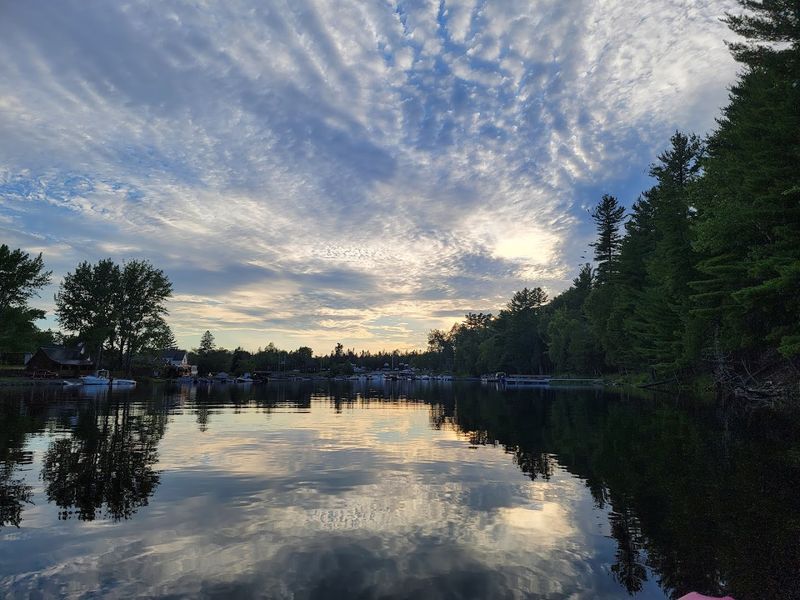
The Moose River flows through the Jackman area, and it is one of the defining natural features of the region. The river and nearby ponds are known for cold-water fishing, including brook trout and landlocked salmon, drawing anglers to the Jackman region.
The scenery along the riverbanks is consistently beautiful, with forested hillsides dropping down to the water on both sides.
The Kennebec also plays a historical role in the story of this part of Maine. It served as a travel corridor for Indigenous people, early explorers, and eventually timber workers who used the river to move logs south.
Benedict Arnold’s 1775 expedition followed the broader Kennebec–Chaudière corridor toward Quebec, a historic route associated with this part of western Maine.
Today the river attracts fly fishers, paddlers, and nature photographers in roughly equal measure. Wading into that cold current with a fishing rod in hand feels like connecting with something genuinely ancient.
Winter Runs Wild Here
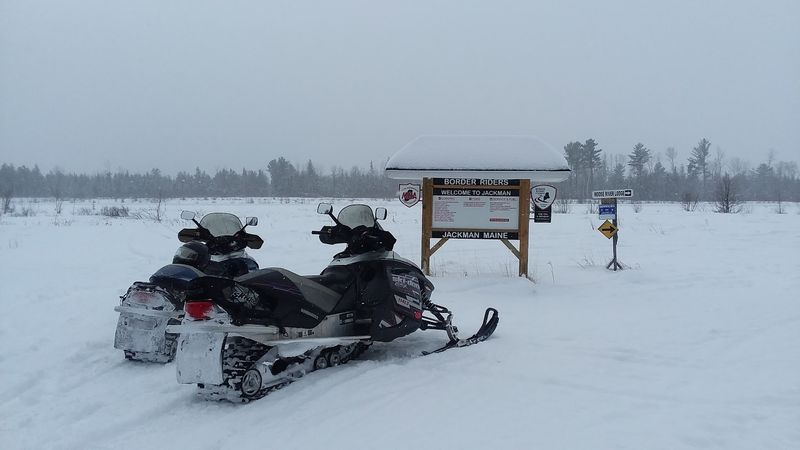
When winter settles over Jackman, the town transforms into one of the premier snowmobiling destinations in the entire northeastern United States.
The area sits within the Interconnected Trail System, known as the ITS, which is Maine’s vast network of groomed snowmobile trails connecting towns, forests, and remote wilderness areas across the state. Jackman serves as a major hub on this network.
The region averages over 100 inches of snowfall per year, and the combination of cold temperatures and consistent snow cover means the trails stay in excellent condition for months.
Riders come from across New England and beyond to access the hundreds of miles of trails that radiate out from Jackman in every direction, including routes that cross into Quebec.
Several local businesses cater specifically to snowmobilers, offering rentals, guided tours, fuel, and lodging packages designed around multi-day rides. The social culture around the sport here is warm and welcoming, and the trails themselves pass through some of the most beautiful winter scenery in Maine.
Quebec Is Just Up The Road
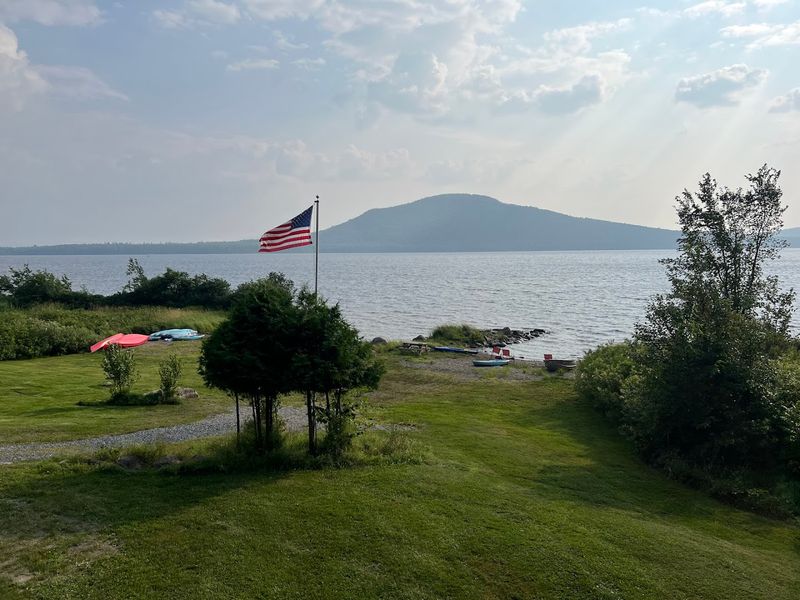
Jackman’s position near the international border gives it a character that most small American towns simply do not have.
The Jackman-Rockwood area sits less than 20 miles south of the Canadian border crossing near Armstrong, Quebec, making it a natural stopping point for cross-border travelers moving between Maine and Canada on Route 201.
That geographic reality has shaped the town’s economy and culture for generations. The border proximity means the region has a loose, frontier-like quality that feels different from more settled parts of Maine.
Logging companies, outfitters, and outdoor recreation businesses have historically operated across the border without much fuss, and the landscape on both sides of the line looks essentially the same: dense boreal forest, lakes, and mountains with very few people in between.
For visitors, the border location adds an interesting dimension to a trip here. You can stand in a small Maine town and look toward Quebec, knowing that the wilderness stretching out in front of you continues for hundreds of miles in every direction.
Hunting Culture
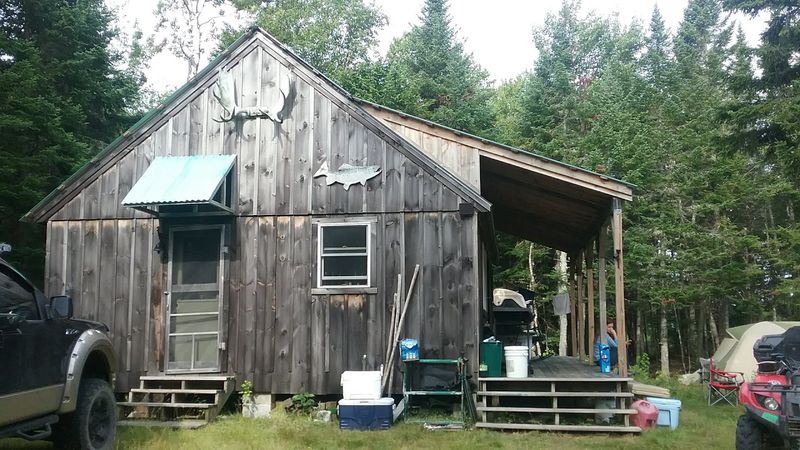
Hunting is not just a hobby in Jackman. It is woven into the identity of the community in a way that outsiders sometimes take a moment to understand.
The surrounding forests hold healthy populations of white-tailed deer, black bear, moose, and various upland game birds, drawing hunters from across the region every fall.
The Maine moose lottery system awards permits to hunt in this zone, and the tags for the Jackman area are among the most sought-after in the state.
Hunting season brings a noticeable energy to the town. Sporting camps fill up, local diners get busy, and the general store moves through supplies at a faster clip.
For many families in the area, the fall hunting season is a multi-generational tradition that connects them to the land in a direct and meaningful way.
Outfitters and licensed guides based in Jackman offer services for both resident and non-resident hunters, helping visitors navigate the vast backcountry with expertise built from years of working these specific woods.
Built By The Timber Boom
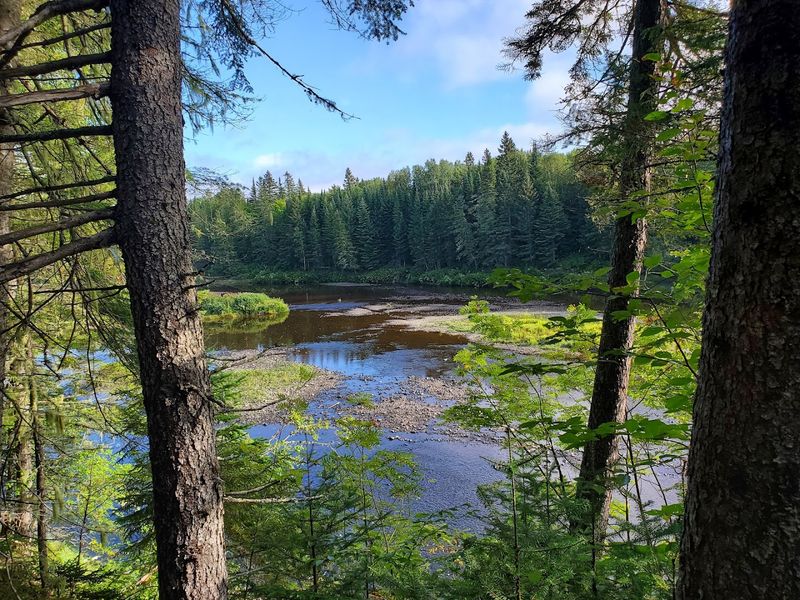
Long before snowmobiles and fishing tournaments put Jackman on the map, it was timber that defined the region. The North Woods surrounding the town were heavily logged throughout the 19th and early 20th centuries, and the river systems were used to float massive log drives southward to mills.
That industry shaped the roads, the camps, and the culture of the entire area in ways that are still visible today.
Sporting camps that once housed logging crews eventually became fishing and hunting lodges, and many of the remote roads that wind through the forest were originally built to access timber stands.
The history of the Maine woods and the people who worked them is present in the landscape if you know where to look.
Local historical resources and longtime residents can share stories about the logging era that bring the past to life in vivid detail. The sense that this land has been lived in and worked hard is part of what makes Jackman feel so grounded and real compared to more polished tourist destinations.
Jackman Is A Four-Season Destination
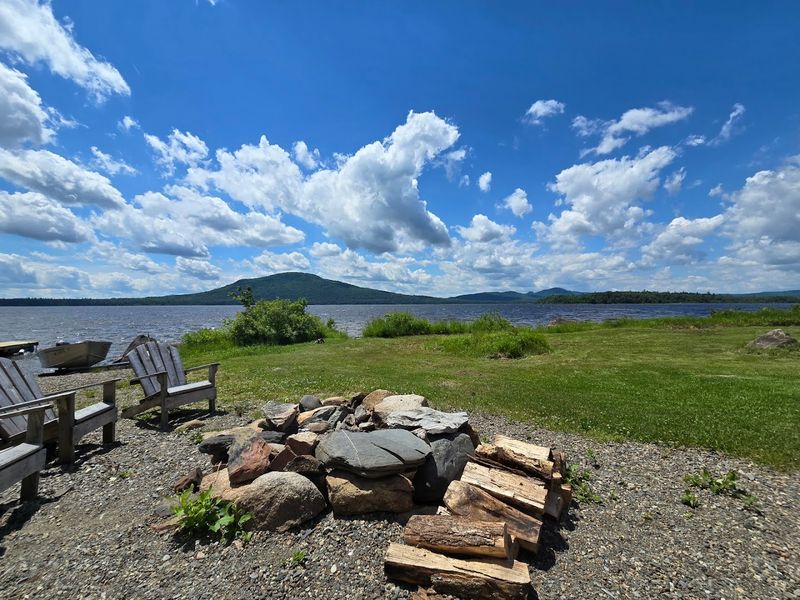
One of the most impressive things about Jackman is that it genuinely delivers across all four seasons rather than peaking in just one. Spring brings ice-out fishing, when landlocked salmon and brook trout are particularly active in the lakes and rivers.
Summer opens up kayaking, hiking, swimming, and wildlife watching across a landscape that turns lush and green almost overnight after the snow melts.
Fall is arguably the most dramatic season here. The combination of elevation, mixed forest, and clear autumn light produces foliage that rivals anything in Vermont or New Hampshire, with the added benefit of far fewer crowds.
Then winter arrives and the whole region shifts into snowmobile mode, drawing a completely different but equally enthusiastic wave of visitors.
That seasonal variety means there is no single best time to visit Jackman. The better question is what kind of experience you are after.
Whatever the answer, the town and the surrounding wilderness have something specific and memorable to offer you.