
This Remote Maine Path Leads To A Mossy Coastal Wonderland Few People Know About
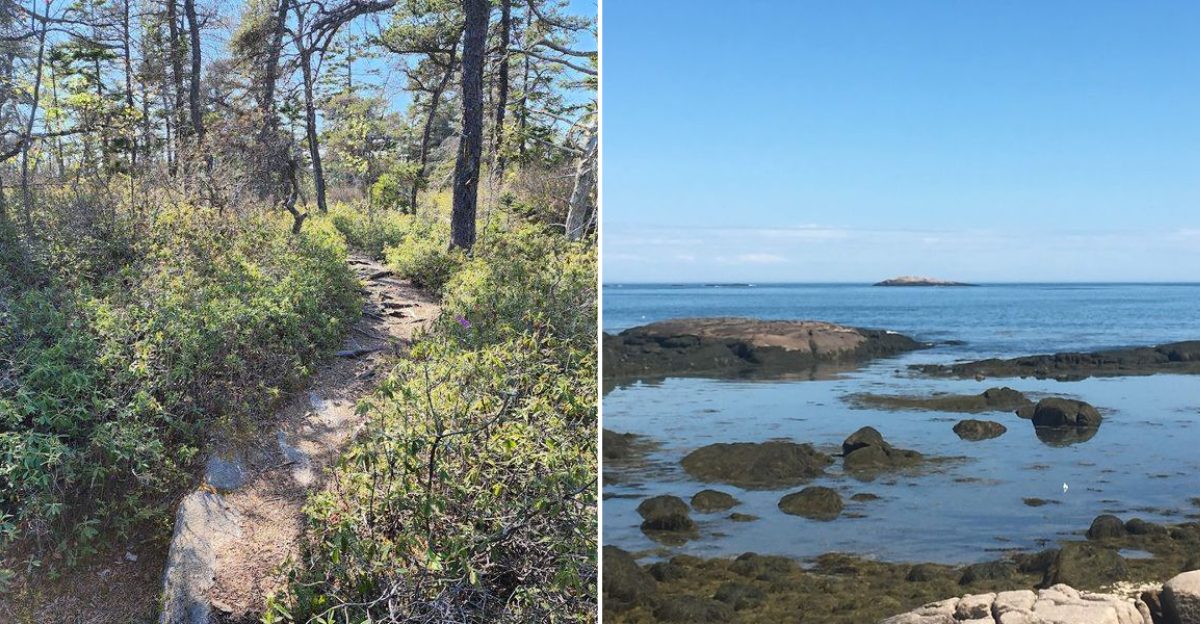
Maine keeps some of its best secrets at the end of quiet roads, and this coastal trail feels like one of them. Deep in Downeast Maine, beyond small fishing villages and weathered lanes, a moss-covered forest leads toward a shoreline that seems almost unreal.
The air turns salty, spruce branches crowd the path, and every step feels like a slow reveal. Then the trees break, and the Atlantic appears in a rush of granite, surf, and open sky.
Many travelers pass through this remote corner of Maine chasing better-known views, never realizing a wilder scene waits nearby. For hikers drawn to solitude, strange coastal beauty, and that rare feeling of finding something unspoiled, this hidden trail delivers a reward that feels far bigger than the effort.
Maine’s Wildest Hidden Preserve
Great Wass Island Preserve, located on Great Wass Island in Beals, Maine, with trail access from Black Duck Cove Road, is managed by The Nature Conservancy and stands as one of the most ecologically rich preserves along the Maine coast.
The island sits at the tip of a remote peninsula in Washington County, making it one of the least-visited natural areas in the state.
The preserve covers roughly 1,576 acres of coastal habitat, including jack pine forests, open peatlands, and some of the most dramatic rocky shoreline you will find anywhere in New England. This combination of ecosystems in one compact area is genuinely rare.
Unlike the busy trails at more famous parks, this spot offers a deeply personal experience with nature. You can reach it by driving about 20 minutes from Jonesport, and the journey through small coastal communities only adds to the sense of arriving somewhere truly special.
Into The Mossy Silence
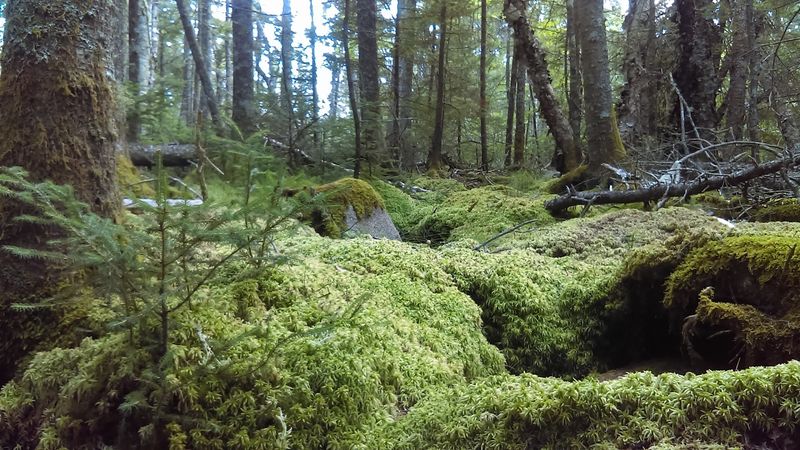
Walking into the trailhead at Great Wass Island Preserve feels like entering a completely different world. The forest is dominated by spruce and fir trees draped in thick carpets of green and grey moss, creating a soft, almost hushed atmosphere that slows your breathing immediately.
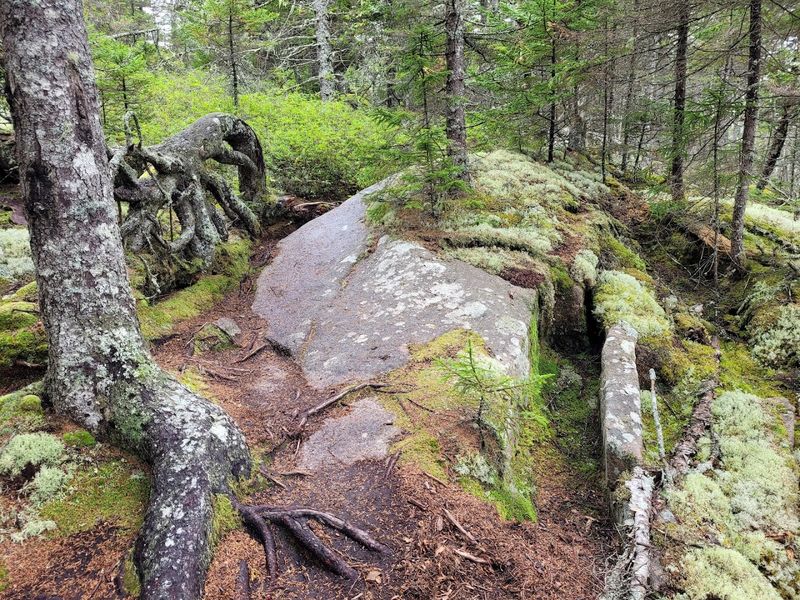
The ground beneath your feet is spongy and textured, woven with exposed roots and patches of lichen that glow in filtered light. The canopy above filters sunlight into pale green shafts, and the entire forest seems to hum with quiet life.
This boreal forest type is more commonly found in Canada than in the continental United States, which makes the experience feel genuinely exotic without requiring a passport.
The mossy woodland section stretches for roughly two miles along the loop trail, giving you plenty of time to settle into the rhythm of the place before the terrain shifts dramatically toward the coast.
Where The Trail Meets The Atlantic
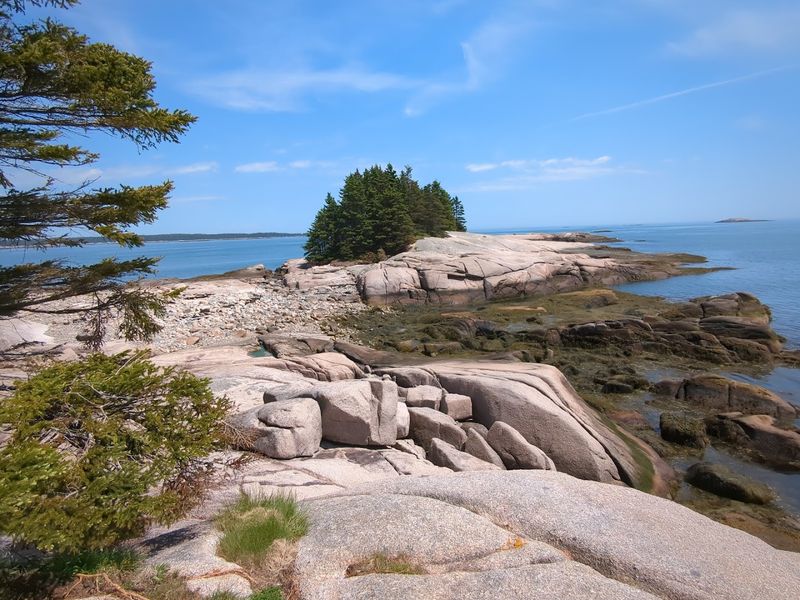
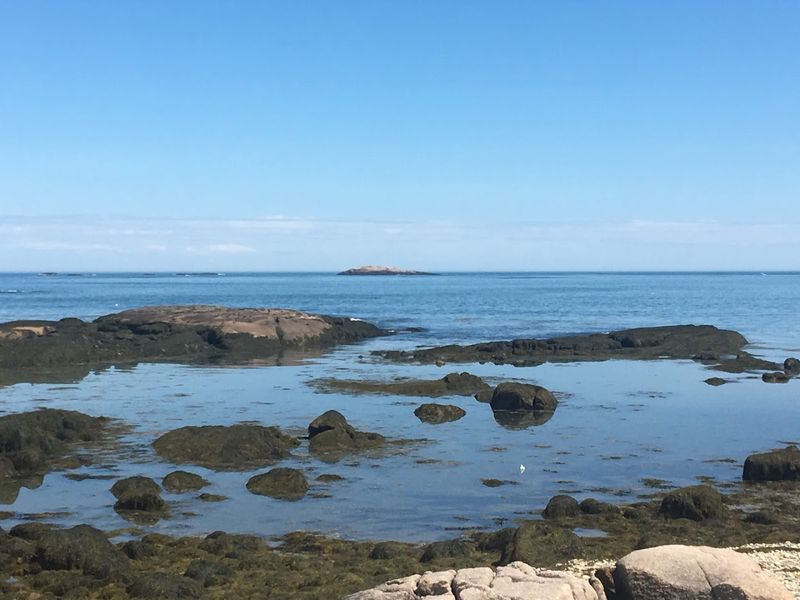
Nothing quite prepares you for the moment the forest parts and the full Atlantic Ocean appears in front of you. The shoreline at Great Wass Island Preserve is a sprawling landscape of flat granite slabs, barnacle-covered boulders, and cobblestone beaches that stretch along Mud Hole Point.
The rocks here are ancient and massive, worn smooth in some places and jagged in others. Walking along them requires full attention, which actually turns out to be a gift because it forces you to stay present and notice every detail around you.
Tidal pools appear between the boulders, filled with sea urchins, periwinkles, and tiny crabs. The sound of waves working against stone creates a constant, rolling soundtrack that makes the whole experience feel cinematic.
Trail markers painted in blue guide you across the open rock face, though keeping your eyes open is essential because the markings can be easy to miss in certain sections.
The Loop Is No Stroll
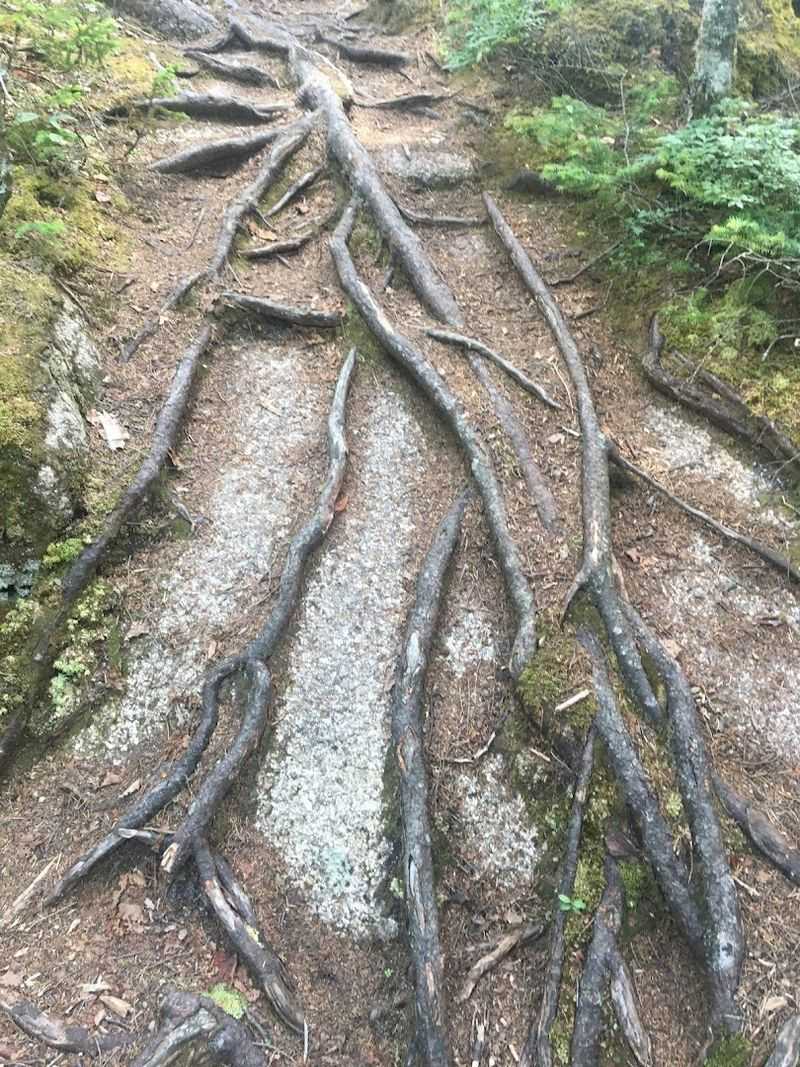
The main loop trail at Great Wass Island Preserve runs approximately 4.5 to 5 miles depending on the route you take. Most hikers complete it in three to four hours, though the terrain demands patience and careful footing throughout.
The path is not flat or smooth. Roots snake across the trail constantly, rocks jut up at unexpected angles, and certain sections near the shoreline require actual scrambling over boulders.
Proper footwear is not just a suggestion here; it is a genuine necessity for staying safe and comfortable.
Many hikers choose to walk the loop counterclockwise, starting through the forest before emerging onto the coast, which feels like a satisfying reveal. The trail is well-marked overall, with blue blazes on trees in the wooded sections and painted marks on rocks along the shore.
Bringing water, snacks, and an extra layer of clothing is wise, since coastal Maine weather can shift quickly even in summer.
Seals, Eagles, And Shorebirds
One of the quiet rewards of hiking Great Wass Island Preserve is the wildlife that appears when you least expect it. Harbor seals are commonly spotted lounging on offshore ledges or popping their heads above the water near the rocky coastline, watching hikers with what seems like genuine curiosity.
Seabirds are abundant here as well. Herring gulls, cormorants, and various shorebirds move along the water’s edge throughout the day, and if you are patient and quiet, you may spot osprey or even bald eagles circling overhead.
The interior forest harbors its own set of residents. Warblers and thrushes fill the trees with song during spring and early summer migration, and the peatland areas support plant species that attract a range of insects and amphibians.
The preserve is a genuinely functioning ecosystem, not a manicured park, which means every visit has the potential to offer something completely unexpected and unrepeatable.
The Strange Beauty Underfoot
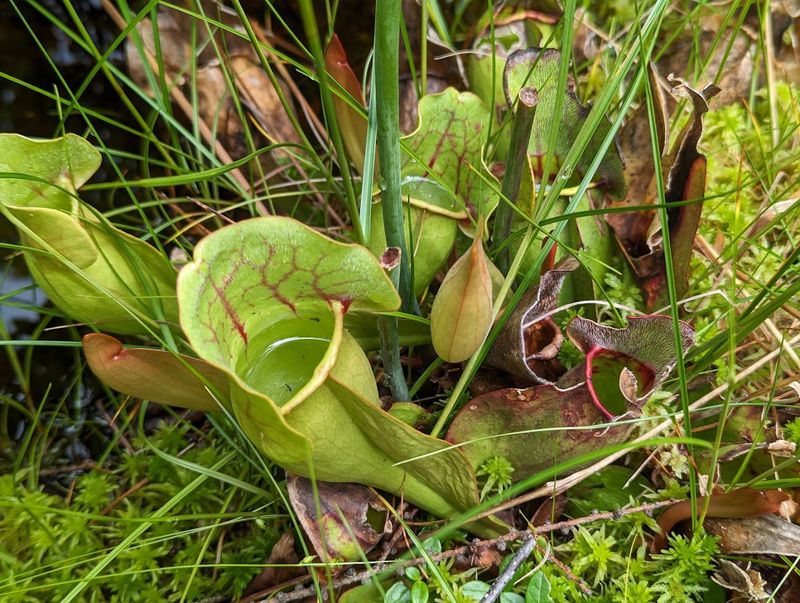
Great Wass Island Preserve is considered botanically significant, and that is not an overstatement.
The Great Wass area contains some of Maine’s most significant coastal plateau bog and raised peatland communities, home to carnivorous plants like sundew and pitcher plants that thrive in nutrient-poor, acidic soil.
Wild blueberries grow in generous patches along the trail, and in late summer, lingonberries and crowberries add bursts of red and dark purple to the landscape. The jack pine stands here are also notable because this tree species is far more common in boreal Canada than in Maine.
Botanists and naturalists make special trips to this preserve specifically to observe its rare plant communities. For a casual hiker, the experience of walking through a landscape filled with such unusual vegetation adds an educational layer that most trails simply cannot offer.
The peatland sections feel otherworldly, almost like walking across a sponge suspended between forest and sky.
Finding The Island
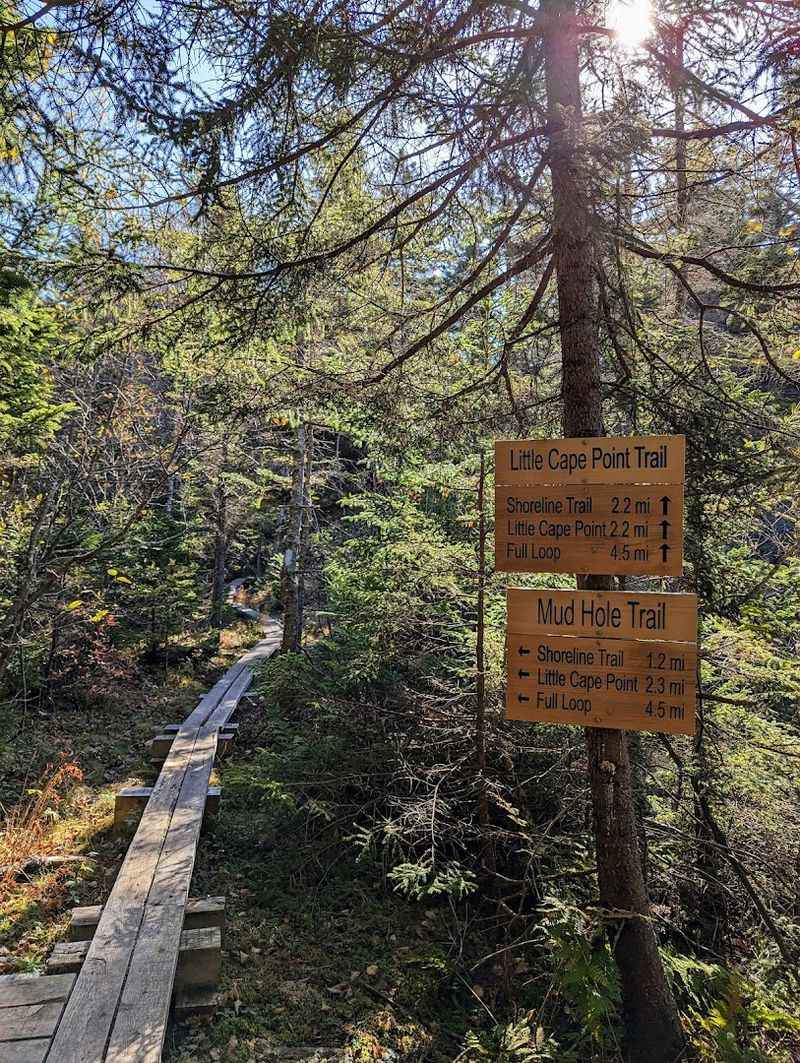
Reaching Great Wass Island Preserve is part of the adventure. From the town of Jonesport, you cross a bridge onto Beals Island and then continue across a second causeway onto Great Wass Island itself.
The preserve entrance on Wildflower Lane is marked, but the road is narrow and rural, so paying attention matters.
The preserve is open 24 hours a day, seven days a week, and there is no entrance fee, which makes it one of the most accessible wild places in Maine. A small parking area is available at the trailhead, along with a portable restroom.
Late June through early September offers the most comfortable hiking conditions, with longer daylight hours and the best chances for wildlife sightings.
That said, fall brings stunning color changes to the blueberry and bog vegetation. Avoid hiking after dark since trail markers become very difficult to follow and the rocky terrain significantly increases the risk of injury without good visibility.
Solitude At The Edge Of Maine
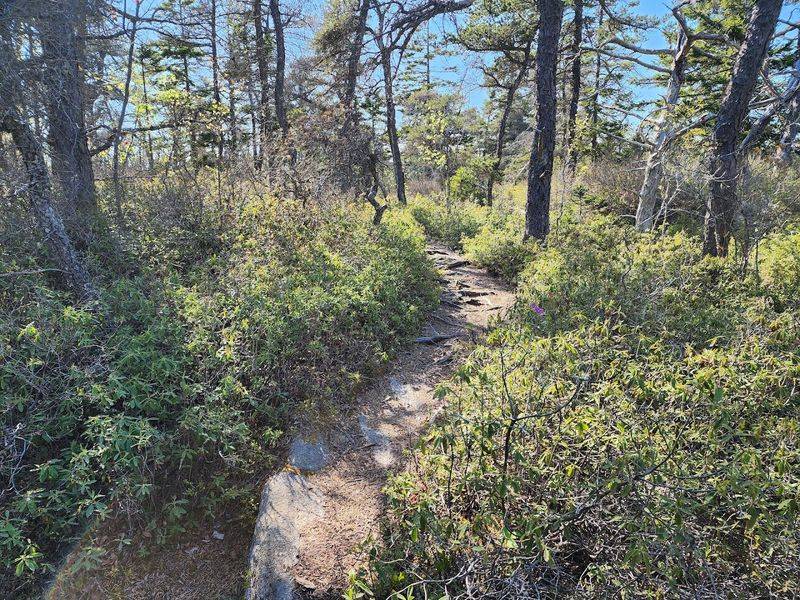
There is a particular kind of quiet that settles over you on this trail, especially on weekdays or early mornings when foot traffic is minimal. Unlike the packed paths at Acadia National Park, the trail here sometimes feels like it belongs entirely to you.
That sense of solitude is one of the preserve’s most compelling qualities. No vendor carts, no guided tour groups, no background noise from a nearby parking lot.
Just the wind moving through spruce trees, the distant sound of surf, and whatever thoughts you brought with you.
Hikers who have explored many of Maine’s well-known trails often describe this preserve as the walk that surprised them most. The combination of deep forest, open coastline, and the sheer absence of crowds creates a mental reset that is hard to manufacture anywhere else.
For anyone who values the feeling of genuine discovery, this trail delivers it in full measure from the very first step.
Go Prepared, Not Casual
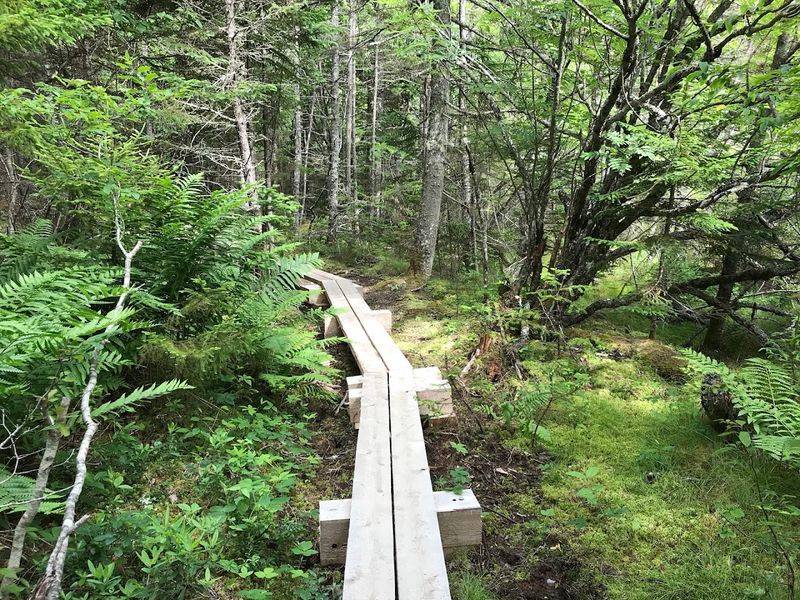
A few practical details can make the difference between a smooth outing and a frustrating one at Great Wass Island Preserve.
First and most importantly, wear proper hiking footwear with ankle support and grippy soles. The combination of wet roots, loose rocks, and slippery coastal boulders makes standard sneakers a poor choice.
Bring more water than you think you need, along with food for the full loop. There are no services, no water sources, and no shortcuts back to the trailhead once you are deep into the trail.
A small first aid kit and a fully charged phone are also smart additions to your pack.
Check the weather before heading out because coastal Maine can shift from sunny to foggy and cool within an hour.
Dogs are not permitted on the preserve trails, so plan accordingly if you are traveling with pets. The preserve is free to visit, but donations to The Nature Conservancy help support its long-term protection.
Why This Trail Stays With You
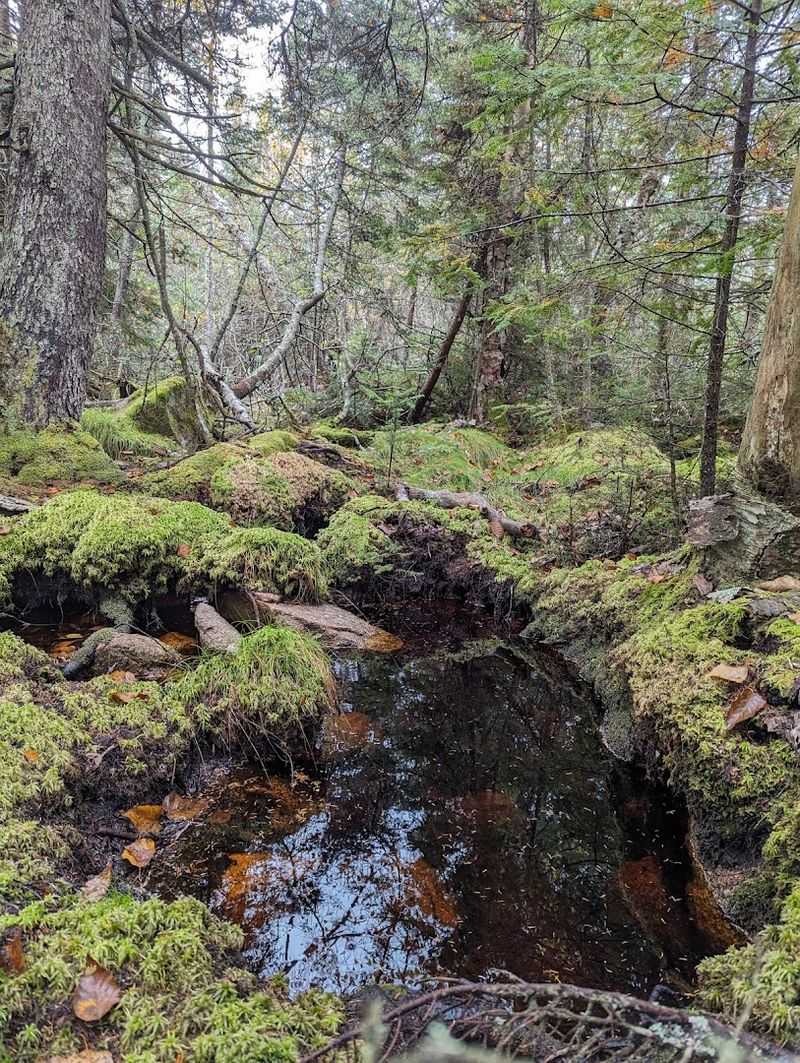
Great Wass Island Preserve sits in a part of Maine that many travelers skip entirely on their way to more advertised destinations. That oversight is a genuine missed opportunity, because what this preserve offers is a concentrated dose of everything that makes coastal Maine extraordinary.
The trail combines boreal forest, open peatland, and rugged Atlantic shoreline in a single loop that takes just half a day to complete. Few places in the eastern United States pack that much ecological variety into such a compact and accessible experience.
The Nature Conservancy has worked to protect this landscape for decades, and the result is a preserve that feels untouched in the best possible way. Visiting here is not just a hike; it is a reminder that some of the most rewarding places are the ones that require a little extra effort to find.
Great Wass Island Preserve earns every step of that effort and then some, leaving a lasting impression long after the trail ends.