
This Remote Maine Wilderness Conceals An Abandoned Train That Feels Cinematic
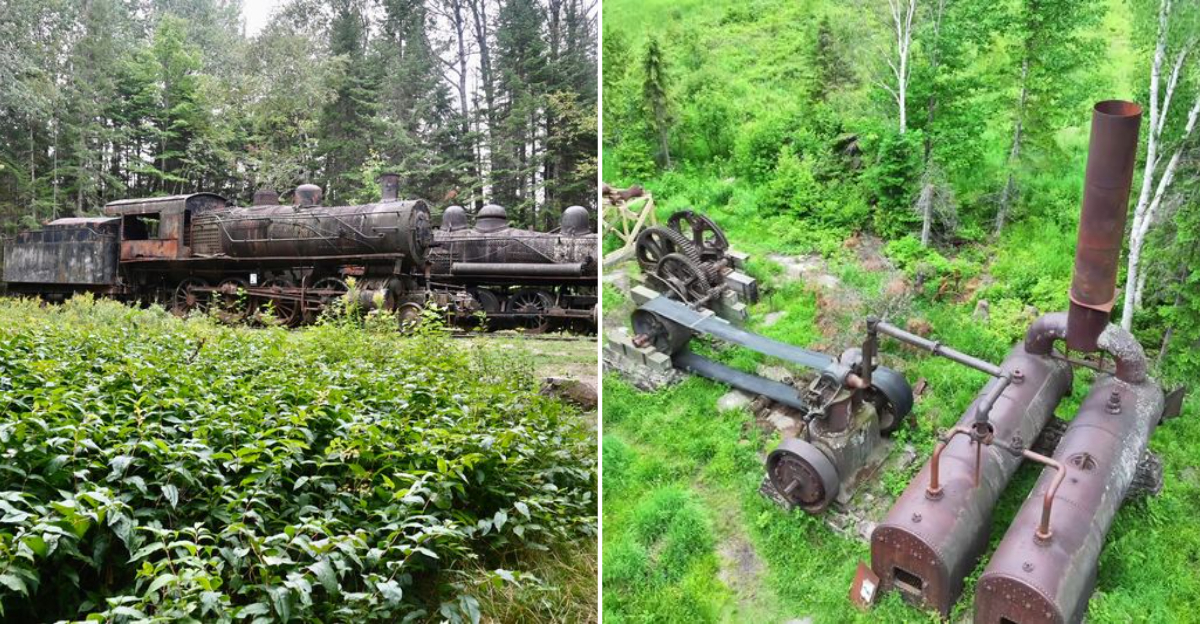
Deep in the forests of northern Maine, rusting locomotives sit exactly where they were left decades ago, slowly being reclaimed by moss, roots, and time. No city noise, no crowds, no coffee shops nearby.
Just wild trees, quiet trails, and iron giants frozen in place like props from a forgotten film set. This railroad operated in the early 20th century to haul timber through one of the most remote stretches of wilderness in the entire northeastern United States.
Getting there takes effort, patience, and a capable vehicle. But what waits at the end of that bumpy road is genuinely unlike anything most people have ever seen.
A Railroad Built Entirely For Timber
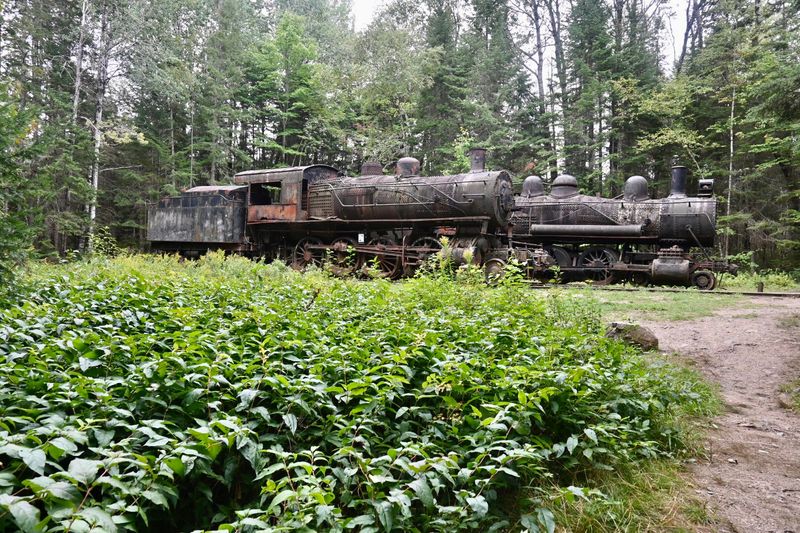
Construction of the Eagle Lake and West Branch Railroad began in 1926 with one mission in mind: move massive quantities of timber across terrain that no road could handle. The line was initially built by the Madawaska Company and later acquired by the Great Northern Paper Company in 1927, stretching roughly 13 miles through the dense forests of northern Maine and connecting Eagle Lake to Umbazooksus Lake.
The line was never meant for passengers or scenic tours. It existed purely as a workhorse, hauling logs that would eventually become paper pulp.
Two steam-powered locomotives were brought in to do the heavy lifting, each one a serious machine built for serious work.
What makes this origin story so compelling is how remote the whole operation was. No nearby towns, no easy supply lines.
Workers lived and labored in near-total isolation.
The railroad operated from 1927 until around 1933, when changing economics made the operation no longer practical. It was simply abandoned in place, machinery and all.
The Locomotives Were Never Removed
Most abandoned industrial sites get cleaned up eventually. Equipment gets sold for scrap, structures get torn down, and the land gets reclaimed for something new.
That is not what happened here. When the Eagle Lake and West Branch Railroad shut down in the early 1930s, the locomotives were simply left where they stood.
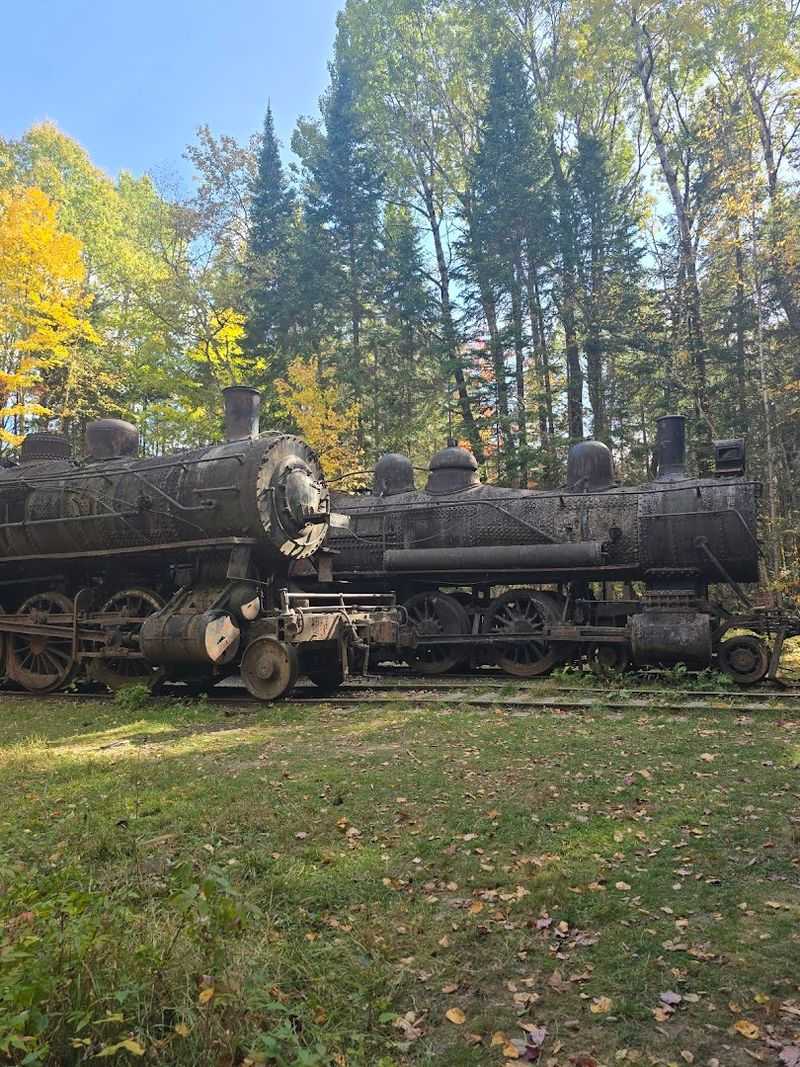
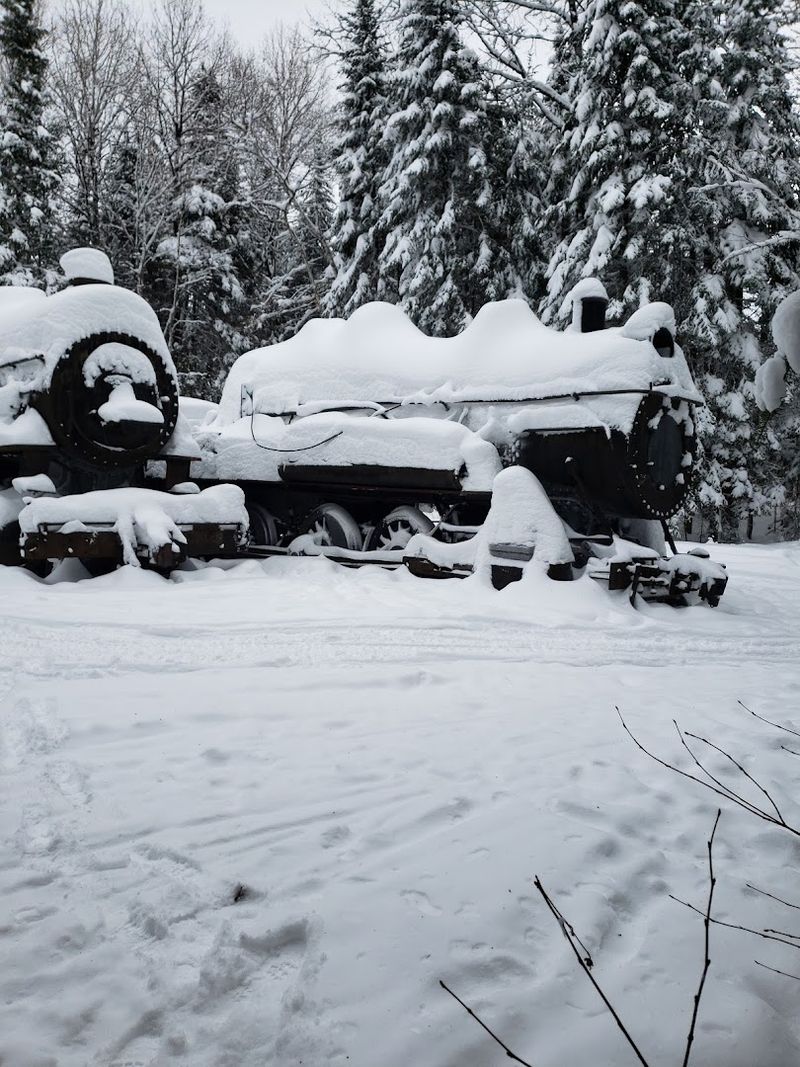
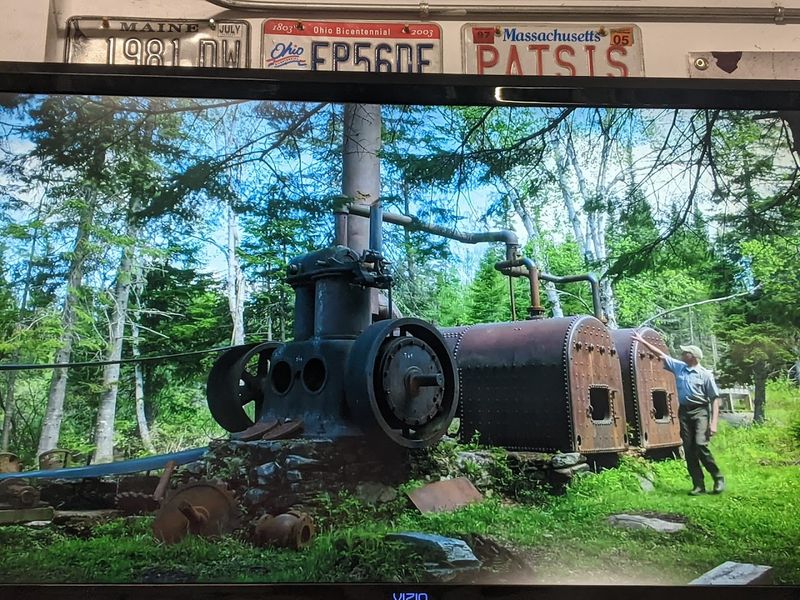
Two steam engines remain on site today, sitting in the northern Maine woods like enormous iron monuments. Over the decades, the forest has slowly grown around them.
Birch trees press close, moss creeps across metal surfaces, and the whole scene has taken on a quality that feels genuinely surreal.
The reason they were never moved is practical: getting heavy equipment out of that wilderness would have cost more than the machines were worth.
So they stayed. That economic decision, made almost a century ago, accidentally created one of the most atmospheric historical sites in all of New England.
Nature and industry, frozen together.
Getting There Is Half The Adventure
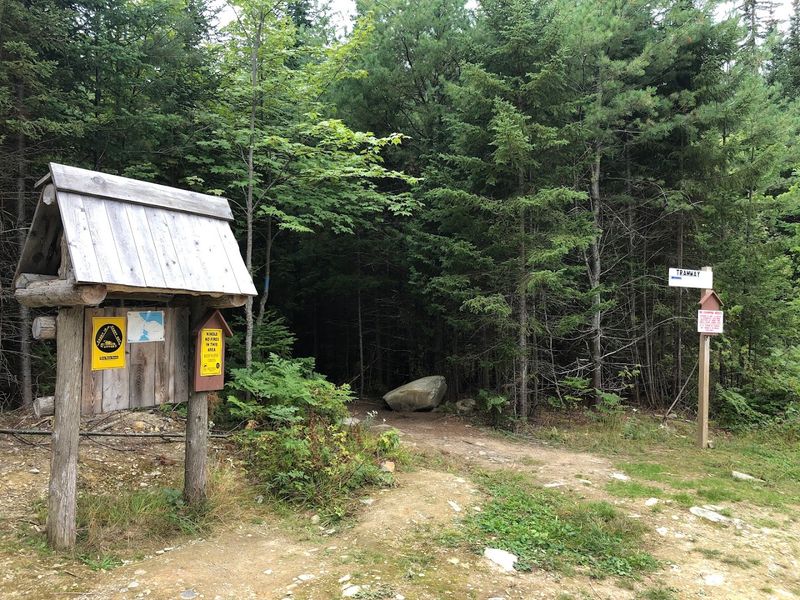
Reaching the Big Eagle Lake Locomotives and Tramway Trailhead is not a Sunday afternoon errand. The trailhead parking area sits along Tramway Road in Northwest Piscataquis, Maine, deep inside the Northern Maine Woods, and the access road is long, unpaved, and genuinely rough in spots.
An all-wheel-drive or four-wheel-drive vehicle is strongly recommended, and that is not just a suggestion for comfort. The road can be muddy, rutted, and unforgiving for low-clearance cars.
Many visitors use a combination of GPS and printed pamphlets to navigate, since cell service disappears well before you arrive.
The trailhead is reached via Tramway Road within the North Maine Woods system, and visitors should rely on current maps or official guides for navigation. Plan for the drive to take longer than you expect.
Bring snacks, a paper map, and a full tank of fuel before you leave the last town behind. The reward at the end makes every mile feel worthwhile.
The Hike Itself Is Surprisingly Easy
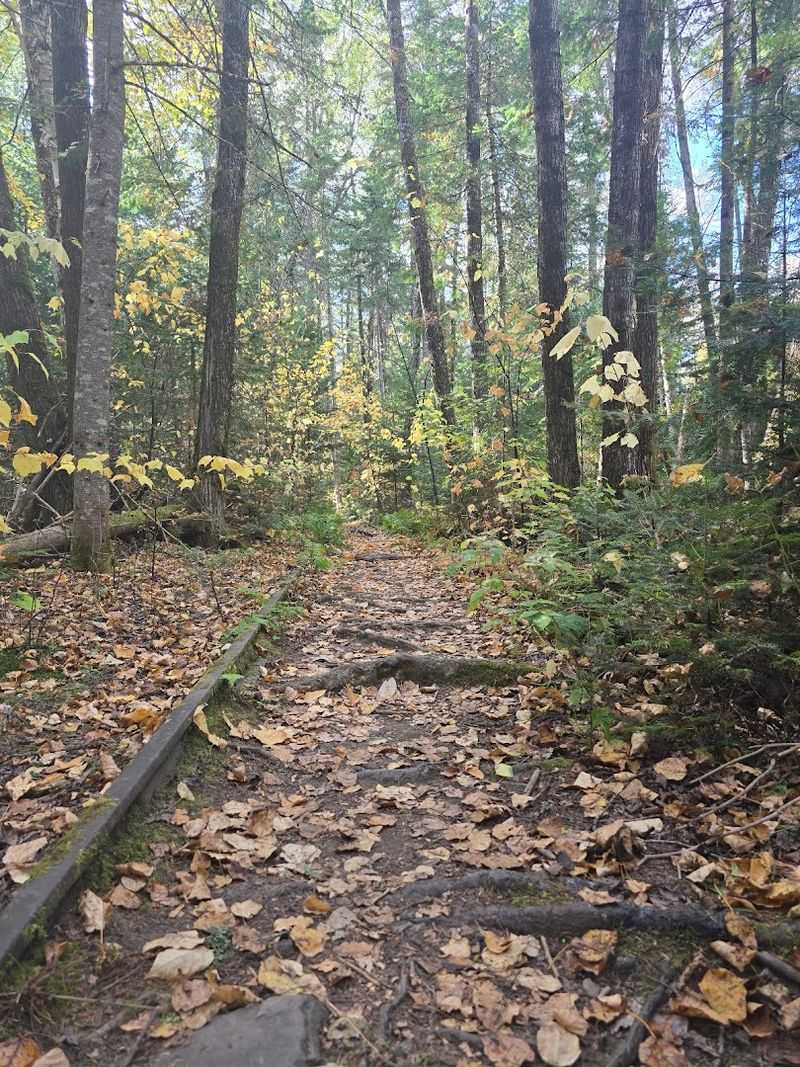
After the long drive in, you might expect a punishing hike to match. Surprisingly, the trail out to the locomotives is considered easy by most standards.
The path is well-marked, relatively flat, and short enough that even kids and casual hikers can manage it without much trouble.
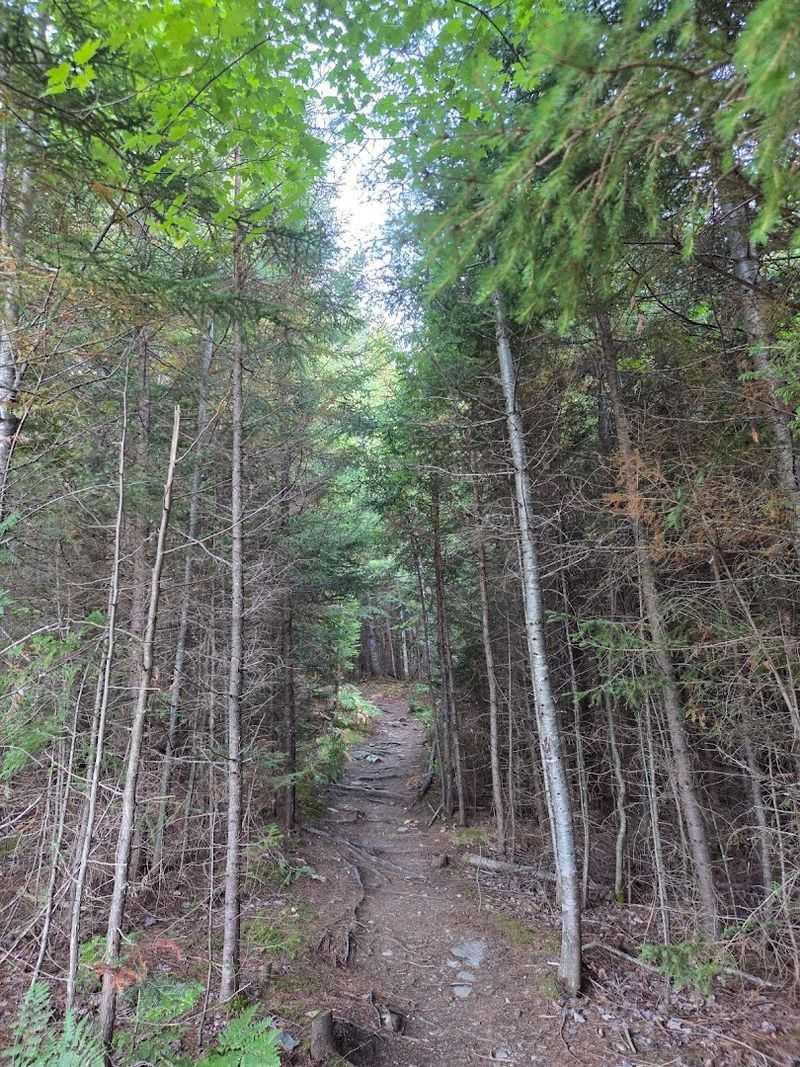
Trail markers guide visitors clearly through the forest, so getting lost is unlikely as long as you pay attention. The walk itself is pleasant, passing through classic northern Maine woodland with birch, spruce, and fir trees creating a canopy overhead.
The sounds are mostly birds and wind.
That contrast between the challenging drive and the gentle walk creates an interesting rhythm to the whole experience. You earn the destination with your wheels, not your legs.
Once you step out of your vehicle and hit the trail, the pace slows down and the forest takes over.
By the time the first locomotive comes into view through the trees, the anticipation has built perfectly.
The Site Has A Cinematic Quality
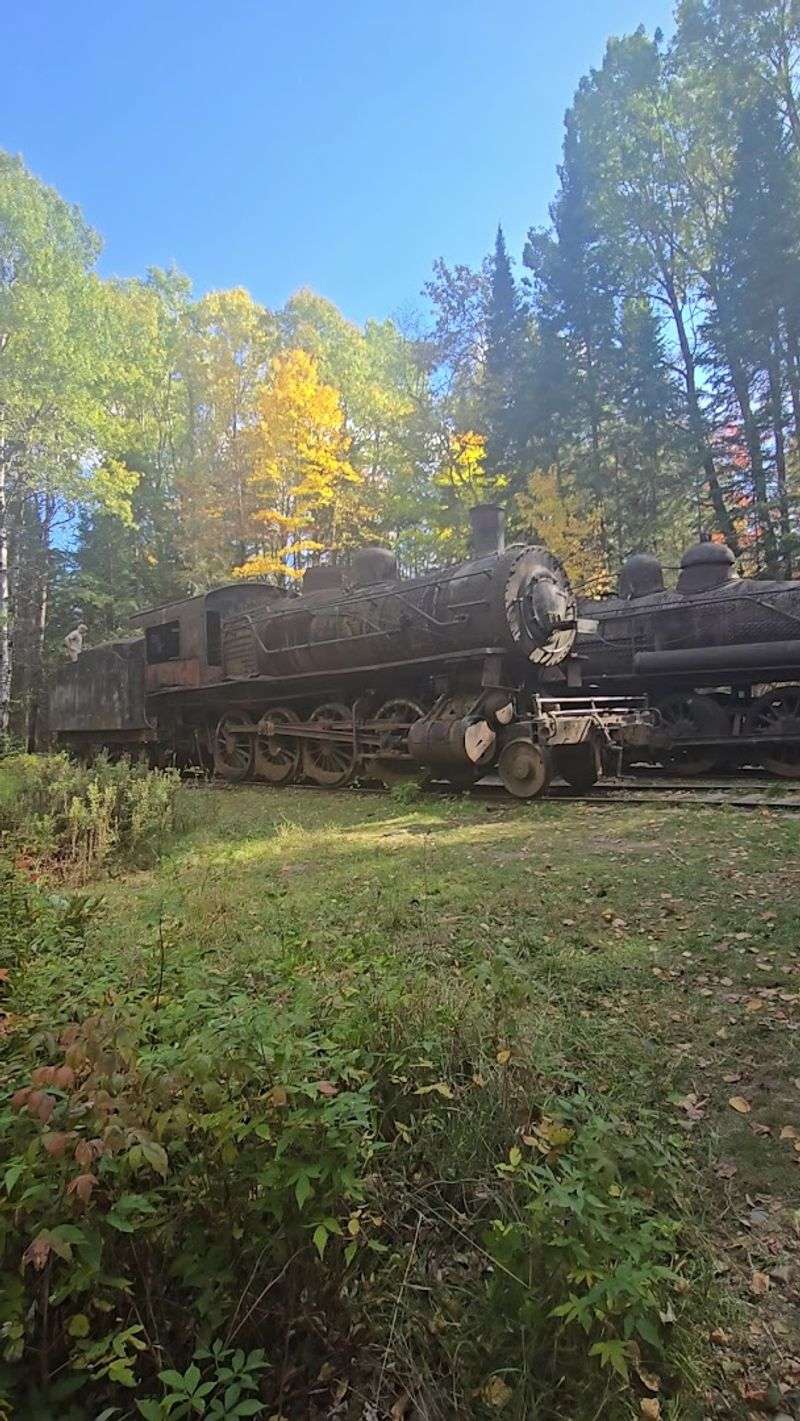
There is something about the way the locomotives sit in the forest that feels almost staged, as if a film crew dressed the scene and then walked away. The scale of the machines against the surrounding trees creates a visual tension that photographs cannot fully capture.
Iron and rust against green moss and white birch bark. Metal wheels half-buried in soil.
Cab windows open to the sky. Every angle offers something visually striking, and the soft filtered light that comes through the forest canopy adds to the mood.
Photographers who visit tend to burn through memory cards quickly.
The atmosphere shifts depending on the season and time of day. Morning light turns the rust into warm amber tones.
Overcast days give the scene a moody, dramatic quality. Fall foliage frames the locomotives in orange and red.
There is no single best way to experience it visually, which is part of what makes repeat visits feel completely different each time.
The Great Northern Paper Company
Understanding the Eagle Lake and West Branch Railroad means understanding the company behind it. The Great Northern Paper Company, which acquired the operation in 1927, was one of the most powerful industrial forces in Maine during the late 19th and early 20th centuries, controlling enormous stretches of forestland across the northern part of the state.
The company built the railroad as part of a larger timber-harvesting operation designed to feed its paper mills.
Northern Maine was rich with softwood trees ideal for pulp production, and the challenge was always moving those logs efficiently across rugged, roadless terrain. The railroad solved that problem for a few crucial years.
At its peak, the Great Northern Paper Company employed thousands of workers and shaped the economy of the entire region.
The Eagle Lake line was just one piece of a much larger industrial puzzle. When it was no longer economically viable, the company moved on.
What they left behind became an accidental time capsule that historians and curious travelers now seek out from across the country.
Preservation Matters At This Site
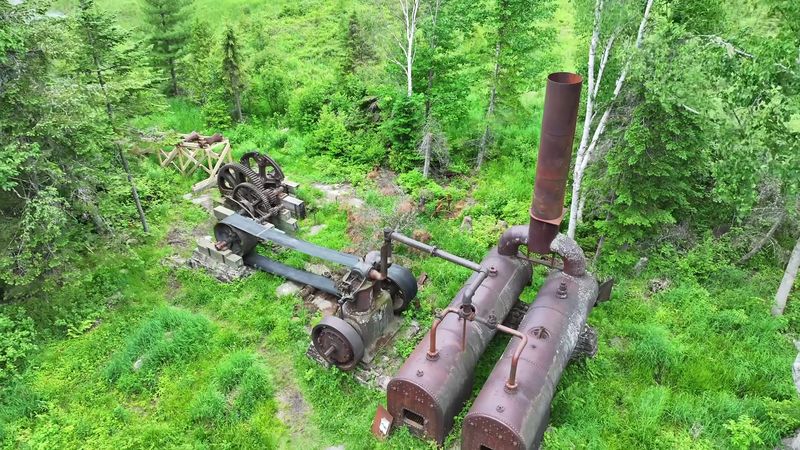
One of the most important things to know before visiting is that this site deserves respectful treatment. The locomotives are historical artifacts sitting in an open-air setting with no fence or security guard.
That means every visitor carries personal responsibility for keeping the site intact.
Carving names into the metal, writing on the surfaces, or removing any pieces as souvenirs causes real and permanent damage to something irreplaceable.
Once the historical integrity of a site like this is compromised, it cannot be restored. The quiet understanding among regular visitors is that you leave everything exactly as you found it.
The site is maintained with a cleared trail, but the locomotives themselves are protected historical artifacts that must not be disturbed or altered. But maintaining the historical character of the machines themselves depends entirely on visitor behavior.
Bringing that awareness with you, and sharing it with anyone you bring along, is one of the most meaningful things you can do when exploring a place this rare and this fragile.
How The Railroad Operated
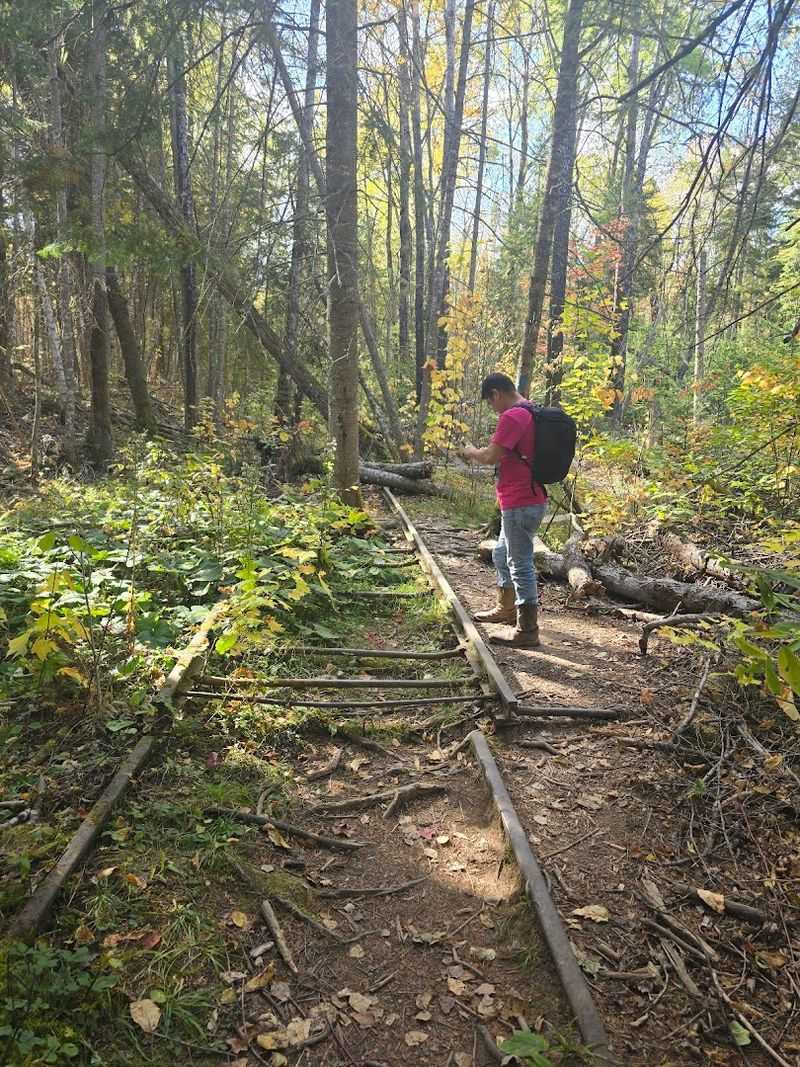
Picturing the railroad in full operation requires a bit of imagination today, but the bones of the original layout are still visible if you know what to look for. The railroad followed a mostly straight corridor through the forest, and the cleared path it once occupied is still faintly readable in the landscape.
The two locomotives pulled flatcars loaded with logs cut from the surrounding wilderness. Workers rode alongside, managed the loads, and kept the operation running through Maine winters that were genuinely brutal.
Steam power in those conditions demanded constant attention and maintenance.
The whole system was designed for efficiency rather than comfort. Speeds were slow, loads were heavy, and the terrain was unforgiving.
But for the years it ran, the Eagle Lake and West Branch Railroad moved an impressive volume of timber that would have been nearly impossible to transport any other way.
Walking the old corridor today, even quietly, gives you a faint but real sense of the noise and energy that once filled this forest.
Best Times Of Year To Plan Your Visit
Timing your visit to the Eagle Lake and West Branch Railroad site makes a significant difference in what you experience. Summer is the most popular window, roughly June through August, when the access roads are at their most passable and the days are long enough to allow a relaxed pace.
Fall is arguably the most visually stunning season. The combination of rusting iron machinery and vibrant autumn foliage creates a color palette that feels almost too good to be real.
September and early October tend to offer the best foliage without the early onset of mud and cold that can make late fall tricky.
Spring can be muddy and difficult for road access, and winter essentially closes the site off to all but the most prepared and experienced wilderness travelers.
Whatever season you choose, arrive earlier in the day rather than later. The forest light is better in the morning, the trail is quieter, and you will have more time to explore without feeling rushed by fading daylight.
Why This Site Is So Unforgettable
Some destinations are pleasant and forgettable. This one is neither.
The Eagle Lake and West Branch Railroad site has a way of staying in your mind long after you have driven back out through the trees and rejoined the regular world. Part of it is the scale of the machines against the quiet forest.
Part of it is the knowledge that almost nobody knows this place exists. Sharing it with someone feels like passing along a secret.
The combination of physical effort to reach it, the sensory experience of the site itself, and the historical weight of what you are looking at adds up to something that feels genuinely meaningful.
There is also something quietly powerful about standing next to a machine that was built for relentless industrial purpose and watching it slowly become part of the natural world again. The forest is patient.
The iron is stubborn. And somewhere in that standoff between nature and human ambition, the Northern Maine Woods keeps one of its most extraordinary stories perfectly preserved.