
This Remote Maine Wilderness Has Alpine Ponds And Cliffs Without Big Crowds
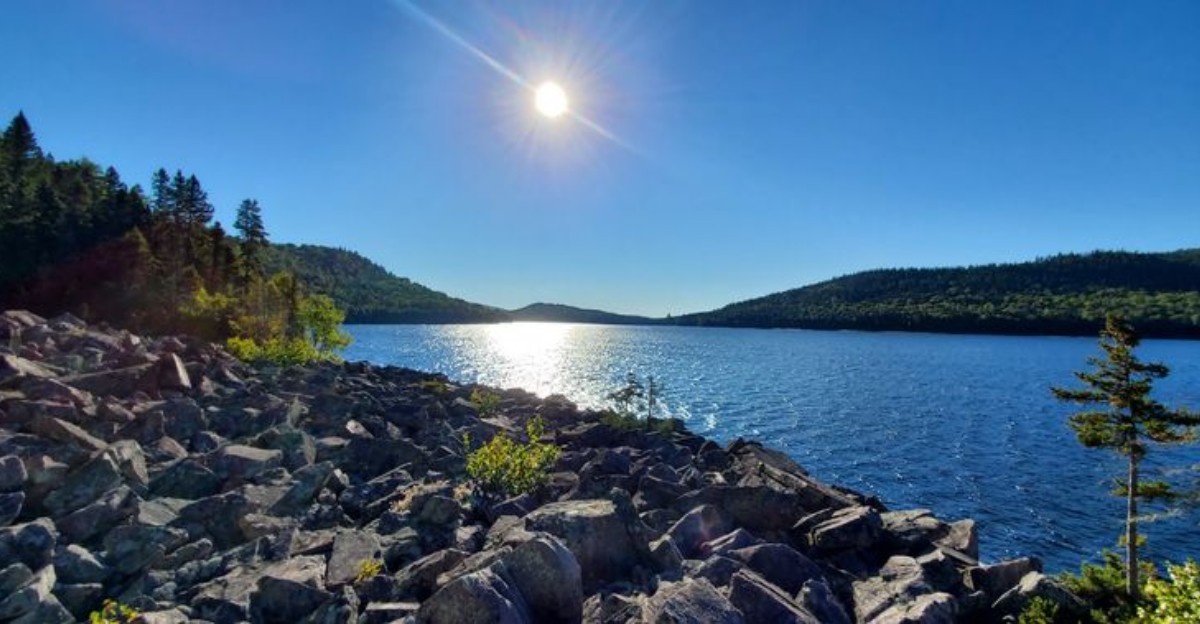
A loon call can sound surprisingly loud when there is absolutely nothing else around. I still remember standing beside a glassy pond that morning, watching fog drift over the water while steep rock walls disappeared into the trees.
My phone had no signal, cars felt a world away, and the silence was almost strange at first. This remote corner of northern Maine has the kind of scenery that makes a quick hike turn into an all-day adventure.
Cold ponds sit below rugged ridges, and miles of trails lead deeper into country that still feels wonderfully wild. I came expecting a good walk and left with sore legs, far too many photos, and a serious desire to return.
A Hidden Wilderness In Maine’s Far North
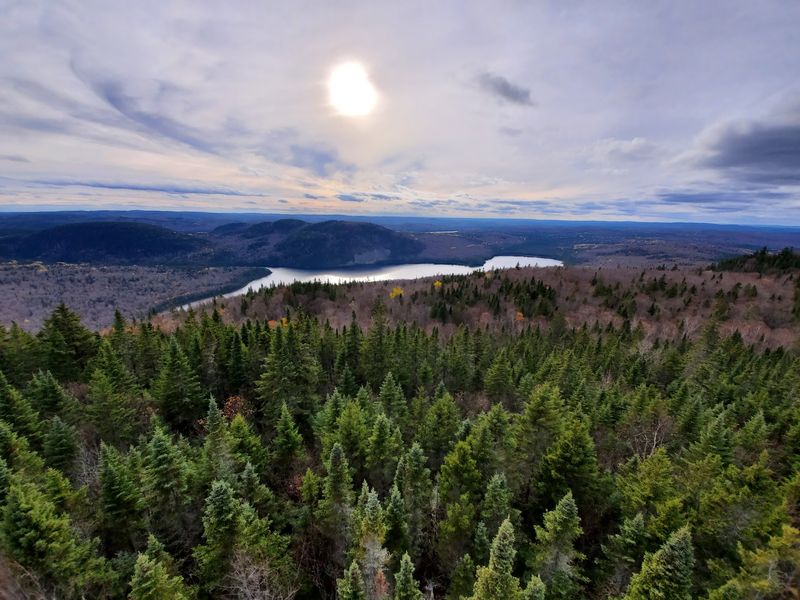
Way up in Northwest Aroostook, Maine, about as far north as you can drive before running out of roads, sits Deboullie Public Reserved Land. The reserve lies in T15 R9 WELS in Aroostook County, and honestly, this place feels far removed from any town.
What makes it special is how remote it feels. This roughly 22,000-acre public land is managed by the state, though visitors arriving by road typically pass through the North Maine Woods system and pay applicable access fees.
I drove miles of gravel logging roads to reach the trailheads, and along the way I saw more moose tracks than cars.
The land protects rare features that geologists get excited about, including talus slopes and cold-water ponds tucked between steep ridges. Because it is so remote, the ecosystem here has stayed wild and healthy.
You come here for solitude, clean air, and scenery that hasn’t been paved over. I brought paper maps, a full tank of gas, and plenty of snacks.
Trust me, cell service is a fantasy out here, so download everything before you arrive and enjoy being wonderfully unreachable for a while.
Climbing Deboullie Mountain For Big Views
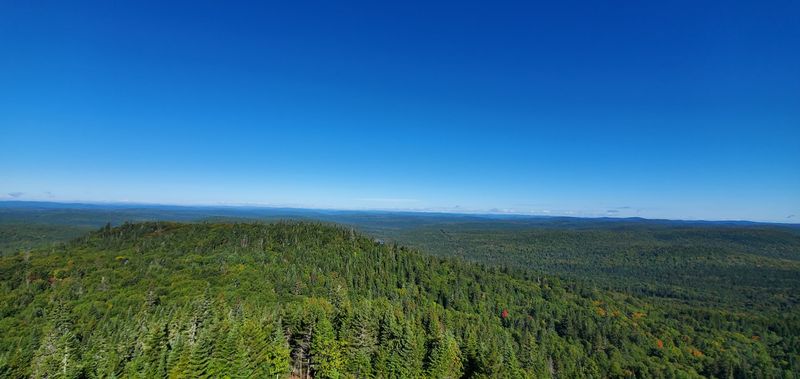
The star of the whole area is Deboullie Mountain itself, and reaching the top rewarded me with one of the best views I have found in the state. The trail starts easy, running mostly flat along the edge of a lake for the first mile before it begins climbing.
What surprised me was how manageable much of the route felt, though the state rates the Tower Trail moderate to difficult and the final climb becomes noticeably steeper. Experienced young hikers may be able to handle this trail, but families should be prepared for a roughly 4.3-mile round trip with a steep final climb.
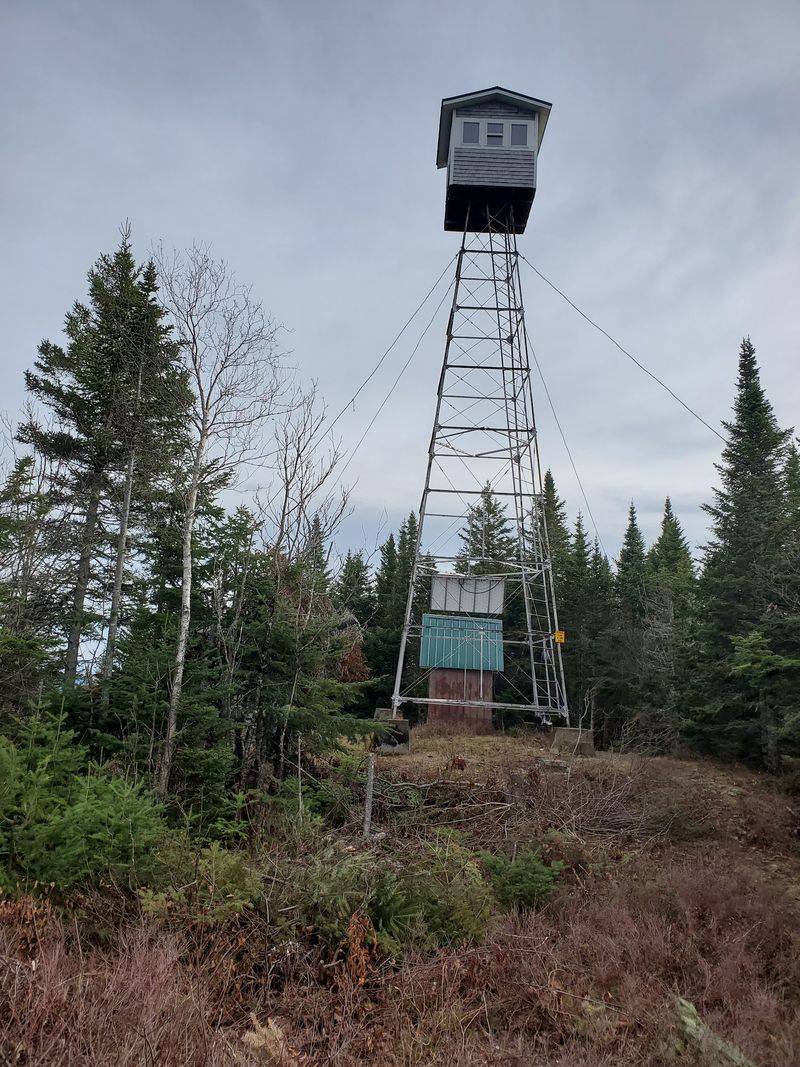
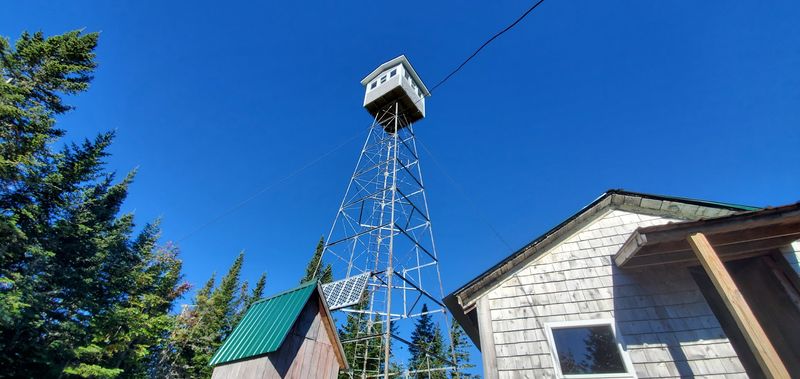
At the summit sits an old fire tower, and climbing up gives you a wide look across the pond-dotted forest below. On a clear day you can see ridgelines rolling out toward Canada.
I packed water, a light jacket, and bug spray, because the summit breeze can turn chilly fast. Plan for a few unhurried hours round trip so you have time to soak in the scenery.
Peaceful, uncrowded, and genuinely stunning, this climb turned out to be the highlight of my entire visit.
Remote Mountain Ponds That Feel Untouched
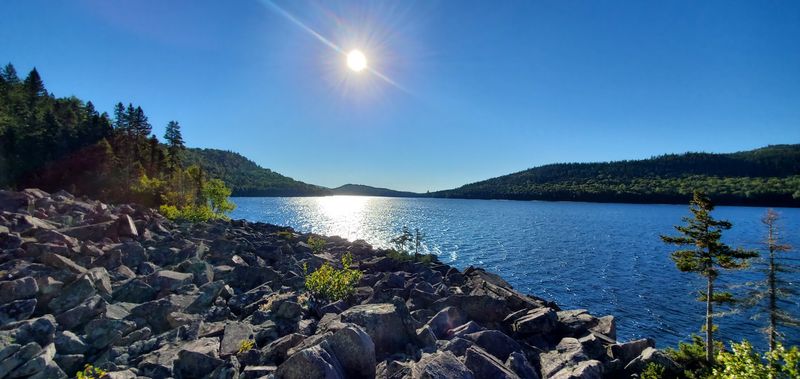
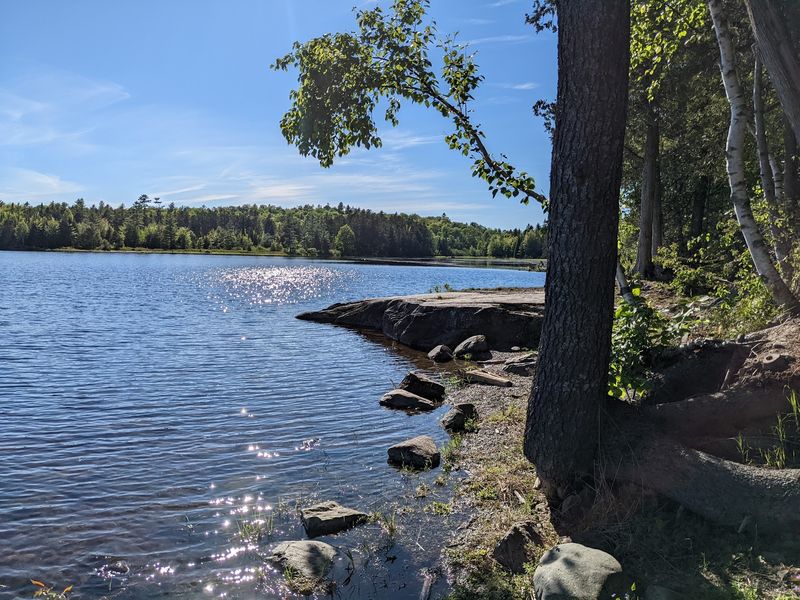
Scattered across this reserve are a string of cold, clear ponds that look like something out of a nature documentary. Places with names like Deboullie Pond, Gardner Pond, and Pushineer Pond sit quietly between forested ridges, their surfaces often perfectly calm in the early morning.
What struck me most was the water clarity. Fed by cold springs seeping through the rocks, these ponds stay chilly and pure, which is exactly why trout thrive here.
I could watch fish move below the surface when the wind died down.
Trails connect several of the ponds, while paddlers can explore many of the waters separately, with some routes requiring portages between them. I brought a small kayak strapped to my roof and had entire coves to myself.
Sunrise is the magic hour. The mist lifts slowly, loons call, and the reflection of the cliffs doubles everything in the still water.
Bring a camera and a light lunch, then find a flat rock along the shore. Sitting there in total quiet, I understood why people who find this place keep coming back season after season.
Dramatic Cliffs And Rocky Talus Slopes
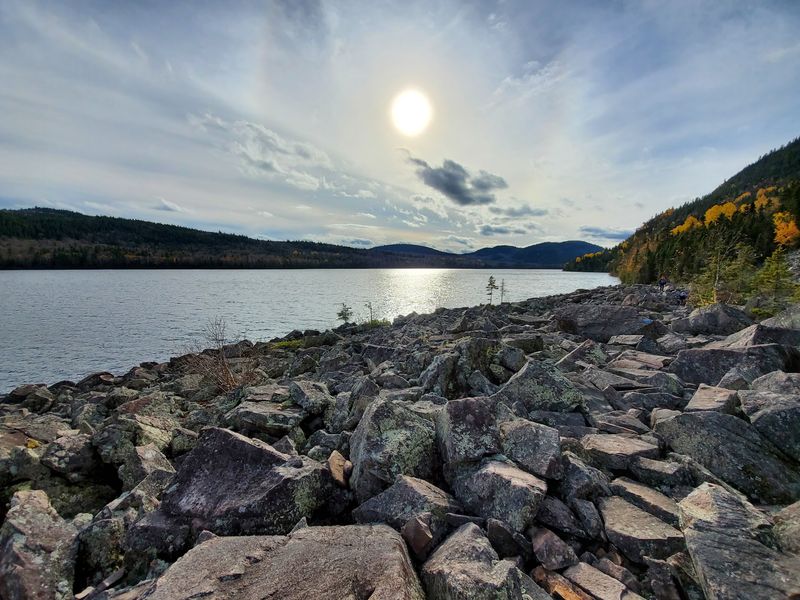
Rising straight up from the water in several spots are steep cliffs that give this area its rugged, dramatic character. Below them spread wide fields of broken rock called talus slopes, where boulders tumbled down over thousands of years and settled into jumbled heaps.
Walking near these slopes felt like stepping into a giant’s rock pile. The stones are cool to the touch, and in some deep pockets between the boulders, ice can linger long into summer thanks to cold air trapped underground.
Geologists treasure this landscape because it shows how ancient forces shaped the region. For a regular hiker like me, it simply looked incredible, with gray rock walls towering over green forest and blue water.
Be careful if you explore the talus up close, since loose rocks can shift underfoot. I kept to solid ground and used the boulders as a stunning backdrop for photos rather than a playground.
The contrast of sheer cliffs, tumbled stone, and glassy ponds makes this scenery unforgettable. It is the kind of raw, wild beauty that reminded me why I lace up my boots in the first place.
A Trout Fishing Paradise
Anglers who make the long trip north come with one word on their minds: trout. The cold waters support native brook trout and Arctic charr, historically called blueback trout, a rare species found in only a small number of Maine waters.
I am no expert fisher, but even I could tell this was special. The water stays cool all summer, giving the fish the oxygen-rich home they love.
Several ponds are managed with special rules to protect the fishery, so check current state regulations before casting a line.
Because the ponds are quiet and lightly visited, you often get a peaceful stretch of shoreline entirely to yourself. I watched one patient fisher land a beautiful brookie and gently release it back into the water.
Anglers age 16 and older generally need a valid Maine fishing license, and some ponds have special rules covering gear, bait, and catch limits. Packing in a canoe or float tube opens up spots you cannot reach from shore.
Whether you fish seriously or just enjoy the calm rhythm of casting, these waters deliver. For me, simply sitting beside such a pristine pond was reward enough.
Camping Under Truly Dark Skies
Spending the night out here is where the magic really deepens. Scattered around the ponds are primitive, first-come campsites equipped with fire rings, picnic tables, and nearby privies.
No electricity, no showers, just you and the wilderness.
Because the reserve sits so far from any city lights, the night sky puts on a show most people never get to witness. On a clear evening I saw more stars than I could count, plus the milky band of the galaxy stretching overhead.
Fall asleep to loons calling across the water and wake up to mist drifting off the pond. It is the kind of quiet that resets your whole brain.
Pack in everything you need, including plenty of water or a filter, food stored safely from animals, and warm layers since northern nights get cold fast. Bring a headlamp, extra batteries, and a way to keep bugs at bay.
Practicing leave-no-trace habits keeps this special place pristine for the next camper. Zipping up my tent under that endless star field, I felt like the luckiest person in Maine.
Wildlife You Might Spot Along The Way
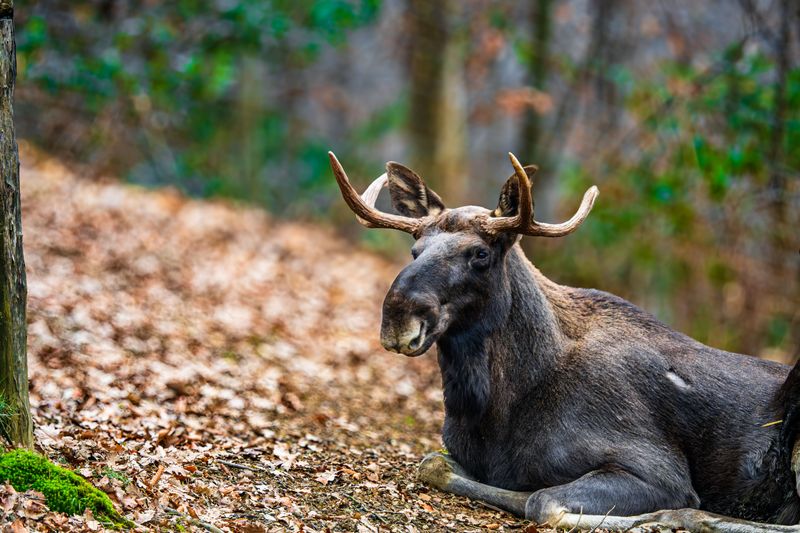
Keep your eyes open out here, because the reserve is alive with animals that thrive far from crowds. Moose are the headliners, and spotting one wading through a shallow pond at dawn is a thrill I will never forget.
Beyond moose, the forest shelters white-tailed deer, black bears, foxes, and busy beavers whose dams reshape the streams. Overhead you might catch loons on the water, hawks circling the cliffs, or woodpeckers hammering away at old trees.
The remoteness is exactly why wildlife feels so comfortable here. The remote forests, ponds, and wetlands provide extensive wildlife habitat, giving patient visitors a chance to spot animals in a quiet backcountry landscape.
I always kept a respectful distance and used a zoom lens instead of creeping closer. Bears and moose deserve plenty of space, especially a mother with young nearby.
Early morning and evening are the best times to look, when animals move to feed. Move slowly, stay quiet, and let the sounds of the forest guide you.
Every encounter, big or small, made the trip feel wonderfully wild. Spotting that moose alone was worth every mile of bumpy gravel road.
Planning Your Trip And Getting There
Reaching this corner of the state takes real effort, and that is part of what keeps it so quiet. The reserve lies in T15 R9 WELS in Aroostook County, Maine, and reaching it involves miles of gravel logging roads where working trucks have the right of way.
Fill your gas tank before you go, because there are no stations nearby. I also packed a paper map, a spare tire, extra food, and a full water supply, since help is far away and cell service is basically nonexistent.
Summer and early fall are the sweetest windows to visit. The trails are clear, bugs ease up by late summer, and autumn paints the forest gold and red.
Drive slowly on the gravel, watch for logging equipment, and yield to working trucks. Check current state and North Maine Woods information before leaving, since road access, checkpoint requirements, fees, and travel conditions can change.
Give yourself more time than you think you need, both for the driving and for lingering at the ponds. Coming home dusty and tired, I already knew this hard-to-reach wilderness had earned a permanent spot on my return list.