
This Remote Michigan Lighthouse Draws Thousands Of Monarch Butterflies For A Few Weeks Each Fall
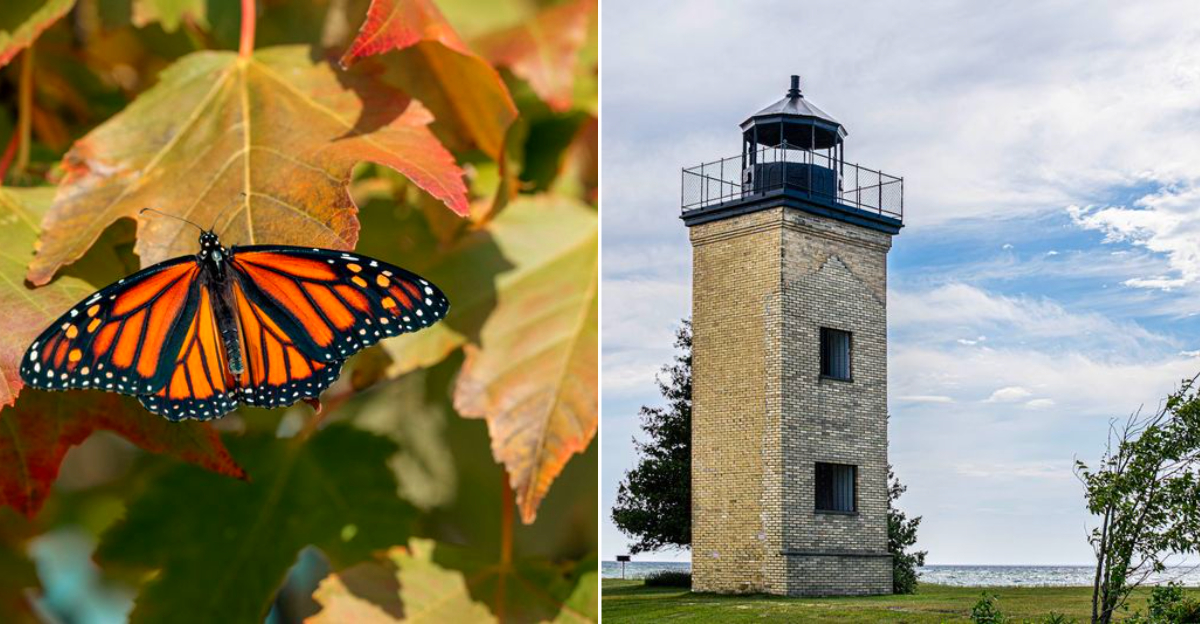
Standing at the water’s edge in late September, I watched the sky fill with wings that did not belong to birds. Orange and black, fragile and relentless, they covered stone walls in layers so thick the lighthouse itself seemed to change color.
My daughter tugged my sleeve, pointing at a cluster that had settled on the handrail like a living mosaic. We had driven hours expecting a quiet afternoon by the water, plus this is what we found instead.
The air hummed with the sound of ten thousand tiny wings brushing against each other, plus against the weathered wood, plus against nothing at all. I lost track of time standing there.
People walk past this spot most of the year without knowing what it becomes for a few short weeks.
Thousands of migrating monarchs find their way to a lighthouse that most travelers pass without a second glance in Michigan.
Take The Final Road Slowly
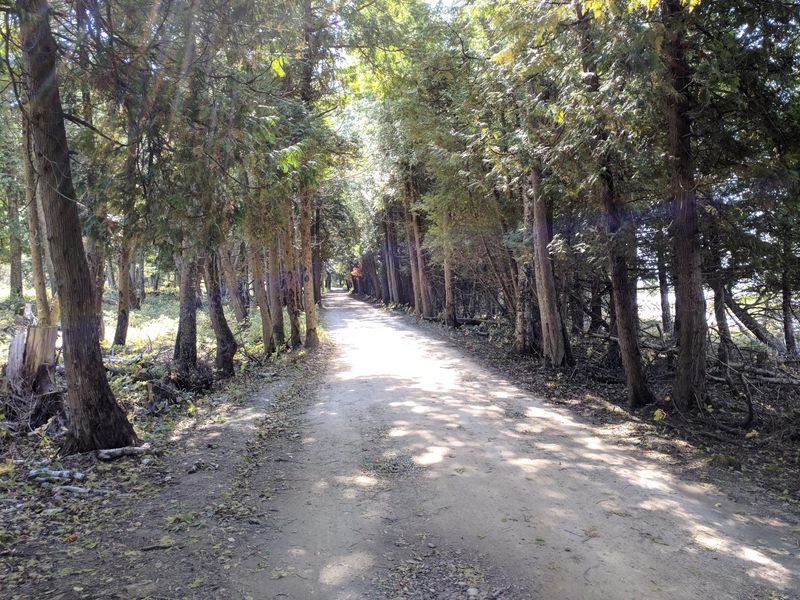
Treat the final stretch of County Road 513 as part of the adventure, not a race to the finish. Roughly the last mile becomes narrow, winding, and unpaved, with trees close beside the route.
Drive slowly, watch for approaching cars, and use wider spots to pass without crowding the shoulder.
Large RVs and trailers should stop at the designated parking area before the tight section. Cars and smaller trucks generally fit better, but rain or spring thaw can change conditions quickly.
Download directions before leaving reliable service, and allow extra travel time. The lighthouse sits far down the Stonington Peninsula, so the slow approach feels appropriate.
Rushing risks potholes, missed turnouts, and a tense arrival. Save that energy for butterflies.
County Road 513 Runs All The Way To The Point
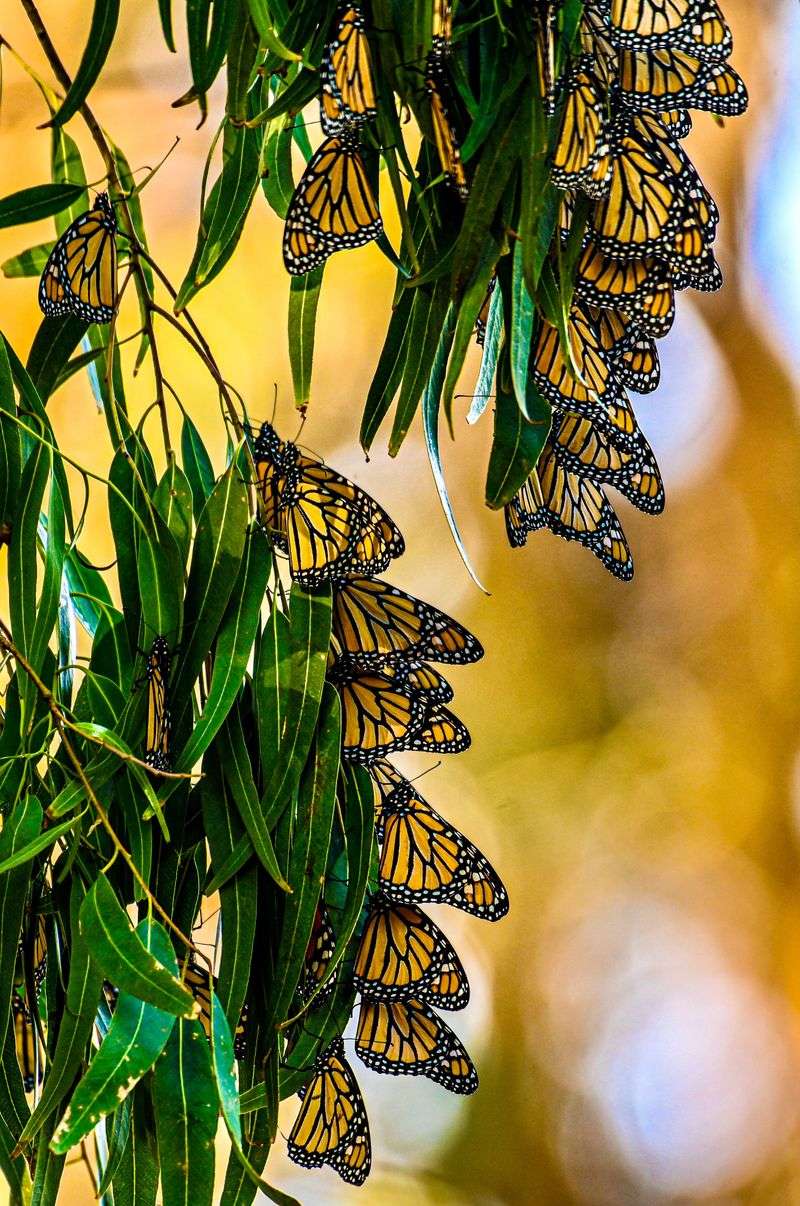
Peninsula Point Lighthouse sits at the tip of the Stonington Peninsula south of Rapid River, Michigan. From Rapid River, head east on US-2 for about three miles, then turn south onto County Road 513 toward Peninsula Point.
Stay on County Road 513 and Forest Road 2204 for roughly 19 miles as the route runs deeper down the peninsula. The final mile becomes narrow and winding, and it is not recommended for RVs or trailers longer than 16 feet or higher than 8 feet.
Passenger vehicles can continue to the parking lot near the lighthouse. Larger vehicles should use the designated parking area before that narrow final mile and finish the approach on foot toward Peninsula Point.
Climb The Historic Brick Tower
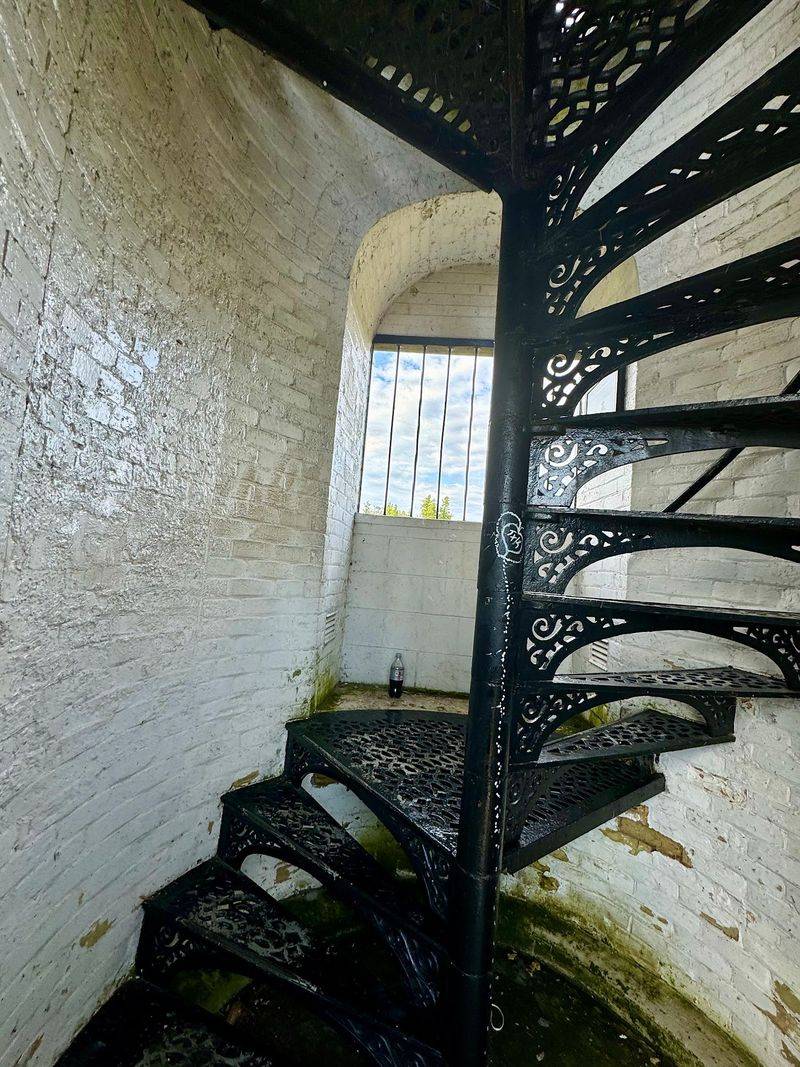
Climb the square brick tower when access is open, and let the spiral staircase set a steady pace. Forty steps lead upward through a structure that rises about 40 feet.
The reward is a broad look across Lake Michigan, Little Bay de Noc, Big Bay de Noc, and the peninsula below.
Pause at openings rather than hurrying past them; each frames water and forest differently. The tower dates to 1865 and once helped vessels carrying lumber, iron ore, and fish avoid dangerous shoals.
Its keeper’s house burned in 1959, but the tower survived. Wear secure shoes, keep both hands available, and give descending visitors room.
Anyone uneasy with stairs can still enjoy excellent shoreline views from ground level outside safely.
Search The Cedars Before The Sky
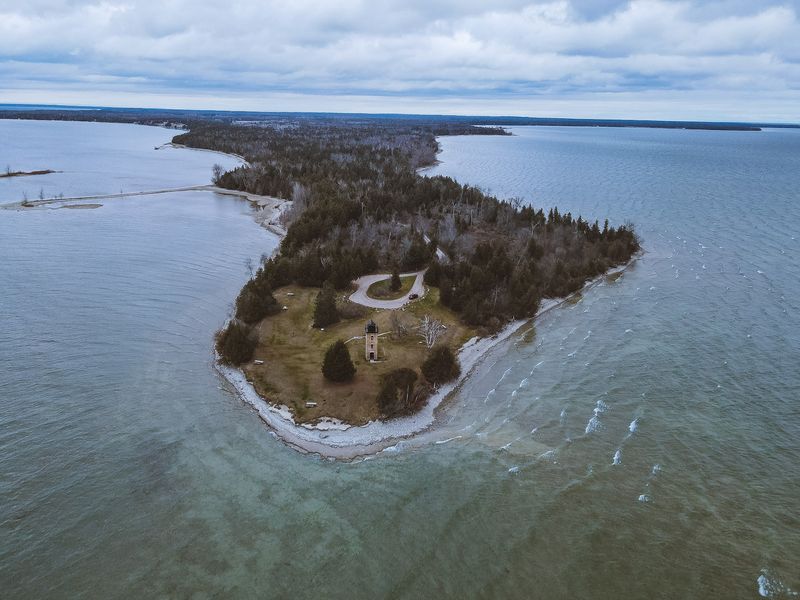
Thousands of monarchs do not simply wander here by accident. The Stonington Peninsula narrows like a natural funnel, guiding southbound butterflies toward its tip before they face open water.
Cedar trees become a waiting room, shielding delicate wings from wind and catching morning sun that helps cold insects move.
Watch the branches before scanning the sky. At historic peaks, 3,000 or more monarchs have gathered in only a handful of trees, creating a living patchwork of orange and black.
When warmth arrives, still clusters can suddenly turn lively. Stand back from roosts, avoid blocking flight paths, and resist touching any butterfly.
Quiet observation protects their limited energy for the crossing toward Wisconsin and their much longer journey south to Mexico.
Bring Binoculars For Migrating Birds
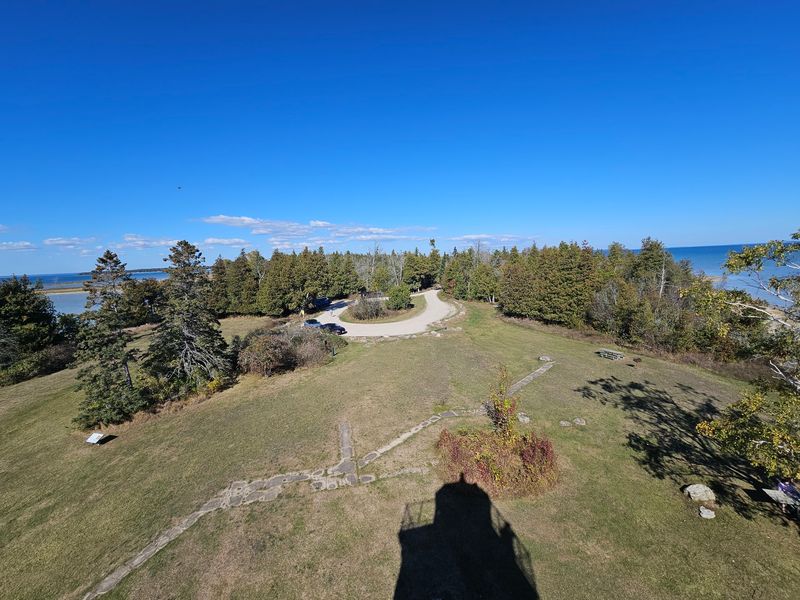
Pack binoculars even if monarchs are the main attraction, because Peninsula Point is also serious birding country. More than 200 bird species have been recorded around this narrow land and nearby waters.
Migration concentrates winged travelers here, making a patient pause beside the forest edge surprisingly busy.
Keep the volume low and look across several levels: shoreline, shrubs, cedar canopy, and open lake. A small notebook helps separate quick impressions from confirmed sightings.
Morning often offers softer light and more activity, while changing weather may bring different species through. Stay on durable surfaces, never chase birds for a photograph, and leave nesting areas alone.
The same respectful habits that protect monarchs also make birdwatching calmer, sharper, and far more rewarding.
Walk The Interpretive Forest Trail
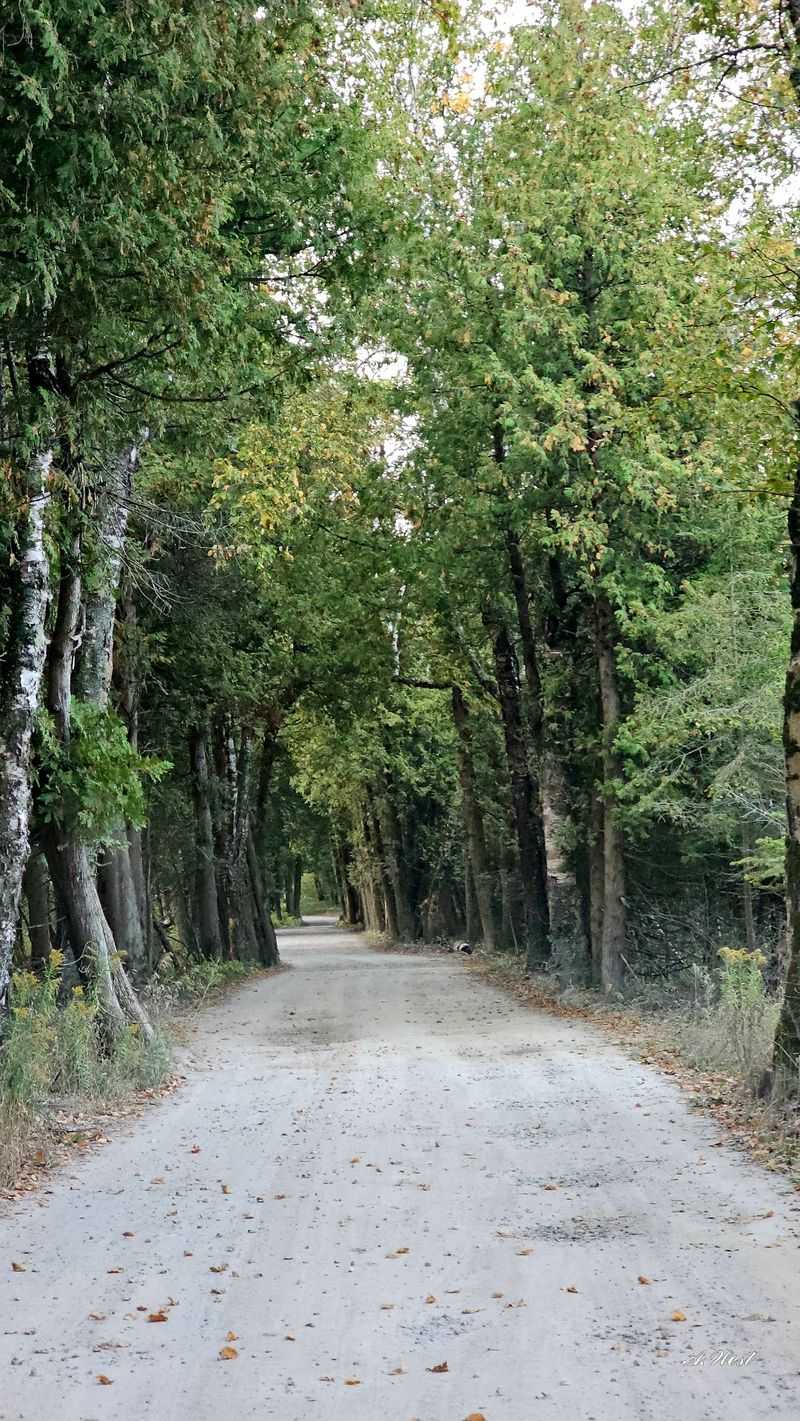
Stretch the visit beyond the tower on the 1.2-mile Interpretive Trail, where tall grass, fern meadows, and cool cedar forest change the mood every few minutes. A longer option extends the walk into a 2.2-mile loop.
The route adds context, showing why this point supports migrating insects and birds.
Wear sturdy shoes and bring water, since remote scenery does not replace basic preparation. Check current forest conditions before starting, especially after rain or during buggy periods.
Poison ivy can occur in the area, so learn its three-leaf pattern and stay on the path. I like walking after watching the cedar roosts; movement feels welcome after standing still.
Allow enough daylight to return without rushing, and carry out every scrap afterward.
Study The Ancient Shoreline Fossils
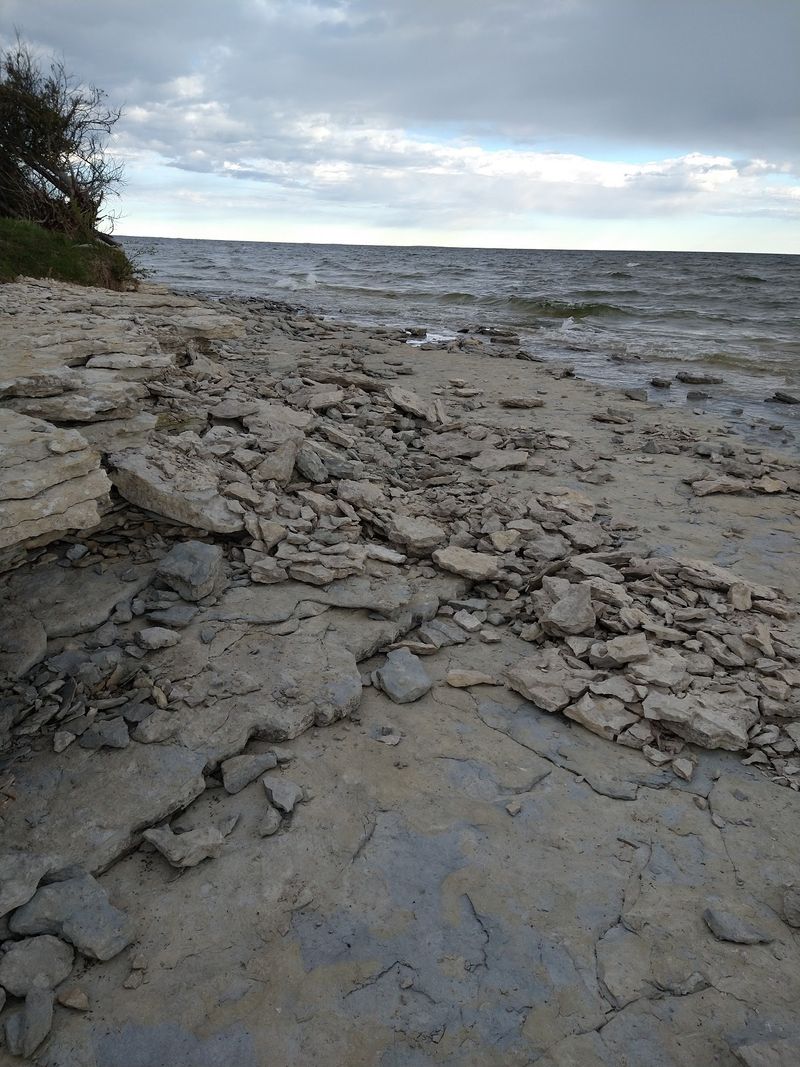
Underfoot along the rocky limestone shore lies a story vastly older than the lighthouse. Fossils found here are estimated at 400 to 500 million years old, turning a lakeside stroll into a quiet geology lesson.
Look closely at exposed surfaces, but mind slick rocks and uneven footing.
Photography is the simplest way to remember a find without changing the shoreline. Rules for collecting on National Forest land can involve limits and protected resources, so check current U.S.
Forest Service guidance before taking anything. Never chip fossils from bedrock or damage the exposed layer.
Children can search for shapes with an adult nearby, while everyone should keep clear of waves. Good shoes matter more than heroic balance on wet limestone ledges here.
Read The Story In The Brickwork
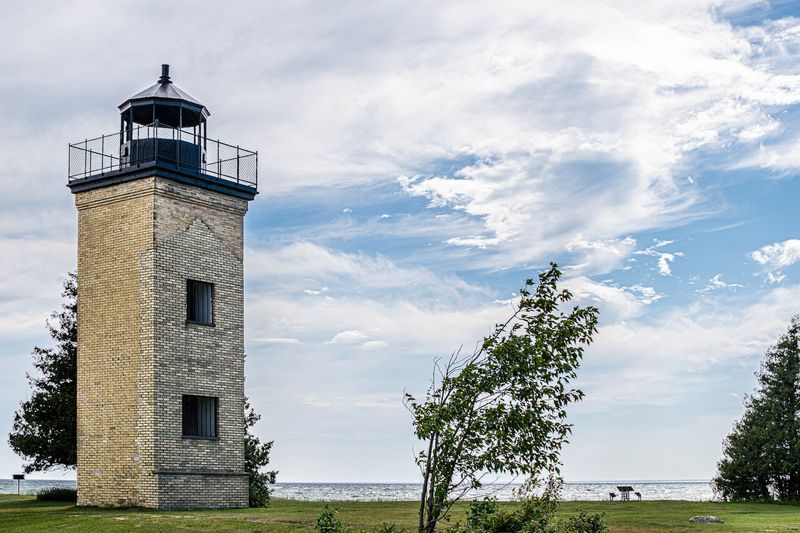
Brick has outlasted nearly everything at Peninsula Point. Congress funded the light in 1864, and construction followed in 1865 with a 40-foot square tower attached to a one-and-a-half-story keeper’s home.
The beacon served traffic navigating shoals until it was decommissioned in 1936 after Minneapolis Shoal Lighthouse began operating.
Fire destroyed the keeper’s house in 1959, leaving the sturdy tower standing alone. That missing building explains the ruin-like outlines visitors notice near its base.
Listed on the National Register of Historic Places, the survivor deserves a slow lap before any climb. Study changes in the masonry, imagine daily keeper routines, and avoid leaning equipment against old walls.
History feels clearest when the remaining fabric is treated carefully by every guest today.
Respect The Monarch Research Work
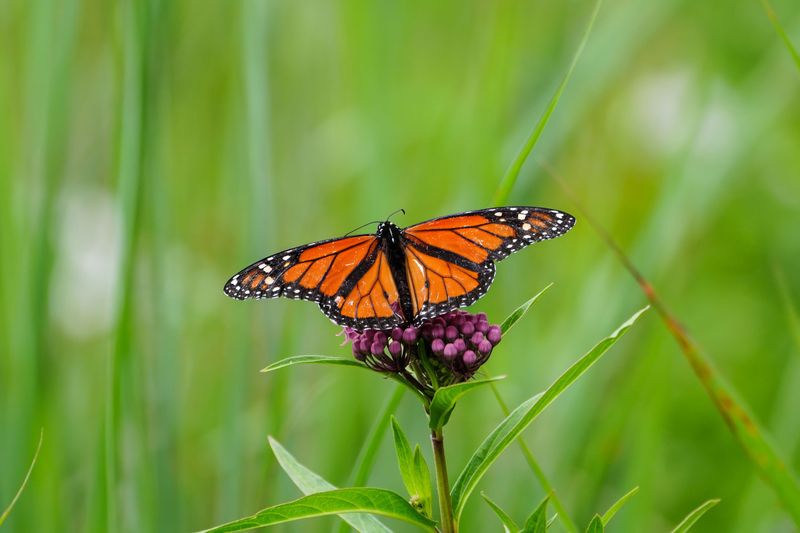
A tiny tag can turn one orange traveler into useful science. Peninsula Point holds North America’s oldest monarch data set, with records dating to 1994.
The U.S. Forest Service, local groups, and volunteers monitor adults, tag butterflies, and track eggs and larvae on milkweed.
Give working teams space and follow any posted instructions; careful research matters more than a close photograph. Eastern monarch numbers have fallen by more than 80 percent since the 1980s, largely amid habitat loss and other pressures.
Milkweed is essential because females lay eggs on it and caterpillars eat it. Never pick the plants or disturb larvae.
Visitors help most by watching lightly, supporting native pollinator habitat at home, and sharing accurate migration information with others.
Meet The Monarch Super Generation
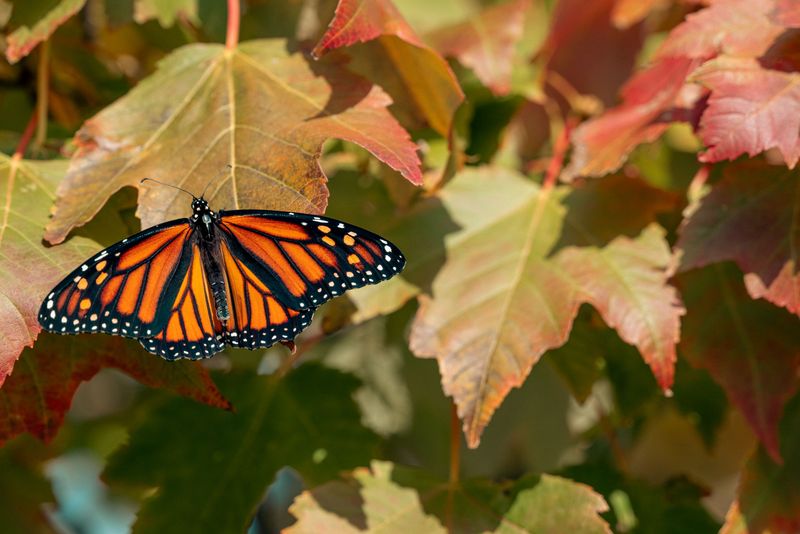
Fall’s monarchs are built for an assignment their shorter-lived summer relatives never complete. Called a super generation, they may live up to nine months while traveling roughly 1,900 to 2,500 miles toward Mexico.
They did not make the spring trip north, yet instinct guides their southbound route.
That remarkable biology changes how the gathering looks. Resting is not laziness; it conserves fuel before a risky Lake Michigan crossing.
Avoid handling grounded butterflies unless trained staff provide directions, and keep dogs from cedar clusters. A warm, sunny spell may send many into motion, while poor winds can hold them back.
Bring curiosity rather than expectations. Understanding the journey makes even one monarch feel less ordinary and more astonishing to witness firsthand.
Pack For A Remote Lakeside Visit
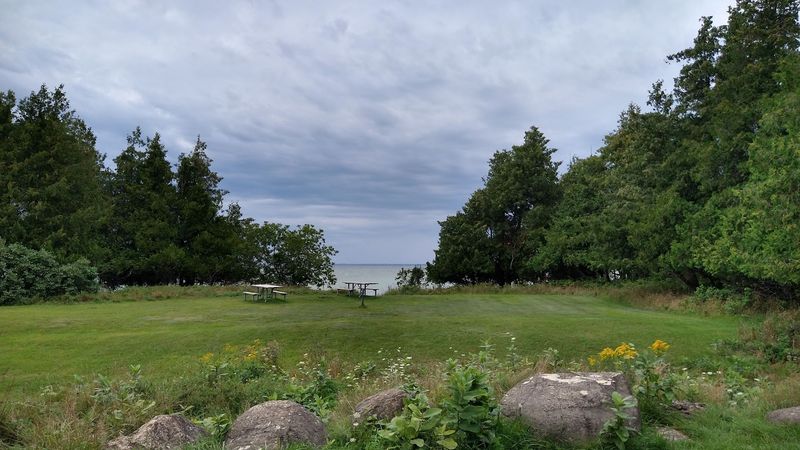
Give Peninsula Point at least one or two hours, then let weather and wildlife decide whether to stay longer. The grounds are open year-round without an entry fee, but tower access and road conditions can vary.
Check official Hiawatha National Forest updates before leaving, especially outside the fall season.
Pack water, snacks, insect repellent, and layers for wind off Lake Michigan. Picnic tables make a simple lunch pleasant, while facilities may be basic at this remote site.
Keep food secured, carry trash out, and do not plan overnight parking at the lighthouse area. Cell service may be unreliable, so save maps beforehand.
Before departing, take one final quiet look at the cedars and shoreline. Remote places reward prepared visitors best.