
This Remote Oregon Mountain Town Is So Underrated, Even Most Locals Haven’t Found It
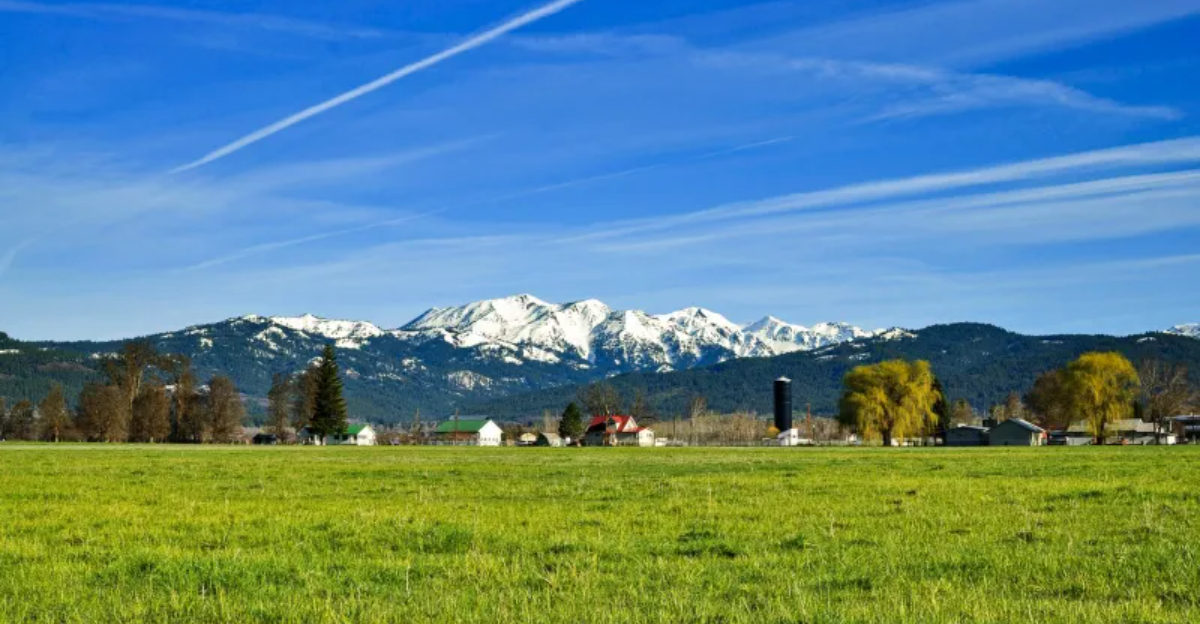
Tucked away in eastern Oregon’s mountains lies a town with the perfect name for travelers seeking something between bustling city life and complete wilderness.
Halfway sits quietly in the shadow of the Wallowa Mountains, where pine-scented air meets genuine small-town charm. Most folks zoom past on their way to flashier destinations, completely missing this amazing place that offers serious outdoor adventures without the tourist circus.
After reading about it, I am sure you won’t make that kind of mistake.
Meet Halfway: Pine Valley’s Quiet Gateway to Big Mountains
Picture a town where ranchers still tip their hats on Main Street and mountain peaks frame every sunset. Halfway perches at the foothills of the Wallowa-Whitman National Forest, exactly 54 miles from Baker City and just 18 miles from Idaho’s border along the Snake River corridor.
Ranch life defines the local rhythm here, with friendly faces greeting visitors along the modest main drag. The Wallowa Mountains rise dramatically behind town, creating postcard views that never get old.
This authentic western atmosphere feels refreshingly genuine compared to touristy mountain towns elsewhere in the region.
Why It’s Still Under the Radar (And How to Get There)
Most travelers follow the popular Hells Canyon Scenic Byway loop around the Wallowa Mountains, but few venture down to Halfway on the southern leg via OR-86. The town sits blissfully far from any interstate, requiring intentional navigation through gorgeous mountain country.
This remote location via winding highways keeps visitor numbers refreshingly low. The scenic drive itself becomes part of the adventure, with sweeping views and peaceful stretches of asphalt.
Smart travelers appreciate that the journey’s difficulty creates the reward: a serene mountain town experience without crowds or commercialization.
The Pretty Approach: OR-86 to the Snake & Hells Canyon Dam
From Halfway, a spectacular 21-mile drive leads to Copperfield and Oxbow, then continues another 27 paved miles upriver to Hells Canyon Dam. This side trip showcases massive canyon walls rising directly from river level, creating jaw-dropping perspectives.
The route follows the Snake River through increasingly dramatic terrain. Services become sparse along these out-and-back roads, making Halfway your essential fuel and supply stop.
Pack snacks and top off your tank before heading out, as this remote canyon country prioritizes scenery over convenience stores.
Trailheads Without Crowds: Cornucopia & East Eagle
Just ten miles north of town, the Cornucopia Trailhead accesses Pine Lakes Trail and East Fork Trail on the Wallowas’ quieter south side. These paths offer serious alpine beauty without the parking lot chaos found elsewhere.
East of Halfway, the East Eagle and Eagle Forks trailheads connect to classic Eagle Cap Wilderness loops. Remember that Cornucopia sits on private land, so respectful behavior keeps these access points open.
Leave gates exactly as found, stay on marked trails, and pack out every scrap of trash to preserve local goodwill.
Blue-Water Days: Hells Canyon Jet-Boat & Rafting Access
Halfway serves as the perfect base camp for exploring North America’s deepest gorge via guided jet-boat tours or multi-day rafting adventures. Outfitters stage their operations near Oxbow and the dam, just a short drive from town.
Late spring through early fall provides prime conditions for water-based canyon exploration. Wildlife sightings include bighorn sheep, eagles, and river otters along the dramatic rock walls.
The town’s affordable lodging and dining options make it far more budget-friendly than staying at expensive riverside resorts.
Small-Scale Stays & Basics You’ll Actually Use
Pine Valley Lodge anchors the town’s accommodation scene right along the scenic byway, offering comfortable rooms within easy walking distance of local cafes and shops. Simple RV sites around town’s edges provide budget-friendly alternatives.
The lodge’s central location means you can grab morning coffee and evening meals without driving. Local businesses focus on practical needs rather than tourist trinkets.
Summer weekends fill up quickly, so advance reservations prevent disappointment during peak hiking and rafting seasons.
Seasons of Solitude: When to Go
Winter transforms the valley into snowshoe and sledding territory, with activities starting right from town rather than requiring long drives to higher elevations. Summer opens up hiking trails, river adventures, and scenic canyon drives.
Fire season can impact forest access and air quality, so checking current conditions prevents wasted trips. Spring offers wildflower displays and comfortable temperatures for outdoor activities.
Each season brings distinct advantages, from winter’s peaceful snow scenes to summer’s endless daylight for extended adventures.
Do It Right: Etiquette, Safety & Local Tips
Respect for private property keeps trail access open, especially at Cornucopia, where hikers cross ranch land to reach Forest Service trails. Follow posted signs, close gates properly, and maintain Leave No Trace principles.
Eagle Cap Wilderness requires a free, self-issued Wilderness Visitor Permit (one per group) at major trailheads. Camping is prohibited within 100 feet of any lake or posted wetlands, and there are group size limits (typically 12 on trails; some camping zones have stricter limits).
Campfire restrictions apply around lakes and at specific high-use lakes, so check the permit board for current rules.
Canyon drives demand extra water and fuel due to limited services. Local cooperation depends on visitor responsibility, so your good behavior helps preserve access for future adventurers.