
This Restored 1835 Illinois House Was Once A Safe Haven On The Underground Railroad
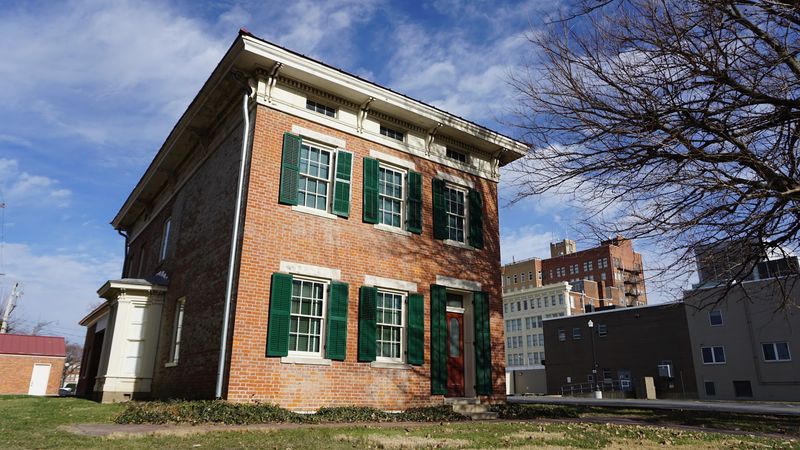
A soaking-wet man once knocked on the back door of a small brick house in Illinois. He had just swum across the Mississippi River to reach freedom.
The doctor who lived there handed him dry clothes and hurried him into a carriage. That choice later landed the doctor in court, in front of a judge who became famous in national politics.
I can’t imagine the nerve it took to open that door. The house still stands today, restored and open to visitors.
It’s one of the oldest brick homes in its river town, and its story reaches all the way to the U.S. Supreme Court.
I believe places like this belong on every Illinois family’s list. So how does a modest home end up holding such a big piece of American history?
A Modest Brick Home With A Very Bold Past
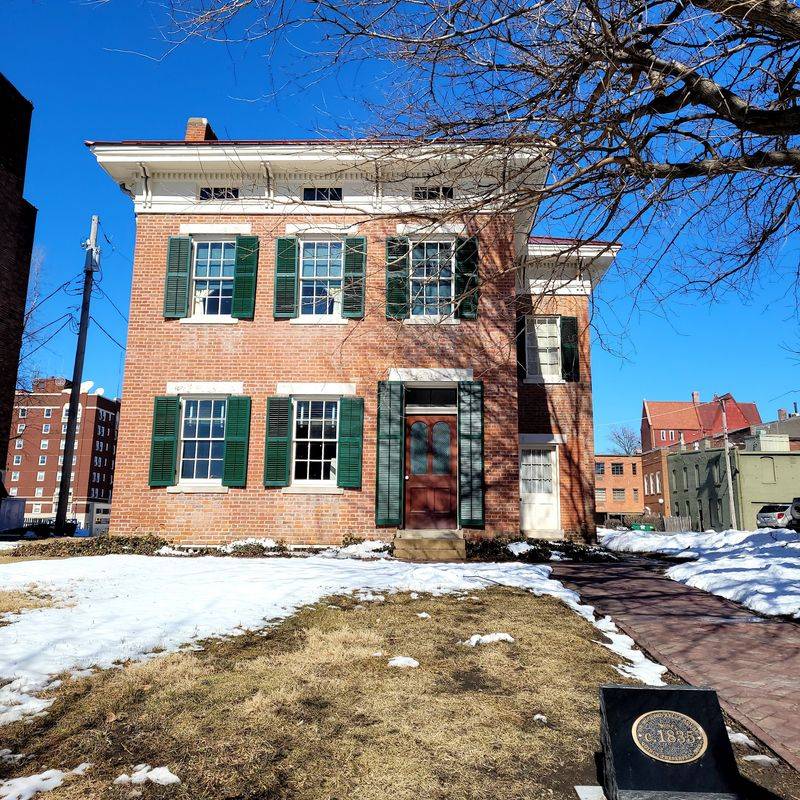
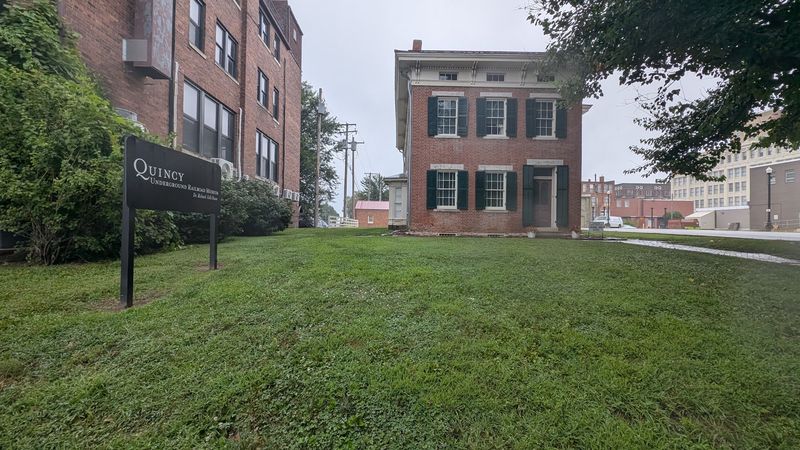
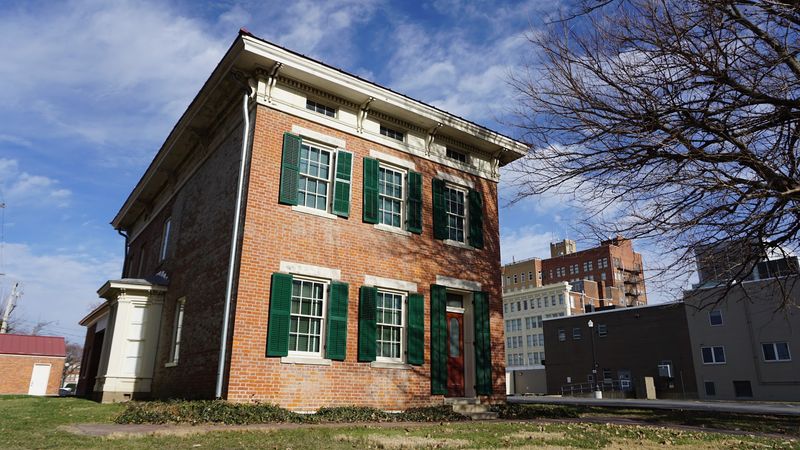
Brick houses don’t usually make headlines, but this one earned its fame the hard way. The Quincy Underground Railroad Museum: Dr Richard Eells House sits in Quincy, Illinois, a few blocks from the Mississippi River.
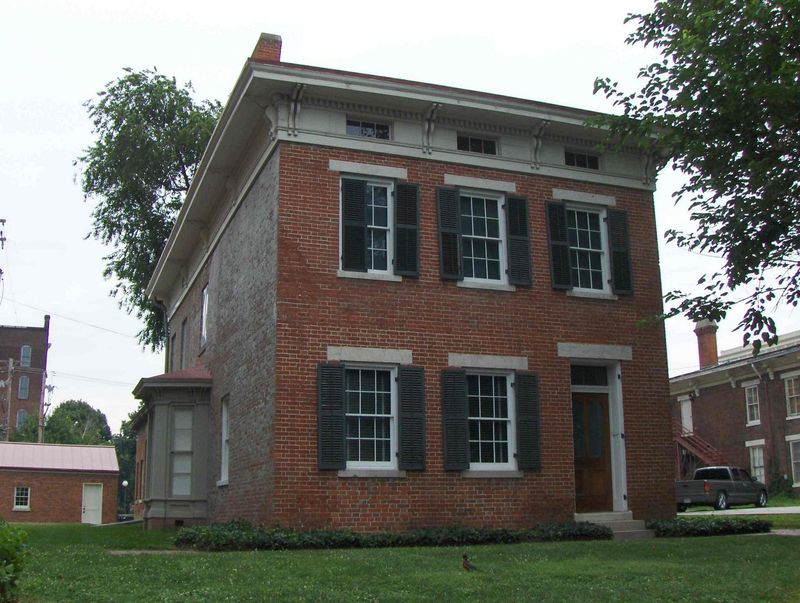
Built in 1835, it’s known as Quincy’s oldest standing two-story brick house. That makes it older than the fancy Victorian homes that later filled the city’s streets.
The house belonged to Dr. Richard Eells, a physician and committed abolitionist. He turned his home into a safe stop for people escaping slavery.
Today, the building is a historical landmark and a small museum. It tells the story of those brave escapes and the people who helped them along.
I like that the house isn’t a grand mansion built to impress anyone. It looks like an ordinary family home, and that’s exactly what makes its story hit harder.
The National Park Service recognizes it as an early documented Underground Railroad site. That’s a big honor for a humble brick building on a quiet street.
For Illinois families who love real history close to home, this is a stop with serious bragging rights. It proves that small places can hold enormous stories.
The River Crossing That Made Quincy A Doorway To Freedom
Geography mattered enormously in the 1800s. Missouri, just across the Mississippi River, was a state where slavery was legal.
Illinois, on the other side, was free soil. That made Quincy the first Underground Railroad station north of the Missouri border.
Think about what that meant for someone escaping bondage. Crossing that wide river was the first giant step toward a new life.
Once on the Illinois shore, freedom seekers still faced danger. Slave catchers watched the area closely, so helpers like Dr. Eells were essential.
His home stood close enough to the river to serve as a quick, quiet refuge. From there, people could be moved to safer spots farther along the network.
Standing near the river today, you can see why this town became such a key entry point. The water between the two states is the whole story in one view.
I find it powerful that the same river families now enjoy for scenic drives once separated slavery from freedom. A trip here makes that history feel very real and very close.
It’s a lesson no textbook map can fully capture.
One Wet Night In 1842 Changed Everything For Dr. Eells
The year was 1842, and a man named Charley had just done something incredible. He swam across the Mississippi River from Missouri to reach Illinois.
A free Black man named Barryman Barnett brought Charley to the Eells home. Charley arrived soaking wet at the back door.
Dr. Eells didn’t hesitate. He gave Charley dry clothes and hurried him into a carriage.
Their goal was the Mission Institute in Quincy, a known safe place for freedom seekers. Sadly, the plan didn’t go smoothly.
A posse, along with Charley’s owner Chauncey Durkee, intercepted the carriage. Charley escaped for a short time, but he was recaptured and taken back to Missouri.
Dr. Eells got away that night, but he had been recognized. Soon he was arrested at his own home.
I can’t read this story without thinking about Barryman Barnett too. His courage is part of the reason this house matters so much.
Visiting the place where this all unfolded gives the story real weight. Kids and adults alike can picture that back door and the choice made there.
A Courtroom Showdown With A Famous Judge
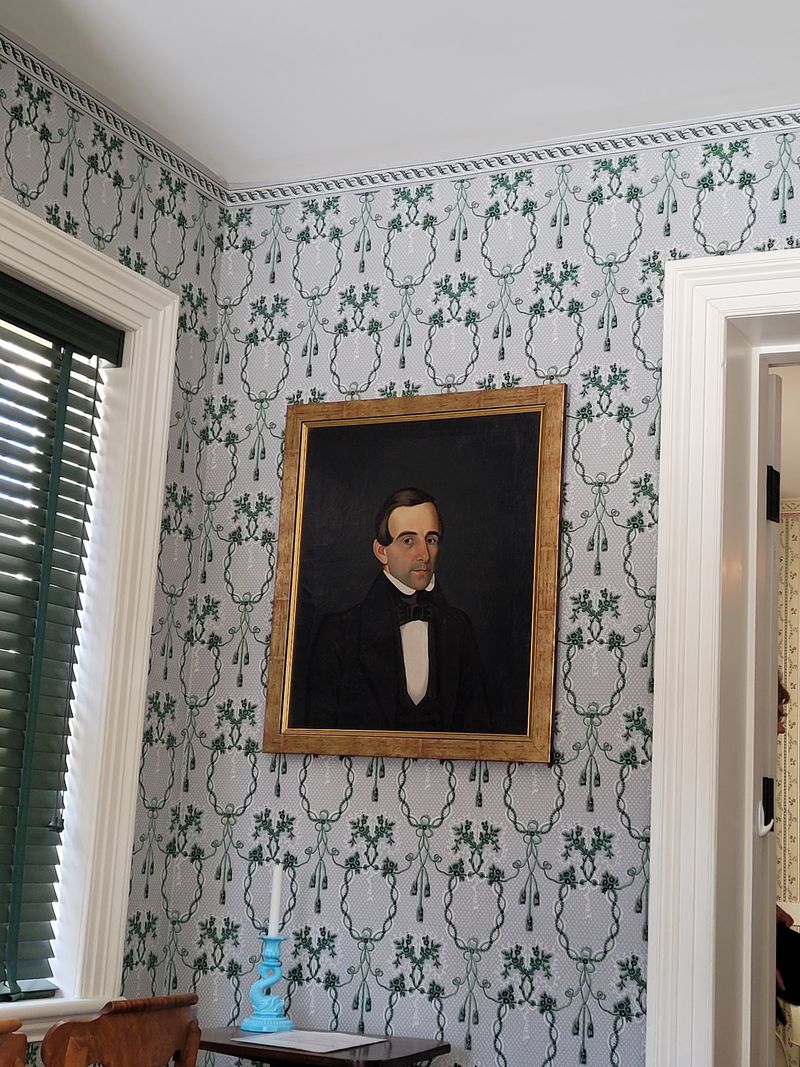
Here’s a twist that history fans will love. Dr. Eells was charged under Illinois law with harboring a fugitive slave.
In April 1843, his case went before Judge Stephen A. Douglas.
Yes, the same Douglas who later debated Abraham Lincoln.
Eells was found guilty and fined $400. That was a huge amount of money in those days.
He refused to simply accept the verdict. Instead, he appealed, starting a long and costly legal fight.
The battle took a heavy toll on him, both in money and in spirit. Even after his passing, his estate kept the appeal going.
The case eventually reached the U.S. Supreme Court.
The guilty verdict stood, but the fight itself became part of the larger story of resistance.
I believe this is what makes the house so memorable. It wasn’t only a hiding place, it was the start of a case that reached the nation’s highest court.
Quincy even has a museum about the famous Lincoln-Douglas debate. Connecting both stories on one trip makes a great history lesson for curious kids.
Period Rooms That Pull You Back Into The 1800s
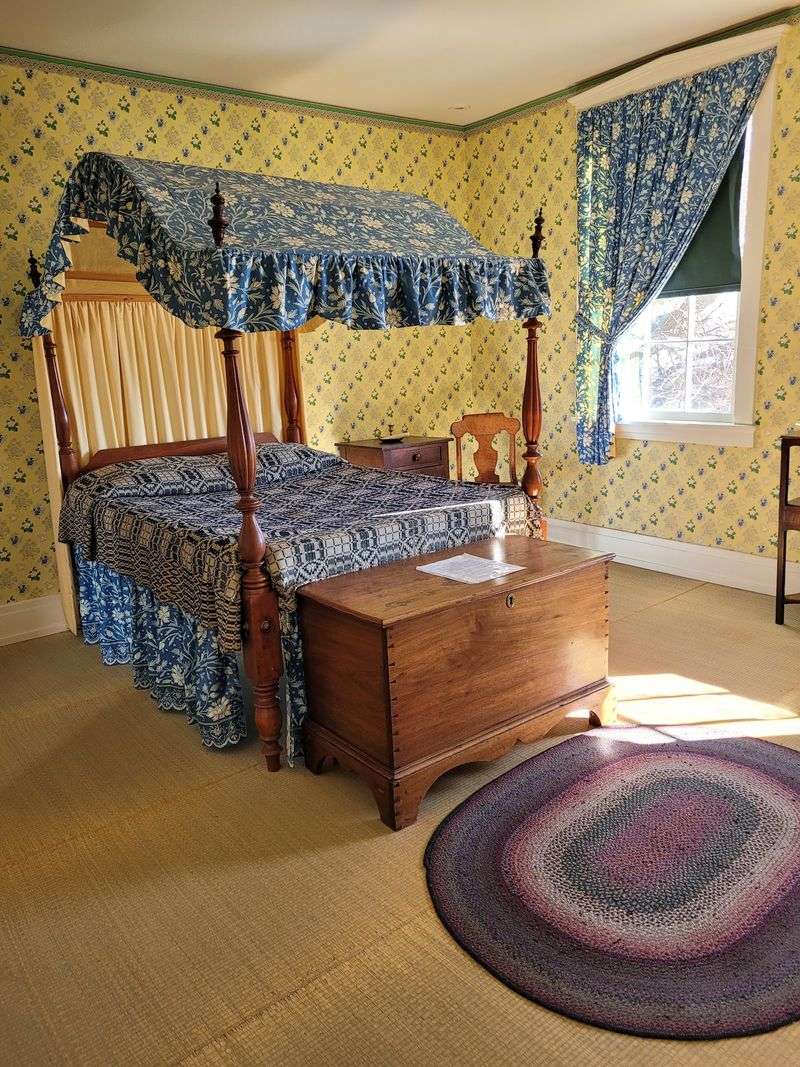
Restoration work brought this home back to life. The Friends of Dr. Richard Eells House led the effort to preserve its historic character.
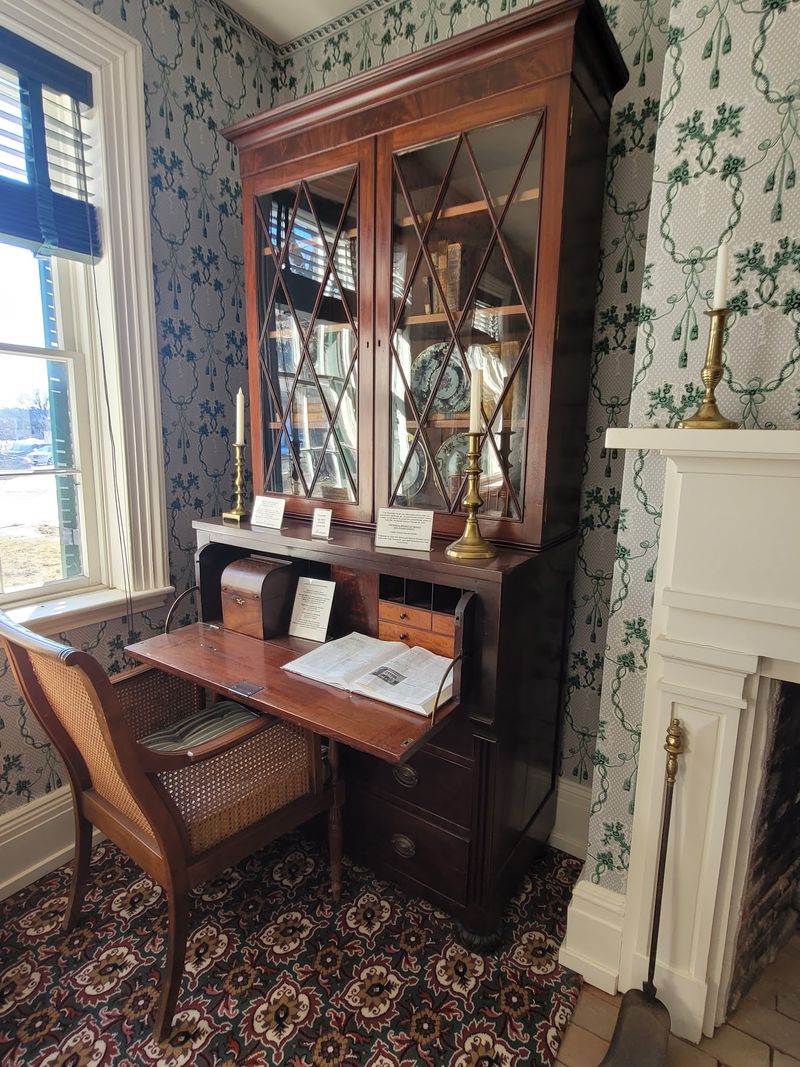
Inside, rooms feature period furnishings and fixtures. They help you picture daily life when the Eells family lived and worked here.
That setting matters more than you might expect. Standing in an actual 1830s home makes the history feel personal instead of distant.
Kids especially tend to connect with real rooms and real objects. A home is something everyone understands, no matter their age.
The restored spaces also show how ordinary this house was in its day. Ordinary people, in ordinary rooms, made extraordinary choices.
I like how the museum lets the house speak for itself. No flashy add-ons are needed when the walls already hold such a powerful story.
It’s the kind of place where you’ll naturally slow down. Every room invites you to imagine the people who once moved through it.
For families who love old-fashioned charm, the interior delivers a genuine glimpse of early Illinois life. It feels authentic because it is.
Exhibits And A Video That Fill In The Bigger Picture
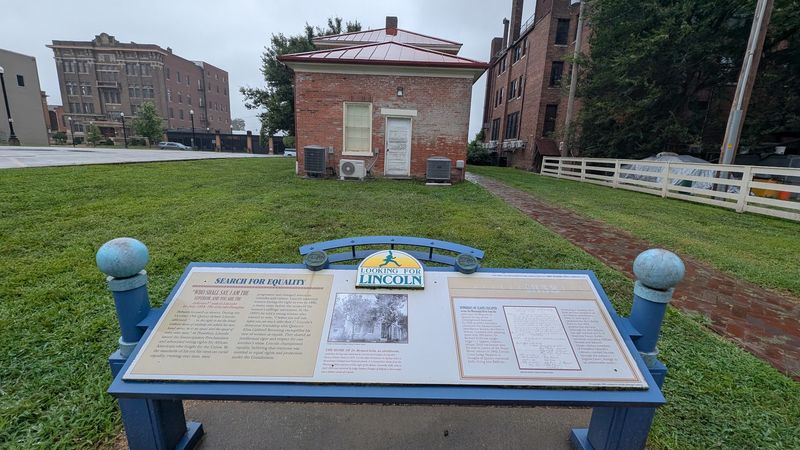
Stories of escape take center stage in the museum’s galleries. Exhibits explore the courageous attempts enslaved people made to reach freedom.
Other displays focus on the abolitionists who risked their safety to help. Together, they show both sides of the network’s teamwork.
A video presentation adds helpful historical context. It’s a smart starting point if your group wants the full background first.
The museum has earned praise for its strong presentation of Dr. Eells’s work. Many describe it as a fascinating look at important chapters of American history.
That’s a lot of meaning packed into one modest house. Even a short visit can leave you with plenty to talk about on the drive home.
I think the mix of rooms, exhibits, and video works well for different learners. Some kids love reading panels, while others need to see and hear the story.
Parents and grandparents will appreciate how the museum handles a serious topic. It honors real people and real courage in a clear, respectful way.
Bring questions, because this history sparks them fast.
Saturday Afternoons Are Your Golden Window
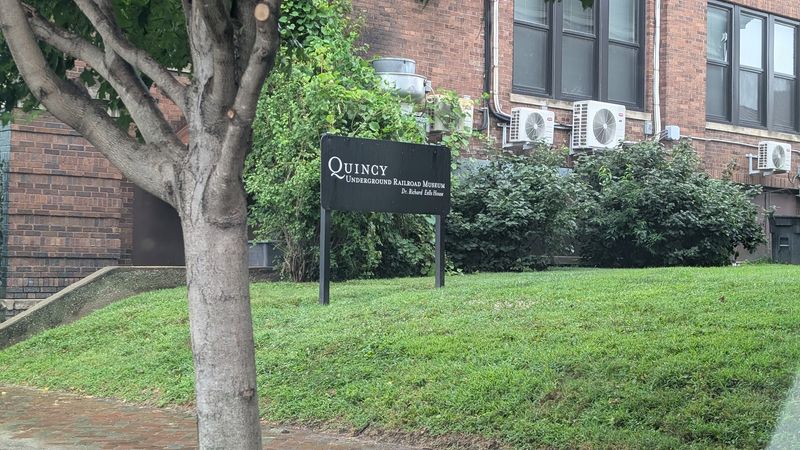
Timing is everything with this stop. Public tours run on Saturdays from April through November, typically from 1 to 4 p.m.
The rest of the week, the doors stay closed to walk-in visitors. Some travelers have arrived to find it locked, so plan carefully.
Calling ahead before a long drive is a smart move. Hours at small volunteer-run museums can occasionally shift.
Groups have another option. Private tours can be arranged year-round by appointment.
Admission works on a suggested donation basis. That keeps the visit budget-friendly while helping fund preservation of the house.
School groups, sixth grade and up, can even visit for free. That’s a wonderful deal for teachers planning a meaningful field trip.
You’ll find the museum at 415 Jersey St, Quincy, IL 62301. It’s an easy stop to pair with lunch downtown or a riverfront stroll.
I love that history this important is so affordable to experience. For Illinois families watching their spending, this outing costs little and offers a lot.
More Quincy History Waiting Just Around The Corner
Quincy rewards anyone who sticks around after the tour. The city is packed with history and handsome architecture dating back to the 1830s.
The John Wood Mansion was home to Quincy’s founder. It’s a natural next stop for anyone who enjoyed the Eells House.
The History Museum on the Square offers even more local stories. It helps connect the dots of how this river town grew.
Then there’s the Lincoln-Douglas Debate Museum. It honors the famous 1858 debate that took place right here in Quincy.
Since Judge Douglas heard the Eells case, that pairing feels especially fitting. You get two chapters of the same larger story in one day.
Parks and riverfront views round out the outing nicely. They give kids a chance to stretch their legs between museums.
I can easily see this becoming a full Saturday adventure. Pick a couple of stops, enjoy the river, and head home with plenty to share.
Quincy makes a great western Illinois day trip without a hefty price tag.
Why This Little House Deserves A Spot On Your List
Courage doesn’t always live in grand buildings. Sometimes it lives behind a plain back door on Jersey Street.
The Quincy Underground Railroad Museum: Dr Richard Eells House tells that story with honesty and heart. It turns a page of history into a place you can actually visit.
Families will find real value here. Kids can learn about bravery, fairness, and doing the right thing when it’s hard.
Grandparents will appreciate the old-fashioned feel of a restored 1835 home. Everyone leaves with a story worth retelling.
The suggested donation keeps the visit friendly on the wallet. Just remember those Saturday afternoon hours from April through November.
I believe Illinois has plenty of places that deserve more attention, and this is one of them. It’s small, humble, and absolutely unforgettable in meaning.
Pair it with Quincy’s other museums and the river views for a full day. You’ll be surprised how much history fits into one western Illinois town.
Some outings fill an afternoon. This one might stay with your family much longer.