
This River Town Was Named Illinois’ Poorest, But Locals Say Its Charm Is Priceless
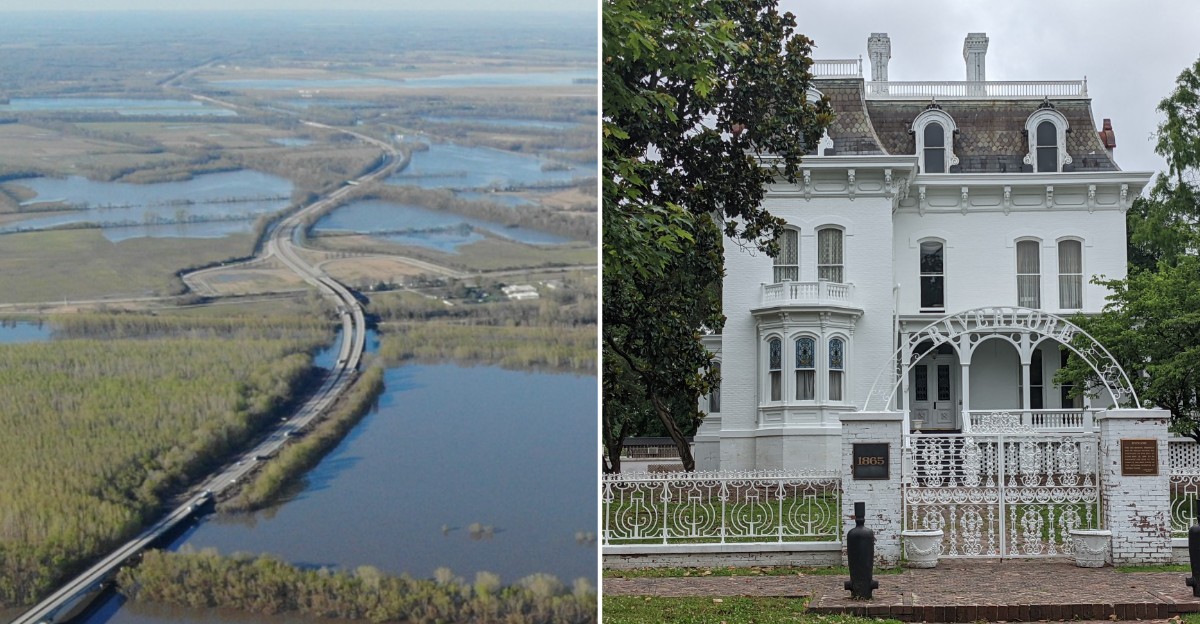
Two of North America’s biggest rivers meet at the bottom of Illinois, and a whole town sits behind levees to watch it happen. That alone made me stop scrolling.
This spot holds the lowest elevation in the state. It’s also the only Illinois city completely surrounded by levees, which feels like a bathtub with a view.
The town once bustled as a steamboat port and a Union stronghold. Grand old mansions still line its streets, and a Civil War-era customs building still stands downtown.
Yes, it has landed on lists as one of the poorest places in Illinois. I believe that’s exactly why it deserves a closer look.
How many towns can claim this much history and this much river on a budget-friendly day trip?
The Spot Where Illinois Simply Runs Out Of Land
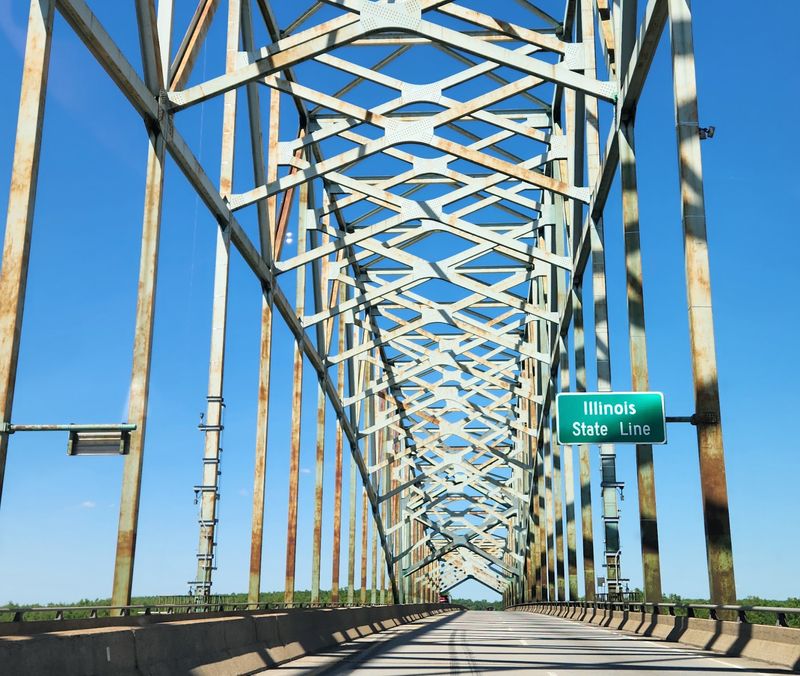
Keep driving south through Illinois and eventually the map just stops. That’s where you’ll find Cairo, the southernmost city in the entire state.
Cairo serves as the county seat of Alexander County. It sits on a narrow point of land squeezed between the Mississippi River and the Ohio River.
Locals pronounce it KAY-roh, not like the city in Egypt. Say it the other way and you’ll sound like a tourist before you even park.
The geography here is genuinely unusual. Cairo has the lowest elevation of any location in Illinois, which explains a lot about how the town was built.
It’s also the only city in Illinois completely surrounded by levees. Think of it as a town wearing a protective earthen ring around its whole body.
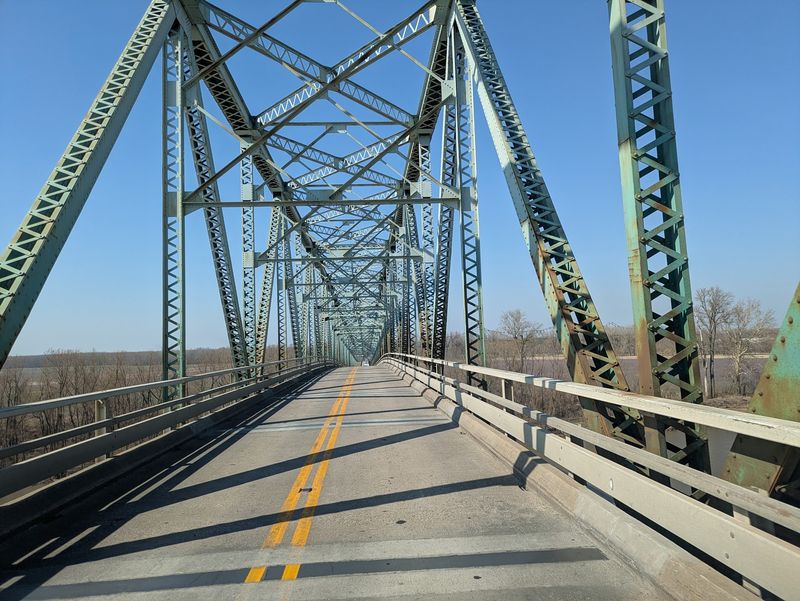
Bridges link the area to both Kentucky and Missouri. So you can stand in one state and see two others without much effort.
That mix of rivers, levees, and borders gives Cairo a feel unlike anywhere else in Illinois. It’s quiet, a little faded, and full of stories waiting to be noticed.
Not bad for a place many folks only know from a headline.
Two Rivers Meeting In A Swirl Of Brown And Green
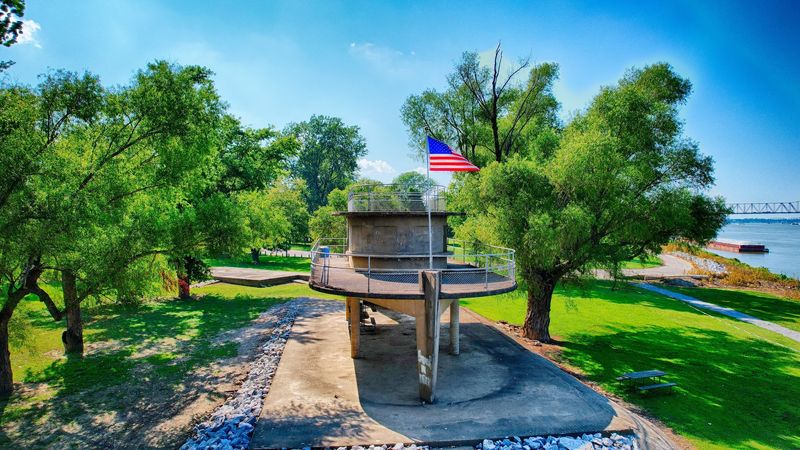
Few sights in the Midwest feel this big. At Cairo, the Ohio River pours into the Mississippi River, and you can watch it happen.
The two rivers often carry different colors of water. One looks muddier and browner, while the other appears greener, and they blend slowly downstream.
Fort Defiance Park sits right at the junction. It’s the best place in town to soak up the full scale of these two massive waterways.
The view is wide and open. On a clear day, the sky seems to stretch forever over the moving water.
I like how a stop here costs nothing at all. Families can pack a lunch, stretch their legs, and point out where Kentucky and Missouri begin.
Kids usually love the idea of seeing two famous rivers become one. It’s a geography lesson that actually sticks, because they saw it with their own eyes.
Bring binoculars if you have them. Barges and river traffic add another layer of fun to the scene.
Standing at the tip of Illinois, it’s easy to see why so many people once wanted to control this exact patch of ground.
Grant’s Old River Base Still Tells Its Story
General Ulysses S. Grant once ran operations from this small river town.
That’s not trivia most people expect from a quick drive through southern Illinois.
During the Civil War, Cairo became a key Union stronghold. Its location gave the North control over two vital river routes at once.
The town also served as a base for the Union’s Mississippi River Squadron. Boats, soldiers, and supplies moved through here during those years.
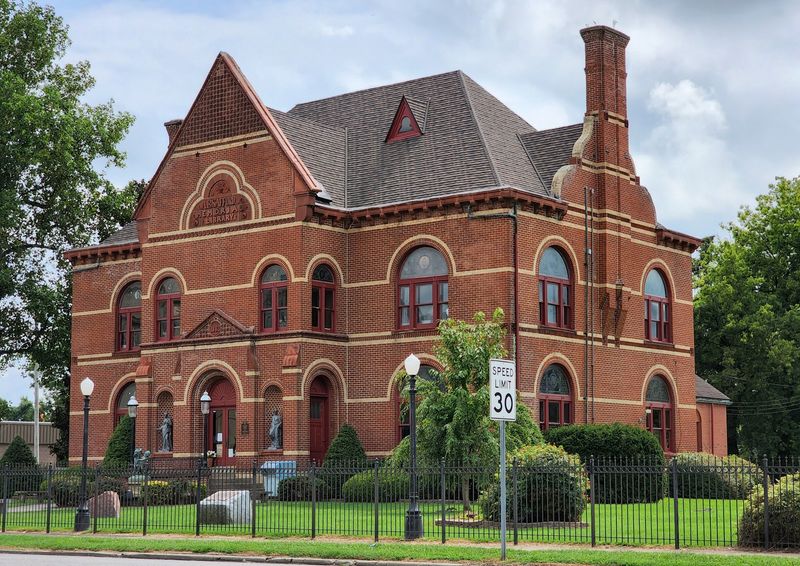
Today, the Cairo Custom House Museum keeps that chapter alive. The historic building houses artifacts and documents connected to the city’s Civil War era.
History buffs will find plenty to study. Even casual visitors can get a solid sense of how important this spot once was to the nation.
The building itself is worth a long look. Its old-world stonework feels grand compared to the quiet streets around it.
Hours can be limited at small museums like this one. Check ahead before you make the drive so you don’t end up admiring only the outside.
Either way, it’s a fine reminder that Cairo once held a seat at the biggest table in American history.
Mansions That Remember When Money Flowed Like The River
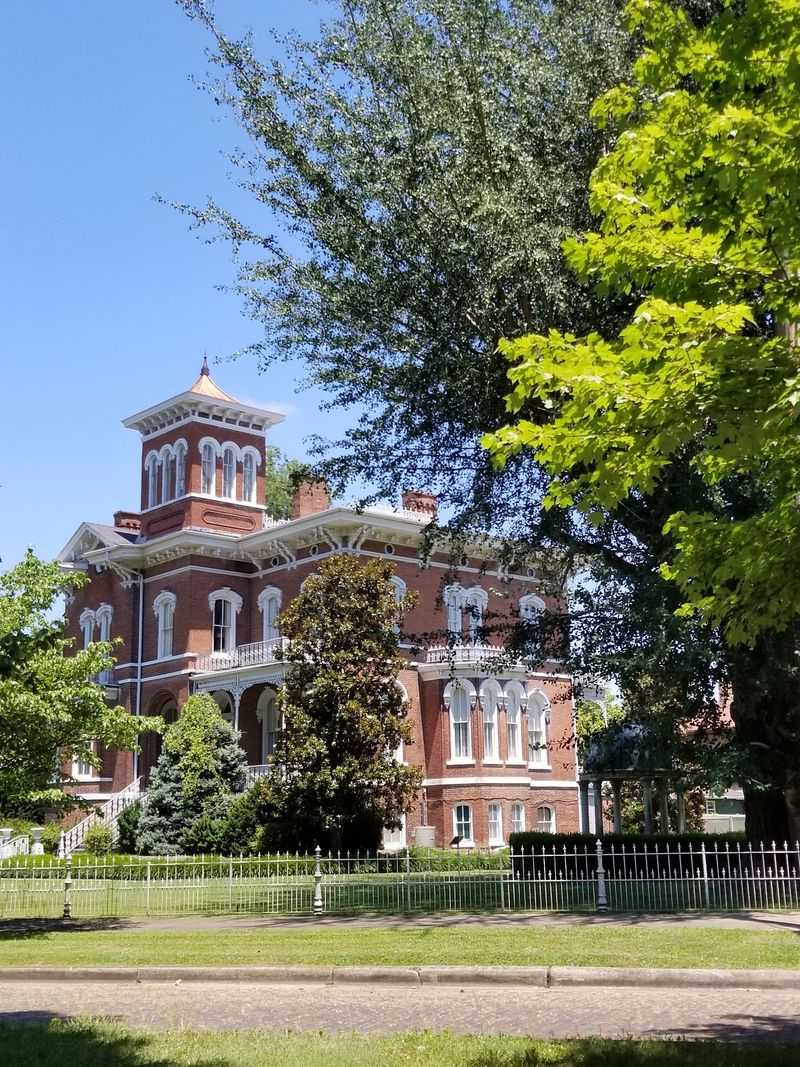
Back when steamboats ruled, Cairo had big dreams and the bank accounts to match. One stretch of town earned the nickname Millionaire’s Row.
Wealthy residents built grand homes along those streets during the 1800s. Many still stand today and show off serious architectural ambition.
The Cairo Historic District is listed on the National Register of Historic Places. It protects a mix of styles, including Italianate, Victorian, and Queen Anne designs.
Driving slowly through the district feels like flipping through an old photo album. Tall windows, decorative trim, and broad porches pop up block after block.
Some buildings show their age, and that’s part of the charm. You can almost picture the busy port days that paid for all this detail.
A self-guided drive or stroll costs nothing. That makes it an easy add-on for families keeping a close eye on the day-trip budget.
Grandparents especially may enjoy pointing out the old craftsmanship. It’s the kind of building work rarely seen in newer neighborhoods.
Bring a camera and take your time. Every street seems to hide another doorway or turret worth a second glance.
Five Stories Of Italianate Grandeur At Magnolia Manor
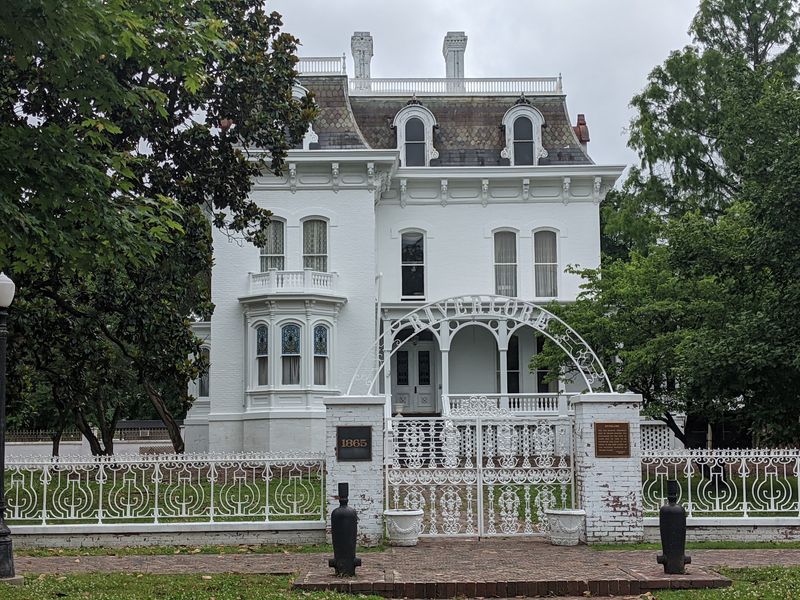
Red brick, five stories, and a whole lot of swagger. Magnolia Manor might be the most eye-catching home in Cairo.
The Italianate mansion was completed around 1872. It stands as one of the clearest reminders of how well some families lived during the river town’s peak.
The house has operated as a period house museum. Inside, visitors can tour rooms that reflect the lifestyle of that earlier era.
Even from the sidewalk, the scale is impressive. The tall frame and classic details make modern houses look a bit shy.
I can’t imagine keeping all those rooms dusted. Then again, the original owners probably weren’t the ones holding the feather duster.
Tour availability may change by season, so confirm before planning your day around it. Small historic sites often run on limited schedules and volunteer help.
If the doors are open, take the tour. Seeing the inside adds a personal side to the grand facades along nearby streets.
Kids may enjoy guessing how people lived without modern gadgets. It turns a history stop into a fun conversation for the ride home.
A Riverside Path Toward Freedom
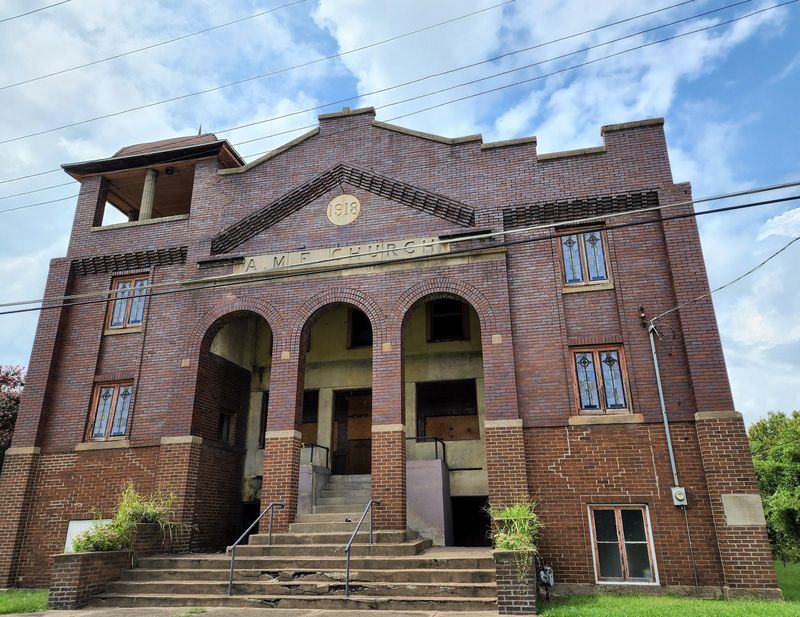
For many people escaping slavery, Cairo meant something huge. It sat right at the edge of free territory in Illinois.
The city played a meaningful role in the Underground Railroad. Its river location made it an important stop for those seeking a way north.
Around 1862, a contraband camp was established in Cairo. It offered shelter and support to people who had fled enslavement during the Civil War.
That chapter adds real depth to any visit. Cairo isn’t only about generals and mansions, it’s also about everyday courage.
The city’s role is recognized as part of Illinois’ Black heritage history. It’s a powerful reason to slow down and read the markers you pass.
Parents might find this a good moment for meaningful talks with older kids. History hits differently when you’re standing where it happened.
Pair this stop with the confluence view nearby. The same rivers that carried steamboats also carried hope for thousands of families.
It’s a quieter part of Cairo’s story. Still, it may be the one that stays with you longest after you leave.
Wild Wetlands And Winter Eagles Just Up The Road

Bald eagles love this corner of Illinois in winter. Birdwatchers often scan the rivers around Cairo for those famous white heads.
The natural setting stretches well beyond the confluence. Southern Illinois offers swamps, forests, and lakes within a short drive.
Horseshoe Lake State Fish and Wildlife Area sits close by. Its quiet waters make a peaceful break from all that history downtown.
The Cache River wetlands are recognized as a Wetland of International Importance. That’s a big title for a spot most Illinois families have never heard about.
Portions of the Shawnee National Forest are also within reach. Hiking trails, overlooks, and wide green spaces wait for anyone who wants more outdoor time.
Many of these natural areas cost little or nothing to visit. That keeps the whole outing friendly for families watching their spending.
Winter trips bring eagle chances, while warmer months bring greener scenery. Either season gives you a reason to linger.
Pack layers, snacks, and patience. Nature here works on its own schedule, and the payoff is worth the wait.
Small-Town Pride That Refuses To Fade
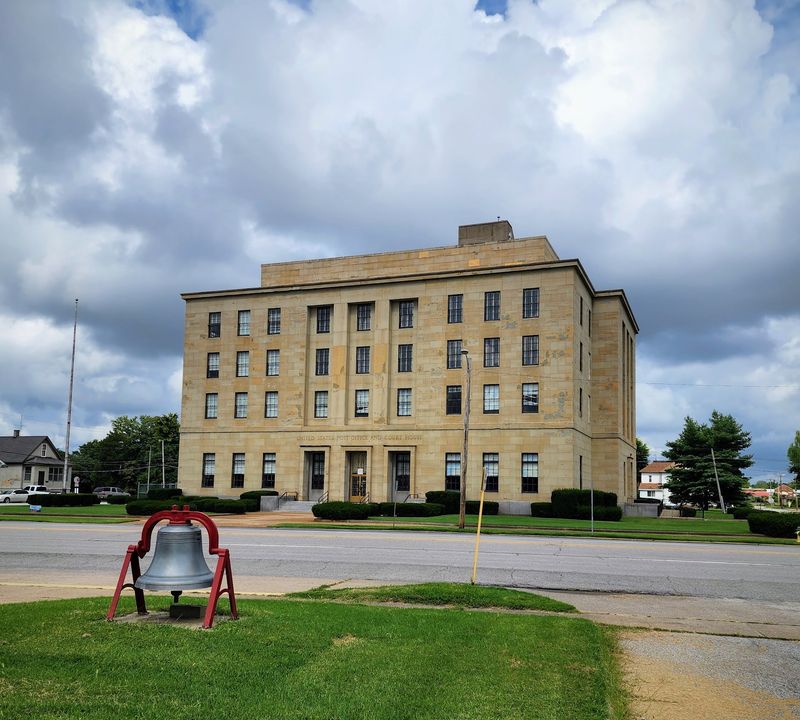
Numbers tell one story about Cairo. The town’s spirit tells another one entirely.
Cairo’s population has dropped sharply since its peak around 1920. Economic struggles earned it a spot on lists of the poorest places in Illinois.
Still, residents haven’t given up on their hometown. Efforts to preserve and revitalize its heritage continue in this river community.
Food traditions help hold things together too. Shemwell’s has been serving barbecue in Cairo since the 1960s, making it a long-running local favorite.
A town with a barbecue spot that old clearly has loyal folks. That kind of staying power says a lot about community roots.
The streets are quiet compared to their busy past. Some buildings sit empty, yet others show signs of care and pride.
Visiting here means supporting a place that’s working hard to be seen. Spending a few dollars locally can matter more than you’d guess.
I like how Cairo doesn’t pretend to be something it isn’t. Honest, humble, and full of history feels refreshing in a world of polished tourist traps.
Your Easy Plan For A Day At The Bottom Of Illinois
Plan for a full day, because Cairo rewards slow wandering. Set your GPS for Cairo Precinct, IL 62914, and follow the roads south.
Parts of the Mississippi River scenic route lead toward town. Those stretches make the drive itself part of the fun.
Start at Fort Defiance Park for the river view. Then head into town for the historic district and the old mansions.
Add the Cairo Custom House Museum and Magnolia Manor if they’re open. Confirm schedules first, since small sites keep limited hours.
Grab a casual meal at a local spot like Shemwell’s. Supporting a decades-old business fits the spirit of the trip perfectly.
Save time for Horseshoe Lake if the kids still have energy. It’s an easy add-on before heading home.
Most of these stops cost little or nothing. That makes Cairo a smart pick for Illinois families who want history without a big bill.
Is it flashy? Not really.
Yet a town where two great rivers meet, with this much story packed behind its levees, feels pretty priceless to me.