
This Rugged Michigan Park Might Be Your Best Shot At Seeing A Moose In The Wild
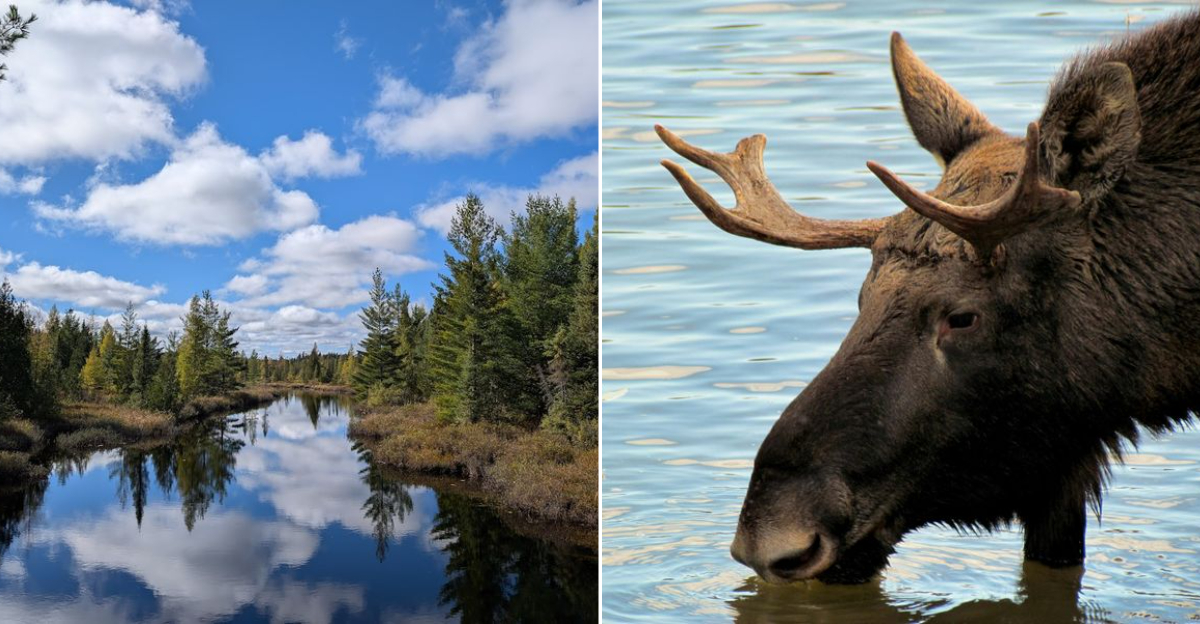
Moose do not appear on command, which feels rude until you remember this remote Upper Peninsula park is not a petting zoo with better trees.
Getting here already edits your attitude: rough roads, quiet water, dark marsh edges, and enough distance from easy tourism to make every sound feel important. Near Champion, the landscape asks you to slow down before it offers anything back.
For patient Michigan travelers, this wild U.P. escape rewards early starts, marsh watching, remote lakes, rough-road planning, and the rare thrill of searching for moose on their terms.
Dawn and dusk matter, not because nature read your itinerary, but because animals prefer the hours when humans are less annoying. Bring binoculars, bug spray, food, and humility.
Watch shorelines, scan wetlands, and keep your distance if luck finally steps into view. The point is not just seeing a moose. It is learning to look properly.
Take The Road In Seriously
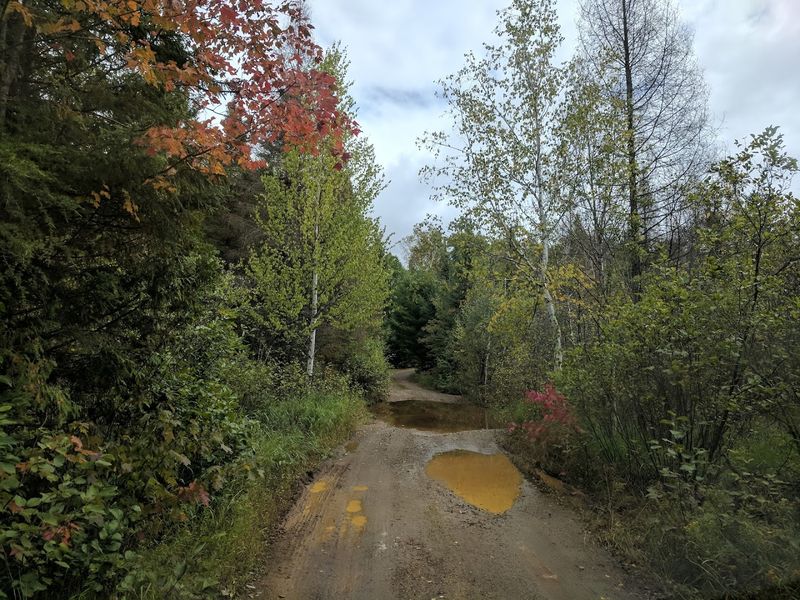
The first tip is not glamorous, but it may decide whether your day even begins. Craig Lake State Park is widely described as Michigan’s most remote state park, and the access road has a reputation for rocks, ruts, and slow going.
A high-clearance vehicle with four-wheel drive is strongly recommended, and that advice reads less like cautionary theater once you are bouncing along the approach.
Getting in safely matters because rushed visitors rarely become observant visitors. If you are tense about your tires, you will not notice movement at a wetland edge or fresh tracks near a crossing.
Plan extra time, drive slowly, and treat the road as part of the outing rather than an obstacle before the real thing starts.
Where The Pavement Starts Losing Interest
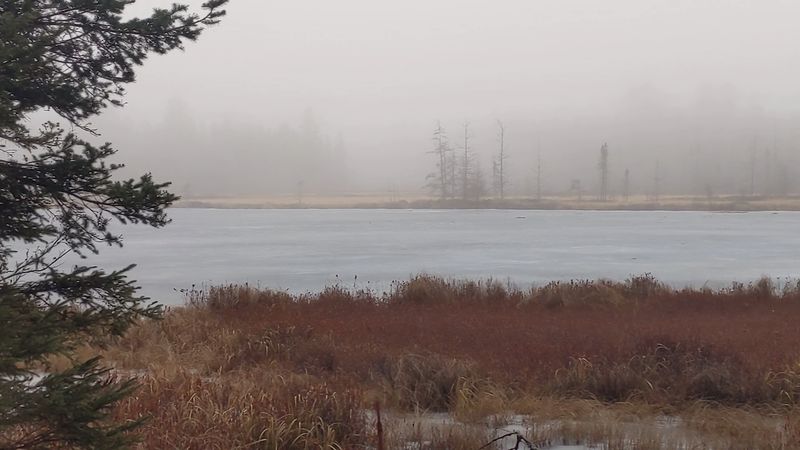
Craig Lake State Park, 851 County Road AKE, Champion, Michigan 49814, is not the kind of place you stumble into by accident, which is part of the appeal.
The road in feels remote, wooded, and increasingly committed. Give yourself time, expect a quieter Upper Peninsula drive, and do not treat this like a quick roadside stop.
Once you arrive, slow everything down. Park, step into the stillness, and let the distance you traveled become part of why the park feels so wild.
Watch The Water, Not Just The Trail
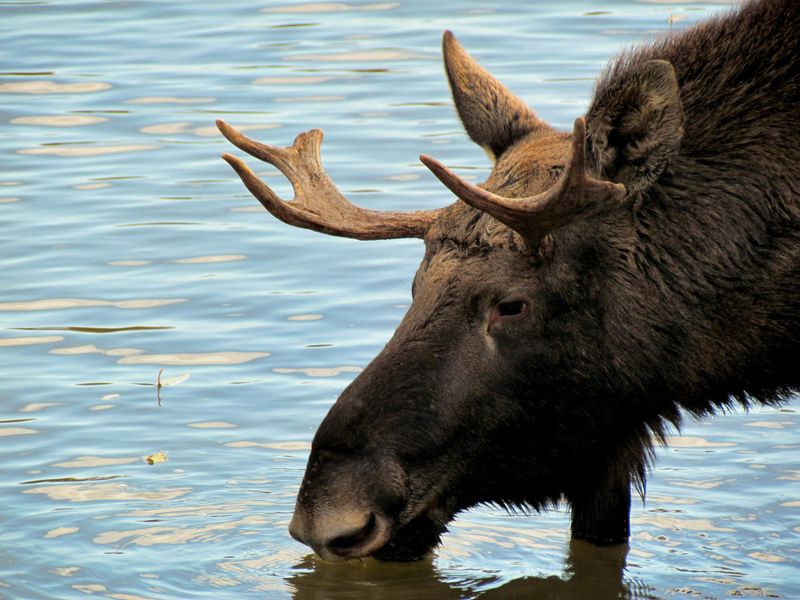
The park’s lakes, streams, swamps, and beaver ponds are not just scenic extras. Moose frequently use aquatic areas for feeding and cooling, so shorelines and wet edges deserve far more attention than a quick glance while you keep marching.
At Craig Lake, the water often holds the most interesting silence, the kind that feels occupied even before you see why.
Pause at lake margins, scan coves, and look across marsh vegetation rather than directly down at your boots. A moose can seem impossibly large once spotted, yet surprisingly easy to miss when it stands half-hidden among alders and reflected shadows.
Move slowly enough that the landscape has time to reveal its shape, including the shapes that are not trees.
Check Young Forest And Clear Cuts
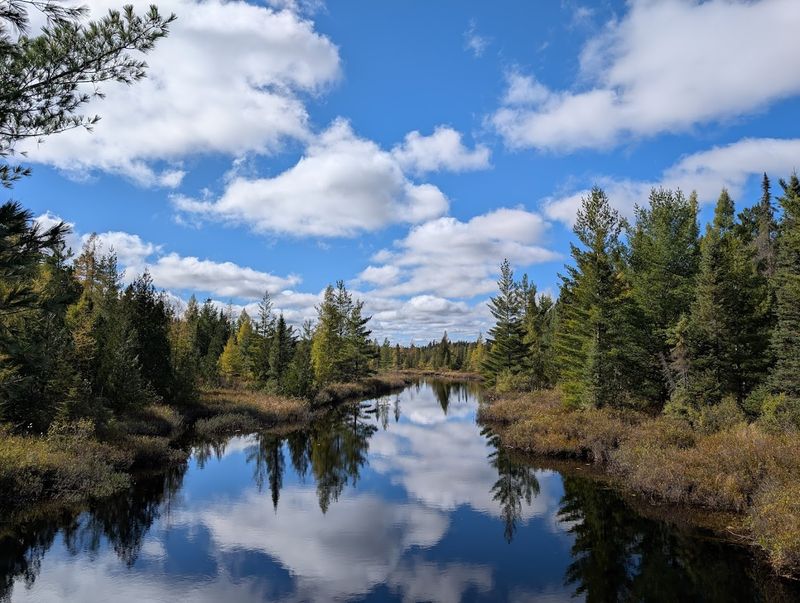
Not every promising place looks dramatic. Moose also browse in early successional habitat, including newer clear cuts and areas with young aspen or red maple shoots, and that means some of the best viewing ground can appear scruffier than the postcard sections.
At Craig Lake, tidy beauty is not always the clue you want.
Look for transitions where wet ground, brushy regrowth, and forest edge meet. Those mixed habitats offer food and cover, and they reward the kind of scanning that is more deliberate than casual hiking usually allows.
If a clearing seems plain at first, stay a minute longer than feels necessary, because moose country often announces itself through subtle browsing sign before any actual animal appears.
Match Your Season To Moose Behavior
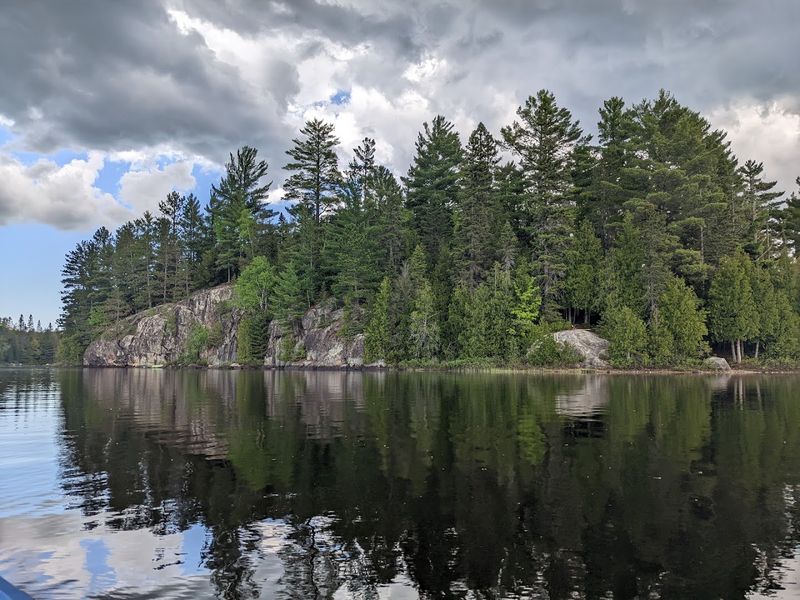
Season changes the whole conversation. Spring, summer, and fall are the main windows for seeing moose within the park, while vehicle access is generally impassable from November to mid-May, so timing your trip is part wildlife strategy and part plain logistics.
Spring brings fresh shoots near waterways, and fall can make bulls more visible during the rut in September and October.
Each season has its own mood, too. Spring feels tentative and watchful, summer lush and insect-busy, fall sharper and more legible, as if the land has underlined its edges for you.
If your goal is spotting a moose rather than simply visiting the park, build your calendar around those natural rhythms, not just your free weekend.
Keep A Generous Distance
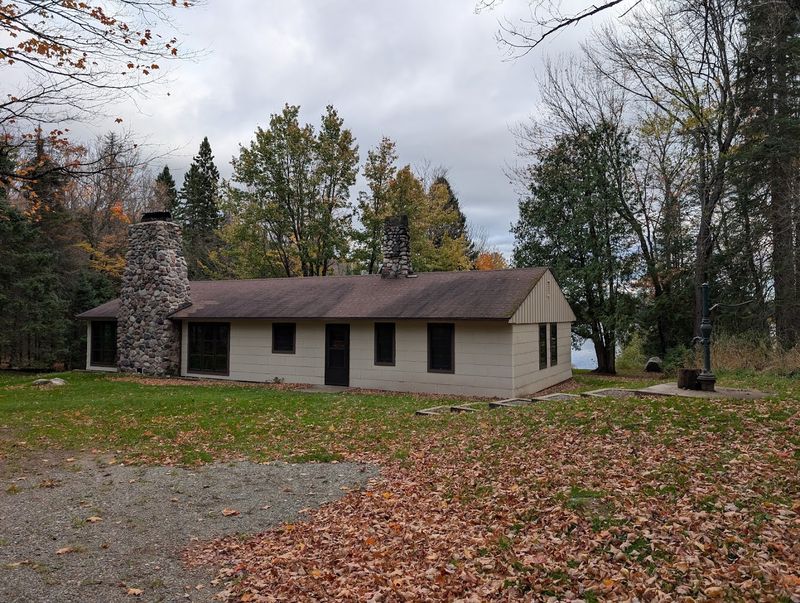
A moose can look calm and still, which is exactly why people sometimes misread them. They are large, fast, and unpredictable, and cows with calves or bulls during the fall rut deserve especially wide space.
Craig Lake’s remoteness makes good judgment even more important, because help is not close and cell coverage is often limited to nonexistent.
Bring binoculars or a camera with a telephoto lens so distance does not feel like deprivation. In a place like this, seeing well from far away is part of respecting the animal and the setting.
If a moose changes posture, stares, or seems aware of you in a tense way, that is your cue to back off, quietly and without debate.
Expect Silence, Not Cell Service
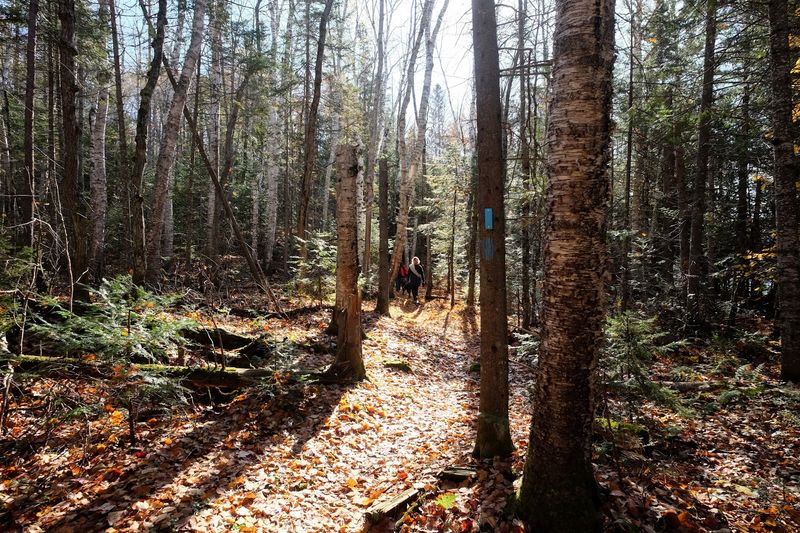
One of the strangest luxuries here is being hard to reach. Cell phone coverage in Craig Lake State Park is limited to nonexistent, which means navigation, communication, and timing should be sorted out before you disappear into the woods.
That may sound inconvenient, yet it also sharpens the visit in a useful way.
Download maps ahead of time, tell someone your plan, and do not assume you can improvise your way out of trouble with a quick signal bar. I found that the lack of service changed my pace more than expected; every stop felt more deliberate, every decision a little cleaner.
In moose country, that kind of attentiveness is not rustic romance, just practical common sense.
Ask About Current Road And Trail Conditions
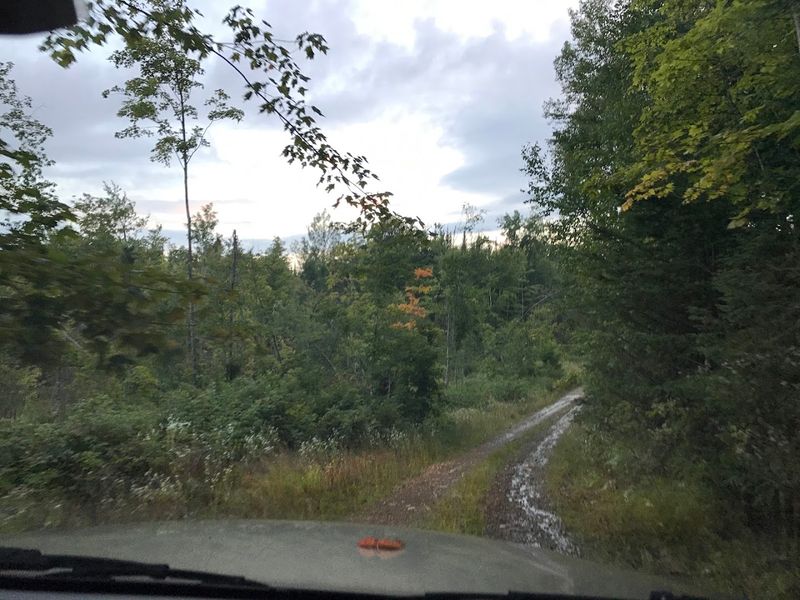
Conditions here are not static, and pretending otherwise is a good way to waste precious quiet hours. Roads can be rough, seasonal access changes matter, and suggested viewing routes may shift with weather or maintenance, so checking official park information before you go is more than bureaucratic tidiness.
The Michigan DNR page and park contacts are there for a reason.
This is especially important because the park covers a large, remote area with multiple lakes and rustic access points. If a road is slower than expected, your dawn plan can evaporate before you reach the water.
A quick conditions check helps you protect the hours when moose are most active, which is a much better use of effort than heroic but preventable inconvenience.
Slow Down Enough To Notice Sign
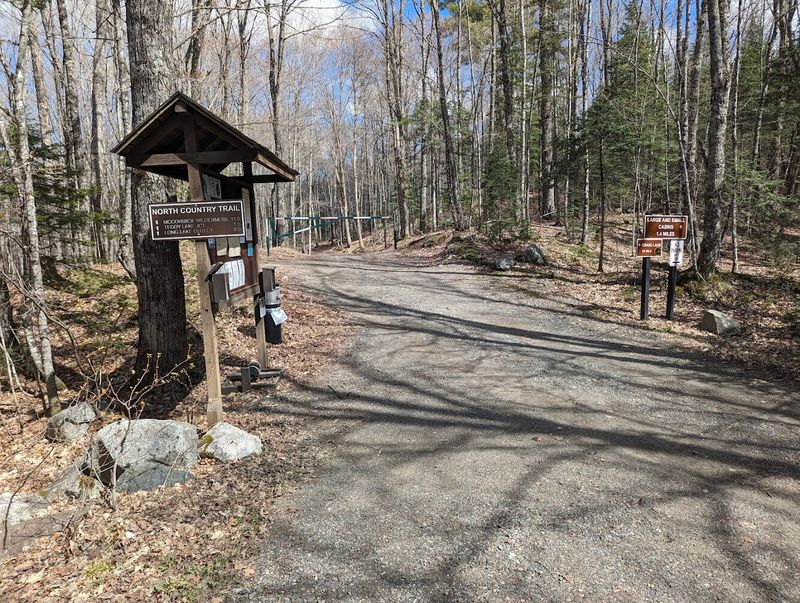
Actual sightings are rare enough that clues matter. Tracks in mud, stripped twigs, fresh droppings, and browse lines on young growth can tell you a moose has been using an area, even if the animal itself stays hidden in timber or wet cover.
At Craig Lake, those signs often feel like the park teaching you its grammar before allowing a full sentence.
Do not power through promising habitat with your head full of destination thinking. Pause at muddy edges, look at low branches, and notice whether a place feels recently used rather than merely beautiful.
That habit will not guarantee success, but it does turn the search into something richer than a lucky accident, and it helps you focus future scans where they actually make ecological sense.
Be Ready For A Wait
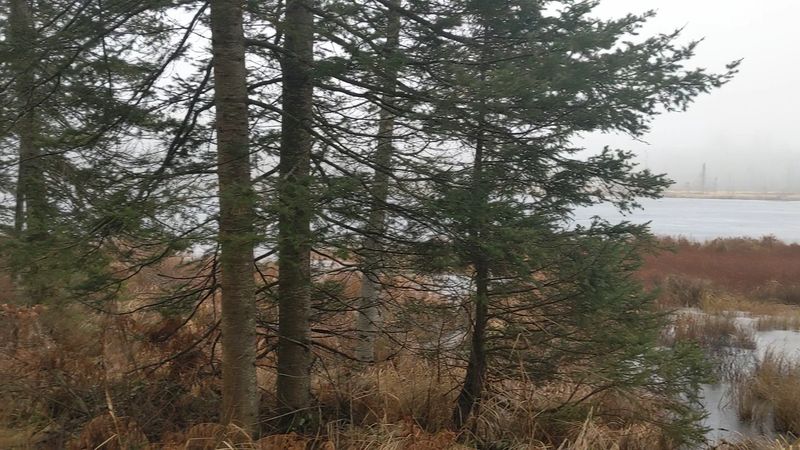
Moose watching here is not a scavenger hunt with efficient clues. It is mostly a lesson in waiting without fidgeting, letting a wetland settle around you until movement separates itself from reeds, shadow, and reflected sky.
Craig Lake rewards people who can stand still long enough for the place to stop treating them like a disturbance.
Bring the camera, yes, but bring the temperament that deserves to use it. A telephoto lens helps if something appears across a pond or along a distant edge, yet patience matters more than equipment when the park feels empty for an hour and then suddenly does not.
If you stay gentle with your expectations, the search itself becomes one of the best parts of the day.
Treat The Whole Park Like Habitat
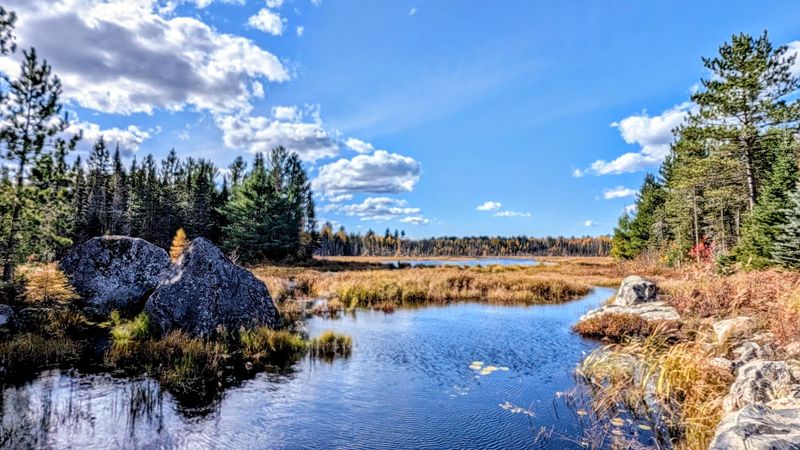
The final tip is really a mindset correction. Craig Lake State Park is not one lookout, one loop, or one guaranteed wildlife corner; it is more than 9,700 remote acres spread across lakes, wetlands, woods, and trails, including access to the North Country Trail.
Moose can move through this mosaic in ways that do not respect your neat itinerary.
That is why the best approach is broad attention rather than fixation on a single famous spot. Watch crossings, shorelines, brushy edges, and quiet stretches between destinations, because wildlife often appears in the supposedly in-between parts.
If you come here willing to read the entire landscape, not just chase a moment, you give yourself the best possible chance of earning one.