
This Sacred Michigan Sandstone Site Preserves Ancient Ojibwa Symbols
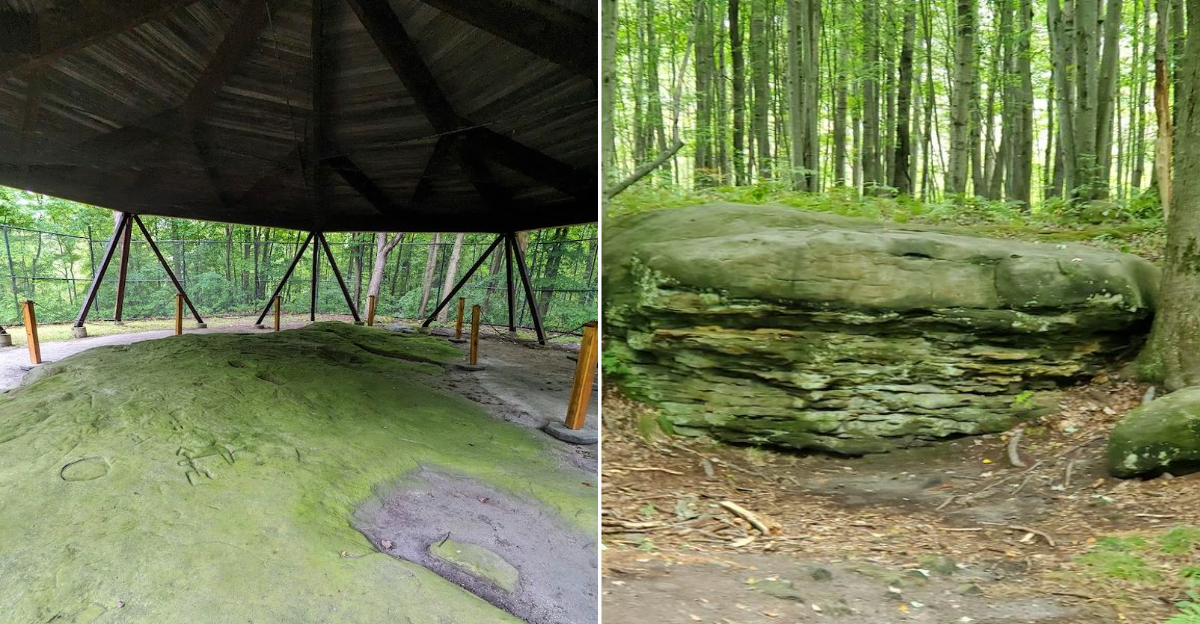
The Thumb of Michigan is usually synonymous with farm fields and flat horizons, but there is a structural glitch in the landscape where the ground starts speaking in a language centuries old.
This isn’t a flashy, neon-lit attraction; it’s a modest patch of timber and riverbank that guards an outcrop of ancient sandstone.
I stepped under the pavilion and felt the modern world simply retract. These “carvings” are a living, breathing conversation left behind by the Anishinaabe, preserved in plain sight yet vibrating with a quiet, sacred energy.
You pull into a dirt lot expecting a quick leg-stretch and instead find yourself standing on the edge of a profound historical mystery.
Explore ancient Native American history at this sacred sandstone site, featuring the only prehistoric rock carvings in Michigan and peaceful hiking trails through the Thumb. It’s a place that demands you drop the traveler’s ego, check your watch at the trailhead, and actually listen to the silence between the pines.
Start With The Rock, Not The Trail
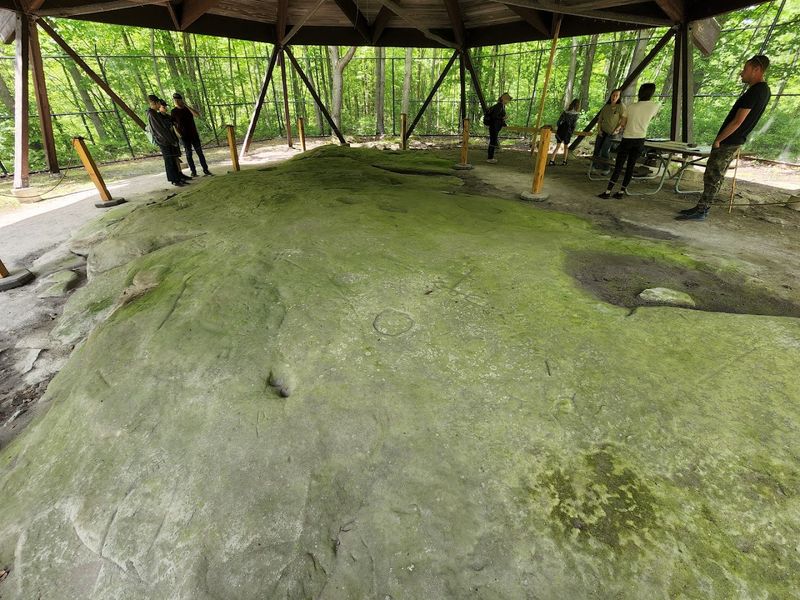
The main sandstone slab deserves your freshest attention, before your mind fills with trail details and picnic logistics. Under the protective pavilion, the carvings appear lower and subtler than many people expect, which is exactly why the first few minutes matter.
Let your eyes adjust slowly instead of rushing for a quick look. These petroglyphs are widely recognized as Michigan’s only known prehistoric rock carvings, etched into soft Marshall sandstone centuries ago. Dates commonly cited place them roughly 300 to 1,400 years old.
That span alone changes the mood of the visit. When you begin here, the rest of the park makes more sense. The forest becomes context, the river becomes history, and the hush around the enclosure feels earned rather than theatrical.
Taking The Journey
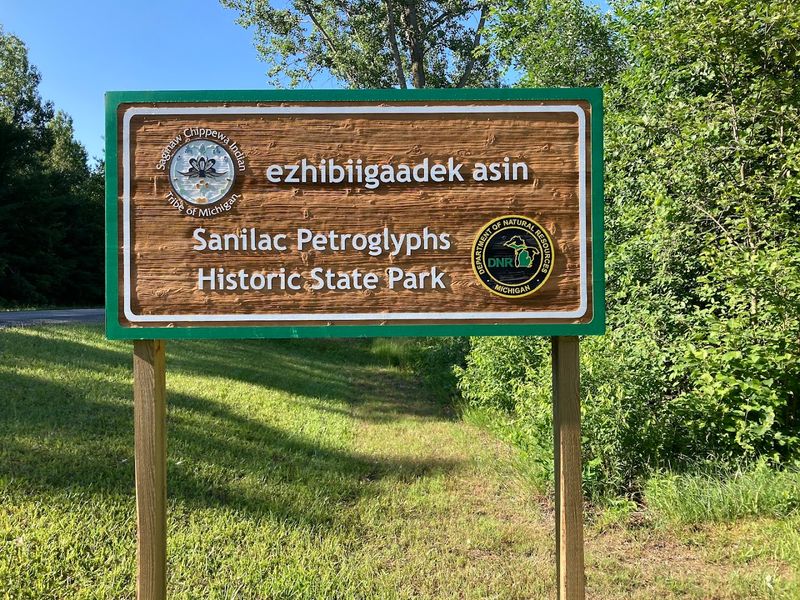
The journey to Sanilac Petroglyphs Historic State Park at 8251 S Germania Rd, Cass City, MI 48726 leads you deep into the agricultural heart of Michigan’s Thumb region.
As you veer off the main regional arteries, the paved roads transition into quiet, gravel-dusted country lanes that feel increasingly isolated. The atmosphere shifts from the open exposure of the farmland to a more sheltered, primitive environment as the road begins to border the dense, swampy woodlands of the Cass River floodplain.
The final arrival is marked by a modest gravel turnout and a simple timber gate tucked away from the road. Stepping out of the vehicle and onto the pine-needle paths, the transition from the modern agricultural grid to a sacred, ancient site carved into the bedrock marks the end of your trek into the forest.
Expect Subtlety, Not Spectacle
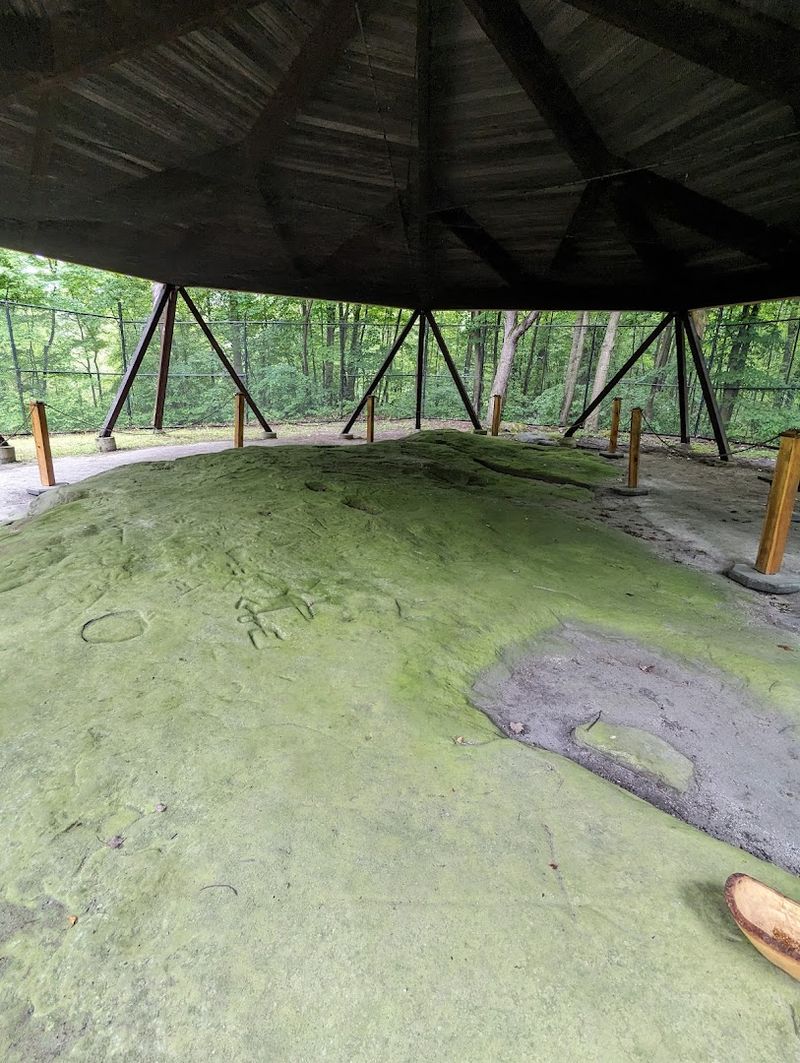
The strangest thing here is how easily significance can wear the costume of understatement. These carvings do not leap off the stone like a bold museum display. They ask for concentration, side lighting, and the willingness to accept that ancient knowledge may arrive as faint lines instead of dramatic revelation.
Some figures are easier to make out than others because soft sandstone erodes, and the site also suffered vandalism before stronger protection measures were in place. Preservation now shapes the experience as much as interpretation does. You are seeing something valuable and vulnerable at once.
I liked that tension more than I expected. It turns the act of looking into a form of respect, which feels appropriate at a sacred site still carrying cultural meaning.
Pay Attention To The Anishinaabe Meaning
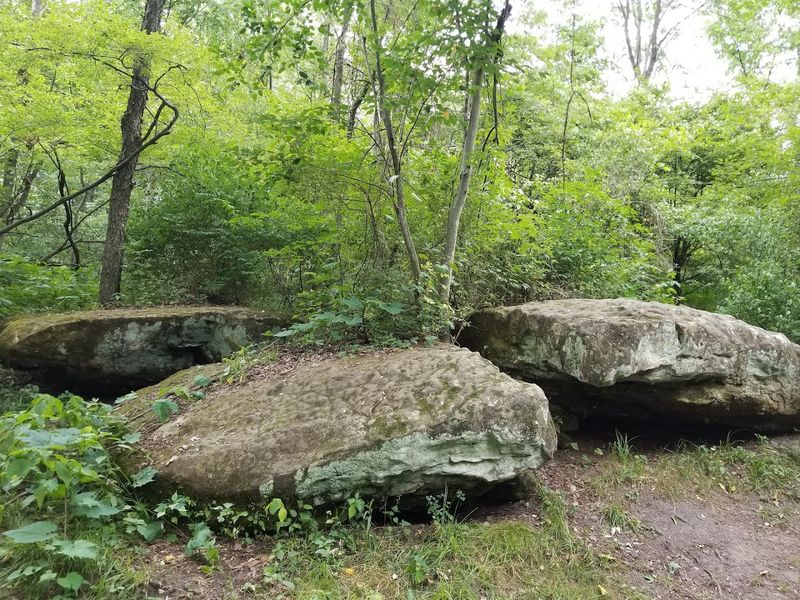
The park grows deeper once you understand that the carvings are not simply decorative relics. The site is known in Anishinaabemowin as Ezhibiigaadek Asin, often translated as knowledge written on stone. That phrasing is compact, beautiful, and far more useful than treating the slab as a curiosity cabinet.
Interpretive material connects the images to Anishinaabe teachings, spiritual life, and ways of recording meaning in the landscape. One especially memorable figure is the archer, associated with sending knowledge forward to future generations. It is a serious idea expressed with impressive economy.
If you read first and stare second, the symbols become less opaque. You stop asking only what they look like and start asking what responsibilities they were meant to carry.
Let The 1881 Fire Sharpen The Story
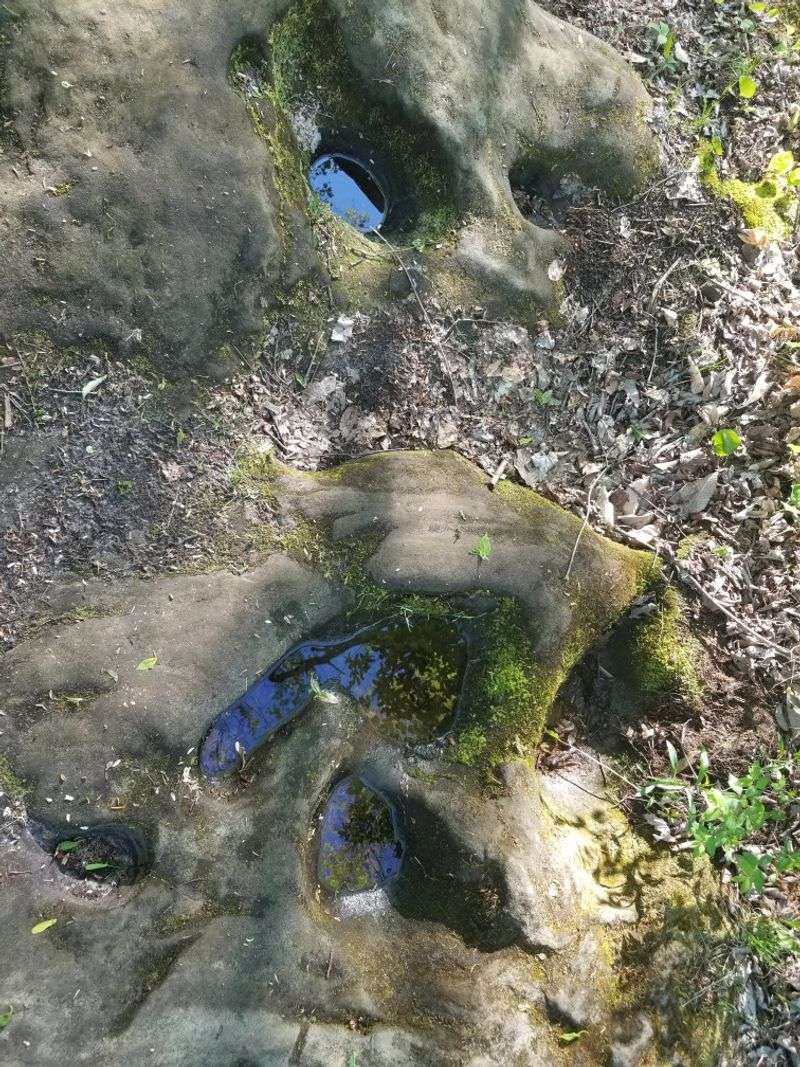
A place can be hidden for centuries and then revealed by catastrophe, which is part of this park’s strange historical charge. The carvings came to wider settler attention after the Great Thumb Fire of 1881 cleared vast areas of forest. Without that devastating event, the sandstone may have remained obscured much longer.
Knowing that history gives the site a layered, unsettled feeling. Fire destroyed communities and ecosystems across the region, yet it also exposed one of Michigan’s most important archaeological and cultural resources. Nature here is not just scenic background. It is an active historical force.
That context changed the woods for me. Even the quiet sections of trail felt less innocent, as if the landscape had been edited repeatedly by human use, weather, and sudden violence.
Walk The Trail To Understand The Setting
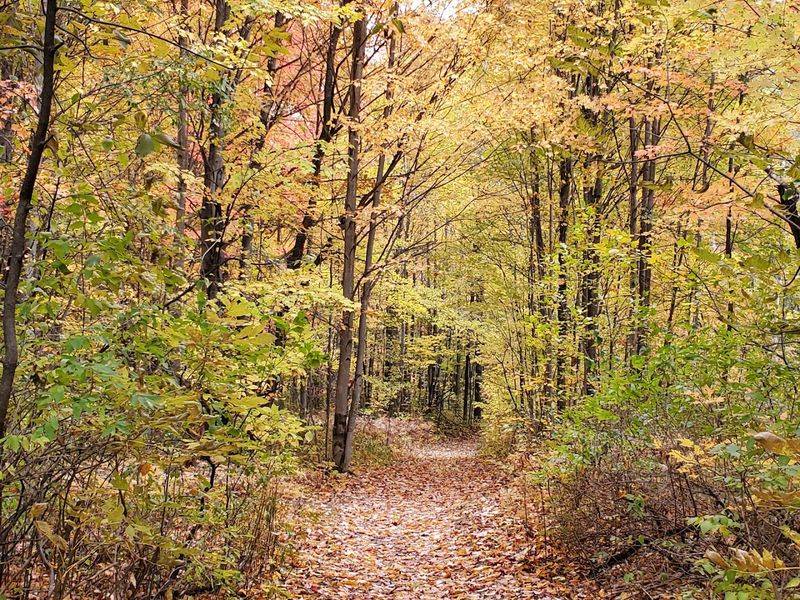
The short interpretive trail is not an optional add-on so much as the park’s second chapter. It runs about a mile through mostly shaded woods, with roots, uneven patches, bridges, and glimpses of the Little Cass River. Good footwear matters more than athletic ambition.
Along the way, you start to see why this was never just a single rock in isolation. The surrounding land holds ecological and historical context, including traces tied to nineteenth century logging and older patterns of movement through the area. The pace naturally slows without demanding a strenuous hike.
You can finish the loop in a fairly modest visit, but it should not be hurried. This is the sort of path where small sounds, damp earth, and changing light do a surprising amount of narrative work.
Notice How The River Rewrites Distance
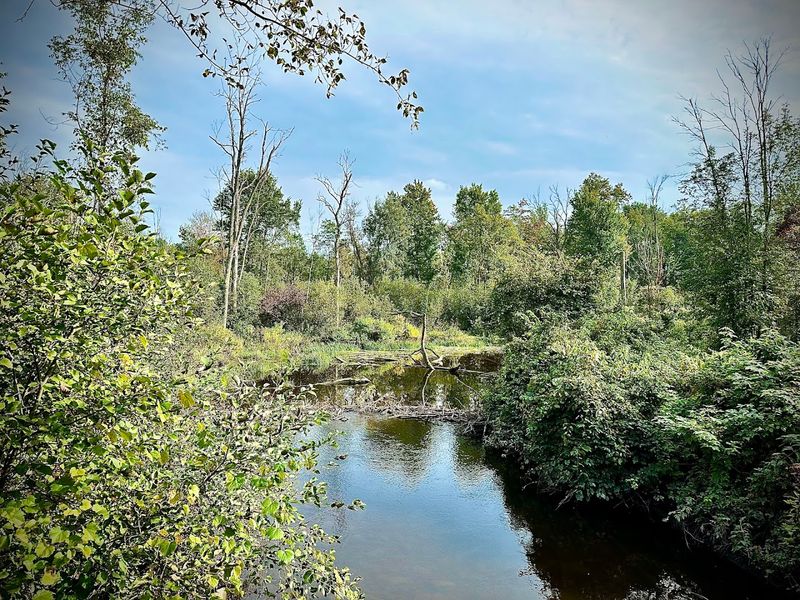
The river’s current position can make the carvings feel oddly inland, almost disconnected from travel routes. Historically, though, waterways shaped how people moved through this landscape, and the Cass River once flowed closer to the sandstone. That older geography helps explain why the site mattered as both teaching ground and landmark.
This is one of those details that sounds minor until you stand there and try to redraw the map in your head. Suddenly the carvings are not tucked away in a clearing. They sit within a corridor of passage, visibility, and encounter.
I find that mental shift essential. It rescues the site from the modern habit of treating sacred places as isolated attractions rather than pieces of a living, changing terrain.
Take The Guided Interpretation Seriously
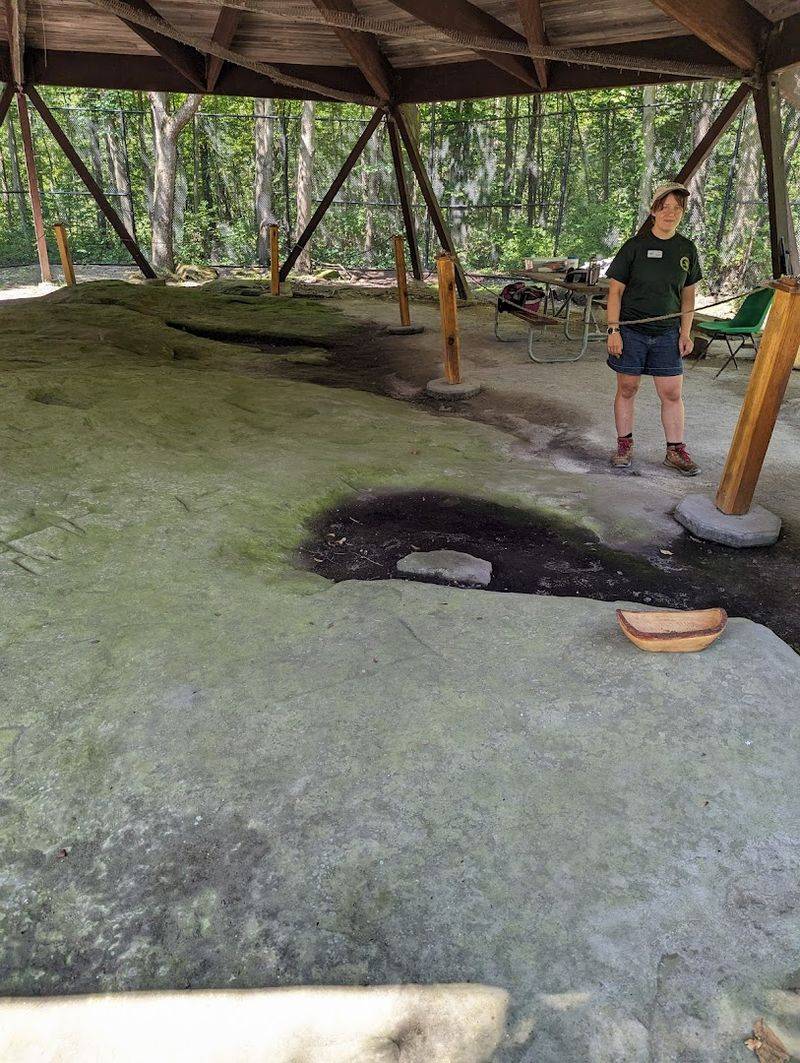
A knowledgeable interpreter can save you from seeing only scratches where a fuller story exists. At this park, staff and volunteer guidance often adds essential context about figures, preservation, and cultural meaning without turning the visit into a lecture. The best explanations are calm, direct, and rooted in the site’s continuing significance.
That matters because the carvings are subtle and because respectful interpretation is part of modern stewardship here. The park is co-managed with the Saginaw Chippewa Indian Tribe of Michigan alongside state agencies, a structure that helps ground public understanding in more than archaeology alone.
If a tour or talk is available during your visit, take it. You will leave with sharper eyes, better questions, and less temptation to flatten the place into a simple roadside curiosity.
Respect The Barriers And The Distance
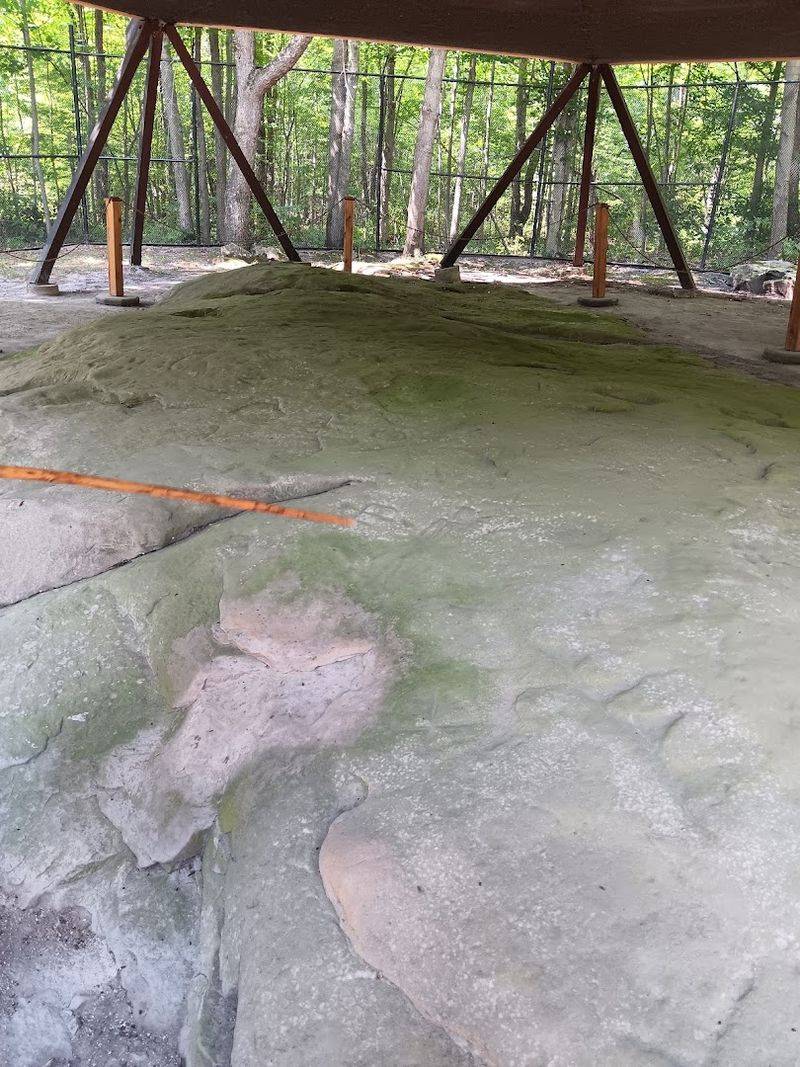
The fence and protective structure can initially feel like a mild frustration, especially if you arrived hoping for intimate, close-up viewing. Then the logic becomes unavoidable. Soft sandstone is fragile, the carvings have already endured damage, and preservation now depends on limiting touch, weather exposure, and casual interference.
Recent documentation work has used LiDAR scanning and photogrammetry to create highly detailed digital records of the site. That kind of effort signals both urgency and care. When technology is being deployed to monitor millimeter changes, it makes sense that your shoes and hands should keep their distance.
Once I accepted that, the barriers stopped feeling exclusionary. They read instead as evidence that the park is choosing the future over momentary convenience, which is exactly the right instinct here.
Pack For Mud, Bugs, And A Quiet Pace
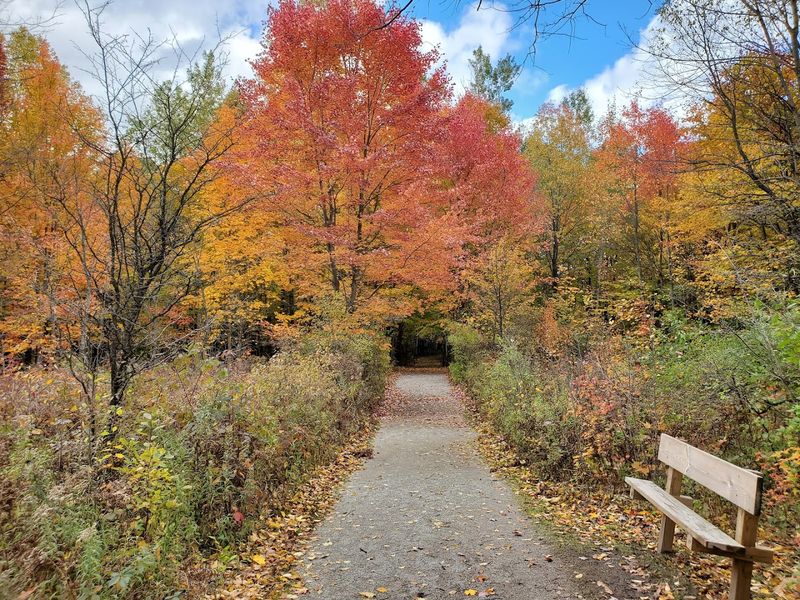
For such a compact park, this place has a surprisingly specific personality in practical terms. Trails can be rooty, muddy in wetter seasons, and buggy enough that repellent is not a theatrical overreaction. There are picnic tables, parking, and basic restroom facilities, but the tone is simple rather than polished.
That simplicity suits the site. You are not here for elaborate visitor-center gloss or a full day of amenities. You are here to walk slowly, read carefully, and let a small landscape reveal its depth without too much infrastructure getting in the way.
Bring water, wear sturdy shoes, and leave extra time. The park rewards unhurried attention far more than efficiency, and that is one of its most appealingly stubborn qualities.
Treat It As A Living Sacred Place
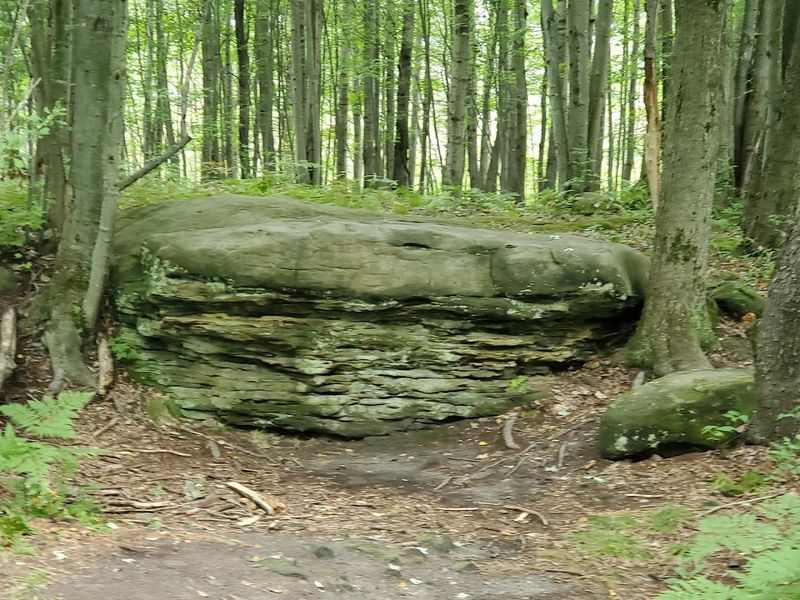
The best final tip is less logistical than moral: arrive as if this place still matters, because it does. Sanilac Petroglyphs is not merely an archaeological fragment preserved behind a shelter. It remains a sacred site tied to Anishinaabe belief, memory, and cultural continuity.
That should influence your behavior in obvious ways. Do not touch the rock, do not climb where you should not, and do not treat the setting like a backdrop for noisy performance. Quiet attention is not performative reverence here. It is basic courtesy.
What stays with you afterward is not only age or rarity, though both are remarkable. It is the uncommon feeling that preservation, interpretation, and humility are all being asked of the visitor at the same time.