
This Scenic Arizona Trail Leads You Straight To Ancient Petroglyphs Carved Nearly A Thousand Years Ago
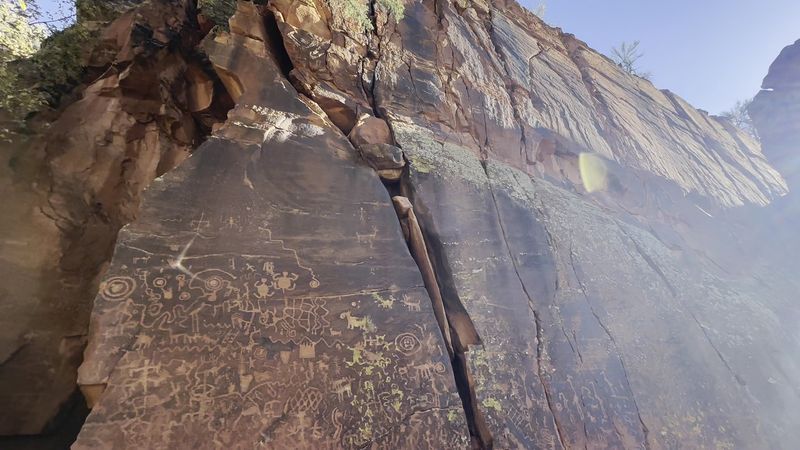
Imagine walking a flat gravel path in Arizona and turning a corner to find a stone wall covered in more than a thousand carvings older than most castles. That is exactly what happens along a quiet trail in the Verde Valley, where the Southern Sinagua people left their mark on the rock centuries ago.
The walk is short, the fee is small, and the payoff is enormous. If you love hidden history without a hard climb, this one belongs on your list.
A Rock Art Treasure in the Verde Valley
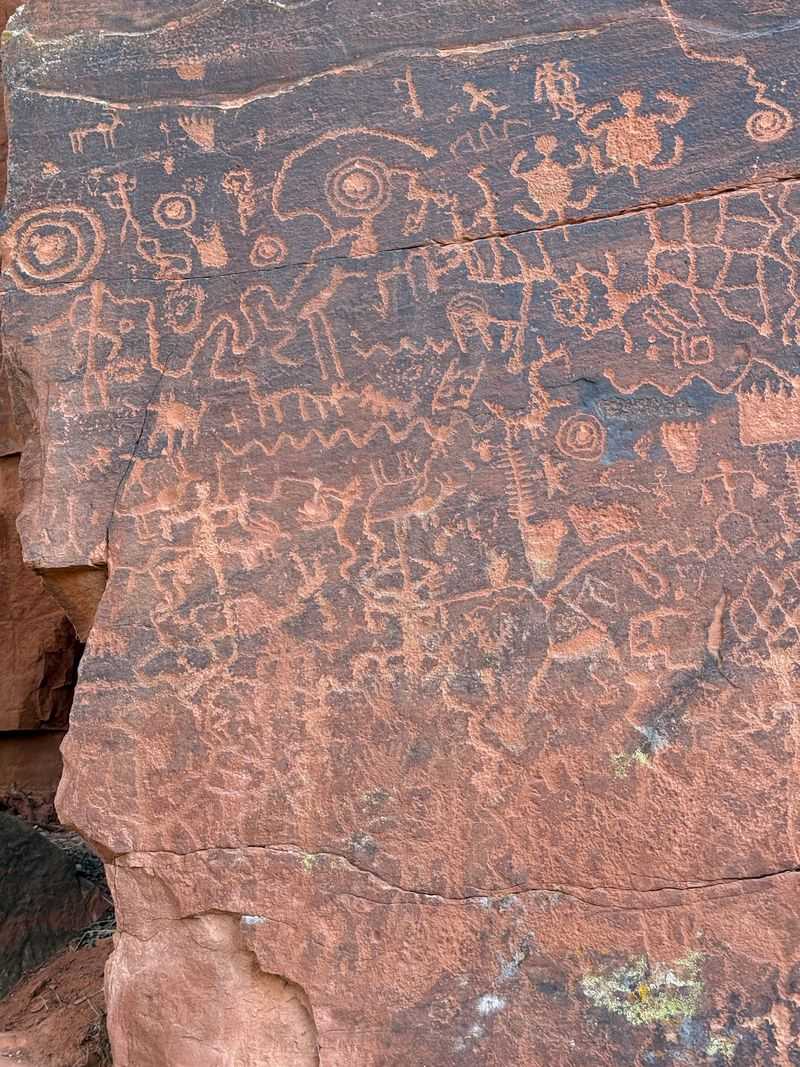
Sitting quietly near Rimrock in Arizona’s Verde Valley, the Crane Petroglyph Heritage Site protects one of the most remarkable collections of ancient rock art in the state. It was known for years as the V Bar V site before its recent name change.
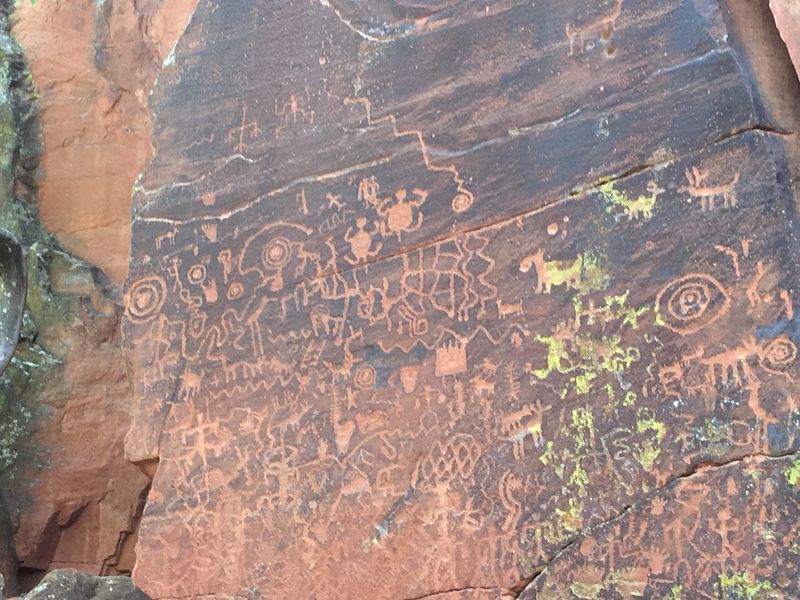
What makes it special is scale. More than a thousand individual carvings crowd a single stone wall, making it the largest and best-preserved petroglyph collection in the entire Verde Valley.
The images were pecked and chipped into the rock by the Southern Sinagua people, roughly between 1100 and 1450 AD. That means some of these figures have watched over the creek for nearly a thousand years.
Managed as a conserved rock art area with a visitor center and bookstore, the place feels part museum, part outdoor time capsule. Visitors often say they leave with more questions than answers, and that mystery is part of the charm.
For anyone driving between Phoenix and Flagstaff, or exploring near Sedona, it makes an easy and rewarding detour into deep Arizona history.
The People Who Carved the Stone
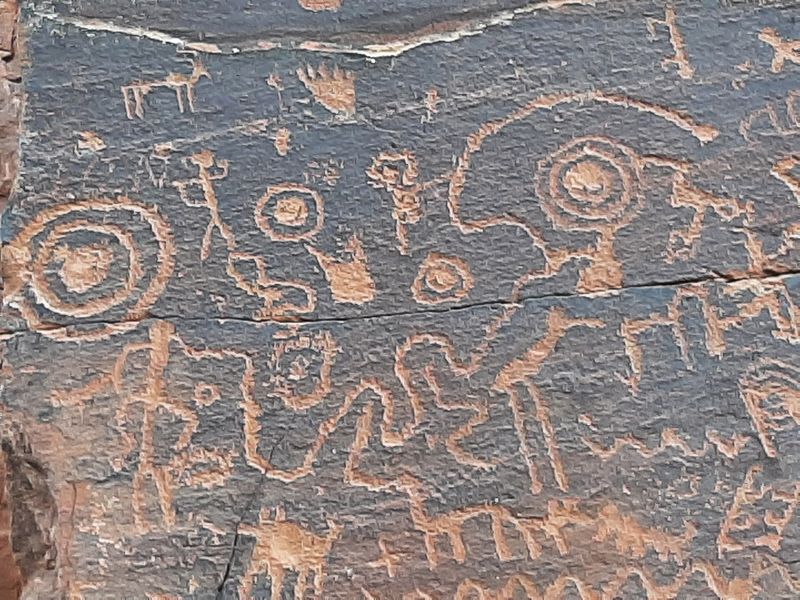
Behind every carving here stands the Southern Sinagua, a culture that thrived in this stretch of Arizona long before highways and towns arrived. They were farmers, traders, and keen observers of the land and sky.
One volunteer on-site loves sharing that the people who made these images were far from primitive. They understood migration, planting seasons, and record keeping, and the stone wall reflects that knowledge.
The connection to living cultures makes the place even more meaningful. Visitors are often moved to learn that Hopi people still come to the site for ceremony a few times each year, keeping the link between past and present alive.
Guides also weave in Yavapai culture, giving a fuller picture of the many communities tied to this land. It is not a story locked in the past but one that continues today.
Standing before the panel, you get the sense of being one visitor in a long line stretching back hundreds, maybe thousands, of years. That quiet realization tends to stay with people well after they head home.
Reading the Symbols on the Wall
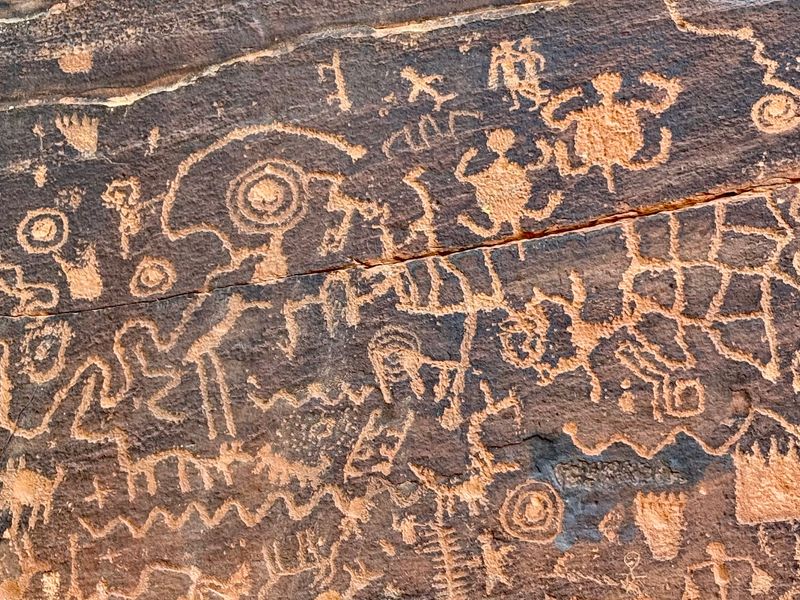
Peer closely at the panel and a whole cast of characters emerges from the stone. There are geometric shapes, human-like forms, and a lively parade of animals waiting to be spotted.
Snakes, turtles, coyotes, deer, and antelope all appear across the wall, along with a distinctive heron-like water bird that catches many visitors’ eyes. Some guides even challenge guests to find the San Francisco Peaks worked into the design.
The meanings behind these figures are still studied and debated. Native Americans with ancestral ties to the Sinagua suggest the carvings served many roles, from ceremony and storytelling to clan symbols and appeals for rain.
Part of the fun is that no one hands you every answer. Guides encourage you to interpret the drawings yourself, turning a quick look into a slow, thoughtful puzzle.
Regulars mention that the carvings look startlingly crisp, almost as though they were made last week rather than centuries ago. On overcast days, the softer light can make certain figures pop even more clearly than in bright sun.
An Ancient Solar Calendar Set in Stone
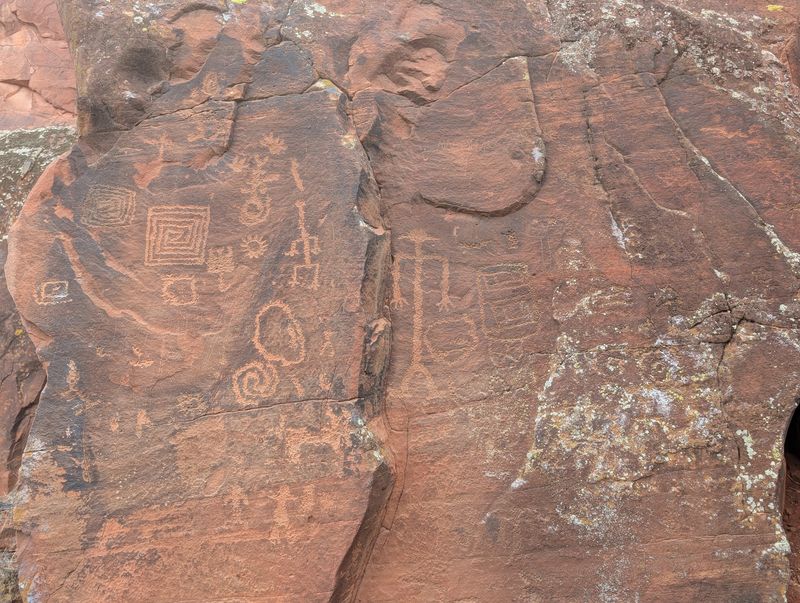
Among all the carvings, one feature turns heads more than any other: a genuine solar calendar built right into the landscape. It is a favorite talking point for guides and guests alike.
Here is how it works. Strategically placed boulders cast shadows that line up with specific spiral carvings during the solstices and equinoxes, marking the turning of the seasons.
For a farming people, that was no small thing. The calendar helped track planting and harvesting times, making it a practical tool as much as a work of art.
One visitor was so curious they timed a trip near the September equinox just to see if the shadow really aligned, and it did. Others describe watching a tour guide demonstrate how the sun dial marks the dates, calling it a highlight of the whole stop.
Seeing this kind of astro-archaeology set in stone sparks the imagination. It brings past lives and communities into focus in a way that a plain museum case never could, and it reminds you how closely these people watched the sky.
The Easy Walk Through Beaver Creek Greenery
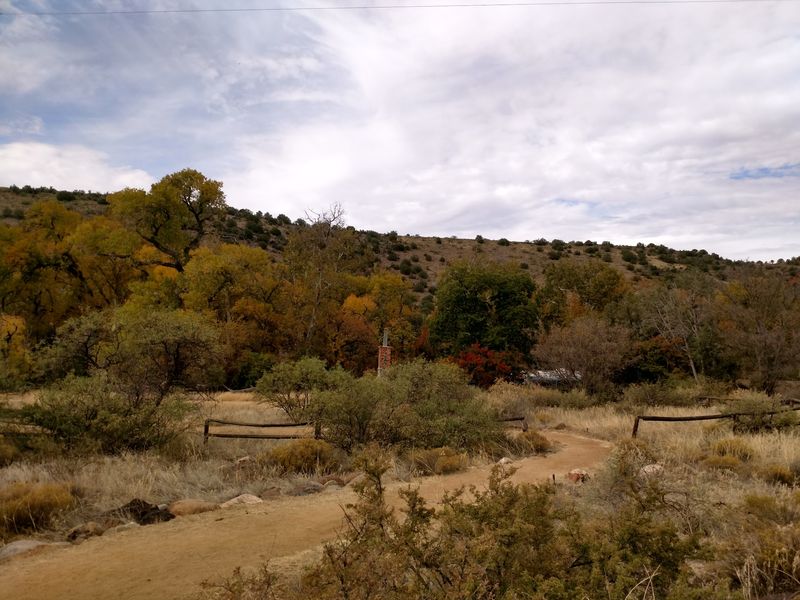
Good news for anyone who dreads a grueling hike: the trail here is about as gentle as they come. A well-maintained gravel path runs roughly a third of a mile from the parking area to the panels.
The full round trip lands near 1.2 miles and usually takes about an hour, though many folks linger longer once the carvings hold their attention. The route is wide, mostly flat, and manageable for strollers.
Visitors note the path is wheelchair accessible with a little help, and a few benches along the way offer places to pause. A vault-style restroom sits near the site as well.
The walk itself is a treat. You pass through the Wet Beaver Creek riparian habitat, a lush green belt of trees, shrubs, and grasses buzzing with plant and animal life.
Most of the trail is unshaded, but the payoff is a fully shaded petroglyph wall waiting at the end. Many guests describe the stroll as easy and beautiful, a pleasant lead-up that makes the destination feel even more rewarding.
Docents Who Bring the History Alive
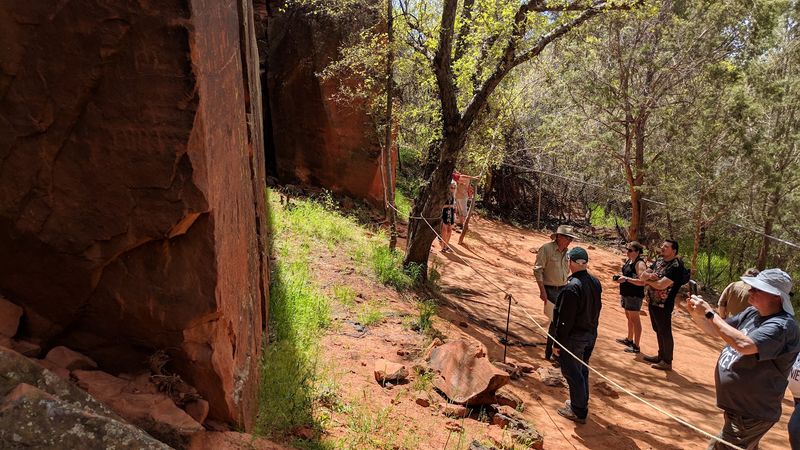
Ask anyone who has visited and the conversation quickly turns to the guides. The rangers and volunteers here have a gift for turning stone carvings into vivid, memorable stories.
Many guests arrive expecting a quick look and end up spending an hour or more listening, thanks to docents who are described as passionate, cheerful, and endlessly knowledgeable. Early birds sometimes score a one-on-one tour that feels personal and unhurried.
The presentations stay respectful and informed, guided by the tribes who trace their origins to these panels. That care shows in how the stories are shared.
Little touches make visits unforgettable. One volunteer even played a Native American style flute for a group, while others cheerfully suggested nearby spots worth exploring afterward.
Families are welcome too. The visitor center has offered one-page junior ranger activities, and small lizards darting around tend to delight younger explorers.
Repeat visitors often say the staff dedication is what elevates the whole experience. You come for the ancient art and leave feeling like you spent the morning with generous local storytellers.
Planning Your Visit and Getting There
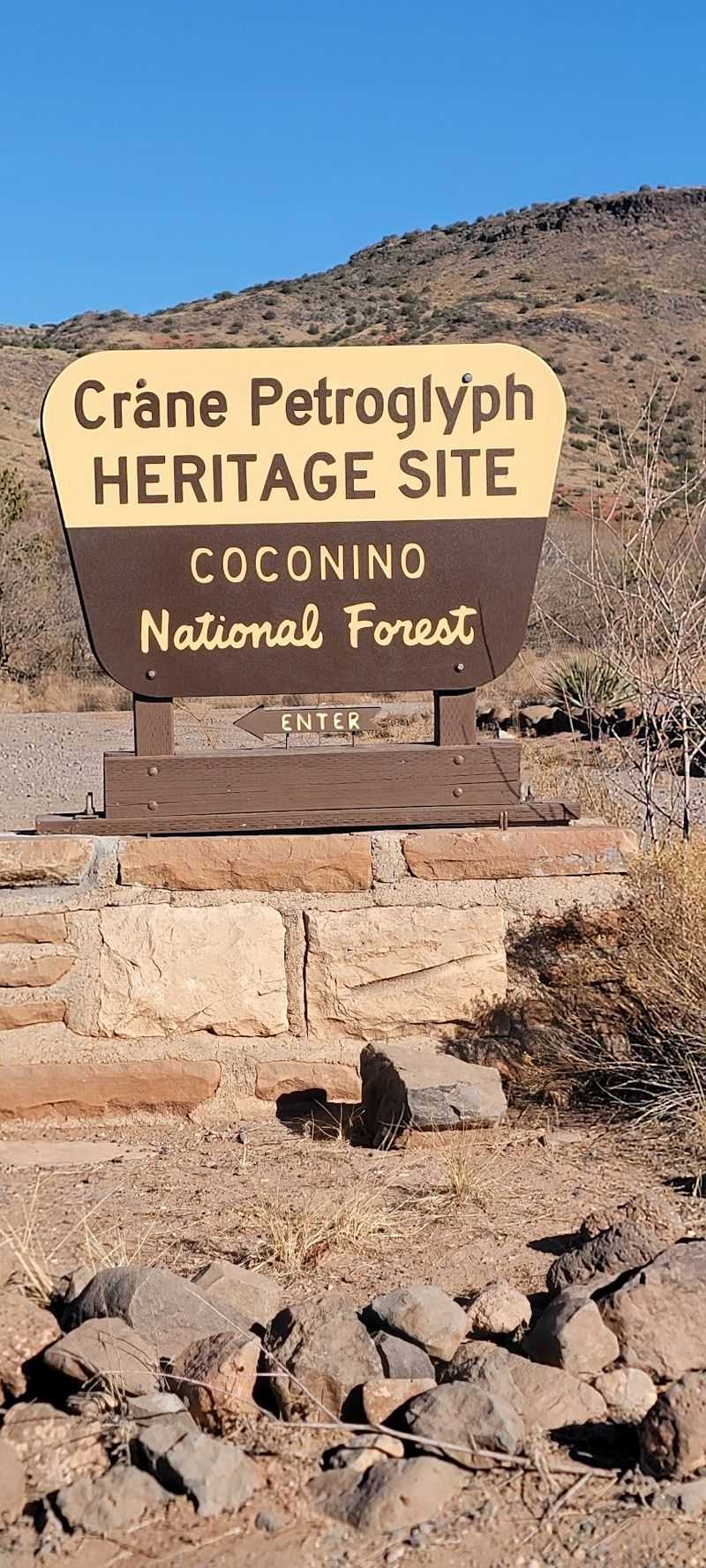
Reaching the site takes a short drive on a dirt road, but nothing that troubles a regular car. There is a big unpaved parking lot and a pass station right there if you need one.
Entry runs a friendly $5 per vehicle with a Red Rock Pass, and an America the Beautiful or interagency pass works too. You check in first at the small, rustic visitor center, which has restrooms, informative displays, and a bookstore.
Timing matters. The site is open Friday through Monday, and hours shift with the seasons, so a quick double-check before you go saves headaches.
During the hot stretch from June to September, mornings only, roughly 8 a.m. to noon, keep visitors comfortable. In the cooler months the window opens wider in the day.
A couple of local tips: pets are not allowed, and it is smart to watch for the entrance signs rather than trusting GPS alone, since it is easy to sail past the turnoff. The address is 6750 Forest Service Rd 618 in Rimrock.
Why This Quiet Detour Is Worth the Drive
Some outings stick with you longer than the drive home, and this is one of them. The blend of natural beauty, deep history, and warm guides adds up to a morning that feels quietly special.
It suits a lot of people. History lovers, curious families, and travelers wanting a break from the busier crowds near Sedona all find something here without spending much.
Cooler months from October through April are the sweet spot for comfortable exploring, when the desert stays mild and the walk feels like a pleasure rather than a chore. Aim for morning hours in summer if you go then.
Visitors often describe a calming yet energetic feeling in the area, a sense of stepping back to a time when the land felt untouched. That atmosphere is hard to fake.
For a modest fee, an easy stroll, and stories that stretch back nearly a thousand years, few Arizona day trips deliver this much wonder. Pack water, bring your curiosity, and let the carvings do the rest.
It is the kind of find worth telling a friend about.