
This Scenic Colorado Byway Is One Of The Best April Drives In The State
Some road trips demand color-coded plans, twelve snack stops, and one dramatic playlist debate before the wheels even start rolling. In Colorado, this drive laughs at all that.
You just point the car toward the mountains, bring a full tank, and let the scenery do the heavy lifting. The road rolls through charming little towns, wide-open valleys, and towering peaks that look almost too cinematic to be real.
Around every bend, the landscape changes its mood, going from sunlit meadows to rugged cliffs to snowy views that make spring feel like a secret only locals understand. It is the kind of trip where you keep saying, “Okay, just one more photo,” and then pull over again ten minutes later.
Somewhere between the crisp air, the winding pavement, and the impossible mountain backdrop, the whole drive starts to feel like the destination. Colorado turns an ordinary weekend into the kind of adventure people talk about long after the car is unpacked.
Why April Is the Sweet Spot for This Drive
There is a particular kind of magic that happens in Colorado during April, and this place catches it at exactly the right angle. The crowds that flood in during summer have not yet arrived, and the roads are clear enough to actually enjoy the drive rather than follow a bumper in front of you for miles.
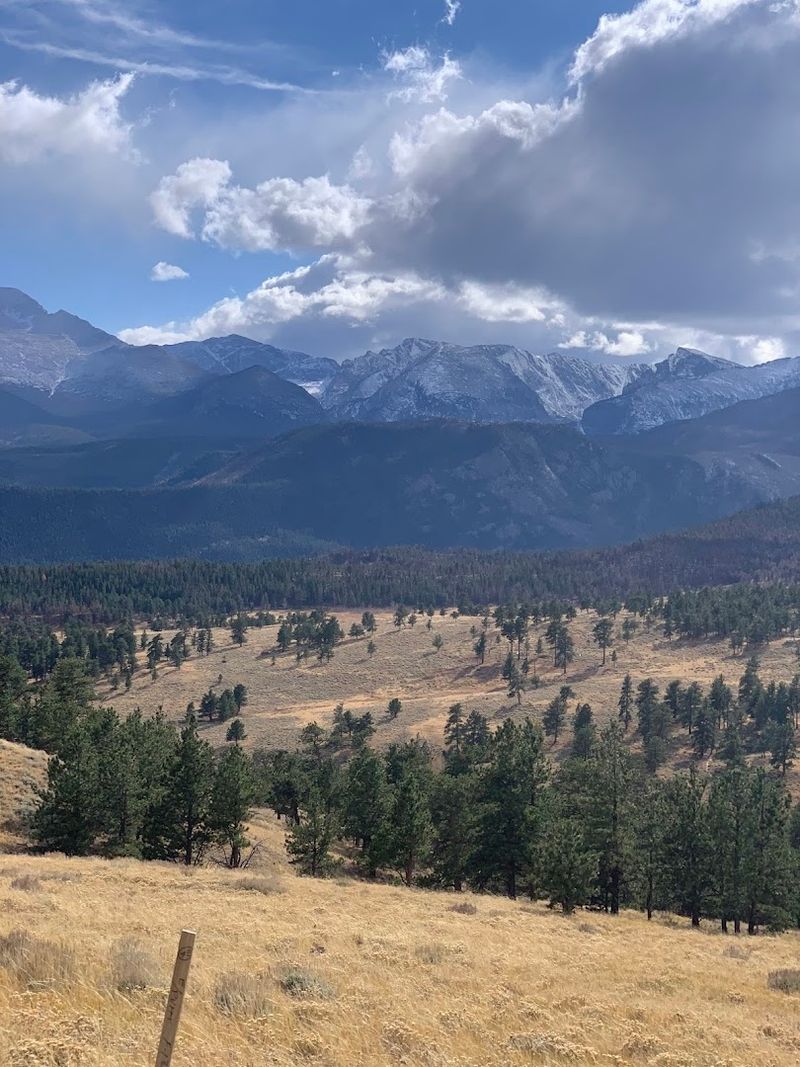
Snow still dusts the higher peaks, which creates that postcard contrast of white summits against a deep blue sky. Visitors who have made this drive in mid-March report clear roads even with snow visible on the mountains above, which means April offers even more reliable conditions.
The byway runs roughly 55 miles and connects a string of small mountain communities, giving you natural stopping points rather than one long, monotonous stretch of highway. Going the speed limit is genuinely encouraged here, not as a suggestion, but because slowing down is the whole point.
Pro Tip: Download your GPS directions before you leave town. Cell service along parts of the byway is unreliable, and getting caught without navigation in the mountains is the kind of avoidable adventure nobody actually wants.
Starting Your Journey at the Estes Park Visitor Center
Estes Park has the rare quality of a town that knows exactly what it is and leans into it without apology. The Visitor Center at 500 Big Thompson Avenue sits right at the gateway to the byway and functions as the logical launch pad for the whole experience.
Grab a map here if you are the kind of person who still trusts paper over pixels, which, given the cell service situation on this route, is actually a sound strategy. The staff can point you toward current road conditions and pull-off highlights worth prioritizing for the season.
The town itself deserves a short stroll before you commit to the road. Estes Park has a compact, walkable downtown with the kind of local character that feels genuinely earned rather than manufactured for tourists.
It rewards the visitor who arrives fifteen minutes early rather than rushing straight to the highway.
Best For: Families who want a structured starting point, couples planning a half-day scenic loop, and solo travelers who appreciate having a clear beginning before a long, winding middle.
Insider Tip: Arrive early on weekend mornings. The parking situation downtown fills up faster than most people expect, even in the shoulder season.
The Pull-Offs That Actually Deliver
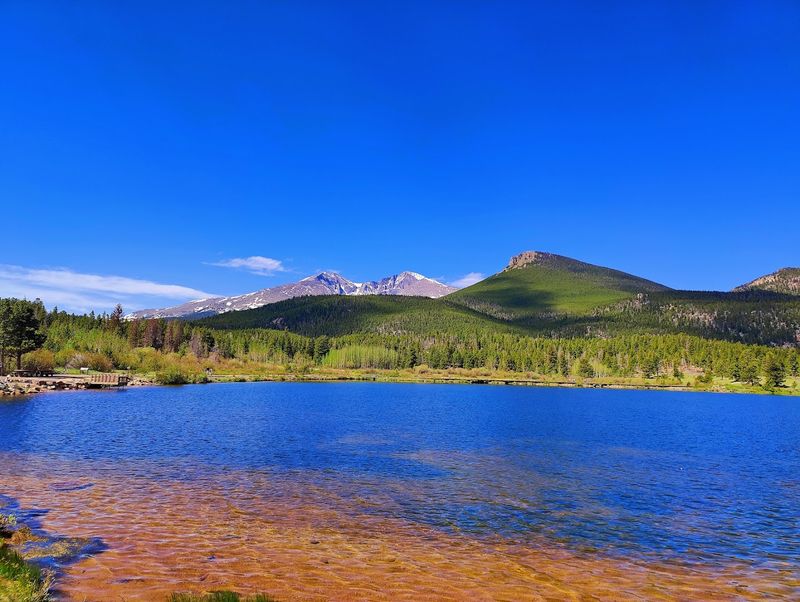
Not all pull-offs are created equal, and this byway has a generous number of them, which means you get to be selective rather than stopping at the first gravel patch you see out of desperation. Near Estes Park, several pull-offs offer direct sightlines to Longs Peak, one of the most recognizable summits in the entire Rocky Mountain range.
The byway follows Colorado Highway 7 south from Estes Park, and the mountain views along this stretch have a way of making even the most camera-shy passenger reach for their phone. Pull-offs are more frequent and more rewarding heading in certain directions, so it is worth paying attention to which way the light is falling.
Morning light hits the western faces of the peaks with particular drama, which gives early starters a visual advantage over midday arrivals. The road is well-maintained, making it accessible for standard vehicles without requiring any special clearance or off-road capability.
Quick Tip: If another vehicle is pulling up behind you at a scenic overlook, ease back onto the road and find the next one. There are plenty, and the goodwill you generate with fellow drivers is its own small reward.
Nederland: The Quirky Mountain Gem Worth the Stop
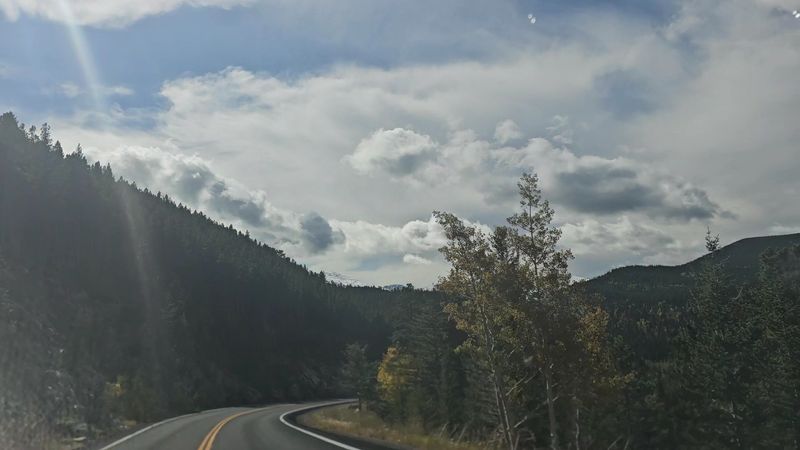
About halfway through the byway sits Nederland, a small mountain town with a personality that does not fit neatly into any category. Visitors who take the time to stop consistently describe it as a true gem, and that assessment holds up under scrutiny.
Nederland sits at an elevation that keeps it feeling genuinely alpine even in spring, and its compact downtown offers a natural break point in the drive without pulling you too far off your route. The town has a character that feels authentically Colorado in the way that larger resort towns sometimes struggle to maintain.
This is the mid-drive moment where you stretch your legs, grab something to eat, and remind yourself that the whole point of a scenic byway is not to finish it as fast as possible. Treating Nederland as a destination within the drive rather than just a waypoint changes the entire rhythm of the trip.
Why It Matters: Long drives without intentional stops tend to blur together in memory. Nederland gives the journey a distinct chapter break, which is what separates a memorable road trip from a forgettable commute with better scenery.
Planning Advice: Go the speed limit approaching Nederland. The views open up dramatically and rushing through this section is the most common mistake first-time drivers make on this route.
Trailheads Along the Route for Those Who Want More Than Windshield Views
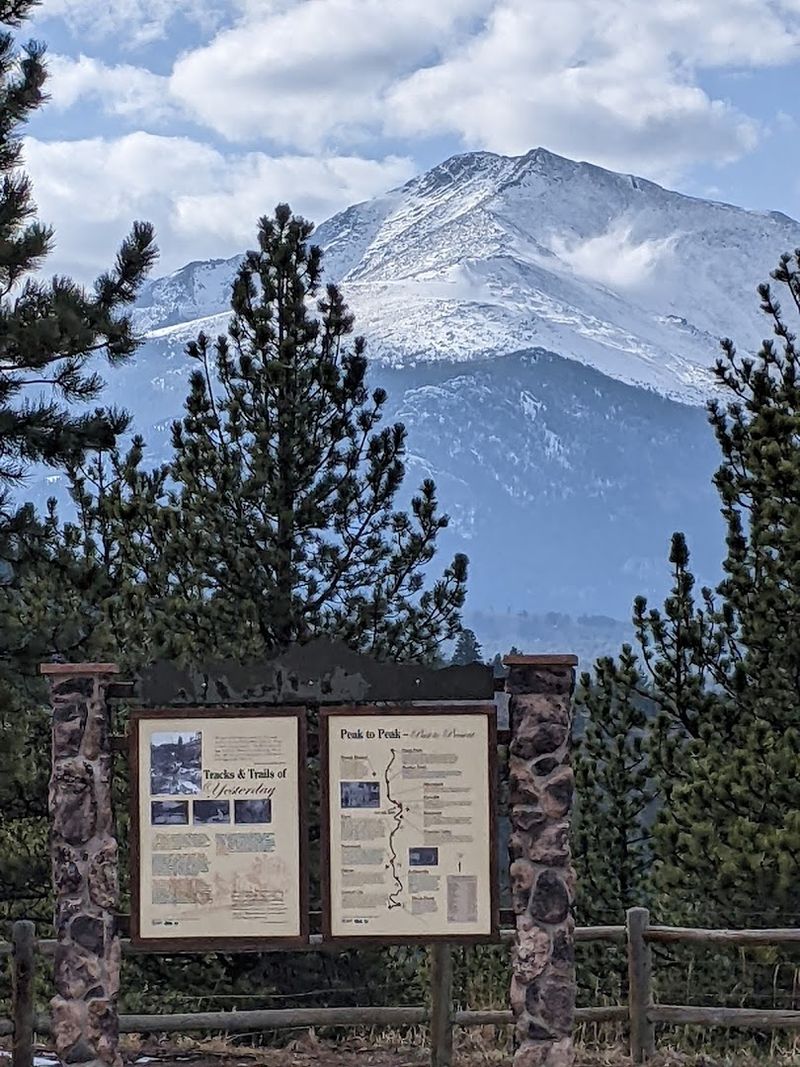
The byway is not strictly a drive-and-stare experience, though it works perfectly well as one. For visitors who want to step out of the car and actually feel the elevation under their feet, the route is lined with trailhead access points that range from short walks to more committed hikes.
One visitor made stops at the Summit Trail at Hidden Treasure Trailhead after completing the drive, which added a satisfying physical dimension to what might otherwise be a purely passive afternoon. The trail options along the byway accommodate a wide range of fitness levels and time commitments.
Families with younger kids can use the shorter trail access points as natural energy-release stops without committing to a full backcountry experience. Couples who hike regularly will find the trailhead density genuinely impressive for a single scenic corridor.
Common Mistakes to Avoid: Do not assume all trailheads have facilities. Some are remote access points with minimal infrastructure, so plan accordingly before you exit the vehicle with a full water bottle and no clear plan.
Best For: Active travelers who want the scenic drive to function as both transportation and recreation, not just a way to move between two points on a map.
Small Towns, Chapels, and the Unhurried Pace of the Byway
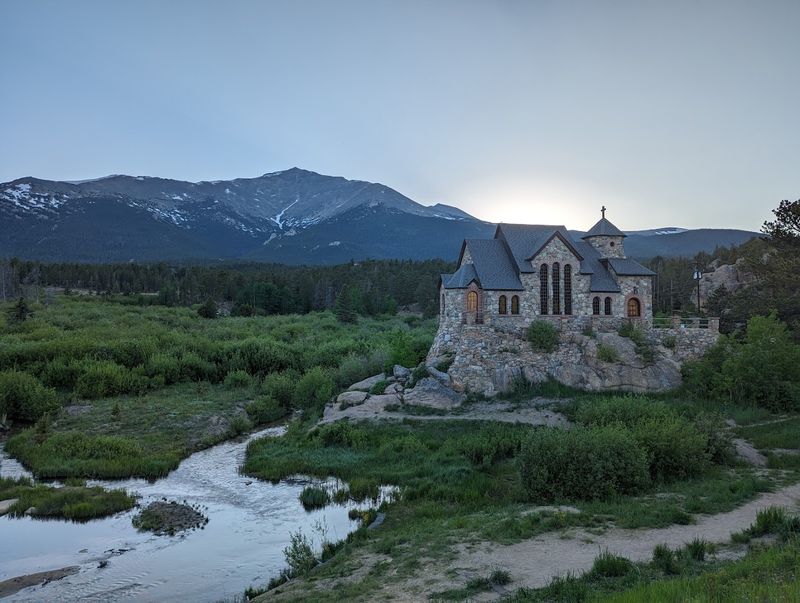
One of the underappreciated qualities of this byway is the way it threads through actual communities rather than bypassing them entirely. The quaint towns along the drive offer spots to eat, browse, or simply sit for a moment without feeling like a tourist attraction is being performed for your benefit.
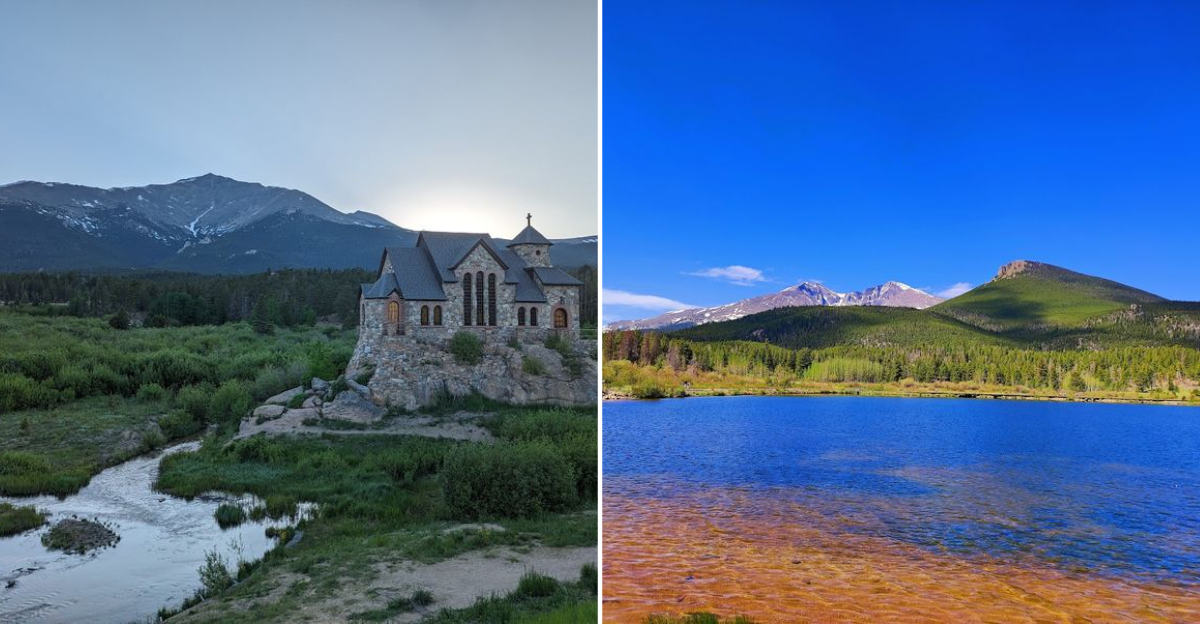
The St. Catherine of Siena Chapel is one of the specific stops that visitors return to repeatedly, a small, photogenic structure set against a mountain backdrop that has no equivalent in a roadside chain experience. These kinds of stops are what give a byway its character and separate it from a highway with better landscaping.
The drive from Estes Park to Black Hawk takes roughly two hours under normal conditions, but that estimate assumes you are moving with some purpose. Factor in a chapel stop, a short town walk, and one or two pull-offs and you are looking at a half-day outing that earns its time investment without requiring any advance ticket purchase or reservation.
Insider Tip: The byway rewards those who treat it like a slow read rather than a quick scroll. The small-town stops are the chapters that make the whole story worth finishing.
Final Verdict: Why This April Drive Belongs on Your Colorado List
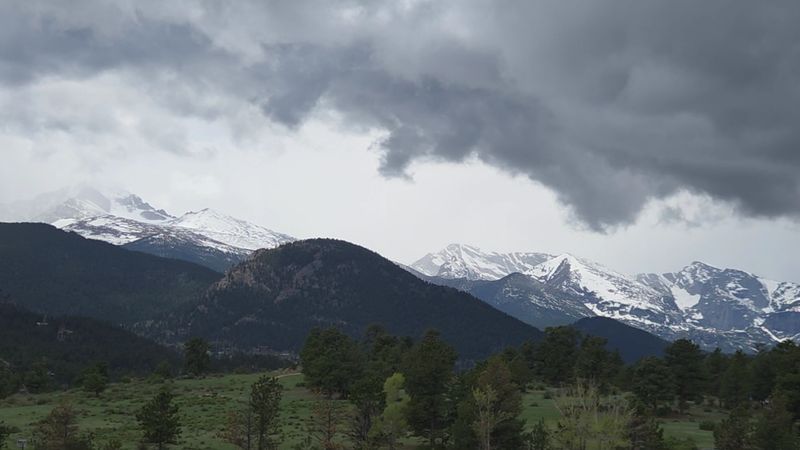
Colorado has no shortage of scenic drives, but the Peak to Peak Scenic and Historic Byway earns its reputation through consistency rather than hype. It holds a 4.9-star rating across hundreds of visitor accounts, which is the kind of number that reflects genuine, repeat satisfaction rather than a lucky streak of good weather.
April specifically offers a version of this drive that summer simply cannot replicate. The light is different, the traffic is lighter, and the snow-capped peaks provide visual drama that disappears once warmer months fully settle in.
Visitors who have driven it in multiple seasons consistently point to the shoulder season as the most rewarding window.
The byway begins conveniently at the Estes Park Visitor Center, right in town, and ends with enough flexibility to let you shape the experience around your schedule rather than someone else’s itinerary. That kind of low-barrier, high-reward logic is exactly what makes a road trip worth recommending to someone you actually like.
Key Takeaways: Clear roads, mountain views, small-town stops, reliable pull-offs, and a two-hour baseline that stretches comfortably into a half-day adventure. April on the Peak to Peak Byway is not a compromise for people who missed summer.
It is the version of this drive that those in the know quietly prefer.