
This Scenic Illinois State Park Is the Perfect Peaceful Escape From Everyday Life
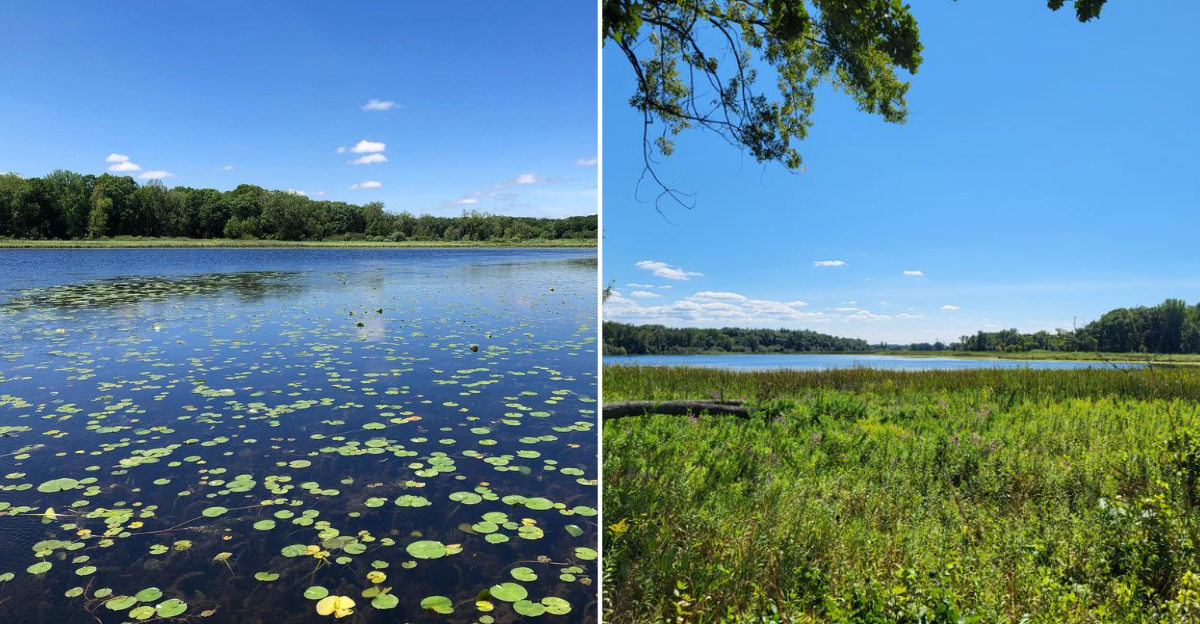
I never expected to find such tranquility just an hour northwest of Chicago’s chaos. The landscape shifts quickly once the suburbs thin, trading traffic noise for wind moving across open water and tall grasses.
This corner of Illinois spreads across roughly 2,200 acres shaped by ancient ice, where low ridges roll gently above marsh and lake. The terrain feels textured rather than flat, the kind of place that invites slow wandering instead of hurried miles.
Boardwalks cross peat and sedge, while quiet overlooks reveal water reflecting big Midwestern skies. Visits here tend to linger in memory: the stillness at midmorning, the echo of cranes in the distance, the way fog settles into wetland hollows at dawn.
After exploring parks across Illinois, few places match the calm that settles in almost immediately upon arrival.
Year-Round Recreation Opportunities
Most state parks slow down when temperatures drop, but this one embraces all four seasons with equal enthusiasm. I’ve enjoyed this place in every month, and each season offers completely different experiences.
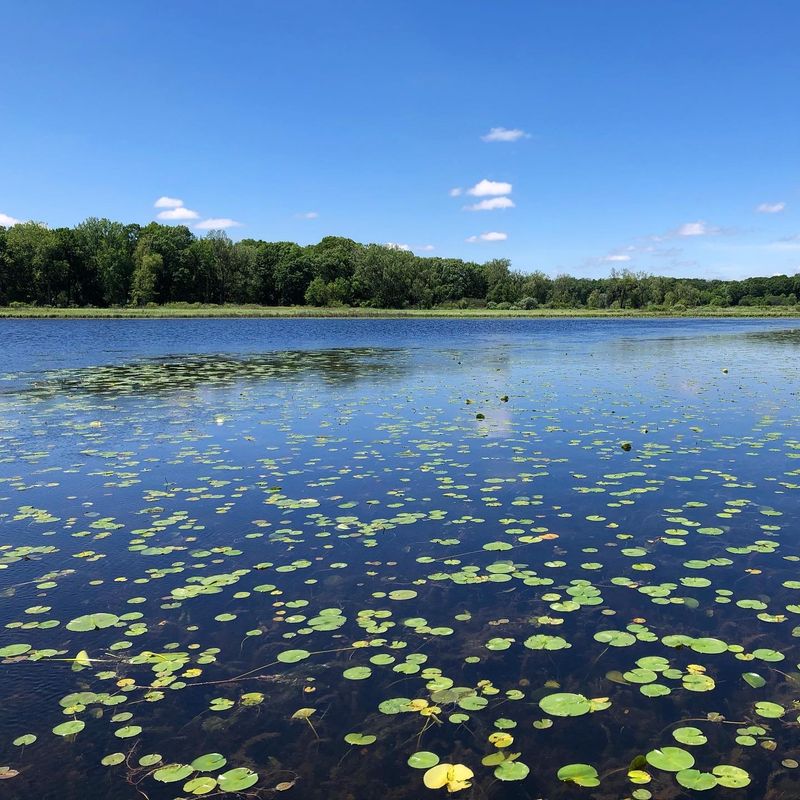
Summer obviously draws the biggest crowds, with kayakers and canoeists exploring the waterways, anglers casting for bass and bluegill, and families claiming picnic spots under shady trees. Fall might be my favorite time here.
The hardwood forests explode in color, creating that perfect backdrop for photography that fills my camera roll every October. The trails get quieter as the weather cools, giving me more chances for wildlife encounters.
I’ve had deer walk within twenty feet of me, completely unbothered by my presence, while I stood frozen trying not to spook them.
Winter transforms the park into a cross-country skier’s paradise. The flat to gently rolling terrain is perfect for beginners, while more experienced skiers can challenge themselves on the longer loops.
I’ve also tried snowshoeing here after heavy snowfalls, breaking trail through areas where summer’s thick vegetation becomes a winter wonderland. Spring brings the mud and the wildflowers in equal measure, plus incredible bird migrations that turn the wetlands into an ornithologist’s dream.
Hunting is permitted in designated areas during specific seasons, adding another recreational dimension for those interested.
Convenient Location Near McHenry Makes Visiting Easy
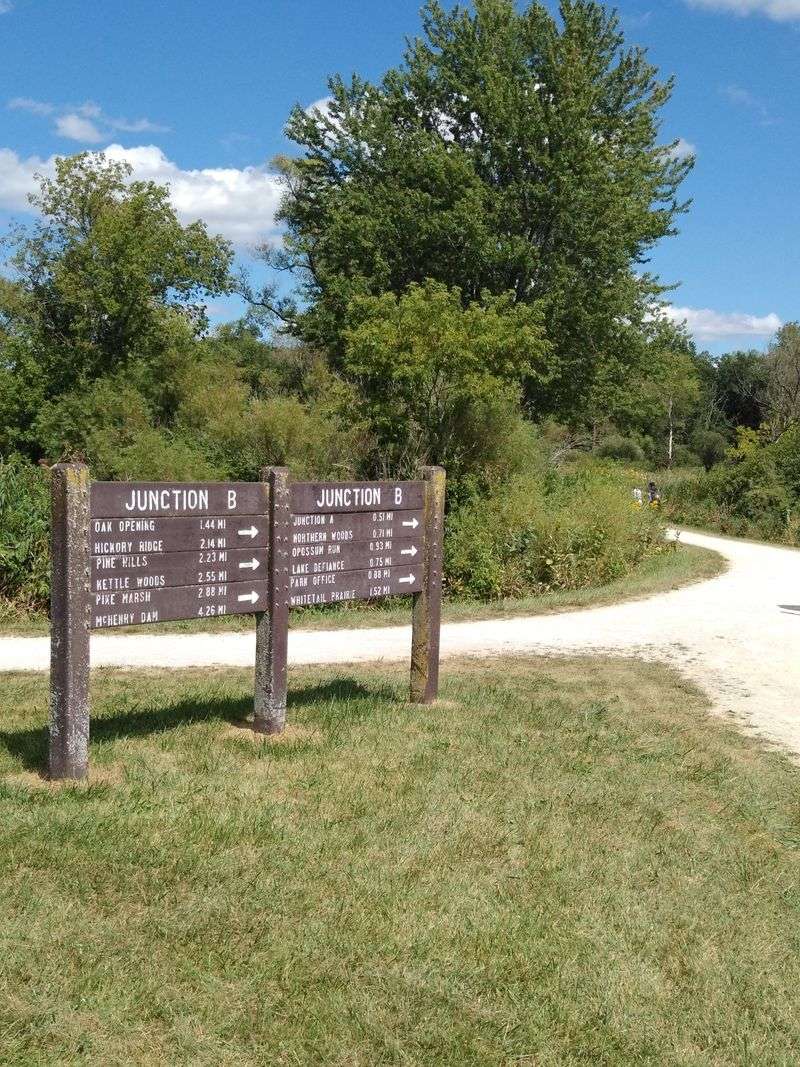
Great natural areas don’t help much if they’re impossibly difficult to reach, but Moraine Hills sits in that sweet spot of accessible yet uncrowded. The park is located right off Route 176 in McHenry County, making it an easy drive from Chicago’s northwest suburbs, Rockford, or even southern Wisconsin.
I can leave my house in the suburbs and be walking a trail here in under an hour, which is unbeatable for this quality of natural experience.
Hours vary seasonally and are posted at the entrance; plan to return to your car before sunset. I appreciate that the hours vary seasonally rather than closing absurdly early year-round like some parks do.
There’s no entrance fee, making it easy to return for frequent visits. I’ve stopped here on random weekday afternoons just because I had a free hour and needed a nature fix.
McHenry itself offers the usual conveniences if you need to grab food or supplies before or after your visit. The surrounding area has developed considerably over the years, but the park itself remains protected and well-managed.
Parking areas are well-maintained and adequately sized, though the main lot can fill on gorgeous fall weekends.
Cell service works throughout most of the park, which is reassuring for solo hikers while also being a temptation to check messages you should probably ignore while surrounded by this much natural beauty.
Landscape That Tells an Ancient Story
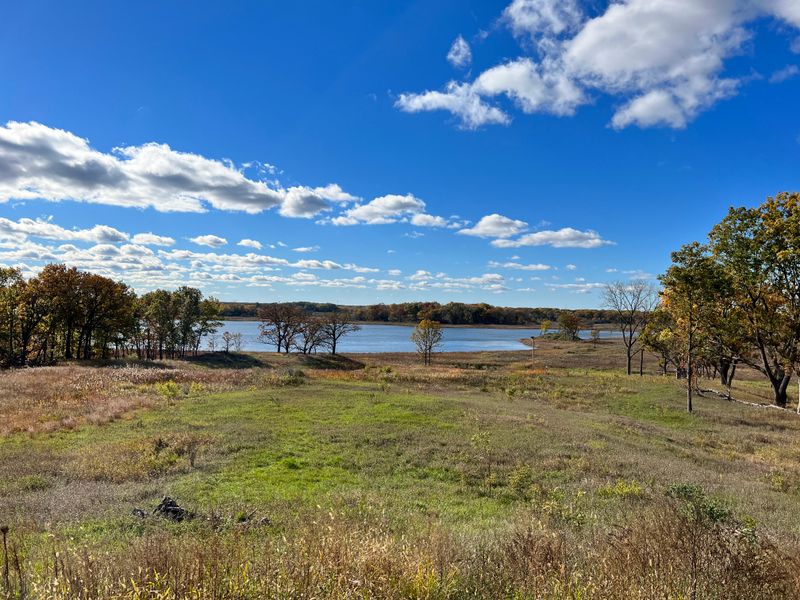
Walking through Moraine Hills State Park in McHenry, Illinois feels like stepping into a geography textbook come to life. The Wisconsin Glacier retreated from this area about 12,000 years ago, and its fingerprints are everywhere you look.
Those gentle hills aren’t random bumps in the terrain but deposits of rock and soil the ice sheet pushed along like a massive bulldozer.
I love tracing the ridges with my eyes and imagining the slow, grinding power that shaped them. The kettle lakes scattered throughout the park formed when huge ice chunks broke off, got buried in debris, then melted to create natural depressions that filled with water.
Lake Defiance is the most prominent example of a kettle lake in the park. What makes this geological story special is how visible it remains today.
Many glacier-formed landscapes get flattened by development or obscured by dense vegetation, but Moraine Hills preserves these features in a way that lets you actually see and understand the forces that created them.
Standing on one of the overlooks, I can pick out at least three different moraine ridges stretching across the horizon, each one marking where the glacier paused during its long retreat northward.
Over Ten Miles of Multi-Use Trails for Every Season
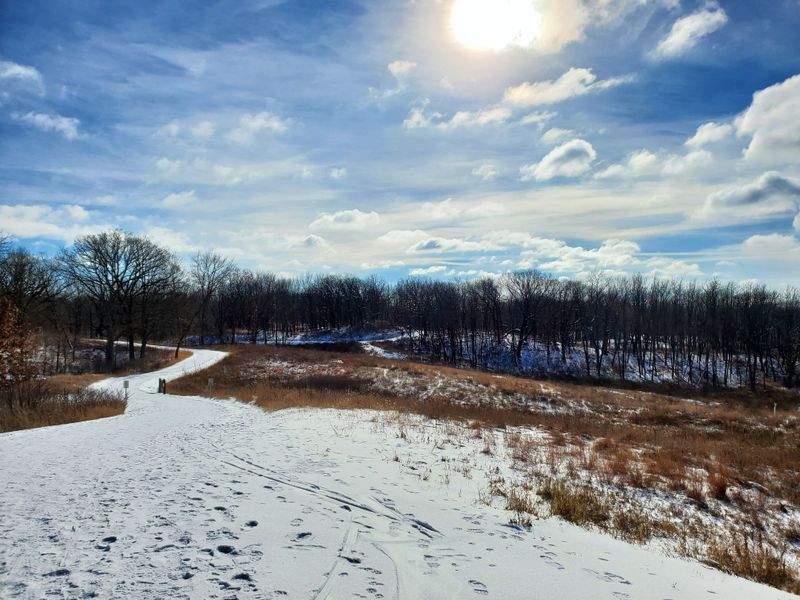
The trail system here is what keeps me coming back season after season. I’ve logged countless miles on these paths, combining different loops to create everything from quick 3.2-mile jaunts to ambitious 10-mile treks.
The beauty lies in the variety: some sections are paved with asphalt, perfect for casual strolls, while others feature crushed gravel that crunches satisfyingly under your boots.
Pike Marsh Trail is my go-to for wildlife watching, winding through wetlands where I’ve spotted herons standing motionless in shallow water.
The Lake Defiance Trail offers more elevation changes than you’d expect in Illinois, giving your legs a genuine workout while rewarding you with water views.
Leatherleaf Bog Trail takes you into a completely different ecosystem, boardwalks carrying you over spongy peat where carnivorous plants hide among the sedges.
Winter transforms these trails into cross-country skiing routes, and I’ve glided through fresh snow with only rabbit tracks for company. Summer brings out families with strollers, serious cyclists, and everyone in between.
The trail surfaces handle all weather surprisingly well, though spring mud season can get sloppy in spots. Grab a trail map before you start exploring because the loops interconnect in ways that can confuse first-timers.
Wetlands Ecosystem Supporting Incredible Biodiversity
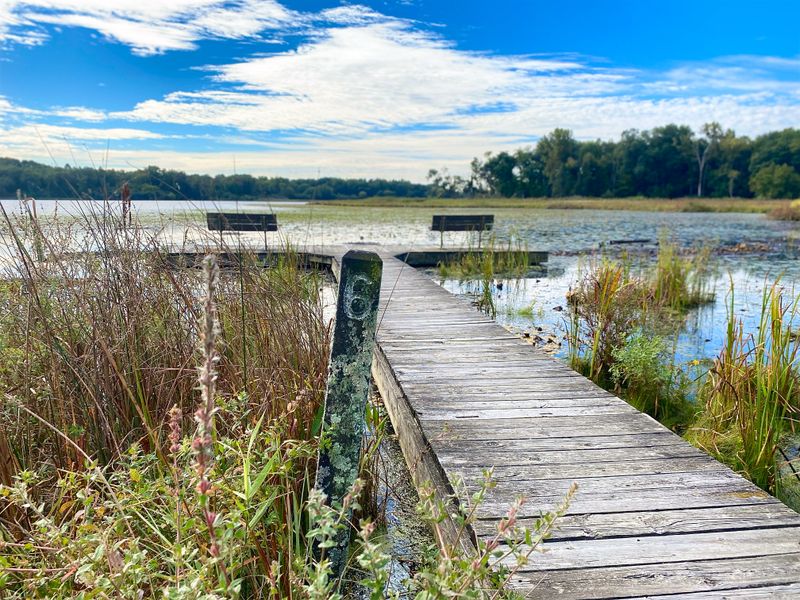
Wetlands get a bad rap as mosquito-infested wastelands, but Moraine Hills taught me how spectacularly wrong that perception is. The park protects some of the finest remaining wetlands in northeastern Illinois, and these soggy landscapes burst with life in ways that drier habitats simply can’t match.
I’ve spent hours watching the drama unfold: turtles sunning on logs, frogs calling from hidden pools, and dragonflies patrolling their territories with fighter-jet precision.
The star residents are definitely the sandhill cranes. Seeing these prehistoric-looking birds striding through the marsh grass, their red crowns bright against gray feathers, is always a thrilling experience.
Their rattling calls echo across the wetlands, especially during spring migration when dozens gather here.
I’ve also spotted great blue herons, egrets, and even the occasional bald eagle soaring overhead. What impresses me most is how the park actively manages these wetlands to support various species and prevent invasive plants from taking over.
Water levels get adjusted seasonally to support different species and prevent invasive plants from taking over. The result is a dynamic ecosystem that changes dramatically throughout the year, giving me new discoveries every visit.
Spring brings chorus frogs singing so loud you can barely hear yourself think, while autumn transforms the cattails into golden waves.
Lake Defiance
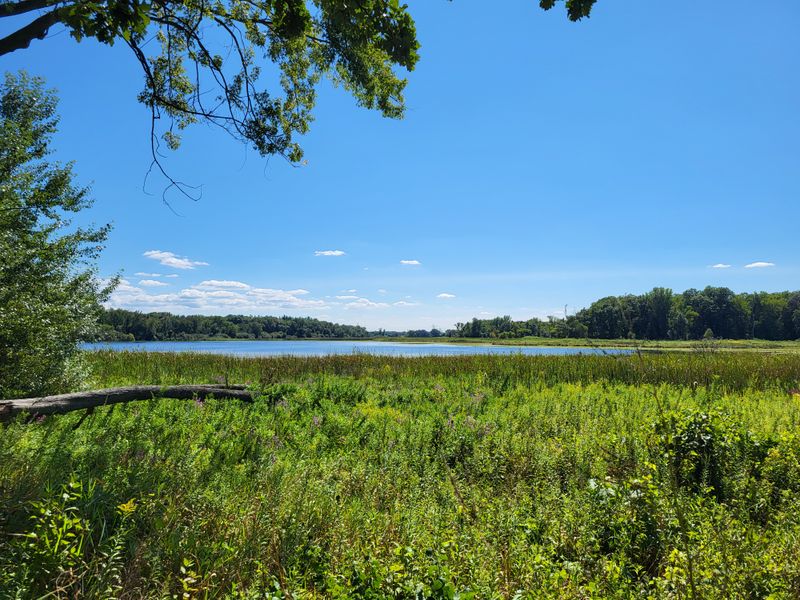
Every great park needs a signature feature, and Lake Defiance fills that role beautifully at Moraine Hills. This 48-acre kettle lake dominates the landscape, its waters reflecting the sky and surrounding hills in ways that change hourly with the light.
I’ve photographed this lake in every season, and it never looks quite the same twice. The lake formed when a massive ice block left by the retreating glacier melted, creating a depression that filled with groundwater and runoff.
Unlike many Illinois lakes, Lake Defiance maintains relatively clear water thanks to the wetlands that filter incoming water naturally. I’ve watched painted turtles surface near the shore, their shells glistening as they gulp air before diving back down.
Fishing here is surprisingly good for such a natural setting. Largemouth bass, bluegill, and crappie populate the waters, and I’ve seen anglers pull out some respectable catches from shore and from kayaks.
Electric trolling motors are allowed; trailers are prohibited; car-top boats permitted.
A scenic overlook on the eastern shore offers panoramic views that are absolutely stunning during sunset, when the water turns gold and pink. I’ve sat on those benches watching the day end, listening to frogs begin their evening chorus, feeling genuinely grateful for this accessible slice of wilderness.
Accessible Facilities That Welcome All Visitors
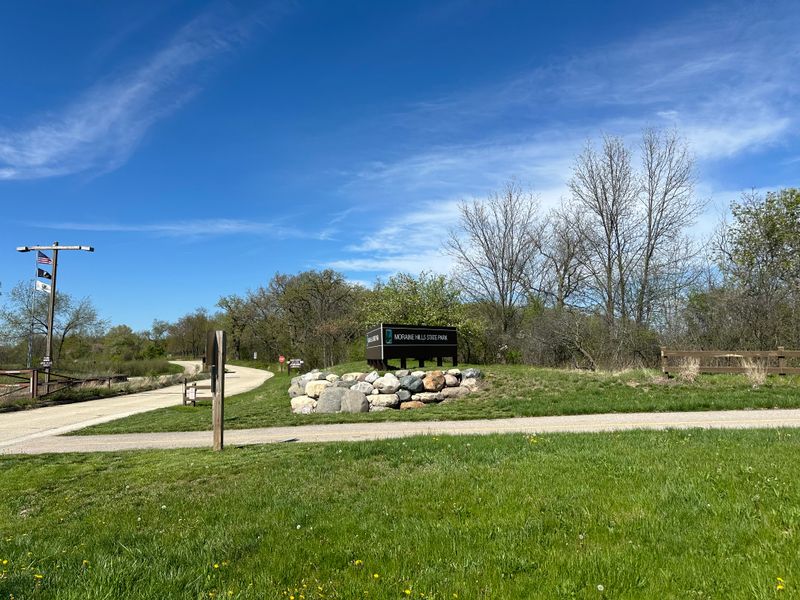
Accessibility often gets treated as an afterthought at natural areas, but Moraine Hills does better than most parks I’ve visited.
The main parking areas connect to paved trails that wheelchair users and people with mobility limitations can navigate comfortably. I’ve seen families with strollers covering serious distances here without the frustration that gravel or dirt paths create.
The restroom facilities are clean and well-maintained, which sounds basic but makes a huge difference during a long day outdoors. I appreciate that they’re positioned strategically along the trail system rather than just clustered at the entrance.
The park also provides waste bags for pets at multiple locations, saving forgetful dog owners like me from embarrassing situations.
Small playgrounds near parking areas give young children a place to burn energy before or after trail walks. These aren’t elaborate structures, but they serve their purpose and help make the park genuinely family-friendly.
Picnic tables are scattered throughout, some in sunny spots and others tucked into shade, giving visitors options depending on weather and preference.
The park’s website and physical signage do a good job explaining trail difficulty levels and distances, helping people choose routes matching their abilities. I’ve brought elderly relatives here knowing they could enjoy the park without overextending themselves, and that inclusive design matters more than fancy amenities.
Spectacular Fall Colors That Rival Any Forest
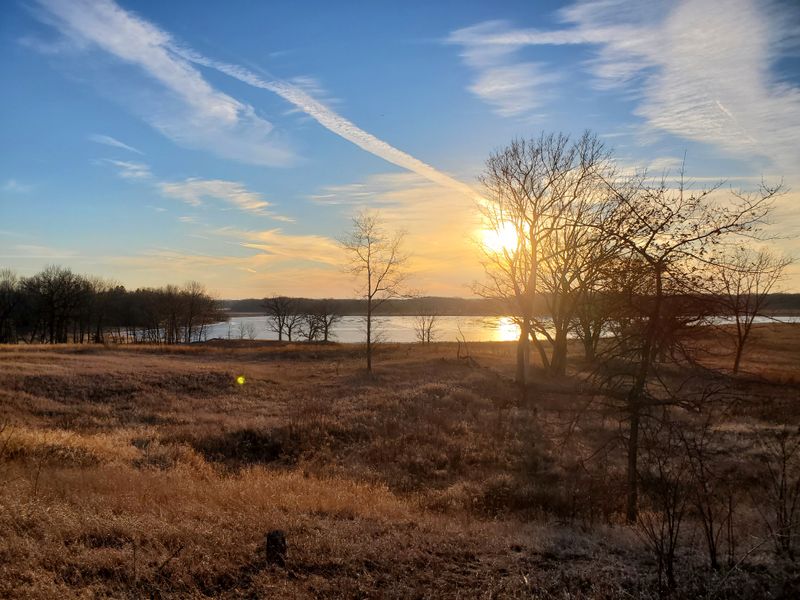
People drive hours to see fall colors in places like Door County or the Upper Peninsula, but Moraine Hills delivers autumn brilliance without the road trip.
The mix of oak, maple, and hickory trees creates a color palette that shifts from green to yellow to orange to deep red as October progresses. I time my visits carefully, usually hitting peak color in the third week of October, though climate variability makes every year slightly different.
What makes fall colors special here is the wetland backdrop. Those golden and crimson trees reflect in the still water of marshes and ponds, effectively doubling the visual impact.
I’ve taken photos here that people assume were shot in New England or the Rockies.
The combination of elevation changes and diverse tree species means colors peak at slightly different times across the park, extending the viewing window.
Early morning visits during fall offer the best light and the bonus of mist rising from warmer water into cool air. I’ve walked through fog so thick I could only see twenty feet ahead, then emerged into sunshine that made wet leaves glow like stained glass.
The crunch of fallen leaves underfoot, the earthy smell of decomposition beginning, the crisp air that makes you walk faster: fall at Moraine Hills engages all your senses in ways that summer’s lush greenness doesn’t quite match.
Wildlife Photography Opportunities
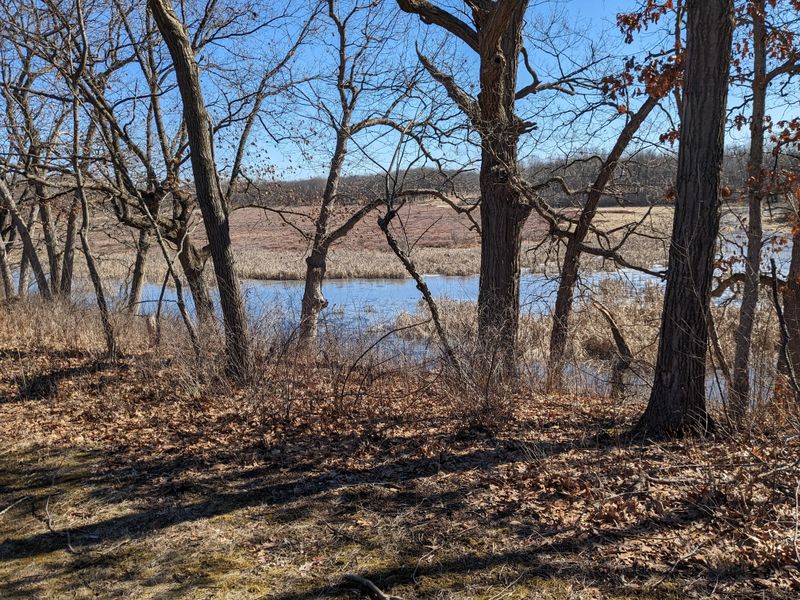
I’ve dragged my camera gear through dozens of parks hoping for good wildlife shots, and Moraine Hills consistently delivers.
The combination of diverse habitats, relatively tame animals, and good sight lines makes this a photographer’s dream. I’ve captured images here that ended up in local nature publications, and I’m just an enthusiastic amateur with decent equipment.
The sandhill cranes are obviously the marquee subjects, but don’t overlook the smaller residents. I’ve gotten frame-filling shots of painted turtles, green herons stalking prey in shallow water, and white-tailed deer browsing at forest edges.
Spring migration brings warblers in such variety that I can barely keep up with identifying them all. Dragonflies and butterflies offer macro photography subjects throughout summer.
The key to wildlife photography here is patience and timing. Early morning and late afternoon provide the best light and the most active animals.
I’ve learned to walk slowly and stop frequently, letting wildlife grow accustomed to my presence rather than charging ahead and spooking everything.
The trail system’s design helps because you can position yourself with good backgrounds rather than shooting against busy, distracting vegetation. Bring a telephoto lens if you have one, but I’ve gotten plenty of good shots with a basic zoom.
The real secret is simply spending time here regularly, learning animal patterns and favorite spots that let you anticipate where subjects will appear.
Peaceful Atmosphere That Soothes Frazzled Nerves
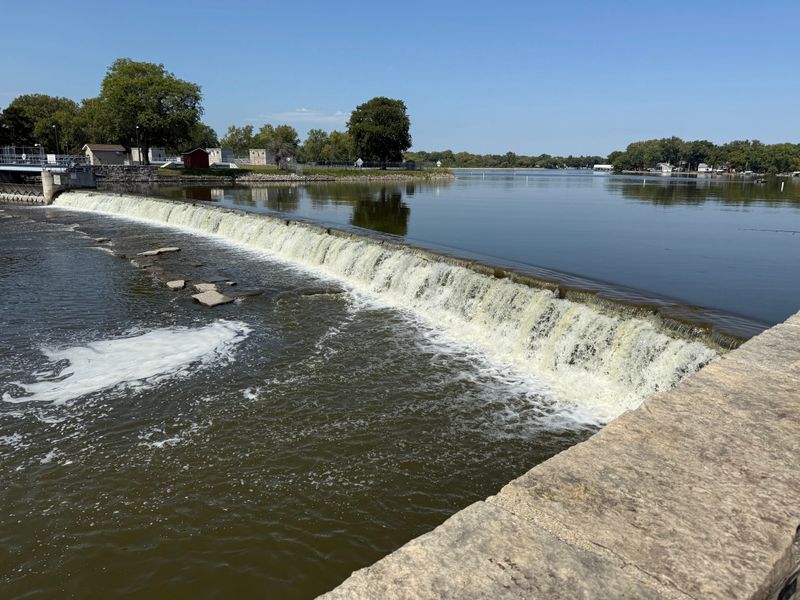
Some parks feel crowded even on slow days, but Moraine Hills has a remarkable ability to absorb visitors without losing its tranquil character. I’ve been here on beautiful weekend afternoons when the parking lot was full, yet once I walked a mile down the trail, I felt completely alone with nature.
The sound of highway traffic fades quickly, replaced by wind rustling through cattails and the occasional bird call.
This peaceful quality is exactly what I need after stressful weeks. I’m not exaggerating when I say walking these trails lowers my blood pressure and clears my cluttered mind.
There’s something therapeutic about watching water ripple across a pond, following a hawk’s lazy circles overhead, or simply sitting on a bench doing absolutely nothing productive. Modern life doesn’t offer many opportunities for that kind of unstructured quiet time.
The park’s distance from major population centers helps maintain this atmosphere. You’re close enough to Chicago’s suburbs for an easy visit but far enough that the crowds thin out quickly.
I’ve never felt rushed here, never had to jockey for position at a scenic overlook, never experienced the frustration of trying to enjoy nature while surrounded by noise.
Even the most popular trails have enough width that passing other hikers feels friendly rather than intrusive. This is the kind of place where strangers actually make eye contact and say hello.