
This Secluded Georgia State Park Has A Waterfall Most Travelers Never See
Not every waterfall comes with a gift shop, a crowded parking lot, and a line of people waiting to take the same photo. Some make you work a little for the reward, and honestly, they’re usually the ones worth remembering.
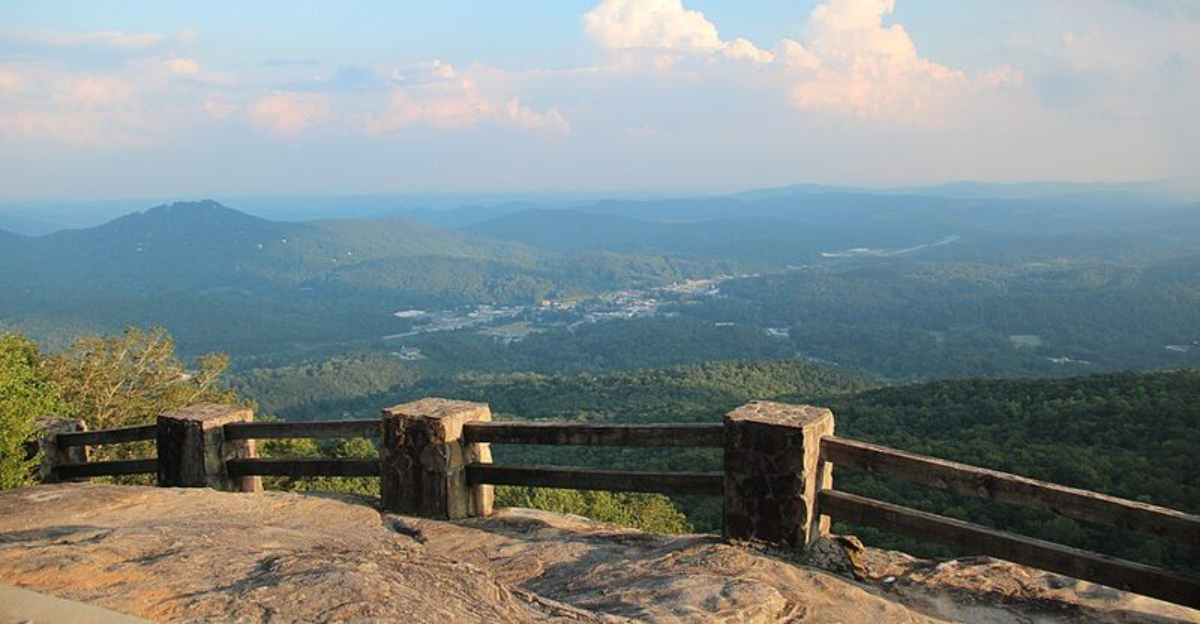
Hidden among the mountains of Georgia, this peaceful state park trades tourist crowds for quiet trails, fresh air, and a waterfall that many visitors never even realize is there. The journey is part of the fun, with scenic overlooks and forest paths building the anticipation one step at a time.
Then comes the payoff.
A cascading waterfall that feels like nature saved one of its best surprises for those willing to explore. It’s the kind of hidden gem that makes you wonder how it has stayed under the radar for so long.
The Highest State Park You Have Never Visited
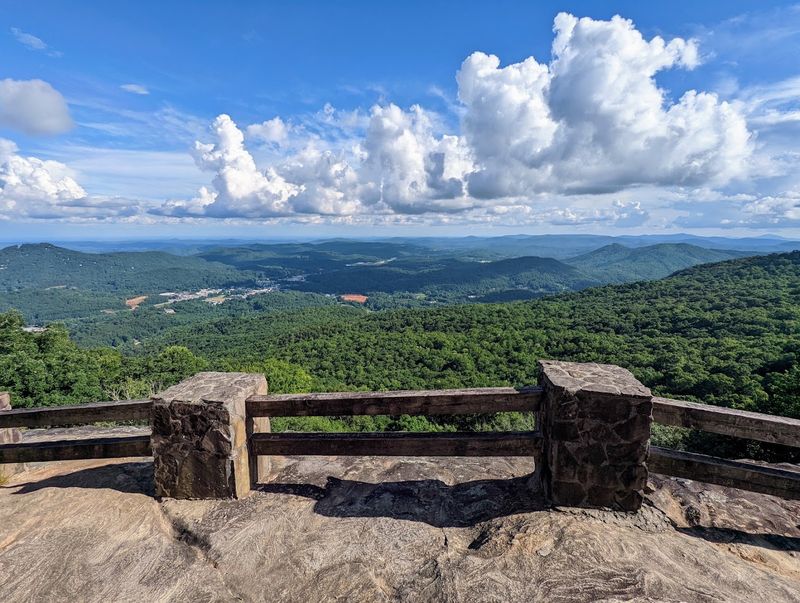
Standing at 3,640 feet above sea level, Black Rock Mountain State Park holds the title of Georgia’s highest state park, and it wears that crown proudly. The park sits perched atop the Blue Ridge Mountains like nature’s own penthouse suite.
Up here, the air has a different quality, crisp and cool, even on days when the valley below feels like a sauna.
The park takes its name from the striking dark-colored biotite gneiss cliffs that jut dramatically from the mountainside.
These ancient rock formations give the landscape a raw, sculptural quality that stops you mid-stride. Geologists love this place, and honestly, once you see those cliffs, you will understand why.
What makes this elevation truly remarkable is its position on the Eastern Continental Divide. Raindrops falling here literally choose sides, flowing either toward the Atlantic Ocean or the Gulf of Mexico.
That is not just geography trivia, that is genuinely mind-bending when you are standing right on the line. The park opens daily at 7 AM, giving early risers the best chance to catch the mountain mist rolling through the ridges before the world wakes up.
The Trail That Keeps Its Secrets Well
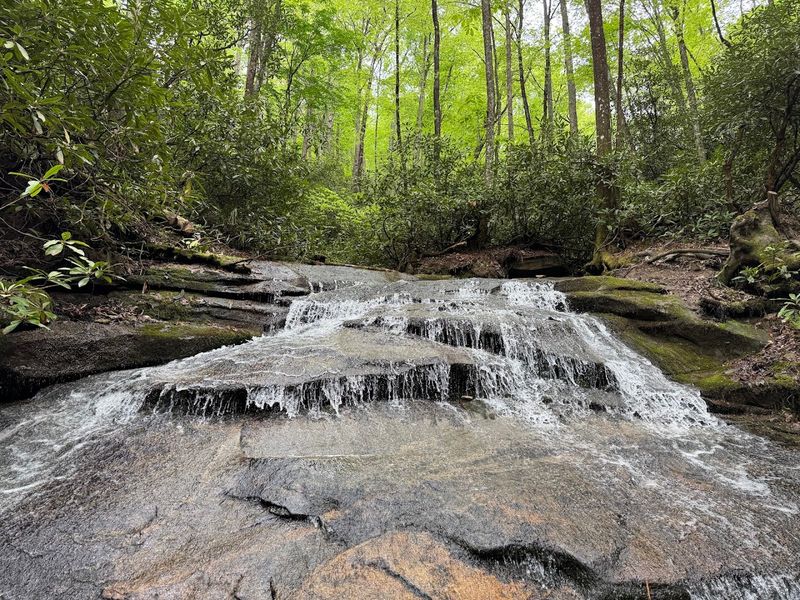
Not every great thing in life announces itself loudly, and Ada-Hi Falls is proof of that.
Located within Black Rock Mountain State Park at 3085 Black Rock Mountain Parkway, Mountain City, GA 30562, the Ada-Hi Falls Trail is a short but surprisingly spirited quarter-mile path that descends into one of the most enchanting natural settings in North Georgia.
The trailhead sits conveniently near the visitor center, making it easy to find even on your first visit.
Rated moderate to difficult, the trail features steep sections and charming wooden staircases that wind through a dense canopy of mature hardwoods.
The name Ada-Hi itself translates to forest in the Cherokee language, which feels perfectly fitting the moment you step beneath that thick green ceiling. Every step downward feels like the forest is drawing you closer into its confidence.
Lichen-covered boulders line the path, and the rhododendron thickets grow so dense they create natural green tunnels that filter the sunlight into something almost magical.
The trail rewards patience and a steady pace rather than speed. By the time you hear the faint sound of water ahead, the anticipation has already built into something genuinely exciting.
A Waterfall That Whispers Instead Of Shouts
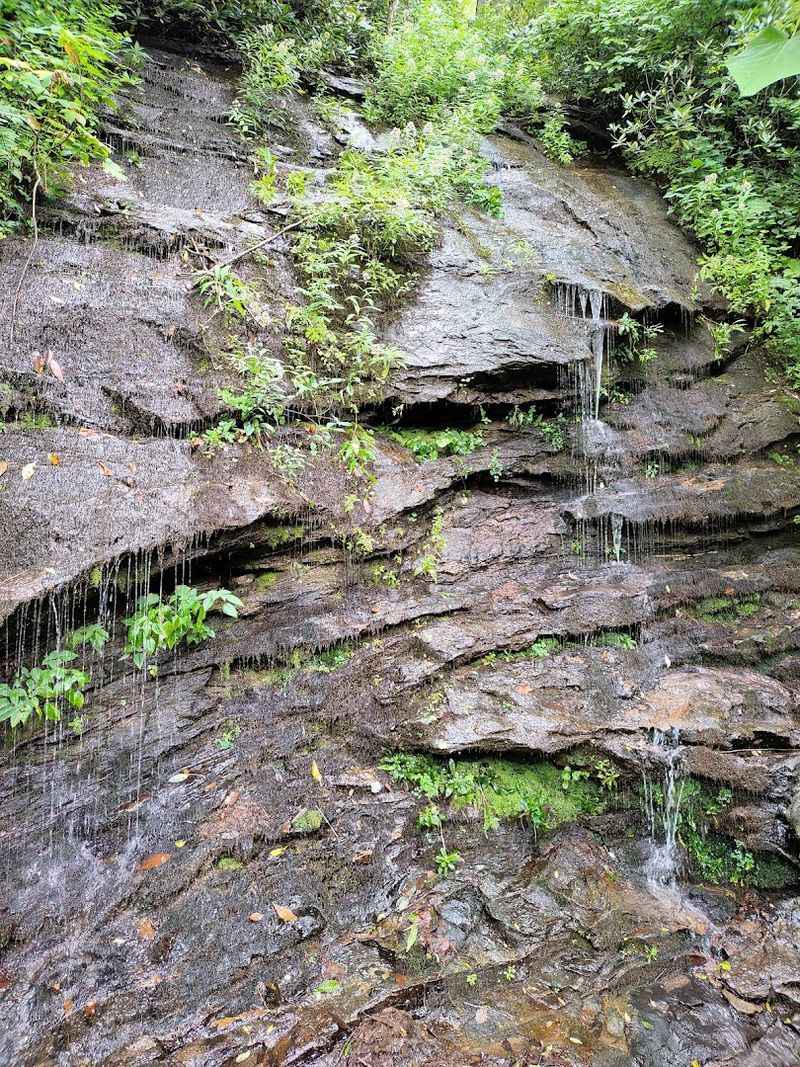
Ada-Hi Falls does not try to impress you with sheer volume or thunderous noise. Instead, it slides gracefully down a 35 to 40-foot rock face in what geologists classify as a horsetail-style waterfall, meaning the water stays in contact with the rock as it descends.
That contact gives it a silky, almost meditative quality that feels completely different from the dramatic plunges you see on postcards.
Because of the park’s high elevation, water flow here changes with the seasons and recent rainfall. After a good rain, the falls run with real energy and presence.
During drier stretches, it becomes a delicate trickle that still manages to feel beautiful in its restraint.
Each visit genuinely offers something different, which makes returning here more than worthwhile.
At the trail’s end, a wooden observation deck gives you a front-row seat to the whole show.
Standing there, surrounded by ferns and the soft sound of moving water, it is easy to understand why people call this place a hidden gem.
Ada-Hi Falls is the kind of natural feature that rewards those who seek it out rather than stumbling upon it by accident. Quiet places like this have a way of staying with you long after you leave.
A Living Garden Hiding In Plain Sight
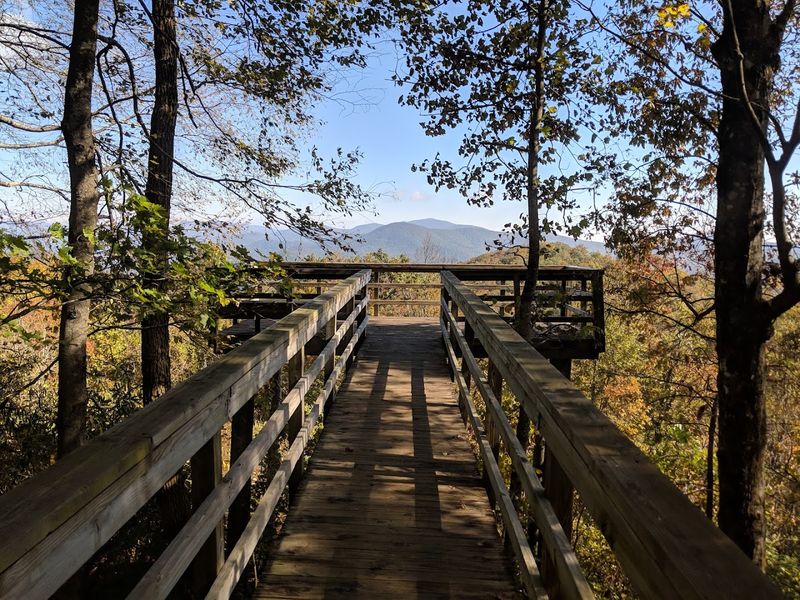
Botanists call it a moist north-slope Appalachian cove, but standing inside it feels more like stepping into a living greenhouse that nobody built.
The area surrounding Ada-Hi Falls supports an extraordinary range of plant life, much of it thriving because of the park’s high altitude and consistent moisture levels. Species that normally grow much further north find a comfortable home here, creating a fascinating ecological crossover zone.
Spring turns this cove into something genuinely spectacular.
Rhododendrons and mountain laurel explode into bloom, painting the hillsides in shades of pink and white that seem almost too vivid to be real. Flame azaleas add bursts of orange and red to the mix, turning an ordinary hike into something closer to a curated garden walk.
Ferns carpet the forest floor in thick, lush layers, and wildflowers like trillium and violets pop up between the roots and rocks in cheerful little clusters.
The biodiversity here is not just visually stunning, it tells a story about elevation, moisture, and the complex relationships between plants and their environments.
Every square foot of this cove holds something worth noticing, which means slowing down is not just recommended here. It is basically required.
Panoramic Views That Make You Feel Like You Own The Mountains
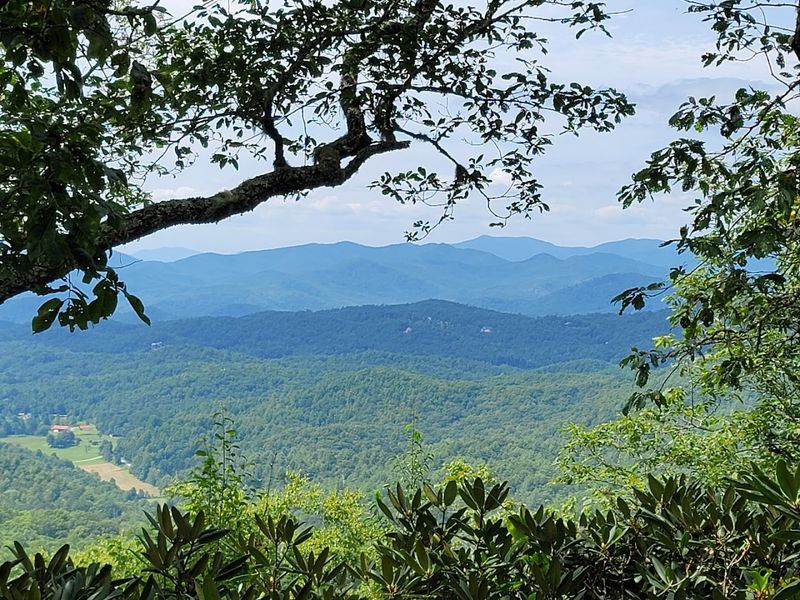
There is a specific kind of silence that happens when you reach a mountain overlook and the view stretches so far that your brain needs a moment to process it all.
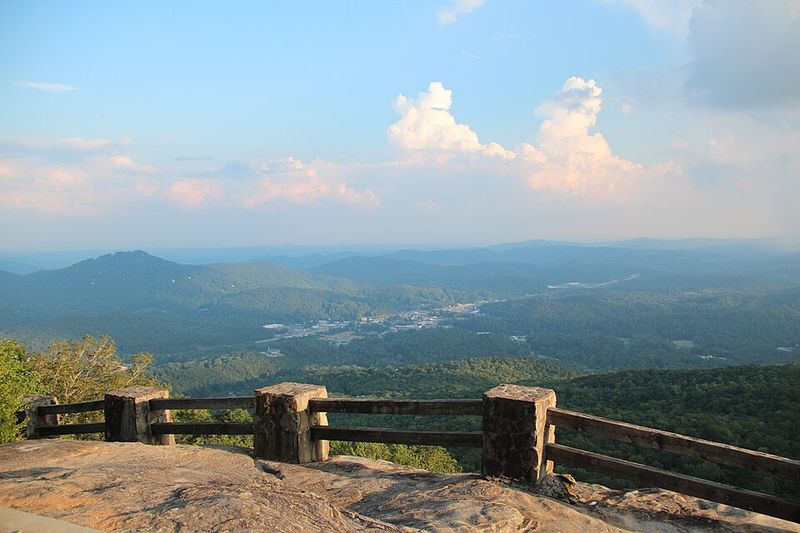
Black Rock Mountain State Park delivers that moment repeatedly, with multiple scenic overlooks offering views that extend up to 80 miles across the Southern Appalachians. On clear days, you can see into North Carolina, South Carolina, and Tennessee all at once.
The Blue Ridge Overlook and Cowee Overlook are two of the most popular spots for soaking in these sweeping panoramas.
Sunrise visits reward early risers with layers of soft mist rolling through the valleys below, creating a scene that looks lifted straight from a nature documentary. Sunset shifts the whole palette into warm golds and deep purples that linger long after the light fades.
What makes these views feel different from other mountain overlooks is the sheer density of forest surrounding them.
There are no highways cutting through the ridgelines, no development interrupting the natural flow of the landscape. Just ridge after ridge of unbroken green stretching toward the horizon.
Standing at any one of these overlooks, it becomes very clear why people drive hours to spend just a few minutes here.
Wildlife Encounters That Turn A Hike Into A Full Story
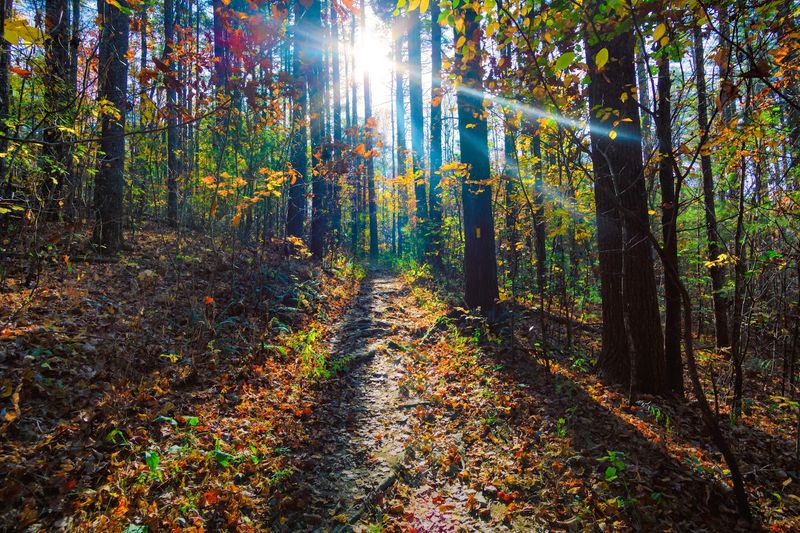
Black Rock Mountain State Park is the kind of place where the trail itself is just the beginning of the experience.
The park’s rich mix of hardwood forests, mountain streams, and dense shrub layers creates ideal habitat for a surprisingly wide range of animals. White-tailed deer appear along the trails with almost casual confidence, barely pausing to acknowledge passing hikers.
Birdwatchers find this park genuinely rewarding across all four seasons. Wild turkeys strut through the underbrush with their characteristic unhurried swagger.
Ruffed grouse flush suddenly from the leaf litter, nearly causing heart attacks. Woodpeckers work steadily at the older trees, and a variety of songbirds fill the canopy with layered, overlapping calls that make the forest feel alive in every direction.
Black bears also call this park home, though sightings are not guaranteed and encounters are typically brief and distant.
The possibility alone adds a certain electric awareness to every hike here, the kind that keeps your eyes scanning the treeline with genuine curiosity rather than fear. Foxes occasionally appear at dawn and dusk, moving silently along the edges of clearings.
Every visit to this park has the potential to become a story worth telling, and that unpredictability is a big part of its lasting appeal.
Standing On A Geographic Punchline
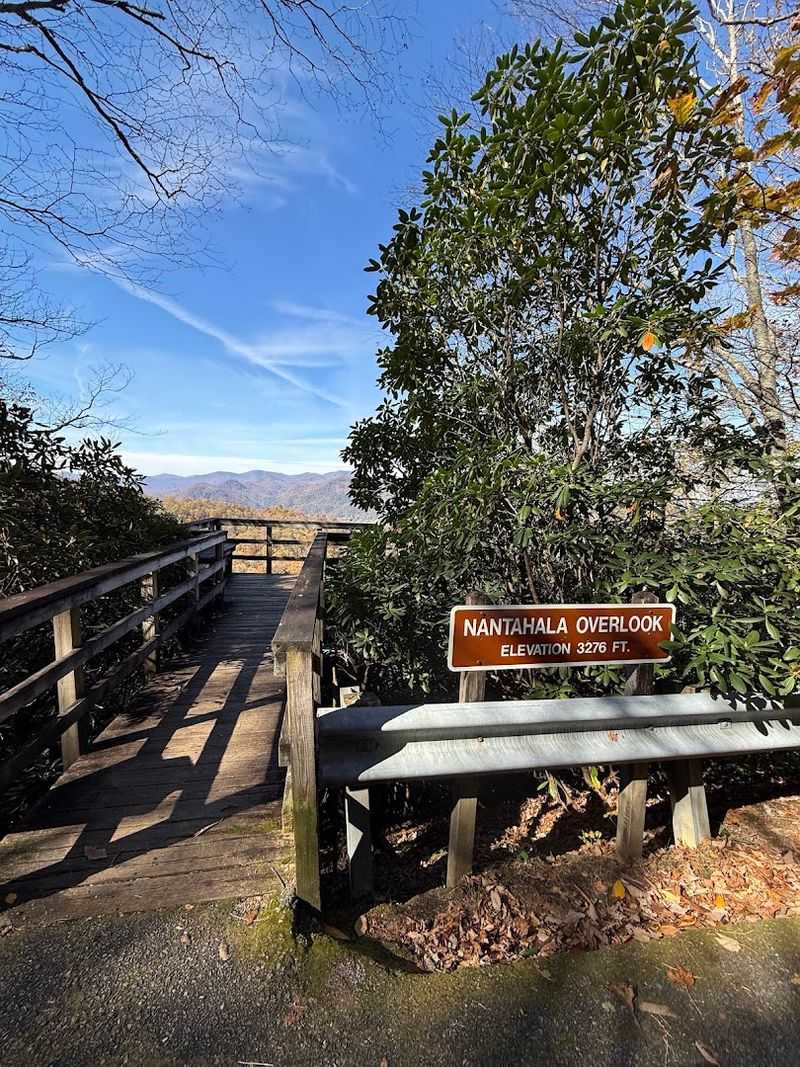
Here is a piece of geography that sounds made up but is completely real. Black Rock Mountain State Park straddles the Eastern Continental Divide, the invisible line that determines which ocean receives every raindrop that falls within the park boundaries.
Water landing on one side eventually reaches the Atlantic Ocean via the Savannah River system. Water landing just a few feet away heads toward the Gulf of Mexico through the Mississippi River drainage.
The park has a sign marking this divide, and standing next to it produces a surprisingly philosophical feeling for something that is essentially just a ridge.
It is the kind of spot where you find yourself staring at the ground, trying to visualize the journey a single raindrop might take across an entire continent.
That is not nothing, that is genuinely remarkable.
This unique geographic positioning also explains a lot about the park’s ecology. The divide creates distinct microclimates on either side of the ridge, which in turn supports different plant communities and wildlife patterns.
The Tennessee Rock Trail follows portions of this divide, offering hikers both outstanding views and the added satisfaction of walking along a continental watershed boundary. Not many hiking trails in Georgia can claim that kind of geographical significance.
Nature’s Most Dramatic Season Finale
If Black Rock Mountain State Park is impressive in summer, autumn turns it into something that borders on overwhelming.
The park sits at an elevation where fall color changes happen earlier and more dramatically than in the valleys below, giving visitors a head start on one of Georgia’s most celebrated seasonal events.
Oak, maple, and sourwood trees ignite in shades of red, orange, and yellow that seem almost artificially vivid against the blue mountain sky.
Peak color typically arrives in late October, though the show often begins building through early October with subtle shifts in the canopy that reward those paying close attention.
The cooler mountain temperatures accelerate the transformation, meaning the timing here differs noticeably from what happens at lower elevations just a short drive away. Planning a visit around this window is one of the smartest moves any outdoor enthusiast can make in North Georgia.
The combination of fall color and panoramic overlooks creates a visual experience that is genuinely difficult to replicate anywhere else in the state.
Every overlook becomes a front-row seat to nature’s most theatrical performance of the year. The Ada-Hi Falls Trail takes on a completely different personality in autumn, with fallen leaves carpeting the wooden staircases and the surrounding cove glowing in warm amber tones.
Have you ever stood somewhere so beautiful that you forgot to take a photo because you were too busy just looking?