
This Secret Maine Garden Is A Butterfly-Filled Sanctuary With Whimsical Charm
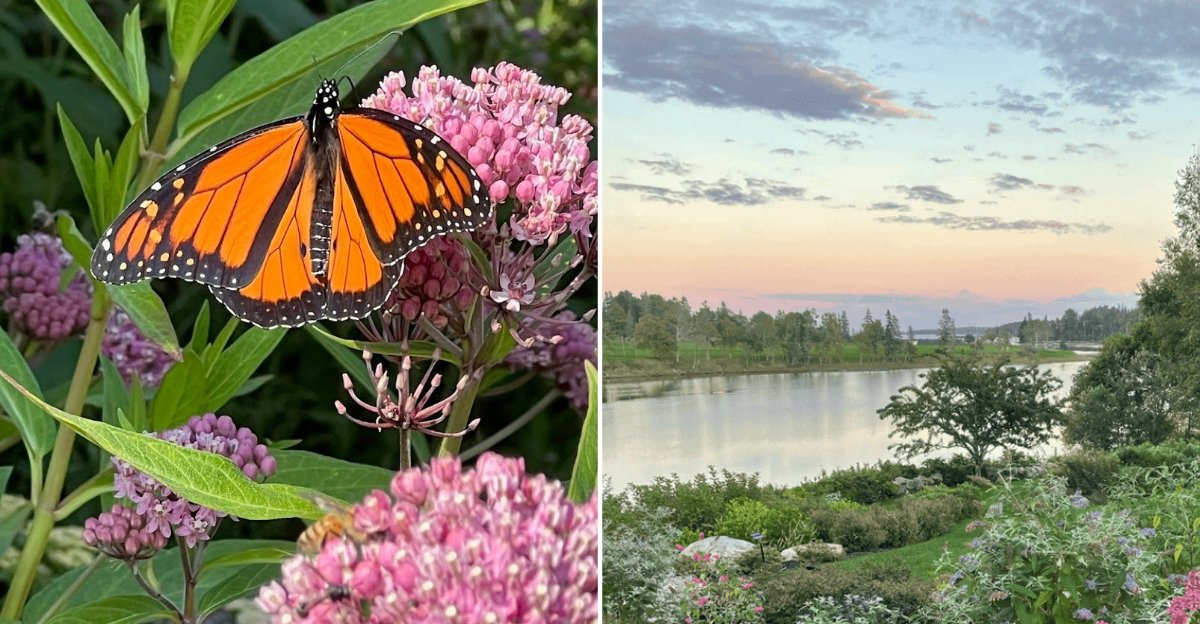
Most drivers never expect a roadside garden in Maine to feel like a secret door into another world. On the quieter western side of Mount Desert Island, a small pocket of flowers, butterflies, bees, benches, and water views has a way of making people slow down before they even understand why.
Nothing here shouts for attention. The charm comes softly, through monarchs drifting over bright blooms, the hum of pollinators, and the calm blue backdrop just beyond the lawn.
This free, community-loved sanctuary feels hidden in plain sight, the kind of stop travelers discover by chance and remember long after the trip ends.
Maine’s Trust-Box Garden
Not every beautiful place in the world comes with a price tag, and Charlotte Rhoades Butterfly Park is proof of that.
There is no admission fee to walk through the gates and wander among the blooms. Instead, a donation box sits quietly at the entry pavilion, where a suggested contribution of five dollars helps keep the garden running.
This kind of trust-based model says a lot about the community that maintains it. The garden is community- and volunteer-supported and depends on the goodwill of visitors to stay in its pristine condition.
That shared sense of responsibility gives the whole experience a warm, neighborly feeling.
When you drop a few dollars in that box, you are not just paying for a visit. You are helping plant next season’s zinnias, fund the upkeep of the picnic tables, and keep this little sanctuary open for every curious traveler who pulls off the road.
Generosity, it turns out, grows well in Maine soil.
A Legacy In Bloom
Behind every named place is a story, and this garden carries one worth knowing. Charlotte Rhoades Butterfly Park takes its name from a community figure whose memory is woven into the very soil of Southwest Harbor.
The park stands as a living tribute, not a monument of stone, but one of petals, pollinators, and open sky.
Southwest Harbor sits on the quieter, less-visited western side of Mount Desert Island, away from the crowds that flock to Bar Harbor.
That setting gives the park a sense of belonging to a tighter-knit community, one where names and histories still matter and where a garden can carry someone’s legacy forward across the seasons.
Knowing the name behind the garden changes how you walk through it. Each labeled plant, each carefully tended bed, feels like a small act of remembrance.
It is the kind of tribute that keeps growing, blooming a little differently every year, and never quite saying goodbye.
Where Monarchs Gather
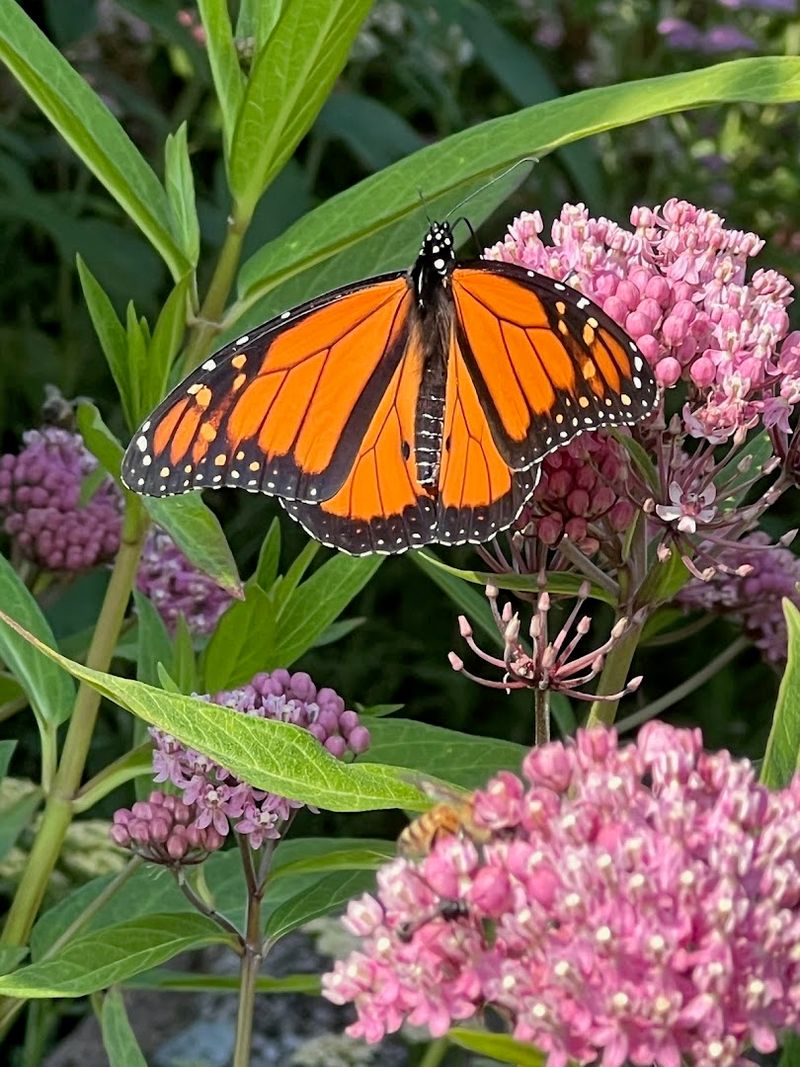
Few sights in nature are as quietly thrilling as a monarch butterfly drifting between flowers on a warm August afternoon.
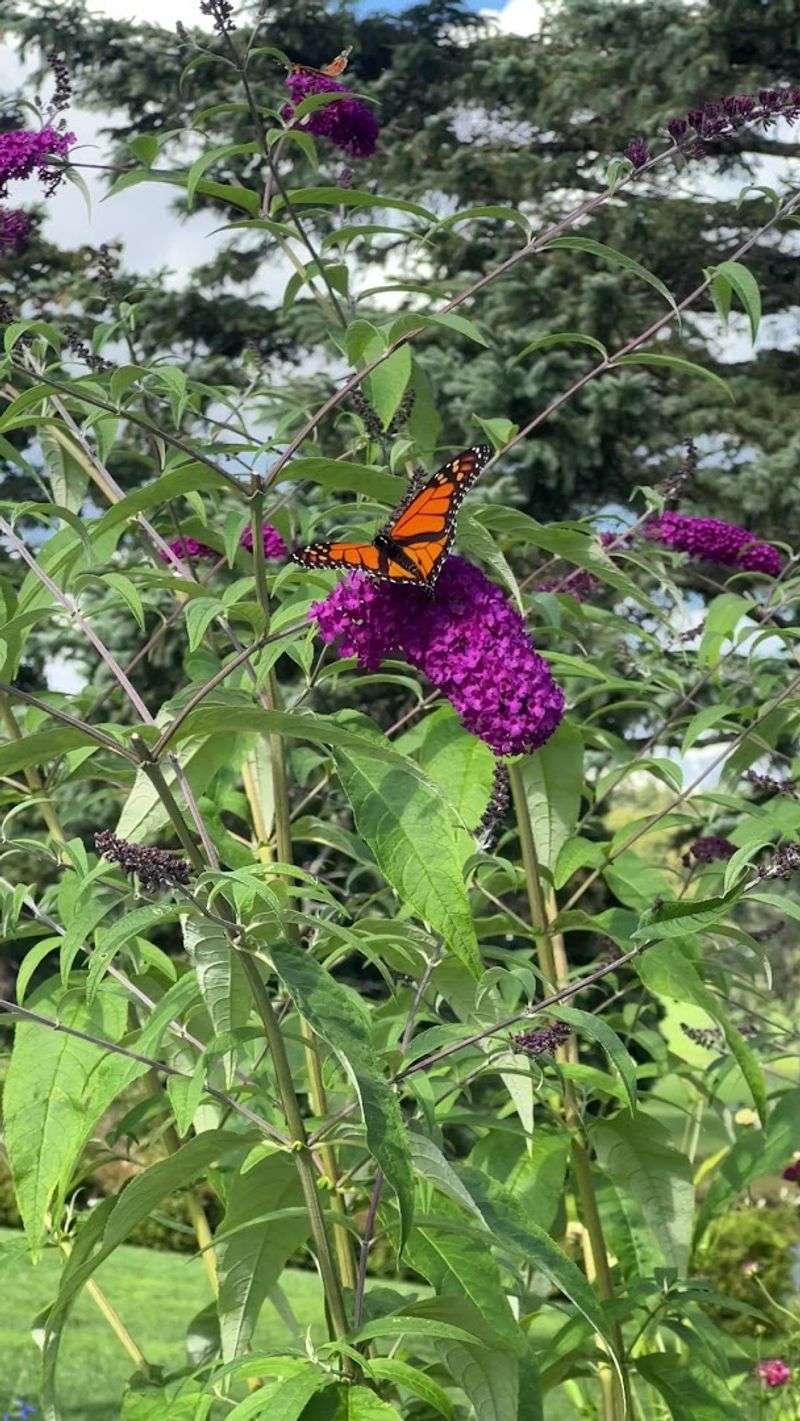
At Charlotte Rhoades Butterfly Park, monarchs are not just occasional visitors. The garden was deliberately designed with a large milkweed section to attract them, since milkweed is the only plant monarch caterpillars will eat.
Late summer, particularly August and early September, is the best window to catch monarchs in full flight here. Visitors who time their trip right have spotted several at once, their orange and black wings catching the coastal Maine light in a way that feels almost cinematic.
Monarchs are currently listed as an endangered species, which makes a dedicated habitat like this one genuinely important. The garden is not just pretty scenery.
It is a pit stop on a migration route that stretches thousands of miles, and every milkweed plant in that carefully tended bed plays a small but meaningful role in keeping that journey possible.
A Garden That Teaches
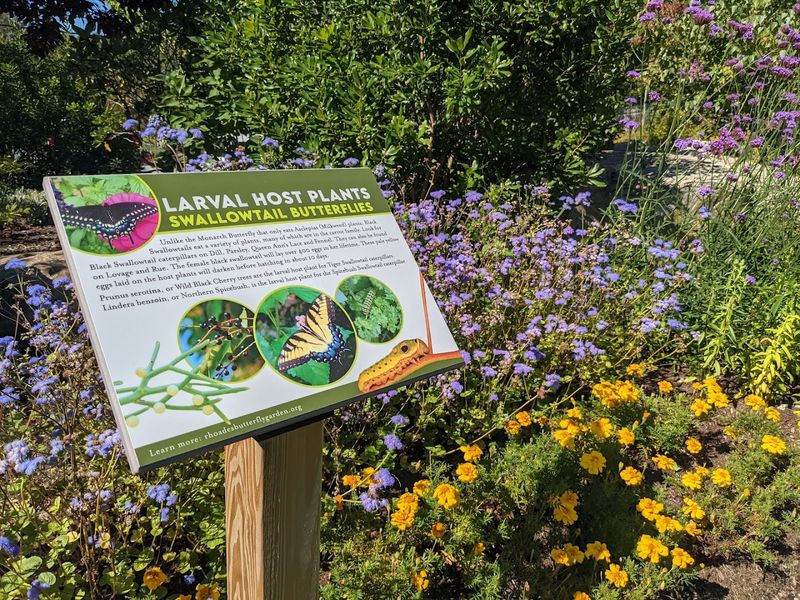
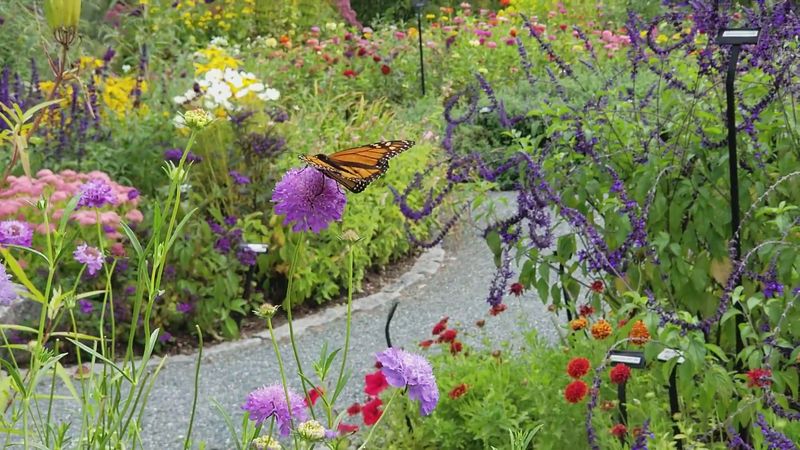
One of the quietest surprises at Charlotte Rhoades Butterfly Park is that nearly every plant comes with a label. Walk the garden slowly and you will find the names and varieties of zinnias, cosmos, sedum, salvia, echinacea, phlox, marigolds, and more, all marked clearly so you know exactly what you are looking at.
For gardeners, this is a goldmine. You can take notes, snap photos of the labels, and bring ideas straight home to your own yard.
For kids and curious beginners, the labels make the garden feel like a friendly outdoor classroom where no one is being graded.
There is something satisfying about being able to name what you are seeing. It shifts the experience from passive admiring to active noticing, and that small shift makes the whole visit feel richer.
A naturalist has even been known to be on-site at times, offering personal advice for visitors who want to recreate pollinator-friendly spaces in their own gardens back home.
Flowers With A Harbor View

Most butterfly gardens are lovely, but not all of them come with a view of the water. Charlotte Rhoades Butterfly Park does, and that detail elevates the whole experience in a way that is hard to put into words until you are standing there yourself.
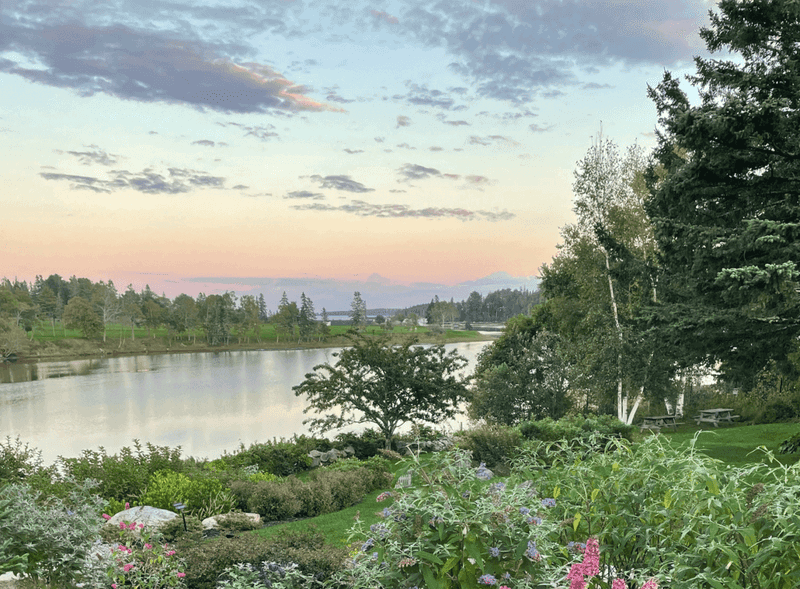
Behind the flower beds, a grassy lawn opens up toward a peaceful view of the water, framed by benches and picnic tables.
The combination of blooming color in the foreground and calm blue water in the background creates a scene that feels composed, like someone planned it as a painting. On a clear Maine day, the light off the water adds a shimmer that makes everything around it look more vivid.
Sitting at one of those picnic tables with a meal and that view is, by any measure, one of the better ways to spend a quiet afternoon on Mount Desert Island. The flowers hum with bees, the water sits still, and time moves at a noticeably slower pace out here on the western shore.
Little Feet, Easy Paths
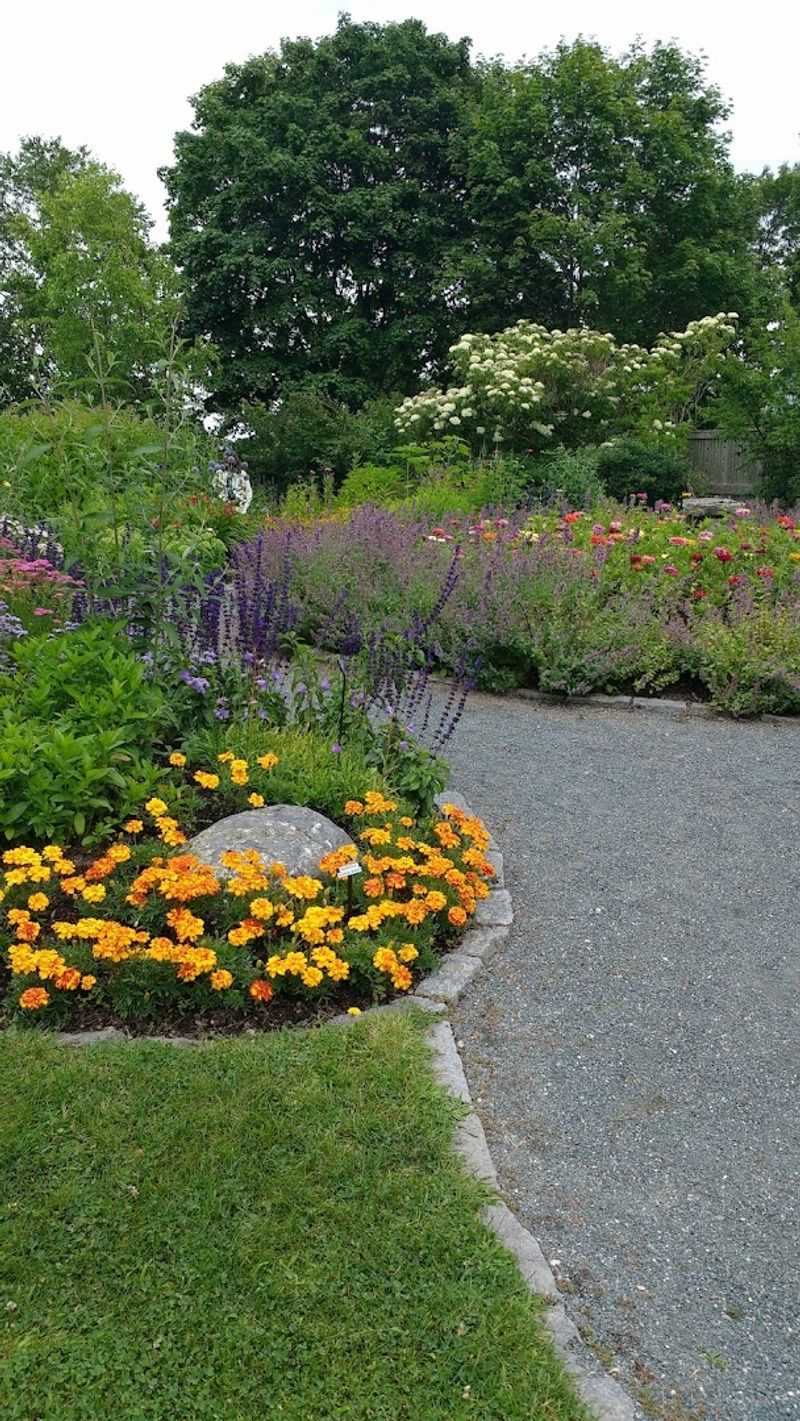
Traveling with little ones often means scouting every stop for accessibility, and Charlotte Rhoades Butterfly Park delivers on that front without any fuss.
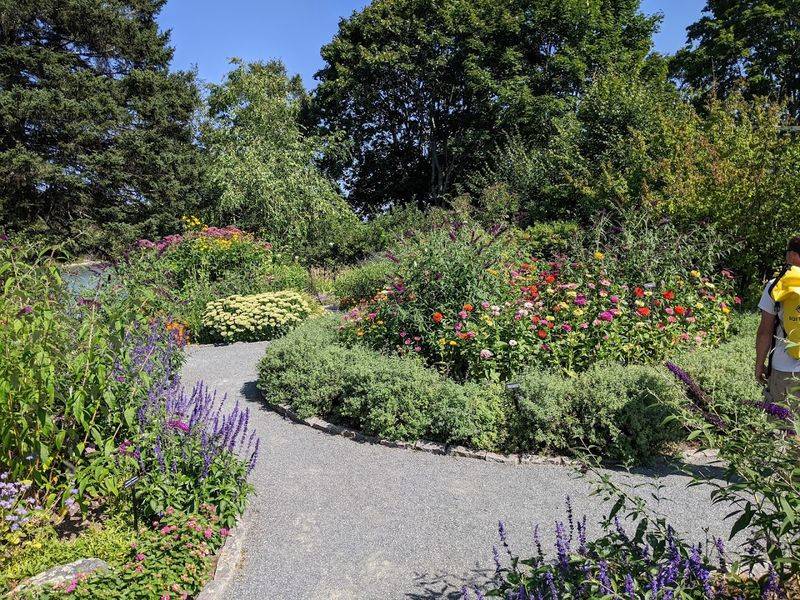
The garden paths are stroller-friendly, making it easy to navigate with a baby carriage or a toddler in tow. No rough terrain, no steep steps, just smooth and gentle ground through a sea of flowers.
There is also a small swing set near the waterfront section of the park, designed for children around six years old and under. It is not a full playground, but for a tired toddler who needs a few minutes of motion and joy, it does the job perfectly well.
Watching kids discover butterflies up close for the first time is one of those small travel moments that sticks with you.
The way a child freezes when a monarch lands nearby, eyes wide and breath held, is worth every mile of the drive. This garden has a quiet talent for creating those kinds of moments without any extra effort.
When The Color Peaks
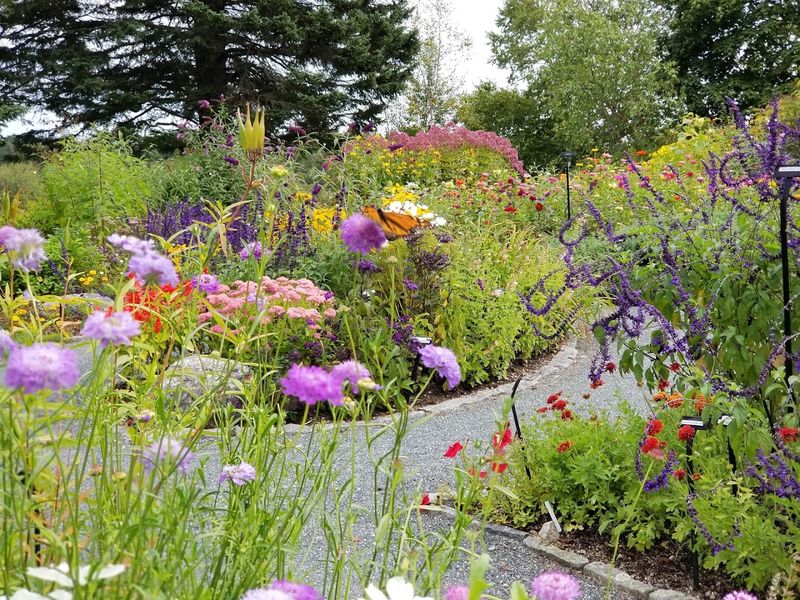
Timing your visit to Charlotte Rhoades Butterfly Park makes a noticeable difference in what you will see. The garden hits its stride in mid to late summer, with July and August being the months when the flowers are at their most saturated and the butterflies are most active.
Early June visitors may find the beds still waking up, with little blooming yet.
By August, the zinnias are blazing orange and red, the cosmos sway in the sea breeze, and the echinacea stands tall in purple clusters. The whole garden smells faintly of warm earth and pollen, that specific summer scent that feels like a reward for showing up at the right time.
Even in early October, the garden holds some color and the occasional late-season butterfly. The team behind the park clearly invests serious effort into maintaining the beds throughout the season, and it shows in every carefully placed row of flowers.
Catching it at peak bloom, though, is a treat that is absolutely worth planning around.
The Park Is Worth Hunting Down
Here is a fair warning before you set out: the park is small, the sign is modest, and if you are driving south on Route 102 through Southwest Harbor without watching carefully, you will pass it without a second glance.
Several visitors have noted that the entrance requires a sharp eye, especially with summer foliage filling in around the sign.
The address is 191 Main St, Southwest Harbor, ME 04679, and plugging that into a navigation app is the most reliable way to land right in front of the small parking lot. The lot itself is compact, so arriving on a weekday or early in the morning tends to mean fewer cars and a more relaxed visit.
The garden is open daily from 7 AM to 8 PM, which means early risers can catch the morning light on the flowers before the day heats up. That low golden hour glow across a field of zinnias and butterflies is one of those sights that rewards the people who actually get up early.
The Buzz Beyond Butterflies
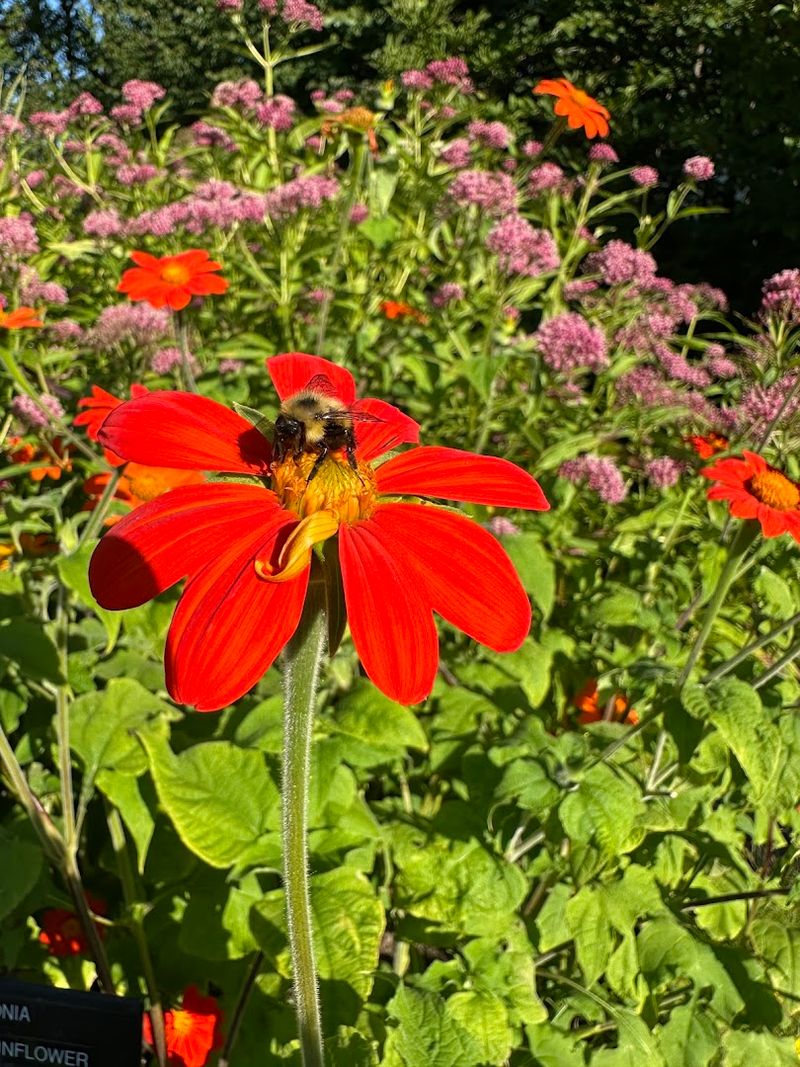
Butterflies get top billing here, but they are far from the only winged visitors working the garden. Bees of several varieties move through the flower beds with focused efficiency, covering zinnias, salvia, and phlox in a constant low hum that fills the air on warm afternoons.
Watching them is oddly calming, a kind of natural white noise that slows your thoughts down.
Pollinator gardens like this one serve a broader ecological purpose beyond their obvious beauty. By planting dense, diverse beds of nectar-rich flowers, the park supports bee populations that are under pressure across North America.
Every bloom is a resource, and the garden is essentially a well-stocked pantry for every flying insect in the neighborhood.
Bird activity also adds to the sensory experience, with various species passing through the tree line near the water.
The combination of butterflies, bees, birds, and blooms makes the garden feel genuinely alive in a way that a manicured park without pollinators simply cannot match. Nature, when invited in, fills every corner of the space.
Acadia’s Quiet Detour
Many visitors discover Charlotte Rhoades Butterfly Park almost by accident while driving toward Bass Harbor Lighthouse or the Ship Harbor Trail, both of which are popular stops in the Acadia National Park area.
The route through Southwest Harbor passes directly by the garden, making it a natural and effortless addition to any Acadia itinerary.
Southwest Harbor itself sits on the quieter side of Mount Desert Island, away from the busier Bar Harbor crowds. That contrast is part of the appeal.
After a morning of hiking rocky Acadia trails, the idea of sitting at a picnic table surrounded by flowers and watching monarchs drift past is a very welcome kind of rest.
Adding this stop to an Acadia day trip costs nothing, takes as little or as long as you want, and leaves you with the kind of quiet satisfaction that a busy park itinerary rarely delivers on its own.