
This Secret Pennsylvania Trail Leads To A Wild Lake Shore That Feels Frozen In Time
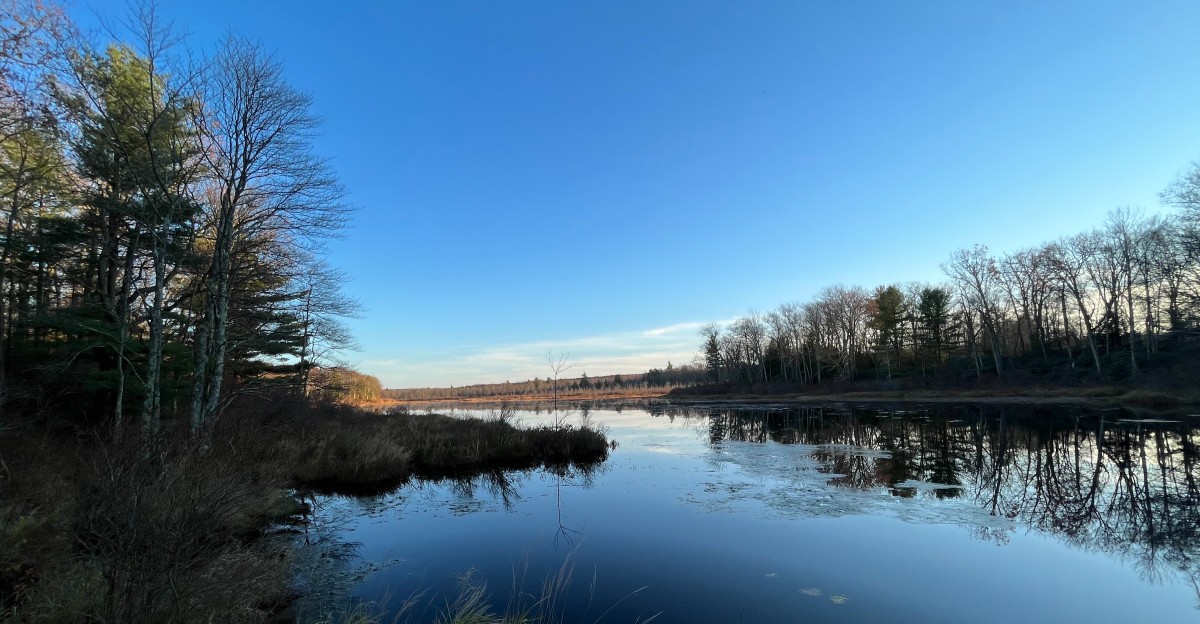
A lake left behind by melting glaciers up to 20,000 years ago still sits in the woods, and no road reaches it.
You can only get there on foot. That’s the whole deal, and honestly, I love it. Pennsylvania has only about 50 natural glacial lakes.
This one is spring-fed, undeveloped, and known for crystal-clear water. No snack bar, no boat launch, no trash cans either.
The walk in passes a second lake built by the Civilian Conservation Corps in 1935. Its water can look reddish, thanks to tannins from nearby swamps.
Then come bogs with plants that eat bugs, which feels like a plot twist for a stroll. I believe a place this quiet earns a little effort.
Ice Age Leftovers Make This Lake A True Original
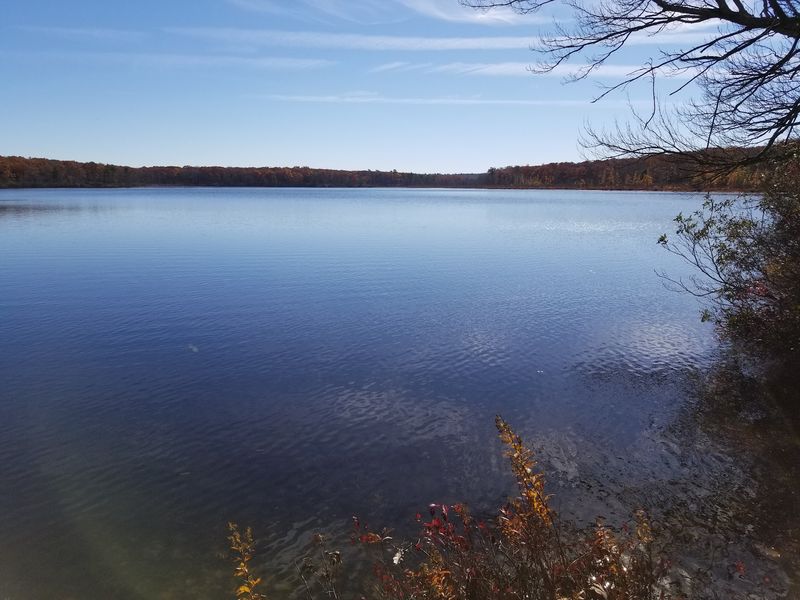
Glaciers carved this scene, then packed up and left. Bruce Lake Natural Area in Delaware State Forest protects the result: a spring-fed lake formed by retreating glaciers during the last Ice Age.
That history alone is wild to think about. The lake was here long before any trail map, parking lot, or hiking boot showed up.
Bruce Lake is also part of a small club. Pennsylvania has only about 50 natural or glacial lakes, while most of the others you see were made by dams.
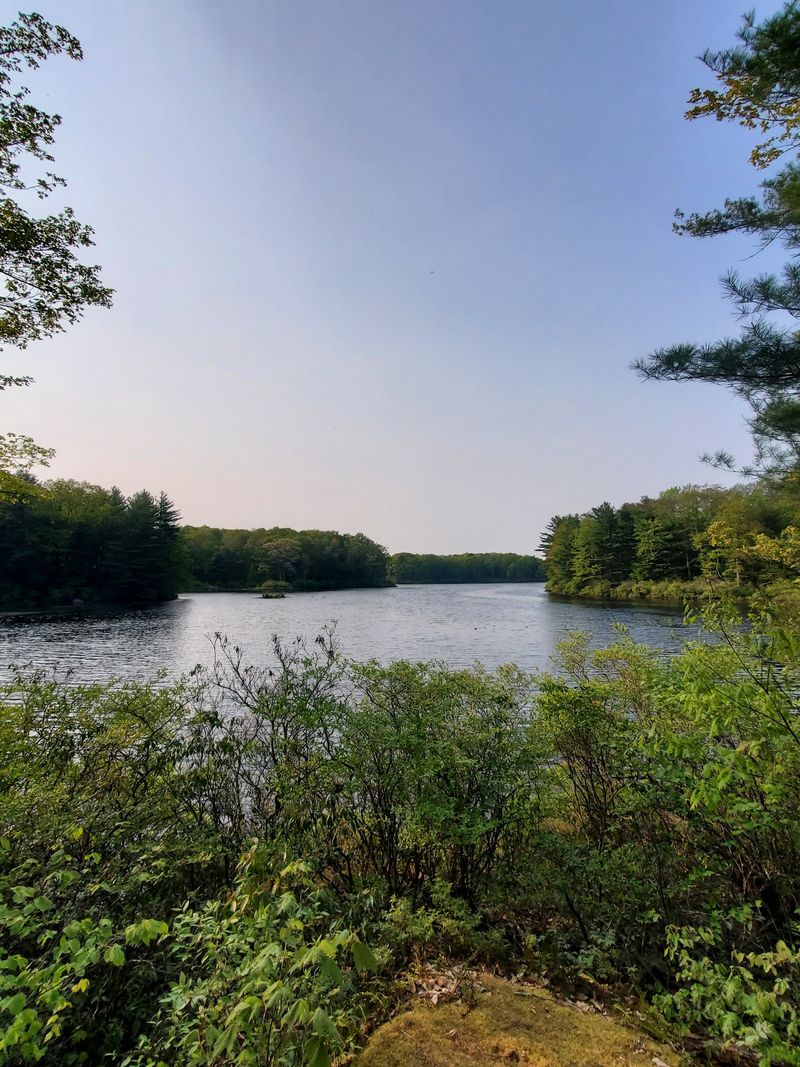
So this water is the real thing. It formed on its own and still looks the part, with clear water and a shoreline free of buildings.
No road leads to the shore, and no motorboats hum across it. Your feet are the only ticket in, which keeps the place feeling untouched.
I like that the lake asks for a little effort. It makes the first view feel earned rather than handed to you from a car window.
The natural area covers 2,845 acres around it. That’s plenty of wild ground to wrap a very old lake in a very quiet blanket.
The Walk In Starts Easy And Gets More Interesting
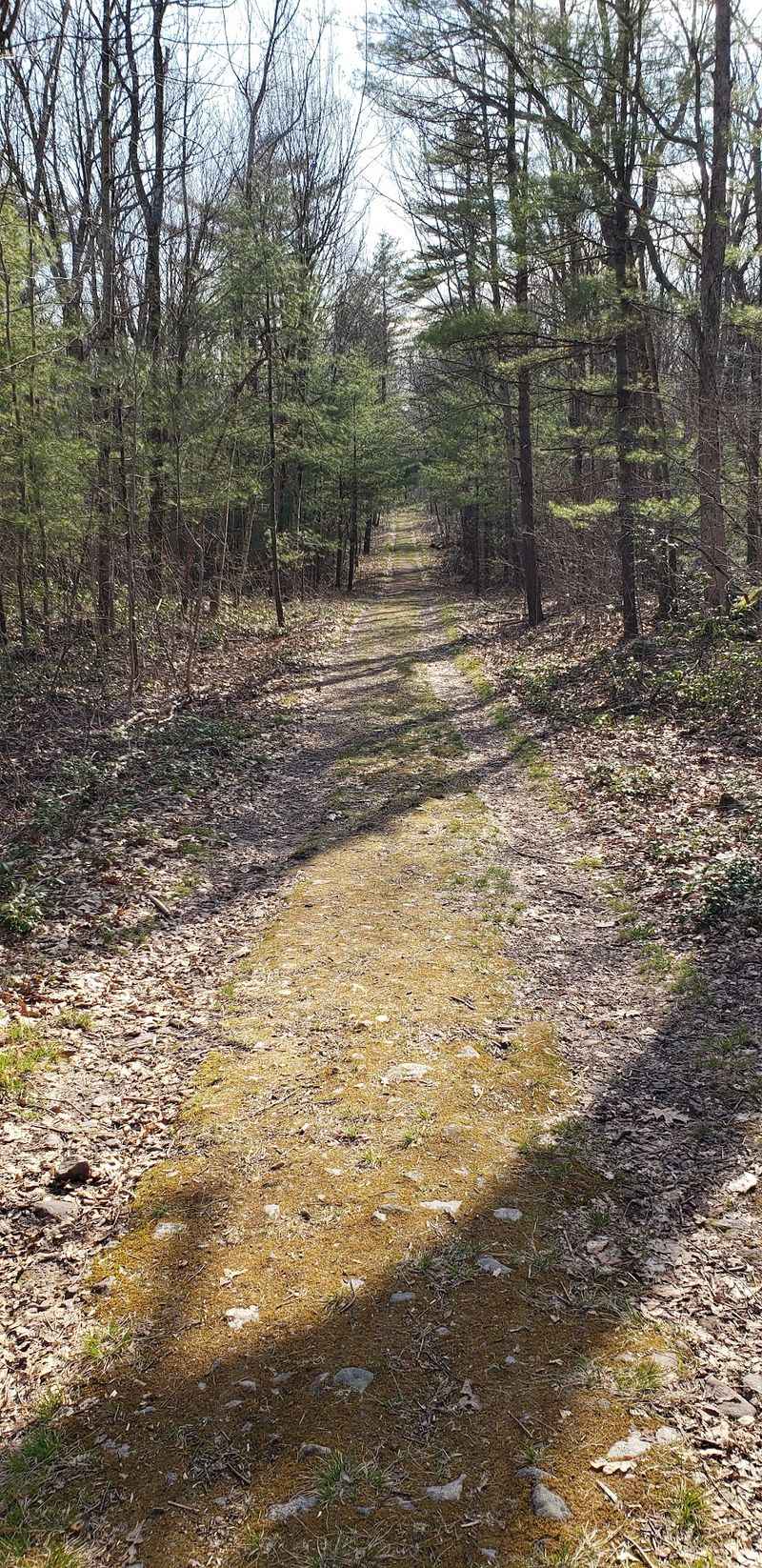
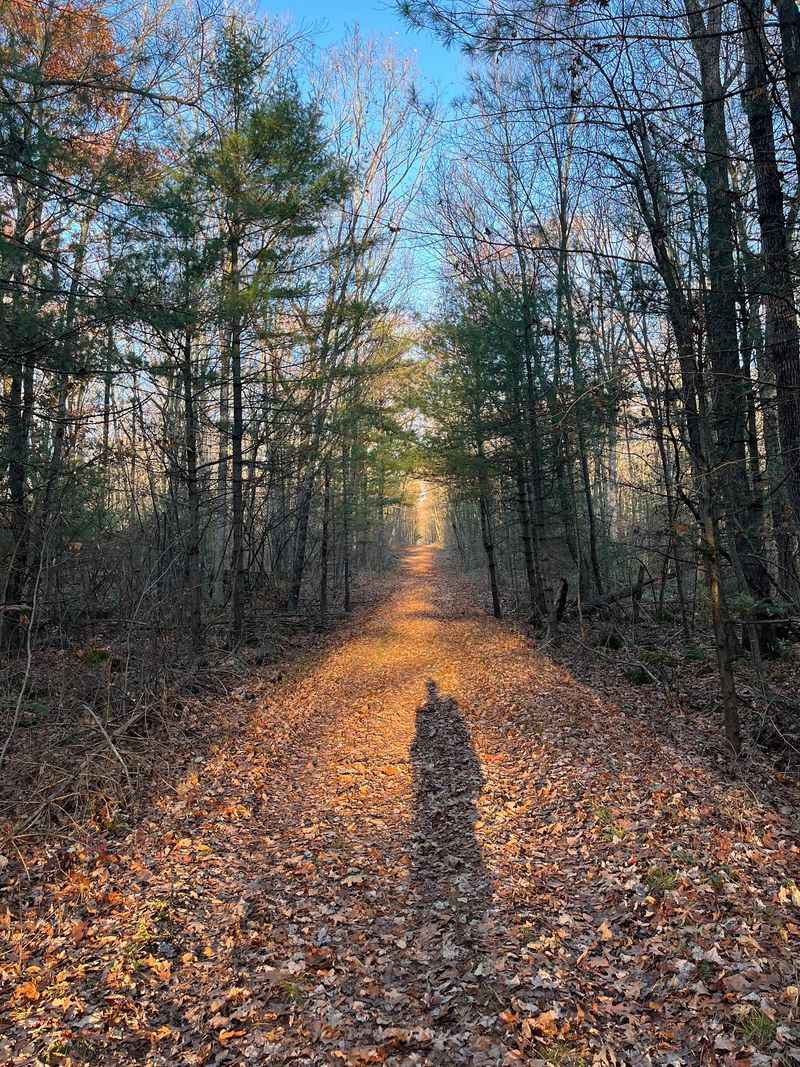
Old woods roads do the heavy lifting at first. The Bruce Lake Trail begins wide and fairly level, which makes the early stretch feel like a relaxed forest stroll.
Later, things narrow into singletrack. That’s where the path gets rockier, wetter, and more personal with your ankles.
Some sections can be swampy or a bit overgrown. Waterproof boots are a smart call, and so are socks you don’t mind sacrificing to the mud.
Route options give you flexibility. The Bruce Lake Loop runs about 7.9 miles with roughly 432 feet of elevation gain and loss.
Want something rated easier? A loop linking Egypt Meadow Lake and Bruce Lake covers about 7.3 miles, usually around two and a half hours of walking.
Elevation here sits near 1,800 feet, and the land stays mostly flat. That’s good news for legs, though the rocks keep you paying attention.
Pack water, snacks, and a map before you go. The trail is friendly, but it won’t hand you anything once you’re out there.
A Red-Tinted Bonus Lake Shows Up First
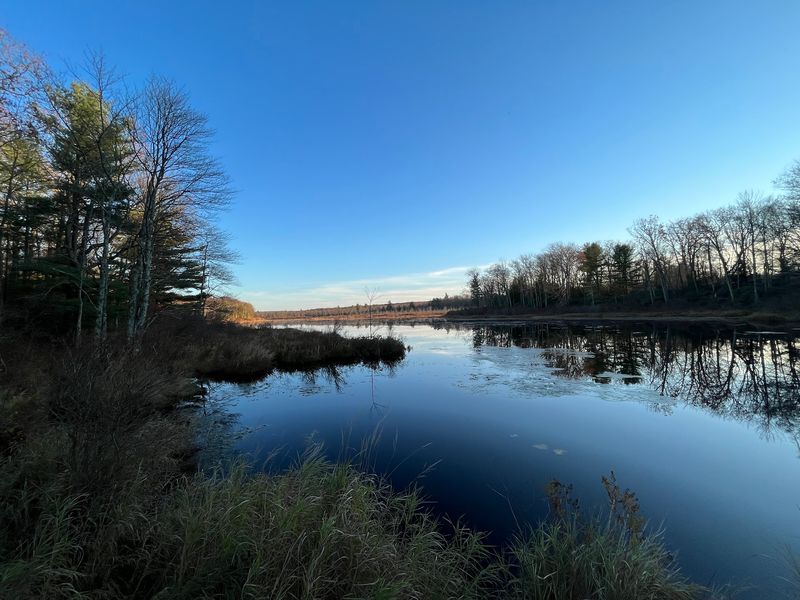
Before the main event, there’s an opening act. Egypt Meadow Lake sits along the route, and it has a story of its own.
The Civilian Conservation Corps built this 47-acre lake in 1935. Those Depression-era crews left a lasting mark on parks across Pennsylvania.
Now for the odd part. The water can look red, and it’s not a special effect.
Tannins from the surrounding swamps tint it. It’s the same basic idea as tea steeping in a mug, just on a much larger scale.
That makes a fun contrast with Bruce Lake later. One lake is human-made and tea-colored, while the other is ancient and clear.
A separate Egypt Meadow Lake Trail circles the water in about 2.2 miles. It’s rated moderate because the footing gets rocky and wet.
Short on time? This loop works as a stand-alone outing, and it still delivers forest, water, and a solid dose of quiet.
Its trailhead sits on the east side of Route 390, just south of Interstate 84. Easy to find, easy to like.
Bug-Eating Plants Live In These Northern Bogs
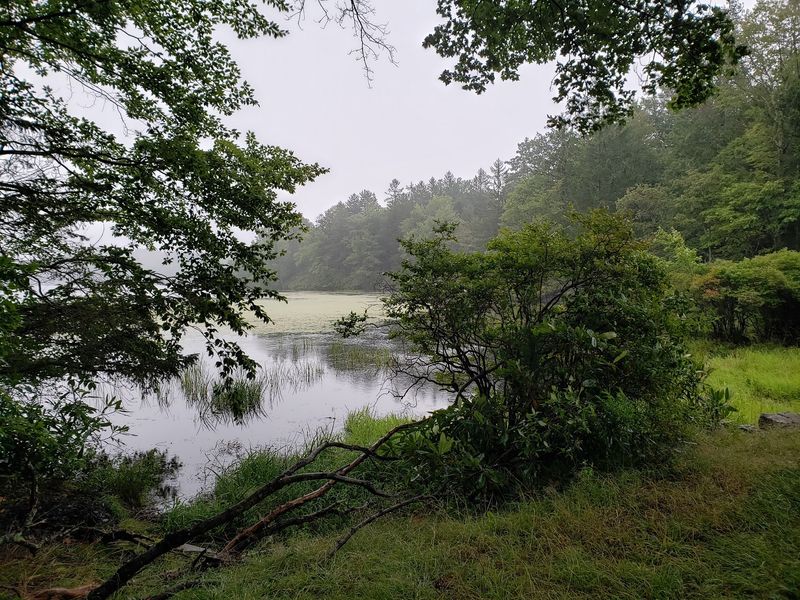
Carnivorous plants, in Pennsylvania. Yes, really, and they live in the glacial bogs of Bruce Lake Natural Area.
Pitcher plants and sundews grow here. Both catch insects, which feels like nature showing off a little.
These bogs are rare in the state. They’re more typical of New England and Canada, so spotting one here feels like a quick trip north.
Sphagnum moss forms the base of the bog community. It’s spongy, soggy, and the main reason these habitats work the way they do.
Black spruce and tamarack add to the northern mood. They stand around the wet ground like they missed a turn somewhere near Maine.
Off-trail travel is tough because of all the wetlands. Stay on marked paths, which protects the plants and keeps your boots from vanishing.
A zoom lens or good phone camera helps. Sundews are small, and their sticky little drops reward anyone willing to look closely.
I can’t imagine walking past these without stopping. It’s a living science lesson, and nobody hands out a quiz afterward.
Keep Your Eyes Open For Bears, Bobcats, And Warblers
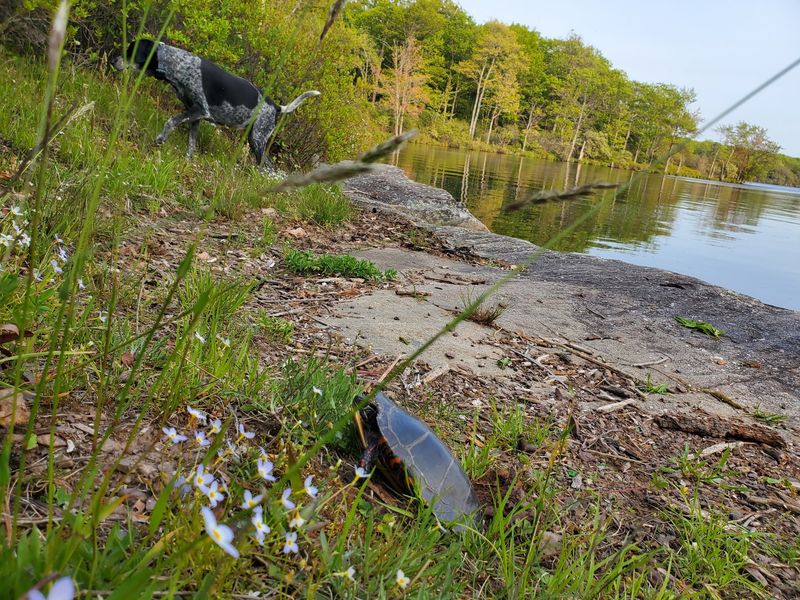
Plenty of residents live out here, and most of them aren’t wearing hiking boots. The natural area offers excellent habitat for a long list of wildlife.
Waterfowl, amphibians, and songbirds are common sightings. Birders look for the black-throated blue warbler, a sharp-dressed little bird with serious style.
Bigger animals roam too. White-tailed deer, black bears, coyotes, bobcats, and fishers all call this forest home.
Timber rattlesnakes live here as well. Watch where you step and where you sit, especially around rocky spots on warm days.
Then there’s a tiny celebrity. The bog copper is a butterfly species of concern that depends on cranberry plants in the bog mats.
That’s a very specific lifestyle. It also shows how one rare habitat can support creatures you won’t find in a typical backyard.
Binoculars are worth the backpack space. A quiet pace helps too, since animals tend to notice loud hikers long before hikers notice them.
Give every creature room. The best wildlife moment is the one where everybody goes home calm.
Giant Hemlocks And Laurel Tunnels Steal The Scenery
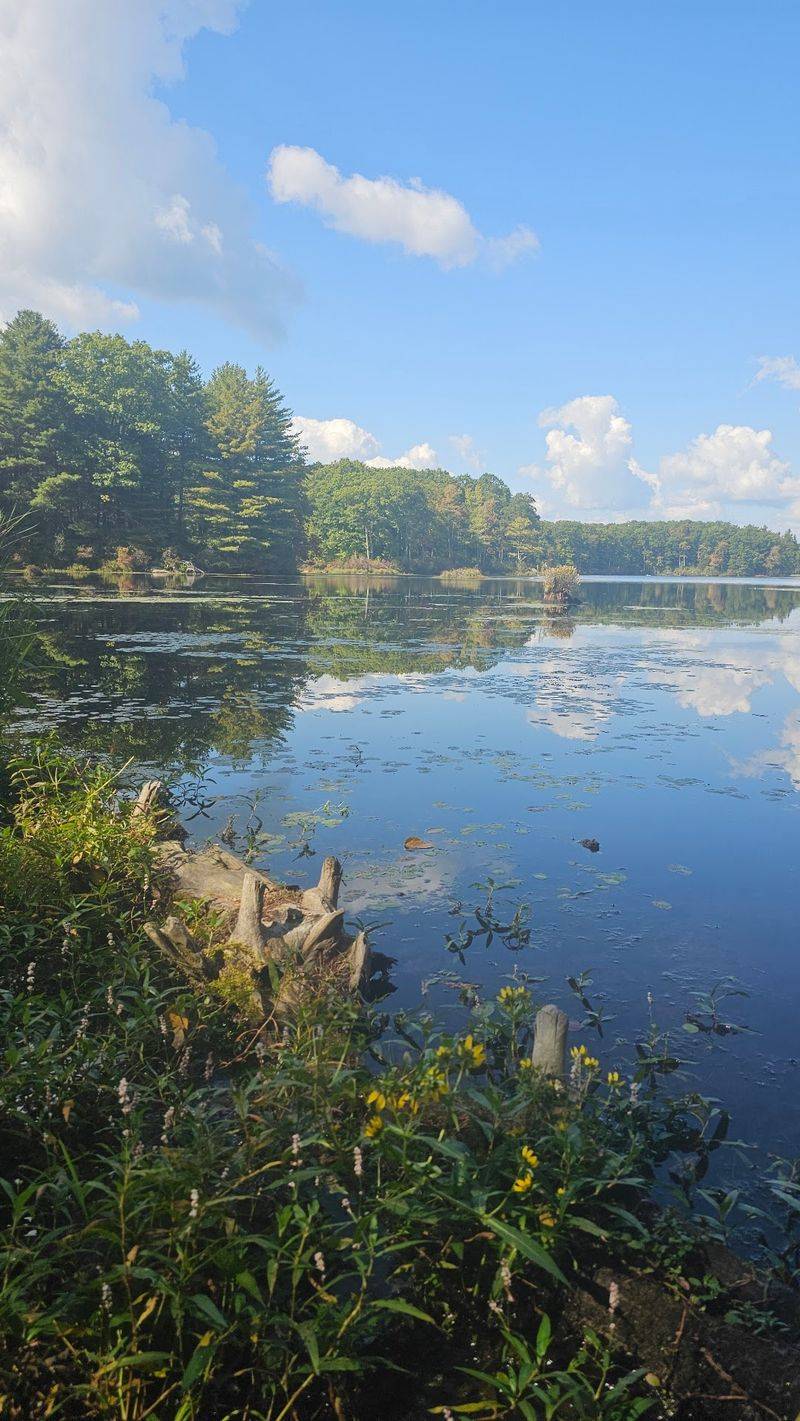
One hemlock here measures more than 12 feet around. That’s a tree worth a pause and maybe a respectful nod.
The forest mix keeps changing as you walk. Mixed oaks, northern hardwoods, pine, beech, and maples all share the ground.
Mountain laurel and rhododendron fill in the understory. They make some sections feel thick, green, and wonderfully hidden.
Timing matters if you love flowers. Mid-June to mid-July is the sweet spot for laurel and rhododendron blooms.
Mountain laurel happens to be Pennsylvania’s state flower. Seeing it bloom along a wild trail feels like the state rolling out its own welcome mat.
Hemlocks also bring shade on summer afternoons. Their dark, feathery branches cool things down and add a hushed feel to the woods.
Photographers get lots to work with. Textured bark, glossy leaves, and soft light through the branches make easy frames.
Take your time in these stretches. The trees have been patient for decades, so you can manage a few extra minutes.
Fall Colors And Snowy Trails Change The Whole Mood
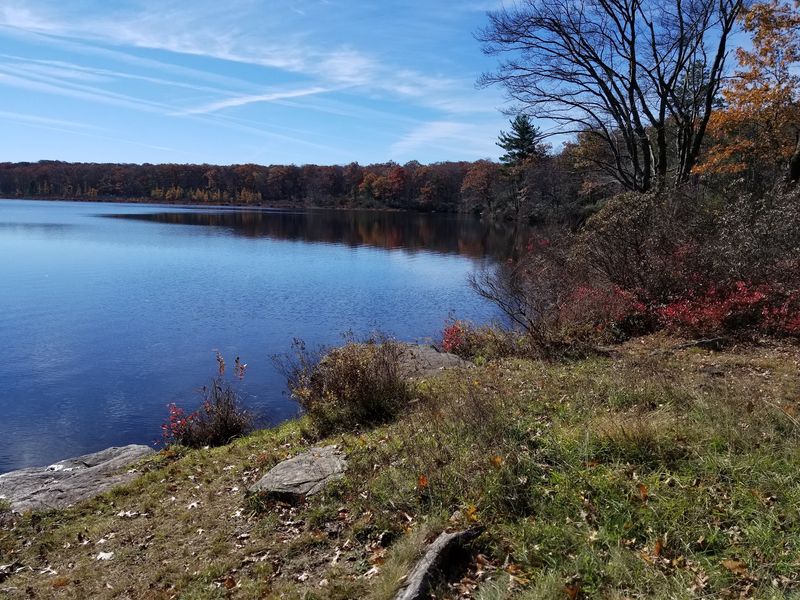
Mid-October is when the forest turns up the color. That’s the peak fall foliage window for this corner of the Poconos.
Oaks, maples, and beeches put on quite a show then. Reflections on the water double the effect without any extra effort from you.
Spring is a nice pick too. The weather stays milder, and the woods wake up with fresh green leaves.
Winter brings a totally different personal style. The relatively level terrain works for cross-country skiing and snowshoeing.
Picture fewer footprints and a lot more silence. Snow softens the rocky trail and makes the bogs look like frosted cake.
Short winter days mean careful planning. The area is open from dawn to dusk, so start early and keep an eye on the clock.
Summer has the blooms, but it can bring buggy evenings. Bring repellent and plan around cooler hours when you can.
Every season gives you a reason to return. That’s a pretty good deal for a lake that’s been here since the Ice Age.
No Trash Cans Means You Pack Smart
Leave No Trace isn’t a suggestion here. Bruce Lake Natural Area has no trash containers or facilities, so whatever you carry in comes back out.
A small bag for wrappers solves that easily. It keeps the shoreline looking as wild as the glaciers left it.
Trailheads and parking sit along PA 390. The Google Maps address is Bruce Lake Rd, Greentown, PA 18426, in Pike County.
More access comes from Old Greentown Road. Connecting trails also link with Promised Land State Park next door.
Grab a map at the Promised Land ranger station. Those maps help a lot once the trail network starts branching.
Leashed dogs are welcome. Check them carefully afterward, since ticks can be common here depending on the season.
Long pants and a full tick check are smart for humans too. Nobody wants an unplanned souvenir.
Mountain bikes and motor vehicles generally aren’t allowed on the hiking trails. Snowmobiles are the exception on designated snowmobile routes.
Cast A Line Or Wander Farther Down The Trail Network
Anglers have a reason to bring more than a water bottle. Fishing is allowed at Egypt Meadow Lake, which holds bass, bullheads, and panfish.
A light rod packs easily for the walk. Pair it with a Pennsylvania fishing license, and your hike gets a tasty side quest.
Still have energy after the lakes? The natural area holds about 8 miles of interconnected trails.
Panther Swamp Trail, Rock Oak Ridge Trail, and Brown Trail all connect into the system. Each adds more forest and more chances for solitude.
Promised Land State Park borders the area too. That makes it easy to stretch a day trip into a fuller Pocono weekend.
Plan routes ahead, though. Wet spots and junctions can confuse anyone who wings it without a map.
Bruce Lake Natural Area rewards curious hikers who keep going. Every connector reveals another slice of this glacier-shaped Pennsylvania landscape.
So pick a trail, pack wisely, and go see it. Ancient lakes don’t do house calls, but they’re always home.