
This Secret Tennessee Path Will Make You Believe In Magic Again
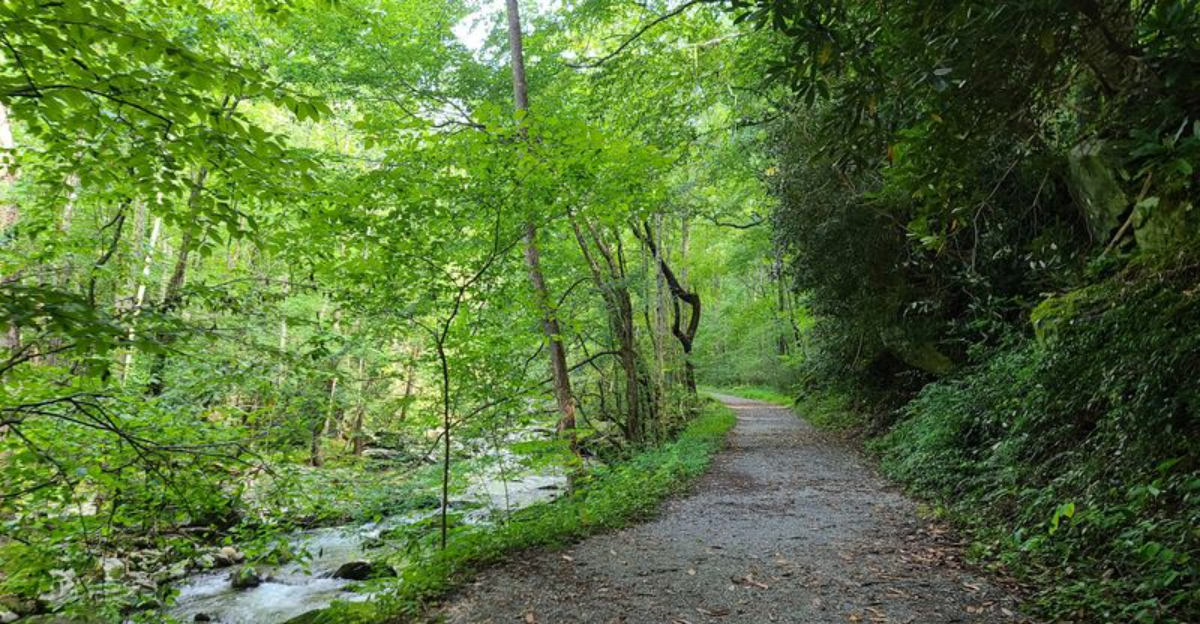
Magic doesn’t usually show up on hiking maps. But sometimes, if the timing is right and the trail is quiet enough, it sneaks in anyway.
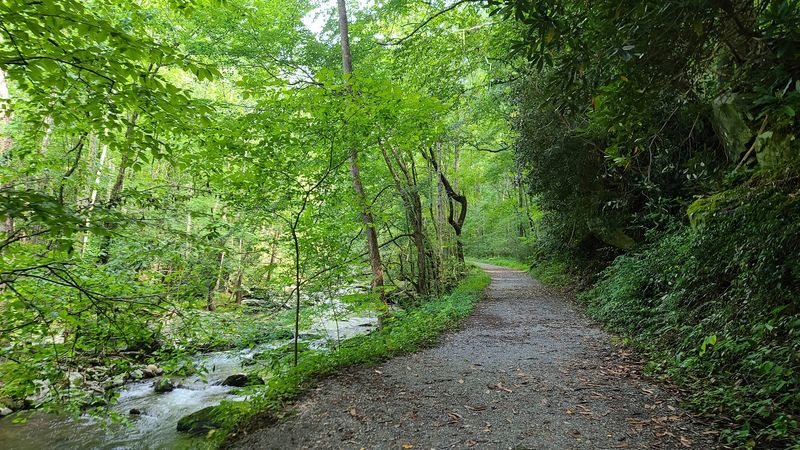
Somewhere deep in the forests of Tennessee, a narrow path winds beside a restless river, pulling you further in with every step. I didn’t expect much at first.
Just another peaceful walk through towering trees. But then the light started flickering through the leaves like tiny stage lights, the river kept whispering beside the trail, and the whole place began to feel… different.
Charged. Almost cinematic.
The kind of place where you slow down without realizing it. Where every bend hints that something beautiful might be waiting just ahead.
And for a moment, somewhere between the rushing water and the deep green woods, it genuinely felt like the trail was holding a little magic of its own.
The Drive Down Elkmont Road Sets The Whole Mood
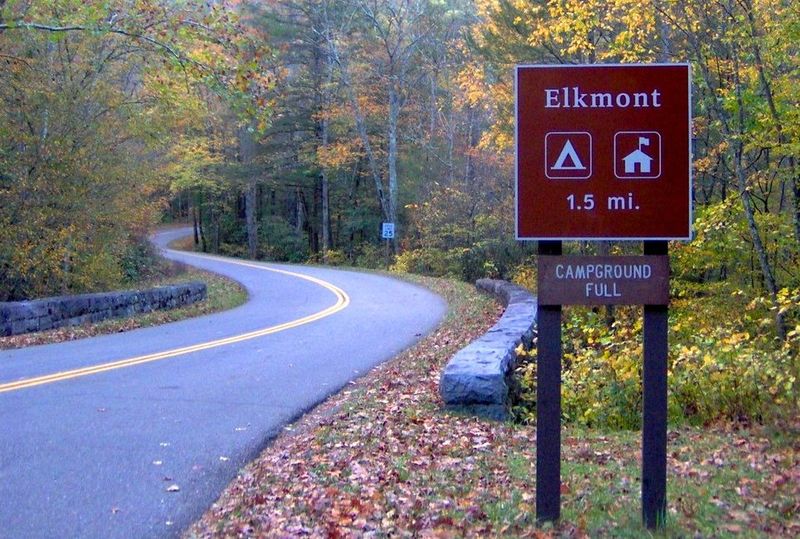
Before you even lace up your hiking boots, the drive itself is part of the experience. Elkmont Road winds away from the noise of Gatlinburg like a long exhale, and the moment the trees close in around your car, something in your chest loosens.
I rolled my windows down even though it was chilly because the smell of the air, that specific mix of damp earth, pine, and something almost sweet, was too good to filter through glass.
The road runs about two miles from the park entrance checkpoint into the Elkmont area, and every curve reveals something worth slowing down for.
I spotted a deer standing completely still in a clearing, watching my car with zero concern, like she owned the place. She probably did.
The further in you go, the more the outside world fades into irrelevance.
Elkmont itself has history layered into it like rings in an old tree. It was once a thriving resort community in the early 1900s, and the ghost of that era still lingers in the old Appalachian Club cottages standing quietly among the trees.
Arriving here felt like stepping through a doorway between two different versions of Tennessee, the loud touristy one and this hushed, forested one that clearly had better stories to tell. Park at the trailhead lot and take a breath before you start walking.
Little River Trail Begins With A Whisper
Most great trails announce themselves with some kind of dramatic fanfare. Little River Trail does the opposite.
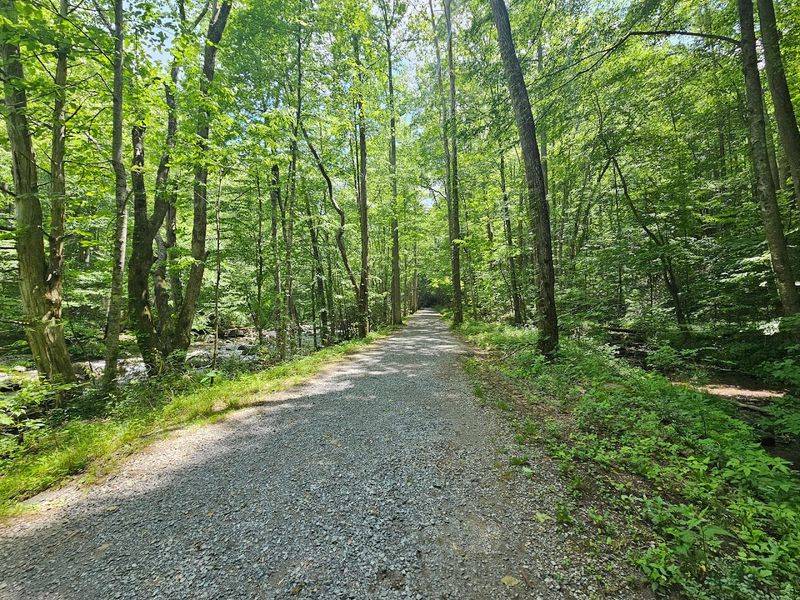
It starts gently, almost casually, like it is not entirely sure you are ready for what it is about to show you. The trailhead sits just past the Elkmont campground area off Elkmont Rd, Great Smoky Mountains National Park, Gatlinburg, TN 37738, and the first few steps feel almost too easy, too peaceful to be the beginning of something this good.
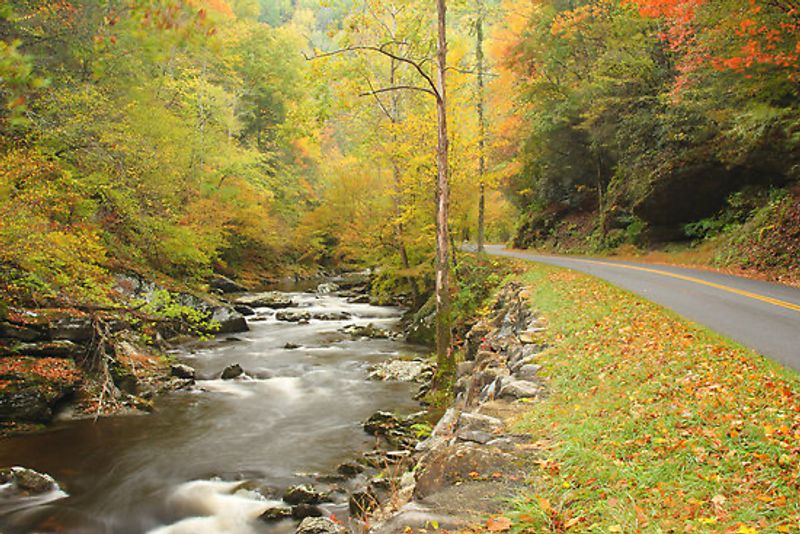
The path is wide and well-maintained at the start, following the river closely on your left. I kept looking over at the water and then back at the trail and then back at the water, because both were equally demanding my attention.
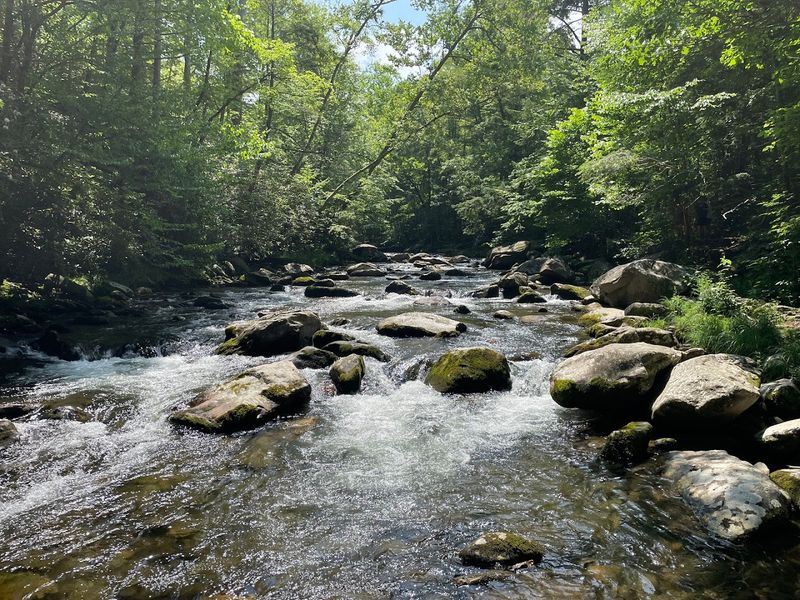
The river runs fast and clear over smooth river rocks, producing that constant, rushing white noise that somehow makes your brain quiet down within minutes of hearing it.
Hardwood trees arch overhead on both sides, and in October the canopy was doing things I had only seen in paintings.
Shades of amber, burgundy, and gold were stacked on top of each other like a painter had been showing off. The trail surface is mostly packed dirt and gravel, with some exposed roots to keep you honest, but nothing that requires technical hiking experience.
Little River Trail is genuinely accessible and genuinely stunning, which is a combination rarer than people realize.
The River Is The Real Star Of This Whole Show
I have seen rivers. I have walked along rivers in multiple states and on multiple continents, and I am telling you right now that the Little River has something different going on.
The water is absurdly clear, the kind of clear that makes you question whether there is actually water there at all or just air that learned how to move. You can see individual pebbles on the riverbed from the trail, which runs close enough to the bank that you can hear every ripple and rush without straining.
What kept catching me off guard was how the river changed personality every quarter mile or so. Sometimes it was wide and slow and mirror-flat.
Then it would narrow between two boulders and suddenly become this churning, energetic thing full of small rapids and white foam. Then it would open back up into a deep, green pool so still it reflected the trees above it perfectly.
I sat on a flat rock beside one of those pools for about twenty minutes and completely lost track of time.
The river is also the reason the surrounding forest feels so alive and lush. Moisture from the water feeds the moss and ferns that carpet every surface near the bank, creating this dense, layered greenery that makes the whole corridor feel like something from a fantasy novel.
Honestly, the Little River alone is worth the entire trip to Elkmont.
Waterfalls Appear Around Corners Like Surprise Gifts
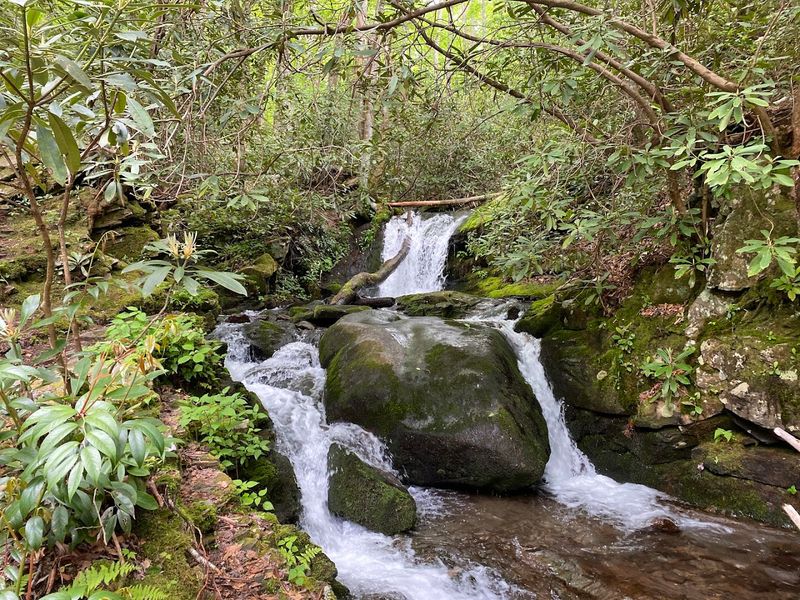
One thing nobody warned me about was how many small waterfalls appear along this trail, and how each one feels like a personal gift the forest decided to give you. They are not all dramatic plunging affairs with mist and rainbows, though some come close.
Many of them are quieter, more intimate, water finding its way over ledges and around rocks in these intricate little patterns that you could stare at for a long time without getting bored.
The most memorable one I came across was tucked just off the main trail, visible through a gap in the trees. It dropped maybe fifteen feet over a stepped series of dark stone ledges into a small pool below, surrounded on all sides by ferns still holding their deep green color.
The sound it made was this layered, musical thing, not just the crash of water but the trickle and drip of everything around it responding. I climbed carefully down to the pool’s edge and sat there eating a granola bar like it was the finest dining experience of my life.
The Smokies are famous for their waterfalls, and Little River Trail delivers on that reputation without making you hike to exhaustion first.
The falls are woven into the journey naturally, rewarding you at unpredictable intervals rather than holding out for some designated payoff point at the end. Every bend in the trail feels like it might be hiding something wonderful, and often it is.
The Old Elkmont Ghost Town Adds A Layer Of Mystery
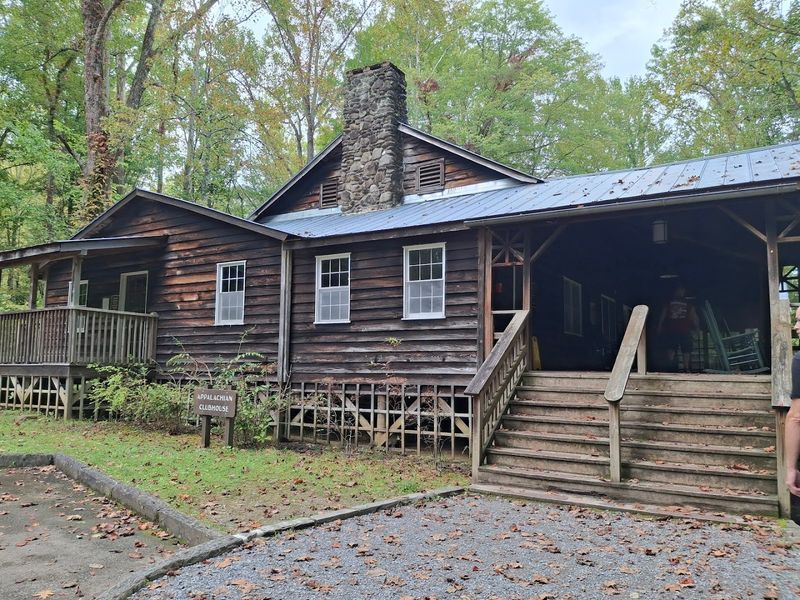
Before I hit the trail proper, I wandered through the old Elkmont community area, and it added this fascinating, slightly eerie layer to the whole experience that I was not expecting.
Elkmont was once a popular summer resort destination in the early twentieth century, complete with a private club, cottages, and a whole social scene built around the beauty of this mountain valley.
When the national park absorbed the land, the community faded, and now the cottages stand in various states of quiet decay among the trees.
Walking past those old structures felt like reading a chapter of history that most people skip.
The Appalachian Club building still stands, and some of the cottage frames remain visible, draped in vines and surrounded by forest that has been slowly, patiently reclaiming the land for decades. It is atmospheric in a way that is more melancholy than spooky, more reflective than unsettling.
The National Park Service has worked to preserve some of these structures as historic landmarks, so you are not just looking at random ruins but at documented pieces of Appalachian social history.
There is something genuinely moving about standing in a place where people once laughed and vacationed and built a whole community, now returned to forest.
It made me appreciate the trail that followed with fresh eyes, understanding that this land has been loved by people for a very long time, just in different ways across different eras.
Wildlife Sightings Are Part Of The Trail Experience
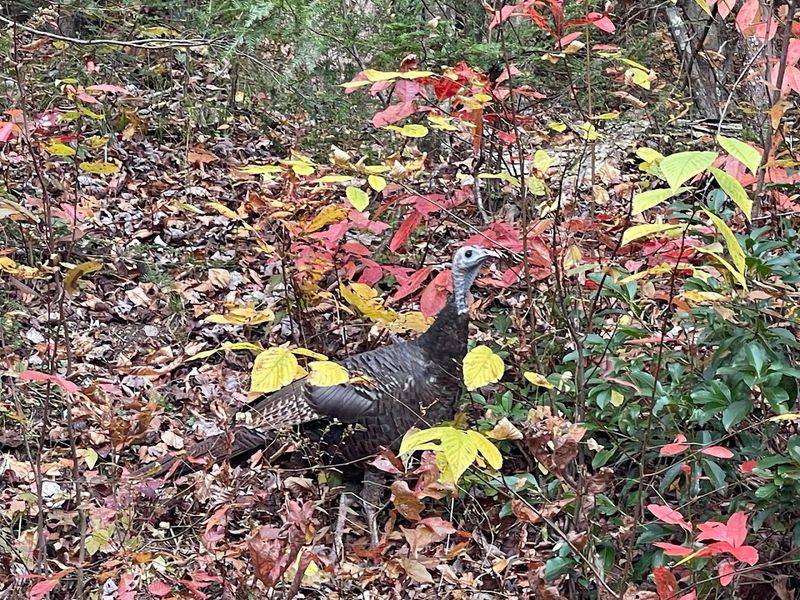
The Smokies are home to roughly 65 mammal species and over 240 types of birds, and Little River Trail runs right through the heart of prime habitat for many of them.
I had read the statistics before going but reading numbers and then actually rounding a bend to find a white-tailed deer standing fifteen feet away from you on the trail are two very different experiences. We made eye contact.
She blinked slowly. I forgot how to breathe.
Black bears are the species everyone asks about, and yes, they are present throughout the park including the Elkmont area.
I did not see one on my visit, which my nerves were quietly grateful for, but I did see fresh digging along the trail edge where something had clearly been rooting around.
The park recommends carrying bear spray and making noise as you walk, which I did by talking to myself continuously about how beautiful everything was, so that worked out fine.
Beyond the larger animals, the birdlife along this corridor is outstanding. I heard a pileated woodpecker hammering somewhere in the canopy above me, which sounds like a cartoon and is somehow also one of the most satisfying sounds a forest can make.
Wild turkeys, various warblers, and great blue herons along the river all made appearances during my walk. The trail feels alive in every direction, and that constant sense of shared space with wild creatures is something you carry home with you long after the hike ends.
Quiet Solitude Is Still Possible On This Trail
The Smokies are the most visited national park in the United States, which is a fact that makes some people nervous about heading there expecting peace and quiet.
Here is what I can tell you from personal experience: Little River Trail rewards early risers and weekday visitors with something that feels genuinely rare in a park that sees over 12 million visitors annually. I started walking at 7:30 on a Tuesday morning and had long stretches of trail entirely to myself.
The farther you walk from the trailhead, the more the crowds thin out.
Most casual visitors turn around within the first mile or two, which means that anyone willing to keep walking past that point gets rewarded with a version of this trail that feels almost private. I went about four miles in before turning around, and the last two miles of that walk I encountered almost nobody.
Just the river, the trees, the birds, and the very pleasant sound of my own footsteps on the trail.
There is a specific quality to solitude in old-growth forest that is different from being alone in other places. The trees have been here longer than any of us, and they generate this sense of calm permanence that is deeply settling.
Standing still in the middle of Little River Trail with no one around and just listening to the river and the wind in the canopy is the kind of reset that takes a week of meditation to approximate anywhere else.
Some experiences genuinely cannot be replicated, and this is one of them.
Little River Trail Stays With You Long After You Leave
I drove back out of Elkmont Road that October afternoon with mud on my boots, granola bar crumbs on my jacket, and approximately 400 photos I would spend the next week going through with embarrassing enthusiasm.
But more than any of that, I left with this specific feeling that is hard to name but easy to recognize once you have had it. The feeling of having been somewhere genuinely extraordinary and knowing it in real time rather than only in retrospect.
Little River Trail does not demand anything dramatic from you. It does not require serious fitness, expensive gear, or a full day commitment.
What it asks for is your attention, and in return it gives you something that cuts through the noise of regular life in a way that is both immediate and lasting. I thought about that trail for weeks afterward, particularly on days when I needed to remember that places like that actually exist and are accessible to regular people.
The Smokies have a way of recalibrating your sense of what matters, and Elkmont is one of the best entry points into that experience.
Whether you are chasing fireflies in June, swimming holes in July, or leaf color in October, this trail has a version of magic waiting for every season. If you have been telling yourself you will get to the Smokies eventually, maybe eventually is now.
What are you actually waiting for?