
This Short Arizona Fire-Tower Climb Rewards You With Sweeping Forest And Canyon Views
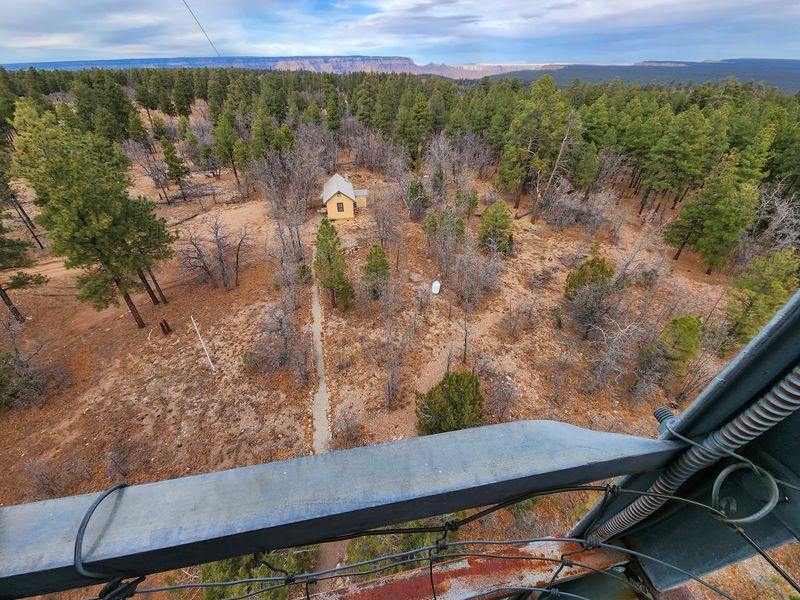
Ninety-two open metal steps stand between you and one of the quietest big views in Arizona. This 1936 fire tower rises about 80 feet above a sea of ponderosa pines, with the Grand Canyon peeking out to the north and mountain peaks fading into the south.
Getting there takes a short drive down a dirt road and costs nothing at all. For anyone who loves a small effort with a giant payoff, this climb delivers.
A Steel Sentinel in the Kaibab National Forest
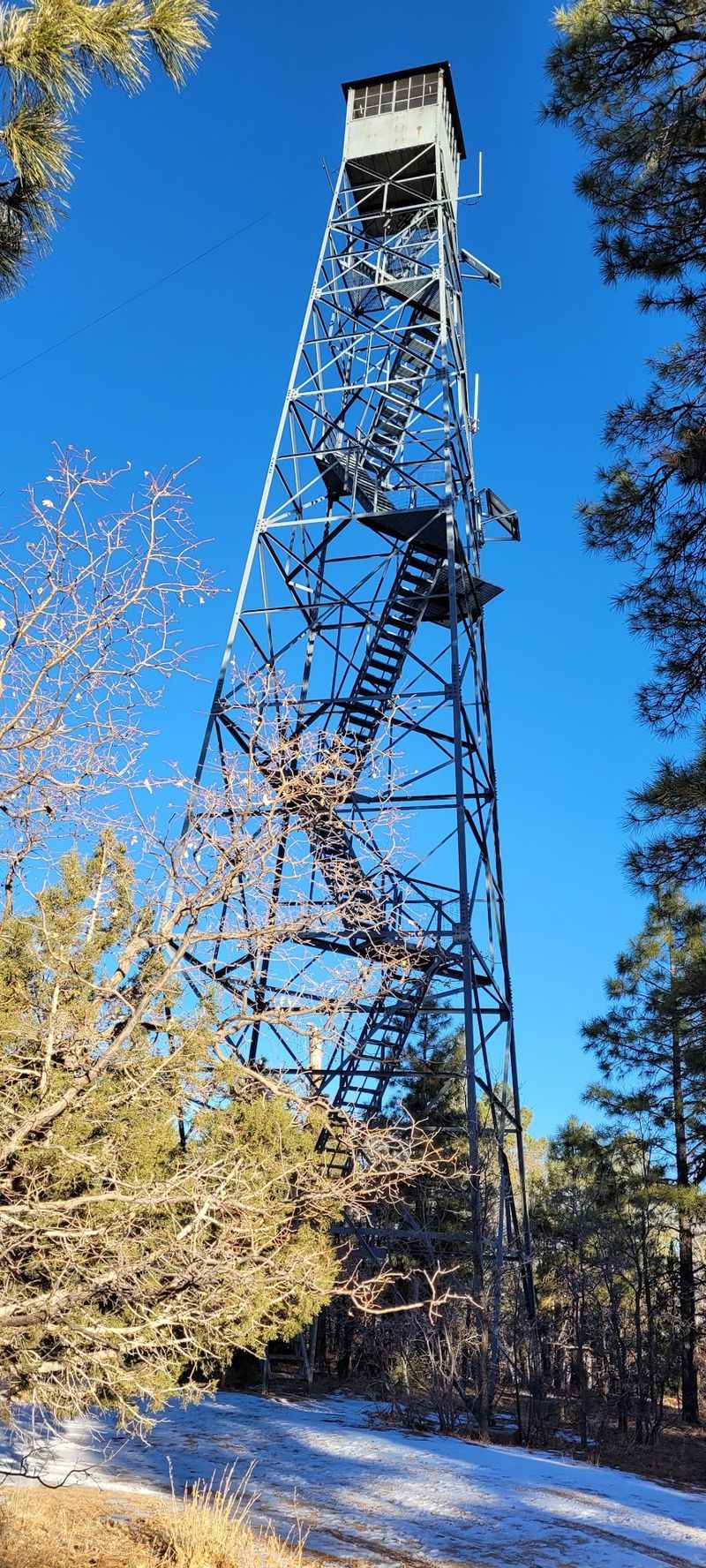
Rising out of the ponderosa pines east of Grand Canyon Village, the Grandview Lookout Tower is a slim steel structure that most Grand Canyon visitors drive right past. It sits inside the Kaibab National Forest, along Coconino Rim Road, far from the crowded overlooks people usually flock to.
The tower is a genuine fire-watch station, built to spot smoke long before satellites and drones did the job. Standing roughly 80 feet tall, it climbs high above the treetops so watchers could scan miles of forest in every direction.
What makes it special is the mix of history and quiet. You get a working piece of the past, a dose of solitude, and a view that stretches for miles.
Best of all, the visit is free, which fits the spirit of a hidden Arizona find perfectly.
Regulars mention that even on busy park days, this spot stays peaceful. That combination of accessibility and calm turns a simple metal tower into a small adventure worth the short detour off the main road.
Built by the CCC in 1936
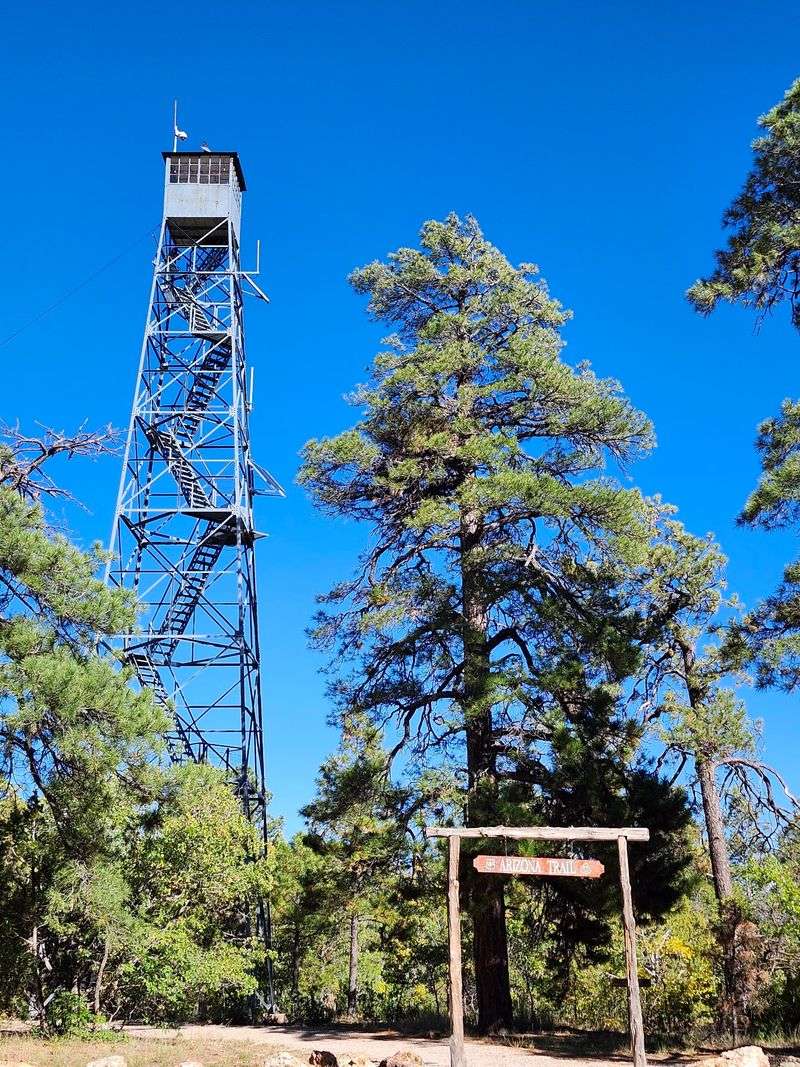
Long before this tower welcomed curious travelers, it had a serious job to do. Constructed in 1936 by the Civilian Conservation Corps, it was one of many structures those young crews raised across America’s forests during a tough era of putting people back to work.
The CCC left behind trails, cabins, and lookouts all over the country, and this Arizona tower is one of their sturdier legacies. Nearly ninety years later, the steel frame still stands strong against wind, snow, and time.
Its historical importance earned it a spot on the National Register of Historic Places, a nod to both its craftsmanship and its role in wildfire detection. Watchers once perched at the top for hours, scanning the horizon for the first wisps of smoke.
Knowing that backstory adds a little weight to every step you take on the way up. You are not just climbing for a view.
You are climbing a piece of Depression-era history that has kept watch over these forests for generations, quietly doing its part all along.
The Dirt Road That Keeps It Quiet
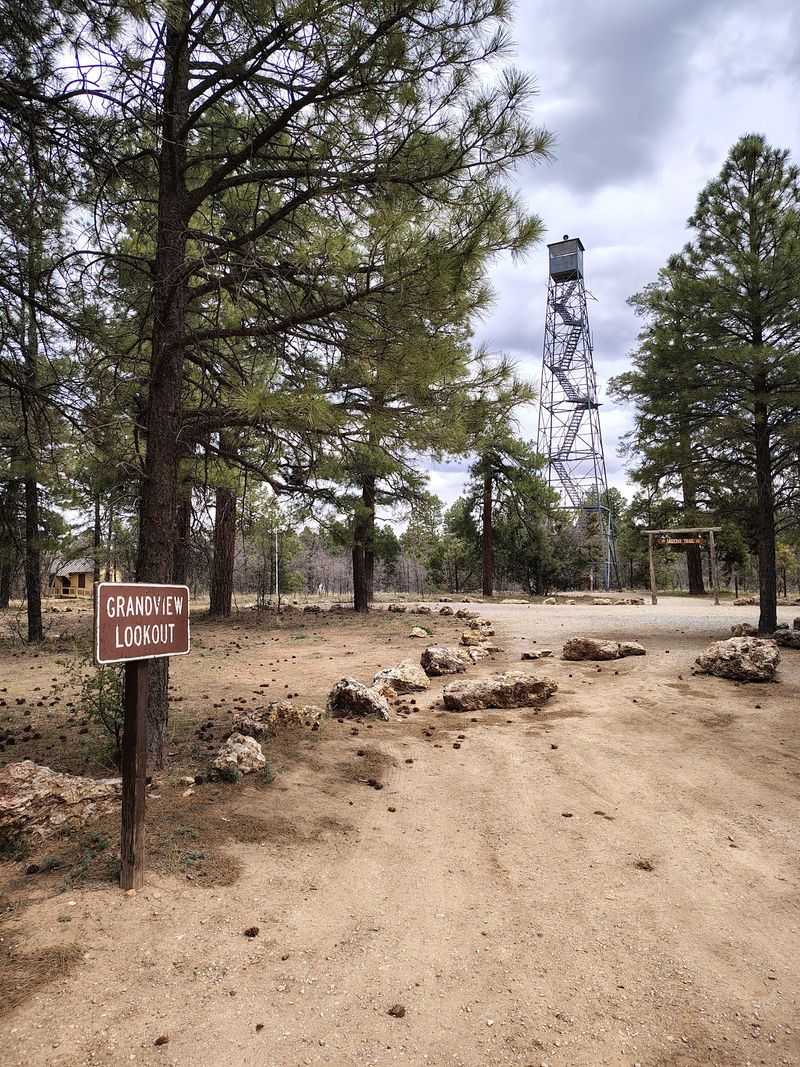
Part of the charm here is that you have to earn it just a little. To reach the tower, you turn off Highway 64 onto Forest Road 310 and roll down a dirt track for a couple of miles before the parking area appears.
Good news for most drivers: the road is generally well maintained and passable for regular passenger cars in dry weather. Visitors mention doing the drive in everything from sedans to small SUVs without any trouble.
The catch comes with weather. Rain and snow can turn the surface muddy and slick, and getting stuck is a real risk in those conditions.
If clouds are gathering, it is smart to reconsider or wait for things to dry out.
That short stretch of dirt acts like a natural filter. It thins out the casual crowds and keeps this place feeling like a secret, even during the busiest Grand Canyon weekends.
By the time you park and spot the tower through the pines, the peace and quiet already feels like a reward.
92 Open-Grate Steps to the Sky
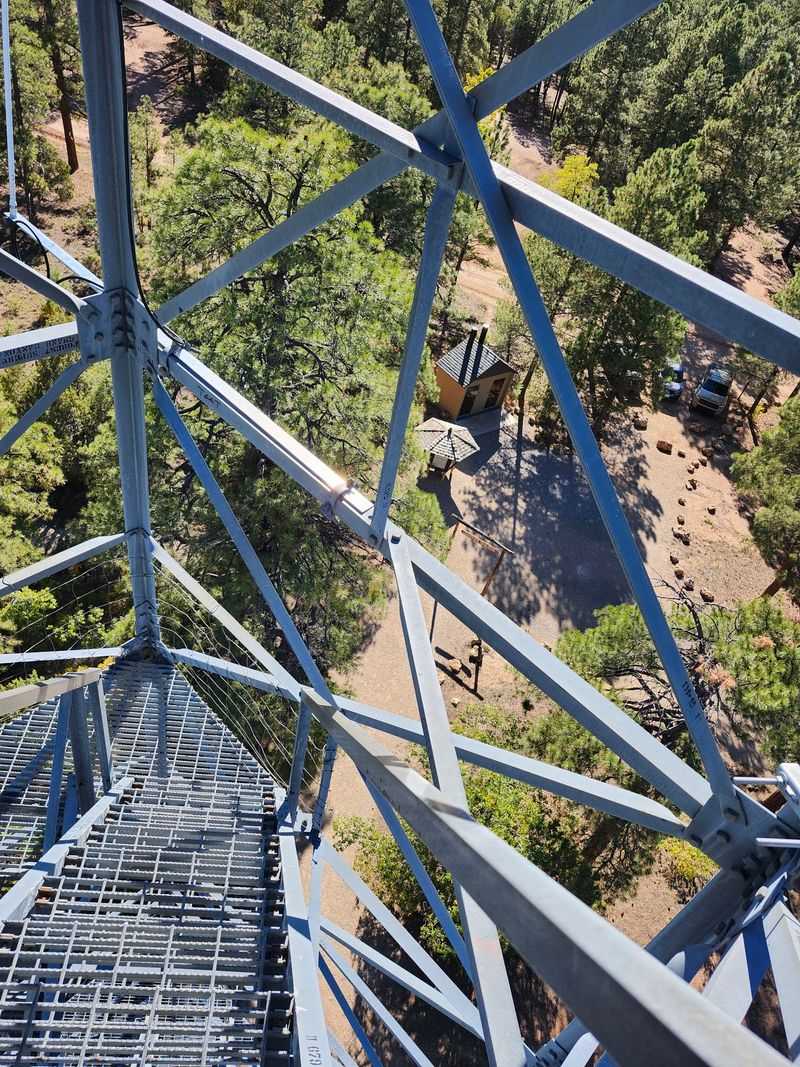
Ready for a little cardio? The heart of the visit is a climb up 92 open-grate steel steps that spiral their way to the platform below the cab.
You can see right through the treads to the ground dropping away beneath you.
Most folks call it an easy climb, but easy does not mean effortless. By the time you reach the top, your legs will remind you that you just gained about 80 vertical feet in a hurry.
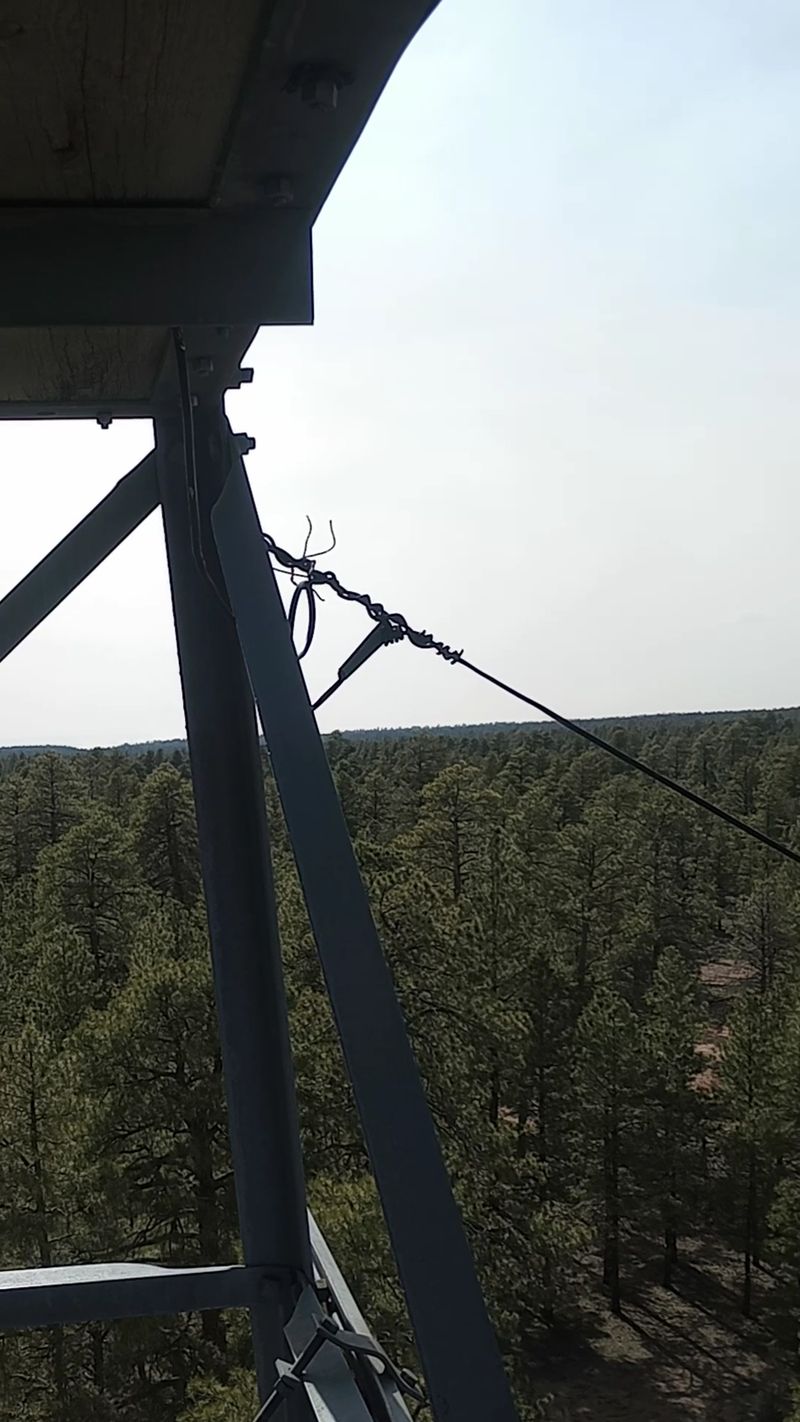
The open design is exactly what makes it thrilling. Each step gives you a clear view straight down, and the higher you go, the more the forest spreads out around you like a green carpet.
Take your time and hold the handrails. Pausing on the way up gives your legs a break and lets you soak in the changing view.
That short burst of effort turns into pure payoff the moment you reach the platform and the whole horizon opens up.
A 360-Degree Panorama From the Top
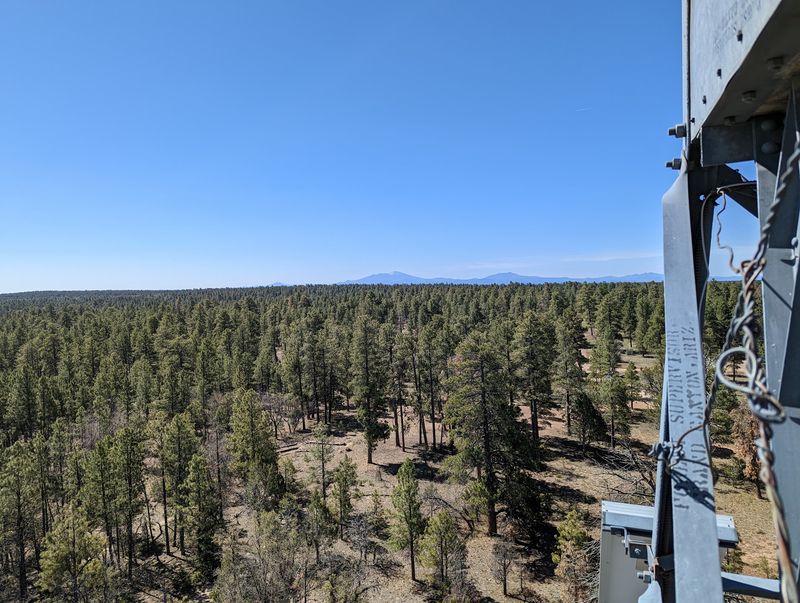
Reaching the platform is where the magic clicks into place. From up there, a full 360-degree panorama unfolds, and suddenly the effort of the climb makes complete sense.
To the north, portions of the Grand Canyon’s South Rim reveal themselves, a subtle glimpse rather than the postcard view you get from the main overlooks. To the south, the San Francisco Peaks rise faint and blue in the distance near Flagstaff.
All around you, the ponderosa pine forest seems to roll on forever, an ocean of green treetops with no crowds in sight. Visitors often say the pines simply go on and on, and standing up there, you understand why they keep repeating it.
What sets this view apart is its calm, wide-open feeling. Instead of jostling for a spot at a railing, you get space to breathe and turn slowly in a circle, taking in each direction.
It is a different, gentler way to experience Grand Canyon country, and it sticks with you long after you climb back down.
That Sneak Peek at the Grand Canyon
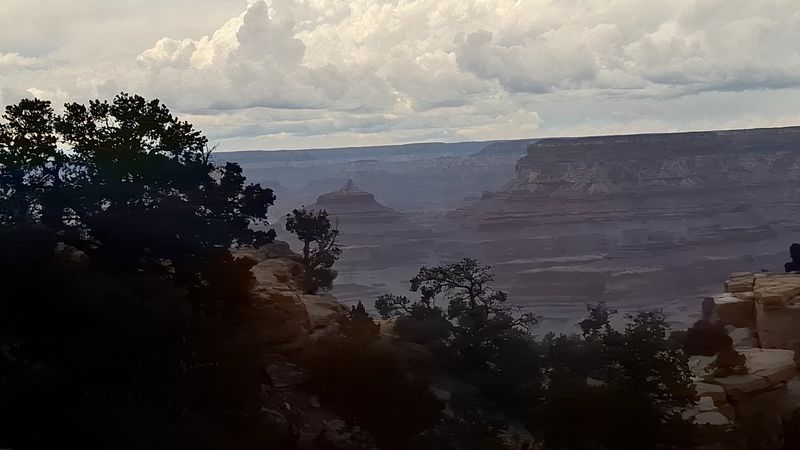
Do not expect the sweeping canyon walls you see on calendars, and that is exactly the point. From the tower, the Grand Canyon shows up as a thin, distant edge beyond the treetops, a little hint rather than a full reveal.
Some visitors are surprised at first, expecting a dramatic gorge front and center. What they find instead is the plains and rim country surrounding the canyon, with just a sliver of that famous drop-off in the distance.
Honestly, the understated view is part of the appeal. If you have already stood at the busy South Rim overlooks, this offers something refreshingly different, a quieter angle on the same enormous landscape.
Regulars describe it as a unique perspective compared to the standard park viewpoints, and well worth the trip for that reason alone. Think of it as the canyon playing a little hard to get, framed by miles of forest that most tourists never slow down to notice.
Sometimes a glimpse feels more special than the obvious grand reveal.
The Locked Cab and What You Can Still See
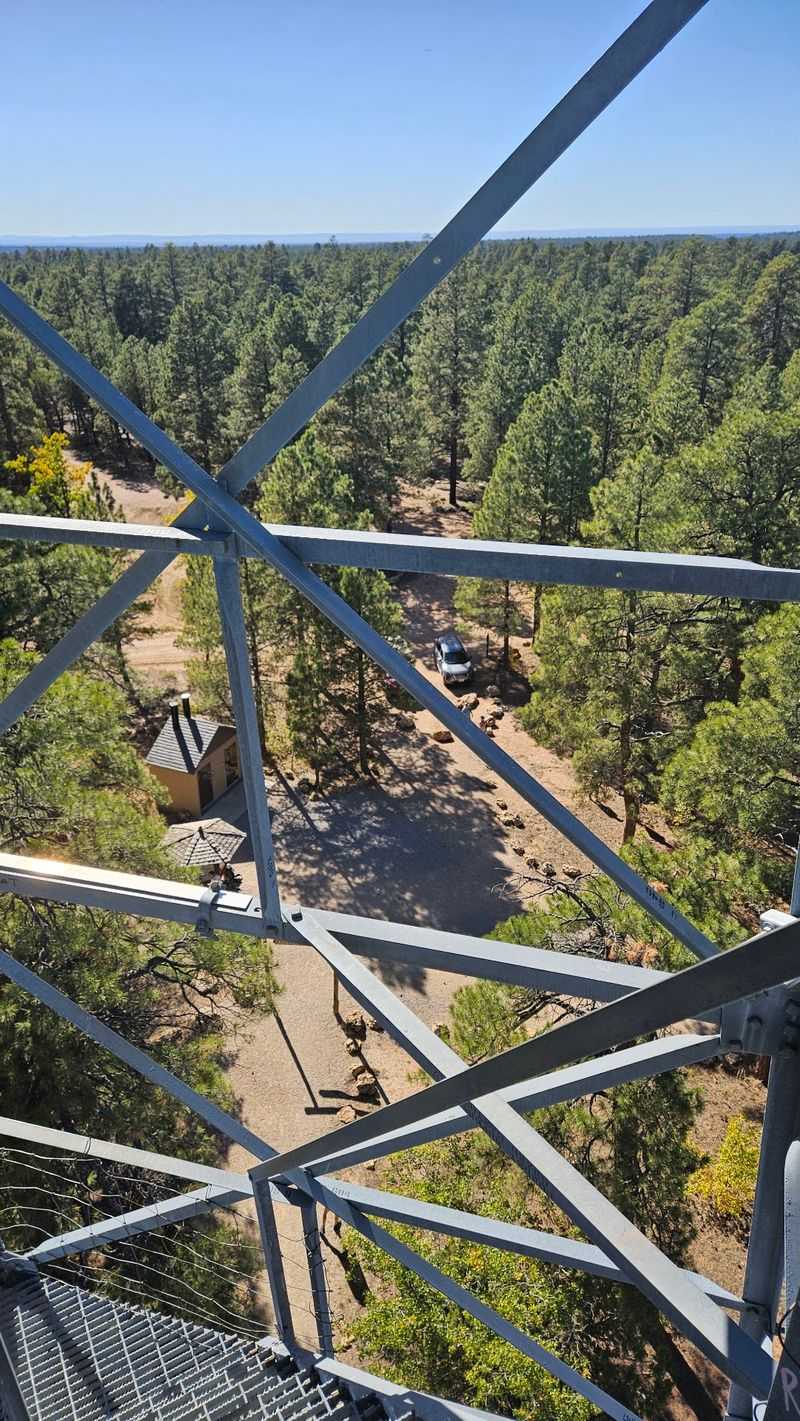
Here is one thing worth knowing before you make the drive: the very top observation cab is typically locked. You cannot step inside the little glass room where the original fire watchers once sat.
Before that disappoints you, know that the platform just below still delivers. From there you get plenty of room to move around and take in the full sweep of forest, rim, and distant peaks without any glass in the way.
Visitors consistently agree that the view from the top of the stairs is spectacular in its own right. The locked cab knocks off a small star for some, but almost everyone still calls the climb worthwhile.
Think of the platform as the real reward and the cab as a historical detail you admire from below. You lose nothing of the panorama by not entering that top room.
The wide-open sightlines are exactly the same, and the fresh air up there hits differently when you are standing above the treetops with the wind in your hair.
A Climb for the Brave-Hearted
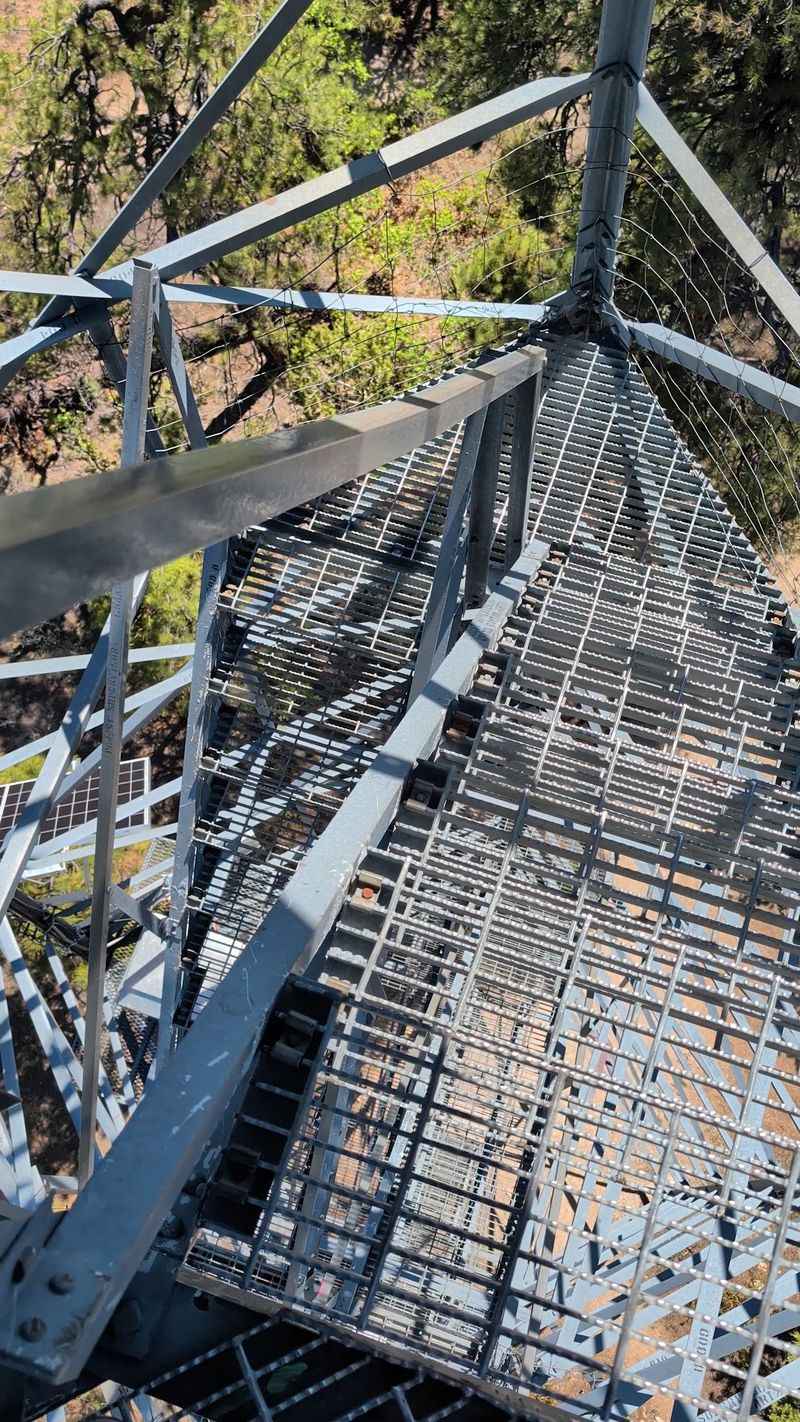
Feel a flutter in your stomach at the thought of heights? Then be honest with yourself before you start up.
The tower is a tall, narrow steel frame, and the open steps let you see the ground falling away with every stride.
Adding to the thrill, the whole structure gives a gentle vibration as you climb, and wind can make the top feel lively. Some visitors find that exhilarating.
Others decide the parking area is a perfectly good place to wait.
Safety habits matter here. Only two people should climb at a time, and it is wise to skip the ascent entirely on windy days.
Keep a firm grip on the handrails and watch for sharp edges along the metal rails.
Because of the narrow steps and open design, this is not the best pick for very young children or anyone unsteady on their feet. But for adventurous adults and confident older kids, that little jolt of nerves is exactly what makes reaching the top feel like a genuine accomplishment.
Gateway to the Arizona National Scenic Trail
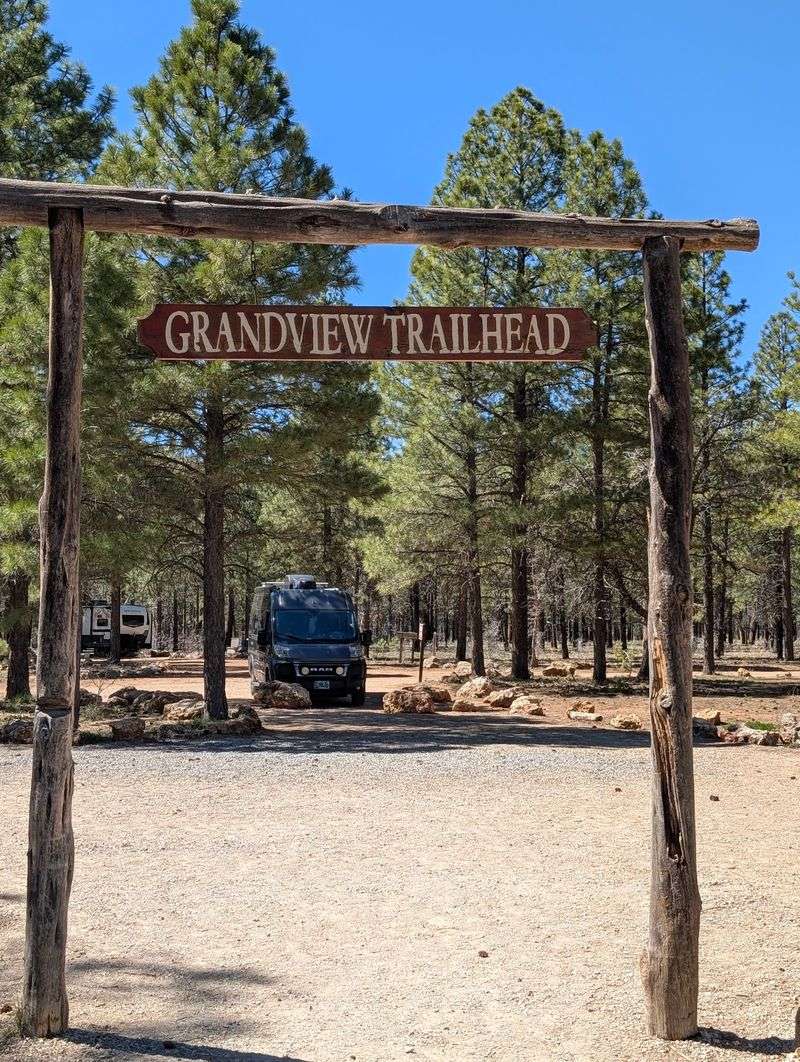
Climbers are not the only ones who love this spot. The tower doubles as the southern trailhead for Passage 37 of the Arizona National Scenic Trail, the long-distance route that runs the entire length of the state.
You do not have to be a thru-hiker to enjoy it. A short, easy walk into the pines makes for a relaxing add-on before or after your tower climb, and the forest stays quiet and shady along the way.
Visitors describe the trail here as gentle and pleasant, a nice way to stretch your legs and breathe in that clean, pine-scented mountain air. The path invites a slow amble rather than a serious trek.
Combining the climb with a little walking turns a quick stop into a satisfying half-day outing. You get the big view from above and a peaceful stroll among the trees below.
For anyone who likes their adventures with options, this trailhead quietly sweetens the whole experience without asking much of you at all.
Simple Comforts at the Base
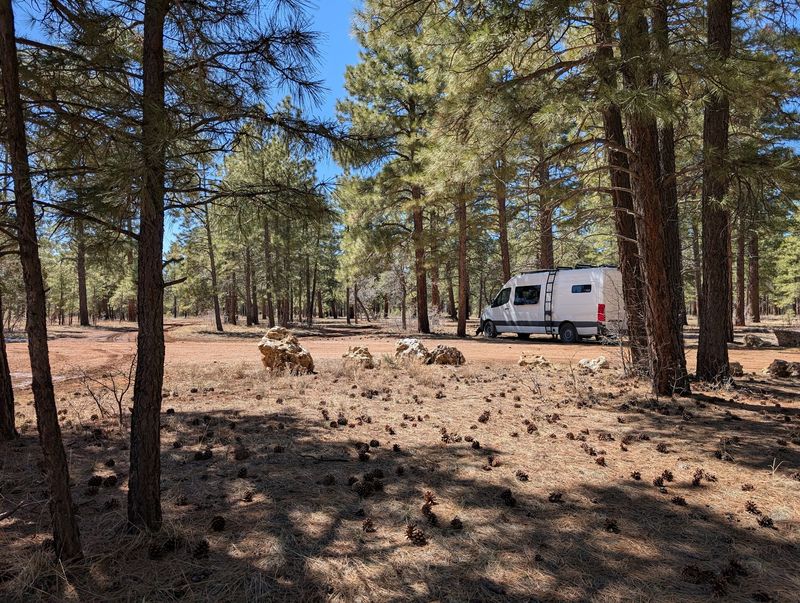
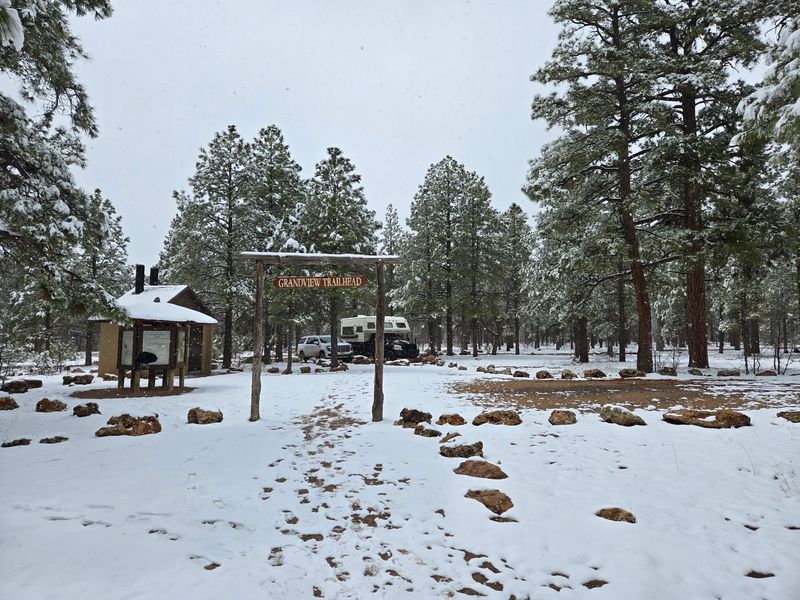
Do not picture a fancy visitor center out here, because that is not the vibe. What you will find at the base are a few thoughtful, no-frills comforts that make a visit easier.
Seasonal vault toilets sit near the tower, and visitors regularly mention they are clean and well kept for a backcountry spot. There is no running water available, though, so bringing your own is a must.
Around the tower you will also spot an interpretive sign that shares the history and lay of the land, plus a picnic table and shaded benches. Those make a fine place to rest your legs or enjoy a packed snack after the climb.
The simplicity is honestly part of the appeal. This is forest, sky, and a little steel history, without gift-shop clutter or crowds.
Pack water, maybe a small snack, and a bit of sunscreen, and you will have everything you need. It is the kind of low-key setup that lets the scenery do all the talking, which is exactly how it should be.
Free Camping Under the Pines
Want to turn this stop into an overnight escape? The surrounding Kaibab National Forest allows free dispersed camping, and the area around the tower is dotted with spots to set up.
Visitors often mention camping right nearby, with plenty of off-grid sites tucked among the pines. It is the kind of quiet, back-to-basics camping that budget-minded Arizona travelers treasure, no fees and no reservations required.
Falling asleep under those tall ponderosas and waking up steps from a historic fire tower is a pretty rare combination. On clear nights, the lack of city lights makes the star-filled sky absolutely dazzling.
Keep in mind that dispersed camping means no hookups, no water, and no facilities beyond the tower’s seasonal vault toilets. You will need to be self-sufficient and pack out everything you bring in.
For folks who love simple, affordable adventures and a little wilderness solitude, this is a dreamy base camp. Roll out a chair, watch the sun sink behind the pines, and let the peace of the forest settle over your whole evening.
Best Seasons and Golden Hours to Go
Timing can make or break this trip, so plan with the calendar in mind. The sweet spot for visiting runs from April through October, when the dirt road is dry and the forest is at its most welcoming.
Winter is a different story. From roughly December through March, snow can leave Forest Road 310 impassable, so this is really a warm-season destination for most travelers.
For the truly memorable version, aim for sunrise or sunset. The low, golden light spills across the pines and distant canyon rim, turning an already lovely view into something photographers dream about.
Cooler mornings also tend to be calmer and quieter, giving you the tower nearly to yourself. Since the site itself is open around the clock, you have flexibility to chase whatever light you love best.
Just pack a jacket, because even in summer the top of the tower can catch a brisk breeze. Picking the right day and hour transforms a quick climb into a scene you will keep replaying in your memory long after.
Getting There and What It Costs
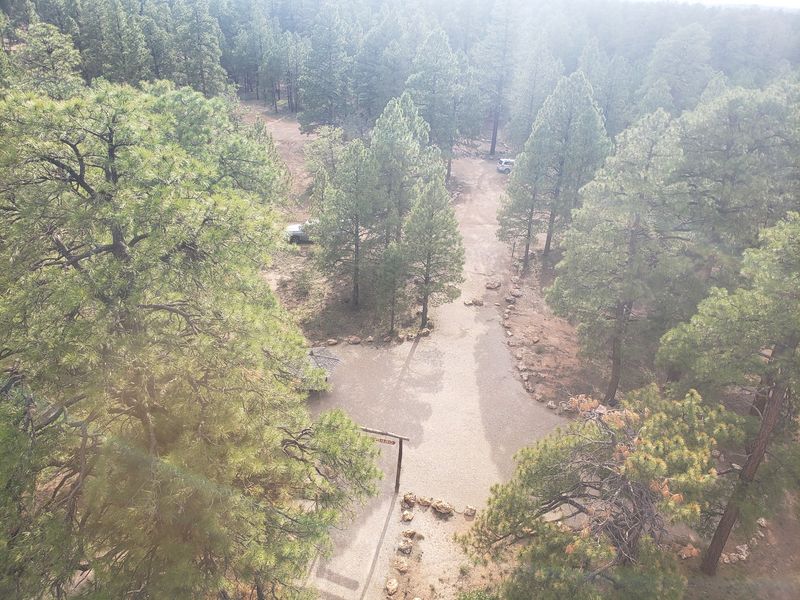
Let’s talk logistics, because they are refreshingly simple. From Highway 64, also known as Desert View Drive east of Grand Canyon Village, you turn onto Forest Road 310 and drive a few miles of dirt to reach the small parking area.
A short gravel path, roughly 200 feet, leads from the lot to the base of the tower. Most passenger vehicles handle the route fine in dry weather, though a small SUV gives extra peace of mind if the road is rough.
The very best part of the price tag is that there isn’t one. Visiting the tower is completely free, which makes it a standout value in a region full of entrance fees.
The site stays open around the clock, so you are not racing a closing time to catch a view. Just remember there is no cell service to count on and no water on-site, so plan ahead.
Between the easy access, the zero cost, and the flexible hours, this ranks among the friendliest budget adventures in northern Arizona for casual explorers.
Why This Little Climb Is Worth the Detour
So, is a slightly bumpy dirt road and a leg-burning climb really worth it? For most who make the trip, the answer is a happy yes.
You trade a small effort for a big, wide-open reward that the main Grand Canyon crowds never see.
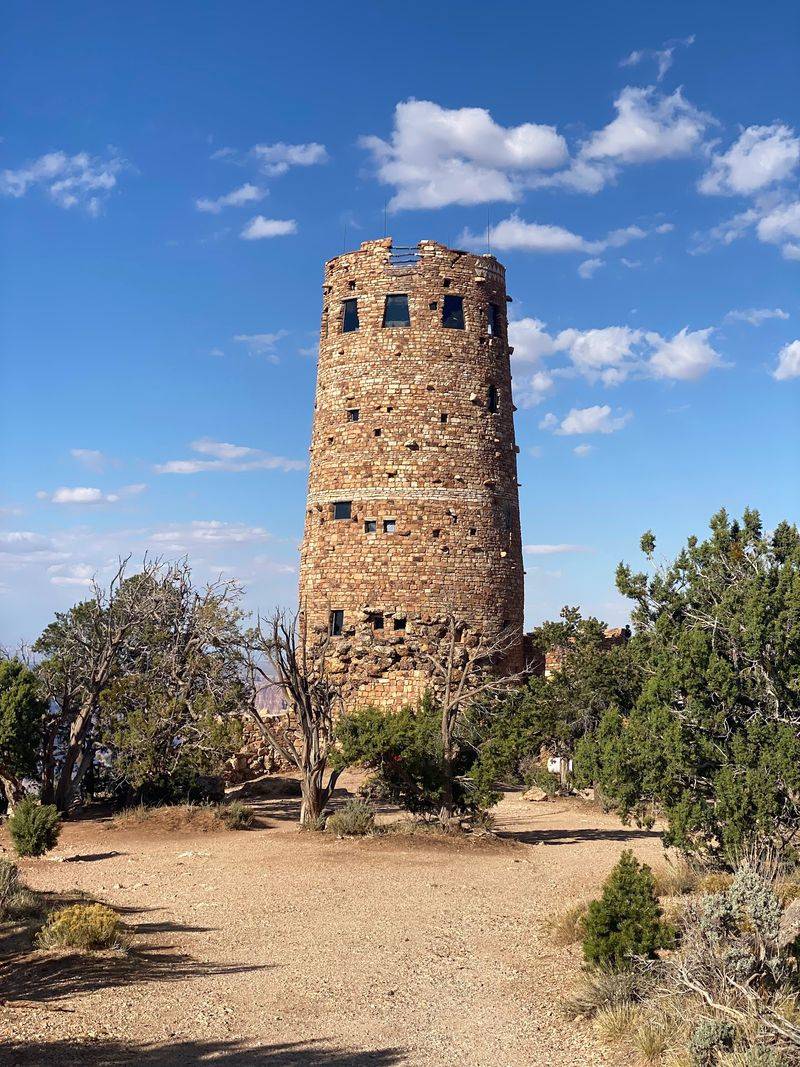
The appeal is a bundle of little wonders: a 1936 steel tower with real history, a 360-degree forest panorama, a peek at the canyon, and total quiet, all for free. That mix is hard to beat anywhere in the state.
It suits adventurous day-trippers, history buffs, campers, and anyone who prizes discovery over polished tourist stops. Folks nervous about heights or traveling with very small children may want to admire it from the ground instead.
Would everyone drive twenty extra miles just for this? Maybe not.
But if you are already exploring the South Rim and the east entrance, skipping it would be a shame. Pack water, pick a golden hour, and let this humble fire tower give you a slice of Arizona few people slow down to enjoy.