
This Small Illinois Town Sees So Many Black Bear Sightings Locals Know To Stay Alert

Imagine glancing out your kitchen window in Illinois and spotting something big, dark, and furry ambling through the backyard. For a handful of communities across the state, this kind of surprise visitor is becoming less of a rare event and more of a reason to keep an eye out.
Black bears are wandering into the state more often, and folks in certain areas have learned to pay attention. Here is what you should know about why these curious wanderers show up and how neighbors are learning to share space with them.
1. Bears Are Visitors, Not Residents
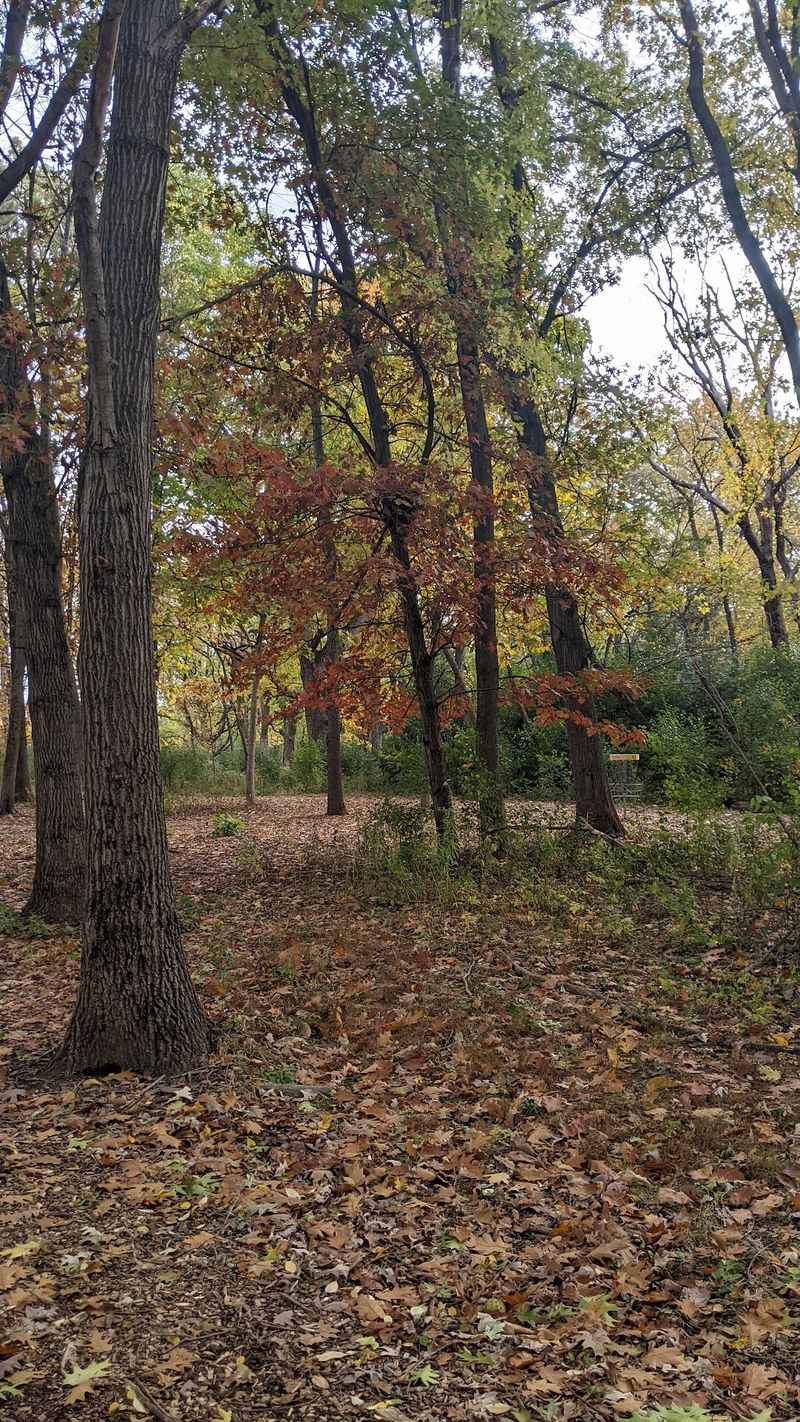
Here is a fact that surprises most people: Illinois does not actually have its own settled population of black bears. Every bear spotted in the state is essentially a traveler passing through.
These animals typically wander in from stronger, established populations in neighboring states like Missouri and Wisconsin. They cross rivers, forests, and farmland looking for something better on the other side.
Because they are guests rather than locals, sightings can feel especially startling. Nobody expects a bear in a place that officially has no bears.
That is exactly why awareness has grown among residents who never imagined they would need to think about such a thing.
2. Young Males Searching for New Turf

Picture a restless teenager itching to leave home and strike out on their own. That is basically what many of these traveling bears are.
Young male bears often disperse from their birth areas to find territory of their own. This journey can carry them many miles, sometimes straight across state lines and into Illinois neighborhoods.
Their curiosity and hunger drive them to explore unfamiliar ground. A wandering youngster might follow a creek or tree line and suddenly find himself strolling past someone’s garden shed, completely unaware he has become the talk of the town.
3. May and June Bring the Most Movement
Timing matters when it comes to bear encounters. Late spring turns out to be the busiest stretch of the calendar for these animals.
May and June mark peak mating season, sending adult males roaming far and wide in search of companions. Early summer adds even more traffic as yearling bears set out to find their own space.
All that activity means the odds of a chance meeting climb during these warmer months. Residents who know the pattern tend to be extra watchful when the flowers are blooming and the days grow long.
4. Bird Feeders Turn Into Bear Buffets
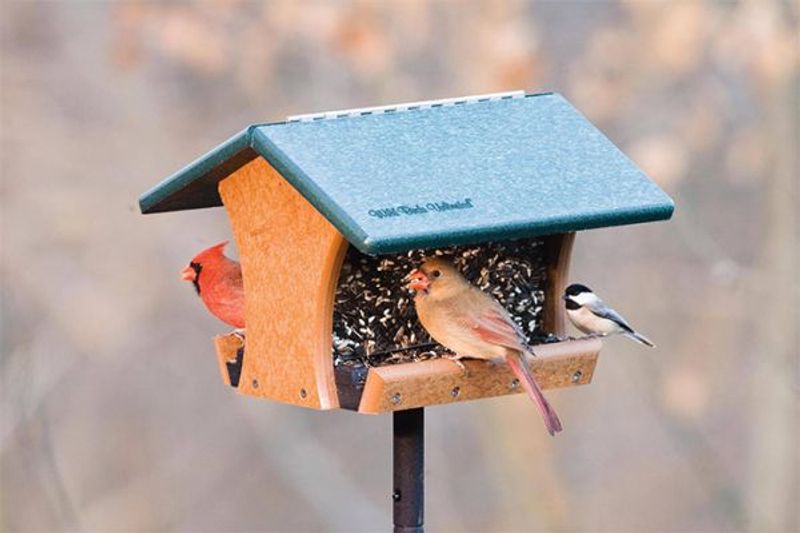
Those cheerful little feeders meant for cardinals and finches? Bears absolutely love them too.
Seed and suet pack a huge amount of calories into a small, easy-to-reach package. To a hungry bear, a full feeder is basically a snack machine hanging at the perfect height.
Once a bear discovers this free meal, it tends to remember the spot and return. Wildlife officials often suggest taking feeders down during active bear months, a simple move that removes a major temptation from the backyard.
5. Unsecured Trash Cans Are a Magnet
Nothing says open invitation quite like a garbage can left out overnight. Bears have an incredible sense of smell and can detect food scraps from remarkable distances.
An unsecured trash bin becomes an irresistible target, and once tipped over, it teaches the bear that houses mean easy eating. That lesson is hard to unteach.
Storing garbage in a garage or using secured containers goes a long way. Small habits like this help keep bears wild and wandering rather than lingering near homes.
6. Barbecue Grills and Pet Food Left Outside

The lingering scent of last night’s cookout can travel a surprising distance on the breeze. To a bear, a greasy grill smells like a treasure worth investigating.
Pet food bowls left on the porch create the same problem. A dish of kibble sitting outside is an easy, protein-rich meal that no wandering bear will pass up.
Cleaning grills after use and bringing pet dishes indoors are two quick fixes. These little steps close off the kind of tempting smells that draw curious noses toward the patio.
7. Southern Illinois Is a Regular Stop

Down in the southern stretch of the state, bear reports have become a genuine talking point. Counties including St. Clair, Saline, Pope, Williamson, Jackson, and Randolph have all logged confirmed sightings.
Communities such as Belleville, Carbondale, Murphysboro, Marion, Galatia, and Carrier Mills sit in this active zone. The wooded terrain and nearness to Missouri make it a natural corridor for wandering bears.
Folks living here have grown accustomed to trading stories about backyard visitors. Staying alert has simply become part of everyday life in this corner of Illinois.
8. Northern Counties See Them Too
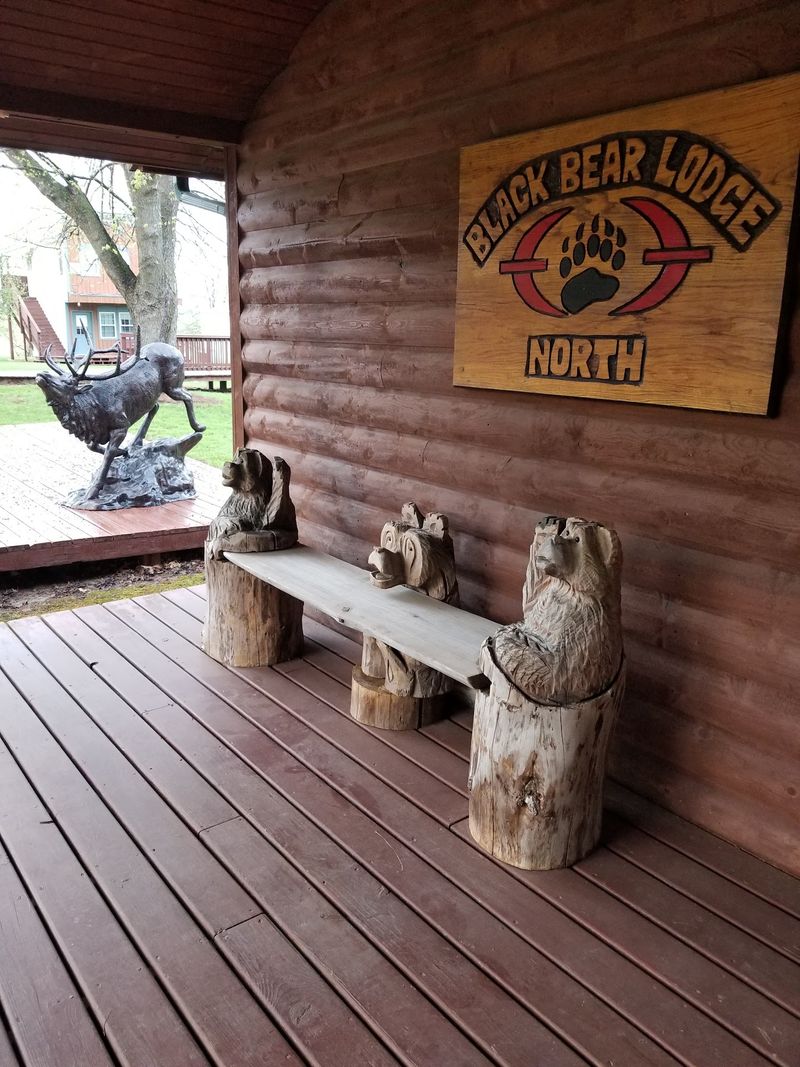
Do not assume the northern part of the state is off the bears’ radar. Lake, Jo Daviess, and Carroll counties have all had their share of visits.
Places like Antioch, Richmond, Gurnee, and the areas around Galena near Mississippi Palisades State Park have reported these travelers. Many of these bears drift down from Wisconsin’s thriving population.
The scenic bluffs and river valleys offer natural travel routes. For residents up north, a bear sighting is a reminder that wildlife respects no county boundaries.
9. Protected by Law Since 2015
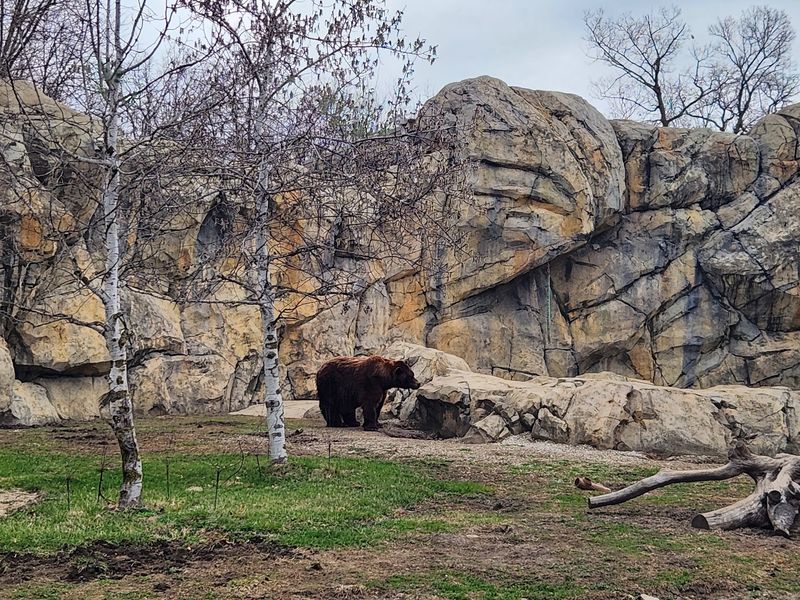
Something changed in 2015 that shaped how the state treats these animals. Black bears earned protection under the Illinois Wildlife Code, giving them legal safeguards.
Under this rule, bears cannot be hunted or harassed unless there is a genuine threat to people or property. The goal is to let these wanderers pass through safely and peacefully.
Officials at the Illinois Department of Natural Resources also ask residents to keep a respectful distance and report sightings through the Wildlife Illinois website. Sharing space, it turns out, works best when everyone stays informed and stays calm.