
This Small Island Town In Maine Feels Like A Living Painting From The Past
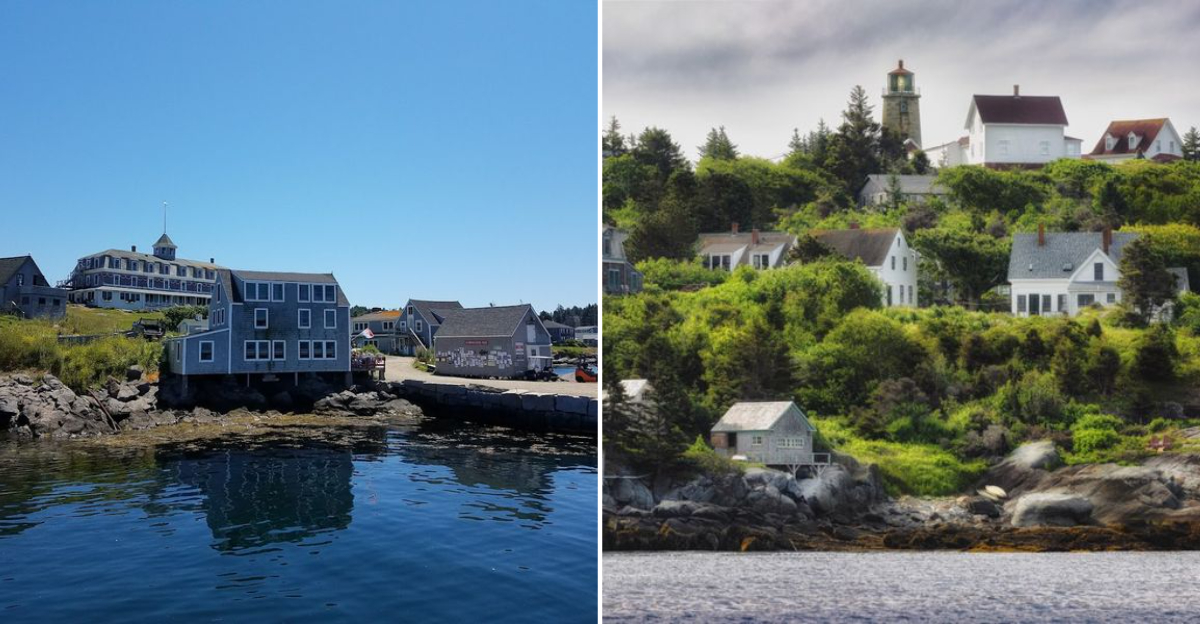
I’ll admit it: the first time I heard about an island twelve miles off the Maine coast with no cars, no paved roads, and more artists per square foot than anywhere else in America, I was skeptical. But stepping off the ferry onto Monhegan Island felt like walking through a portal into another century.
The salty air mixed with pine, weathered fishing shacks lined the harbor, and painters dotted the cliffsides with their easels, just as they’ve done for over a hundred years.
This tiny speck of land, barely a mile and a half long, has preserved a way of life that vanished from most of America decades ago, and I found myself wondering if I’d accidentally stumbled into a living museum or simply discovered one of the last truly unspoiled places left.
A Historic Island Plantation
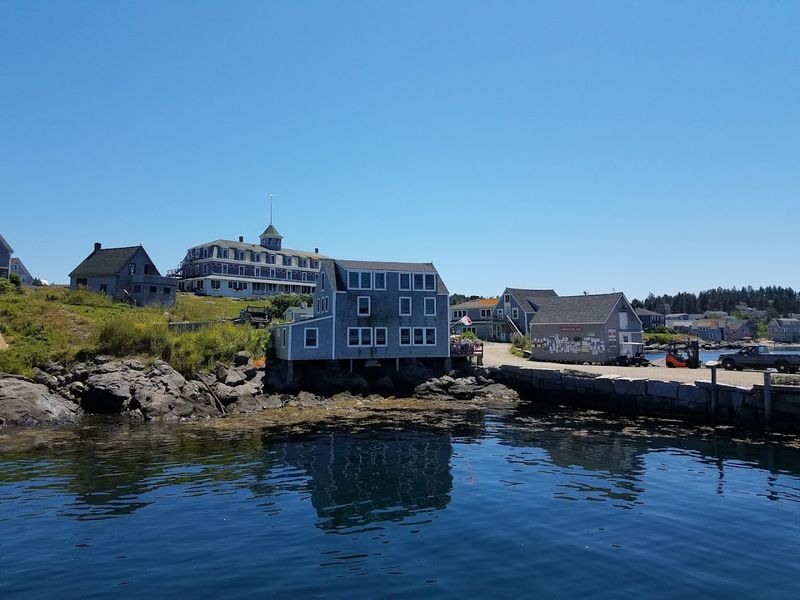
Walking through Monhegan’s single village feels like flipping through pages of American history. The island has a recorded history of human activity dating back to the early 1600s, making it one of the oldest sites of European settlement in New England.
I traced my fingers along the weathered clapboards of buildings that have withstood four centuries of Atlantic storms.
Part of Lincoln County, Maine, this historic island plantation sits approximately 12 nautical miles offshore in the Gulf of Maine. The designation as a plantation is a uniquely Maine governmental structure, reflecting the island’s small population and self-governing traditions.
I learned that fewer than 70 year-round residents call this place home, though that number swells in summer.
The island’s isolation preserved not just buildings but an entire way of life. Fishermen still haul traps using methods passed down through generations.
I watched as lobstermen departed at dawn, their routines unchanged by modern conveniences that transformed mainland communities.
Standing on the harbor dock, I felt the weight of centuries beneath my feet, each generation adding its layer to Monhegan’s remarkable story.
No Cars Allowed
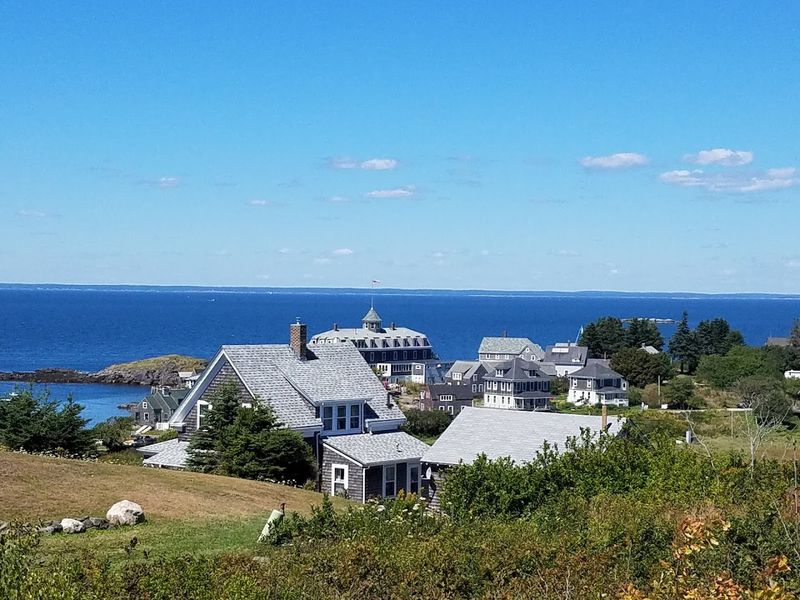
My rental car sat in a parking lot on the mainland, and honestly, I didn’t miss it once. Monhegan Island maintains a strict no-cars policy that transforms the entire experience of being there.
Instead of asphalt and engines, I found dirt paths winding between wildflowers and the constant soundtrack of waves and seabirds.
A few utility vehicles exist for essential services, but visitors and most residents navigate the island entirely on foot. I discovered this creates an immediate sense of calm that’s hard to find in our car-dependent world.
My first morning, I walked from my lodging to the village in complete silence except for the crunch of gravel under my boots.
The absence of automobiles means the air stays remarkably clean and fresh. I could smell the ocean from anywhere on the island, mixed with pine resin and wild roses depending on the season.
Children play freely on the roads without parental worry.
Conversations happen naturally because everyone moves at walking pace. This single policy preserves more than just quiet; it maintains a human-scale environment where people connect with place and each other in ways we’ve largely forgotten.
America’s Most Influential Artist Colony
Everywhere I turned on Monhegan, I encountered artists. They perched on cliff edges, set up in meadows, and clustered around the harbor, all trying to capture the island’s extraordinary light.
This tradition stretches back to the 1850s, making Monhegan one of America’s oldest continuously active artist colonies.
Famous painters like Rockwell Kent, Edward Hopper, and George Bellows all found inspiration here. I visited small galleries tucked into island homes where contemporary artists continue this legacy.
What struck me most was the democratic nature of it all. Established professionals worked alongside enthusiastic amateurs, united by their subject matter.
The island’s dramatic scenery provides endless material. I watched one painter return to the same cliff three days running, chasing different light conditions.
Another explained how the fog creates layers of gray that challenge any artist’s palette.
The creative energy feels palpable, as though centuries of artistic attention have somehow soaked into the rocks themselves. Studios open their doors to visitors, and I spent an afternoon watching a watercolorist translate the harbor’s chaos into ordered beauty on paper.
Dramatic Cliffs And Wild Coastline
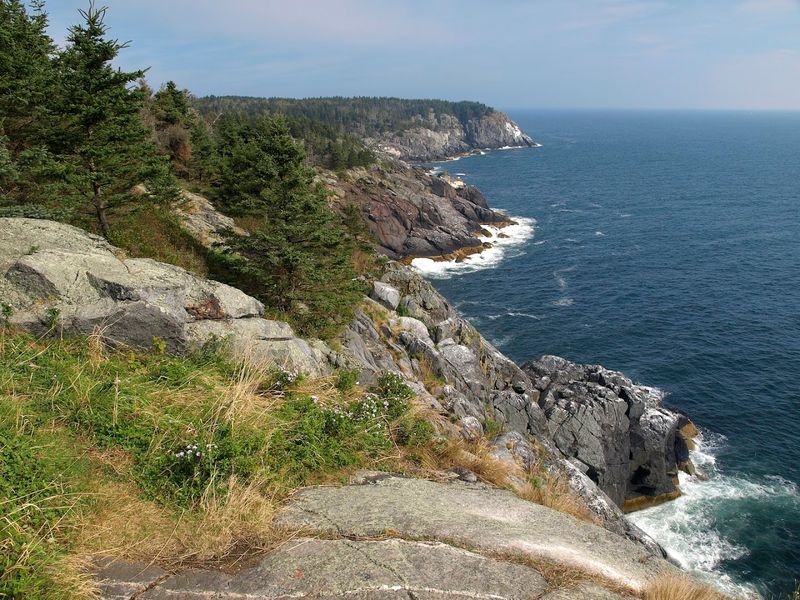
Nothing prepared me for Monhegan’s cliffs. The island’s backshore features some of the most spectacular coastal scenery in New England, with sheer rock faces plunging over 150 feet into churning Atlantic waters.
I stood at Whitehead, the island’s highest point, feeling the wind try to push me backward while waves exploded against the rocks far below.
Miles of trails circumnavigate the island, each turn revealing new perspectives. Cathedral Woods offered a contrast with its hushed, moss-covered interior before the path emerged onto sun-blasted headlands.
I hiked to Burnt Head where horizontal rock layers create natural benches perfect for watching the endless ocean.
The coastline changes personality with the weather. On my sunny morning visit, the cliffs looked almost Mediterranean, all golden light and sparkling water.
But when fog rolled in that afternoon, the same location turned mysterious and slightly menacing, with invisible waves booming against hidden rocks.
I understood why artists never tire of this place. Every hour presents a completely different island, and I found myself returning to favorite viewpoints just to see how they’d transformed.
Working Fishing Village
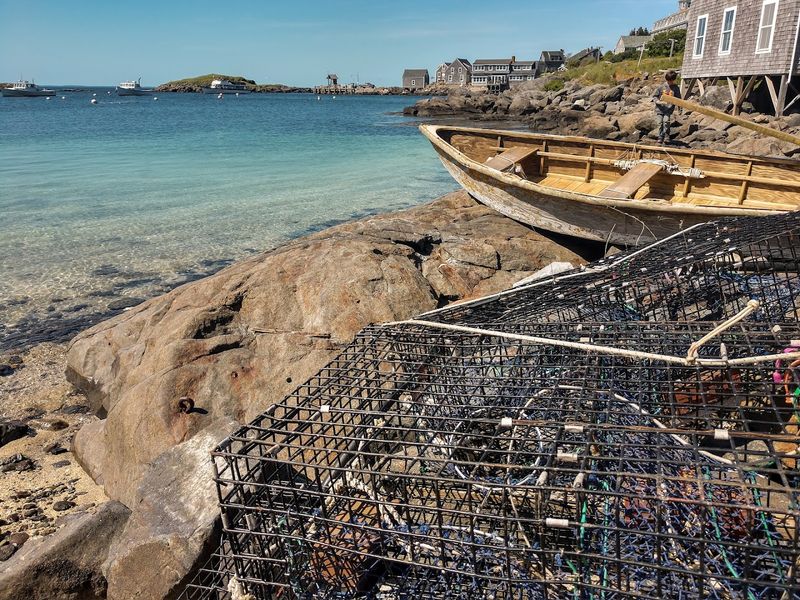
Monhegan isn’t just a pretty postcard; it’s a genuine working fishing community. I woke before dawn to watch the lobster fleet depart, their running lights disappearing into the predawn darkness.
The island maintains one of Maine’s most sustainable fisheries, with strict territorial limits and a unique winter-only fishing season.
That seasonal approach protects the resource while preserving the community. Fishermen work intensely from January through June, then many turn to tourism or other pursuits during summer months.
I spoke with a third-generation lobsterman who explained how these traditions keep the fishery healthy and the community stable. His grandfather fished the same waters, using many of the same techniques.
The harbor smells of bait and diesel, salt and seaweed. Lobster traps stack everywhere in colorful towers, each painted with distinctive patterns identifying their owners.
I watched crews mend nets and repair equipment with practiced efficiency.
This isn’t heritage tourism or historical reenactment. These are real people making real livings from the sea, just as Monhegan residents have done for four centuries.
Their presence gives the island authenticity that purely recreational destinations lack completely.
Limited Electricity And Modern Amenities
My island accommodation came with a gentle warning: electricity is limited and internet is spotty at best. Monhegan generates its own power, and residents use it carefully.
I found myself adjusting to rhythms I’d forgotten existed, going to bed earlier without screens to keep me awake, waking with actual daylight instead of an alarm.
Many buildings still use oil lamps as backup or primary lighting. The first evening, my host showed me how to trim wicks and adjust flames.
That soft, warm glow through windows at night creates an atmosphere no electric bulb can match. I sat reading by lamplight, feeling connected to every previous generation who’d done the same.
The lack of constant connectivity felt liberating rather than limiting. Without phone buzzing and emails demanding attention, I actually noticed my surroundings.
Conversations at the island store lasted longer because nobody was rushing off to check messages.
Modern life intrudes enough everywhere else. On Monhegan, I experienced what we’ve lost in our race toward constant connection and convenience, and I wasn’t sure I wanted it back.
Miles Of Hiking Trails
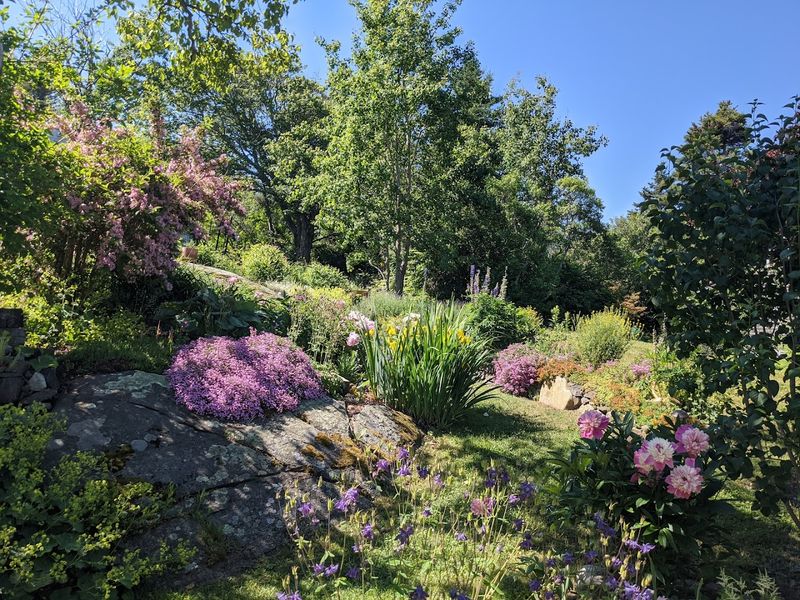
Cathedral Woods earned its name, and I understood why within minutes of entering. Towering spruce trees create a living ceiling, their branches filtering sunlight into soft green-gold beams.
The forest floor lies thick with moss and ferns, muffling footsteps until you feel like you’re walking through a fairy tale.
The island maintains roughly seventeen miles of trails despite being only 700 acres total. I spent three days hiking and still didn’t cover everything.
Trails range from easy village walks to challenging cliff-edge scrambles requiring both hands. Each path offers something different: Burnt Head for dramatic views, Lobster Cove for tide pools, Gull Rock for bird watching.
Trail markers are subtle, often just faded paint on rocks, which adds to the adventure. I got slightly turned around once and had to navigate by ocean sounds and sun position, a small thrill in our GPS-dependent age.
Wildflowers bloom along the paths in summer, while fall brings brilliant foliage.
Winter hiking, though challenging, rewards the hardy with solitude and stark beauty. I met fellow hikers who’d been coming back for decades, each visit revealing new details in this compact but endlessly interesting landscape.
Historic Lighthouse Museum
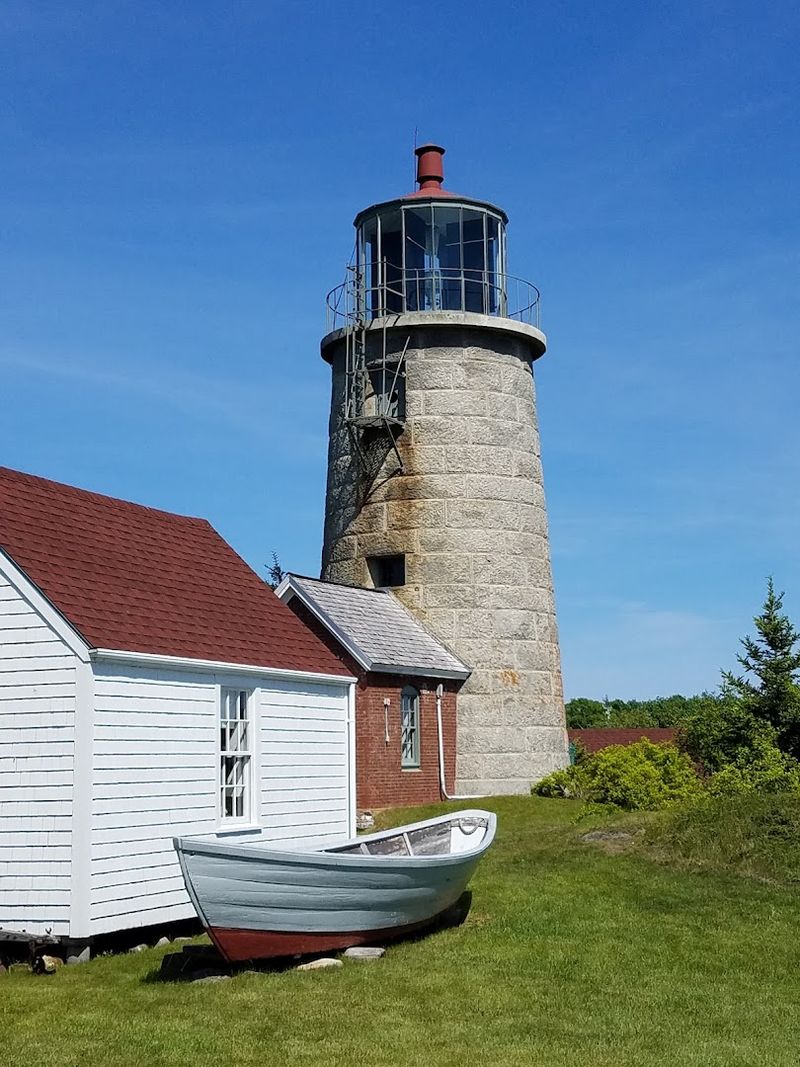
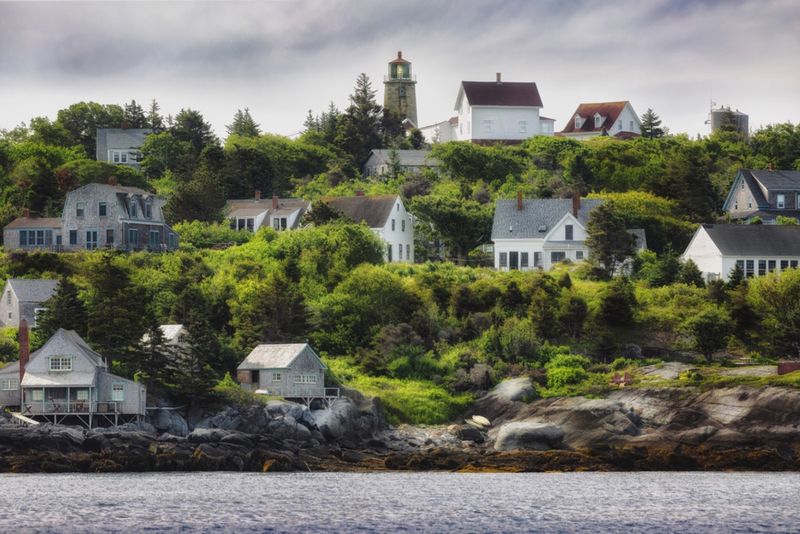
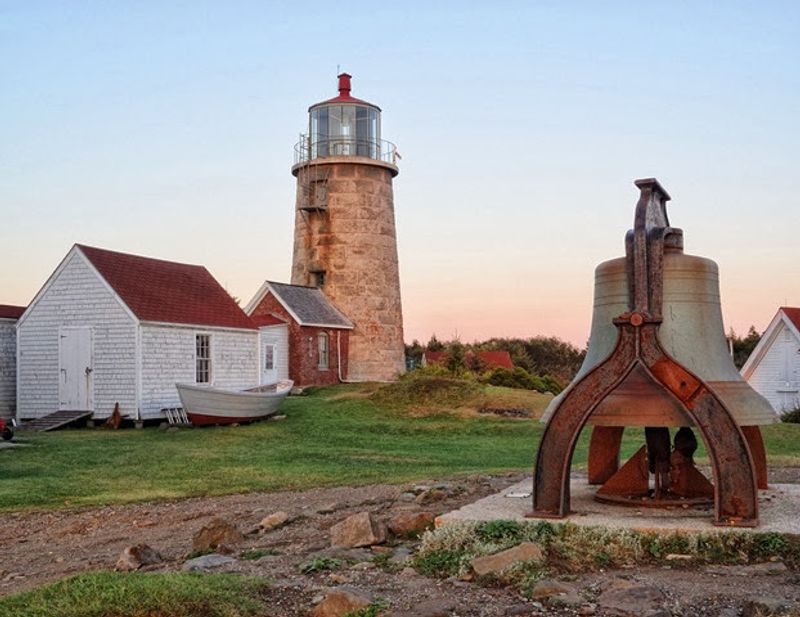
Perched on a hill overlooking the village, Monhegan Light has guided mariners since 1824. The current tower, built in 1850, now houses a fascinating museum that consumed an entire afternoon of my visit.
The keeper’s house contains exhibits spanning the island’s history. I examined old photographs showing the village barely changed over a century.
Ship models demonstrated the vessels that once crowded these waters. Display cases held artifacts from shipwrecks, fishing gear evolution, and daily life in this isolated community.
One room focuses entirely on the artist colony, with paintings and sketches from different eras.
What made the museum special was its intimate scale and local focus. This isn’t a slick, corporate-designed experience but a community-run collection of genuine island history.
Volunteer guides, often longtime residents, share stories their grandparents told them.
I learned about the keeper who rowed his children to the mainland for school, the winter a supply boat couldn’t reach the island for six weeks, and countless other details that bring history to life beyond dates and facts.
A Tight-Knit Island Community
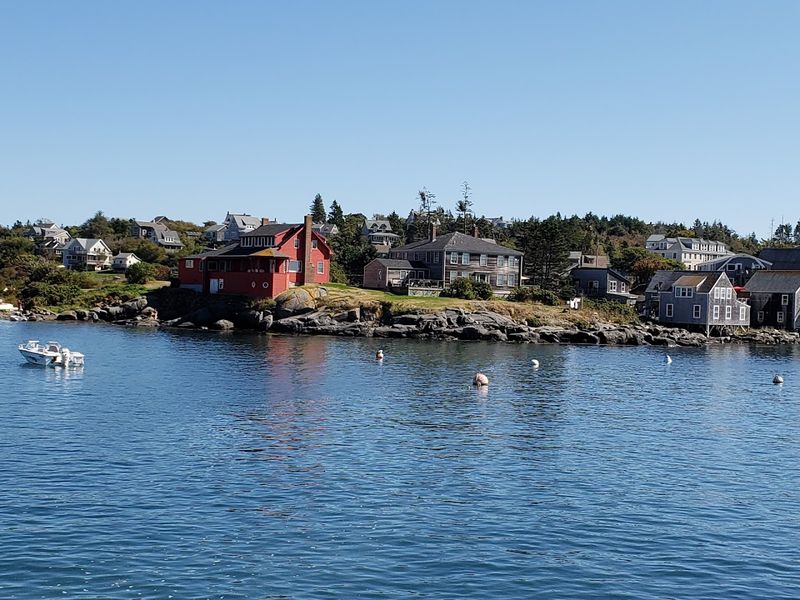
Living year-round on Monhegan requires commitment, and the roughly 65 people who do it form one of America’s most tight-knit communities.
I witnessed this firsthand when a resident’s boat engine failed. Within an hour, three neighbors had gathered to help, sharing tools, expertise, and labor without any expectation of payment.
That’s just how things work here.
The island supports a one-room school when enough children are present, a volunteer fire department, and a small library that serves as a community center.
I attended a potluck supper where it seemed everyone on the island showed up, sharing food and stories with an ease that comes from deep familiarity. These people depend on each other in ways mainland communities rarely experience anymore.
Winter isolation intensifies these bonds. When storms make ferry service impossible for days, the island truly becomes its own world.
Residents check on elderly neighbors, share supplies, and entertain each other through long, dark evenings.
Summer brings tourists and seasonal residents, changing the dynamic but not breaking it. I envied this sense of belonging, wondering what I’d sacrificed for the convenience and anonymity of city life.
Accessible Only By Ferry Boat
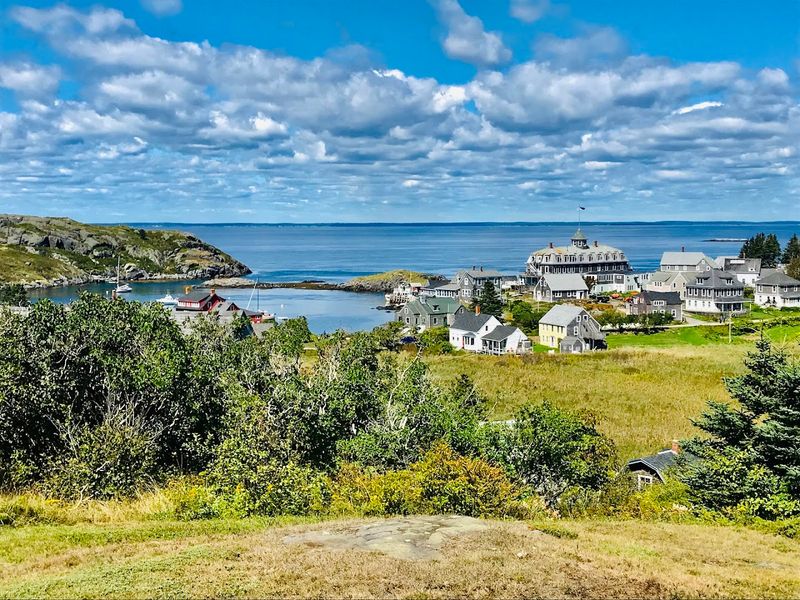
Getting to Monhegan requires planning and patience. Three ferry services operate from different mainland ports, with schedules varying by season.
I took the boat from Port Clyde, a scenic hour-long crossing that served as a decompression chamber between modern life and island time. As the mainland receded, I felt stress and hurry sliding away.
The ferry itself is part of the experience. I watched passengers transform during the crossing, putting away phones and starting conversations with strangers.
Returning visitors pointed out landmarks to first-timers. The boat carries not just people but also mail, supplies, and anything else the island needs, making each trip a vital lifeline.
This limited access acts as a filter, selecting for visitors willing to slow down and engage with the place on its own terms. You can’t just drive through Monhegan on your way to somewhere else.
Getting there requires intention, and that intention shapes the entire experience.
When the ferry pulled away from the island at trip’s end, I understood why so many passengers were already planning their return. Monhegan doesn’t reveal itself to casual visitors, but for those willing to arrive on the island’s terms, the rewards are extraordinary.