
This Small Maine Island Feels Almost Untouched By The Modern World
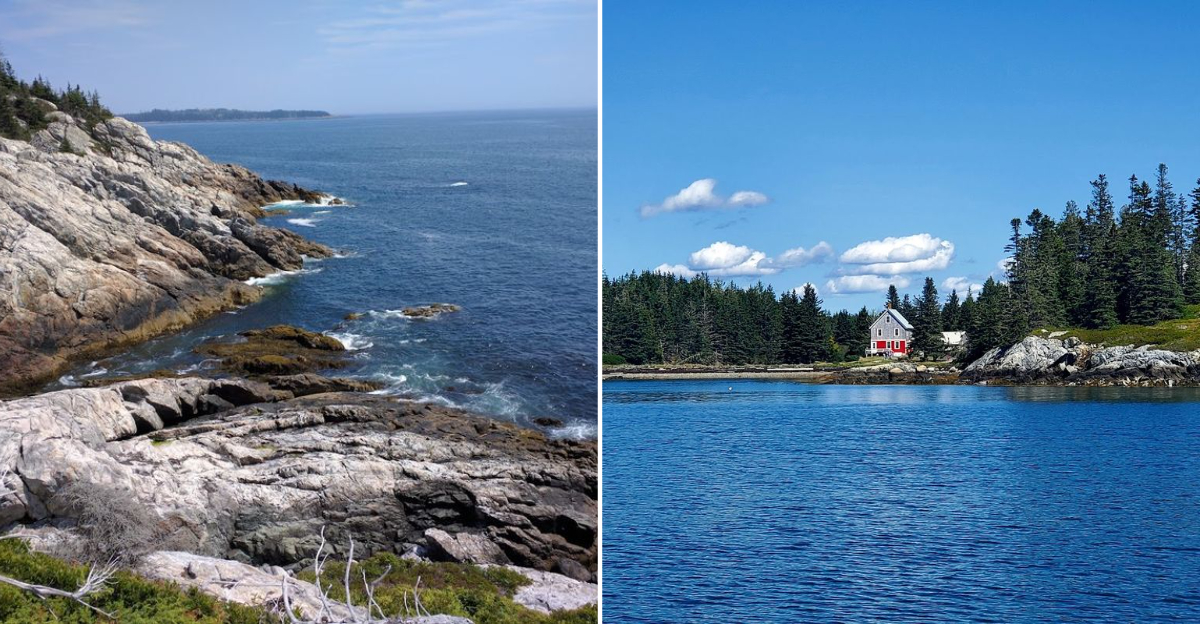
Imagine taking a ferry to a place where your phone loses interest before you do. Off the Maine coast, a tiny island holds fewer than 100 year-round residents and moves at a pace the mainland seems to have forgotten.
There are no traffic lights, no chain restaurants, and very little noise beyond boats, birds, and the wind moving through the trees. The ferry ride out of Stonington already feels like a reset.
As the harbor fades behind you, daily routines start to feel strangely far away. Life here rewards preparation, patience, and a willingness to slow down.
Trails stay quiet, the shoreline feels wonderfully untamed, and even a simple walk can turn into the best part of the day.
Only 92 People Call It Home
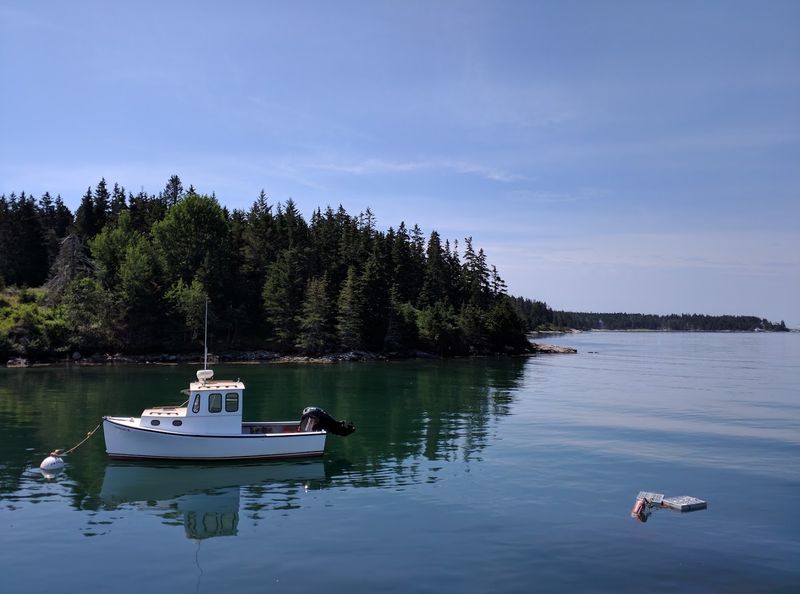
At the 2020 census, Isle au Haut had a recorded population of just 92 people. That number is not a typo, and it is not a neighborhood within a larger town.
That is the entire island.
To put that into perspective, a single floor of an average American apartment building might house more people than this entire community.
The island is a town in Knox County, Maine, and it functions as a real, year-round municipality with its own local governance and services. But the scale of daily life here is almost impossible to imagine until you stand on the main road and realize you can walk its entire length without passing a single traffic jam.
Summer brings a seasonal population bump as visitors and part-time residents arrive, but even then the island never feels crowded. The permanent residents are a self-reliant group, many of whom fish, farm small plots, or work within the island community.
Life here runs on a rhythm that has very little to do with the outside world, and the people who choose to stay year-round seem to prefer it that way without apology.
Every Visit Starts On The Water
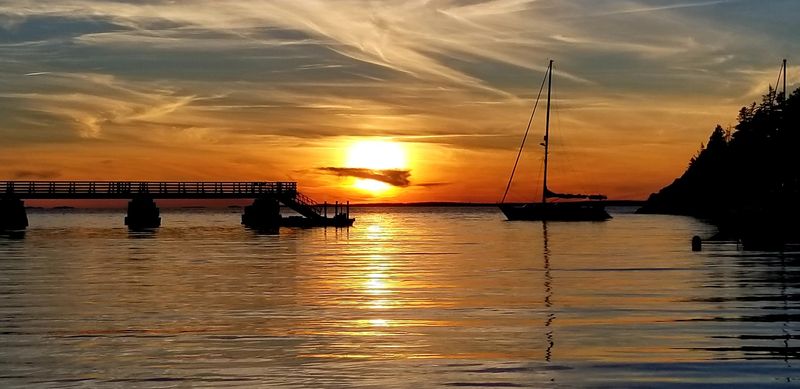
There is no bridge to Isle au Haut, and that is entirely the point. The only public way to reach the island is by ferry from Stonington, a small fishing town on Deer Isle in Hancock County, Maine.
The ride takes about 45 minutes and operates through Isle au Haut Boat Services, which runs seasonal schedules that change depending on the time of year.
The ferry itself is a no-frills, practical vessel that carries passengers, mail, and supplies. Watching the Stonington harbor disappear behind you while the open bay stretches ahead feels like crossing an invisible boundary between ordinary life and something quieter.
Seabirds follow the boat, and on calm days the water turns a deep, clear blue that seems almost too pretty to be real.
Planning around the ferry schedule is essential because missing the last boat means spending an unexpected night on the island.
That sounds dramatic, but honestly, some visitors have reported that missing the ferry turned into the best unplanned adventure they ever had. The schedule keeps you honest and forces a kind of deliberate, unhurried approach to the whole visit that the island seems to demand.
Acadia’s Quietest Corner
Most people associate Acadia National Park with Bar Harbor and the famous Cadillac Mountain sunrise crowds. What far fewer people know is that a significant portion of Isle au Haut is also part of Acadia National Park, making it one of the park’s most remote and lightly visited sections.
The park land on Isle au Haut covers roughly 2,800 acres of the island’s southern half, offering trails, rocky coastline, and backcountry campsites that feel nothing like the busy main section of Acadia.
The Duck Harbor campground is the only designated camping area on the island, and it operates on a strictly limited permit system. Getting a reservation requires planning months in advance, which naturally keeps the crowds small and the experience deeply personal.
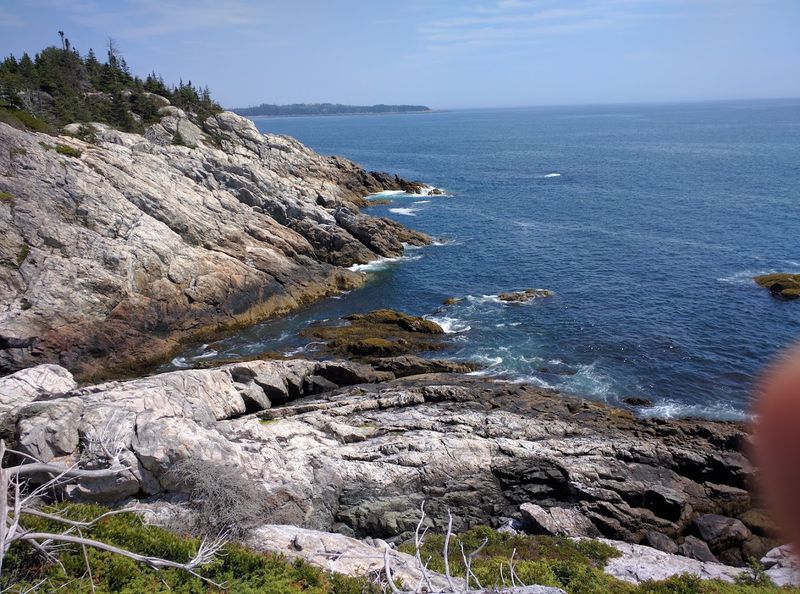
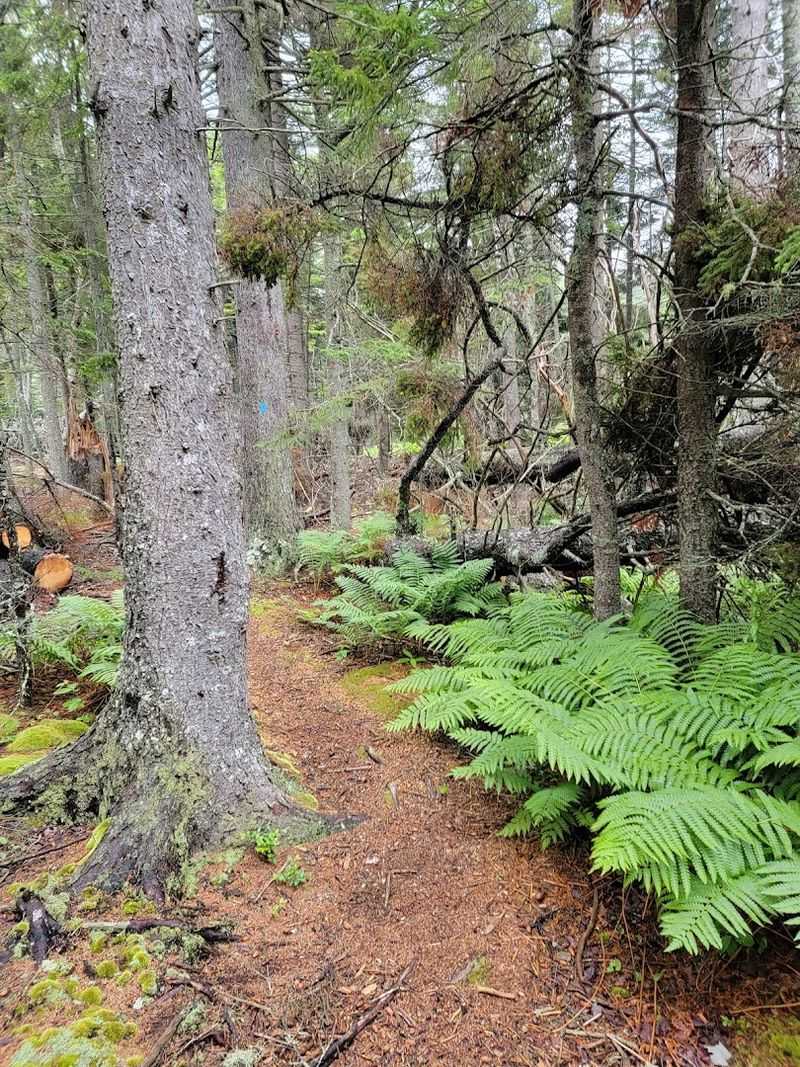
Trails here wind through spruce and fir forests, along dramatic cliff edges, and down to boulder-strewn beaches where the Atlantic crashes with real force.
The Western Head Trail and Cliff Trail are among the most rewarding, offering sweeping ocean views without another hiker in sight for long stretches.
For anyone who loves Acadia but hates the summer crowds at the main park entrance, this quieter corner is worth every bit of the extra effort it takes to reach it.
The Island That Unplugs You
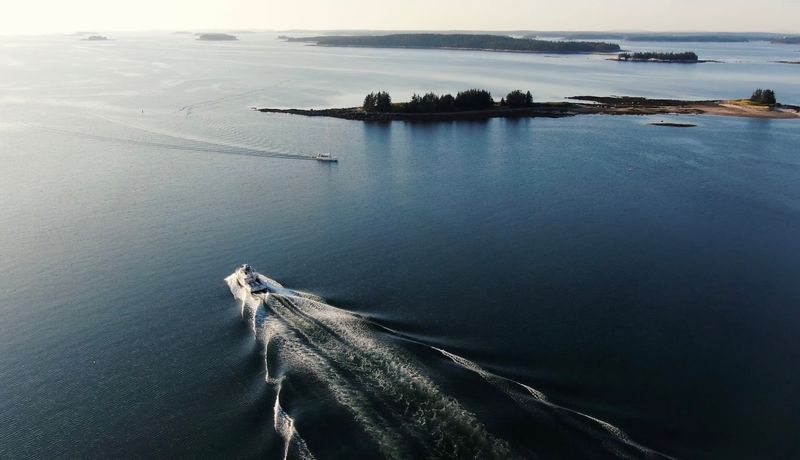
Cell service on Isle au Haut can be limited and unreliable, depending on the carrier and location. Depending on your carrier and your exact location on the island, you might get a single flickering bar that disappears the moment you try to use it.
For most visitors, this is not a problem. For some, it becomes the single most transformative part of the trip.
Without the constant pull of notifications, social media feeds, and work emails, the brain actually starts to notice things again.
The sound of wind moving through spruce trees. The specific way fog settles over the harbor in the early morning.
The way a meal tastes better when you are not photographing it first.
These are not dramatic revelations, but they are the kind of small recalibrations that make people feel genuinely rested in a way that a regular vacation rarely delivers.
There is a pay phone near the town landing that still operates, which feels both charming and slightly surreal in the current era.
The island has limited commercial services, though a small general store near Town Landing sells groceries and basic necessities during restricted hours. But that forced preparation also changes how you engage with the place.
You pack what you need, you plan ahead, and then you actually show up present.
A Story Centuries In The Making
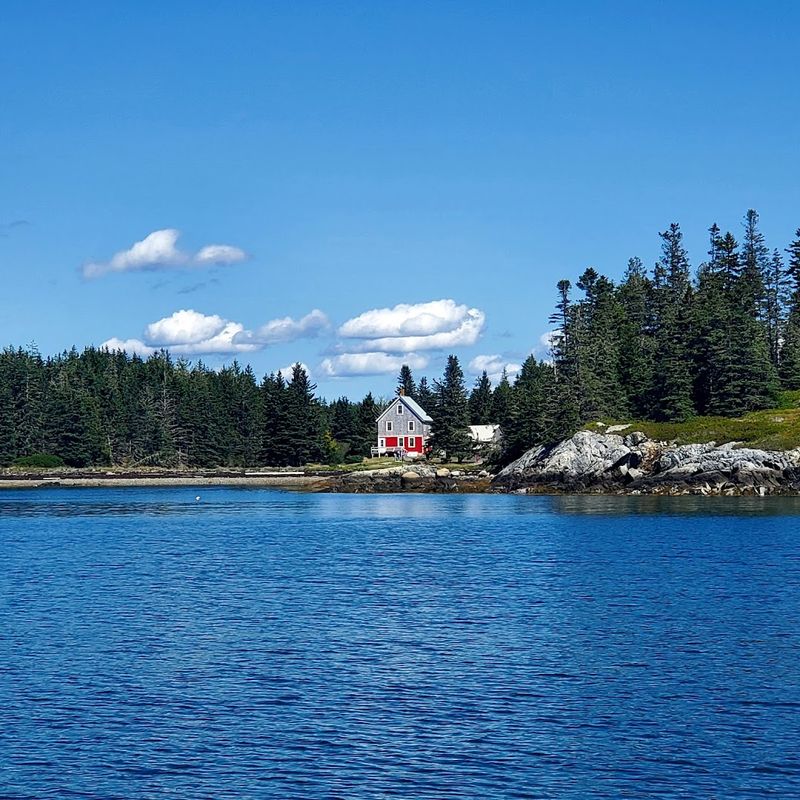
Long before the National Park Service drew any boundary lines around it, Isle au Haut was home to the Wabanaki people, who used these waters and shores for fishing and seasonal habitation for thousands of years.
The island’s name comes from French explorer Samuel de Champlain, who sailed through Penobscot Bay in 1604 and named it for its high, visible profile rising from the sea.
European settlement followed in the late 18th century, and the island developed a working community built around fishing, boat building, and small-scale farming.
At its peak in the 19th century, the island supported a much larger population than it does today, with multiple one-room schoolhouses and a more active commercial life. The decline in population over the 20th century was gradual but steady as economic opportunities shifted to the mainland.
What remains today is a community with deep roots and a strong identity. The Robinson Point Lighthouse, built in 1907, still stands near the town landing, while the former keeper’s house is available as a vacation rental.
History here does not feel preserved behind glass. It feels lived in and ongoing, which makes it far more interesting.
Nature Steals The Show
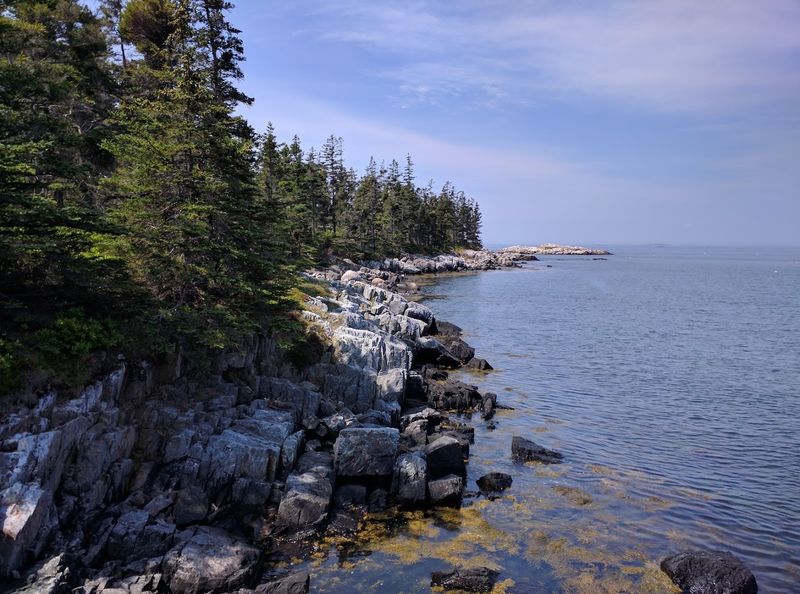
The combination of protected park land, minimal human disturbance, and rich coastal habitat makes Isle au Haut a genuinely impressive place for wildlife.
Bald eagles are common enough here that spotting one stops feeling remarkable by the second day. Osprey, great blue herons, and a wide variety of shorebirds populate the coastline and inland ponds with regularity.
Harbor seals haul out on exposed rocks along the shore and can often be spotted from the hiking trails or from the ferry itself. White-tailed deer move through the forest interior with a casualness that suggests they have never had much reason to fear people.
On quiet evenings near the pond areas, the sounds of frogs and birds create a natural soundtrack that is genuinely hard to describe without sounding overly sentimental about it.
The waters surrounding the island are equally productive. Porpoises are sometimes seen rolling through the channel, and the fishing grounds that local lobstermen work daily are among the most productive in Maine.
Kayaking around the island’s perimeter offers close encounters with seabirds nesting on offshore rocks and the kind of intimate view of the coastline that no trail can quite replicate. Bring binoculars.
You will use them constantly.
Rugged, Raw, And Genuinely Dramatic
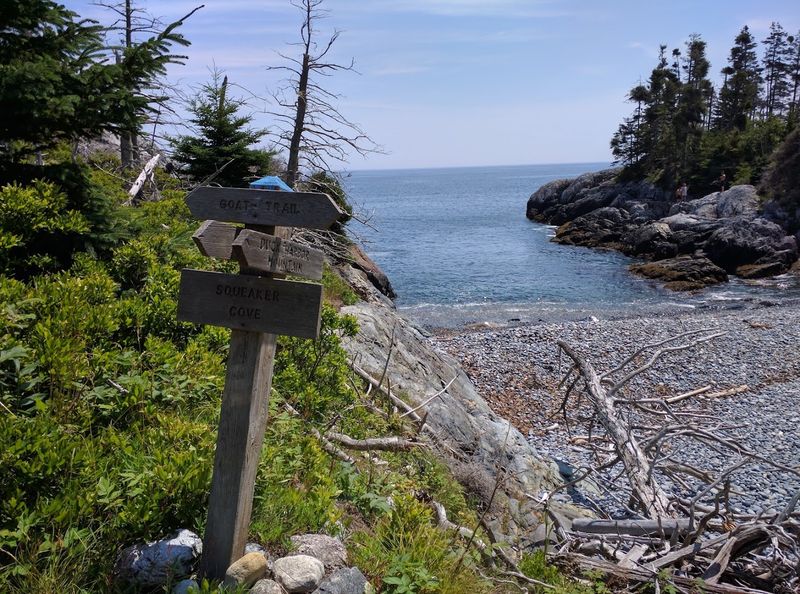
The terrain of Isle au Haut is not soft or gentle. This is a place built from granite, shaped by glaciers, and battered by Atlantic weather for thousands of years.
The results are spectacular in the way that only genuinely wild landscapes manage to be, where beauty comes from power and age rather than from anything designed to impress.
The island rises to about 543 feet at its highest point, Mount Champlain, which offers panoramic views of the surrounding bay and the distant Maine coast on clear days.
The shoreline alternates between cobble beaches, sheer rock faces, and quiet coves where the water runs surprisingly clear. Tidal pools along the lower shore are filled with sea stars, urchins, periwinkles, and anemones that reward anyone willing to crouch down and look closely.
Fog is a regular feature of the weather here, especially in summer mornings, and rather than diminishing the scenery it tends to enhance it.
Trails that cut through dense spruce forest feel almost cathedral-like in low visibility, with moisture beading on every surface and sound muffled to near silence.
The island does not perform for visitors. It simply exists in its own terms, and that uncompromising quality is exactly what makes it so compelling to experience firsthand.
The Reward Is Pure Quiet
Isle au Haut does not make itself easy to visit, and that is not an accident. The ferry schedule limits daily arrivals.
Duck Harbor Campground has five lean-to shelters, with reservations released through the National Park Service system for the summer season. Day visitors can arrive on the morning ferry and return in the afternoon, but the time on island is limited without an overnight stay.
Packing thoughtfully matters here more than almost anywhere else. A small general store operates near Town Landing, but its limited hours and inventory make it important to bring essential supplies.
Weather on the Maine coast changes quickly, and being underprepared on a remote island is a genuinely uncomfortable experience. Layers, waterproof gear, solid footwear, and enough food and water for the day are non-negotiable basics.
All of that planning pays off the moment you step off the ferry and realize how completely quiet the island actually is. No engine noise, no background hum of commerce, no ambient crowd energy.
Just wind, water, birdsong, and the particular kind of stillness that only comes when human activity has been reduced to its most essential form. For anyone who has been craving that kind of reset, Isle au Haut delivers it without hesitation or half measures.