
This Small Michigan Zoo Lets You Hang Out With The Internet’s Favorite Chill Animal
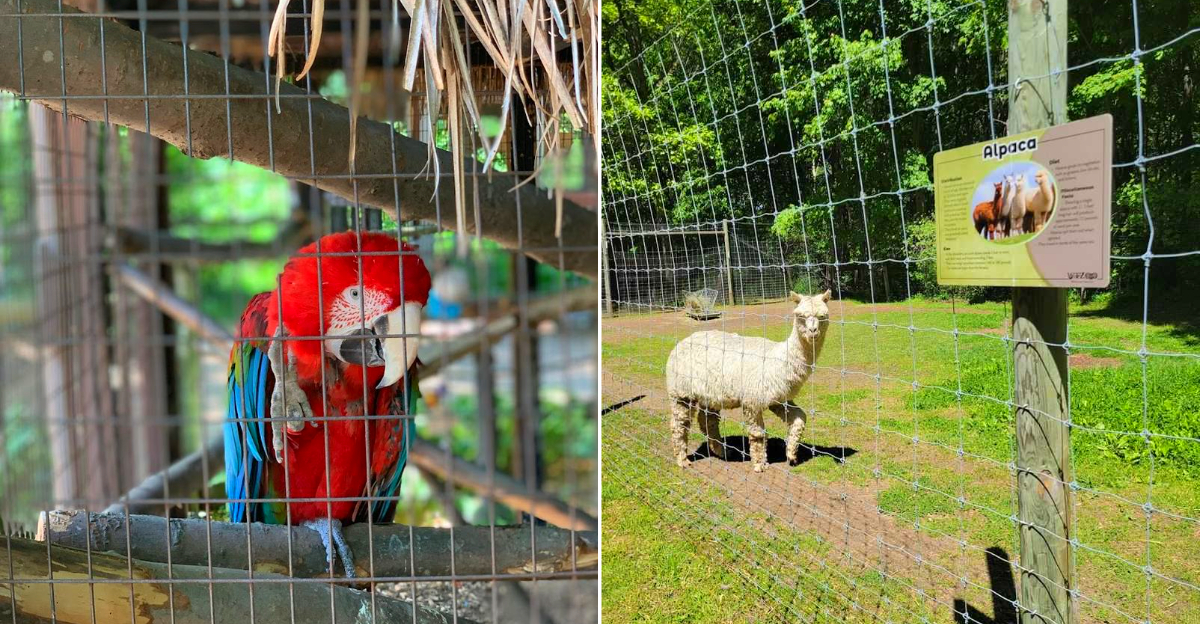
Just outside Birch Run, the day takes a strange and delightful turn. One minute you are thinking “small Michigan zoo,” and the next you are considering whether a capybara has a better emotional balance than most adults you know.
The place has a relaxed, slightly old-school charm that works in its favor. It is not trying to overwhelm you with polished spectacle; it is built for wandering, stopping, pointing, and saying things like, “Wait, what is that?”
The mile-long trail gives the visit a nice rhythm, with animal encounters, hand-feeding areas, and warm tropical corners breaking up the walk.
This family-friendly Michigan zoo offers close animal encounters, a popular capybara experience, and an easy outdoor adventure near Birch Run.
Wear comfortable shoes, check encounter details ahead of time, and leave room for small surprises. The capybaras may get the headlines, but the whole place rewards patient curiosity.
Book The Capybara Encounter For The Right Reason
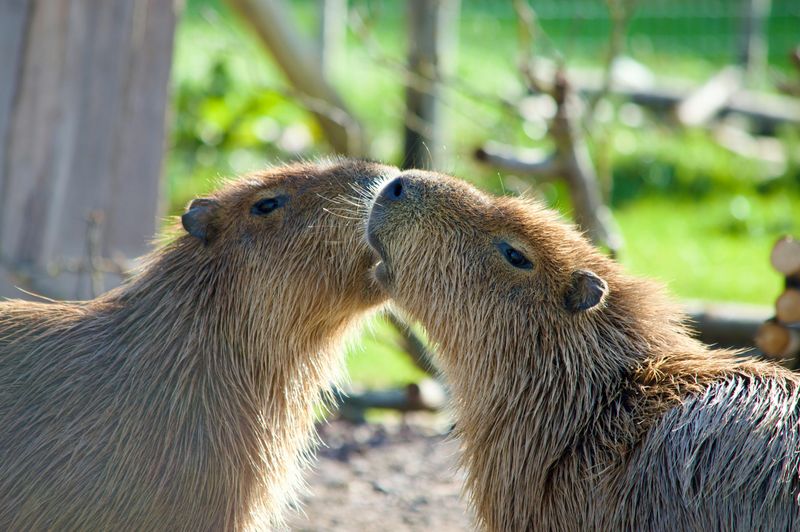
The capybara encounter is the headline experience here, but it works best if you treat it like animal time, not a guaranteed performance. Wilderness Trails Zoo offers supervised feeding, interaction, and photos with capybaras for an added fee, and the current price is $65 per person before general admission.
That detail matters, because the zoo is upfront that participation depends on the animals’ mood and comfort.
I appreciated that honesty once I arrived. Capybaras have become internet celebrities because they seem impossibly relaxed, yet the real charm is quieter and stranger in person, all whiskers, damp noses, and unhurried curiosity.
If you book this, go for the chance to share space with them, not to script the exact moment.
Follow Gera Road Toward The Wild Side
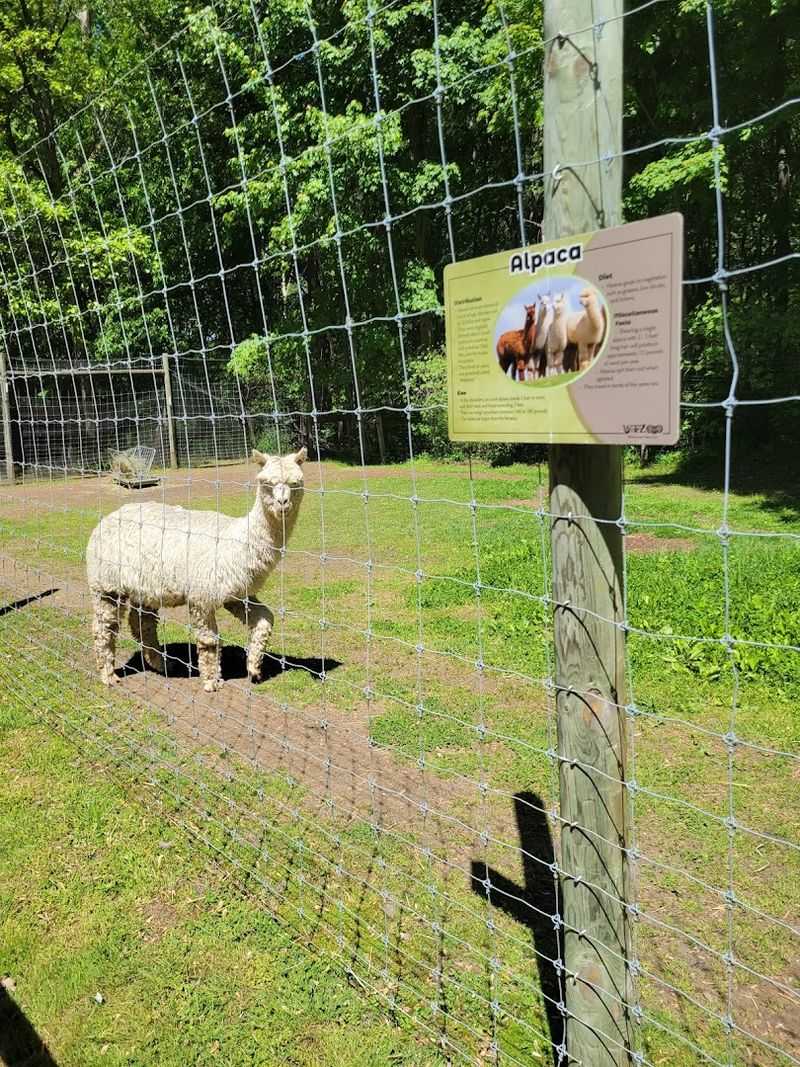
Wilderness Trails Zoo, 11721 Gera Rd, Birch Run, Michigan 48415, sits just outside the usual shopping-and-highway rhythm of Birch Run, which makes the arrival feel like a small family adventure.
Aim for Gera Road and expect the drive to turn quieter as you get close. This is not a complicated stop, but it does feel nicely removed from the outlet-mall rush nearby.
Once you arrive, park and give yourself time before rushing to the first animal trail. The fun here works best when you slow down, follow the path, and let the zoo unfold one curious encounter at a time.
Use The Rainforest As Your Weather-Proof Anchor

The oddest shift at Wilderness Trails Zoo happens when Michigan weather gives way to tropical air. Its immersive rainforest experience stays around 80 degrees indoors, creating a warm, leafy pocket where sloths, tortoises, tropical birds, bats, tamarins, armadillos, and freshwater black diamond stingrays turn a regular zoo visit into something more atmospheric.
Even before you focus on individual animals, the temperature change resets your pace.
That makes this building especially useful on cool, rainy, or shoulder-season days. From December through March, the capybara encounter may fold into the Winter Tropics Encounter rather than being booked separately, so checking current offerings before arrival is smart.
If the outdoor trail feels brisk, save the rainforest for a strategic middle-of-visit reset.
Bring A Little Cash For The Feed Cups And Seed Sticks
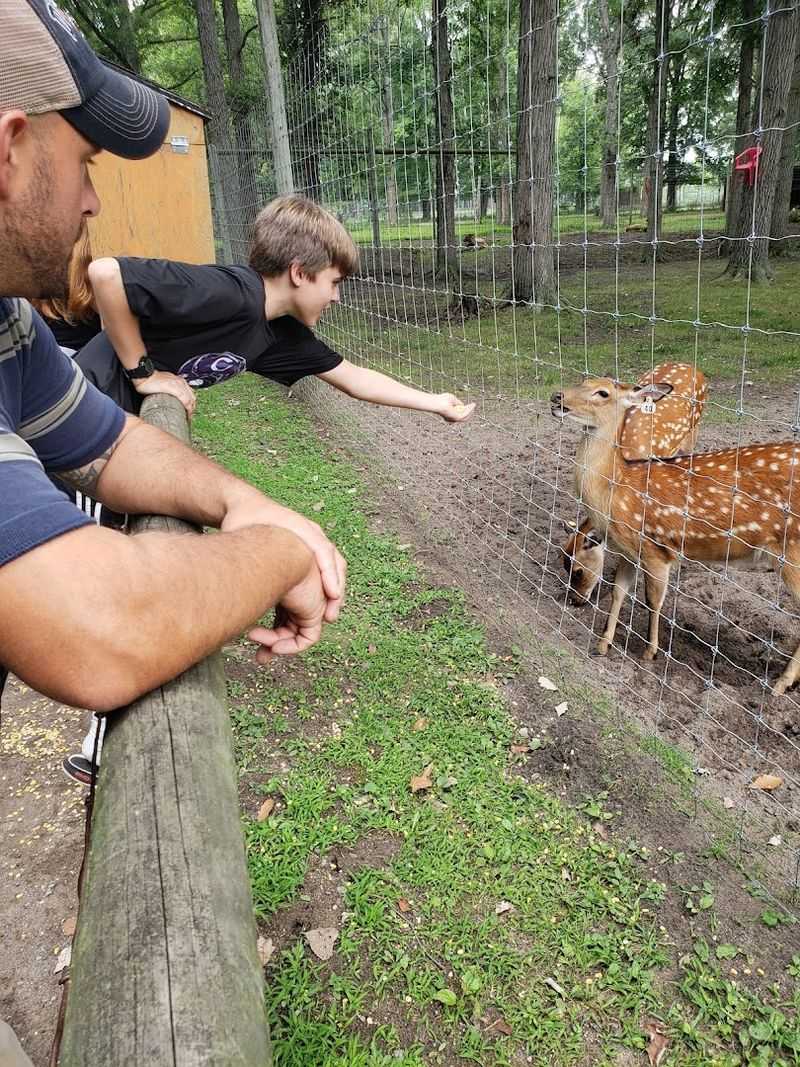
Some of the best moments here come from the low-key extras rather than the marquee encounter. Wilderness Trails Zoo sells carrot cups for feeding certain animals such as goats, fish, peccaries, and deer, and parakeet feeding is available for a small additional fee with seed sticks.
Those details sound simple, but they change how the trail feels, turning parts of the visit into small, attentive exchanges.
I would not skip them if you enjoy interactive zoos. The animal park is known for up-close experiences, and these feeding opportunities help explain why families linger instead of just passing enclosure to enclosure.
Pace yourself, though, because once you start stopping for every eager face and fluttering wing, the visit stretches pleasantly longer than expected.
Expect Variety, Not Just One Viral Animal
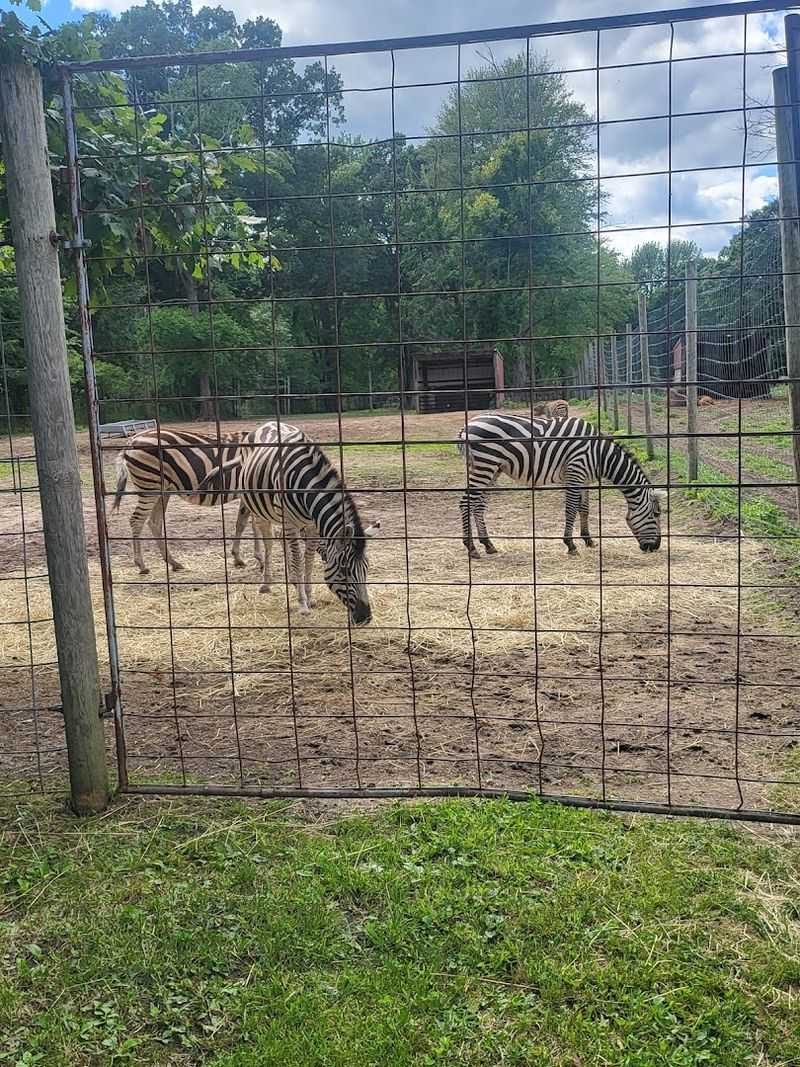
Capybaras may get the clicks, but Wilderness Trails Zoo is much broader than that single internet-famous species. The zoo says it houses more than 200 exotic animals from around the world, and part of its appeal is the way the collection shifts your expectations as you walk.
You can move from domestic animal areas to birds, reptiles, hoofstock, and a notable range of wild cats without the place feeling theme-park staged.
That variety supports the zoo’s stated mission of building appreciation for nature and conservation through exhibits and educational programming. In practice, it means the day never settles into one note.
If someone in your group is indifferent to capybaras, there is still a good chance lions, wolves, camels, zebras, or smaller mammals will become their favorite part.
Treat Staff-Led Encounters Like Guided Observation
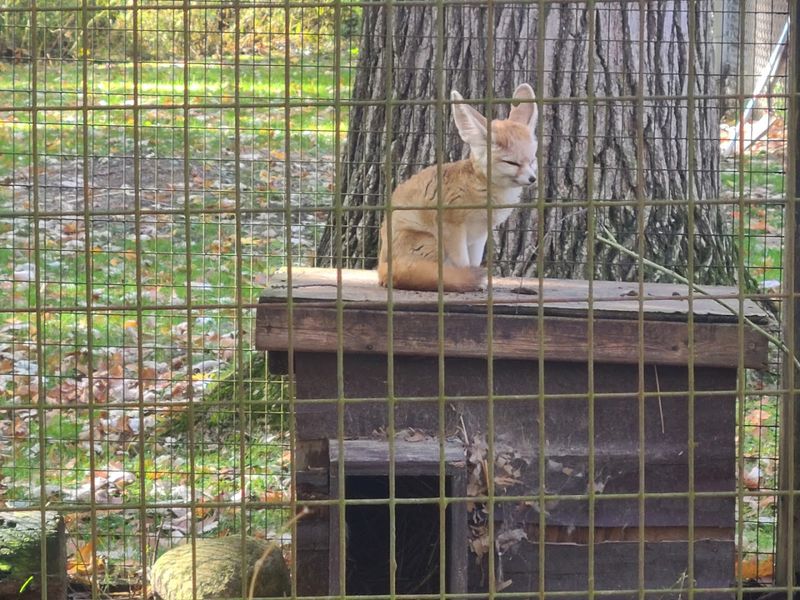
The specialty encounters here are structured less like tricks and more like supervised access. Beyond capybaras, Wilderness Trails Zoo offers experiences with fennec foxes, ruffed lemurs, Palawan binturongs, bat-eared foxes, Asian small-clawed otters, and a multi-animal rainforest encounter.
The common thread is that staff guide the interaction and can shorten or stop it for safety or animal welfare.
That policy is worth respecting rather than seeing as a disclaimer. Animals are not props, and the zoo clearly states that participation is not guaranteed because they choose whether to engage.
For visitors, that creates a better frame of mind: pay attention, listen closely, and let the encounter become an introduction to behavior and temperament, not a checklist of forced contact.
Lean Into The Slightly Unpolished Charm

What makes this place memorable is partly that it does not pretend to be something grander than it is. Wilderness Trails Zoo is a nonprofit, a 501(c)(3), and the atmosphere feels practical, earnest, and more personal than glossy.
You notice the wooded setting, the straightforward paths, and the sense that the zoo’s identity is built around closeness and access rather than theatrical presentation.
I found that refreshing. The official line calls it Michigan’s number one up close and personal zoo, and while slogans are easy to ignore, the phrase does capture the overall experience better than you might expect.
If you arrive wanting a massive metropolitan institution, you may miss the point; if you want intimacy and variety, the scale starts to feel exactly right.
Use The Season To Shape Your Expectations
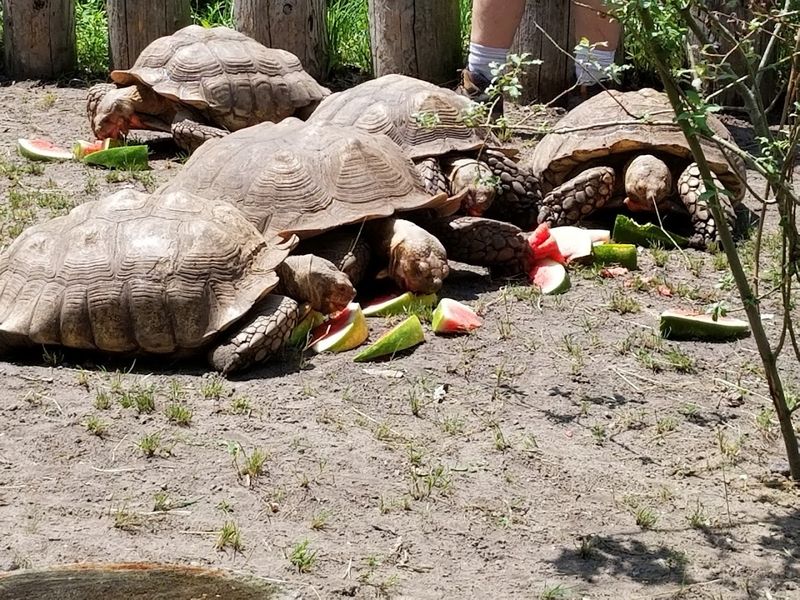
This zoo changes character with the calendar, and planning around that makes a difference. General admission is typically offered from May 1 through October 31, which tells you the main visit season is built around warmer months and easier walking conditions.
In summer and early fall, the mile-long route and feeding stations feel like the backbone of the day.
Cooler months shift attention indoors and toward special programming. Winter can still bring animal viewing and themed experiences, especially around the tropical building, but encounter formats may change, including the capybara option joining Winter Tropics from December through March.
Before you drive out, check the zoo website or call ahead so your mental picture matches what is actually operating that week.
Start With The Address And Keep The Logistics Simple

One reason this zoo works so well as a day trip is that the logistics are uncomplicated. Wilderness Trails Zoo sits at 11721 Gera Road in Birch Run, with posted daily hours of 10 AM to 6 PM, and that straightforward setup makes it easy to pair with other plans in the area without turning the day into a scheduling puzzle.
You can call ahead at 989-624-6177 if you need current encounter details.
The location also helps explain its appeal. Rather than feeling buried in urban traffic, the zoo has that slightly off-the-main-route quality that makes arrival feel like discovering something.
Keep your plan simple: arrive early, reserve any encounter in advance, and leave enough room in the day for the trail, the rainforest, and the inevitable extra stop when an animal decides to be unusually fascinating.
Notice How Close-Range Viewing Changes Your Pace

At many zoos, you glance, read a sign, and move on. Here, the spacing and encounter design encourage a slower rhythm, because a surprising amount of the appeal comes from being near enough to watch small behavior rather than just identify species.
That can mean a capybara pausing beside you, a parakeet deciding whether your seed stick is worth the effort, or a quieter enclosure rewarding patient observation.
I ended up lingering more than expected for exactly that reason. Wilderness Trails Zoo describes itself as up close and personal, and the phrase matters less as marketing than as a practical tip about how to visit.
Do not rush from one must-see animal to the next; leave room for the subtle moments, because those are often the most distinctive ones here.
Go With Curiosity, Not A Checklist
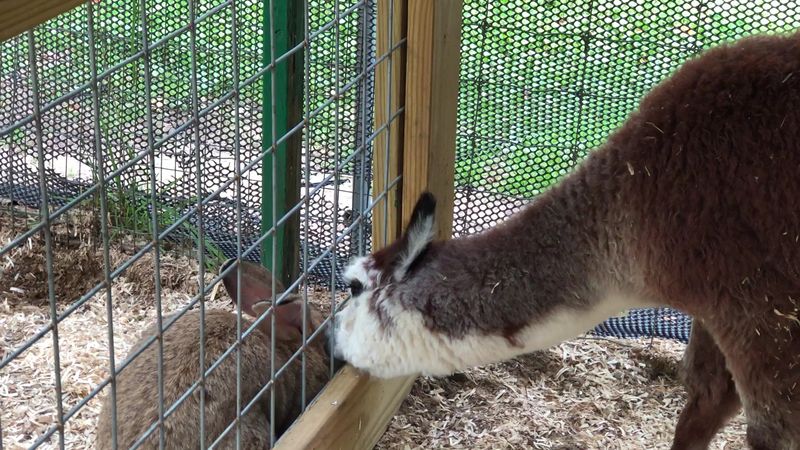
The smartest way to visit Wilderness Trails Zoo is to let the place reveal itself in layers. Yes, the capybara encounter is the obvious hook, and yes, it is genuinely special to have a chance at supervised interaction with the world’s largest rodent.
But the fuller experience comes from combining that with the rainforest, the feeding stops, the long wooded trail, and the zoo’s broad collection of more than 200 animals.
That mix is what gives the day texture. The nonprofit mission around conservation and education is not abstract once you have moved through several kinds of habitats and encounters, each asking for slightly different attention from you.
Come curious, stay flexible, and this modest Birch Run zoo has a very good chance of becoming the part of the trip you talk about longest.