
This Small New York Museum Is Dedicated To Jell-O And Its History Is Stranger Than You’d Expect
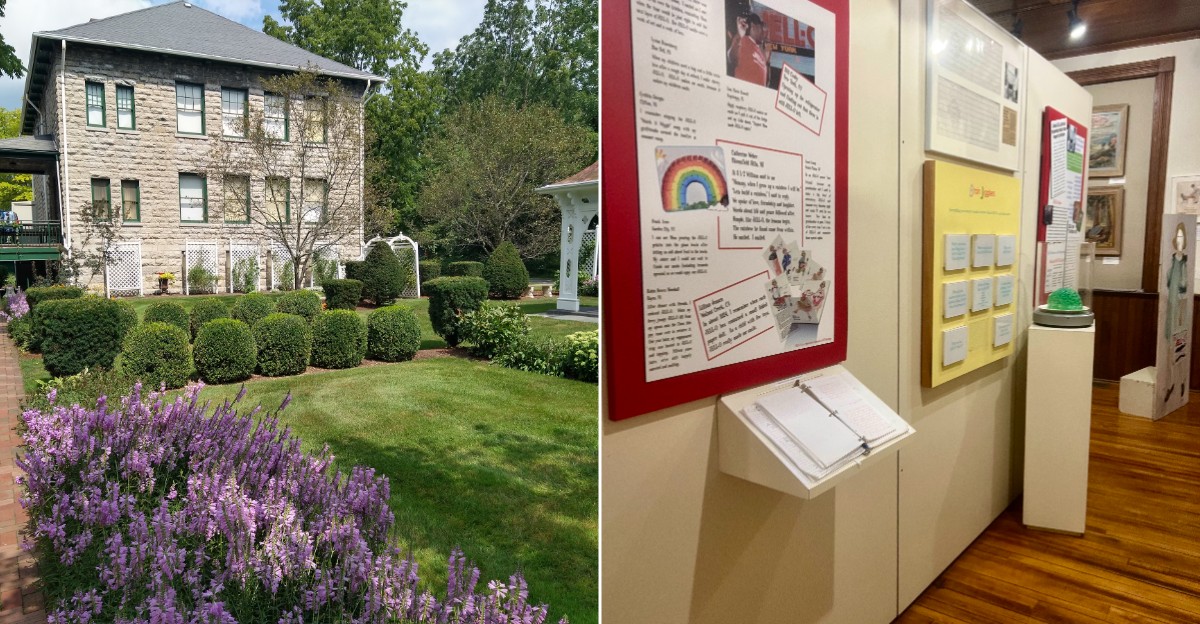
A carpenter invented one of America’s most famous desserts, then sold the rights for $450. Who does that?
Apparently, a guy who couldn’t figure out how to sell wiggly fruit gelatin in the 1890s. Somewhere, a business school professor just sighed.
The buyer turned that bargain into a national sensation. Big ads, catchy slogans, and recipe booklets helped push the jiggly stuff into kitchens across the country.
That’s one very sweet return on investment.
Now a whole museum in New York tells the wobbly story. It has vintage ads, a wall of molds, a scavenger hunt, and old carriages hiding in the basement.
I have a soft spot for the fact that this humble dessert has enough history to fill an entire museum.
From questionable potluck salads to a full-blown museum, gelatin has had quite the career. Not every dessert gets its own museum, but then again, not every dessert has spent a century wobbling its way into American culture.
The $450 Deal That Still Makes People Groan
Pearle Bixby Wait was a carpenter, not a marketing genius. In 1897, he trademarked a dessert that mixed gelatin, sugar, and fruit flavoring.
His wife, May, gave it the name Jell-O. The product was clever, but selling it door to door turned out to be a tough job.
So in 1899, Wait sold the rights to Orator Woodward for $450. Yes, that’s the price of a decent used lawnmower today.
The JELL-O Gallery Museum walks you through that whole surprising chain of events. A friendly docent usually opens with a short history talk, which is a great way to get your bearings.
Woodward wasn’t an instant winner either. Early sales were slow, and the story says he once tried to sell the rights for even less.
Then the tide turned. Woodward’s Genesee Pure Food Company leaned hard into national advertising, and Jell-O took off across America.
Here’s my advice. Listen closely to the intro talk before wandering the exhibits.
The displays make a lot more sense once you know the backstory. Plus, you’ll have a killer trivia fact for your next family dinner, served alongside the dessert itself, naturally.
Ads So Charming You’ll Forget They Were Selling Something
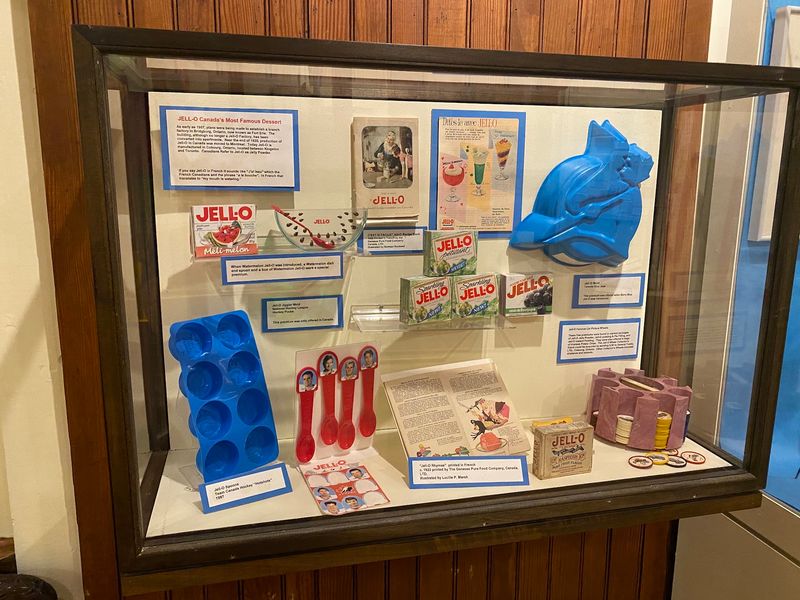
Advertising built this jiggly empire. Woodward’s company spent big on magazine ads, and the results still look gorgeous more than a century later.
The JELL-O Gallery Museum shows off a large collection of these vintage ads. Many feature bright illustrations, cheerful kids, and molded desserts that sparkle like stained glass.
Some of the artwork came from well-known illustrators of the era. That’s right, a gelatin brand hired real artists to make dessert look glamorous.
The company also handed out free recipe booklets by the millions. Salesmen carried them everywhere, which helped families figure out what to actually do with the stuff.
Pay attention to the famous slogan, America’s Most Famous Dessert. It’s bold, a little boastful, and honestly hard to argue with.
Take your time on this part of the gallery. The ads double as a quick history lesson on American kitchens, fashion, and family life.
You’ll notice how styles shift through the decades. Hairdos change, colors brighten, and the desserts get more ambitious.
Bring your phone camera. These framed pieces are some of the prettiest things in the building, and they make fantastic snapshots for friends who think gelatin is boring.
A Wall Of Molds That Belongs In A Kitchen Hall Of Fame
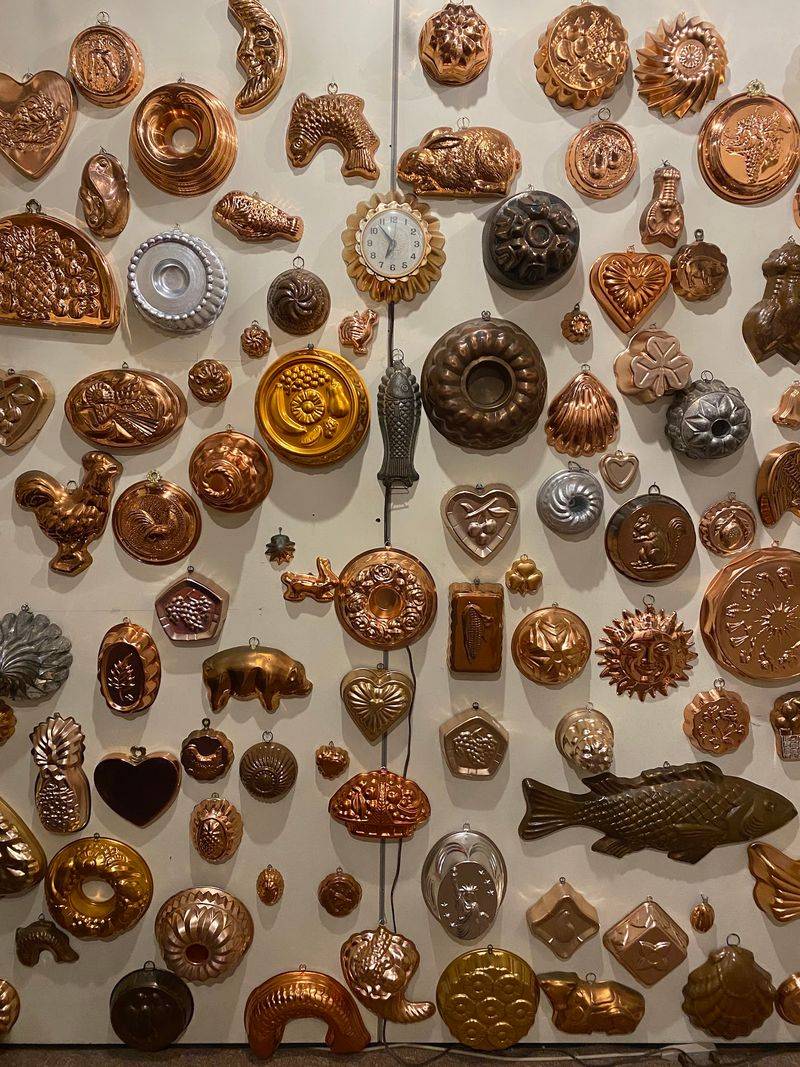
Rings, stars, fish, fluted towers. The mold collection at this museum proves people once took dessert shapes very seriously.
Jell-O molds turned an easy dessert into a showpiece. A bowl of gelatin was fine, but a towering ring with fruit suspended inside?
That was a party.
The JELL-O Gallery displays a big collection of molds and utensils tied to the craft. Some look simple, while others are so detailed they could pass for sculpture.
It’s fun to guess what each one was used for. A few shapes might remind you of something sitting in your own grandmother’s cupboard.
Here’s a handy tip if you’re a collector. Study the shapes and materials here before shopping at antique stores or estate sales.
You’ll get a better eye for vintage pieces. That could save you from overpaying for a mold that turns out to be pretty common.
Families can turn this section into a game. Ask the kids to pick the weirdest shape and explain what they’d make with it.
Expect some creative answers. Somebody will probably suggest a blue raspberry fish, and honestly, that idea isn’t half bad.
Every Flavor Has A Birthday, And They’re All Here
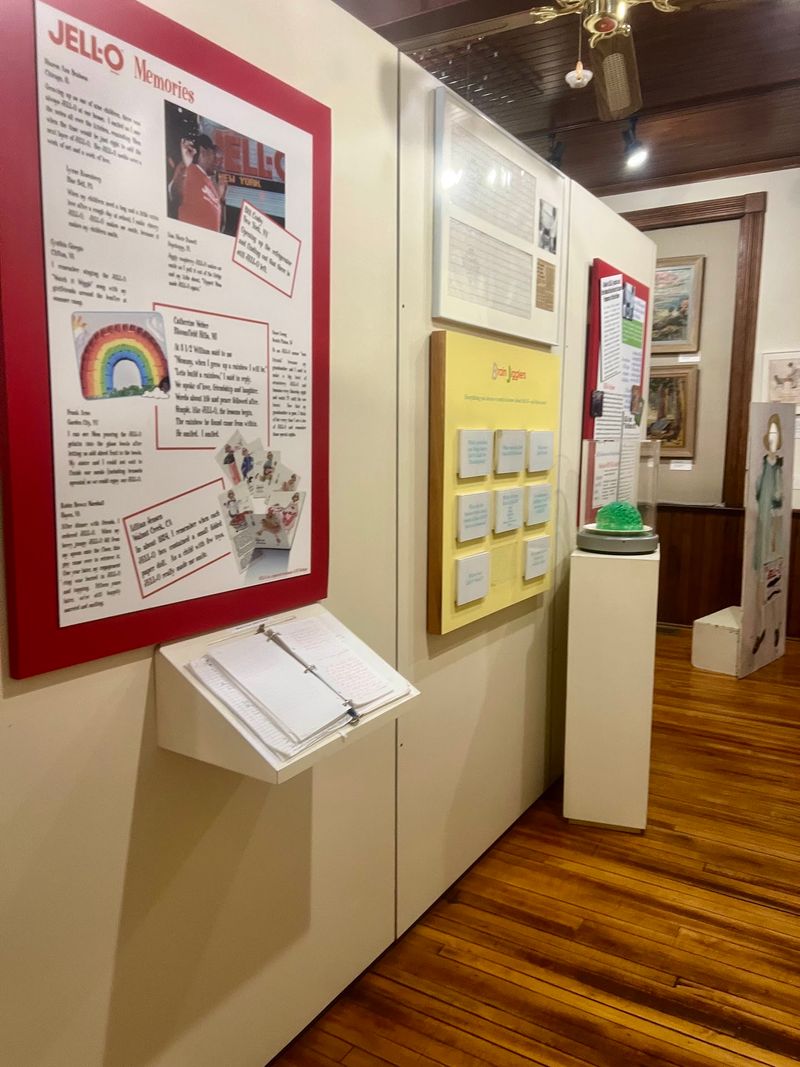
Strawberry, raspberry, orange, and lemon got the party started. Those were among the earliest Jell-O flavors, and the lineup only grew from there.
The museum features a timeline of flavor introductions through the years. It’s a surprisingly addictive section, especially if you’ve got strong feelings about lime.
Some flavors stuck around for generations. Others had a short run and then quietly disappeared from grocery shelves.
Spotting the oddballs is half the fun. A few past flavor experiments sound more like salad dressings than desserts, which says a lot about mid-century cooking.
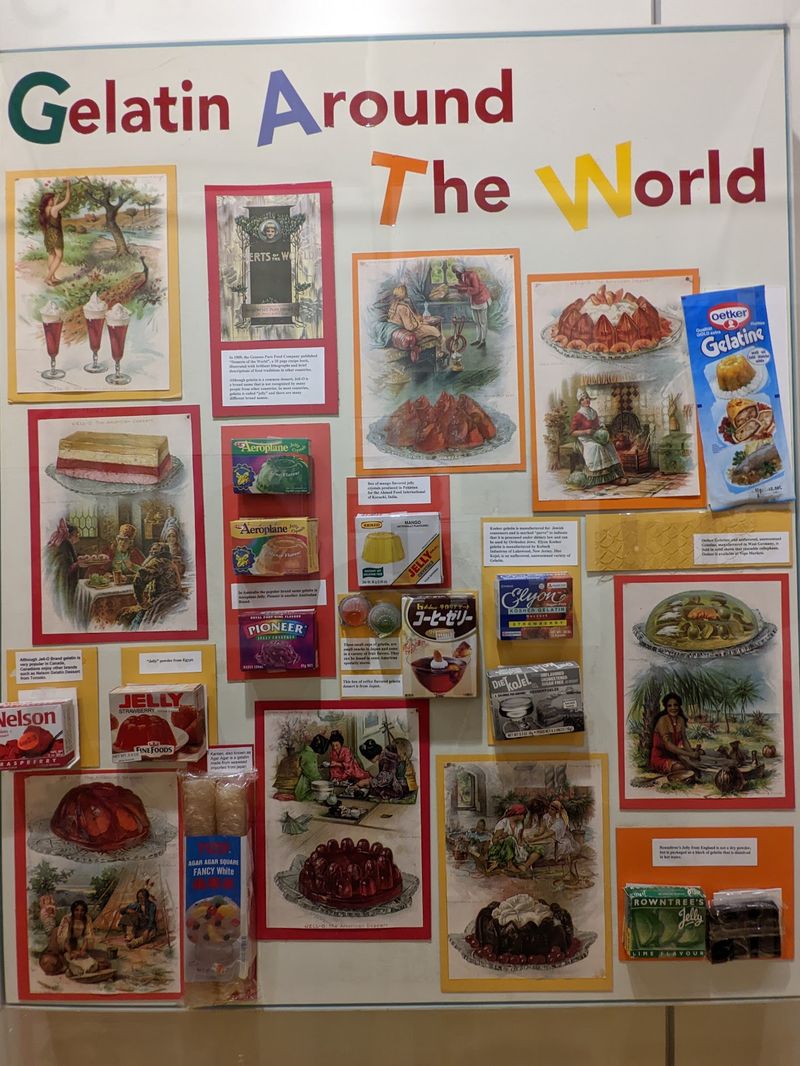
Speaking of salads, gelatin dishes once mixed in vegetables, meats, and all sorts of surprises. The museum covers how Jell-O moved far beyond simple sweets.
So does any of this matter? Absolutely, if you love food history or just enjoy a good laugh at past dinner trends.
My suggestion is to quiz your group as you go. Have everyone guess the decade a flavor appeared before reading the label.
The winner can pick the souvenir at the end. Losers have to admit their favorite flavor might be younger than they thought.
Kids Get A Mission, And There’s A Prize At The End
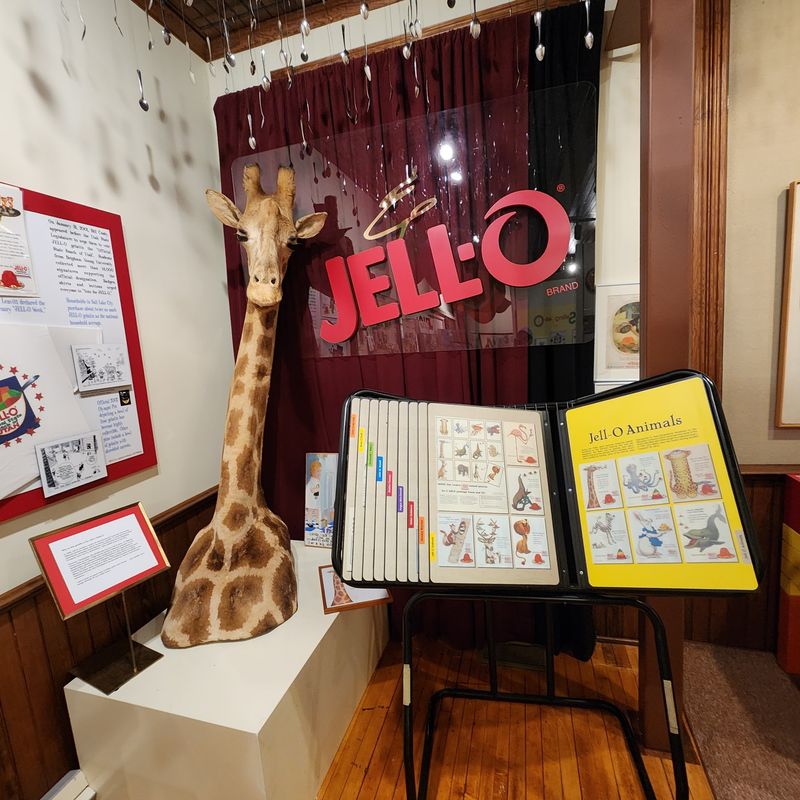
Museums can make some kids squirm faster than a dish of gelatin. Luckily, this one hands them a scavenger hunt.
The JELL-O Gallery Museum offers scavenger hunts and trivia that turn browsing into a quest. Finishing the hunt can earn a small prize, which works wonders on motivation.
It’s a smart setup for families. Kids end up reading the displays closely, and parents get to learn right alongside them.
The building is small, so little legs won’t tire out. A visit usually takes about an hour, though the quizzes can stretch things a bit longer.
Adults shouldn’t skip the hunt either. Working as a team makes the trivia more fun, and competitive grown-ups will absolutely want to win.
Got a family road trip planned through western New York? This makes an easy stop that won’t derail your whole schedule.
Give younger kids a job, like holding the pencil or spotting clues. Older kids can handle reading questions aloud.
Everyone stays involved that way. You’ll leave with a happy crew and a few new fun facts rattling around in their heads.
Head Downstairs For Buggies, Sleighs, And A Surprise Cadillac
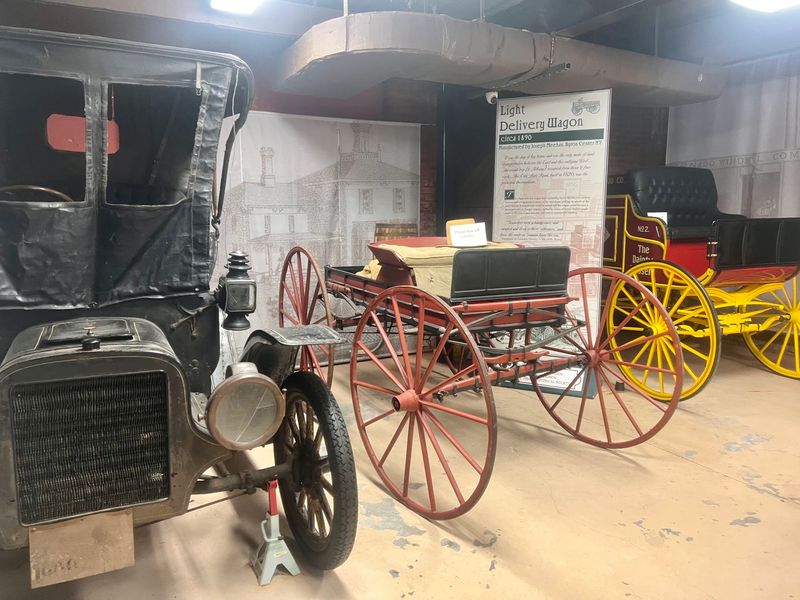
Nobody expects a Jell-O museum to have a garage. Yet the lower level holds a whole transportation exhibit packed with antique vehicles.
Horse-drawn carriages and sleighs fill the space. There’s also an early Cadillac, which feels like a fun plot twist after all that dessert history.
The basement collection focuses on Le Roy’s past beyond gelatin. You’ll find historic tools, farm equipment, and artifacts from local businesses.
One standout topic is stringless beans. The town played a part in developing them, and the story is weirdly fascinating.
So Le Roy gave the world both Jell-O and better green beans. That’s an impressive dinner-table résumé for one small town.
Plan extra time for this level. Many folks treat it like a bonus museum, and the details on the carriages are worth reading.
A quick note on access matters here. The main gallery has a small elevator, but the downstairs exhibits aren’t wheelchair accessible.
Restrooms are also on the lower level. Keep that in mind if anyone in your group needs an easy route, and ask staff for help planning your visit.
Finding It Takes A Little Detective Work
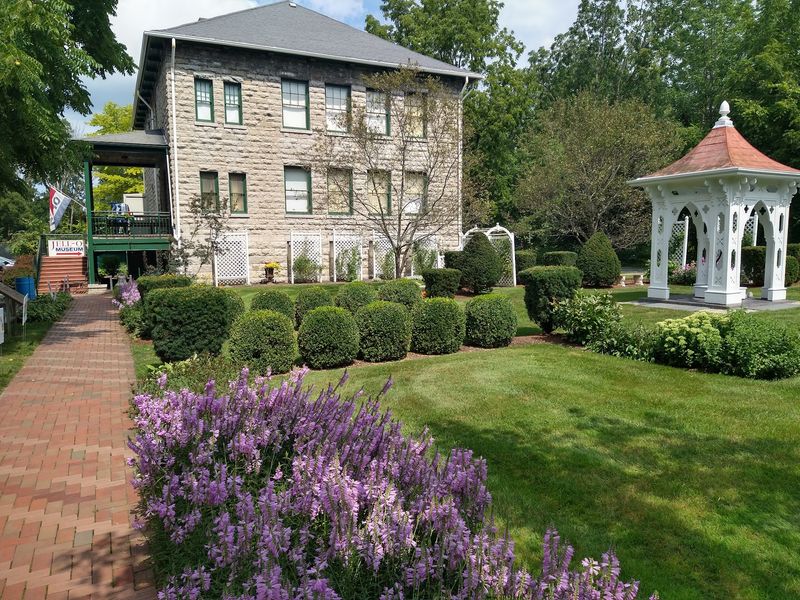
Blink and you might drive right past it. The museum sits behind the Historic Le Roy House instead of facing the street directly.
Plug in 23 E Main St, Le Roy, NY 14482, and you’ll land in the right spot. From there, follow the path back toward the gallery building.
That path has its own treat. Engraved bricks line the way, and some carry the names of former Jell-O employees and salesmen.
It’s a sweet tribute to the people who made the brand famous. Slow down and read a few as you stroll in.
Parking is available out front and behind the buildings. The museum shares a driveway with the historic house, so look for signs.
Le Roy sits a short drive from Rochester in western New York. It’s an easy detour if you’re traveling along the region’s back roads.
The Le Roy Historical Society runs the place. Their care for local history shows up in every corner, from the bricks to the basement.
Check current hours before heading out. The museum typically opens Thursday through Sunday, with shorter afternoon hours on Sundays.
Your Ticket Secretly Gets You Two Museums
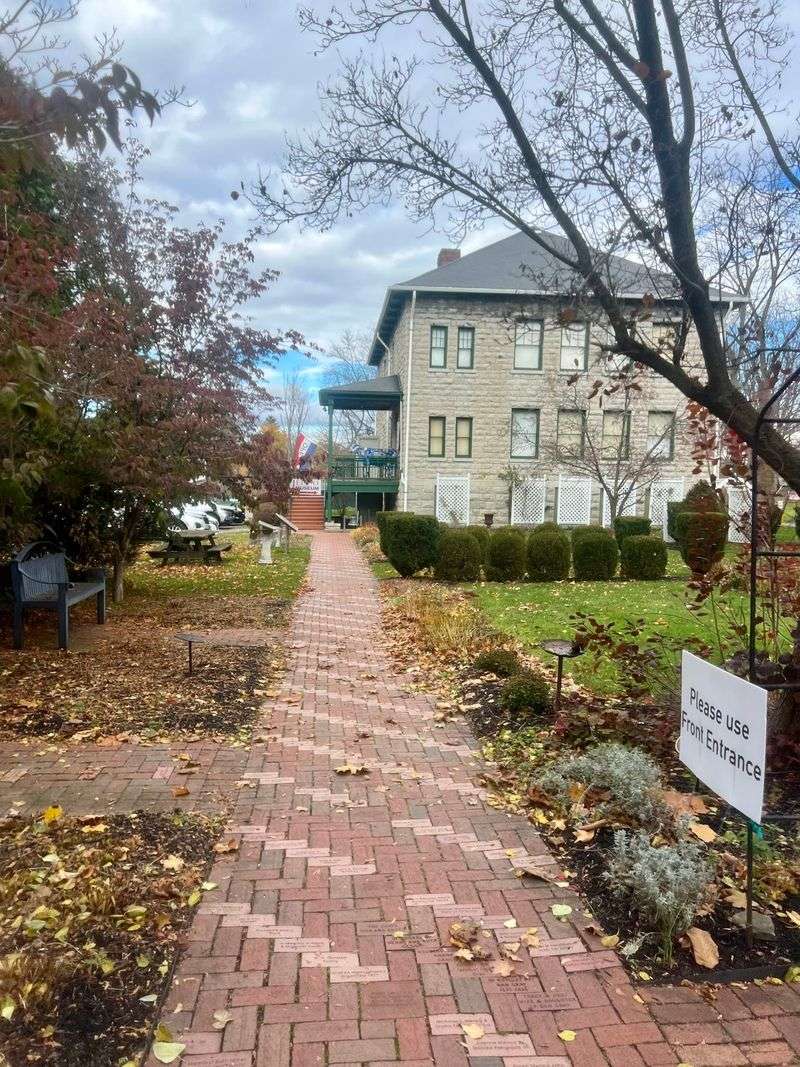
Double the history, same trip. The Historic Le Roy House stands right in front of the gallery and serves as the Historical Society’s second museum.
It’s a great add-on for history fans. The house continues the story of the town and its people beyond the dessert that made it famous.
The Jell-O Company stayed in town until 1964. Then production moved to Dover, Delaware, ending a big chapter in local life.
That move gives the JELL-O Gallery Museum extra meaning. It keeps a hometown story alive long after the factory left.
Garden lovers get a little bonus too. Flowers brighten the grounds during warmer months, making a nice spot for photos.
Here’s a smart plan for your day. Start with the gelatin gallery, then head to the house while the history is fresh in your mind.
You’ll connect dots you’d otherwise miss. It turns a quirky stop into a full afternoon of small-town New York history.
Save Room In Your Bag For Jiggly Souvenirs
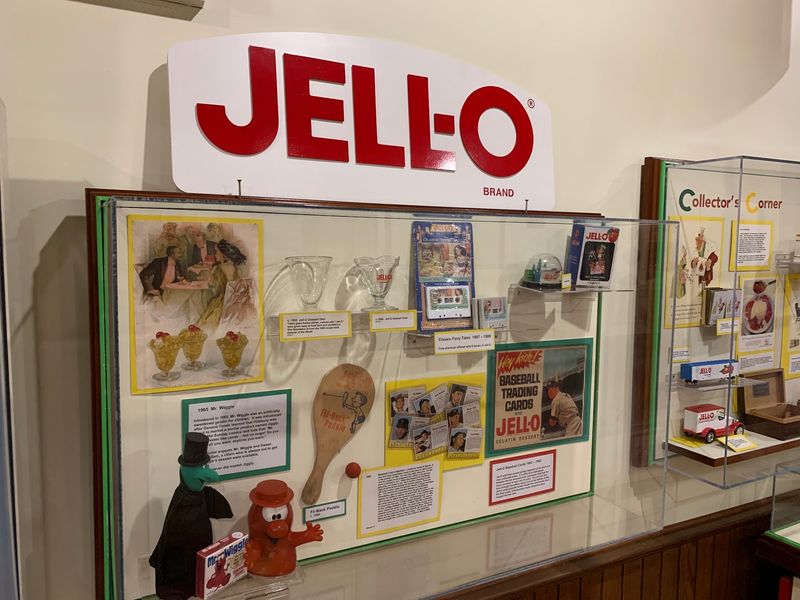
Leaving empty-handed feels almost impossible here. The gift shop is packed with Jell-O goodies in every color of the wiggly rainbow.
Shelves hold t-shirts, sweatshirts, and hats. Many designs show off vintage Jell-O packaging, which looks surprisingly stylish.
You’ll also find Christmas ornaments, trinkets, and molds. A new mold might inspire you to finally try that retro recipe from the ads upstairs.
Why not make it a theme? Grab a mold, pick a classic flavor, and host a throwback dessert night at home.
Friends will laugh at first. Then they’ll go back for seconds, because who can resist a shimmering ring of strawberry?
The shop makes gift hunting easy too. Quirky souvenirs from the birthplace of Jell-O beat another generic keychain any day.
Leave a few minutes at the end of your visit for browsing. Kids who finished the scavenger hunt might already have their eye on something.
The JELL-O Gallery Museum proves small places can deliver big fun. And honestly, a museum about wobbly dessert that leaves you smiling?
That’s a sweet ending worth every mile in New York.