
This Small-Town Arkansas Festival Is A Sweet Summer Tradition Worth The Drive
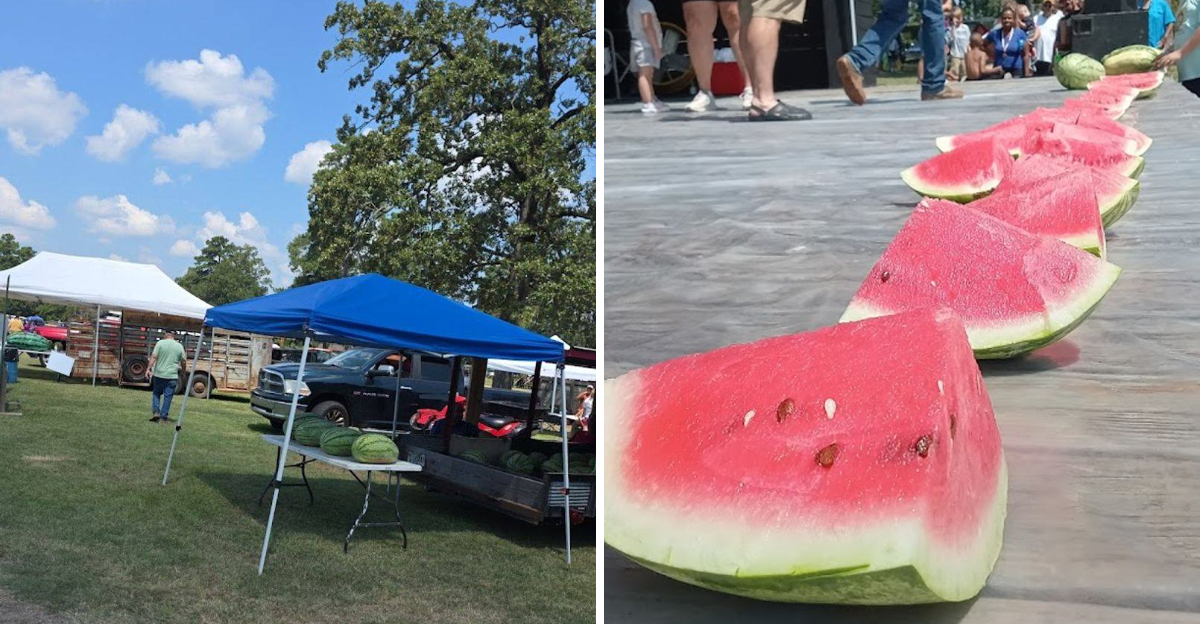
A summer drive feels different when it ends at a fairground buzzing before noon. You park, follow the sound of music and laughter, and suddenly the day has a rhythm of its own.
Cold watermelon slices pass from hand to hand. Kids race toward games.
Vendors talk with shoppers like they have known them for years. The heat is real, but so is the payoff.
Arkansas has plenty of summer traditions, yet this one has the rare feeling of a whole community opening its front door. Big melons draw the first look, but the people, the shade breaks, and the easy conversations are what stay with you.
It is the kind of festival that makes a simple road trip feel bigger than planned, then sends you home sticky-fingered, sun-warmed, and already thinking about next year before you leave the parking lot. That is summer doing its job, beautifully and loudly.
Summer Crowds Around The Fairgrounds
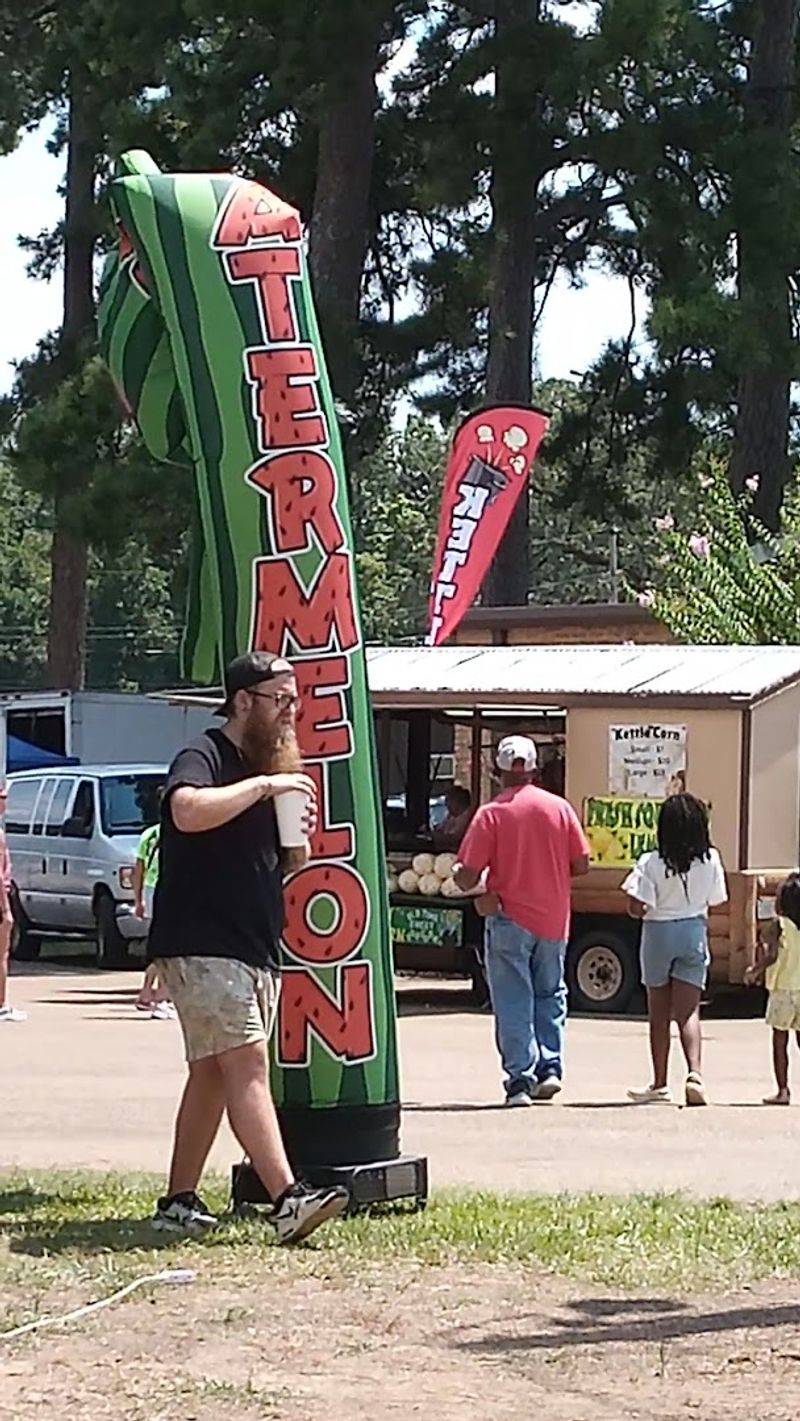
Few things prepare you for the wave of energy that hits when you step through the gates of a fairground hosting tens of thousands of visitors.
The numbers here are genuinely impressive, with the festival drawing around 50,000 attendees over its multi-day run.
Hope Fair Park transforms into a temporary city of its own, with foot traffic flowing steadily from morning until the evening lights come on.
Families push strollers, groups of friends navigate the crowd with loaded plates, and kids dart between adult legs with the kind of urgency only carnival games can inspire.
Arriving early on a Saturday morning gave me a head start before the midday surge, and I am glad I did, because by noon the pathways were packed.
Parking fills up fast, so planning ahead and arriving before 10 AM is a smart move that most first-timers learn the hard way.
The crowd itself becomes part of the experience, humming with a collective joy that no carefully staged event could ever manufacture.
It is the kind of place where the Hope Watermelon Festival at 800 S Mockingbird Ln, Hope, AR 71801 earns every bit of its loyal following.
Bright Festival Lawns In Full Swing
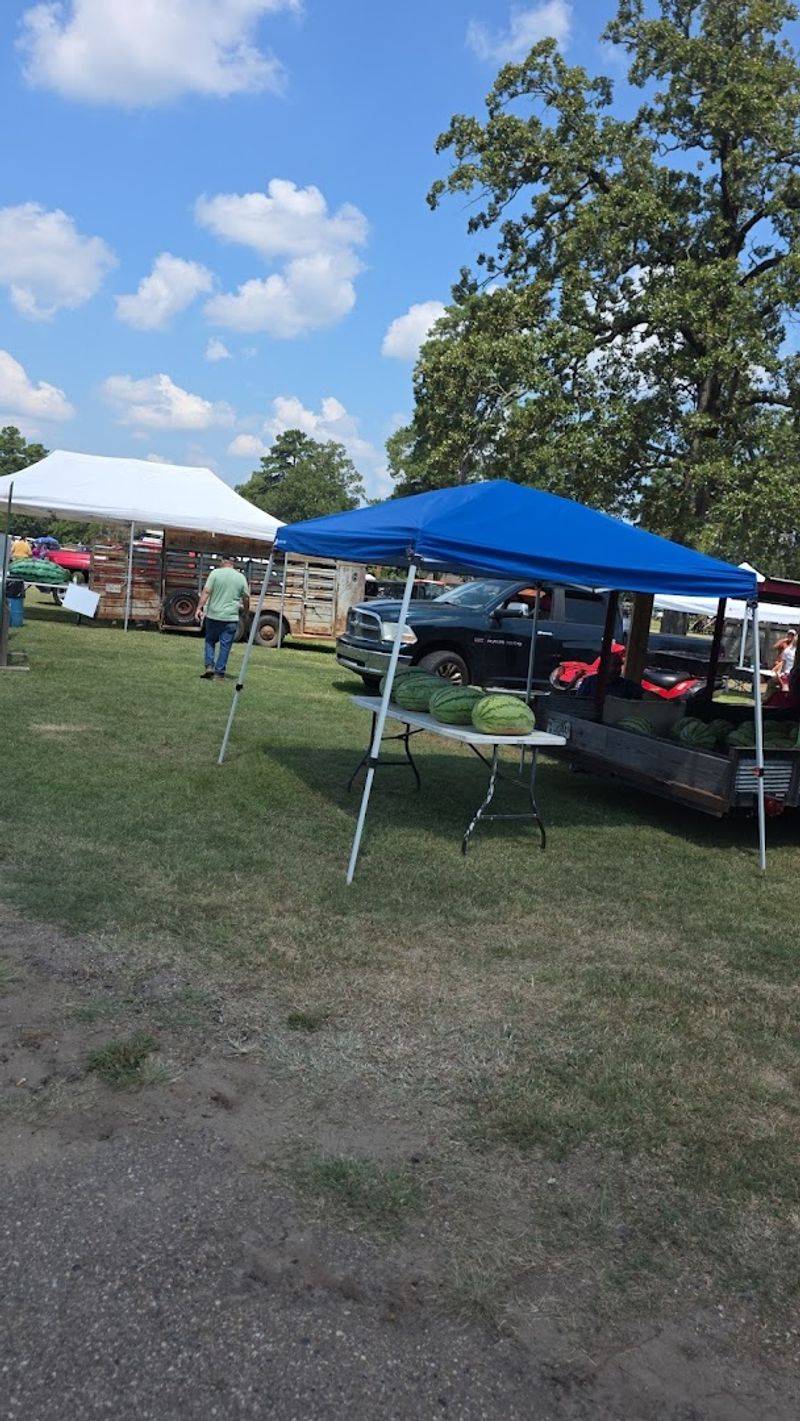
Picture nearly 300 arts and crafts booths stretching across a sun-drenched lawn, each one showcasing handmade goods from artisans across a six-state region.
That image barely scratches the surface of what the festival grounds look like when everything is running at full speed.
The variety on display is genuinely surprising, with handcrafted jewelry, painted woodwork, textiles, and boutique goods all competing for your attention and your wallet.
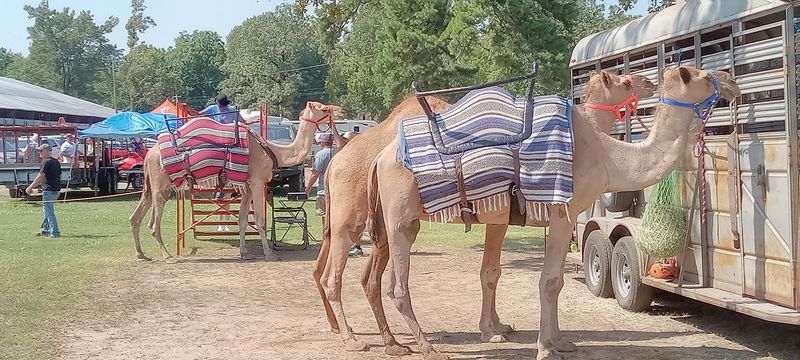
A dedicated Kidz Zone keeps younger visitors thoroughly entertained, featuring inflatables, a petting zoo, and even camel rides that tend to draw a crowd of wide-eyed onlookers regardless of age.
The Watermelon Olympics adds a competitive layer that gets surprisingly intense, with melon-toss events and seed-spitting contests drawing both serious competitors and cheerful spectators.
I watched one seed-spitting round where the concentration on participants’ faces rivaled anything I have seen at a professional sporting event.
The lawn layout encourages wandering, and it is easy to lose an hour just drifting from booth to booth without a plan.
A Saturday morning concert adds another layer of energy that ties the whole sprawling scene together beautifully.
Small-Town Energy Under Open Skies
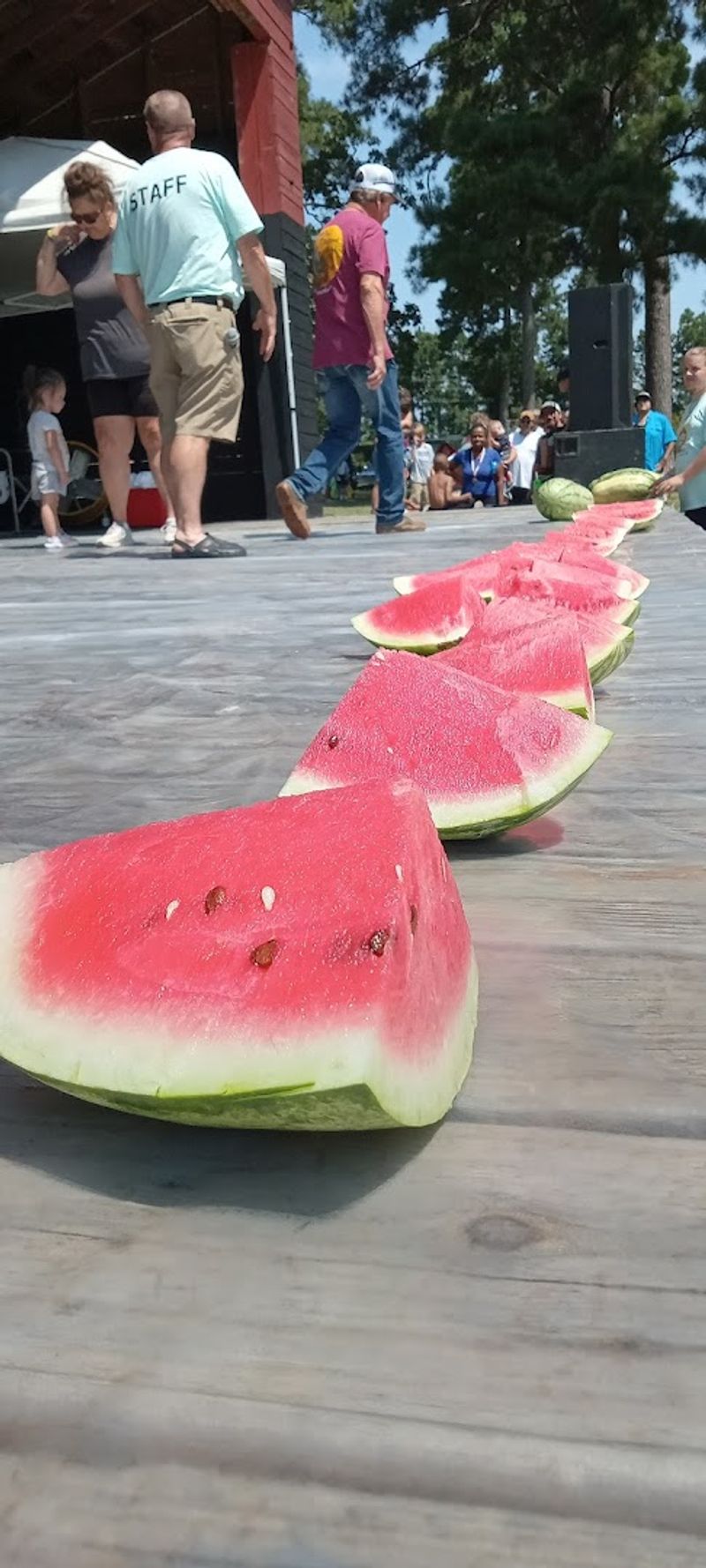
A festival with roots stretching back to the mid-1920s carries a certain weight that newer events simply cannot replicate.
The current continuous run of the Hope Watermelon Festival began in 1977, giving it a track record that spans nearly five decades of summer celebrations under Arkansas skies.
That kind of longevity is not accidental, and you can feel it in the way the community shows up with a sense of ownership and pride that commercial events rarely produce.
Local civic clubs set up food stations serving smoked chicken and golden fried catfish, and those plates move fast because the recipes have been perfected over many years of feeding hungry crowds.
Hope has built its identity around watermelons in a way that feels earned rather than manufactured, with the town holding genuine agricultural credentials to back up the celebration.
Conversations with locals at the picnic tables quickly reveal how deeply this event is woven into the fabric of everyday life here.
The open sky above the fairgrounds feels appropriately vast for a festival that belongs as much to the land as it does to the people.
Small-town energy, it turns out, hits differently when it has had decades to mature and settle into something truly its own.
Shady Corners Near The Celebration
August in Southwest Arkansas is not for the faint-hearted, and the festival organizers clearly know their audience.
The layout of Hope Fair Park includes indoor spaces within the Coliseum building, offering a genuinely cool retreat when the sun starts pressing down hard around midday.
Inside, vendors display handmade crafts and boutique merchandise in a comfortable setting that encourages slower browsing and longer conversations with the artisans themselves.
Covered tents and shaded pathways are strategically placed throughout the outdoor areas as well, so you are never more than a short walk away from some relief.
I made a habit of cycling between the outdoor action and the indoor spaces, using the cooler moments to recharge before heading back out into the festivities.
The pacing this creates is actually ideal, giving the day a natural rhythm of activity and rest that keeps energy levels steady from morning through evening.
Hydration stations and cold watermelon slices available throughout the grounds make managing the heat a reasonably easy task.
Finding a shady corner with a cold slice of melon and a good view of the crowd quickly became my favorite way to absorb the full scene around me.
Classic Fairground Views In Summer Light
There is a particular quality to the light at a summer fairground in the South, warm and golden, the kind that makes everything look like a postcard from a better decade.
Hope Fair Park in August delivers that light in full force, casting long shadows between tent rows and giving the whole scene a nostalgic warmth that feels genuinely cinematic.
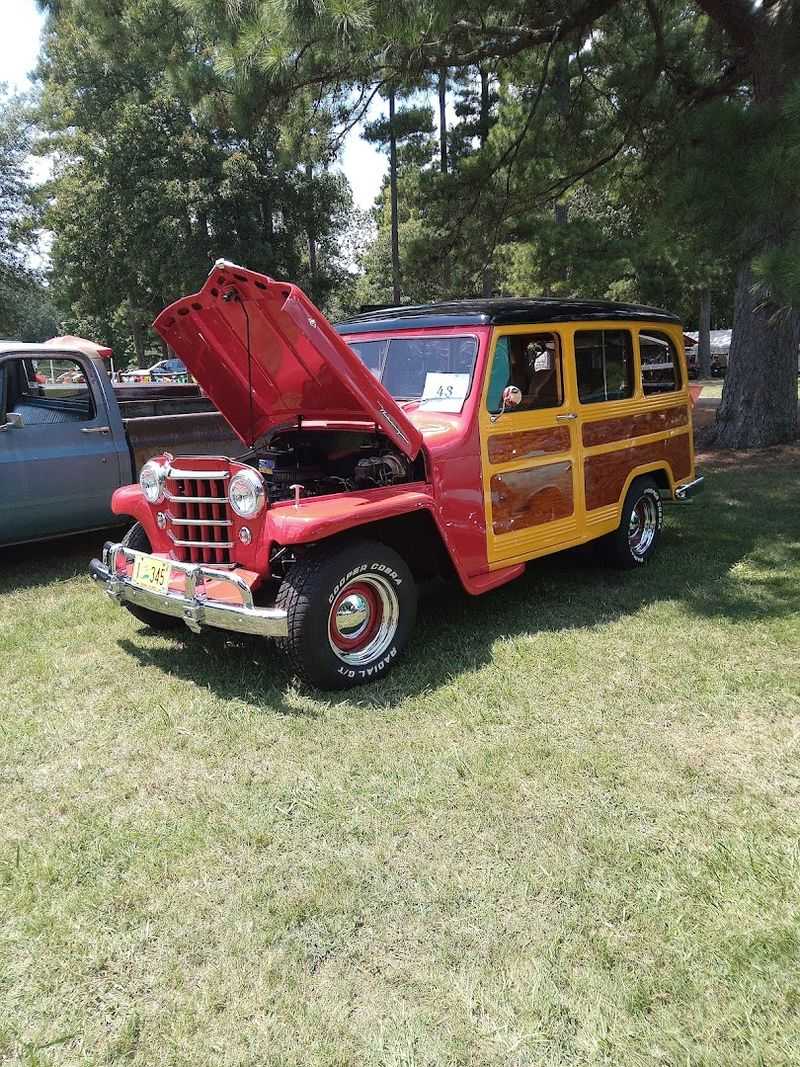
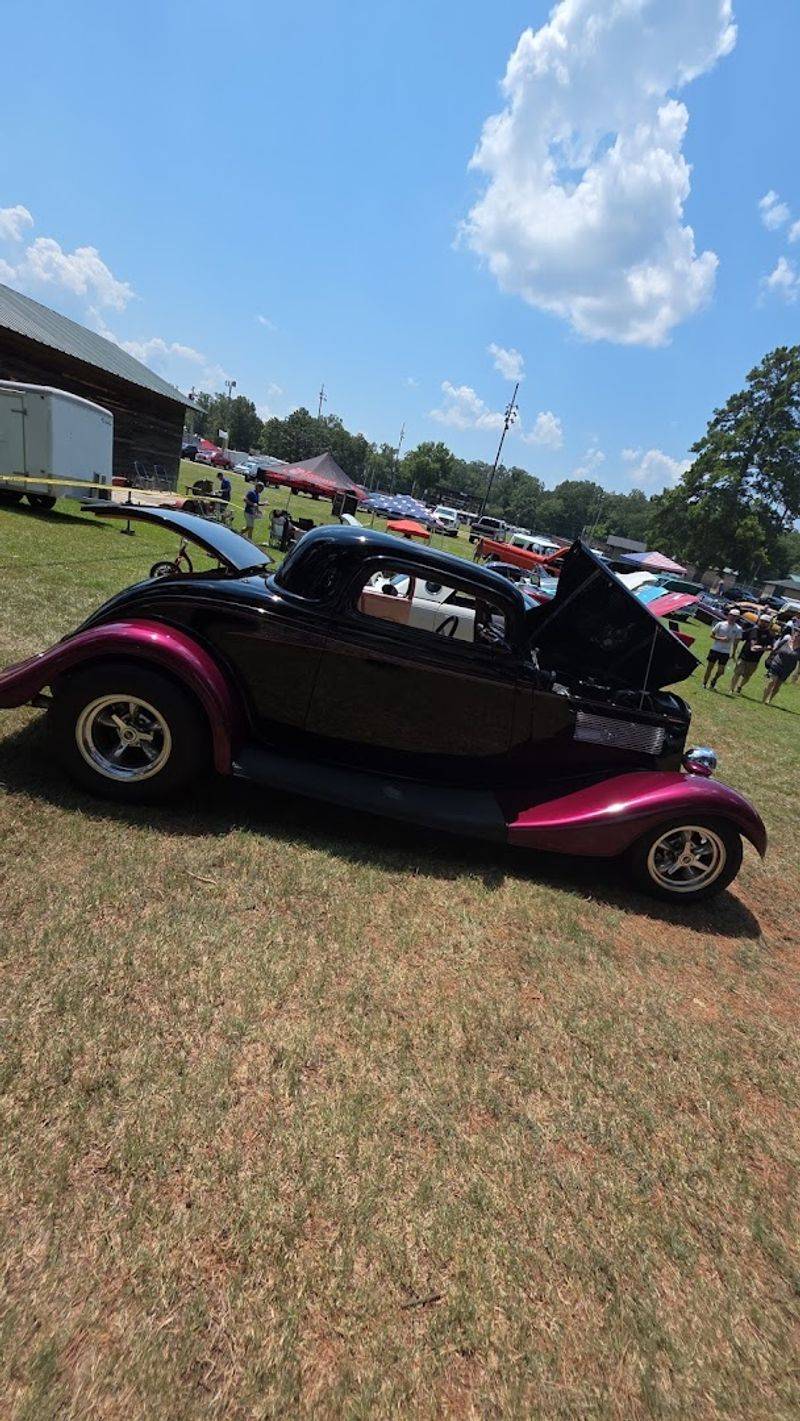
Antique cars and vintage tractors on display add to that time-worn aesthetic, drawing admirers who slow down to examine chrome details and faded paint with obvious appreciation.
The classic car show has become a beloved fixture of the festival, attracting enthusiasts who treat each vehicle like a conversation piece rather than just an exhibit.
Food stalls with hand-painted signs, the smell of something savory on a grill, and the distant sound of a sound check all blend into a sensory package that is hard to replicate anywhere else.
The fairground layout itself feels timeless, with open fields bordered by permanent structures that have hosted this gathering for generations.
Photography opportunities are everywhere, and I burned through a full camera roll before I had even reached the main stage area.
Classic fairground energy, it turns out, never really goes out of style.
A Sweet Tradition With Local Color
Hope, Arkansas has a legitimate claim to watermelon fame that goes well beyond local pride.
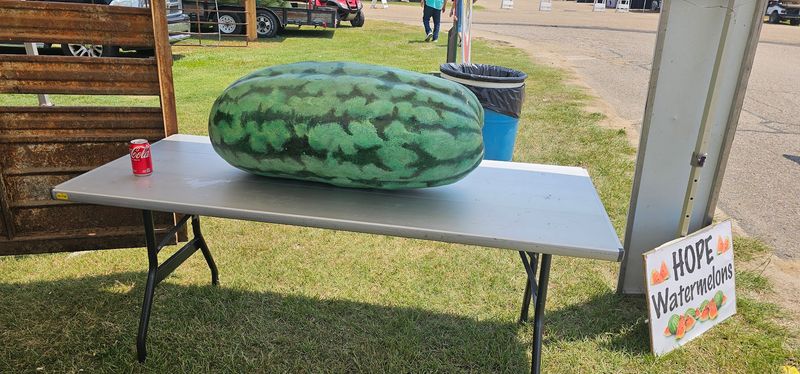
The town has produced watermelons that earned entries in the Guinness Book of World Records, with some specimens pushing close to 200 pounds in documented competitions.
Seeing those massive melons displayed at the festival is genuinely startling, because photographs do not fully communicate the scale until you are standing right next to one.
The watermelon itself is the undisputed star of the event, and vendors selling cold slices by the piece make sure every visitor gets a taste of what all the fuss is about.
The flavor lives up to the reputation, crisp and deeply sweet with very few seeds, the kind of bite that makes you understand why an entire festival exists in its honor.
Whole melons are also available for purchase, and I watched several visitors carefully load prize specimens into their vehicles like fragile cargo.
Each year the festival adopts a fresh theme that adds new visual energy to the familiar tradition, keeping the celebration feeling current without losing its roots.
Local color here is not a decorating choice but a living, breathing expression of agricultural identity that Arkansas wears with quiet confidence.
Picnic Tables And Festival Morning Buzz
Morning at the festival has its own distinct personality, quieter than the afternoon rush but buzzing with a kind of anticipatory energy that feels almost electric.
Gates typically open around 9 AM on Friday and Saturday, welcoming early arrivals to a fairground that is just beginning to find its full voice for the day.
Picnic tables fill up quickly as families stake out comfortable spots, spreading out food from nearby booths and mapping out their day over coffee and fried dough.
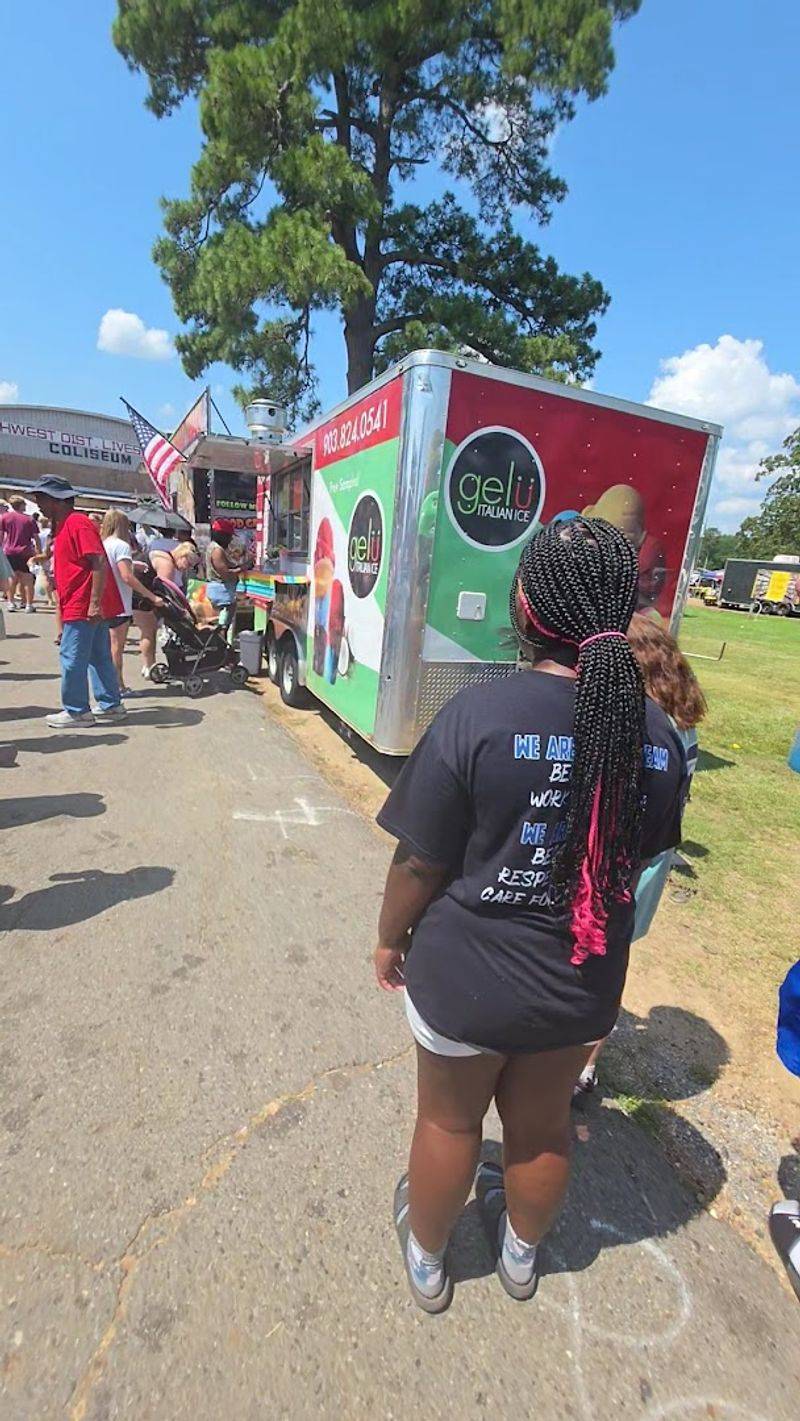
Dozens of food vendors are already running at full capacity by mid-morning, offering everything from classic fairground staples to local specialties that you simply cannot find anywhere else on the map.
I made a point of arriving at opening time on Saturday, and that early hour rewarded me with shorter lines, easier parking, and a chance to chat with vendors before the crowd noise made conversation difficult.
The morning light across the picnic area has a particular softness that the midday sun eventually replaces with something more intense and festive.
Watermelon Idol, the festival’s singing competition, and the watermelon pageant both add structured entertainment that gives the day a clear shape and rhythm.
Morning buzz at this festival is a slow build that pays off spectacularly by noon.
Warm Arkansas Sunshine Over The Grounds
August sunshine in Southwest Arkansas is not a background detail but a full participant in the festival experience.
The heat wraps around the fairgrounds with a familiar intensity that locals accept as part of the seasonal bargain, and the cold watermelon available at every turn becomes both refreshment and ritual.
Two to three dollars for a thick, dripping slice of freshly cut melon is one of the best value transactions I have encountered at any outdoor event, anywhere.
The brightness overhead makes the festival’s colors pop in a way that overcast days simply cannot match, and the general mood lifts with the temperature in a way that feels counterintuitive but completely real.
Homemade ice cream booths offer another cold option that draws consistent lines throughout the afternoon, with flavors that lean heavily into local ingredients.
The sunshine also extends the day in a useful way, keeping the grounds well-lit and lively well into the early evening hours when the main stage concert typically begins.
Professional wrestling events in past years have added a theatrical layer to the evening program that caught many first-time visitors completely off guard in the best possible way.
Warm Arkansas sunshine over these grounds is the kind of detail that makes the whole trip feel like summer at its most unapologetic.