
This Small-Town Florida Train Ride Is The Kind Of Secret People Don’t Share
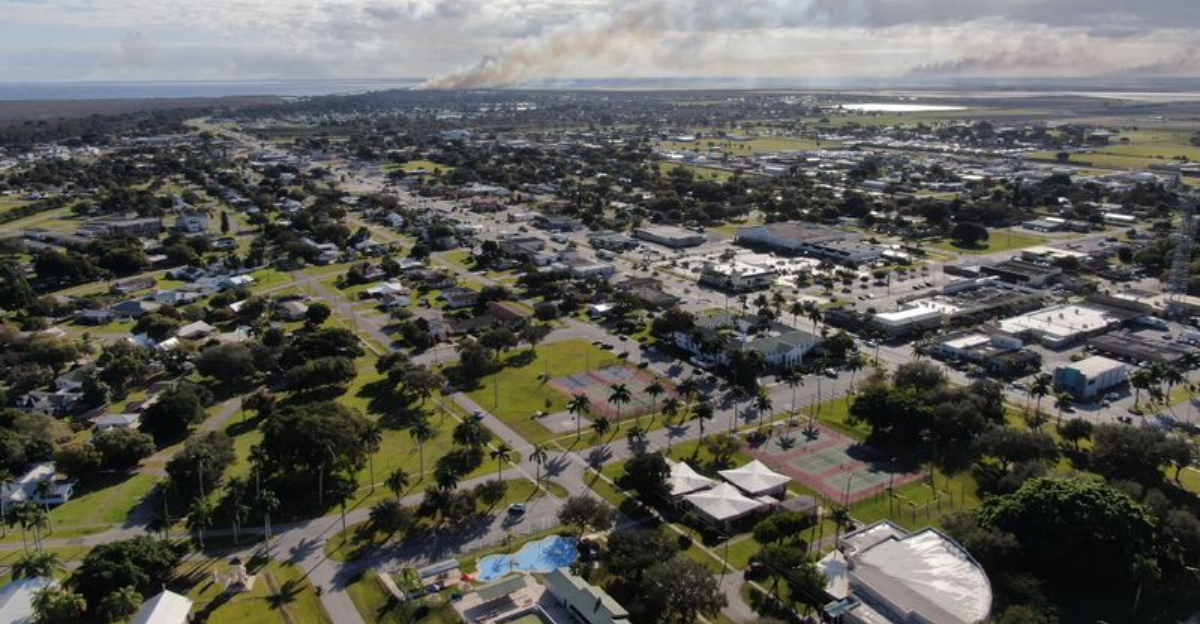
Think you already know Florida? Then slow it way down.
Somewhere far from beach crowds and roller coasters, Florida tells its stories at rail speed instead of highway speed. Fields stretch wide, the sky feels bigger than expected, and the air carries a faint sweetness you do not forget.
This is the kind of Florida that rewards curiosity.
On a quiet stretch near Lake Okeechobee, a slow-moving train turns an ordinary afternoon into something surprisingly memorable.
That place is Clewiston. Settle in, because this Florida ride delivers wide skies and the gentle reminder that slowing down is sometimes the whole point.
Boarding Beside The Cane Fields
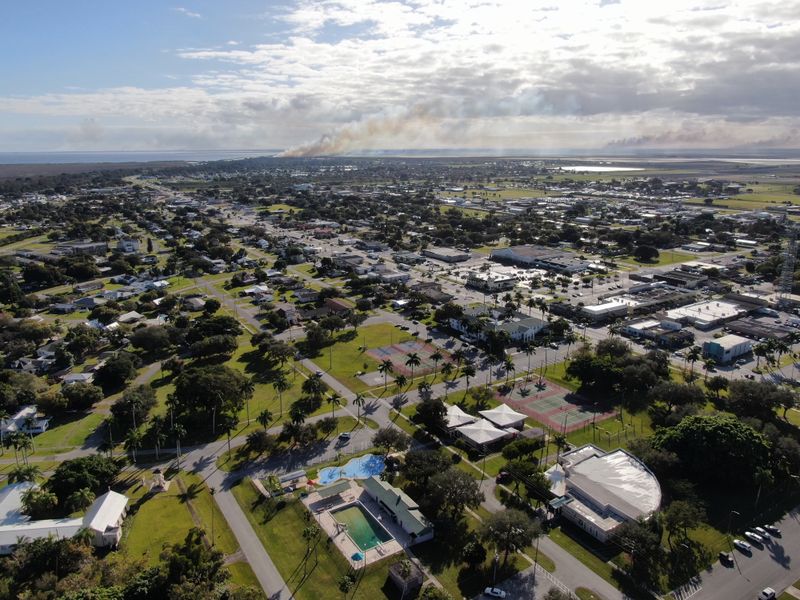
You roll up before the Florida sun has fully stretched, and Clewiston’s platform hums low and friendly. The train’s paint looks honest, a little sun kissed, and the air smells like warm grass and a hint of molasses from distant mills.
While you wait, you hear marsh birds clicking in the sawgrass and truck tires crunching shell rock down the road.
Tickets run about the price of a casual dinner, but ask ahead because special event runs can nudge it higher. Hours sway with seasons and holidays, so morning and early afternoon are safest bets.
Parking is straightforward near the depot, with a few shaded pockets that feel like a local favor.
Accessibility is considered, though ramps and car layouts vary, so call the operator for the latest car assignments. Bring water, a hat, and an appetite for storytelling, because conductors love pointing out little things you would miss from a car window.
When the whistle leaks a short hello, you feel your shoulders drop, like the town just handed you a day with nothing to prove.
Gliding Through Sugar Country
The train slides out like a quiet rumor, and the cane fields line up in bright green ranks. Stalks sway when the breeze pushes through, making a papery rustle that sounds like whispered plans.
You can almost taste sweetness on the air, a trace that lingers at the back of your throat.
Guides talk about harvest cycles and how cutters once swung blades by hand under scorching skies. Today, machines do the biting, but the rhythm still shapes the town’s heartbeat.
You learn why roads curve around canals and why wind carries chaff across the tracks in soft bursts.
It is not a thrill ride. It is a watch-and-listen ride, the kind that rewards patience with little scenes you will remember later.
Sit on the left for morning shade, right for afternoon shadows that paint fields in stripes. If you want photos, hold your camera low to cut glare and wait for open gaps where the cane bows back, revealing a line of herons staking out the ditches.
Lake Okeechobee’s Shimmering Edge
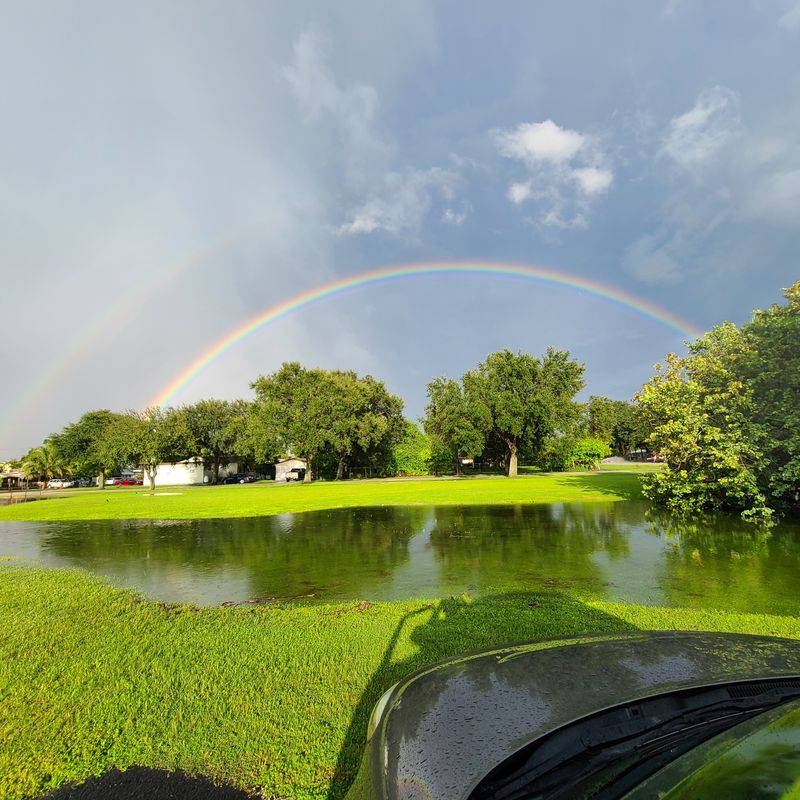
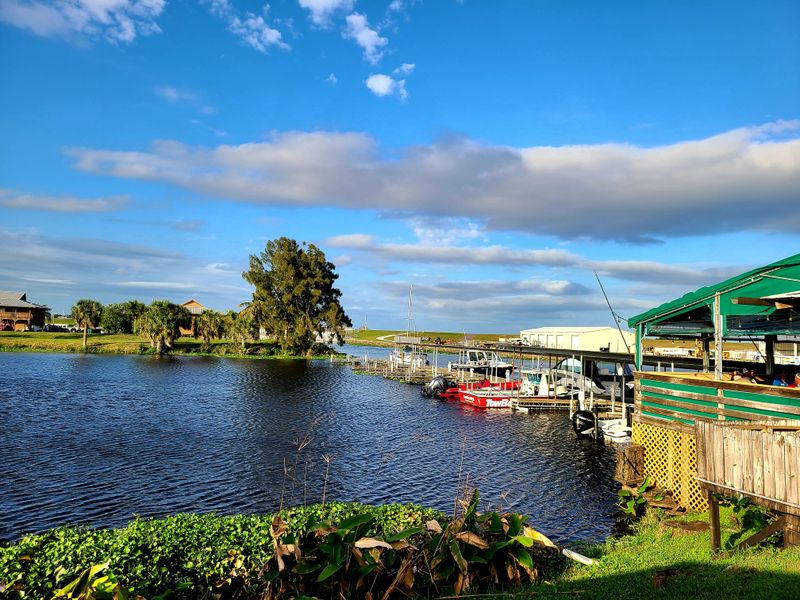
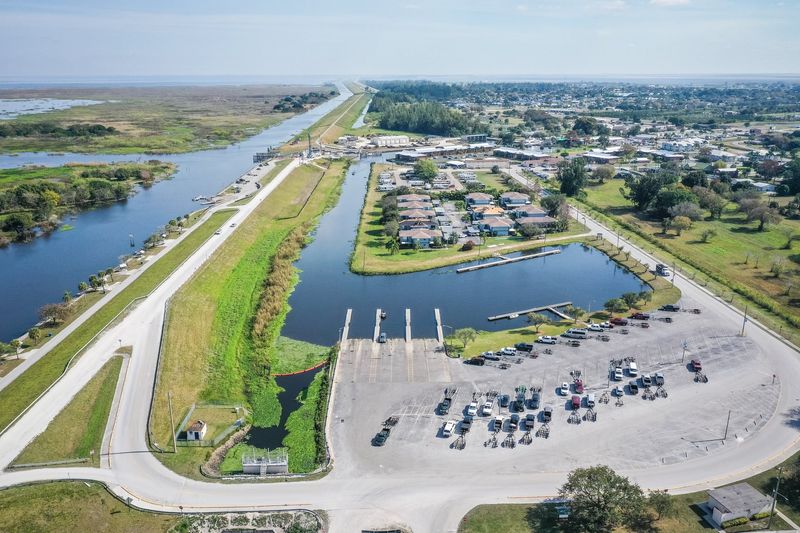
As tracks bend near the lake, the world suddenly opens. Lake Okeechobee sits wide and calm, a blue-green sheet holding the sky.
The levee rises steady beside it, a broad shoulder where cyclists and walkers share long views and longer conversations.
On cool days, the water smells clean and faintly mineral, and you catch snatches of fishermen’s banter rising from boats. Guides point out the rim canal like a quiet backstage pass, whispering about bird migrations and storms that rewrote the shoreline.
Nothing feels rushed; it is a slide show with perfect timing.
When the schedule allows, stops can run a short stretch for photos, but plan for quick windows. Mornings give you mirror-like reflections and less glare.
Keep an eye out for osprey tracing loops and the sudden sparkle of fish breaking the surface. It is a view that settles into you, and you carry it back to town like a sunlit secret in your pocket.
A Town Built On Sweetness
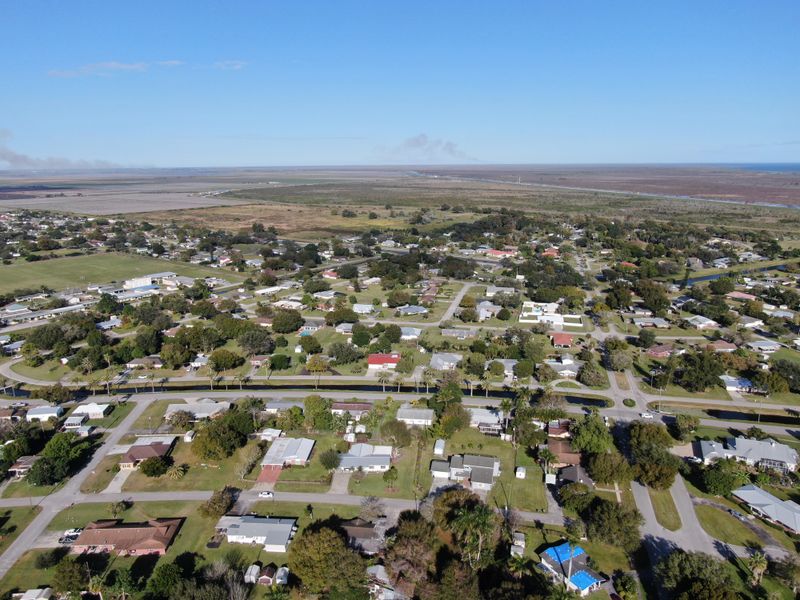
Clewiston wears its nickname proudly, the sweet city beside the big lake. You hear how sugar shaped jobs, neighborhoods, and weekend schedules, and how festivals once filled streets with the smell of fried dough and brass band echoes.
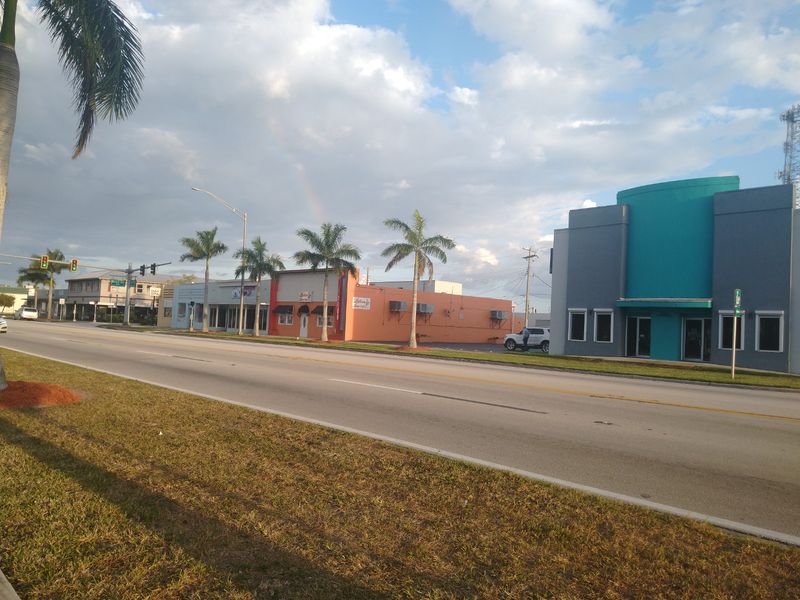
Buildings downtown keep a practical style, low and sturdy, with awnings that remember windy afternoons.
History here is not a museum hallway. It is stories traded over counters and porch rails, names that roll off tongues like family.
You learn about the rail spurs that fed mills and the storms that taught the community to build stronger and watch the sky.
For visitors, the best move is to treat the town like a friend’s kitchen. Ask questions.
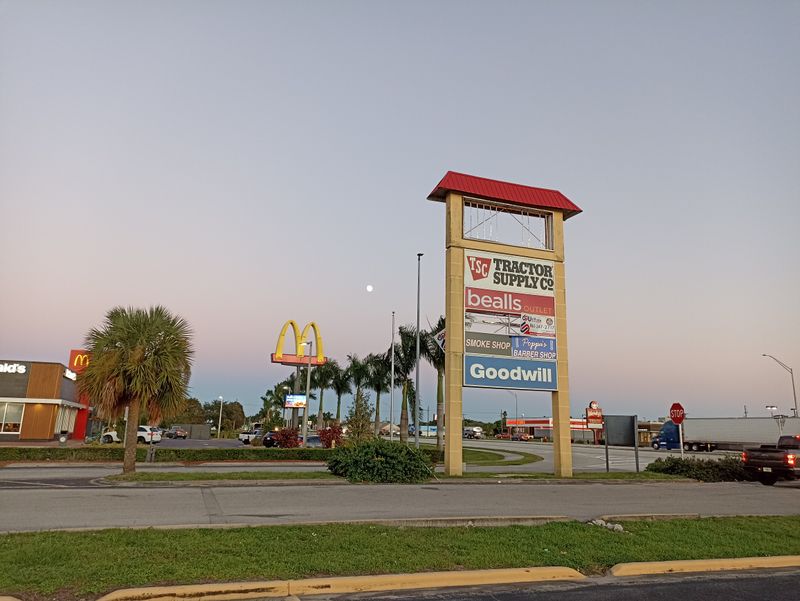
Support the small storefronts. Hours tilt seasonal, so check weekday times.
If you wander after the train, you will find a rhythm that feels honest and useful, not dressed up for show. That grounded character is what sticks longest, a kind of steady warmth you can feel under your steps.
Conductors With Front-Porch Energy
The conductors talk like neighbors who have time for you. They point with two fingers, palm down, a small gesture borrowed from field safety, and mark out canals, pump houses, and birds by nickname.
You learn more in ten minutes of easy chatter than an hour of scrolling.
Questions are welcomed, which makes the ride feel like a living guidebook. They are frank about what they do not know, and even better at telling you who does.
That honesty gives the whole day a relaxed backbone.
If you need seating help, say so early, and they will shuffle spots with polite precision. They keep track of conditions and call out rough patches before the wheels tap them.
Tip if you can. It is not a rule, but kindness loops back around in small towns.
When the whistle sings and the conductor smiles, you realize this is the kind of hospitality you cannot fake.
Cane, Steam, And Storytime
Some runs share glimpses of industrial scenes at a polite distance. You might see a mill’s stacks breathing a low steam cloud, or hear conveyors clink like distant wind chimes.
Guides translate the rumble into everyday terms, describing how raw cane becomes the packets you tear open at breakfast.
Safety rules keep everyone clear of hard hats and hot pipes, so expect narration rather than close looks. Still, the scale is impressive, and it gives the countryside a working heartbeat.
You feel the connection between field, machine, and kitchen table.
Photography is fine from designated areas, but watch for posted signs and stay with the group. If the schedule is tight, the train might keep rolling while the guide talks through it.
Listen for a quick history of storms, retrofits, and community efforts to keep jobs local. It is practical, unglamorous, and weirdly beautiful when the sun hits steel and steam in late afternoon.
Finding Lunch That Tastes Like Home
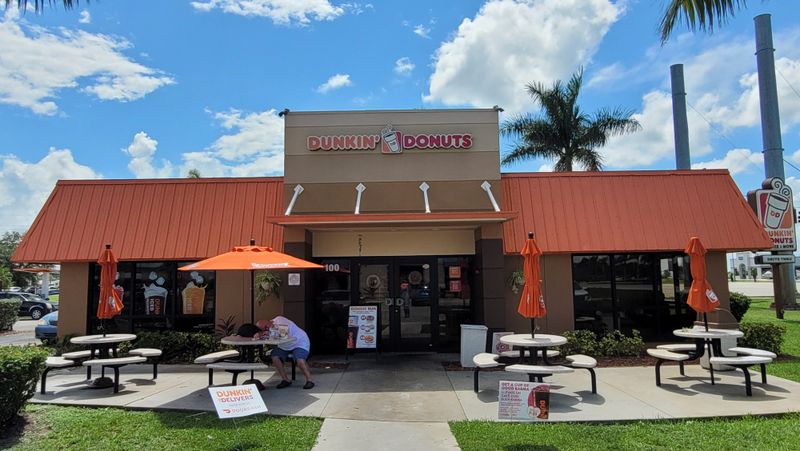
After the ride, your stomach leads the tour. Clewiston’s cafes and grills lean into comfort, plates that make sense after a morning in the sun.
Think hot sandwiches, iced tea tall enough to shade a straw, and citrus pies that bite back softly.
Service is friendly without a script. If the line is slow, it is usually because folks are catching up across booths, and the staff refuses to rush hospitality.
Prices stay reasonable, with daily specials chalked up like a wink to regulars.
Ask about local fish when it is in season and the sides that come with it. Portions are generous, so consider splitting plates if you plan afternoon exploring.
Most places have easy parking just off the main drag. If you are navigating a wheelchair or stroller, call ahead for doorway widths and table spacing.
Lunch becomes a way to keep the town’s pace, letting flavors do the talking while you map the rest of your day.
The Levee Walk: Big Sky Therapy
Climb the levee in late afternoon and the sky will handle your mood. The breeze pushes steady off the lake, and the sound is a soft hiss against grasses, like pages turning.
Cyclists roll by with quick hellos, and egrets step neat along the rim canal.
There is shade only in the grace of clouds, so bring a hat and water. If temperatures spike, go early morning or near sunset for kinder light.
Surfaces are mixed, part paved, part packed, manageable for most but easier with good tires.
Parking pockets sit near access points, with signs that come and go, so watch for updates. Take your time.
The levee is not a sprint; it is a long inhale. By the time you step back down, the town’s grid feels calm and familiar, and you will notice details you missed earlier, like a hand-painted mailbox or a porch swing creaking in rhythm with crickets.
Small Museums And Big Memories
Clewiston’s local exhibits pack more heart than square footage. You step into rooms where photos speak louder than plaques, and volunteers trace family names that echo through decades.
Stories of storms, rebuilds, and championship teams unfold with the rhythm of a kitchen table chat.
Hours can be limited and sometimes seasonal, so call or check social pages before you aim your day around them. Expect donation jars instead of turnstiles and cash boxes that rattle like pockets full of nickels.
The welcome is genuine, and the details are precise without being stiff.
Accessibility depends on building age, so ask about steps and narrow halls. Inside, you will find uniforms, tools, and maps that make the landscape feel decoded.
The feeling stays with you longer than any souvenir. It is the sensation of being trusted with a community’s memory, and that responsibility tastes a little like sweet tea on a warm porch.
Why This Little Ride Sticks With You
Long after you leave, small sounds come back first. The soft tick of wheels, the hush of cane leaves rubbing, the low call of a bird lifting off the canal.
It is the quiet chorus that pins the day to memory.
You remember stories too. How the town grew around sugar and the lake, and how storms made everyone stronger without making them hard.
There is a resilience here, straightforward and kind, stitched into daily routines like a pocket seam.
When friends ask what makes Clewiston worth the detour, you say it feels real. No gloss.
No hustle. Just open horizons, working landscapes, and people who look you in the eye when they talk.
The train is the thread that pulls it all together, guiding you through fields and history at the speed of listening. That is the secret.
Simple, steady, and sweet.