
This Small Town In Florida Is Famous For Incredible Wild Manatee Sightings
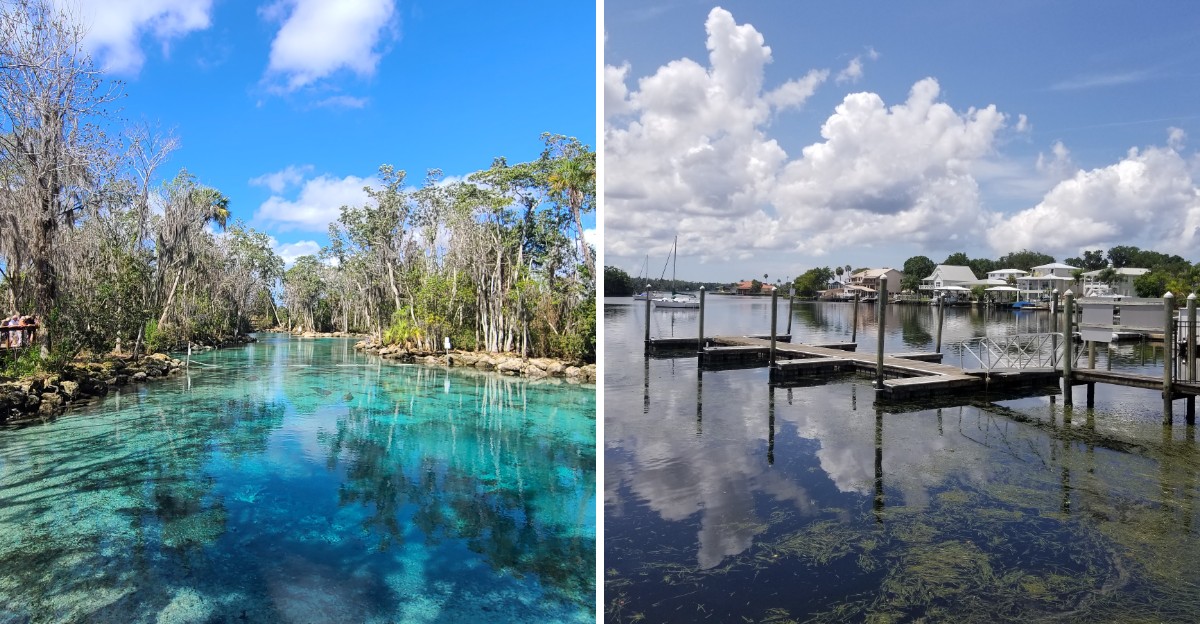
Winter mornings feel different on Florida’s Gulf Coast. Mist lifts from blue-green springs, sunlight reaches through the water, and gray shapes begin moving beneath the surface.
They rise. A whiskered nose appears.
Then another.
Before long, the water resembles a gathering of floating potatoes, except these visitors can weigh more than half a ton. They arrive each year seeking the warmth of springs while colder coastal waters become uncomfortable.
How did one Florida town become a world-famous winter refuge for hundreds of manatees?
The answer flows through its waterways, protected habitats, and remarkable relationship with these curious marine mammals. Visitors can watch them from boardwalks, join regulated water experiences, or simply stand quietly as a herd drifts past.
The ten facts ahead reveal when to visit, where the animals gather, and how to enjoy the encounter responsibly. Prepare for slow motion magic, because these sea cows never need to hurry.
The Only Place In North America Where You Can Legally Swim With Manatees
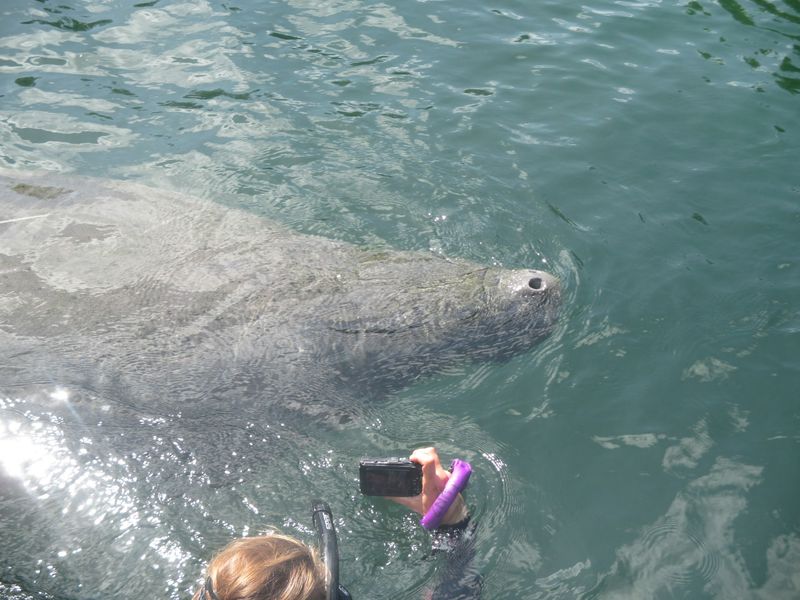
Ready for a bragging right you can take home? Crystal River and nearby Homosassa are the only spots in North America where people can legally swim with wild manatees.
Folks travel from all over the world just for this one experience.
Most swims happen in Kings Bay through licensed tour companies. You slip into the water wearing a wetsuit and snorkel, then float quietly at the surface.
Guides teach you the rules first, and there is a short video from the U.S. Fish and Wildlife Service called Manatee Manners that explains how to act around these animals.
The big rule is simple: look, but do not touch unless a manatee comes to you. Even then, many guides now ask guests to keep hands to themselves.
Chasing, poking, or riding a manatee is against the law, and fines can be steep.
Tours usually cost somewhere around $60 to $100 per person, though prices change by company and season. Early morning trips are best because the water is calm and the crowds are smaller.
Most tours start around 6 or 7 a.m., so set that alarm. Trust me, a sleepy manatee drifting past at sunrise is worth losing a little sleep.
Warm Springs Act Like A Giant Winter Hot Tub
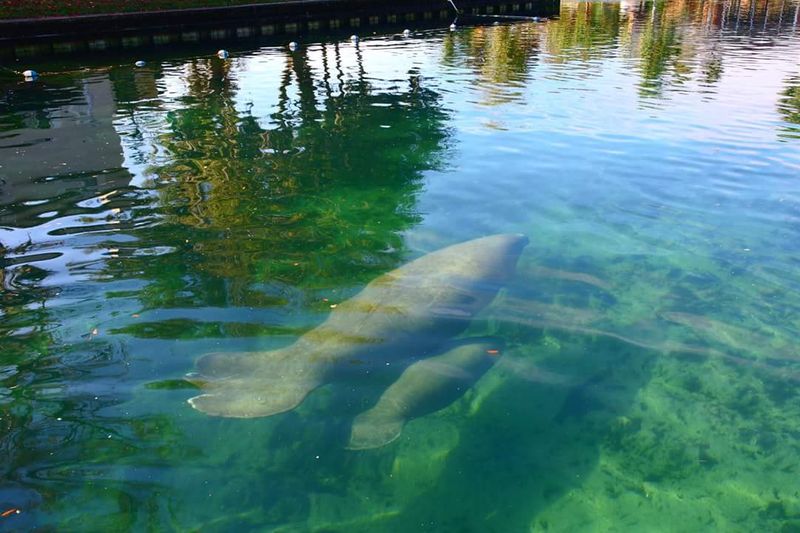
Manatees may be huge, but they get cold easily. When water drops below about 68 degrees, they can get sick from something called cold stress.
So when winter arrives in Florida, they go looking for a warm place to hang out.
Kings Bay is that place. More than 50 natural springs bubble up from the ground beneath the bay, pushing out water that stays near 72 degrees all year.
For a manatee, that feels like a cozy bathtub while the Gulf of Mexico gets chilly.
On cold mornings, researchers have counted hundreds of manatees packed into the bay at once. Some winters, the count has topped 1,000 animals.
That is one of the largest winter gatherings of manatees anywhere in the United States.
For visitors, timing matters. The best season runs from about mid-November through March, with the peak often in January and February.
A chilly, sunny morning right after a cold front is the jackpot day.
Summer visits still offer a few year-round residents, but the numbers drop a lot. If seeing a crowd of manatees is your dream, pack a light jacket and plan a winter trip.
Three Sisters Springs Looks Unreal In Person
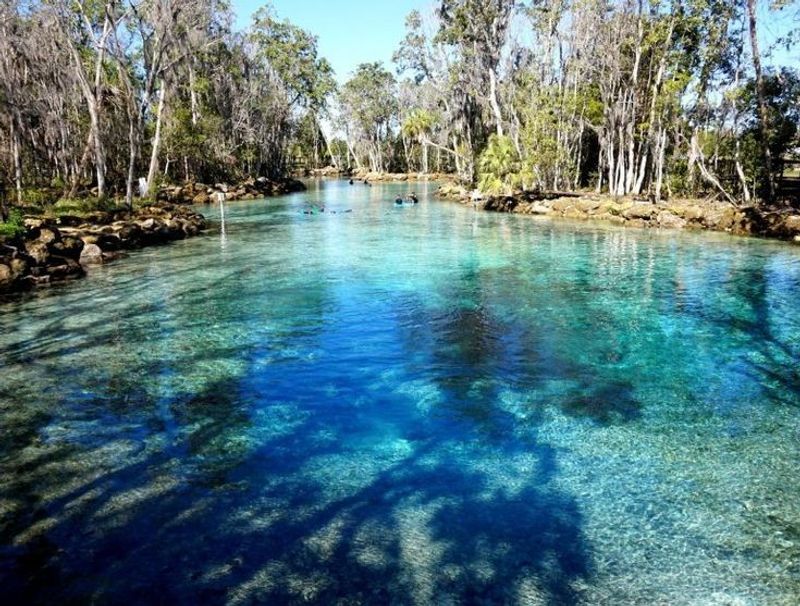
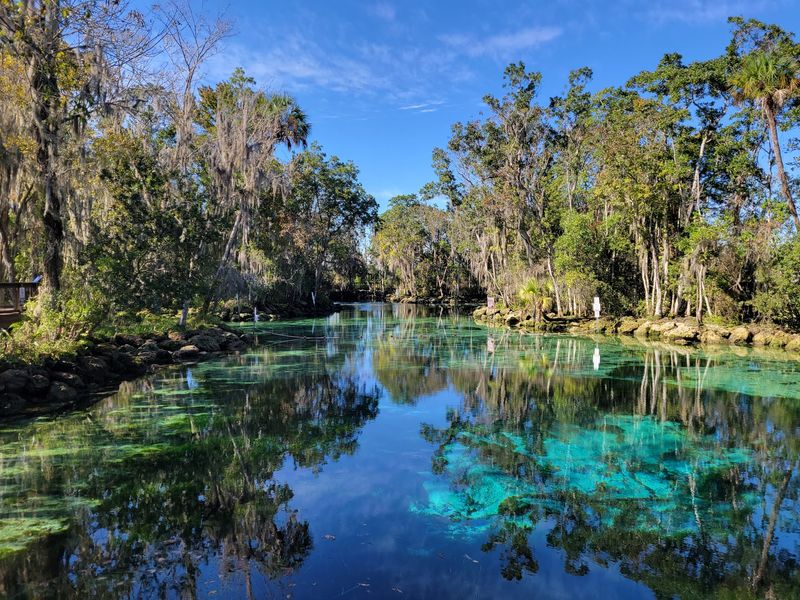
First-timers often gasp out loud. The water at Three Sisters Springs is so clear and so blue that it almost looks fake, like someone turned up the color on a photo.
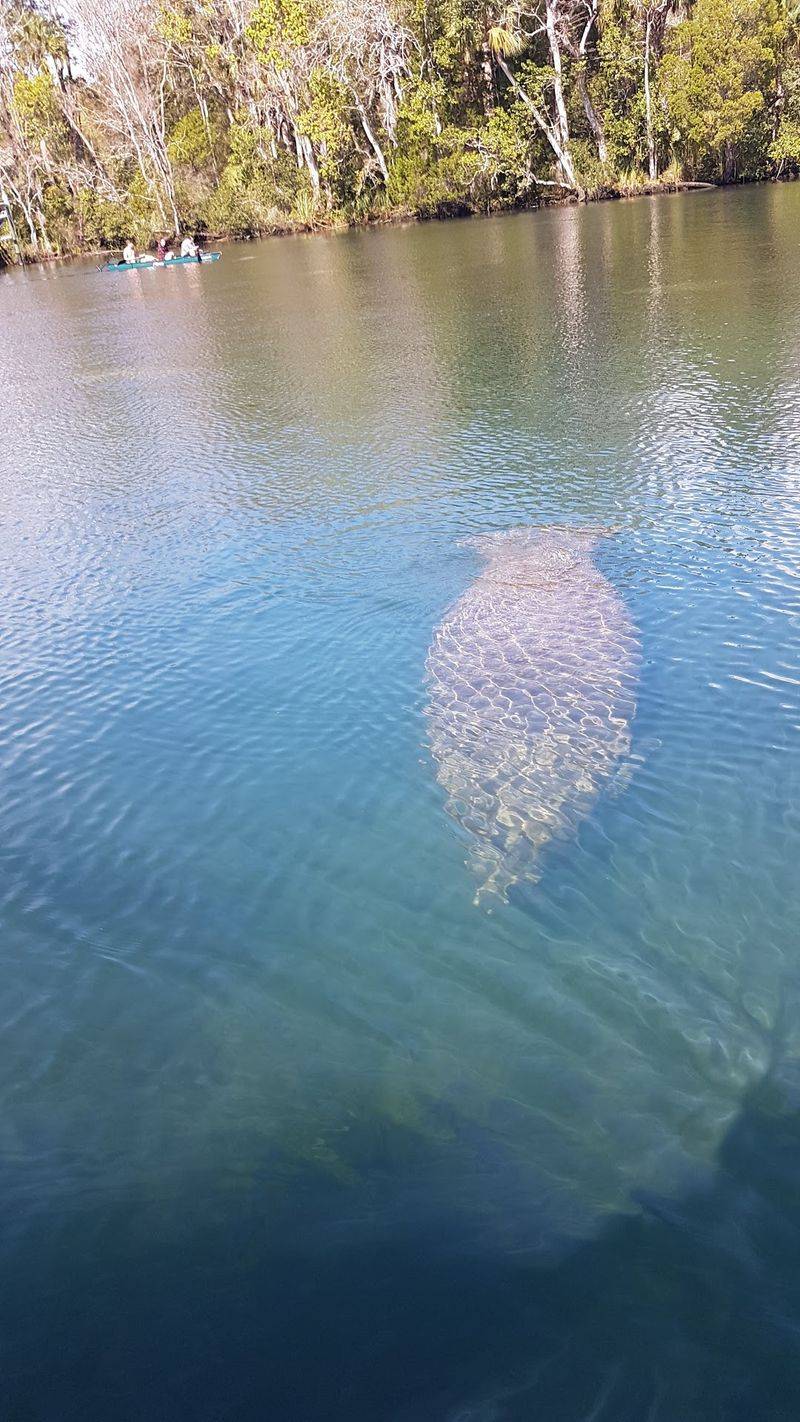
You can see sand, fish, and the gray backs of manatees resting on the bottom.
The spring sits inside the Crystal River National Wildlife Refuge. A boardwalk about a mile long winds around the springs, giving you great views from above without getting wet.
It is a great pick for families, older travelers, and anyone who would rather stay dry.
In winter, the springs often close to swimmers so manatees can rest in peace. That is when the boardwalk shines, because you may spot dozens of them napping below you.
Visitors usually reach the boardwalk by a shuttle from a nearby center in town, since parking at the springs is very limited. Tickets have run roughly $15 to $20 for adults, but check current prices and hours before you go, since both change with the seasons.
The boardwalk is flat and wheelchair friendly. Bring binoculars and polarized sunglasses.
They cut the glare and help you spot manatees much more easily.
A Wildlife Refuge Created Just For Manatees
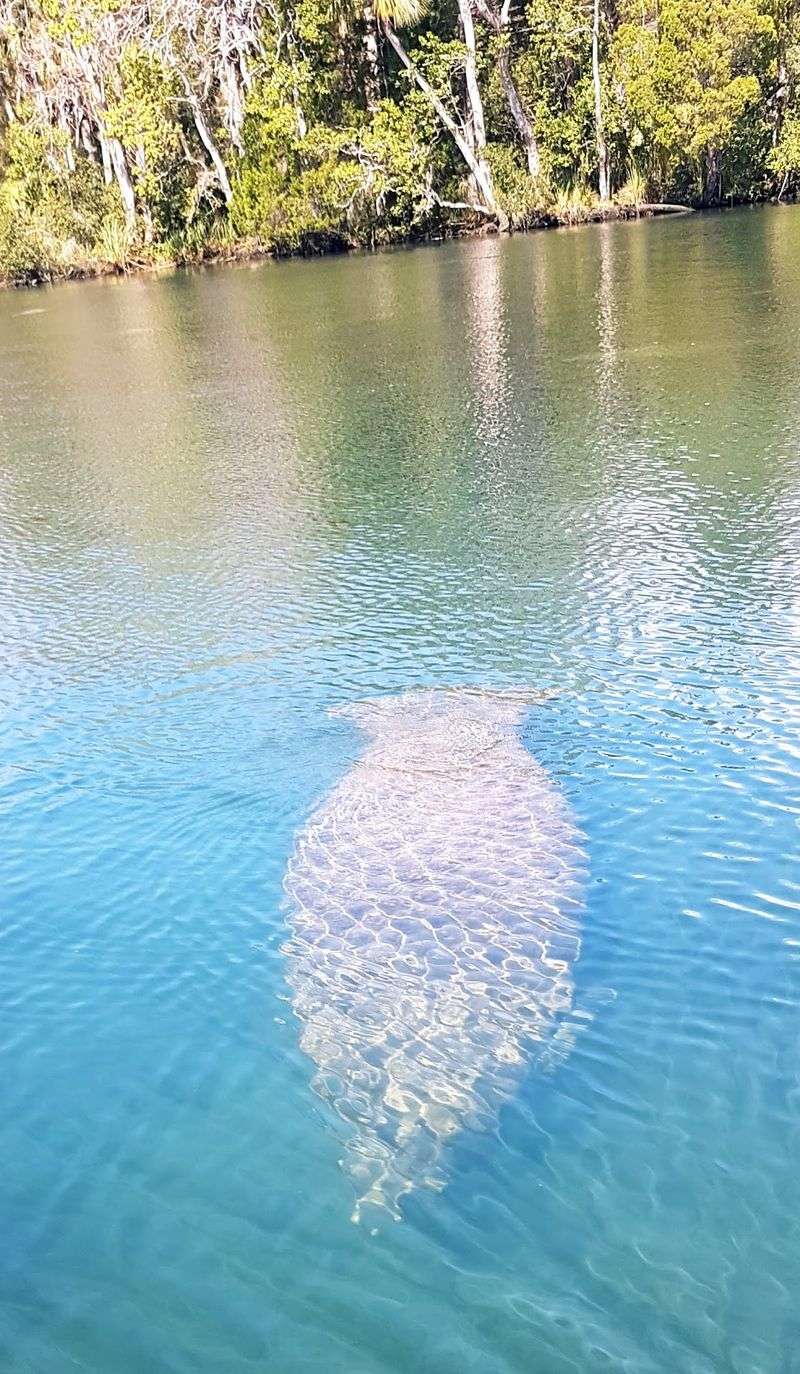
Back in 1983, the federal government set aside land and water in Kings Bay to create the Crystal River National Wildlife Refuge. Its main job was clear from day one: protect the West Indian manatee.
It is one of the few refuges in the country built mainly for one animal.
The refuge is made up of small islands and protected waters scattered around the bay. Some areas are marked with buoys as sanctuaries.
People and boats are not allowed inside, so manatees always have a quiet spot to rest.
Boats must also slow down in much of Kings Bay. Manatees swim slowly and stay near the surface, so fast boats are a real danger.
Many adult manatees carry scars from propellers, and scientists use those marks to identify individual animals.
Why does all this matter? Manatees were once in serious trouble.
Protection efforts across Florida helped their numbers grow, and in 2017 their status changed from endangered to threatened. Crystal River played a big part in that comeback.
When you visit, respect every sign and buoy you see. Staying out of the sanctuaries is the easiest way to help these animals keep thriving.
Manatees Are Sea Cows With Elephant Cousins
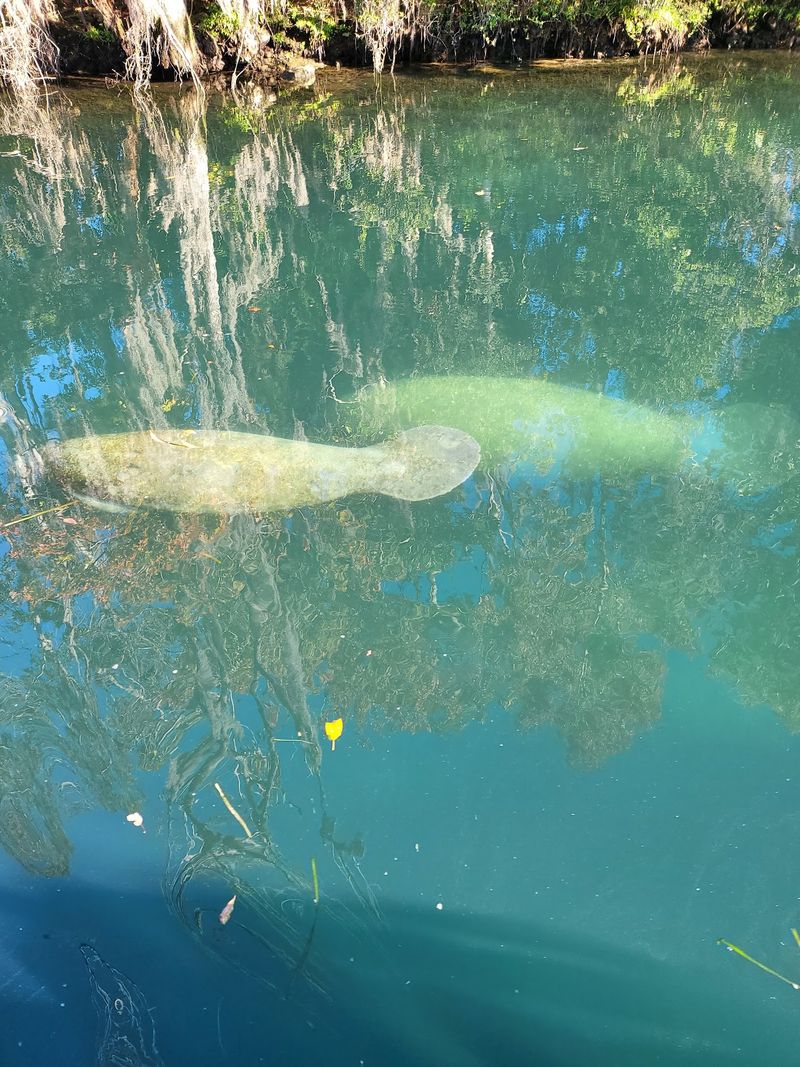
Here is a fun one to share at dinner: the manatee’s closest living relative on land is the elephant. Look closely at a manatee’s flippers and you might see tiny fingernails, a little clue to that shared family history.
People call them sea cows because they spend so much of the day grazing. An adult can eat around 10 percent of its body weight in plants every day.
Since many weigh about 1,000 pounds or more, that is a lot of salad.
Manatees usually grow to about 10 feet long. They surface every few minutes to breathe, but when resting they can stay under for up to 20 minutes.
Watch for the little nostrils that pop up, snort, and then close like tiny doors.
Their faces are covered with stiff whiskers that help them feel their way around. Their eyesight is fair, and their hearing is decent too.
They move slowly, cruising at just a few miles per hour most of the time.
Knowing these facts makes a sighting even more fun. When a manatee floats by, you will know you are looking at a gentle plant-eater with a surprising elephant connection.
Kayaks And Paddleboards Offer A Quiet Front Row Seat
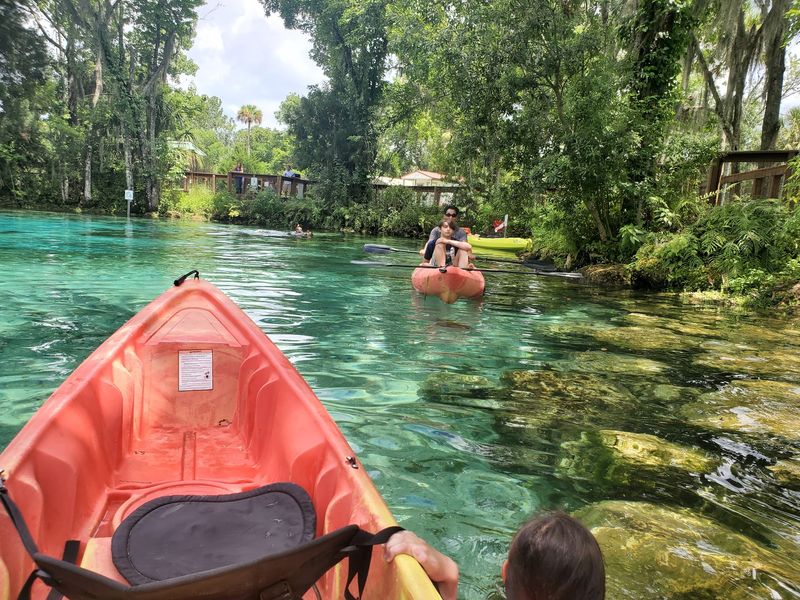
Some of the best manatee moments happen in total silence. You dip your paddle, glide across glassy water, and suddenly a big round snout pops up a few feet away with a soft puff of breath.
Kayaking and paddleboarding are popular ways to explore Kings Bay at your own pace. Several outfitters in town rent gear by the hour or half day.
Some even offer clear-bottom kayaks, which let you watch manatees swim right under you.
Paddling is gentle on the animals when done right. Keep your distance, stay out of roped-off sanctuaries, and never paddle over a group of resting manatees.
Let them come to you if they are curious.
Morning is the sweet spot. The wind is lighter, the water is smoother, and boat traffic is low.
Afternoon breezes can make paddling harder, especially for beginners.
Hunter Springs Park in downtown Crystal River is a handy launch spot with a small beach and nearby parking. Parking can fill fast on winter weekends, so arrive early.
Pack water, sunscreen, and a dry bag for your phone. You will want photos, but you will not want a soggy phone.
Ancient Mounds Tell A 1,600-Year Story
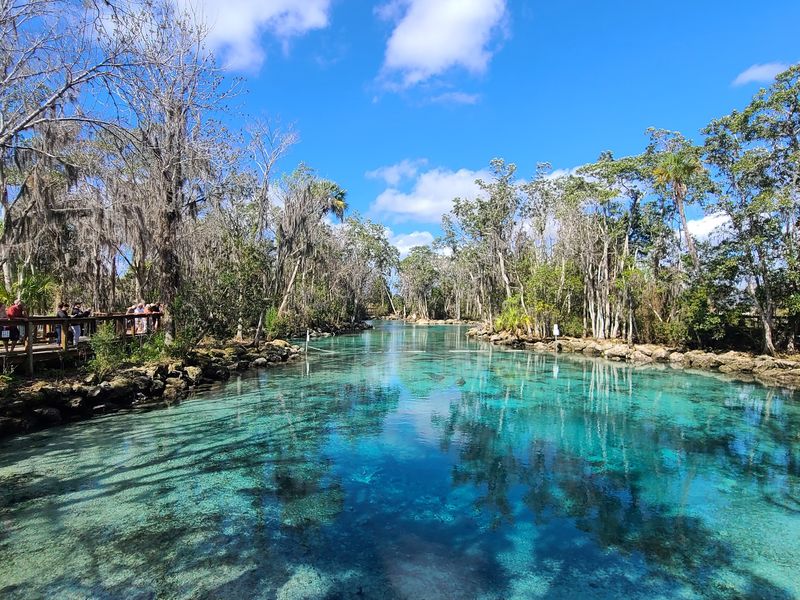
Long before anyone snorkeled here, people were already calling this area home. Crystal River Archaeological State Park protects a site where Native Americans lived and gathered for roughly 1,600 years, starting around 500 B.C.
The park holds burial mounds, a temple mound, and large shell middens. Middens are basically ancient trash piles made of oyster and clam shells, and they tell scientists a lot about what people ate.
Visitors can climb stairs to the top of the temple mound for a view of the river and marsh.
You will also find two stone slabs called stelae. Some researchers believe they had ceremonial or calendar uses, though experts still debate their exact purpose.
That little mystery makes the visit extra interesting.
The site was likely a busy ceremonial center that drew people from far away. Think of it as an ancient gathering place, set right beside the water.
Entry is usually a few dollars per vehicle, and the park is typically open from 8 a.m. to sundown. The paths are mostly paved, but the mound stairs are steep.
A small museum and visitor area help explain what you are seeing.
Nature Coast Charm Keeps Things Laid-Back
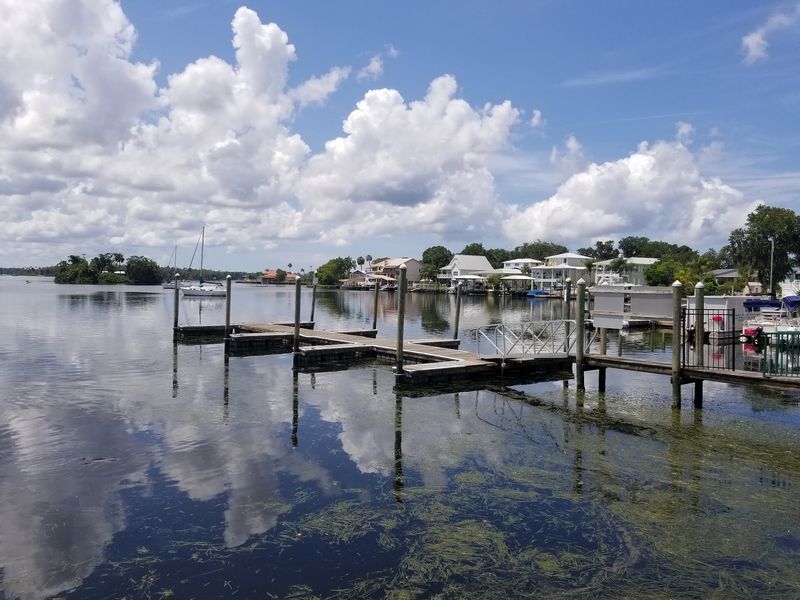
Forget high-rise hotels and packed theme parks. Crystal River sits on a stretch of Florida known as the Nature Coast, where marshes, mangroves, and winding rivers take the spotlight.
The pace here feels slow in the best possible way.
The city is small, with a population of only a few thousand people. You will see pontoon boats bobbing at docks, pelicans perched on posts, and dive shops with manatee murals painted on their walls.
Manatee images pop up almost everywhere, from signs to mailboxes.
Seafood lovers will feel right at home. The waters around Crystal River are known for scallops, and summer scalloping season draws families who snorkel in shallow grass beds to collect them.
Stone crab and grouper also show up on many local menus.
Since the town is not overrun, you can relax without fighting big crowds, except maybe on busy winter weekends at the springs. Book lodging early for January and February, because rooms near the bay fill up quickly.
Crystal River is about 90 minutes north of Tampa and roughly two hours from Orlando. That makes it an easy road trip or a peaceful break from Florida’s busier spots.
Baby Manatees Stick Close To Mom
Spotting a calf is pure joy. Picture a small gray manatee, about four feet long, tucked right against its mother’s side like a shadow.
Many visitors say it is the moment that made their whole trip.
Manatee moms carry a baby for about a year before giving birth. Usually they have just one calf at a time, and twins are rare.
The little one can swim to the surface for air right away, often with a helpful nudge from mom.
Calves nurse from a spot just behind their mother’s flippers. They stay with her for up to two years, learning where to find warm water and good food.
That knowledge gets passed down, which is one reason manatees return to Crystal River winter after winter.
Moms and calves chirp and squeak to stay in touch. If you are snorkeling quietly, you might even hear them underwater.
Here is a key tip: never swim between a mother and her calf. Separating them can stress both animals.
Give pairs extra space, stay calm, and enjoy the show from a respectful distance. Your guide will help you spot them safely.
Winter Festivals Celebrate The Town’s Favorite Resident
What do you do when your town’s most famous resident weighs half a ton? Throw it a party, of course.
Crystal River has long hosted the Florida Manatee Festival, usually held in January when manatee numbers are high.
The festival brings together food vendors, arts and crafts, live music, and educational booths. Families can learn about manatee care, local wildlife, and ways to protect the springs.
In past years, visitors have also been able to join boat tours out onto Kings Bay during the event.
Dates and details can change from year to year, so check the local chamber of commerce or event pages before planning around it. Parking gets tight downtown during festival weekends, and shuttles are sometimes offered.
Even outside the festival, the town shows its love in smaller ways. Local groups work on cleaning up the bay, and projects have focused on restoring eelgrass, a favorite manatee snack.
Healthier water means happier manatees.
If you want to help, choose tour companies that follow Manatee Manners rules and support conservation. Buying from local shops also keeps the community strong.
That way, your trip gives something back to the place and its gentle giants.