
This South Carolina Boat Tour Leads To A Shell-Covered Island Lost In Time
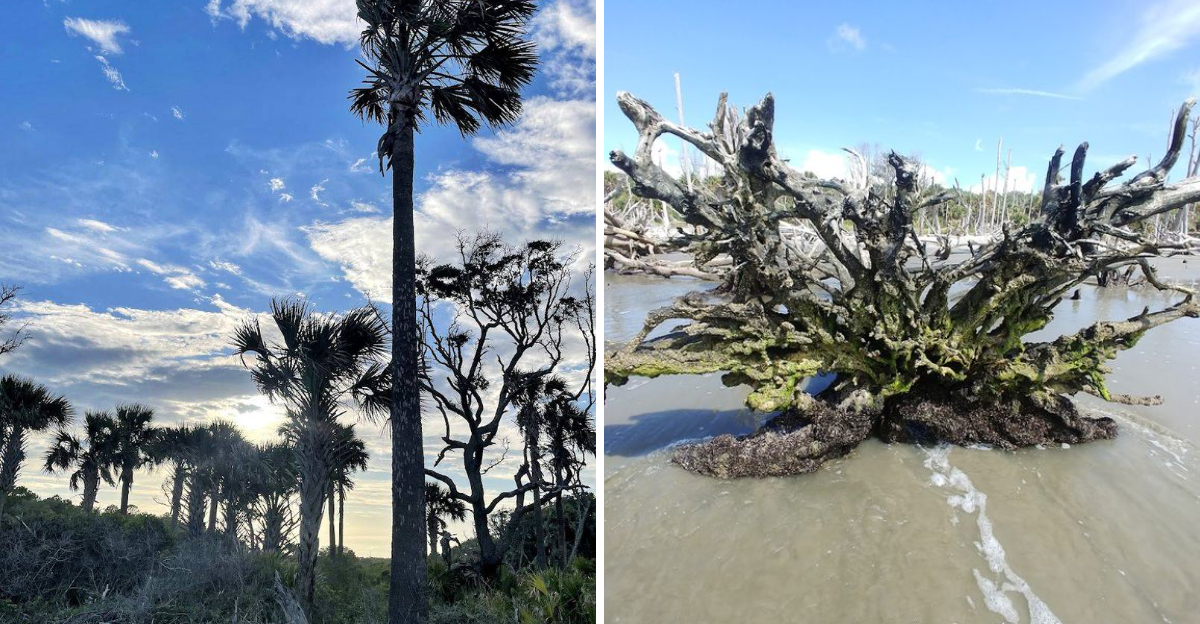
One of the most beautiful beaches in South Carolina has no hotels, no restaurants, and not a single building in sight.
That is exactly why people love it.
Capers Island offers something increasingly rare in today’s world: a chance to experience the coast almost exactly as nature intended. Reaching it requires a boat or kayak, and that extra effort keeps the crowds away while preserving the island’s wild character.
The result feels almost surreal.
Shell-covered beaches stretch for miles.
Twisted driftwood forests rise from the sand.
And wildlife behaves as though humans are the visitors—because here, they are.
That contrast is what makes Capers Island unforgettable.
A place so close to Charleston.
Yet a world away from everything else.
It is the kind of South Carolina destination that reminds you how beautiful untouched nature can be.
You Can Only Get There By Water
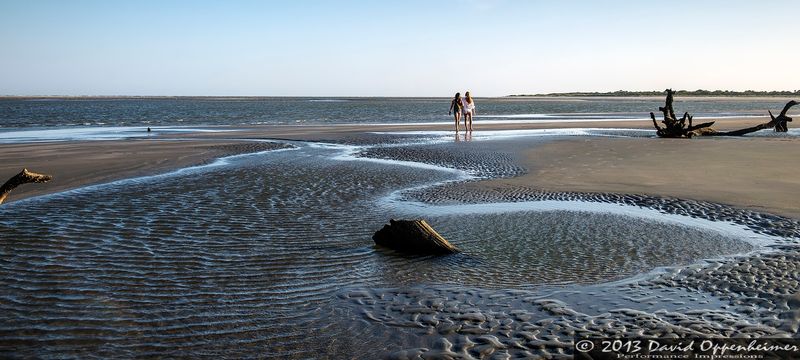
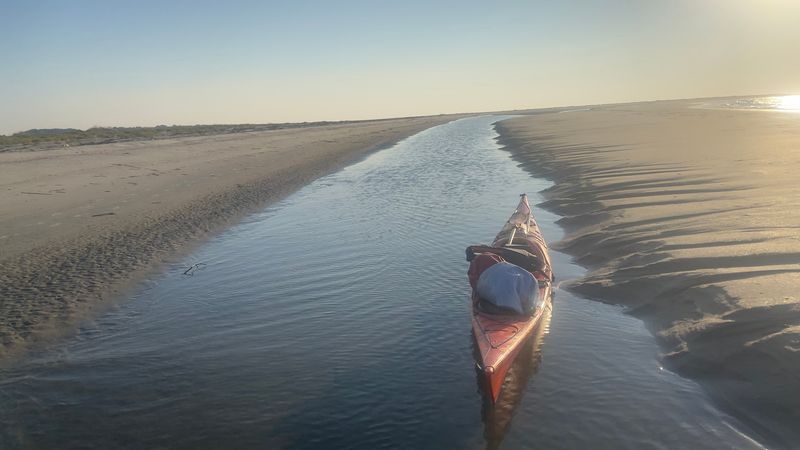
Getting to Capers Island requires planning because there’s no bridge, no ferry schedule, and definitely no parking lot. Most visitors launch kayaks from nearby boat landings like Gadsdenville Public Boat Landing in North Mount Pleasant, then paddle roughly an hour across tidal creeks and marshes.
The journey itself becomes part of the adventure as you navigate channels where dolphins surface beside you and herons watch from muddy banks. Some folks hire charter boats or join guided tours that handle the navigation while you soak in the scenery.
Timing your trip with the tides makes a huge difference since paddling against a strong current turns that hour into something much longer and more exhausting. I learned this lesson the hard way on my first attempt, fighting the water for what felt like forever.
The isolation created by this water barrier keeps the island wonderfully undeveloped and protects it from the kind of heavy foot traffic that wears down more accessible beaches.
The Boneyard Beach Steals Every Photo
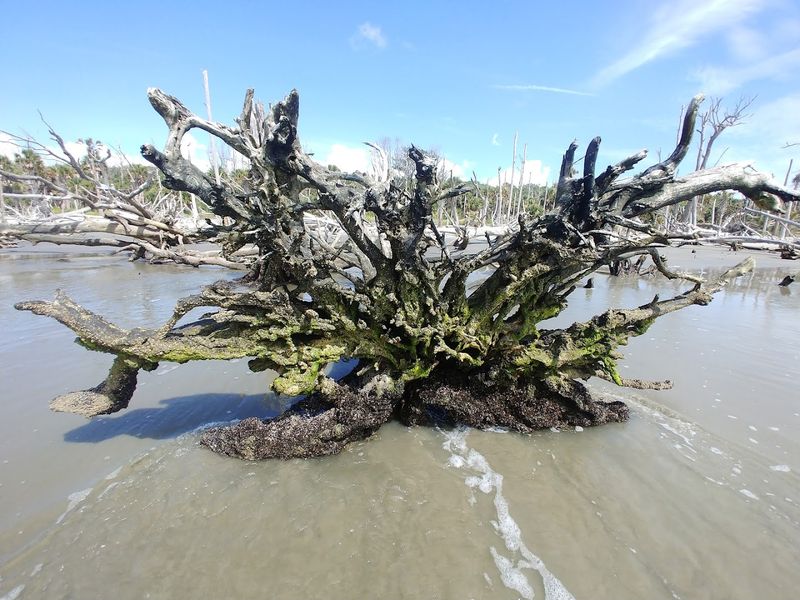
Walking through the boneyard section feels like wandering through a natural sculpture garden where saltwater and storms have created art nobody planned. Massive trees that once grew inland now lie scattered across the sand, their roots exposed and their trunks bleached white by sun and salt.
These fallen giants create perfect perches for watching the ocean, backdrops for photos that look professionally staged, and playground equipment that nature designed. I spent an entire afternoon climbing over, under, and around these trees, finding new angles and hidden spots with each exploration.
The boneyard exists because erosion constantly reshapes barrier islands, moving sand and toppling trees that can’t adapt fast enough to the changing shoreline. What looks permanent today might shift position after the next big storm, making each visit unique.
Photographers love golden hour here when low sun turns the white wood warm and casts dramatic shadows across the rippled sand, creating images that capture why this island feels frozen outside normal time.
Wildlife Runs The Show Here
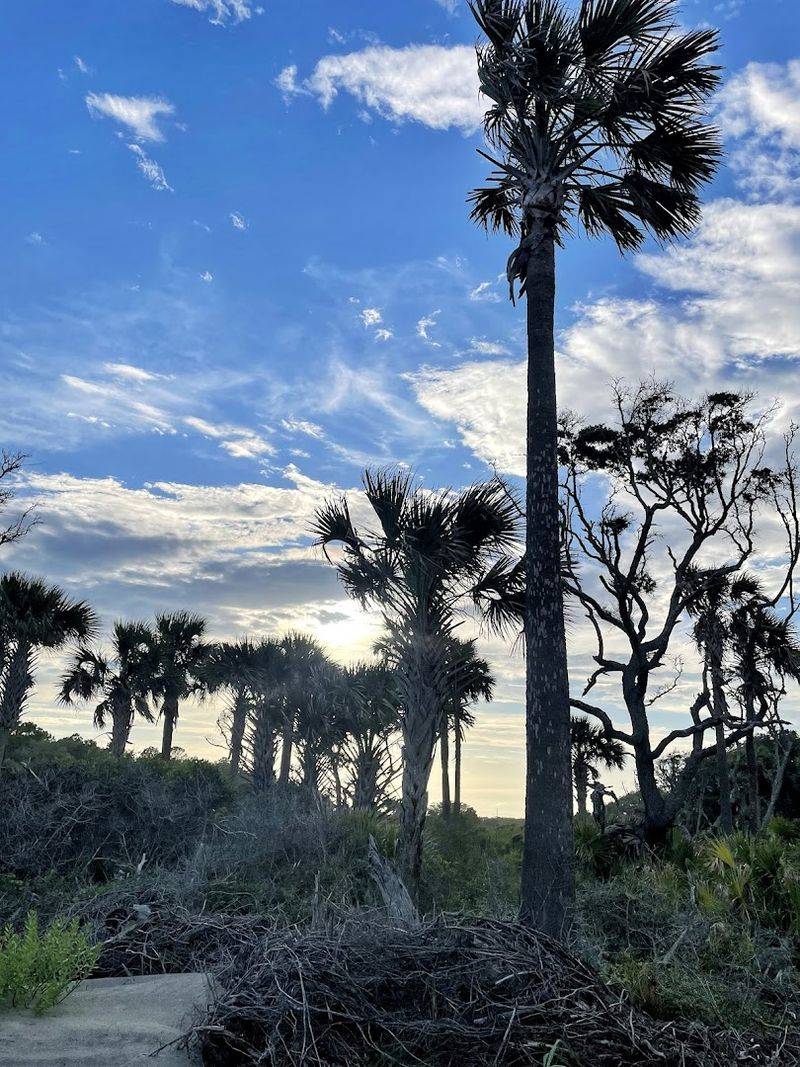
Bald eagles patrol overhead while dolphins cruise the surf line so close you can hear them breathe, and loggerhead sea turtles nest along the beach during summer months. The island supports an ecosystem that thrives without human interference, creating wildlife viewing opportunities that feel more National Geographic than typical beach vacation.
Alligators inhabit the freshwater ponds and tidal creeks, reminding visitors that we’re guests in their territory. I spotted one sunning itself near a marsh edge, completely unbothered by my presence as long as I kept a respectful distance.
Bird species too numerous to count make Capers Island home or use it as a stopover during migration, filling the air with calls that replace typical beach sounds like music and conversation. Sharks patrol the shallows hunting for fish, which sounds scary until you realize they have zero interest in humans.
The lack of development means animals behave naturally instead of becoming accustomed to handouts or trash, creating authentic encounters that show how coastal environments function when left alone.
Primitive Camping Puts You Under The Stars
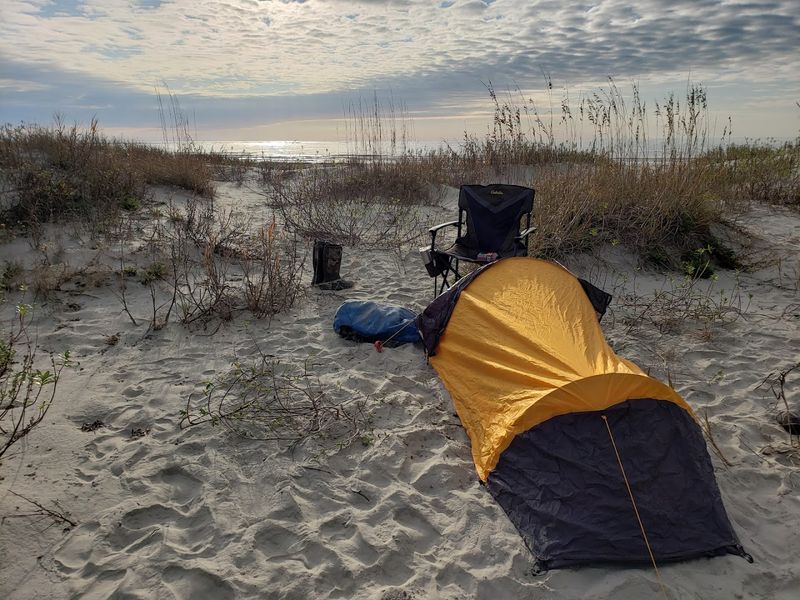
South Carolina DNR issues up to 80 free overnight permits for camping on Capers Island, though getting one requires planning ahead since popular weekends book quickly. The camping experience here strips away every modern convenience, leaving you with sand, stars, and whatever supplies you packed in.
No bathrooms, no freshwater, no fire rings, and definitely no cell service mean you’re truly disconnected from the grid for the duration of your stay. I remember lying in my tent listening to waves crash while the Milky Way stretched overhead so clearly it looked fake, like someone hung a poster on the sky.
The south end near the main landing sees the most campers, but paddling further up the beach rewards you with more solitude and equally beautiful sunrise views. Humidity and bugs can make summer nights uncomfortable, so fall, winter, and spring offer better conditions for sleeping outdoors.
Packing out every scrap of trash becomes especially important here since there’s nobody coming behind you to clean up, making each camper responsible for preserving what makes this place special.
Shells Cover The Beach Like Treasure
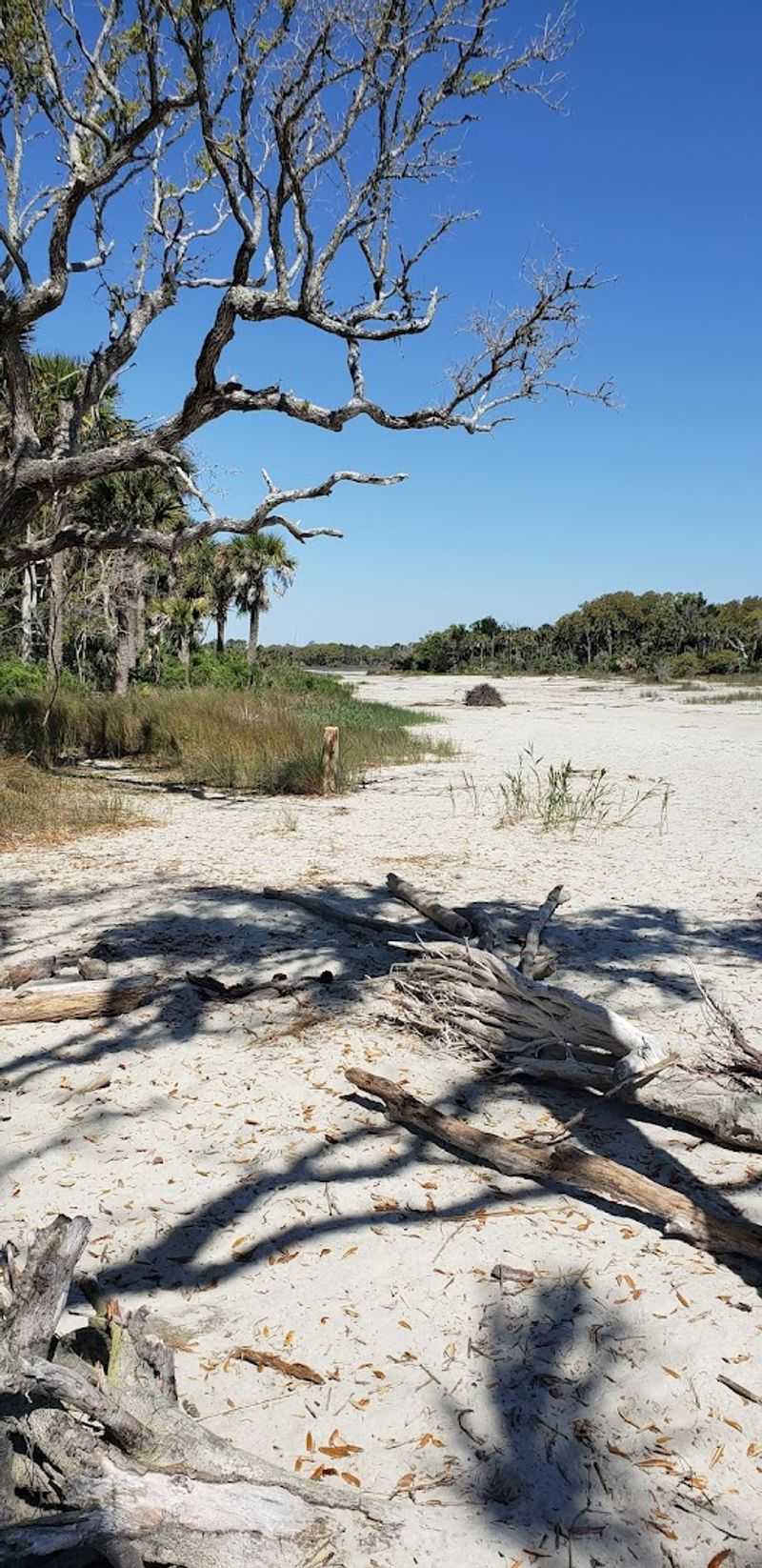
Shell collectors consider Capers Island one of the best spots along the South Carolina coast because strong currents deposit incredible variety along its shores. Every step crunches across layers of shells in different shapes, sizes, and colors, creating a natural mosaic that changes with each tide.
I’ve found everything from tiny coquinas to large whelks during my visits, plus sand dollars, shark teeth, and pieces of coral worn smooth by the ocean. The best hunting happens after storms when big waves churn up the bottom and deposit fresh treasures for early arrivals to discover.
Unlike more developed beaches where crowds pick the sand clean daily, Capers Island’s limited access means shells accumulate between visits, creating better odds of finding something special. Walking slowly with your eyes down turns into a meditation where the next step might reveal that perfect specimen you’ve been hoping for.
Taking a few shells home as souvenirs is generally acceptable, but leaving the majority ensures future visitors can enjoy the same thrill of discovery that made your trip memorable.
The Island Keeps Changing Shape
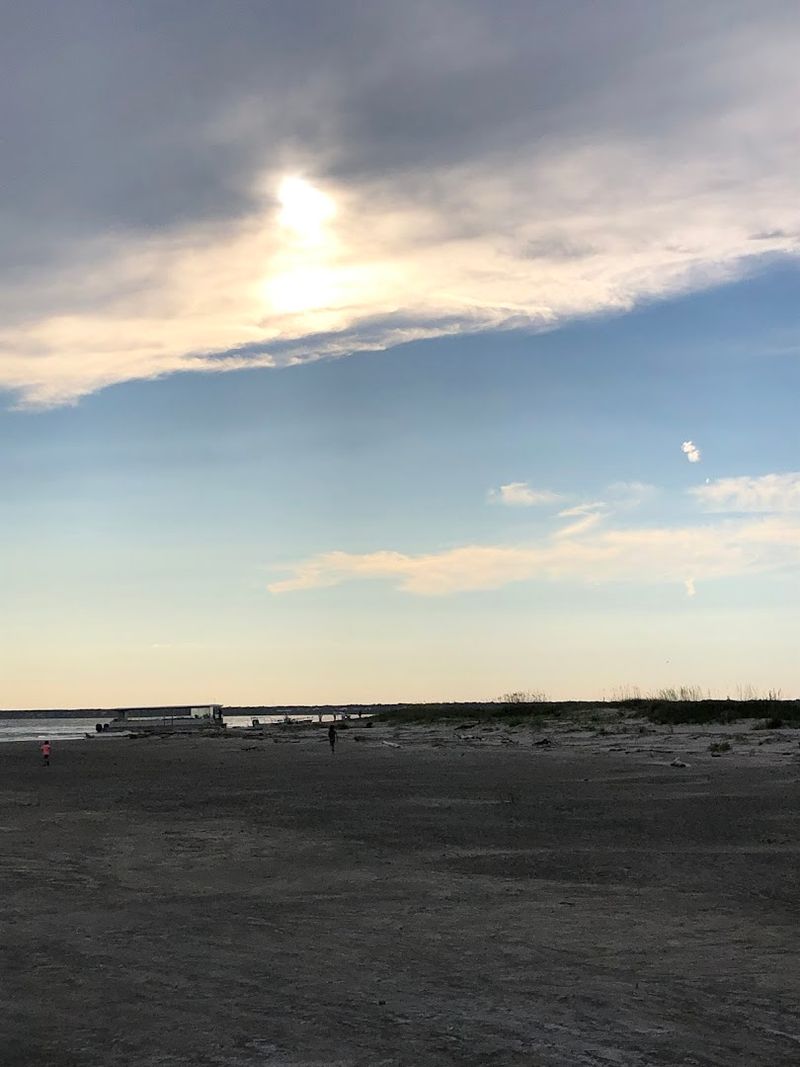
Barrier islands like Capers exist in constant motion as wind, waves, and currents push sand around, reshape beaches, and redraw the map over time. What you see during one visit might look noticeably different a year later as nature rearranges the furniture without asking permission.
Storm surges accelerate these changes dramatically, moving entire dunes, toppling tree lines, and creating new channels through the island. Longtime visitors mention how the camping zones have shifted as erosion claimed areas that once sat well back from the high tide line.
This dynamic quality means Capers Island will never become a static park with permanent trails and designated picnic areas since any infrastructure would wash away within a season or two. I find this impermanence oddly comforting because it proves some places still resist human attempts to control and manage every detail.
The shifting landscape also creates new discoveries with each visit since sandbars appear and disappear, exposing different shell beds and creating fresh channels where fish and dolphins hunt in shallow water.
Bug Spray Becomes Your Best Friend
Mosquitoes and ticks thrive in the maritime forest and marsh edges surrounding Capers Island, making bug spray absolutely essential rather than optional. I learned this during my first visit when I arrived unprepared and spent the entire time slapping at insects instead of enjoying the scenery.
The bug population varies by season, with summer humidity creating perfect conditions for mosquitoes to swarm in clouds that follow you everywhere. Cooler months bring relief from flying pests though ticks remain active year-round in the vegetation, waiting to hitch rides on passing mammals.
Wearing long sleeves and pants tucked into socks looks dorky but works better than any spray alone, especially if you plan to explore the interior trails or camp overnight. Treating your gear with permethrin before the trip adds another layer of protection that lasts through multiple washes.
Some visitors time their trips for breezy days when wind keeps the bugs grounded, though you can’t always predict weather conditions. Despite the annoyance factor, the bugs serve important roles in the ecosystem, feeding birds and other wildlife that make Capers Island special.
Fishing Here Feels Like Cheating
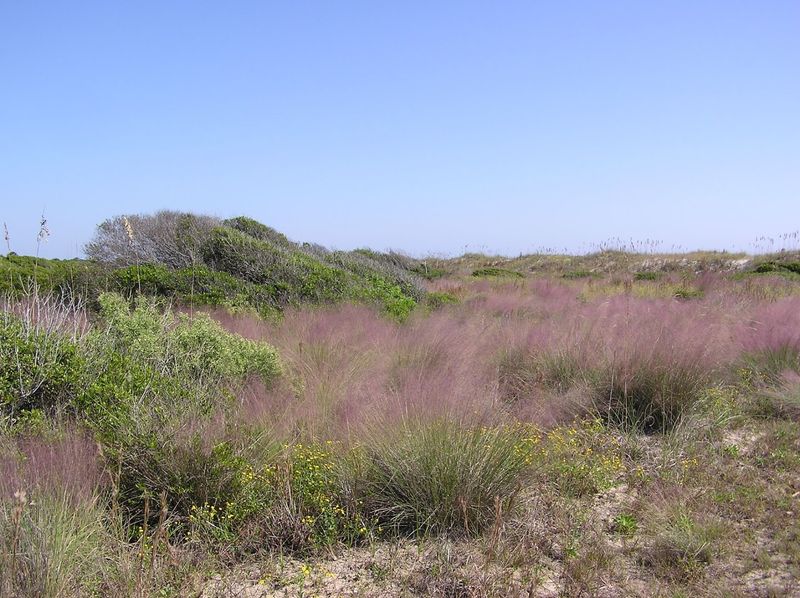
Anglers talk about Capers Island with the kind of enthusiasm usually reserved for secret spots they refuse to share, because the fishing really does live up to the hype. Redfish, flounder, spotted sea trout, and various other species cruise the surf line and tidal creeks in numbers that make catching dinner feel almost guaranteed.
The lack of fishing pressure compared to more accessible beaches means the fish haven’t learned to avoid every lure and bait presentation, so even beginners can hook up regularly. I watched someone land a beautiful red drum right off the beach using basic tackle and fresh shrimp, then release it back to grow bigger.
Timing your fishing around tidal changes produces the best action since moving water activates predators and pushes baitfish into areas where bigger fish can trap them. Creek mouths and deeper channels near the island edges hold fish even during slower periods when the main beach seems quiet.
Bringing a valid South Carolina fishing license is required, and following size and bag limits ensures these productive waters stay healthy for future generations of anglers to enjoy.
School Groups Learn Real Science Here
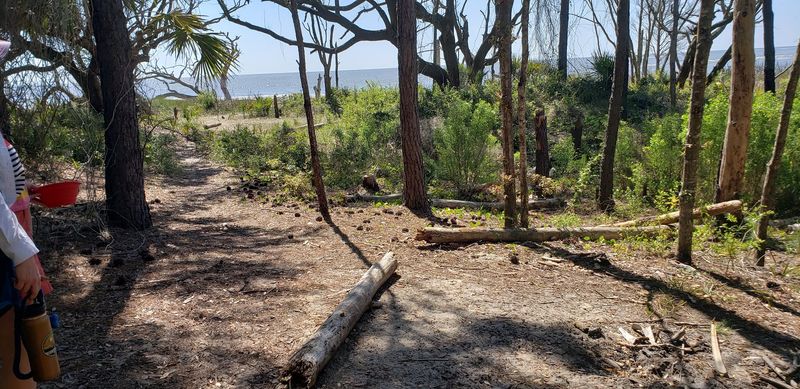
Educational programs bring students to Capers Island for hands-on lessons about coastal ecosystems, marine biology, and barrier island dynamics that no classroom can replicate. Watching kids discover hermit crabs, examine salt marsh grasses, and learn about tidal zones creates the kind of engagement that textbooks never achieve.
One review mentioned a school trip where students boarded a big boat, examined crabs during the crossing, explored the island, and grilled lunch on the beach despite some burnt burgers causing drama. These imperfect moments often become the memories that stick with students long after test scores fade, connecting them to nature through direct experience.
Teachers appreciate how the island serves as a living laboratory where scientific concepts become concrete and observable rather than abstract ideas to memorize. I’ve seen groups gathered around tidal pools, notebooks out, sketching organisms and asking questions that show genuine curiosity sparked by being in the actual environment.
The fact that students consistently rate these trips positively despite discomforts like getting wet or dealing with bugs suggests the experience delivers something valuable that transcends typical field trip complaints about being bored or uncomfortable.
Sunset Views Make The Journey Worth It
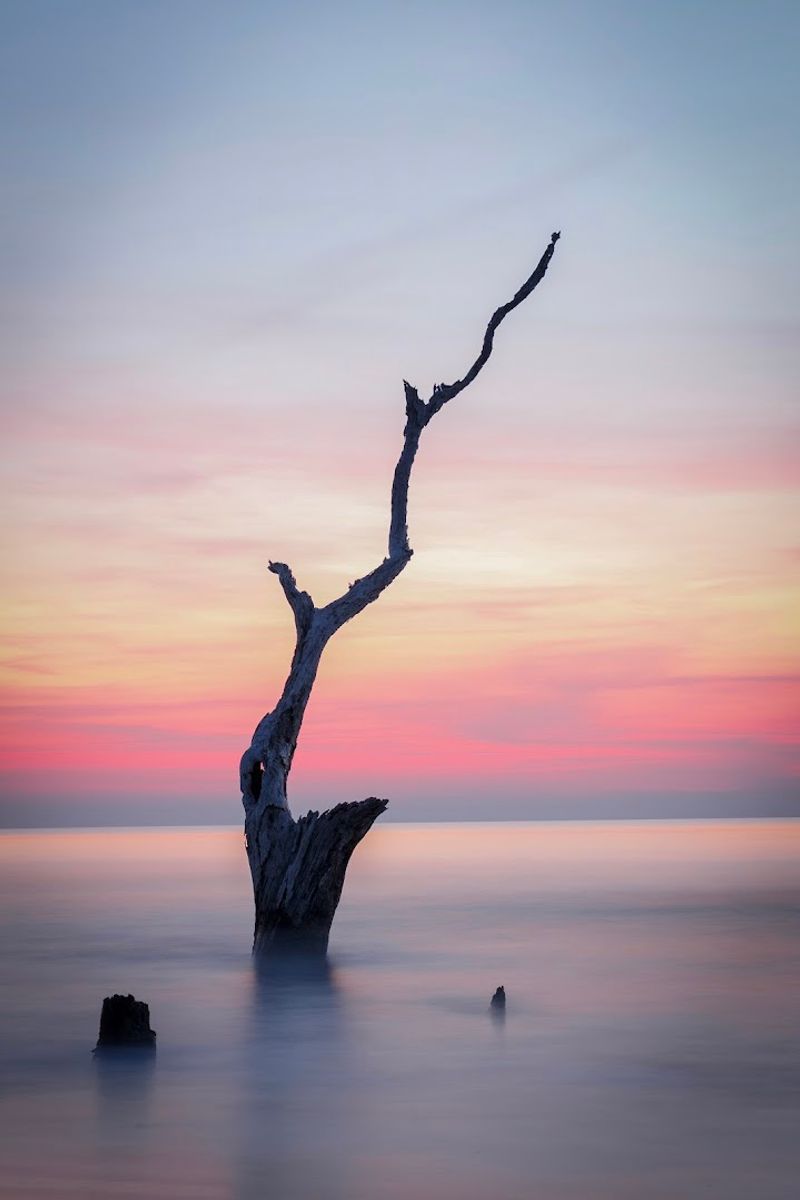
Evening light transforms Capers Island into something almost magical as the setting sun paints the sky in colors that seem too vibrant to be real. The lack of artificial lights or buildings means nothing competes with the natural show happening overhead and reflecting off the wet sand.
I’ve watched the sun sink below the horizon while dolphins surfed the last waves of the day and pelicans glided past in formation, creating a scene so perfect it felt staged. The temperature drops just enough to make the breeze comfortable, and the bugs even seem to take a break during that golden hour before darkness falls completely.
Photographers and casual visitors alike find themselves stopping whatever they’re doing to watch the display, cameras out or simply standing still to soak in the moment. The best sunsets happen when scattered clouds catch the light and create layers of color stretching across the entire western sky.
Timing your departure to leave just after sunset means paddling back in twilight, which requires headlamps and careful navigation but rewards you with stars emerging overhead and bioluminescence sparkling in your paddle strokes.