
This South Carolina Destination Is Filled With Remarkable Historical Firsts
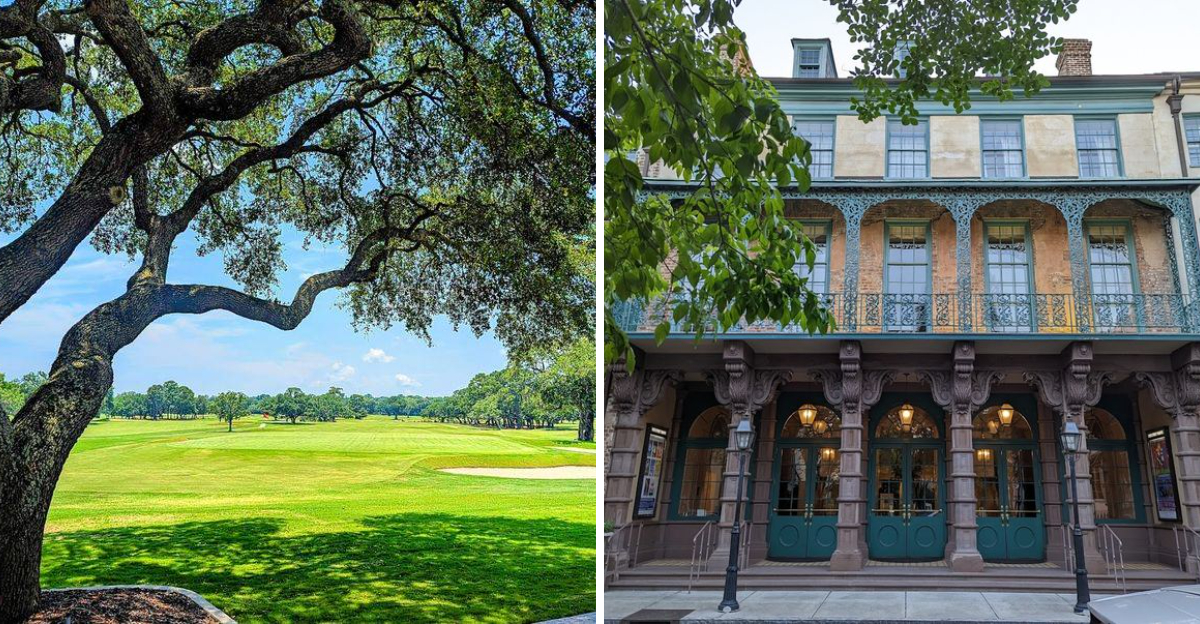
Few cities in South Carolina have influenced American history as deeply as Charleston.
Most visitors do not realize just how much happened here.
The colorful houses, horse-drawn carriages, and charming cobblestone streets make it easy to fall in love with Charleston’s beauty. What often surprises people is that many of those same streets witnessed events that helped shape the United States itself.
That is what makes Charleston different.
It is not a city that simply preserves history.
It is a city that made history.
Generations of leaders, inventors, soldiers, educators, and visionaries left their mark here, creating a legacy that extends far beyond South Carolina’s borders.
The architecture is stunning.
The atmosphere is unforgettable.
And around almost every corner, there is a story worth telling.
That combination of beauty and significance is what continues to draw visitors from around the world and why Charleston remains one of the most fascinating destinations in the American South.
Fort Sumter: Where The Civil War Began
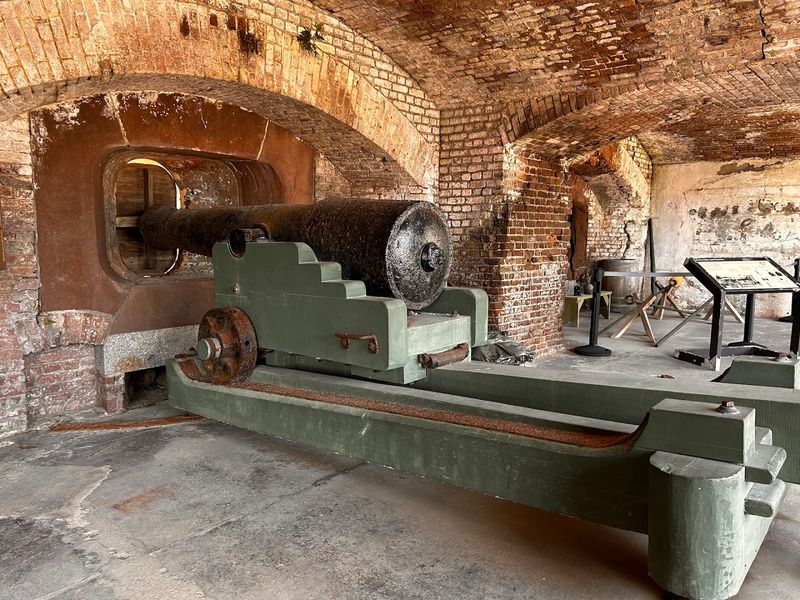
On April 12, 1861, the first shots of the American Civil War were fired at Fort Sumter, a federal military stronghold sitting in the middle of Charleston Harbor.
That single moment changed the entire nation, and today you can take a ferry from Liberty Square to stand on the very ground where it all started.
The fort, managed by the National Park Service, sits at 340 Concord St, Charleston, SC 29401, and the boat ride out gives you a stunning view of the harbor before you even arrive.
Rangers lead informative tours that bring the tension of those early war days back to life in a way that textbooks simply cannot match.
Standing inside those weathered brick walls, looking out at the water and the skyline beyond, I felt the full weight of how one morning in Charleston set off years of national conflict.
America’s First Public College
Long before most American cities had even thought about higher education, Charleston was already sending students to class.
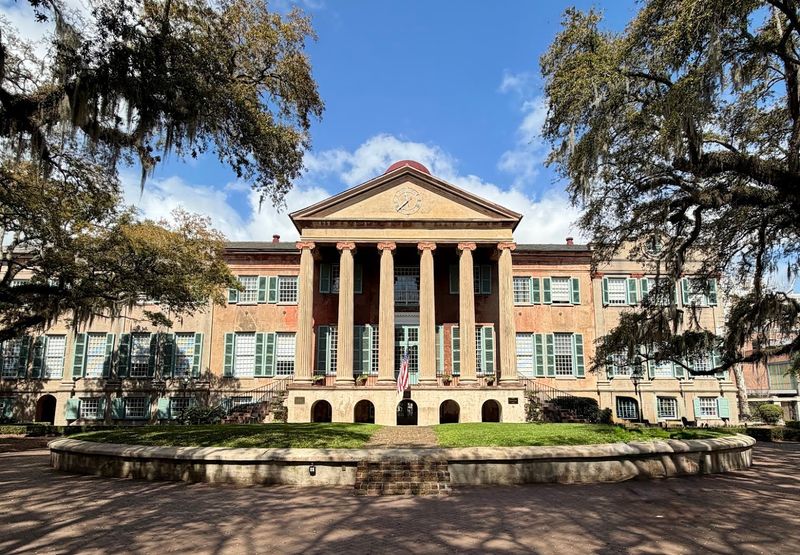
The College of Charleston, founded in 1770, holds the title of the oldest municipal college in the United States, making it one of the most quietly remarkable institutions in the country.
Walking through its campus feels like strolling through a different era, with Greek Revival buildings and moss-draped oaks framing pathways where students have carried their books for over 250 years.
The college sits in the heart of the city at 66 George St, Charleston, SC 29424, making it easy to include in any walking tour of downtown.
What strikes me most is how naturally the historic campus blends into the surrounding neighborhood, with coffee shops and bookstores just steps away from lecture halls that have heard generations of academic debate.
It is a living campus that breathes history with every semester.
The First Submarine To Sink An Enemy Ship

Few stories from the Civil War are as fascinating as the tale of the H.L. Hunley, the Confederate submarine that became the first in history to sink an enemy warship.
On February 17, 1864, the Hunley attacked the USS Housatonic in Charleston Harbor, cementing its place in naval history forever.
The actual recovered vessel is now preserved at the Warren Lasch Conservation Center, 1250 Supply St, North Charleston, SC 29405, where scientists continue studying it to this day.
Seeing the Hunley up close is genuinely jaw-dropping because it looks impossibly small for something that changed the course of military technology.
The crew of eight powered it manually by turning a hand crank, and the cramped interior makes you immediately respect the courage it took to climb inside.
I left the conservation center with a completely new appreciation for how bold and inventive wartime engineering could be, even under desperate circumstances.
The Birthplace Of American Golf
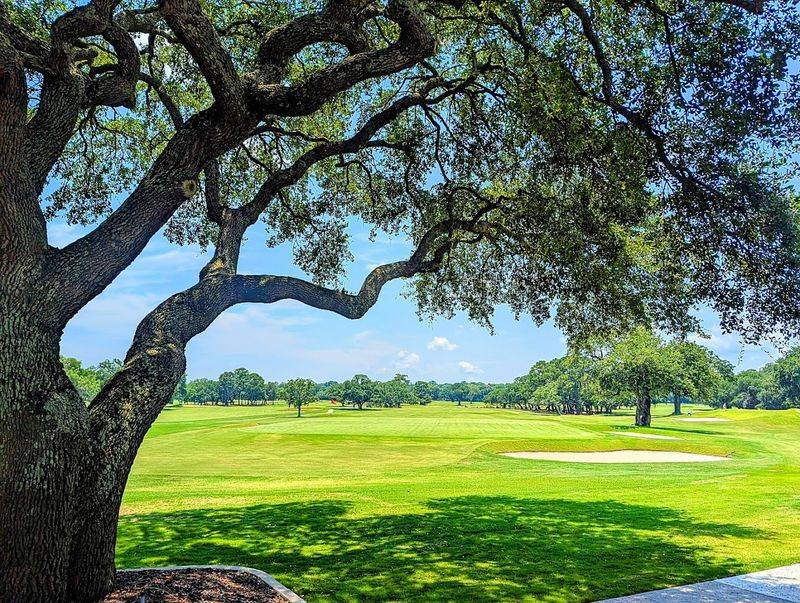
Here is a fact that tends to surprise people: the first golf club in America was established in Charleston in 1786, making the city the official birthplace of American golf.
The South Carolina Golf Club predates many of the country’s most storied sporting traditions, and it proves that Charlestonians have always had a refined taste for leisure alongside their love of history.
While the original club no longer operates in its earliest form, the legacy lives on in Charleston’s culture and in the broader national sport it helped launch.
The city has continued to embrace golf, with courses scattered throughout the surrounding Lowcountry landscape that offer gorgeous rounds among marshes and maritime forests.
I found it genuinely amusing to think that somewhere in this city’s elegant past, a group of well-dressed colonists decided that what America really needed was a good golf game, and history agreed with them completely.
America’s First Museum
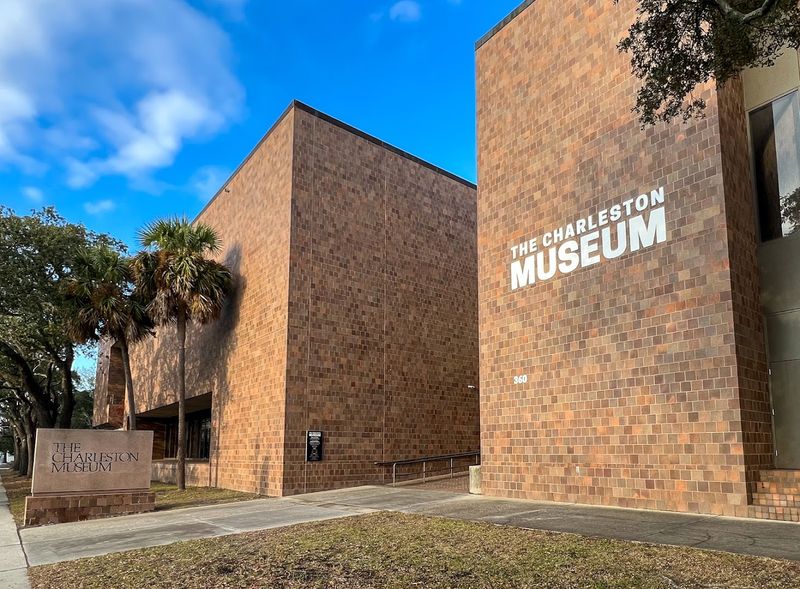
Opened in 1773, the Charleston Museum proudly holds the title of the oldest museum in the United States, predating the nation itself by three years.
That fact alone makes a visit feel like something more than just a casual afternoon out, because you are walking into an institution that has been collecting and preserving American history longer than America has officially existed.
Located at 360 Meeting St, Charleston, SC 29403, the museum covers everything from natural history and decorative arts to the cultural heritage of the Lowcountry region.
The exhibits on local Native American history and colonial-era life are particularly well done, offering context that helps you understand the city’s complicated and layered past.
I spent a solid two hours inside and still felt like I had only scratched the surface of what the collection holds.
For a destination that already overflows with history on every street corner, having the country’s oldest museum feels almost too fitting.
First City In America To Celebrate Passover
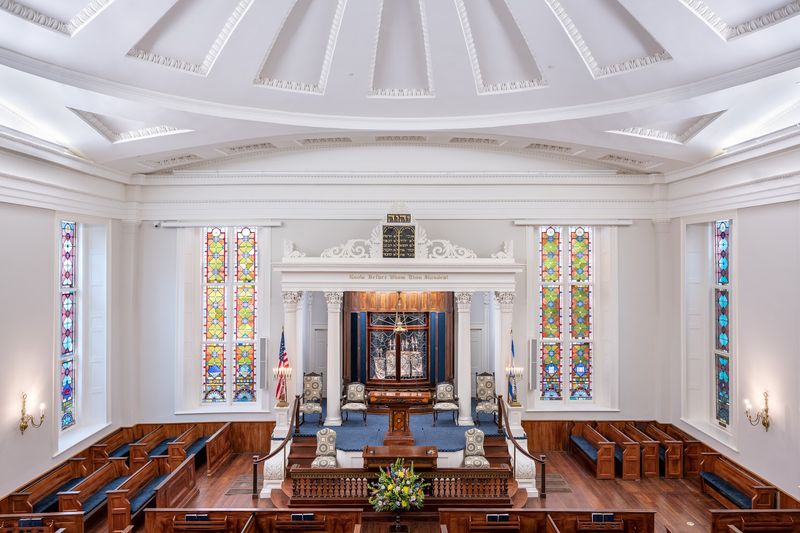
Charleston holds a deeply significant place in Jewish American history, and one of its most notable distinctions is being home to one of the earliest and most influential Jewish communities in the country.
Kahal Kadosh Beth Elohim, founded in 1749 and located at 90 Hasell St, Charleston, SC 29403, is the oldest continuously active synagogue in the United States and the birthplace of American Reform Judaism.
The congregation is credited with hosting some of the earliest Passover Seder celebrations in American history, giving the city yet another remarkable cultural first.
The current Greek Revival building, completed in 1840, is a National Historic Landmark and genuinely one of the most beautiful structures in the entire city.
I visited on a quiet weekday morning and found the sanctuary serene, elegant, and full of a quiet dignity that reflects over two centuries of continuous worship.
Few places carry that kind of unbroken living tradition so gracefully.
The First Fire Insurance Company In America
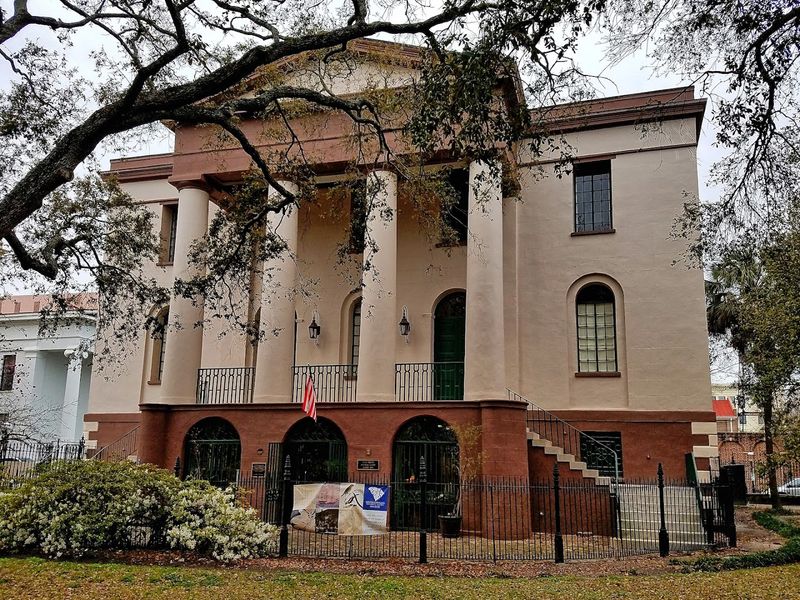
Charleston has the unusual distinction of being the city where fire insurance in America was essentially born, thanks to a combination of devastating fires and the determined ingenuity of its residents.
The Friendly Society for the Mutual Insuring of Houses Against Fire was established in Charleston in 1735, making it the first fire insurance company in the American colonies.
The city also built the nation’s first fireproof building, now known simply as the Fireproof Building, completed in 1827 and located at 100 Meeting St, Charleston, SC 29401.
Architect Robert Mills, who also designed the Washington Monument, created a structure so resistant to fire that it successfully protected irreplaceable public records through multiple city-wide blazes.
Seeing it standing confidently on Meeting Street, surrounded by buildings that were not always so lucky, gives you a real sense of how much practical problem-solving shaped Charleston’s architectural identity.
Resilience, it turns out, can also be beautiful.
First Opera Performance In America
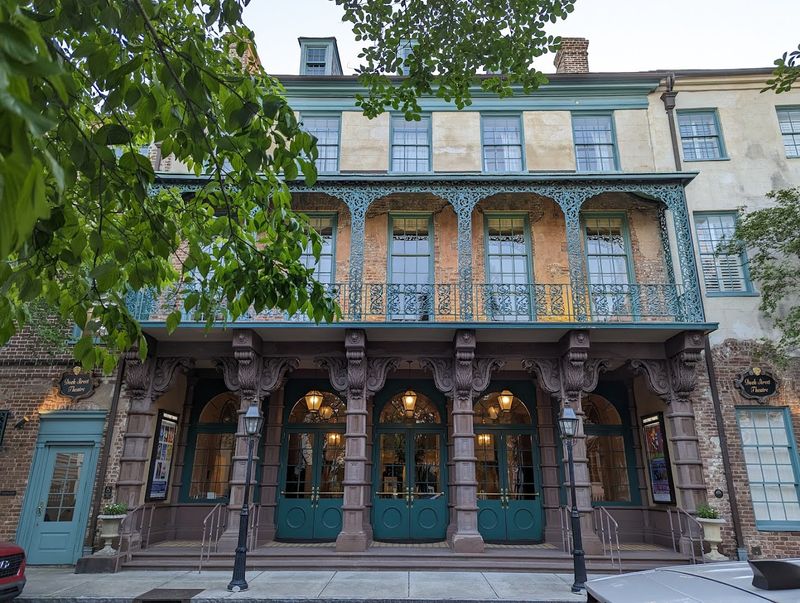
In 1735, Charleston became the site of the first opera performance in America when Flora, or Hob in the Well was staged at the Courtroom on Church Street, making the city an unlikely pioneer of the performing arts.
That tradition of cultural ambition continues today at the Dock Street Theatre, one of the oldest theater buildings in the country, located at 135 Church St, Charleston, SC 29403.
The current building, a beautifully restored Georgian-style structure, hosts performances year-round and carries the spirit of that original 1735 performance in every show it stages.
I caught an evening performance there on my last visit and was struck by how the setting adds a layer of atmosphere that modern venues simply cannot manufacture.
The carved wooden details, the intimate seating, and the soft glow of the interior make every performance feel like a genuine occasion rather than just a night out.
Charleston has always known how to put on a show.
The First Formally Landscaped Garden In America
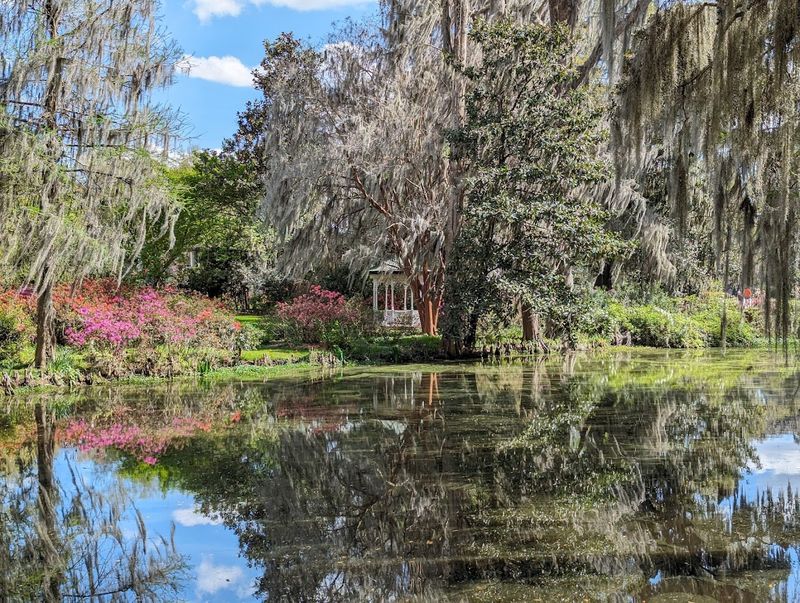
Just outside the city, Magnolia Plantation and Gardens holds the title of the oldest public garden in America, welcoming visitors since 1676 and offering some of the most breathtaking natural scenery in the entire Southeast.
Located at 3550 Ashley River Rd, Charleston, SC 29414, the garden spreads across a landscape of ancient oaks, flowering azaleas, and mirror-still ponds that feel almost too picturesque to be real.
The plantation was founded by the Drayton family and has remained in family ownership for over 300 years, which adds a layer of personal history to the already remarkable setting.
Spring visits are particularly spectacular when thousands of azaleas bloom simultaneously, turning the garden into a wash of pink, red, and white that photographers absolutely cannot resist.
I spent an entire morning wandering the trails without once feeling like I had seen everything, which is the mark of a truly exceptional garden.
Nature and history rarely combine this well.
The Battery: A Promenade With A Storied Past
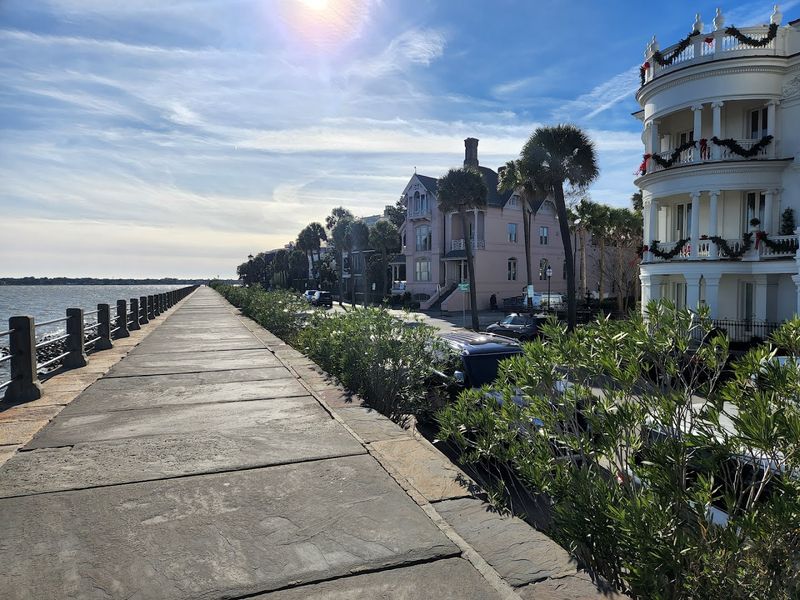
Few places in Charleston pack as much history into a single stroll as the Battery, the elegant waterfront promenade at the southern tip of the peninsula where the Ashley and Cooper Rivers meet Charleston Harbor.
The area served as a military fortification during multiple wars, and the cannons and monuments still standing in White Point Garden are physical reminders of how strategically important this stretch of coastline has always been.
Walking the promenade, I was flanked on one side by the harbor and on the other by some of the most stunning antebellum mansions I have ever seen, their pastel facades and piazzas practically glowing in the afternoon light.
On a clear day, you can see Fort Sumter from the seawall, which gives the whole walk an extra layer of historical weight that sneaks up on you quietly.
The Battery is the kind of place where you plan to spend twenty minutes and end up staying for two hours without any regrets at all.