
This South Carolina Island Is A Paradise For Seashell Hunters
Some South Carolina beaches make you fight for a parking spot. Hunting Island makes you wonder where everyone else went.
This wildly beautiful barrier island feels like the kind of place people spend years searching for. The beaches stretch for miles.
The crowds stay surprisingly light. And every walk along the shoreline feels like a treasure hunt waiting to happen.
Shells scatter across the sand in every direction. Shark teeth appear where the waves retreat.
Sand dollars seem to hide in plain sight. It is the kind of beach where people start out taking a short walk and end up wandering for hours.
But the shells are only part of the story.
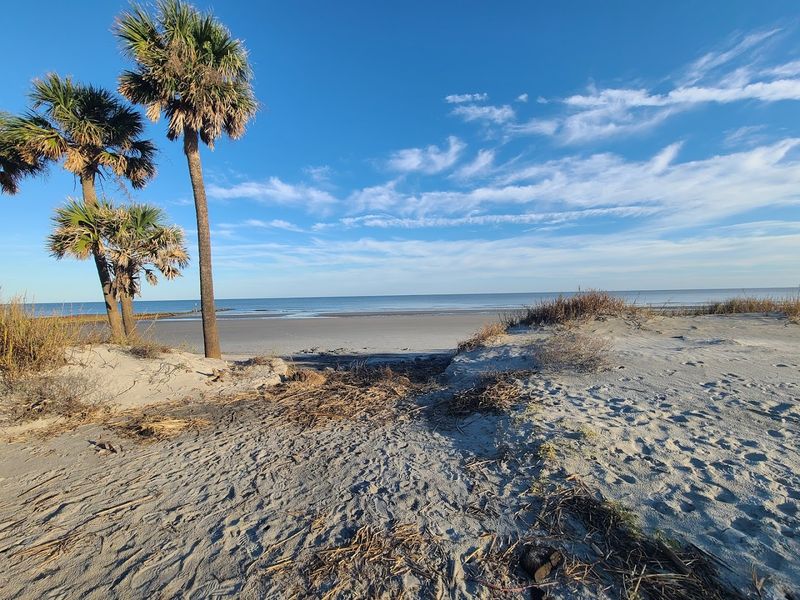
Towering palmettos line the coast. Salt marshes shimmer in the distance.
Wading birds patrol the shoreline while dolphins occasionally surface offshore. The scenery feels wild, untamed, and wonderfully untouched.
For beach lovers, wildlife watchers, and anyone craving a quieter side of the South Carolina coast, Hunting Island feels less like a state park and more like a secret coastal paradise that somehow escaped the crowds.
Seashells Are Everywhere You Look
Most beaches tease you with the occasional shell fragment. Hunting Island is different because the shoreline genuinely delivers, with sand dollars, whelks, olive shells, and clam shells appearing in impressive numbers after every tide cycle.
I remember crouching down near the waterline and spotting three sand dollars within arm’s reach of each other, which felt almost too good to be true. The wide, gently sloping beach gives the shells plenty of room to settle rather than getting swept back out immediately.
Low tide is your best friend here because the exposed wet sand reveals shells that would otherwise stay hidden under a thin layer of water. Serious collectors tend to arrive early in the morning before other visitors get a chance to scoop up the good finds.
A small mesh bag or a reusable tote is all you really need to start building a respectable collection during a single visit.
Shark Teeth Are A Real And Exciting Find
Finding a shark tooth on the beach feels like stumbling onto a tiny piece of prehistoric history, and Hunting Island gives you a genuinely good shot at doing exactly that. Reviewers who have visited the park consistently mention spotting shark teeth along the shoreline, which makes it a standout destination for fossil hunters as well as shell collectors.
The teeth tend to be small and dark in color because they are fossilized, meaning they have been in the sediment for thousands of years before washing ashore. Scanning the wet sand near the tide line with a slow, patient eye is the most effective strategy, and many visitors find success by going during or just after low tide.
Kids absolutely love the thrill of the hunt, and even adults find it surprisingly addictive once they spot their first tooth. Bringing a small magnifying glass can help you distinguish a shark tooth from a similarly shaped shell fragment.
The Famous Boneyard Beach Is Unlike Anything Else
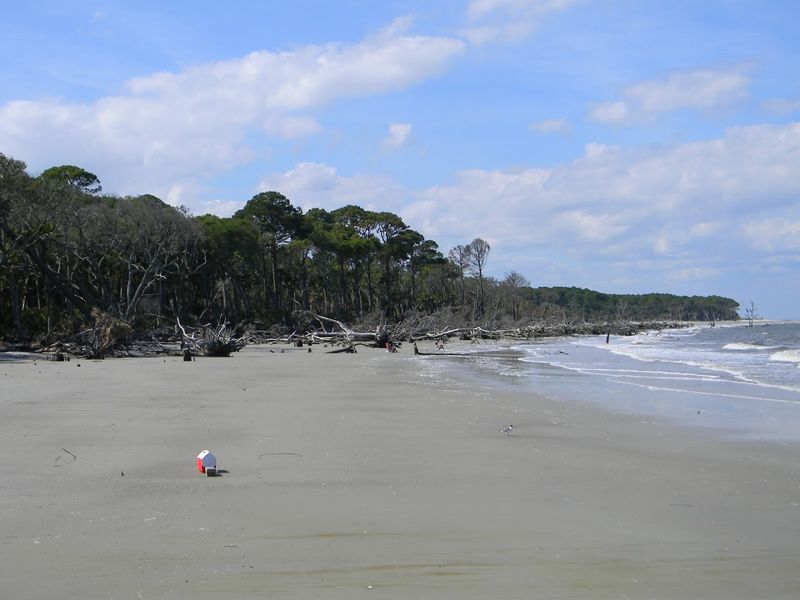
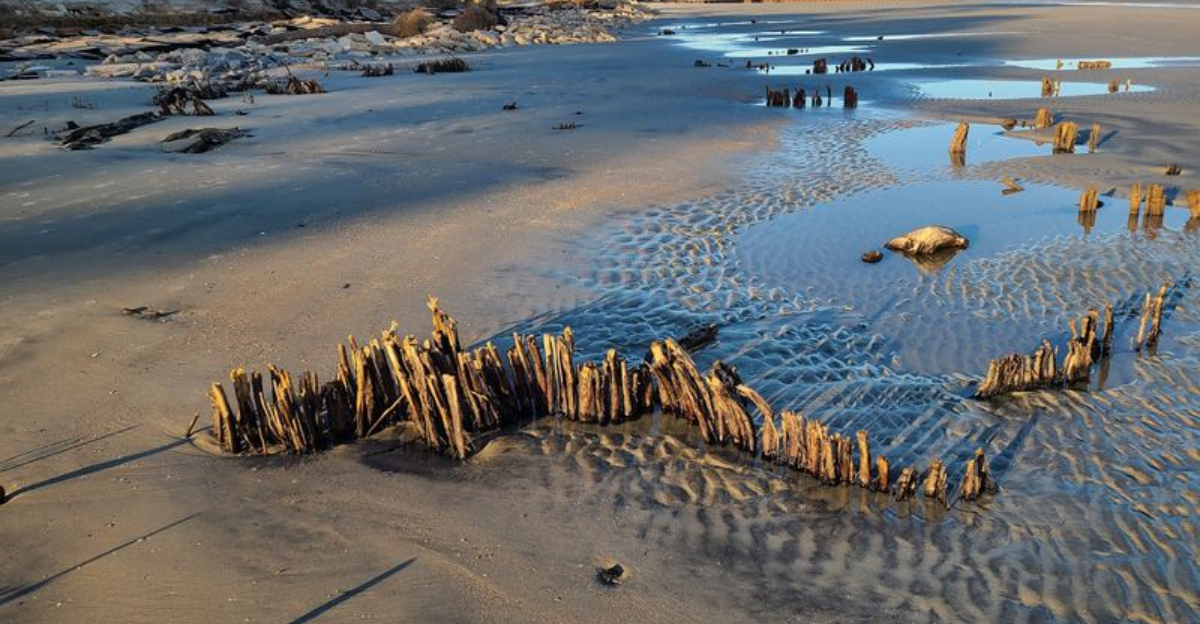
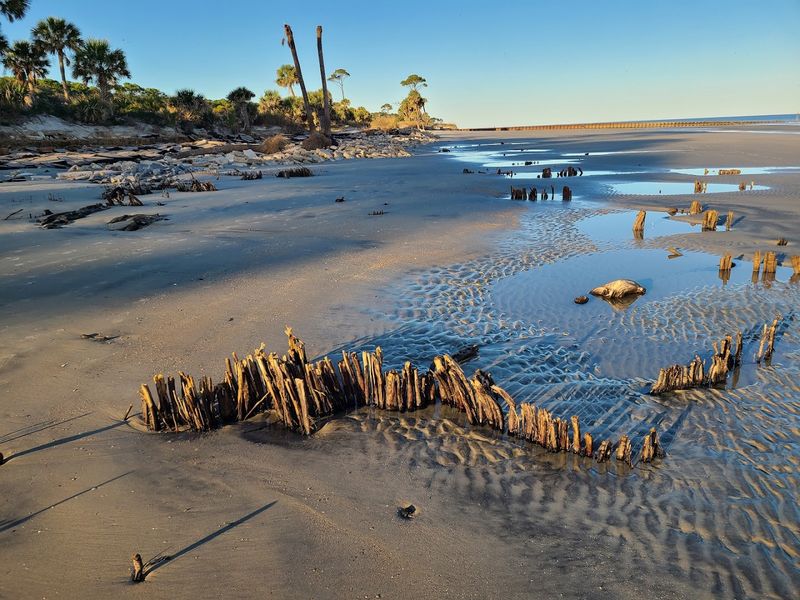
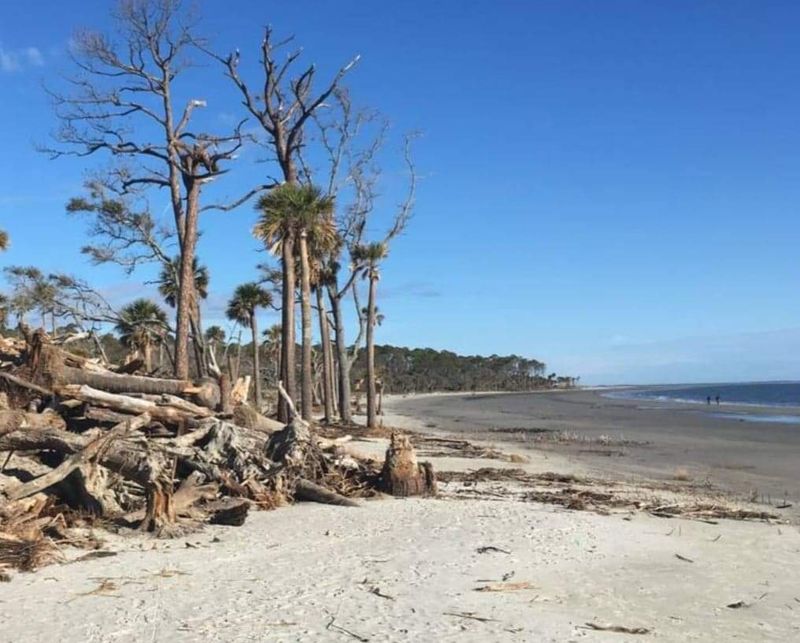
Nothing quite prepares you for your first look at Boneyard Beach. The skeletal remains of ancient trees stand directly in the surf, their pale, sun-bleached trunks rising out of the water like something from a surreal painting.
This eerie and beautiful landscape formed because the shoreline has been slowly eroding over time, swallowing the maritime forest that once stood well inland. The result is a stretch of beach that looks completely unlike any other coastline I have personally seen in the southeastern United States.
Photographers make special trips just for this spot, and it is easy to understand why once you see the contrast between the ghostly white wood and the deep blue Atlantic. The walk from the main pier parking area to Boneyard Beach takes a bit of effort, but every reviewer who has made the trek describes it as absolutely worth the extra steps.
Sunrise and sunset light turn the whole scene golden and unforgettable.
The Historic Lighthouse Is A Must-See Landmark
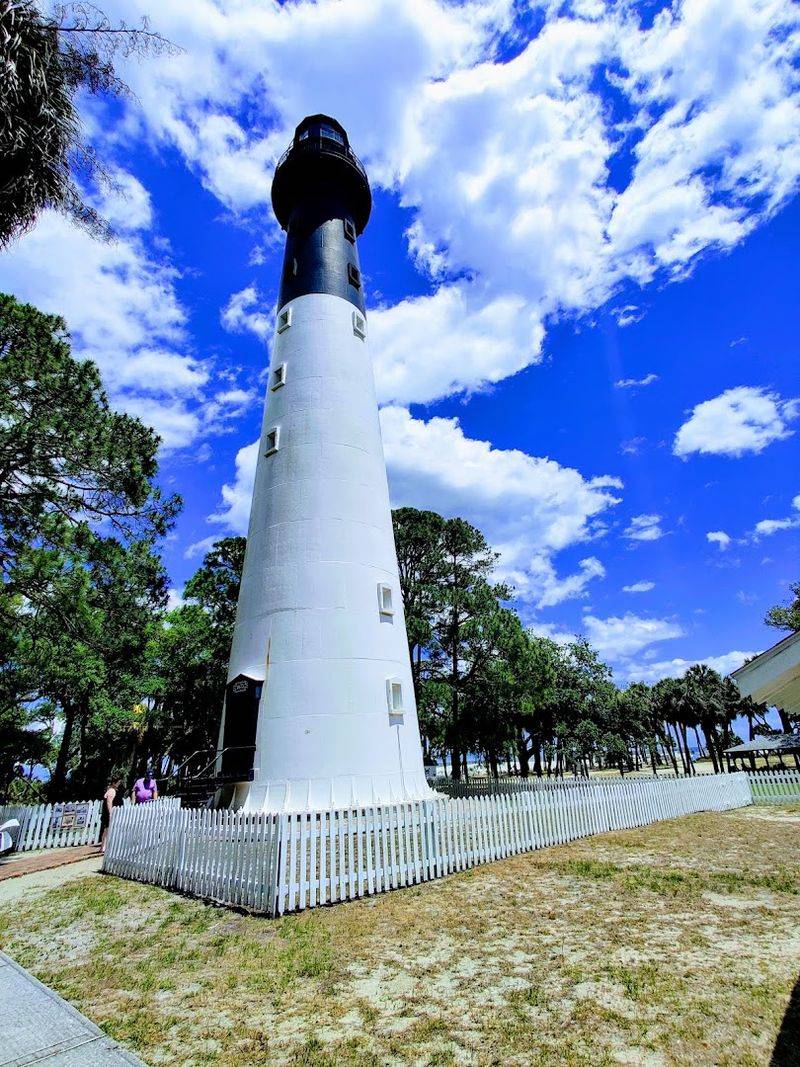
Standing at 136 feet tall, the Hunting Island Lighthouse is one of the most recognizable structures on the South Carolina coast and the only publicly accessible lighthouse in the entire state. It was first lit in 1875 and has been guiding ships through the tricky waters off the Beaufort coast ever since.
Climbing the spiral staircase inside rewards you with a sweeping panoramic view of the island, the Atlantic Ocean, and the surrounding marshlands that is genuinely hard to describe without sounding like you are exaggerating. The lighthouse is surrounded by a small gift shop and a picnic area, making it a natural gathering point for families visiting the park.
One fun detail I noticed is that the lighthouse was actually designed to be disassembled and moved, which it was in 1889 when erosion threatened its original location. That kind of clever 19th-century engineering still impresses visitors today, and the structure looks as solid and striking as ever.
Dolphin Sightings Are Surprisingly Common
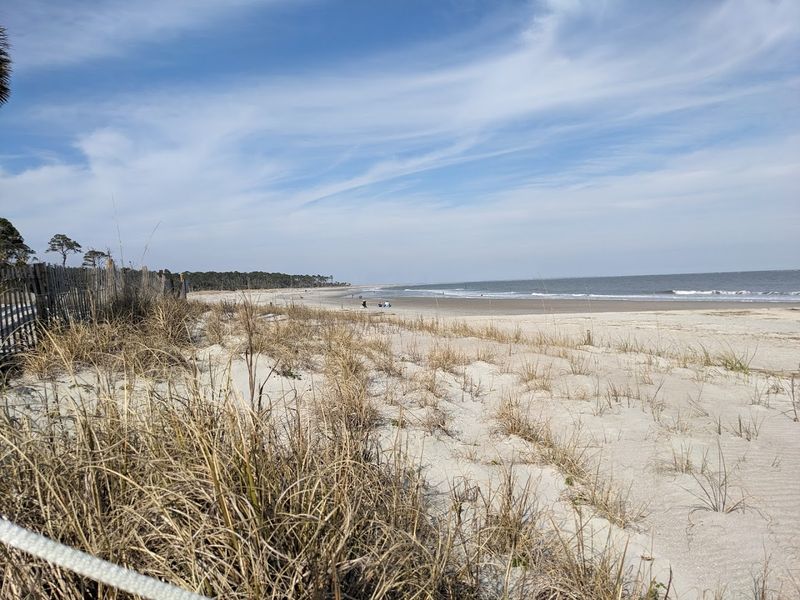
One of the quieter joys of walking the beach at Hunting Island is the very real chance of spotting dolphins playing just offshore. Multiple visitors have noted seeing dolphins in the waters around the island, and the park’s relatively uncrowded shoreline seems to keep the marine life comfortable enough to stay close.
I watched a small group of bottlenose dolphins arc through the water about fifty yards from where I was standing, and the moment felt completely unscripted and magical. Unlike aquarium encounters, seeing dolphins in their natural habitat carries a completely different kind of weight, especially when you are not expecting it.
The fishing pier is another excellent vantage point for dolphin watching because the elevated platform gives you a clearer view of the water’s surface. Early morning and late afternoon tend to be the most active times for marine wildlife near the shoreline.
Bringing a pair of binoculars is a simple upgrade that makes these moments even more rewarding.
The Maritime Forest Trail Feels Like Another World
Stepping off the beach and into the maritime forest at Hunting Island feels like switching channels on the entire sensory experience of the island. The canopy closes in overhead, Spanish moss drapes from ancient live oaks, and the air turns noticeably cooler and quieter within just a few steps of the trailhead.
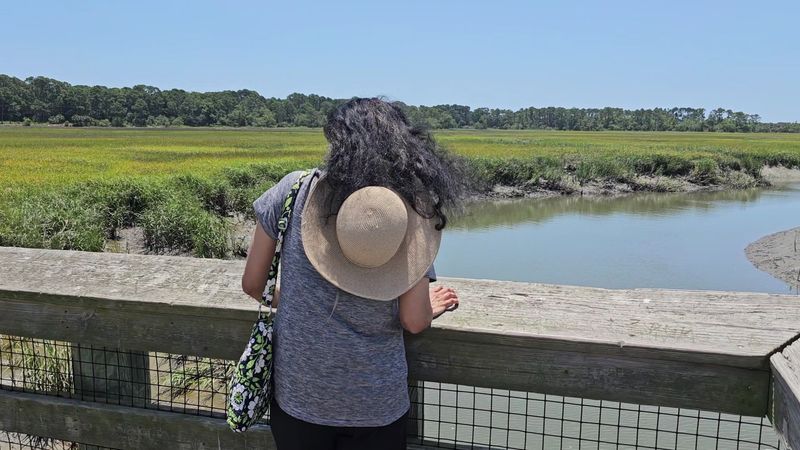
The Maritime Forest Trail runs approximately two miles one way from the southern parking area to the Nature Center, and the terrain is flat and manageable enough for most fitness levels. Along the way you pass through a fascinating mix of ecosystems including salt marsh edges, dense forest sections, and open areas where you can spot wading birds hunting in the shallows.
I saw a river otter slipping through the water near one of the boardwalk sections, which was a completely unexpected highlight of the entire trip. The trail also connects to the ghost forest area at the southern end of the island, where the erosion story becomes visually dramatic all over again.
Sea Turtle Nests Appear Along The Shoreline
Hunting Island is one of those rare coastal destinations where sea turtle nesting activity is common enough that visitors regularly spot protected nests marked along the beach. Loggerhead sea turtles use the island’s wide, undisturbed shoreline as a nesting ground during the warmer months, typically between May and October.
Park staff and trained volunteers monitor the nests carefully and mark them with stakes and tape to protect them from accidental disturbance. Spotting one of these marked nests while shell hunting adds a meaningful layer to the experience because it reminds you that the beach is genuinely shared with remarkable wildlife.
If you are lucky enough to visit during a hatch event, witnessing tiny sea turtles making their way to the ocean is the kind of moment that stays with you for years. The island’s commitment to protecting nesting habitat is one of the reasons the ecosystem here feels so intact and alive compared to more heavily developed beaches along the coast.
The Campground Puts You Steps Away From The Beach
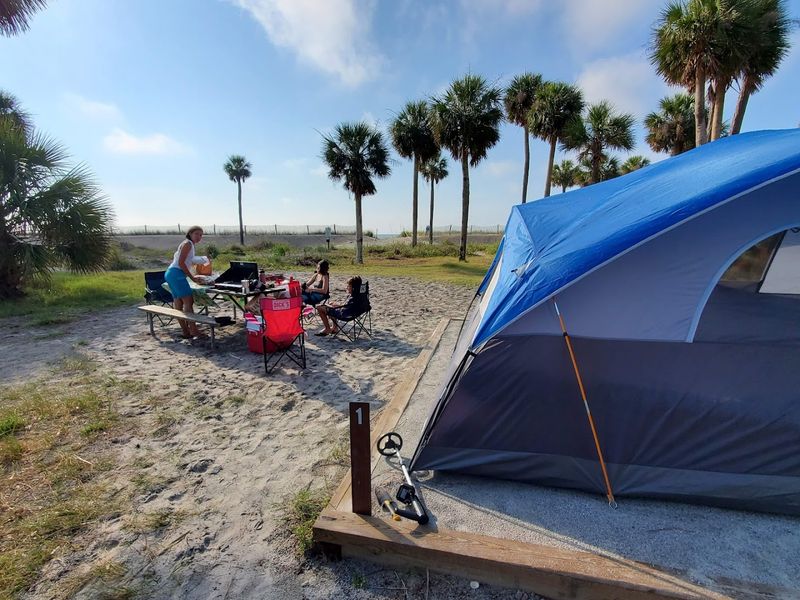
Staying overnight at Hunting Island State Park is one of the best ways to experience the island at its most peaceful, and the campground makes that genuinely easy to pull off. The RV sites come equipped with electric and water hookups, fire pits, and picnic tables, and many of them are tucked into heavily wooded sections that feel private and quiet.
Waking up a short walk from the beach with no alarm clock and no traffic noise is the kind of morning that resets your whole perspective on what a vacation can feel like. The campground store carries firewood, ice, and basic supplies, so you do not need to make a long drive for forgotten essentials.
Tent campers and primitive camping enthusiasts also have options here, with sites that back up against more natural areas of the park. Reviewers consistently praise the cleanliness and upkeep of the campground, which makes the whole experience feel well-organized without sacrificing that raw, outdoorsy atmosphere that draws people to state park camping in the first place.
Wildlife Watching Goes Far Beyond The Shoreline
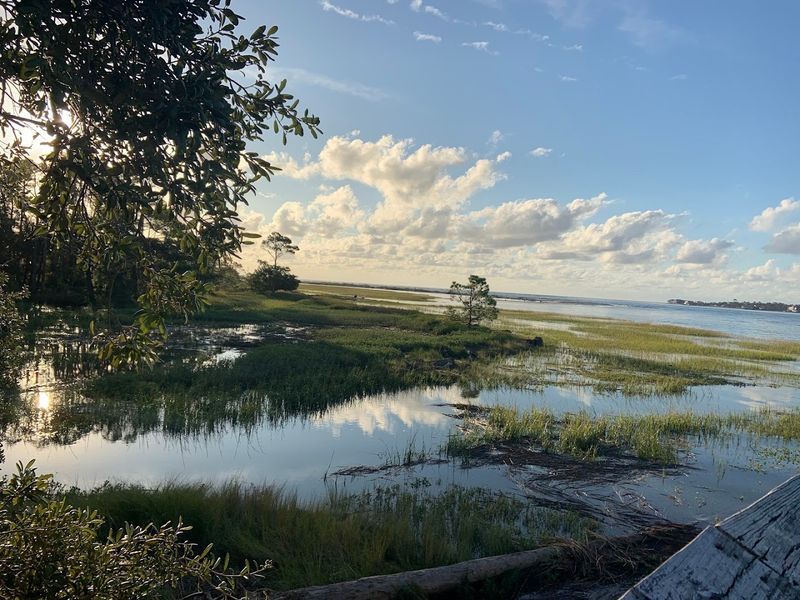
The biodiversity at Hunting Island goes well beyond dolphins and sea turtles, and wildlife enthusiasts who take the time to explore the marsh boardwalks and forest trails are often surprised by what they encounter. Bufflehead ducks, river otters, great blue herons, and a wide variety of shorebirds have all been spotted by visitors exploring the park’s different ecosystems.
The marsh boardwalk sections are particularly productive for birding because the open water and grassy edges attract feeding birds throughout the day. I spent about thirty minutes at one of the boardwalk viewpoints and counted at least six different bird species without moving more than a few feet in either direction.
Horseback riders occasionally appear on the beach as well, which adds another unexpected and charming layer to the experience. The park’s mix of forest, marsh, lagoon, and open beach creates enough habitat variety that almost every visit turns up something new, keeping the wildlife watching experience fresh no matter how many times you return to the island.
The Island Stays Refreshingly Uncrowded
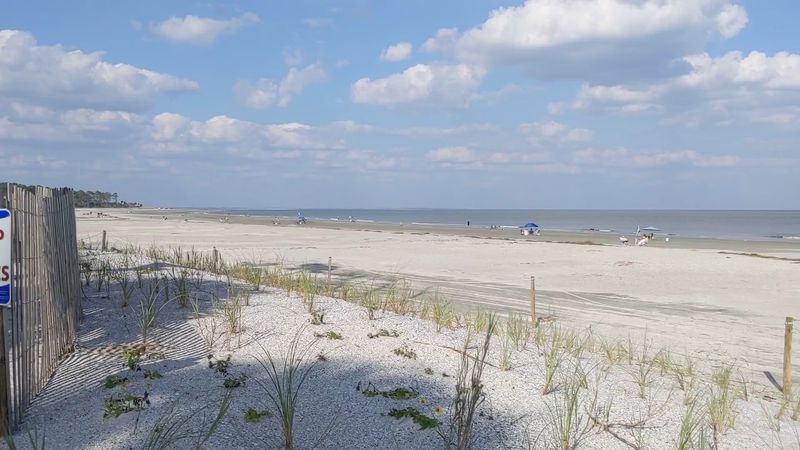
One of the most consistent things reviewers mention about Hunting Island is how uncrowded it feels compared to other popular South Carolina beach destinations. The park limits the number of visitors through controlled parking capacity, which naturally caps the crowd size and keeps the beach feeling spacious and relaxed even during peak travel periods.
I arrived on a weekend morning and still managed to find a stretch of shoreline where I could walk for several minutes without passing another person, which is a genuinely rare experience on the East Coast. That breathing room is a big part of what makes shell hunting here so enjoyable because you are not competing with dozens of other collectors working the same patch of sand.
The park charges a modest admission fee of around eight dollars per person, which helps maintain the facilities and trails in excellent condition. Dogs are welcome on the beach with a leash, making the island a favorite destination for pet owners who want a coastal outing that includes every member of the family.