
This South Carolina Lake Is So Clear, It Feels Like Stepping Into Another World
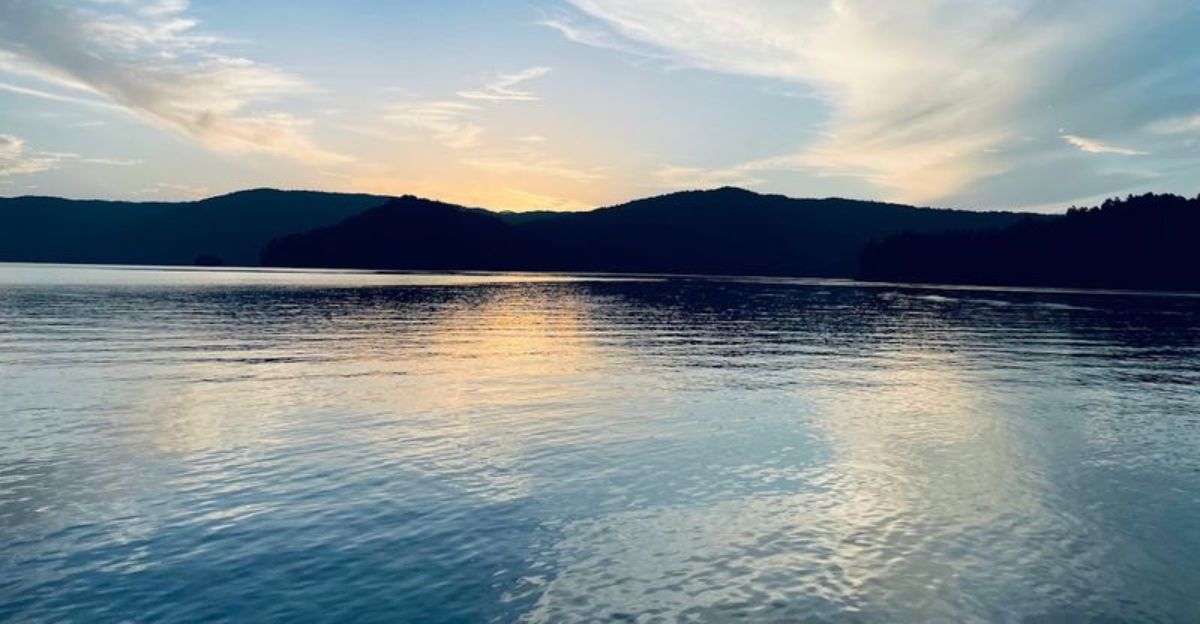
You don’t expect a lake like this to feel so different from everything else in South Carolina, but it does. The drive in builds slowly.
Mountains start to rise, the air shifts, and then the water appears. Clear enough to stop you for a second, just to make sure what you’re seeing is real.
Water this clear isn’t what most people picture in South Carolina, and that’s what makes it stand out immediately. The surface looks calm, but there’s more to it than that.
Hidden waterfalls drop straight into the lake. Depth that goes farther than you expect.
Views that don’t feel crowded or overworked. People don’t rush here.
They take their time, move slower, and stay longer than planned. It’s not just about what you see.
It’s how different it feels once you’re there. And once you experience it, South Carolina starts to look a little less predictable.
Crystal-Clear Water That Defies Expectations
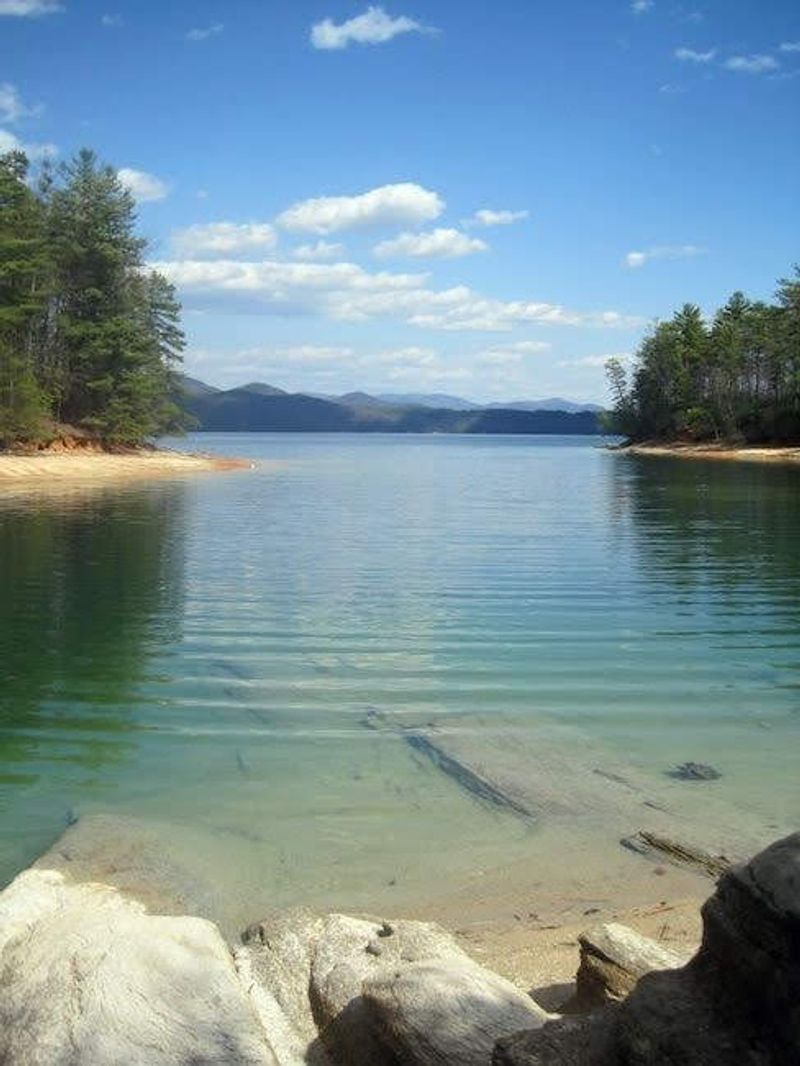
Most lakes in the Southeast look murky and brown, so the first time you peer over the edge of a boat at Lake Jocassee, the shock is real.
The water here is so clear that visitors can see at least 8 feet down on a regular day, and often much deeper when conditions are calm.
Cold Appalachian mountain rivers feed the lake year-round, keeping the water clean, cool, and refreshingly transparent.
That brilliant blue-green color you see in photos is completely natural, shaped by the mountain-fed streams that carry minimal sediment into the reservoir.
Unlike many popular swimming holes that suffer from heavy runoff and pollution, Jocassee has remained remarkably pristine since its creation in 1973.
The visibility underwater makes snorkeling and scuba diving genuinely rewarding here, rather than a murky guessing game.
Swimmers, paddlers, and boaters all agree that the clarity of the water is the single feature that separates Jocassee from every other lake they have visited in South Carolina.
A 7,500-Acre Reservoir With Surprising Depth
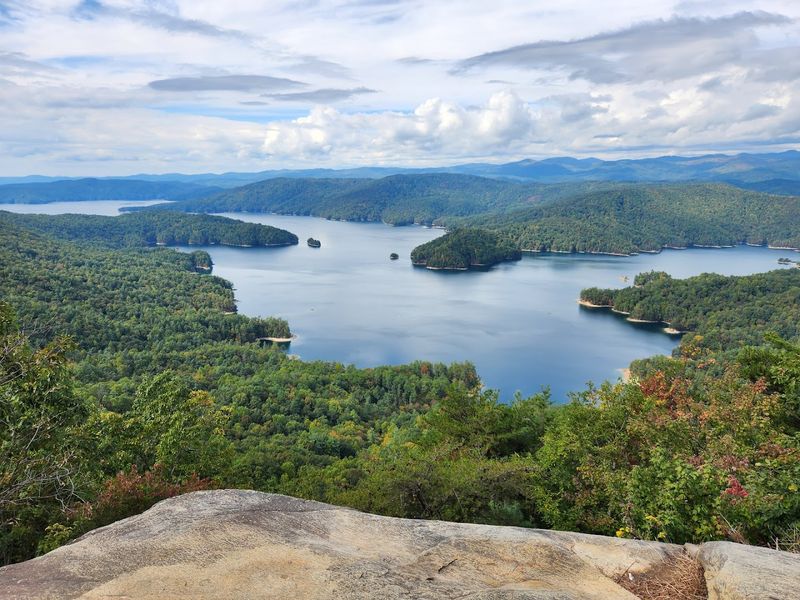
Size can be deceiving, and Lake Jocassee proves that in the most spectacular way possible.
Covering 11.72 square miles and plunging to a maximum depth of around 350 feet, this reservoir is far larger and deeper than most first-time visitors expect when they arrive at the park entrance.
Created in 1973 through a partnership between the state of South Carolina and Duke Power, the lake was formed by flooding a valley in the Blue Ridge Mountains, which is exactly why the surrounding scenery feels so dramatic.
Many kayakers have underestimated the scale of the lake and spent hours searching for waterfalls without finding them, simply because the coves all look similar once you are far from shore.
The sheer volume of water helps maintain that cool temperature that keeps the lake so clear and refreshing even during the hottest summer months.
Knowing the size ahead of time helps visitors plan smarter, whether they are renting a kayak, chartering a boat tour, or simply exploring the shoreline.
Waterfalls That Flow Directly Into the Lake
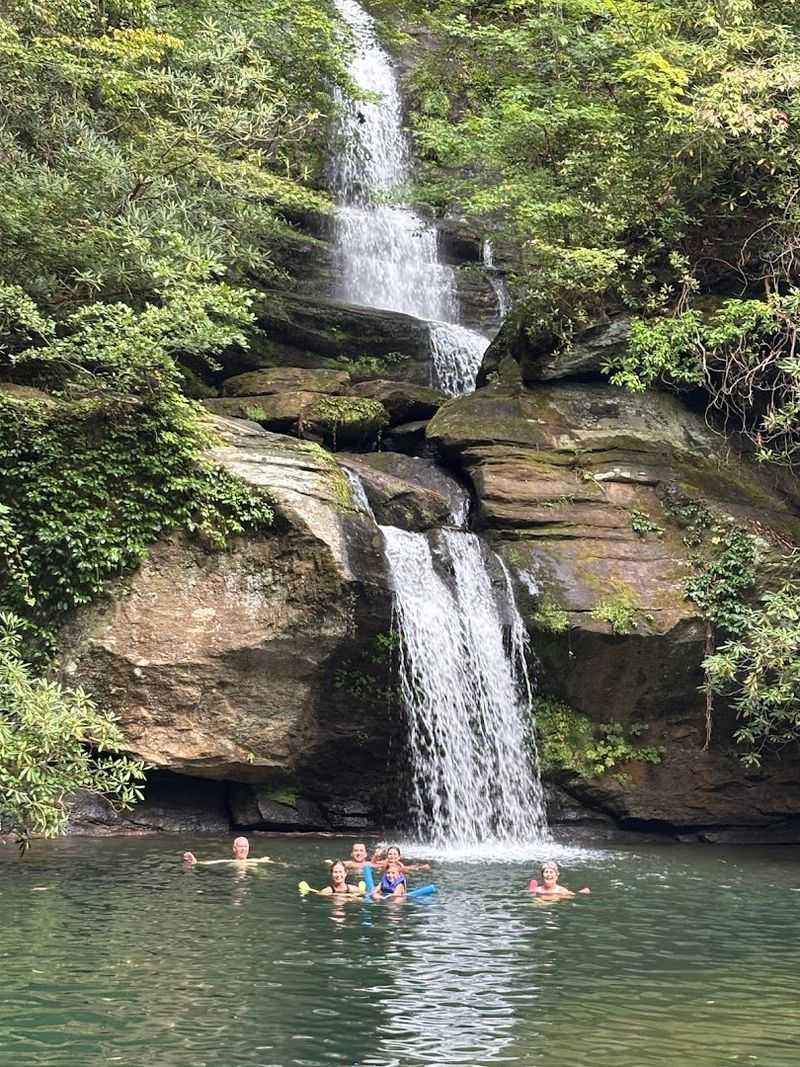
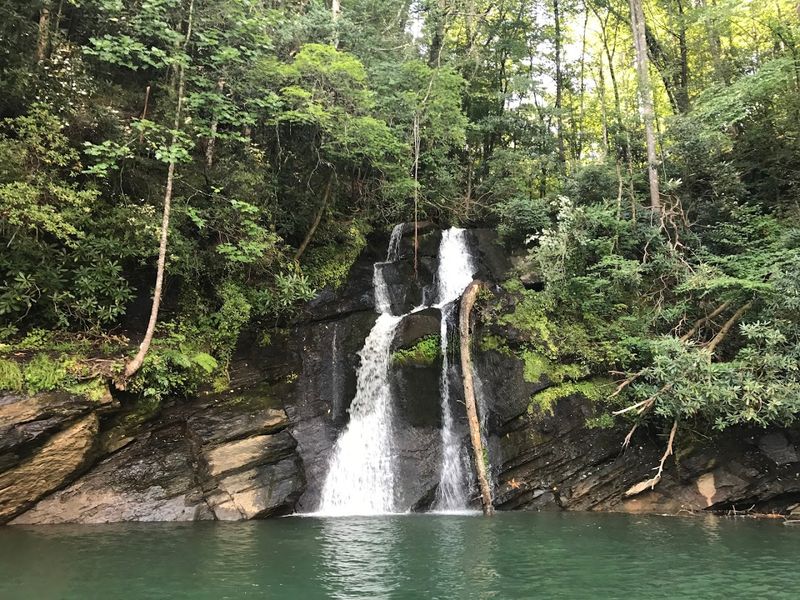
Waterfalls that empty straight into a lake are rare enough to feel almost magical, and Jocassee has several of them tucked along its forested shoreline.
Laurel Fork Falls, Toxaway Falls, and several smaller cascades pour directly into the lake, creating natural destinations that boaters and kayakers can paddle right up to.
Standing beneath one of these falls while floating in clear mountain water is the kind of experience that stays with you long after you drive home.
Reaching most of the waterfalls requires a boat, since they are scattered across the far reaches of the lake and cannot be accessed by foot trail alone.
Guided boat tours through companies like Jocassee Charters make the waterfall hunt easy and enjoyable, especially for first-time visitors who are not familiar with the layout of the lake.
The combination of cool mist, lush green forest, and blue-green water surrounding each waterfall creates a setting that photographers and nature lovers return to again and again.
World-Class Scuba Diving in a Mountain Lake
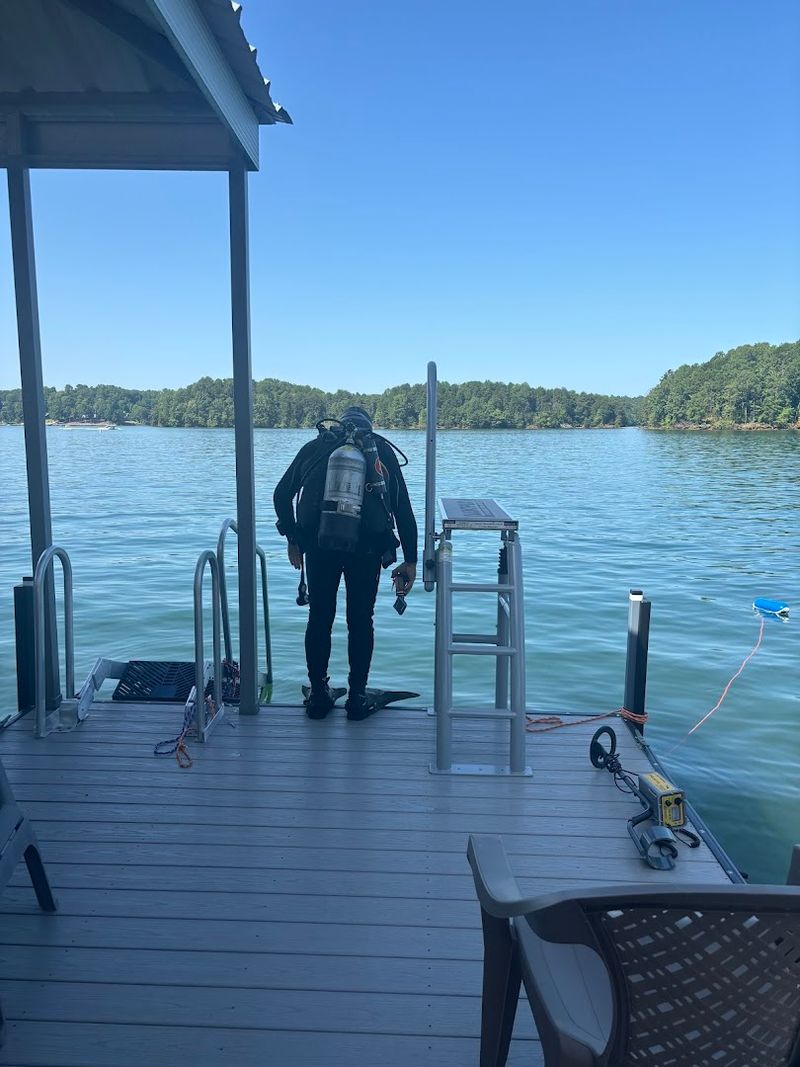
Not many people associate South Carolina mountains with scuba diving, but Lake Jocassee has quietly earned a strong reputation among divers across the region.
Because the valley was flooded when the reservoir was created in 1973, submerged structures, old roads, and trees remain preserved underwater, giving divers a genuinely unique environment to explore.
The exceptional water clarity makes visibility underwater far better than most freshwater diving sites in the eastern United States, which is a major draw for experienced divers.
Water temperatures stay cool even in summer, so a wetsuit is recommended for anyone planning a dive, especially in the deeper sections of the lake.
Several dive shops in the upstate South Carolina area offer guided dives and equipment rentals specifically for Jocassee trips.
The combination of clear water, interesting underwater terrain, and the novelty of diving in a mountain reservoir makes this one of the most talked-about freshwater diving spots in the entire Southeast.
It is a side of the lake that most casual visitors never see, but those who do tend to call it unforgettable.
Cliff Jumping and Adrenaline Spots Around the Shoreline
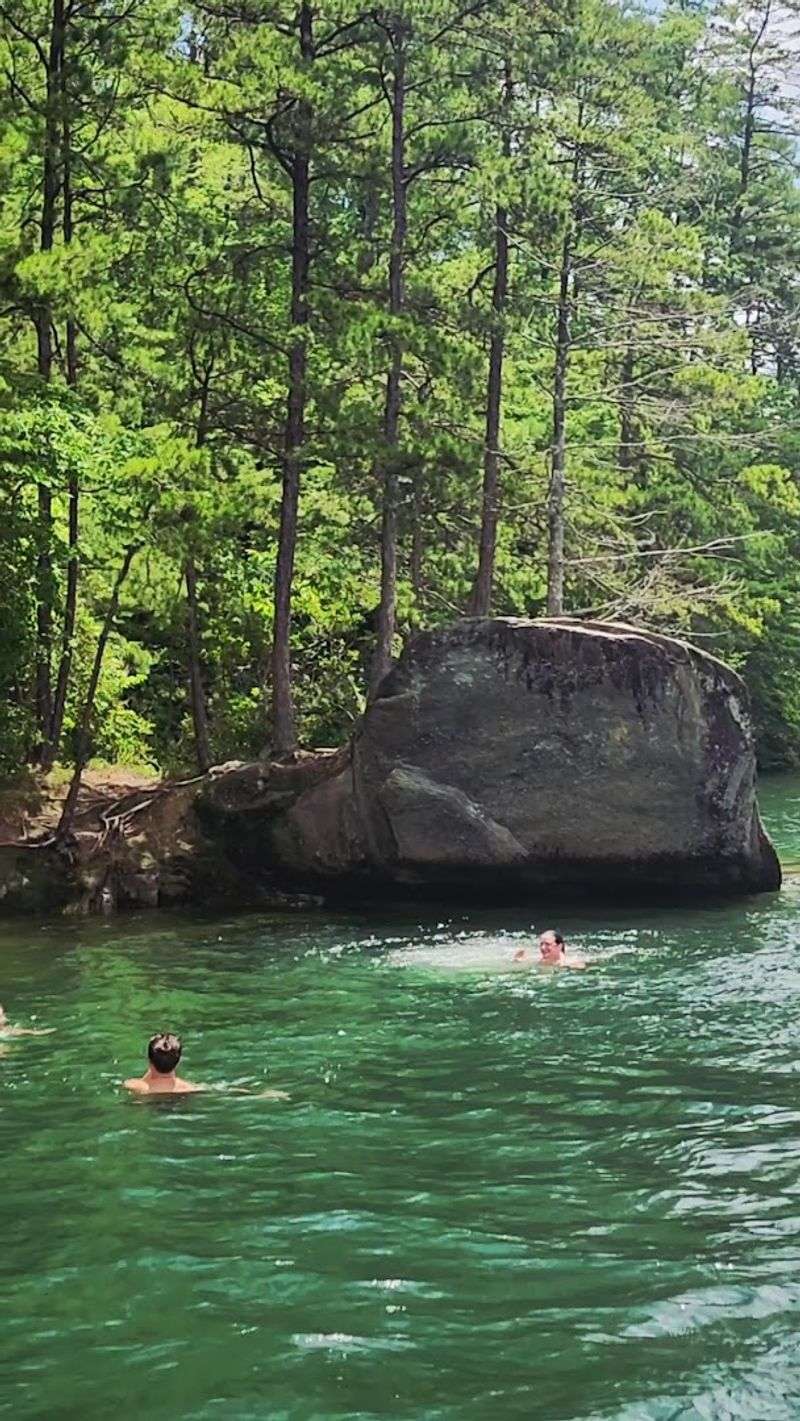
For anyone who loves that stomach-dropping rush of leaping off a ledge into open water, Lake Jocassee delivers in a serious way.
Rocky cliff faces along the shoreline offer jumping spots at various heights, giving both cautious first-timers and thrill-seeking regulars a chance to get some air time over the clear blue-green water below.
Some of the more popular waterfall areas also feature rocks and ledges that visitors can climb and jump from, adding an extra layer of adventure to an already exciting day on the water.
Safety is worth keeping in mind here, since the water is cold even in summer and some jumping spots are better suited to strong swimmers.
Sticking to the areas where other experienced visitors are already jumping is a smart way to gauge which spots are safe and fun.
The combination of clear water, natural rock formations, and mountain scenery makes cliff jumping at Jocassee feel far more rewarding than at a typical crowded swimming hole.
Few thrills in the Carolinas match that split second of freefall before hitting water you can see straight through.
Devil’s Fork State Park: The Gateway to the Lake
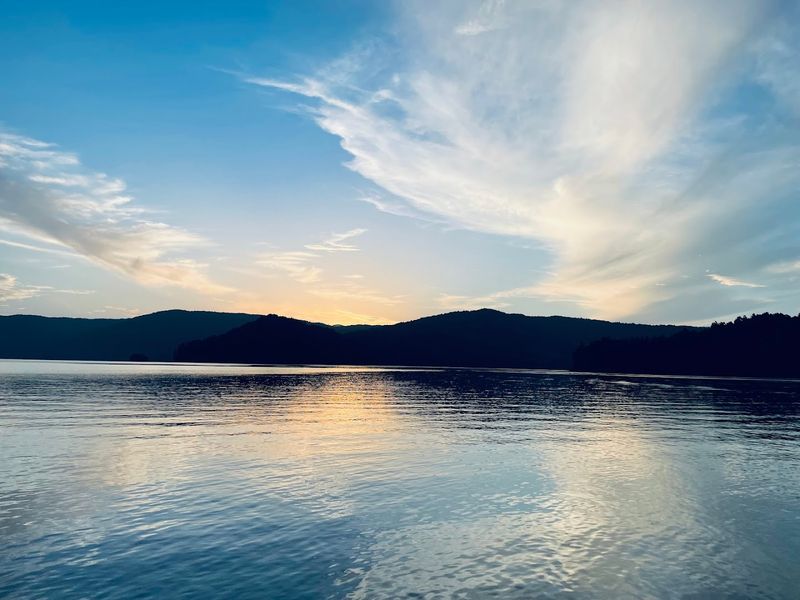
Getting to Lake Jocassee means going through Devil’s Fork State Park, and that gateway experience sets the tone for the entire visit in the best possible way.
The park is the only public access point to the lake, which is a big reason why Jocassee has stayed so clean and relatively uncrowded compared to other popular South Carolina destinations.
Visitors pay an $8 entry fee to access the park, which covers the boat ramps, swimming area, picnic spots, and hiking trails that surround the lake.
The park offers campsites with electric hookups as well as villas for rent, making it easy to turn a day trip into a full weekend getaway with the family.
A small beach area near the main park facilities is well-suited for younger kids who want to swim without venturing too far from shore.
During busy summer weekends, the park limits the number of boats allowed on the water each day, so reserving a spot in advance is strongly recommended.
Arriving early on a Saturday or Sunday can mean the difference between a relaxed morning on the water and a long wait at the gate.
Fishing in One of South Carolina’s Premier Reservoirs
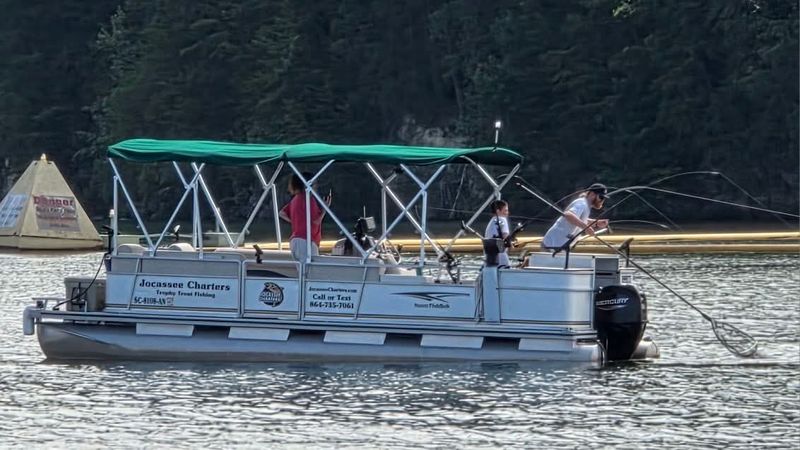
Fishermen have known about Lake Jocassee for decades, and the lake’s reputation as a top fishing destination in South Carolina is well-earned.
The reservoir is home to a wide variety of fish species, including brown trout, rainbow trout, largemouth bass, smallmouth bass, and various types of sunfish, giving anglers plenty of options depending on the season.
The cold, clear water that makes the lake so beautiful for swimming also creates ideal conditions for trout, which thrive in cool mountain-fed reservoirs.
Early morning fishing on Jocassee is a particularly peaceful experience, with mist rising off the water and the surrounding mountains reflected perfectly on the calm surface.
Guided fishing charters through local outfitters like Jocassee Charters allow visitors to combine a waterfall tour with a productive morning of fishing, making the most of a single trip on the water.
A valid South Carolina fishing license is required, and regulations for trout fishing should be checked before heading out.
The lake rewards patience, and those who spend a quiet morning here often leave with both a cooler full of fish and a deep appreciation for the scenery.
Paddleboarding and Kayaking on Mirror-Like Water
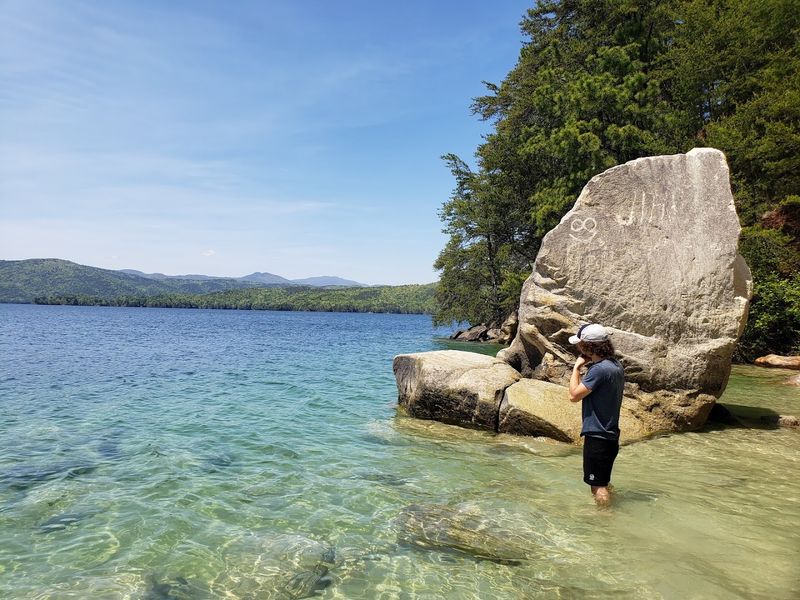
Standing on a paddleboard above water this clear is a surreal experience that regular paddlers describe as one of the most peaceful things they have ever done on a lake.
Lake Jocassee draws paddleboarders and kayakers from across the Carolinas and beyond, thanks to the calm coves, stunning mountain backdrops, and the kind of water clarity that makes every stroke feel like gliding over glass.
Kayak and paddleboard rentals are available at Devil’s Fork State Park, which is great news for visitors who do not own their own gear.
Getting out on the water early in the morning is the best strategy, both to avoid the afternoon boat traffic and to catch the lake at its most mirror-like and serene.
Experienced kayakers who want to reach the waterfalls should plan carefully, bring a map or GPS, and allow several hours for the round trip since the lake is much larger than it looks from the shore.
Beginners are better off exploring the quieter coves near the park, where the water stays calm and the scenery is just as rewarding.
Paddling here on a still morning with mountains all around is the kind of moment that quietly becomes your favorite travel memory.
Mountain Views That Frame Every Direction
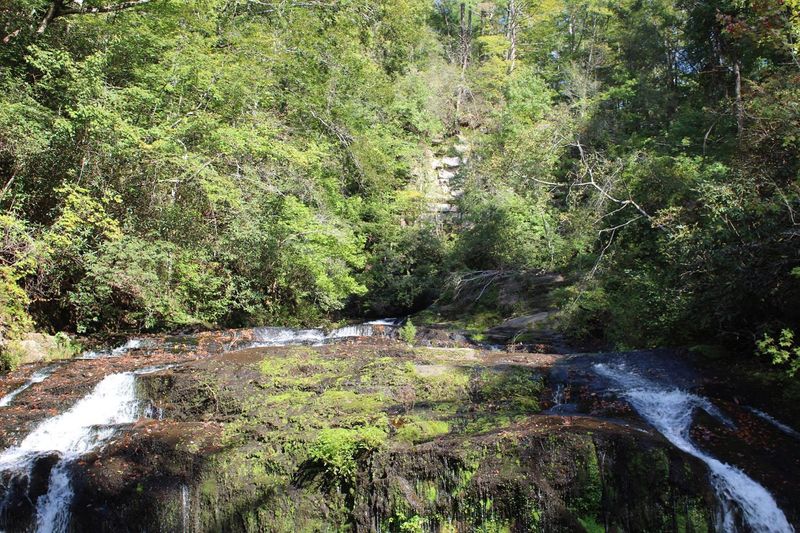
One of the first things that hits you when you reach the water at Jocassee is the way the Blue Ridge Mountains wrap around the lake in every direction like a natural amphitheater.
Unlike flatland reservoirs surrounded by development, Jocassee sits deep in the mountains of upstate South Carolina, meaning the views from the water are consistently dramatic no matter which way you look.
The forested ridgelines stay green and lush through spring, summer, and into early fall, and the autumn foliage season transforms the entire lake into a canvas of orange, red, and gold that photographers specifically travel to capture.
Sunrise on the lake is particularly striking, with pink and orange light reflecting off the still water while the mountain silhouettes slowly sharpen in the growing daylight.
The undeveloped shoreline is a major part of what makes those views so powerful, since there are no buildings, docks, or roads cluttering the natural landscape.
Jocassee has remained largely free from the kind of lakeside development that has changed other South Carolina reservoirs, and that restraint has preserved the scenery beautifully.
Every direction you look from the middle of this lake feels like a postcard that somehow managed to stay a secret.
Practical Tips for Making the Most of Your Visit
A little planning goes a long way at Lake Jocassee, and the visitors who enjoy it most are usually the ones who showed up prepared.
Arriving early on weekends is the single most repeated piece of advice from regulars, since parking fills up quickly during summer and the park limits daily boat entries during peak season.
Sunscreen is non-negotiable here because the lake surface reflects the sun intensely, and burns happen faster than most people expect even on overcast days.
If you are renting a kayak and hoping to reach the waterfalls, book a guided boat tour instead, since the lake is large enough to get disorienting once you are deep in the coves.
Water shoes are a smart addition to your packing list, especially if you plan to explore rocky shorelines, jumping spots, or waterfall areas.
The visitor center near the park entrance has restroom facilities that are far more pleasant than the outhouses near the docks, so plan your stops accordingly.
Use Devil’s Fork State Park as your GPS destination rather than searching for the lake itself, since that address reliably guides you to the correct entrance off Jocassee Lake Road in Salem, South Carolina.