
This South Carolina Museum Holds Ancient Egyptian Treasures And Priceless Art But Its Doors Remain Closed
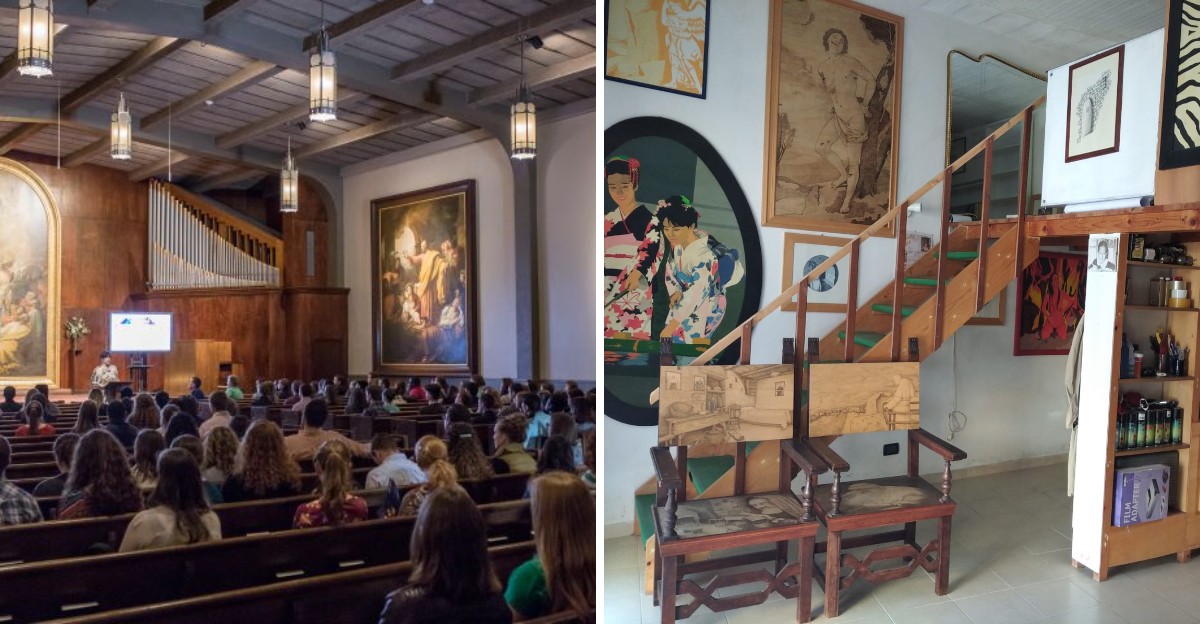
A pottery jar from around 3200 BC belongs to a museum collection in upstate South Carolina. That jar is older than the pyramids at Giza, and it is only one of nearly 200 Egyptian objects from a famous archaeologist.
The same collection also holds Old Master paintings by Rubens, Botticelli, Tintoretto, and van Dyck. I can’t imagine many college campuses can say that, especially since experts rank it among America’s finest collections of Italian paintings.
Now for the honest part about mummies, shrunken heads, and free doors. The main building has been closed since 2017, and neither mummies nor shrunken heads appear in the known collection, but I believe the real story is better anyway.
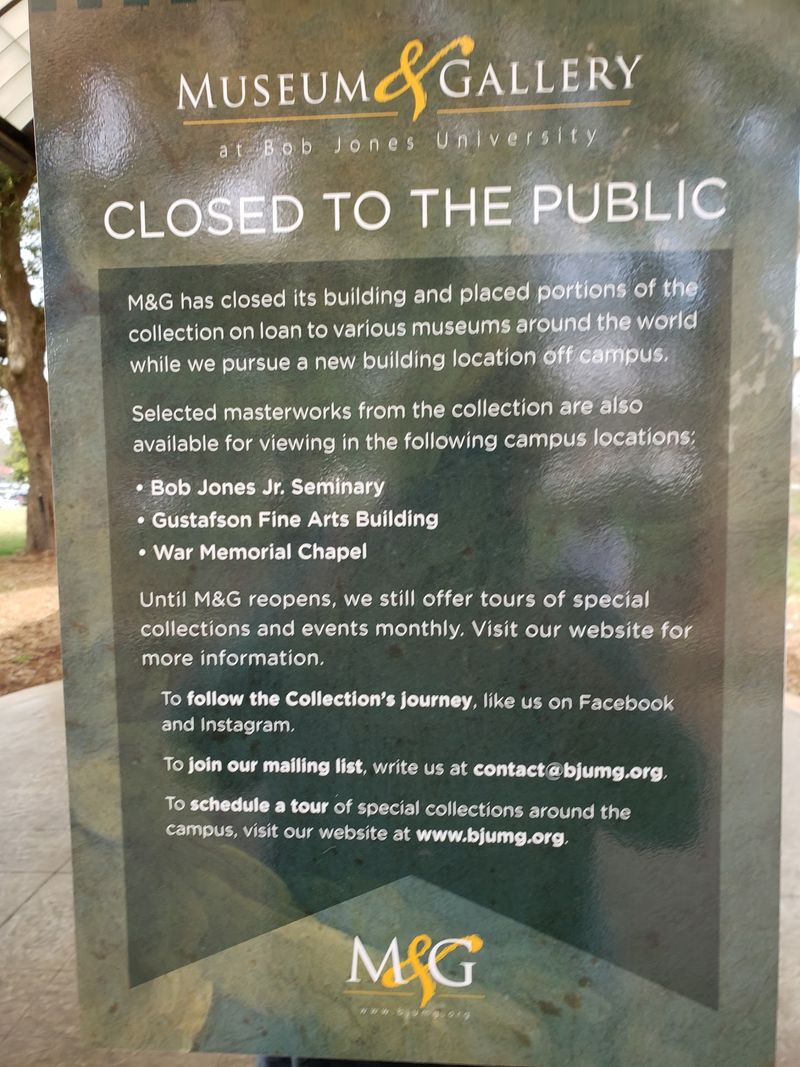
The collection is remarkable, but there’s one important catch. The museum’s main building has been closed to the public since 2017, although selected artworks remain accessible through special programs, exhibitions, and online resources.
A Jar Older Than The Pyramids Is A Pretty Wild Place To Start
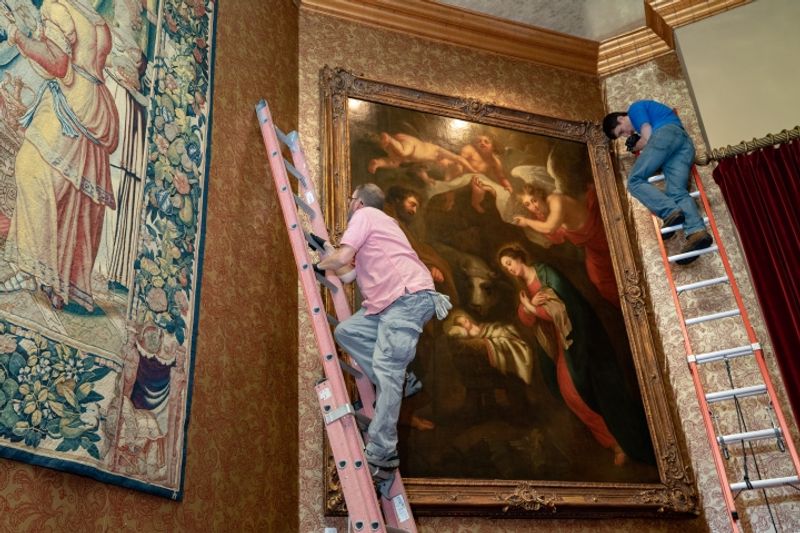
Some museums brag about old things. The Museum & Gallery at Bob Jones University can point to an Egyptian pottery jar made around 3200 BC.
That jar is the oldest object in the collection. It was shaped by hand centuries before anyone stacked a single stone at Giza.
The jar belongs to the Bowen Collection of Antiquities, which covers about 37 centuries of history. That is a huge stretch of time to fit under one roof in South Carolina.
Inside that collection, you will find Egyptian ceremonial vessels and cosmetic items. Yes, ancient Egyptians cared about their makeup routines too.
Nearly 200 of the Egyptian objects came from Sir William Matthew Flinders Petrie. He was a famous British archaeologist who helped shape how scientists study ancient Egypt.
So no, you won’t find wrapped mummies here. What you get instead are the everyday and sacred objects that real Egyptians held in their hands.
I like that kind of history because it feels personal. A cosmetic jar tells you someone once wanted to look nice, just like you before school photos.
Keep an eye on museum programs and online features for chances to see these pieces. They make ancient history feel surprisingly close.
Rubens, Botticelli, And Van Dyck Walk Into A College Campus
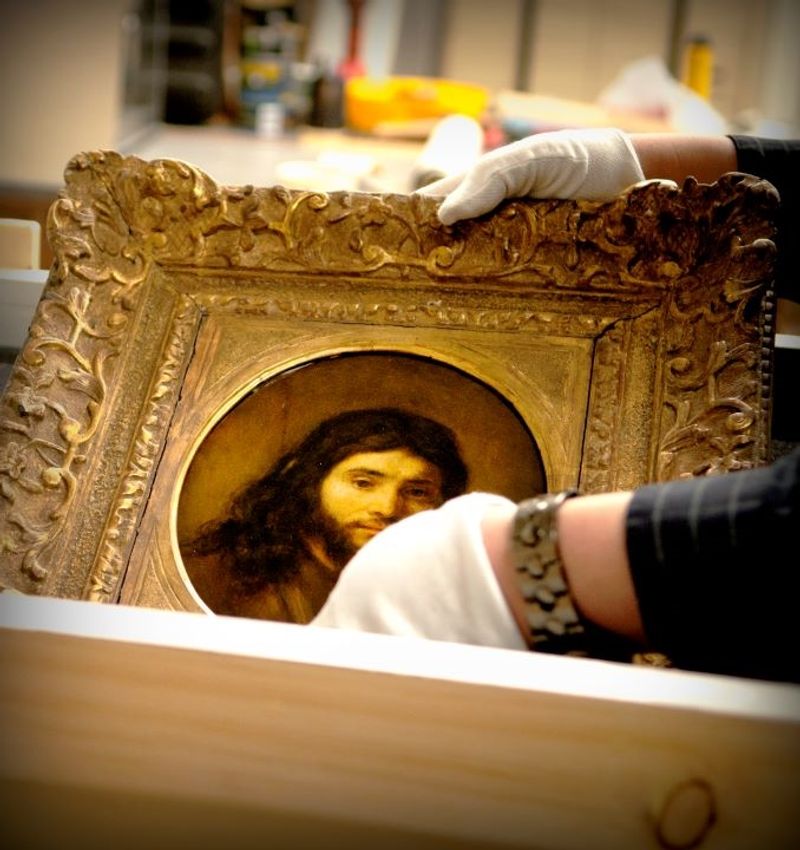
Big names usually live in big cities. Somehow, more than 400 original Old Master paintings ended up connected to a university in Greenville.
The list of artists reads like an art history textbook. Rubens, Botticelli, Tintoretto, and van Dyck all have works in the collection.
Most of the paintings are religious. They show Bible stories, saints, and sacred moments painted with dramatic light and rich color.
The museum is especially known for its Baroque works. That style loves big emotion, deep shadows, and figures that look ready to step off the canvas.
Experts also call it one of the finest collections of Italian paintings in America. That is quite a title for a museum many people outside South Carolina have never heard of.
You don’t need an art degree to enjoy these pieces. Try picking one figure in a painting and following where their eyes or hands point.
That small trick turns a huge, busy scene into a story. Before long, you’ll be noticing details the painter hid centuries ago.
Honestly, finding Botticelli this close to Interstate 85 feels a little like finding a celebrity at the grocery store.
Ancient Egyptian Artifacts Tell Stories Beyond The Pyramids
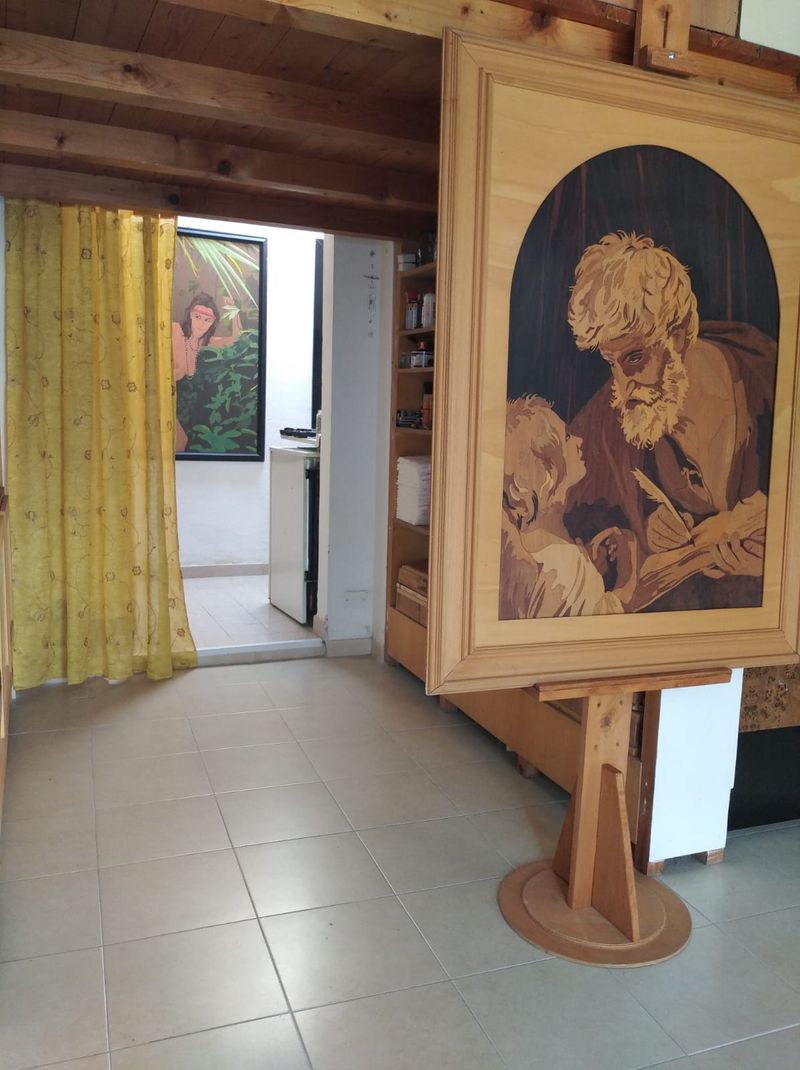
The Museum & Gallery at Bob Jones University preserves an impressive collection of ancient Egyptian artifacts, including pottery, ceremonial vessels, and cosmetic objects that reveal fascinating details about everyday life thousands of years ago.
The Egyptian side of things is still impressive. It focuses on vessels, cosmetics, pottery, and other objects rather than preserved bodies.
The Bowen Collection also stretches beyond Egypt. It includes Hebrew and Roman artifacts, plus Greek pieces that add more layers to the ancient world.
Think of it as a time machine with stops in several old empires. Each object offers a clue about how people worked, worshipped, and lived.
Why does this matter? Showing up expecting spooky surprises could leave you disappointed, while knowing the facts helps you enjoy what is really there.
And what is really there is plenty. Thirty-seven centuries of objects is not exactly a small backup plan.
If your kids are mummy fans, use that interest as a doorway. Ask them what an ancient Egyptian might have stored in a ceremonial jar.
That question works better than any scary story. Curiosity lasts longer than a quick fright, and it sticks around after the field trip ends.
The Front Doors Are Locked, But The Story Keeps Going
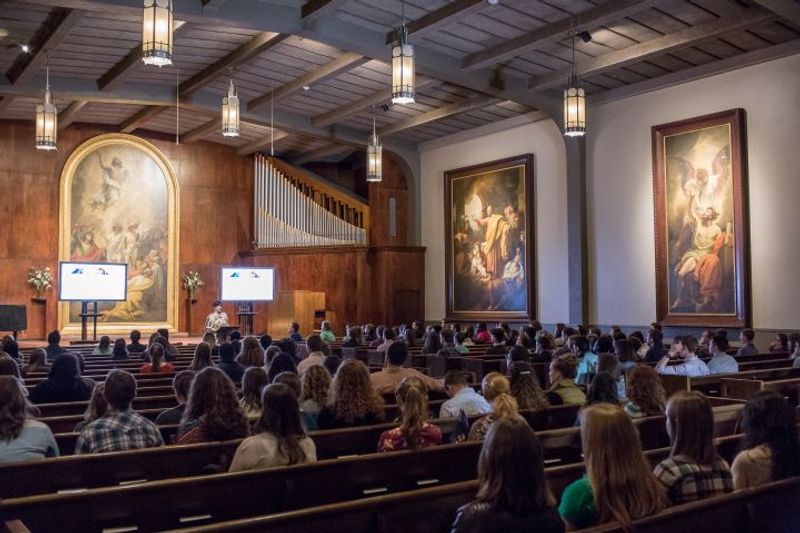
Plans can change in a big way. The main museum building closed to the public in 2017, first for renovations.
Since then, the Museum & Gallery has been looking for a new home off campus. The goal is a location in downtown Greenville that more people can easily reach.
Right now, the main museum has no public viewing hours. So driving up to 1700 Wade Hampton Blvd, Greenville, SC 29614, expecting open galleries would lead to a closed door.
That sounds like bad news at first. Yet the collection hasn’t vanished into storage forever.
Staff keep the art visible through programs, events, and temporary displays. Some pieces now appear in other campus spaces and at partner venues around town.
I think a downtown move could be exciting for South Carolina art lovers. A museum near shops, parks, and restaurants might reach folks who never visited a campus gallery.
Until then, check the official museum channels before making plans. Schedules for events and displays can shift, and nobody enjoys a surprise detour.
Think of this stretch as an intermission. The curtain is down, but the show is clearly still running backstage.
You Can Still Catch Masterpieces Hiding In Plain Sight
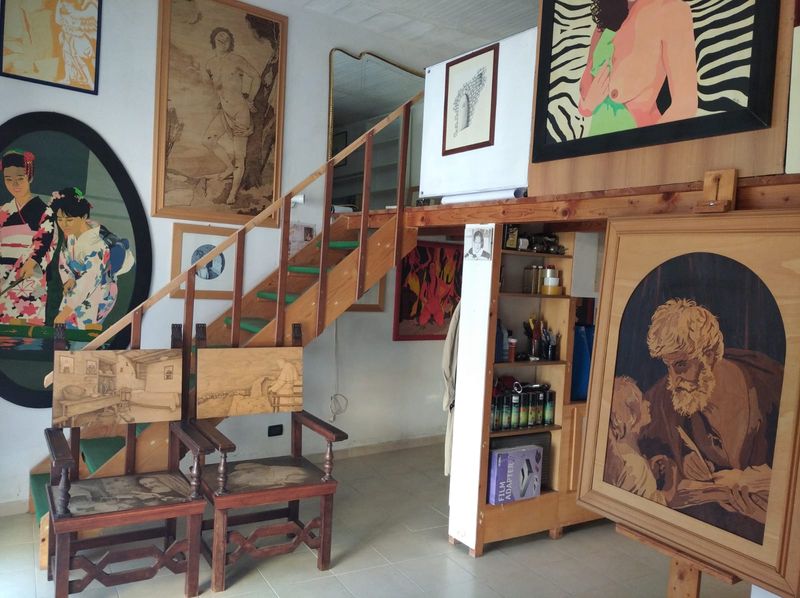
Libraries usually hold books, not Baroque art. At Bob Jones University, the Mack Library hosts part of the collection while the main building stays closed.
The campus chapel also displays works from the museum. That means some of the art is still doing what it was made for, which is sharing sacred stories.
Off campus, the collection has traveled too. The Lenz Gallery at First Presbyterian Church in Greenville hosted an exhibit called Ponder Anew.
That show featured 14 Baroque masterpieces on loan. Fourteen big paintings in a church gallery is a pretty generous peek at a closed museum.
These spread-out displays change the experience a bit. Instead of one big visit, you might catch the art in smaller, more focused pieces.
I actually like that idea. Seeing a handful of paintings up close can feel calmer than racing through dozens of rooms.
Before heading out, check which displays are currently available and when. Campus locations may have their own hours and visitor rules.
It feels a bit like a scavenger hunt for grown-ups. The prize just happens to be centuries-old art instead of a plastic trophy.
Lunch With A Side Of Art History Sounds Like A Smart Break
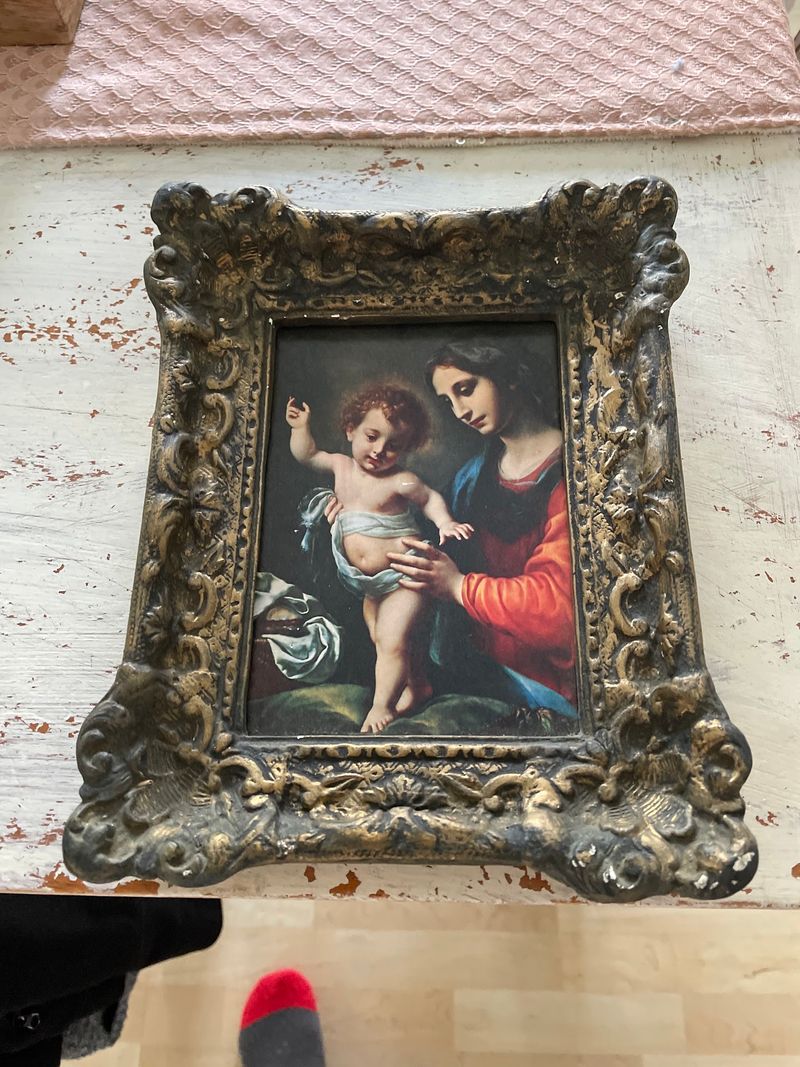
Lunch breaks are usually spent scrolling a phone. The ArtBreak Lunch and Lecture Series offers a much more interesting option.
This program from the Museum & Gallery pairs a midday break with a talk about art. Some events may require a fee, so check the details ahead of time.
Lectures like these give the paintings extra meaning. Knowing why an artist chose a certain color or pose can make an old canvas suddenly click.
The museum also offers specialized tours. Those can be a great fit for groups that want a guided look rather than wandering alone.
Why bother with a talk when you could just look? Because a good speaker points out the tiny stuff, like a symbol in the corner you’d never spot.
I believe that is where art gets fun. One clever detail can turn a quiet painting into a full-blown mystery story.
Bring a notebook if you like jotting things down. Later, you can impress friends with facts about Baroque painters at dinner.
Best of all, you return to work or home with a brain that feels refreshed instead of fried.
Homeschool Families Get Their Own Slice Of The Collection

Teaching art history at the kitchen table can be tough. The Museum & Gallery helps by offering homeschool programs built around its collection.
These programs connect kids with real art and real history. That beats staring at a tiny picture in a workbook any day.
The collection covers a lot of ground for young learners. Ancient Egyptian objects, Roman artifacts, Russian icons, and Baroque paintings all offer different lessons.
A single theme can touch history, faith, geography, and art at once. Busy homeschool parents might appreciate that kind of efficient learning.
Kids often remember what they make or discuss more than what they read. Hands-on time with art ideas can stick for years.
Programs may change by season, and some may carry a fee. Checking the schedule early helps you grab a spot before it fills up.
You can also prep at home before attending. Look up one artist together, like Rubens, and see whether your kids can spot his style later.
Here’s a fun bonus. Children who learn to really look at paintings often start noticing details everywhere, from cloud shapes to street signs.
Here’s The Part That Actually Costs Nothing At All
Although the museum’s main galleries remain closed, its annual Makers Market offers a free opportunity to connect with local creativity. Admission to the event is free, but that should not be confused with access to the museum’s permanent collection..
Makers markets showcase handmade goods from creative people. It’s a great chance to browse, chat with artists, and maybe find a gift nobody else will have.
Hosting a market fits the museum’s love of craftsmanship. After all, Old Masters were makers too, just with more paint on their sleeves.
The online side of the museum also costs nothing to explore. Virtual tours and digital access to collection objects let you look around from your couch.
That is especially handy while the main building stays closed. You can zoom in on a painting without anyone asking you to step back.
I like pairing the two ideas. Explore a few paintings online, then visit the Makers Market and see how today’s artists create.
Event dates change from year to year. Watch the museum’s announcements so you don’t miss the next one.
Free fun in South Carolina is always worth grabbing. Free fun with a creative twist is even better.
Russian Icons, Old Furniture, And Surprises Round Out The Collection
Paintings and pottery grab the spotlight, yet the collection keeps going. The Museum & Gallery at Bob Jones University also holds Russian icons with glowing gold backgrounds.
Icons are sacred images used in Eastern Orthodox worship. Their flat, shimmering style feels completely different from the dramatic Baroque canvases nearby.
Beyond icons, the holdings include sculptures, furniture, and textiles. There are even architectural elements, which are pieces of real buildings saved for display.
That variety makes the collection feel like several museums in one. You might jump from a carved chair to a Greek artifact to a Russian saint in minutes.
Which piece would you want to see first? Picking one favorite type of object can help you plan a smarter visit once displays open.
For now, the online collection is the easiest way to explore these extras. Browsing there can help you decide what to hunt for when the new location arrives.
I believe Greenville is lucky to have all this nearby. Few cities in South Carolina can match this mix of faith, history, and fine art.
Keep watching for news about the downtown move. The next chapter could be the best one yet.