
This South Carolina Tea Factory Is So Popular, Getting A Tour Feels Like Winning The Lottery
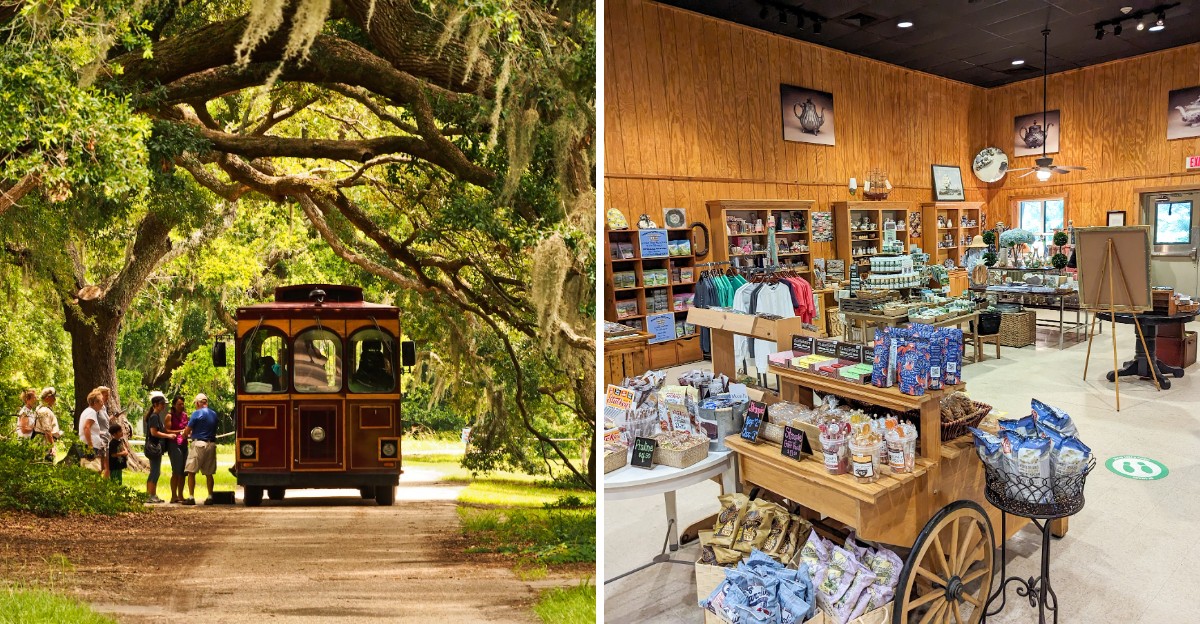
Most cups of tea begin with boiling water. In South Carolina, one begins beneath moss-draped oaks where bright green rows ripple across a quiet island.
A short drive from Charleston leads to fields that look out of place in the Lowcountry. Leaves are picked, processed, and transformed into the drink millions reach for every morning.
Visitors can watch machinery at work, sip samples, and ride through the fields while learning how tea travels from bush to cup.
Why can getting a seat on the trolley feel like winning a lottery?
Part of the answer is curiosity. The rest is simple charm.
Few places let travelers stand where an everyday favorite is grown while giant oaks sway overhead.
The ten facts ahead reveal the best times to arrive, what the tour includes, and how to enjoy every stop. Come thirsty and bring a camera.
This island experience is worth savoring slowly.
A Rare Title Worth Bragging About
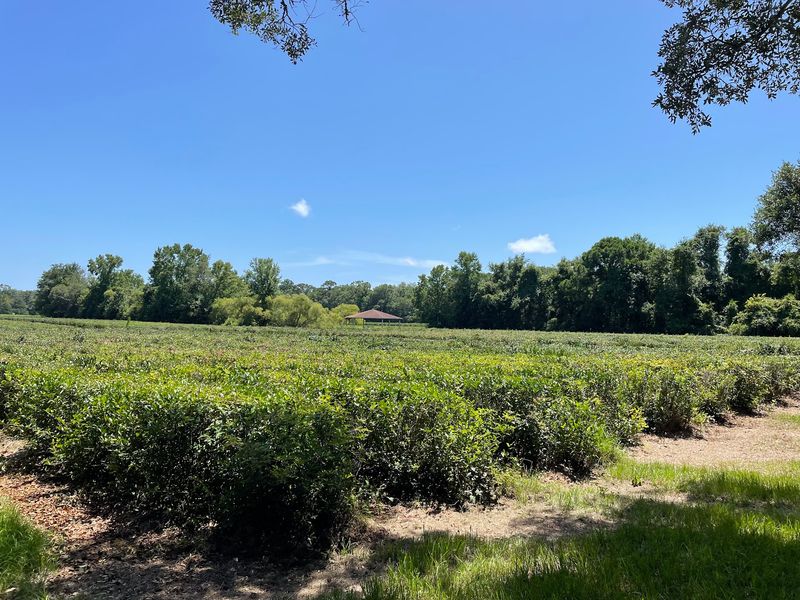
Picture a field of tea that looks like it belongs in China or India, then remember you are in South Carolina. Charleston Tea Garden is widely known as the only large-scale tea farm in North America that grows, harvests, and processes its own tea.
That makes it a true one-of-a-kind stop.
Many visitors say they had no idea tea could even grow in the United States. The warm, humid Lowcountry weather and sandy soil turn out to be a great match for the tea plant, called Camellia sinensis.
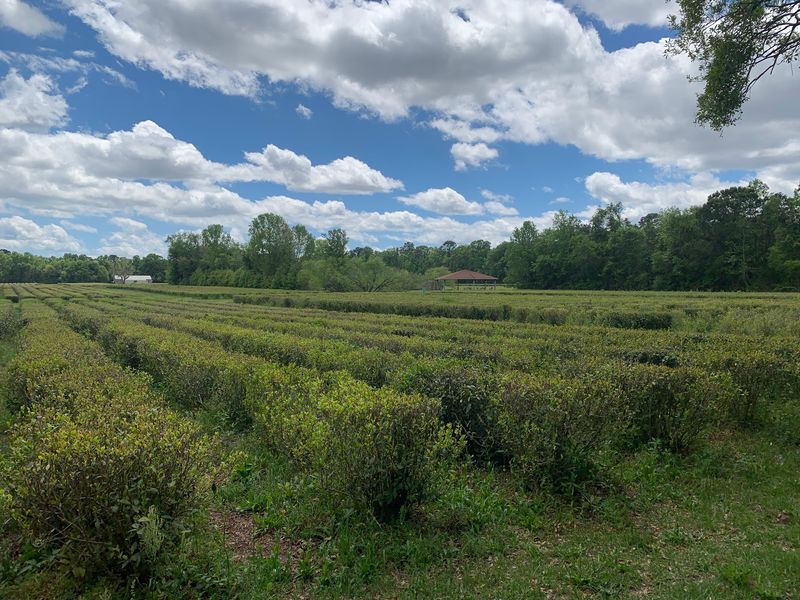
Around 127 acres of land make up the property, with neat rows of bushes trimmed to about waist height.
That rare status is a big reason the place draws so many guests. People who love tea treat it like a pilgrimage, and curious travelers come just to say they saw something unusual.
With thousands of online reviews and a rating near 4.7 stars, word has clearly spread.
If you are building a Charleston trip, give this spot a morning or afternoon. Unlike beaches or historic homes you can find in many cities, this experience truly exists in only one place in the country.
That is a pretty good reason to make the drive.
The Road In Is Half the Fun
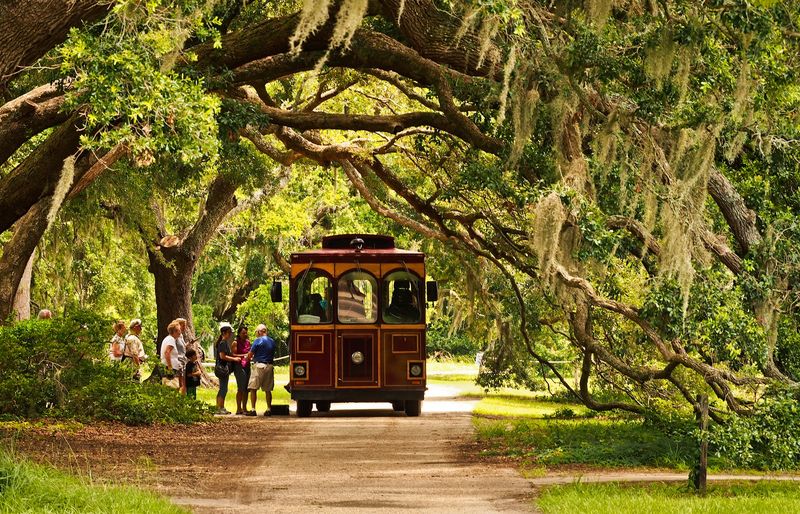
Roll down your window once you cross onto Wadmalaw Island. The air smells like salt marsh and pine, and the traffic of the city melts away.
Farm stands, open fields, and moss-draped oaks line Maybank Highway as you head toward 6617.
Guests often mention the drive as a highlight, not a chore. Tall live oaks form shady arches over the road, and the quiet feels almost old-fashioned.
It sets the mood before you even see a single tea leaf.
Plan on roughly 30 to 45 minutes from downtown Charleston, depending on traffic. The garden sits a bit far from many main attractions, so grouping stops helps.
The famous Angel Oak Tree on nearby Johns Island makes an easy pairing, and a few local restaurants are close by for lunch.
Parking is free and simple, with a lot right near the gift shop. You will not have to circle blocks or feed a meter, which is a nice change from downtown.
Once you park, the huge oaks in front of the main building offer shade and a perfect spot to stretch your legs after the ride.
Trolley Tickets Go Fast
Here is where the lottery feeling comes in. The trolley tour is the star attraction, and seats are limited on each ride.
On busy days, walk-up guests sometimes find the next few tours already full.
One reviewer put it simply: advance tickets are highly recommended. Booking online before you go saves you from waiting around or missing out.
Recent visitors reported paying around $18 per adult, though prices can change, so check the official website for current rates.
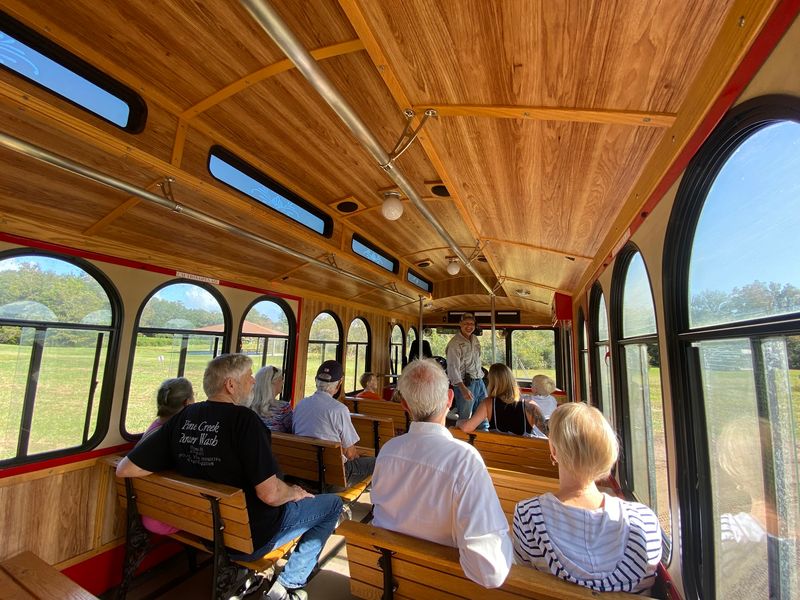
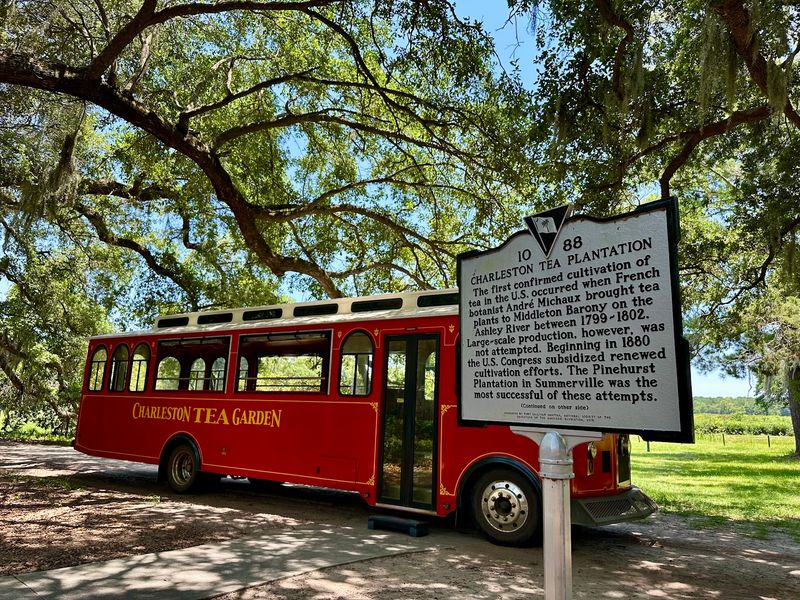
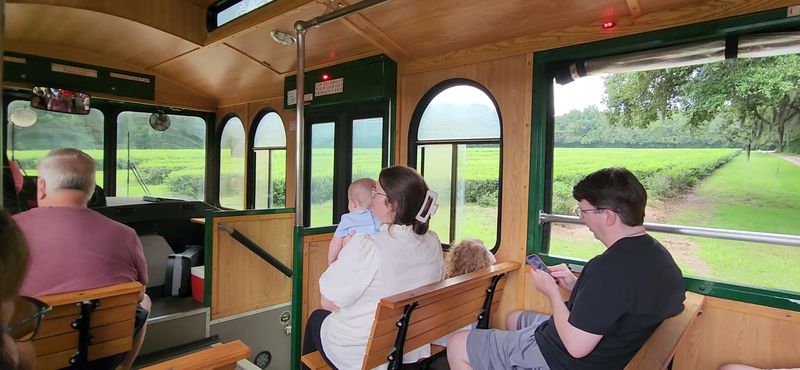
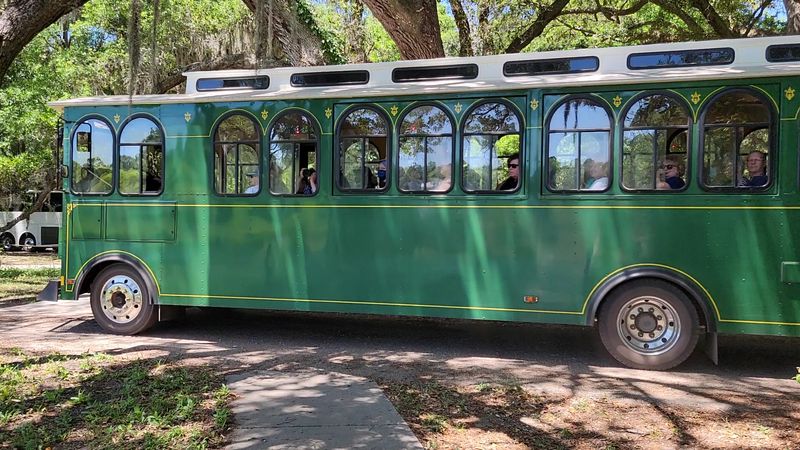
The ride lasts about 45 minutes and rolls slowly past the tea fields, a greenhouse, and harvesting equipment. You hear a mix of recorded narration and live commentary from a guide.
Guests have praised guides like Ellen for being friendly, funny, and packed with tea knowledge.
A handy tip from past riders is to sit on the left side for the best views of the tea rows. Most of the route is shaded, and the covered trolley keeps you dry if light rain rolls in.
Grabbing the first tour of the day often means cooler air and fewer crowds. If tea is a big reason you are visiting, lock in your seat early.
Free Tea, and Plenty of It
Who knew the best deal in the Lowcountry might be a paper cup? Inside the gift shop, a complimentary tea bar offers both hot and iced tea, and guests can sip as much as they like.
Visitors rave about trying nearly every flavor on tap. Favorites mentioned in reviews include raspberry and a limited edition peach green tea.
Flavors rotate, so you might discover something new each visit.
Tasting first is smart shopping. You can figure out whether you like a bold black tea or something fruity before spending money on a tin or box.
One guest said the samples helped them pick three teas to bring home, and they loved all of them.
On a hot South Carolina afternoon, a cold cup of sweet tea feels like a small reward for making the drive. Friendly staff are happy to explain the differences between varieties, so ask questions.
Even people who say they are not big tea drinkers often walk out surprised. This free perk alone makes the stop worth it for many travelers, whether you take the trolley or not.
Peek Inside a Real Working Factory
Tucked beside the gift shop is a free, self-guided factory tour that takes about 15 minutes. Through big windows, you look down at the machines that turn fresh green leaves into the tea you drink.
Short videos explain each step as you walk along. You learn about withering, when leaves rest and lose moisture, then rolling, oxidizing, and drying.
Suddenly, the difference between green tea and black tea makes a lot more sense.
One guest shared an amazing moment. During the trolley ride, they watched leaves being harvested and loaded onto a truck.
By the time they reached the factory, those very same leaves were already spread across the withering beds. Talk about fresh.
Keep in mind that the machines run mainly during harvest season, so on some days you may see a quiet floor. The videos still tell the whole story.
Visitors with a background in manufacturing called it short but really informative, and first-timers found it fascinating too. Since it costs nothing, there is no reason to skip it, even if you only have a little time to spare on your Charleston trip.
Plants With a Long Southern Story
Tea in South Carolina has roots that go back well over a century. In the late 1800s, Dr. Charles Shepard grew tea at his Pinehurst Tea Plantation in Summerville, and his teas even won awards.
Decades later, those plants were moved to Wadmalaw Island. The Lipton company ran a research farm here starting in the 1960s, testing how tea could thrive in America.
In 1987, the land was bought by Mack Fleming, a tea expert, and William Barclay Hall, a third-generation tea taster trained in London. They launched American Classic Tea and made the farm a working business.
Later, in 2003, the Bigelow Tea family took ownership, and the garden has welcomed visitors ever since.
The trolley guides love telling this story, including how plants were taken from the original Summerville site. Knowing that some bushes descend from those old plants makes the fields feel alive with history.
You are not just looking at crops. You are seeing a Southern tradition that nearly vanished, then bounced back.
Meet the Green Giant Harvester
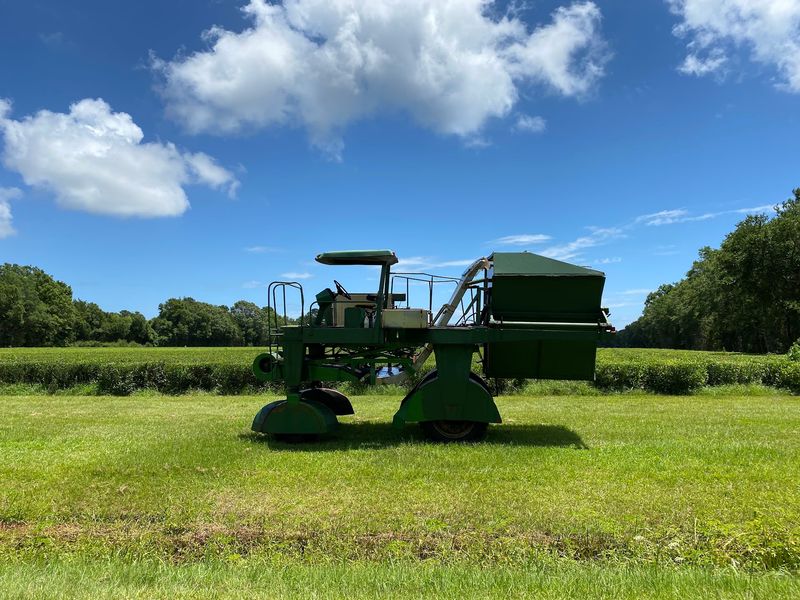
Forget baskets and hand-picking. At this farm, tea is gathered by a huge machine that straddles the rows and trims the tender top leaves.
The farm uses a custom-designed harvester, sometimes nicknamed the Green Giant, that works a bit like a giant hedge trimmer on wheels. It clips only the fresh new growth, which gives the best flavor.
Harvest season generally runs from late spring through early fall, with the bushes regrowing new leaves every couple of weeks.
Along the trolley route, you can see an older historic harvester parked next to a newer model. Comparing the two shows how much farming technology has changed.
Kids and adults alike enjoy getting a close look at the big green machines.
Timing matters if you want to see the action. Visitors who came during harvest said watching the machine work was the icing on the cake.
Those who came in the off-season still enjoyed the tour but wished they had seen it running. If you can, plan your trip for summer, and ask staff when harvesting is happening.
Goats on Weed Patrol
Hold on, are those goats in the tea field? Yes, and they have a very important job.
According to a recent visitor, the farm brought in special goats to munch the weeds growing around the tea plants. The clever part is that these goats love weeds but leave the tea bushes alone.
It is natural landscaping with a side of cuteness.
The goats fit right in with the way the garden grows its crops. Guests often point out that the farm avoids pesticides, fungicides, and insecticides on its tea.
That is pretty remarkable for modern farming, and it makes the goats even more useful as a chemical-free weed crew.
Spotting them depends on luck and timing, since they may be working in different spots on different days. Keep your eyes open from the trolley.
If you see them, snap a photo, because friends back home will not believe you watched goats help make tea. Little details like this give the farm a homey, down-to-earth feel that visitors remember long after the last sip.
Greenhouse Secrets and Rocking Chairs
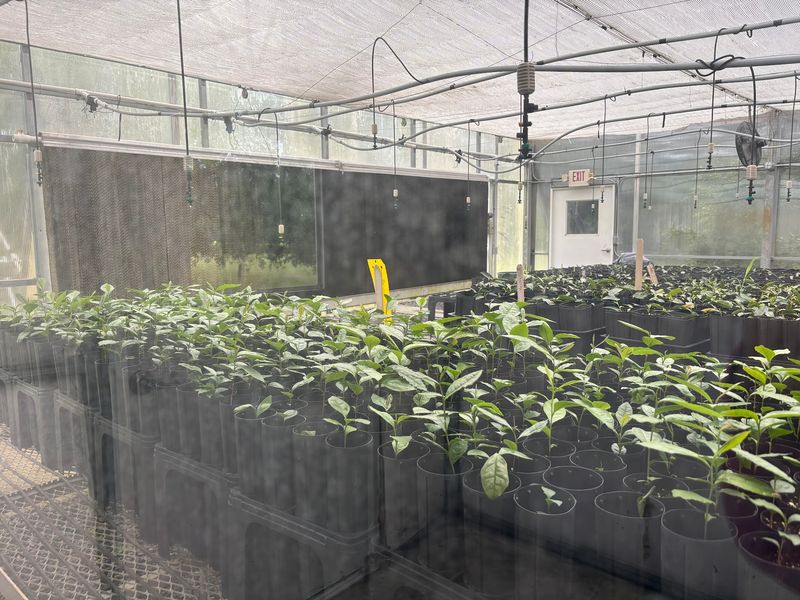
Some of the best moments at the garden are the quiet ones. Two favorites are the greenhouse along the trolley route and the rocking chairs waiting on the porch.
Inside the experimental greenhouse, young tea plants start life as cuttings. Guides explain how they are rooted and cared for before heading out to the fields.
Seeing tiny sprouts next to fully grown bushes helps you understand how long it takes to build a tea farm.
Back at the main building, the porch rocking chairs are a hit. Grab your free iced tea, sit down, and rock under the giant live oaks.
You will hear birds, feel the breeze, and forget about your phone for a while.
The lawns around the shop are great for a relaxing walk, too. You can see a tea field right from the drive in and near the side of the gift shop, even without a trolley ticket.
For anyone who likes slow travel, this laid-back side of the garden might be the real treasure. Bring a little patience and let the Lowcountry pace settle in.
Smart Tips Before You Go
A little planning goes a long way here. Current hours listed are 10 AM to 4 PM Monday through Saturday and noon to 4 PM on Sunday.
Hours can shift with seasons or holidays, so check the website or call 843-559-0383 before heading out.
Budget roughly $18 per adult for the trolley, based on recent visitor reports. The factory tour and tea tasting are free.
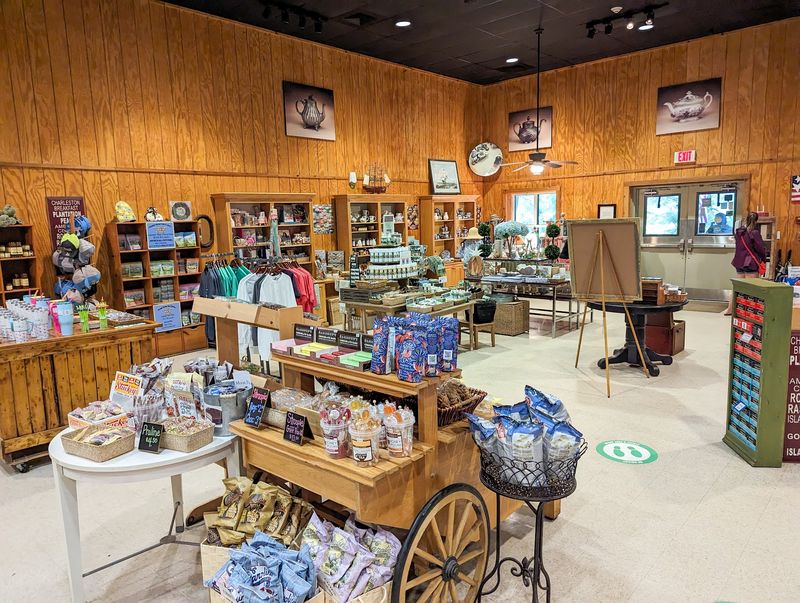
The gift shop is surprisingly large, stocked with loose leaf and bagged teas, teapots, honey, local candies, cookbooks, and tea towels. Some visitors even spotted a giant sweet tea display billed as the largest.
Restrooms sit outside the main building and are described as clean and roomy. The main areas are on flat ground, but if you have mobility needs, call ahead to ask about trolley boarding and accessibility options.
Families should know that very young kids may get restless, since the experience is calm and educational. Mornings are cooler and less crowded.
Wear comfy shoes, bring sunscreen, and save room in your suitcase for tea. With a bit of luck and an early booking, you will leave feeling like you won the prize.