
This Spanish Fort In Florida Sits Quietly Along The Atlantic Coast
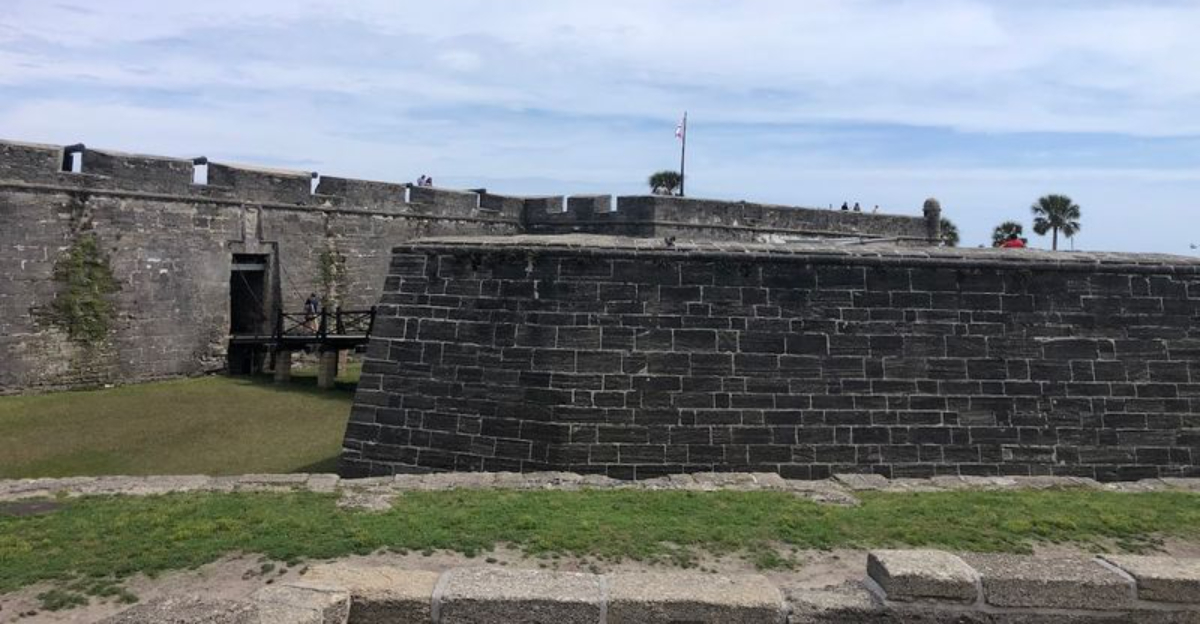
Standing on the deck of a small ferry gliding across a quiet inlet along Florida’s Atlantic coast, I watch a lonely stone tower slowly appear on the horizon. Rising from a tiny salt marsh island, it looks like something pulled from another century, quietly guarding the shoreline while most travelers speed past without ever realizing it exists.
As the boat moves closer, the scene begins to feel almost surreal. Coquina stone walls glow softly in the warm Florida sun, surrounded by waving marsh grass and seabirds drifting overhead.
Every now and then the calm water breaks with the splash of a dolphin surfacing nearby, adding to the peaceful rhythm of the landscape. It feels remote, quiet, and slightly mysterious.
Florida has no shortage of famous landmarks, but some of the most fascinating places are the ones hiding in plain sight. This forgotten coastal outpost proves that remarkable stories are still waiting to be discovered.
Free Ferry Rides Make History Accessible
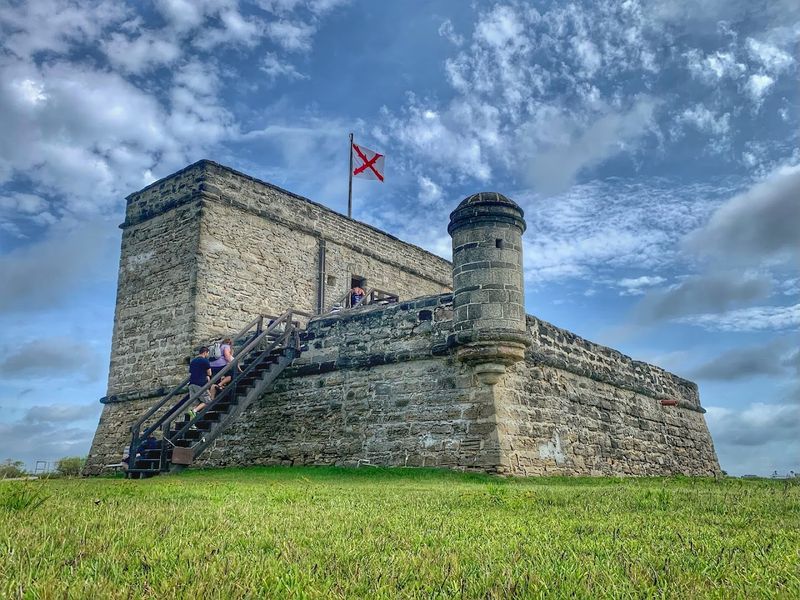
Securing my free ferry ticket felt like winning a small lottery, especially knowing that limited spots mean this experience stays intimate and unhurried. The National Park Service operates these boats throughout the day, whisking visitors across the Matanzas River in a journey that takes barely five minutes but somehow transports you back three centuries.
I grabbed my ticket early in the morning, around 9:30, and watched families, couples, and solo travelers like myself gather at the dock with the same excited energy. The ferry operators share quick facts about the waterway during the crossing, pointing out wildlife and explaining how Spanish soldiers made this same trip in rowboats loaded with supplies and gunpowder.
Wind whips across the open water as the boat motor hums beneath your feet, and suddenly the modern world of Highway A1A fades into the background. Rangers recommend arriving at least thirty minutes before your preferred departure time because tickets disappear fast, especially on weekends and during spring break.
That short ride becomes part of the adventure itself, not just transportation but a transition into a different era where this isolated fort represented Spain’s last line of defense against British threats from the north.
Compact Design Reveals Strategic Brilliance
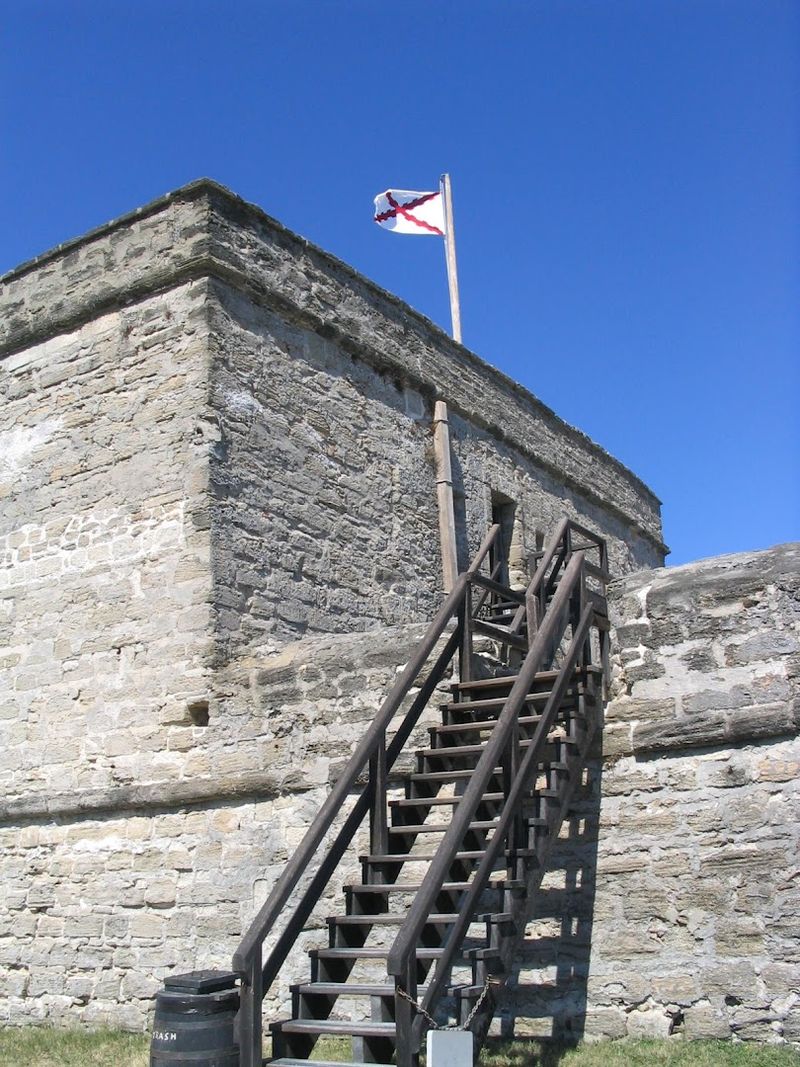
Walking through Fort Matanzas for the first time, I expected something grander, but the compact scale actually makes the Spanish military strategy click into focus in a way larger fortresses never quite manage. This tower measures just 50 feet tall and occupies a footprint smaller than most modern homes, yet it controlled the entire southern approach to St. Augustine with ruthless efficiency.
Every inch serves a purpose, from the gun deck with its commanding views to the cramped quarters where soldiers lived in rotating shifts. I climbed the narrow interior staircase, ducking through low doorways designed for men half a foot shorter than modern visitors, and emerged onto the upper gun platform where cannons once pointed toward any ship daring to test Spanish authority.
The thickness of the coquina walls becomes obvious when you run your hand along the rough surface, feeling the compressed shells that absorbed cannonballs like a sponge instead of shattering. Rangers explain how just a handful of soldiers, maybe five or six at a time, kept watch here for decades, living in isolation with nothing but marsh, sea, and sky for company.
That minimalist design wasn’t about saving money but about creating an efficient military machine that maximized defensive capability while minimizing the resources needed to maintain it.
Boardwalk Trail Winds Through Coastal Hammock
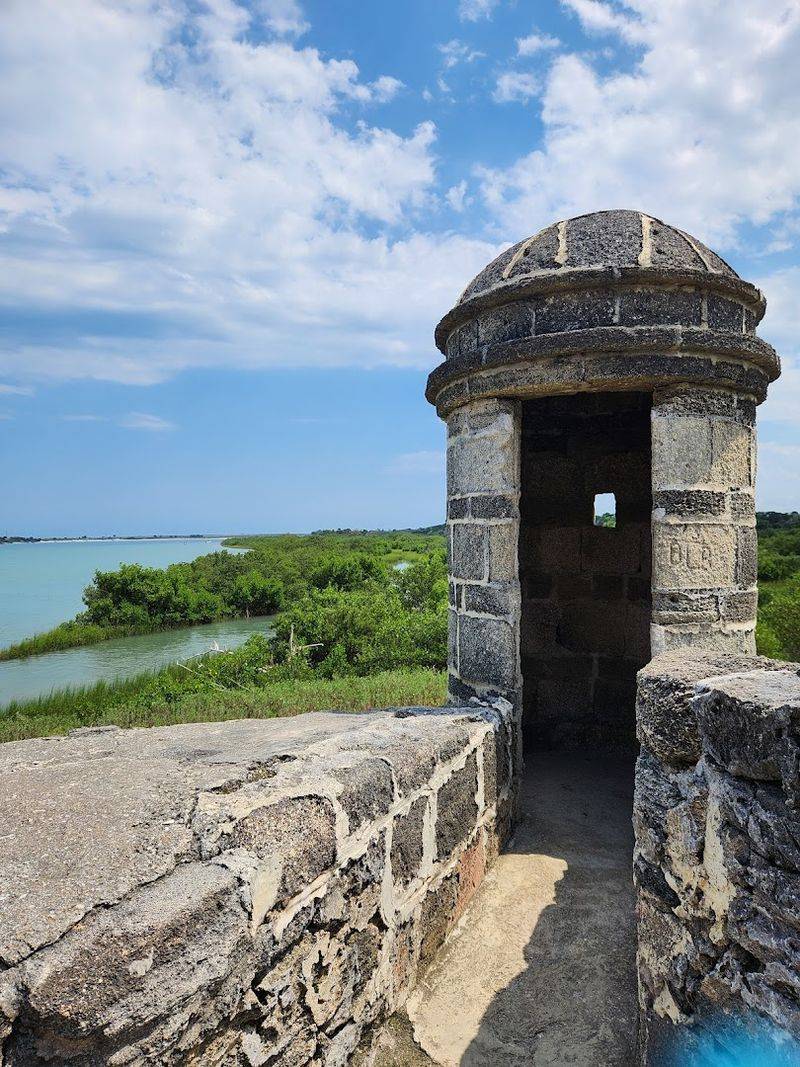
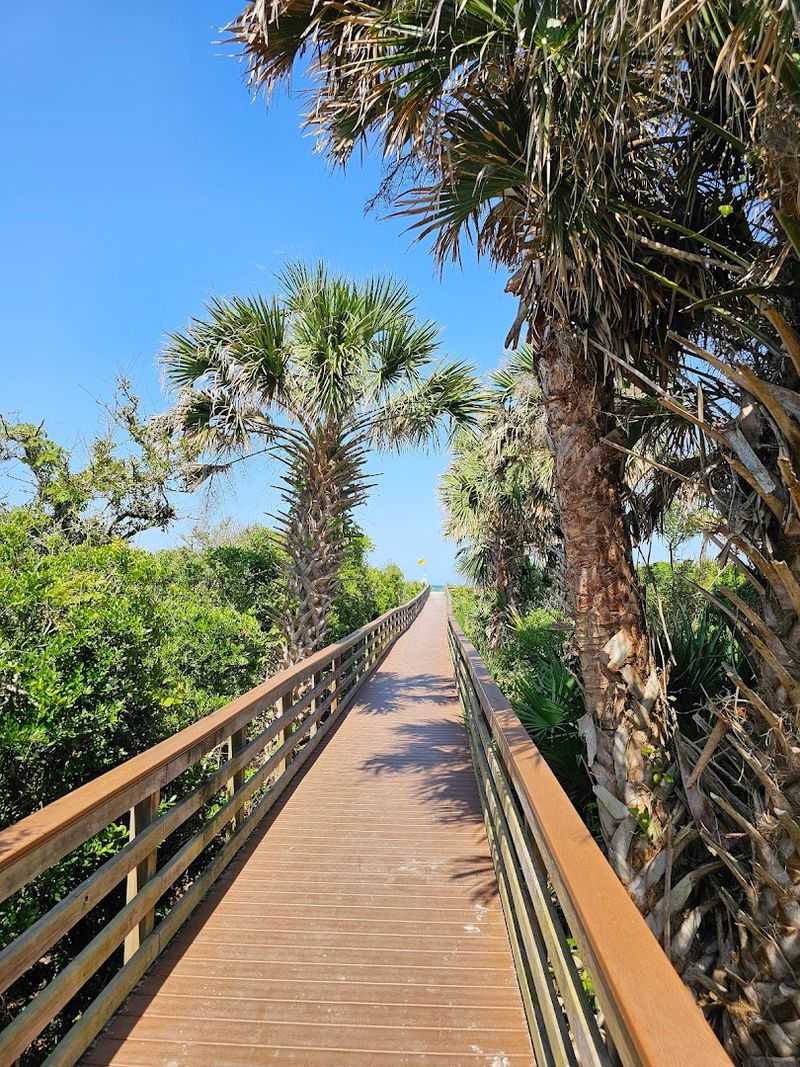
Behind the visitor center, a wooden boardwalk snakes through one of those magical coastal hammock forests where live oaks twist into sculptural shapes and palmetto fronds rattle in the constant sea breeze. I’ve walked this trail dozens of times, and it never feels repetitive because the light changes, the bird activity shifts with the seasons, and you never know when a dolphin might surface in the marsh channels visible from certain vantage points.
The trail stretches about half a mile in a gentle loop, completely accessible and perfect for anyone who needs a wheelchair or stroller. Educational signs along the way explain how these maritime forests adapt to salt spray and sandy soil, with trees literally growing away from the ocean to escape the harshest conditions.
I’ve spotted painted buntings during spring migration, watched herons stalk fish in the shallows, and listened to the rustle of crabs scuttling through the marsh mud at low tide. The canopy provides welcome shade on hot summer days, and benches at strategic points let you pause and simply absorb the peaceful atmosphere.
Rangers maintain the boardwalk beautifully, replacing worn planks and keeping vegetation trimmed just enough to preserve views without destroying the natural character that makes this trail special.
Ranger Programs Bring Colonial Life Into Focus
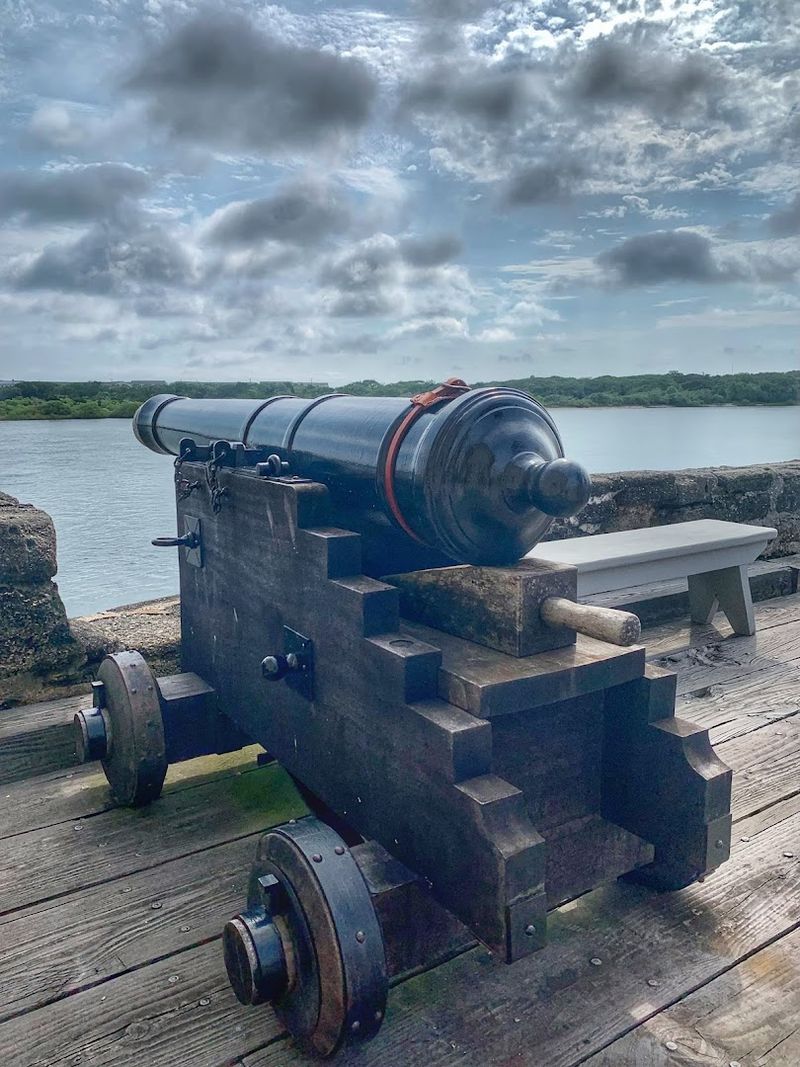
Ranger Linda’s passion for Fort Matanzas radiates through every word of her presentation, transforming dry historical facts into vivid stories about real people who lived, worked, and sometimes suffered in this isolated outpost. I’ve caught her program three times now, and each visit reveals new details I missed before, like how soldiers supplemented their meager rations by fishing in the surrounding waters or how they survived hurricane seasons in a structure that offered minimal protection from nature’s fury.
These interpretive talks happen throughout the day, timed with ferry departures, and they’re genuinely engaging rather than feeling like obligatory educational content. Rangers explain the 1740 construction timeline, the materials used, and the political tensions between Spanish Florida and British Georgia that made this fort necessary in the first place.
They demonstrate how cannons were loaded and fired, describe the daily routine of garrison life, and answer questions with the kind of knowledge that comes from genuine fascination with the subject. I’ve watched kids who initially seemed bored suddenly perk up when rangers describe the actual battles fought here or explain how soldiers used the bathroom in a fort with no plumbing.
That human element makes history stick in your memory far better than any museum placard could manage on its own.
Coquina Construction Creates Unique Architecture
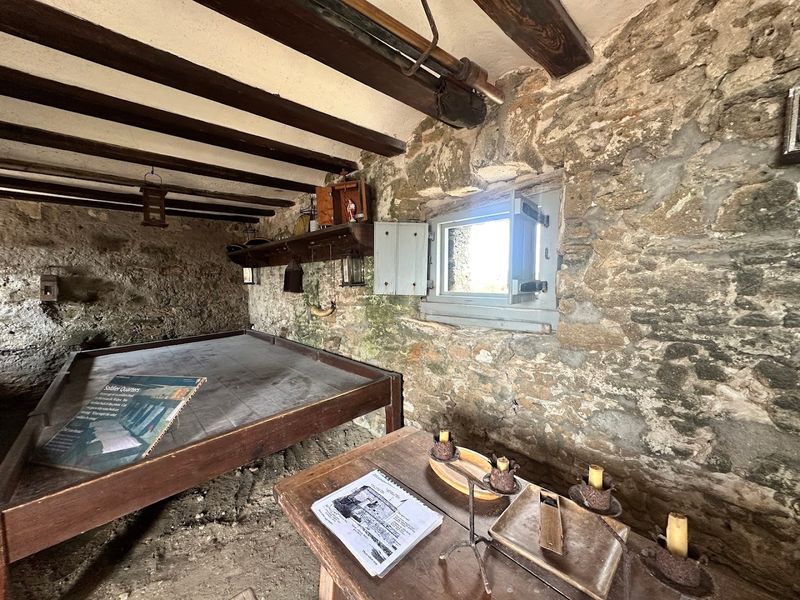
Running my fingers across the fort’s exterior walls, I feel the rough texture of coquina, a sedimentary rock made entirely from compressed shells and coral that gives Spanish Florida architecture its distinctive appearance and remarkable durability. This material came from quarries on nearby Anastasia Island, the same source used for Castillo de San Marcos, and it possesses an almost magical quality when it comes to absorbing the impact of cannonballs.
Unlike brick or traditional stone that shatters on impact, coquina compresses and absorbs energy, meaning enemy artillery would sink into the walls rather than blasting through them. I’ve stared at sections where you can clearly see individual shells embedded in the matrix, tiny spirals and ridges preserved for nearly three centuries.
The porous nature also helps the structure breathe, allowing moisture to evaporate rather than becoming trapped inside where it would cause deterioration. Spanish engineers recognized these properties and exploited them brilliantly, creating fortifications that could withstand both military assault and the relentless assault of salt air, humidity, and tropical storms.
Modern preservation efforts focus on maintaining the original coquina rather than replacing it with contemporary materials, ensuring that visitors experience the authentic texture and appearance that Spanish soldiers would have known.
Wildlife Encounters Add Natural Wonder
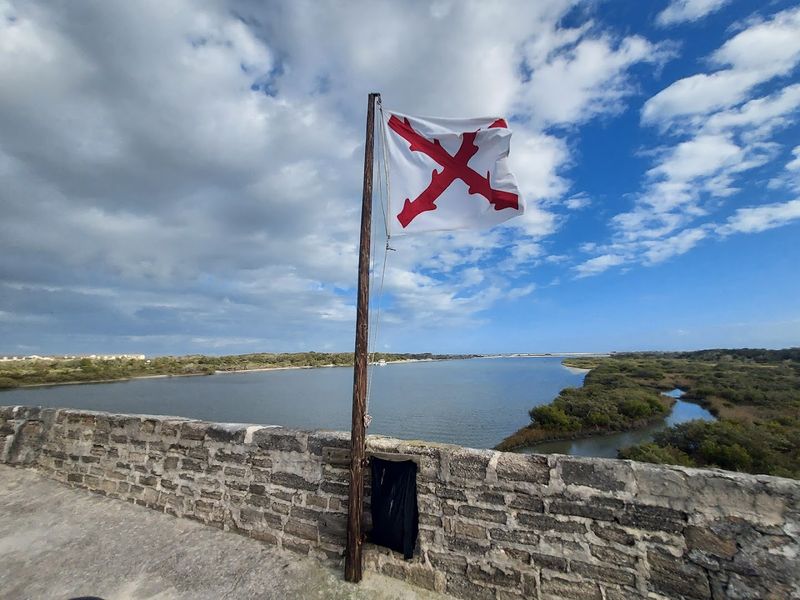
Spotting a pod of dolphins from the fort’s upper deck remains one of those spontaneous moments that elevates a historical visit into something genuinely magical and completely unpredictable. I’ve seen them arc through the inlet waters, their fins cutting the surface in graceful curves while tourists scramble for cameras and kids press against the railings with delighted squeals.
The marsh ecosystem surrounding Fort Matanzas supports an incredible diversity of life, from roseate spoonbills that look like they escaped from a tropical postcard to sea turtles that occasionally surface near the ferry route. Rangers point out osprey nests perched atop weathered trees, great blue herons stalking through the shallows, and the occasional manatee that wanders into the area during warmer months.
I’ve learned to scan the water during ferry crossings, watching for that telltale dorsal fin or the splash of a fish jumping to escape a predator. The combination of salt marsh, tidal creeks, and open water creates perfect habitat for species that need both marine and terrestrial resources.
Bringing binoculars transforms the experience, letting you appreciate details like the fishing technique of a diving pelican or the intricate patterns on a painted bunting’s feathers that would otherwise blur into generic bird shapes at a distance.
Historical Significance Extends Beyond Military Function
Beyond its military purpose, Fort Matanzas marks the site where French Huguenots met their fate in 1565, an event that gave the inlet its name and shaped the entire trajectory of European colonization in Florida. Standing on that ground, knowing the violence that unfolded here nearly five centuries ago, adds a sobering dimension to what might otherwise feel like a pleasant historical attraction.
Spanish forces under Pedro Menéndez de Avilés intercepted French settlers attempting to establish a rival colony, and the subsequent events remain controversial and brutal even by 16th-century standards. The name “Matanzas” translates directly to “slaughters,” a stark reminder that colonial history involves conquest, conflict, and consequences that echoed through generations.
Rangers handle this difficult history with appropriate gravity, acknowledging the tragedy while placing it in the broader context of European power struggles and religious warfare that defined the era. I appreciate that the National Park Service doesn’t sanitize or romanticize these events but presents them as part of the complex, often uncomfortable story of how modern America emerged from colonial competition.
Understanding this backstory transforms the fort from a quaint military curiosity into a witness to pivotal moments that determined whether Spanish, French, or eventually British culture would dominate this corner of the continent.
Visitor Center Provides Essential Context
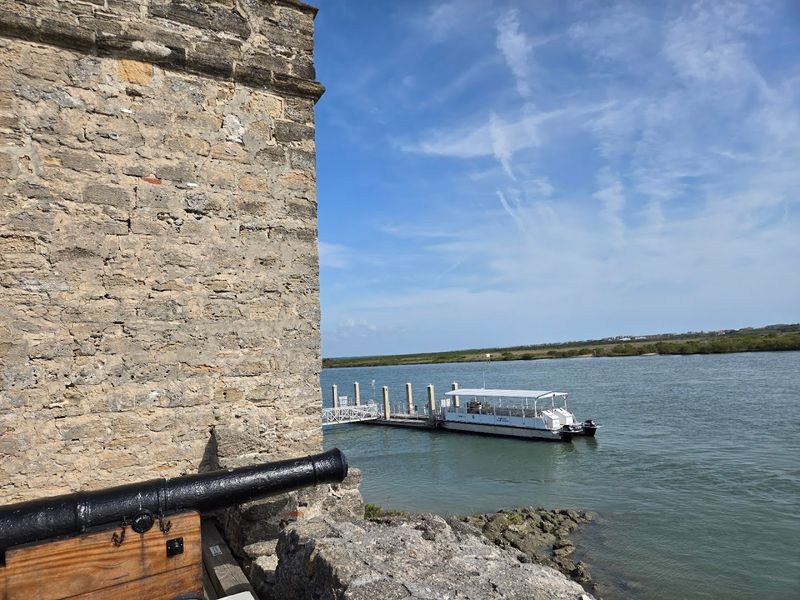
Before rushing to catch the ferry, I always spend at least twenty minutes in the visitor center, where exhibits and artifacts provide the historical framework that makes the fort itself infinitely more meaningful and comprehensible. Maps show the strategic importance of this inlet, explaining how it offered a back door to St. Augustine that enemies could exploit if left undefended.
Display cases hold period weapons, tools, and everyday items that help you imagine the reality of garrison life in an era without electricity, refrigeration, or rapid communication with the outside world. I’ve studied the timeline that traces Spanish Florida from early exploration through colonial administration to eventual transfer to British and then American control.
The center also houses a small bookstore where you can purchase detailed histories, children’s activity books, and the official National Parks passport that serious monument collectors guard like treasure. Rangers stationed here answer questions, provide ferry schedules, and offer recommendations for other historical sites in the St. Augustine area worth exploring.
Clean restrooms and water fountains make this a practical stop before heading to the fort, where facilities don’t exist beyond the most basic level. I’ve found that visitors who skip the center and head straight to the ferry miss crucial context that would double their appreciation of what they’re about to experience across the water.
Photography Opportunities Capture Timeless Beauty
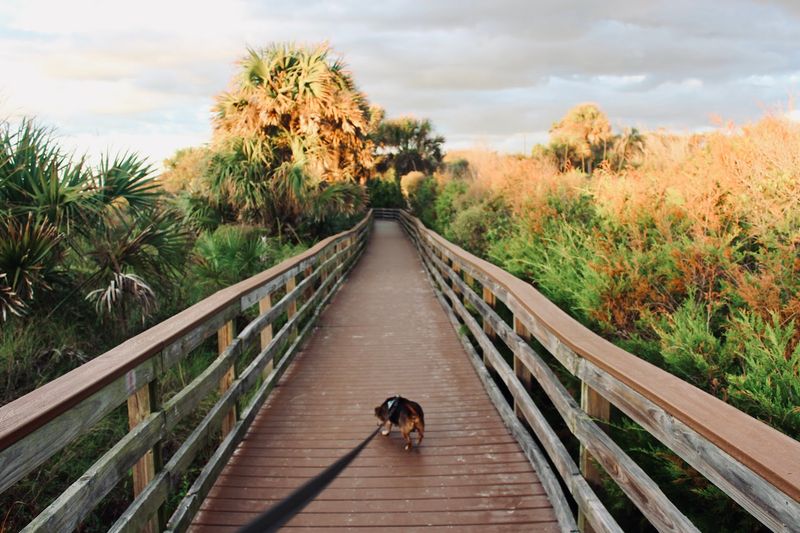
Golden hour transforms Fort Matanzas into a photographer’s paradise, with warm light painting the coquina walls in shades of honey and amber while long shadows emphasize every texture and architectural detail. I’ve shot this location in morning mist, harsh midday sun, and the soft glow of late afternoon, and each condition reveals different aspects of the fort’s character and its relationship with the surrounding landscape.
The contrast between human-made geometry and organic marsh wilderness creates compelling compositions, especially when you frame the fort against dramatic cloud formations or catch the reflection of the tower in still tidal pools. Rangers don’t mind photographers taking their time, and the limited number of visitors means you can often capture shots without crowds cluttering the frame.
I’ve experimented with different angles from the boardwalk trail, finding perspectives that emphasize the fort’s isolation and the vastness of the marsh ecosystem. Wildlife photography adds another dimension, with opportunities to capture herons, egrets, dolphins, and the occasional bald eagle that patrols this stretch of coastline.
Bringing a telephoto lens pays dividends for bird shots, while a wide angle helps capture the sweep of landscape and sky that makes this location feel simultaneously intimate and expansive, grounded in specific history yet connected to something timeless.
Peaceful Atmosphere Offers Respite From Tourist Crowds
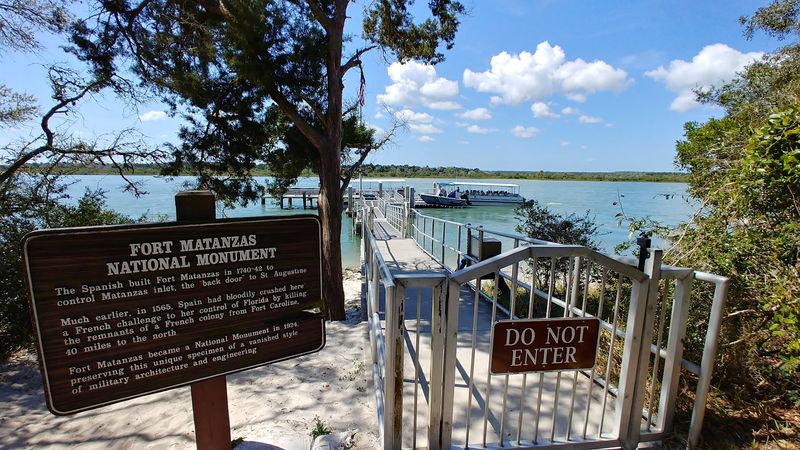
Escaping the bustling streets of downtown St. Augustine takes only a fifteen-minute drive south, but the change in atmosphere feels like traveling to a different century and a completely different pace of life. Fort Matanzas receives a fraction of the visitors that pour through Castillo de San Marcos, meaning you can actually hear the wind rustling through marsh grass and the cry of seabirds instead of battling crowds for space at the railings.
I’ve sat on benches near the visitor center, watching the tide shift and birds work the shallows, feeling my breathing slow and my shoulders drop as the peaceful environment works its subtle magic. The limited ferry capacity naturally controls visitor numbers, preventing the site from ever feeling overrun or commercialized in the way that many historical attractions become.
Families spread picnic blankets on the grass, couples walk the boardwalk trail hand in hand, and solo travelers like myself find space to simply exist without agenda or schedule. That tranquility represents part of the fort’s value, offering not just historical education but genuine restoration of the kind that’s increasingly rare in our overstimulated modern lives.
I leave Fort Matanzas feeling refreshed rather than exhausted, carrying memories of a place where history and nature coexist in harmonious balance that honors both without sacrificing either.