
This Sprawling Illinois Flea Market Is Famous For Rare Collectibles You Won’t Find Anywhere Else
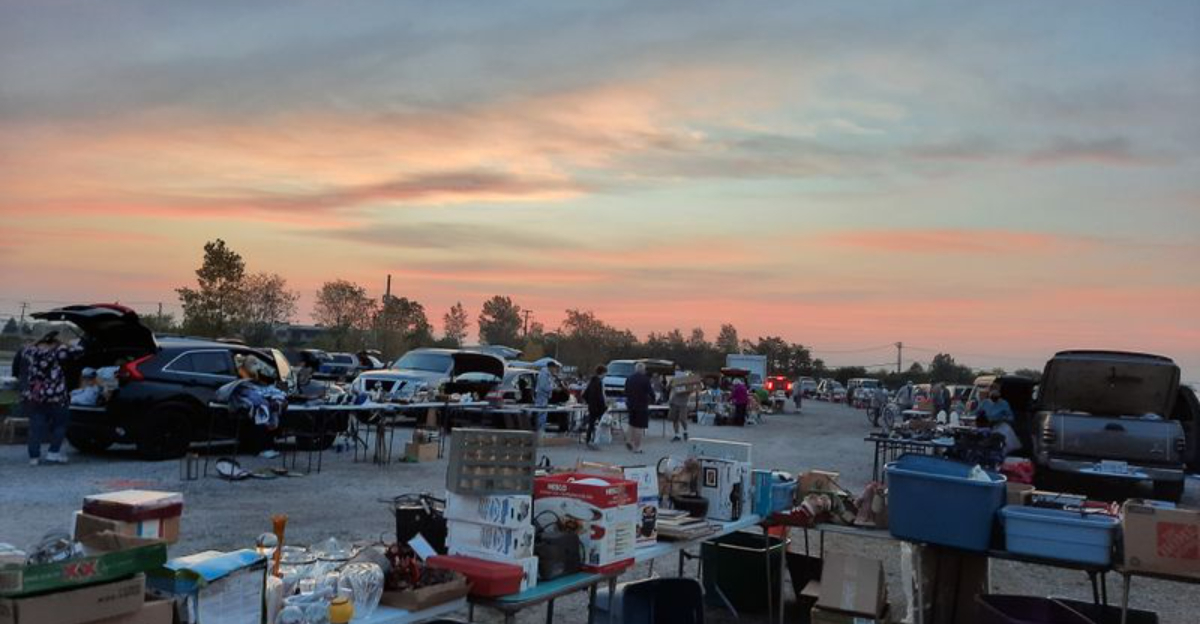
I still remember the first time I pulled into the I-80 Flea Market in Illinois before sunrise and thought, okay… this might be serious. Trucks were already backed into rows.
People were walking fast, not running, but definitely not strolling either. Coffee in one hand, empty tote in the other.
Game faces on. By the time the gates opened at 7, the place had that electric, low-buzz energy that only happens when everyone thinks they might get lucky.
I’m talking vintage signs leaning against tailgates, milk crates of records not even fully unpacked yet, someone holding up an old camera like they just found buried treasure. I’ve been to plenty of flea markets, but this one sticks in my brain for a simple reason: it rewards effort.
Show up early, dig a little, talk to people and suddenly you’re walking away with something you didn’t even know you were looking for. Comfortable shoes help.
So does cash. And if you’re anything like me, you’ll start planning your next visit before you even hit the highway home.
Why Early Birds Win Big
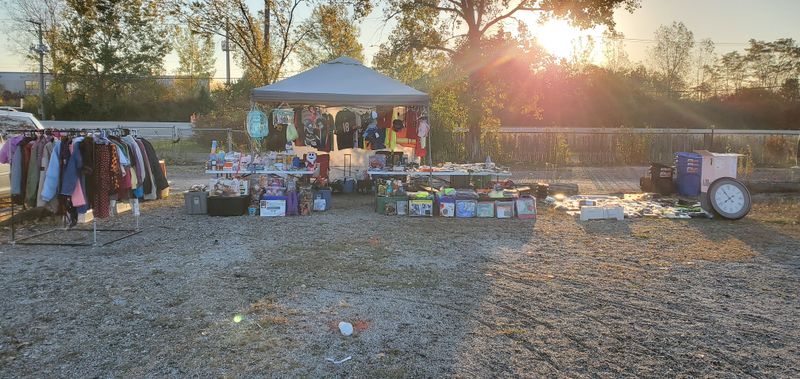
Roll up at first light and you will understand why the regulars swear by the 7 am opening time. The morning air feels cool and crisp, and the gravel crunches under your shoes as vendors swing open truck doors.
That first sweep of the aisles feels like a private tour, when the unicorns have not been whisked away and prices have not hardened.
You hear snippets of friendly banter and the thud of boxes landing on tables, followed by the clink of old glass. Early hours mean fewer elbows and more stories, because vendors are fresh and chatty.
Ask where a military patch came from, or how a camera body survived decades in a closet, and you will get the lineage right there.
Inventory shifts fast, especially on blue-sky Sundays. By mid-morning, some of the most sought-after furniture, vinyl, and tools begin disappearing.
Arrive late and you will still have fun, but you are chasing echoes.
Bring small bills, sturdy bags, and a quick eye. The trick is to loop once for instinct and again for details, jotting stall landmarks like main aisles, entrances, or standout vendor tents.
When something makes your pulse jump, act.
Real Deals, Real Talk
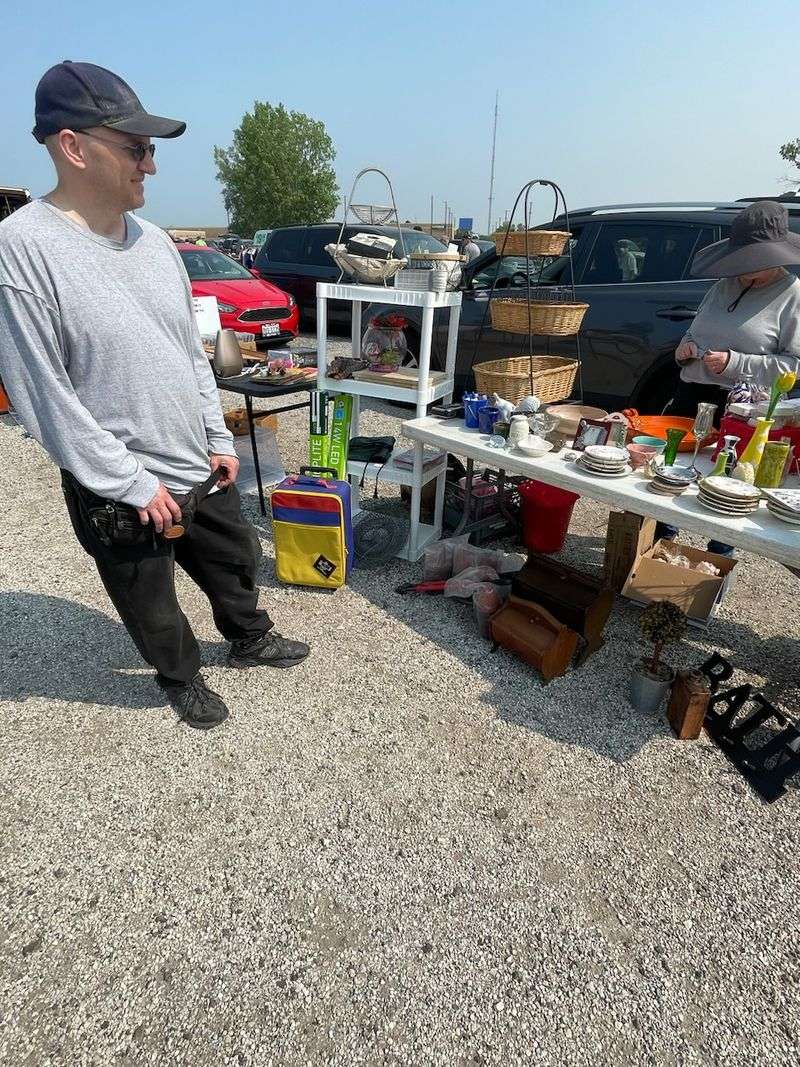
At I-80 Flea Market, bargaining is a conversation, not a wrestling match. You read the table, you read the mood, and you start with a smile.
Vendors respect a fair offer more than a lowball, and if you pair it with a good question, you often unlock a better price and the story behind the item.
The sweet spot is knowing what you want to spend before you ask, then letting the vendor counter. Cash makes everything smoother.
Keep small bills in an easy pocket and you will watch prices round down without drama.
Some stalls are firm, especially on rare collectibles that drew a crowd at dawn. But many sellers appreciate someone who appreciates the item.
Say you are building a collection, or you are gifting it to a fan, and the conversation softens.
If a price feels stuck, bundle. Pick the lantern, the patch, and the tin sign, and ask for one number.
It turns negotiation into teamwork, which this market thrives on. You walk away with a better deal and a handshake that feels like a win for both sides.
The Treasure Mix: From Antiques To Oddities
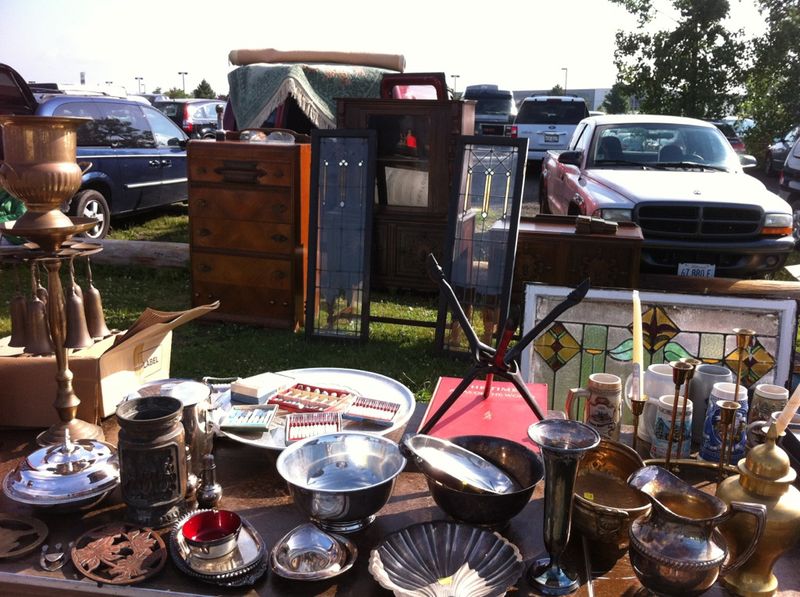
One aisle feels like grandma’s attic, the next like a 1970s den, and then you blink and land in a mechanic’s dream. That is the I-80 mix, where antiques brush shoulders with garage-sale grails.
You might spot cast iron with perfect seasoning, crates of rock LPs, and cameras older than your first road trip.
There are often tables loaded with die-cast cars, jars of marbles, and cigar boxes stuffed with postcards that smell like old basements. Glassware throws tiny rainbows when the sun hits.
Hand tools often line up like soldiers, while comic books sometimes hide under the shade of mismatched lamps.
Do not expect boutique curation. Expect discovery. The magic is in the sift, the moment your fingers graze a label you have been hunting for months.
Ask vendors what they love on their table and watch their faces light up. They will pull out the rare hinge, the limited patch, the obscure brand of reel-to-reel tape.
That joy is contagious, and suddenly you are part of the hunt, not just a passerby.
Timing, Weather, And The Pack-Up Dash
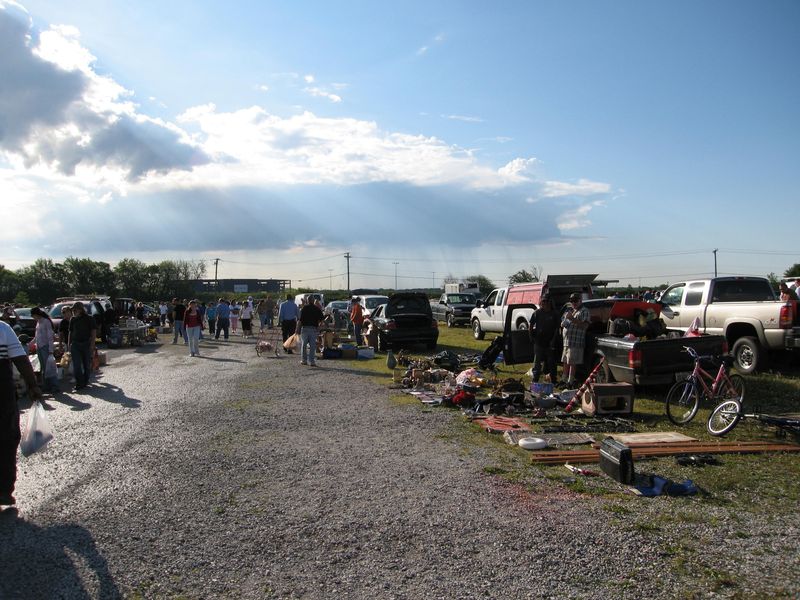
This market is a Sunday sprint. Doors open at 7 am, and by late morning you may notice some vendors beginning to pack, especially after the 11 am minimum selling window.
Weather sets the tone, too. A crisp, dry day draws a crowd and more booths, while a rainy dawn can thin the ranks. Plan for speed. If you want serious selection, aim for opening, do a quick sweep, then circle back for deeper looks.
The mid-morning window is when sellers start considering deals on bulky pieces because they hate reloading them.
Parking tightens as the sun climbs. Grab a spot along Oak Park Ave if you can, and keep a mental map for the walk back. The ground is gravel and grass, so wear sturdy shoes and be ready to carry your wins a bit.
Some buyers get prickly about early pack-ups, but vendors follow market rules about when they can begin closing. You manage the rhythm by moving with it.
When you see boxes coming out, close your loops, confirm prices, and commit. You will enjoy the flow instead of fighting it.
Snacks, Smiles, And Small-Town Vibes
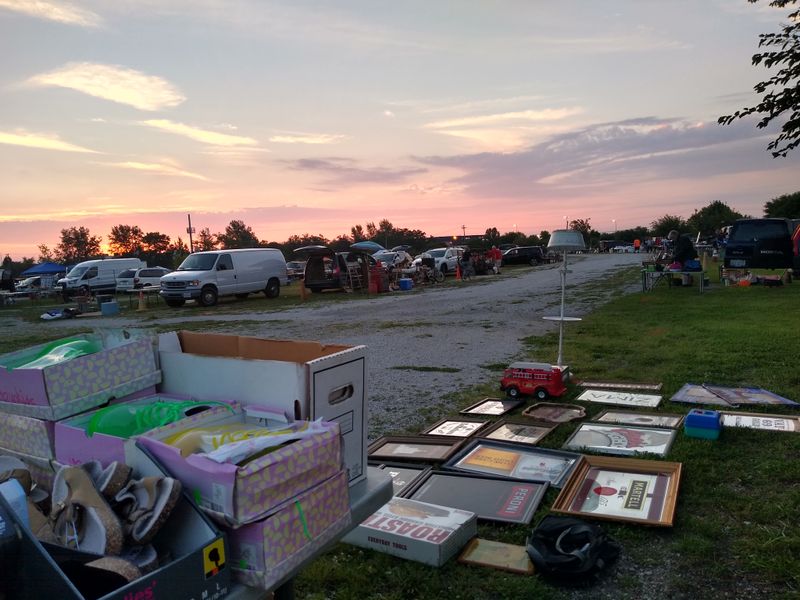
The I-80 Flea Market feels like a Sunday block party with extra treasures. You smell coffee and fryer heat drifting over the rows, and it fits the mood perfectly.
People swap stories about past finds while juggling a cup and a bag of treasures.
The on-site kitchen keeps it simple and satisfying. Think drinks, breakfast bites, sandwiches, and simple fair-style snacks that hit the spot mid-hunt. Prices are friendly, lines move, and the chatter at the tables is half the fun.
That Midwestern warmth shows up everywhere. Vendors remember faces and point you to a neighbor if they do not have what you need.
You will see multigenerational shoppers, someone testing sunglasses by the cornfield, and a kid falling in love with an old toy robot. It is not fancy, but that is the charm. You came for a vintage score and stayed for the neighborhood feel.
Smile, say hi, and ask questions. The friendlier you are, the more doors open, and sometimes the best tip of the day comes with ketchup on the side.
Hours, Fees, And Getting Around
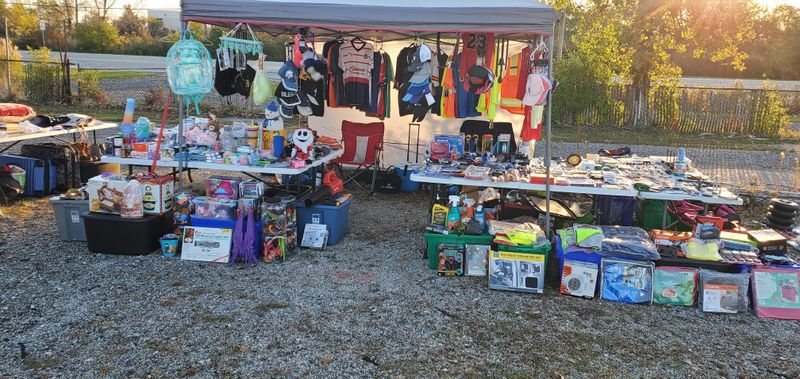
Plan around Sunday morning because that is when the gates open, usually at 7 am and running into late morning. Hours can vary by season and weather, so check the website or call ahead if the forecast looks iffy.
Admission is typically just a few dollars, so bringing small bills or cash makes entry quicker.
Parking is on gravel and grass near Oak Park Ave. It fills quickly, so arrive early and park smart for an easy exit when your arms are full. The layout is simple rows with pop-up tents, and while the ground can be uneven in spots, shoppers who plan ahead and take it slow navigate it just fine.
Bring cash, a tote, and a tape measure. Photos help you compare color and scale. If you plan to buy furniture, measure your trunk before you leave home and stash a moving blanket. Bathrooms can be basic, and lines happen. Pace your coffee.
And if you are selling, confirm setup timing and any rules about leaving, since the market follows set seller guidelines. A little prep turns the day from good to great.
Vendors With History
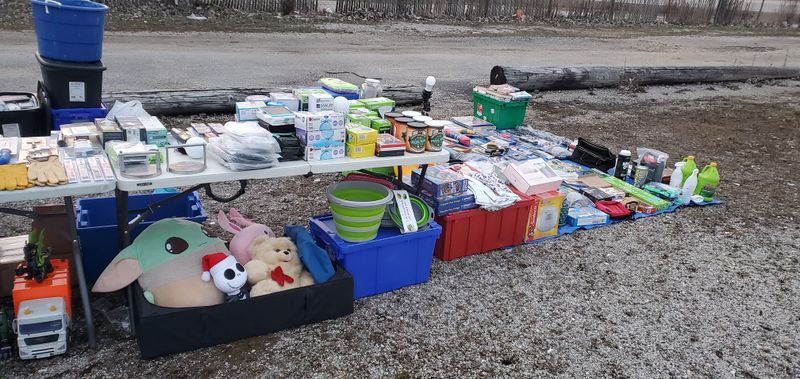
Pause long enough at any table and the market turns into a living archive. A vendor flips open a jewelry case and points to a brooch that saw three weddings.
Another unfolds a flag patch and tells you about a grandfather who logged highway miles with that jacket as his armor.
Many sellers are collectors themselves, trading up while keeping their favorites close. You will hear about estate cleanouts, small-town auctions, and the occasional miracle attic.
Those stories add weight to the object in your hand, and suddenly you are holding more than a thing. You are holding a breadcrumb trail.
Respect goes a long way. Ask before handling delicate pieces, and listen when a vendor explains a repair or a missing screw. They are offering insider education for free, which makes you a better, faster picker.
When you leave with an item that carries a tale, the market comes home with you. Weeks later, you will remember the sun hitting that table or the laugh shared over a scuffed toolbox. That is what sticks, and why people come back season after season.
The Hunt Strategy
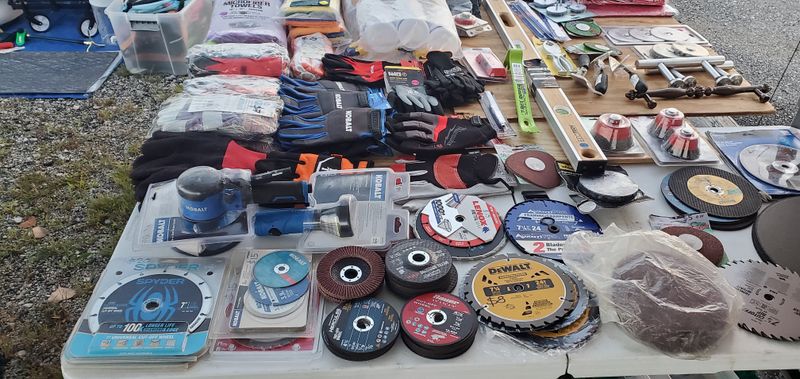
Before the first booth reels you in, mark your route. Pick a loop along the perimeter, then snake through the middle.
That system keeps you from losing time backtracking and helps you spot patterns, like which vendor has the best midcentury lamps or which tent hides the vinyl jackpot. Trust your instincts. If a piece makes you pause, hold it while you decide.
Good items do not wait for long. Snap a photo, ask about provenance, and make a quick call. The worst regret at a flea market is the one that got away by five minutes.
Bring a small magnet for cast iron, a flashlight for box digging, and a tape measure for frames and furniture. Those tools separate browsers from finders.
Keep your hands free and your phone accessible for quick research without being rude.
When you finish the loop, revisit your short list and make moves. Keep an eye on the time, because pack-up creeps in. With a plan and a little nerve, you will walk out with pieces that feel meant for you, at prices that leave room for lunch.
The Wow Factor You Feel Later
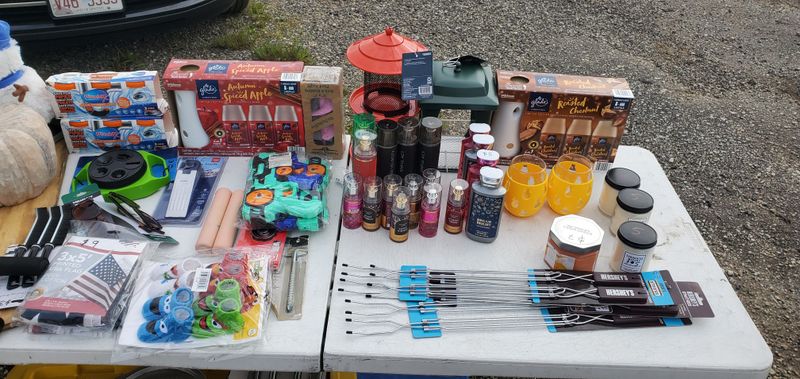
Driving away, you will catch yourself grinning at the box beside you. It is not just the loot, though that vintage chair and stack of records look great in the rearview.
It is the buzz of a morning spent moving with purpose, talking with people who love what they sell, and following curiosity like a compass.
At home, you wipe down a lantern and the smell of old metal fills the room. You flip a record and it crackles to life.
The stories you heard at those tables begin to color your space, turning a living room into a scrapbook of chance encounters and good timing.
Next Sunday in season will tug at you. The market is habit forming, a ritual that rewards early alarms and comfortable shoes. Even on weeks when the rarest items slip through your fingers, the chase leaves you lighter.
That is the wow factor people talk about. It sneaks up later, when a friend asks where you found that sign and you light up. You remember the gravel, the laughter, the sun. And you think, see you next time.