
This St. Augustine, Florida Building Turns 1800s History Into Spanish Flair
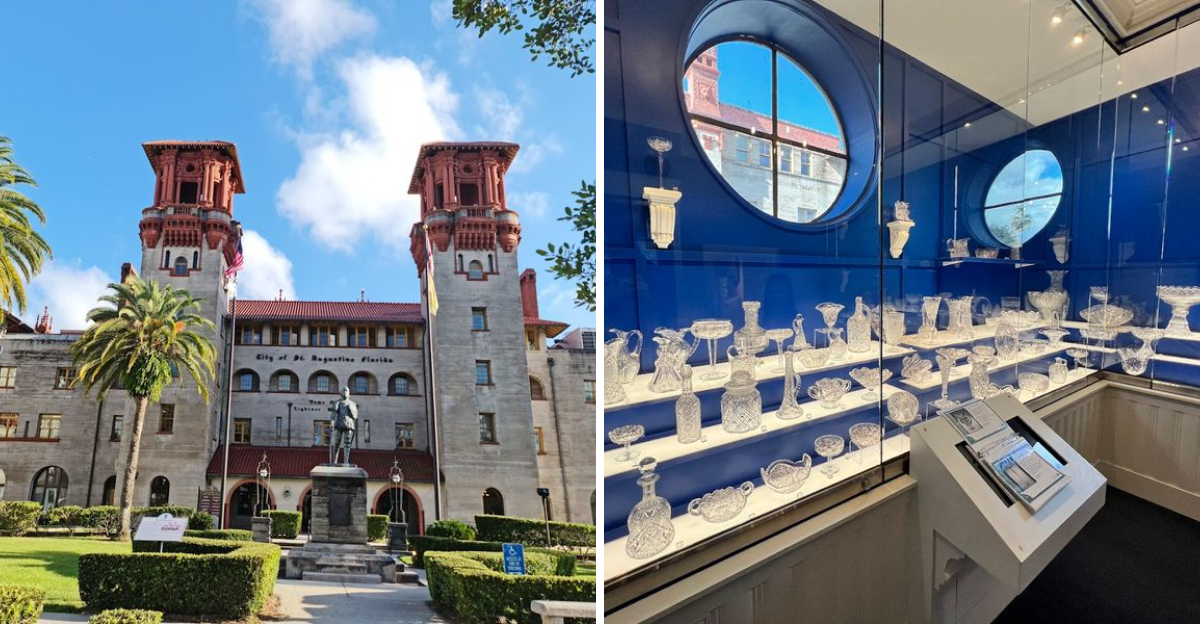
You walk through the doors expecting a museum, then realize it feels like something much bigger.
At first, it’s the space that catches you. High ceilings, sweeping arches, details that don’t belong to a typical stop in Florida.
Then you start to notice everything else.
History in Florida doesn’t always sit behind glass, and this place proves it the moment you step inside.
Every room adds another layer. Intricate tile, grand architecture, collections that feel carefully chosen rather than simply displayed.
You don’t move through it quickly. You slow down without thinking about it.
It’s not just what you’re looking at. It’s how it all fits together, how the setting makes everything feel more real, more present.
People take their time here. They look longer, walk quieter, and let the space do what it was built to do.
You don’t rush through a place like this.
You take it in.
And that’s what makes it stay with you.
The Spanish Renaissance Architecture That Steals Every Glance
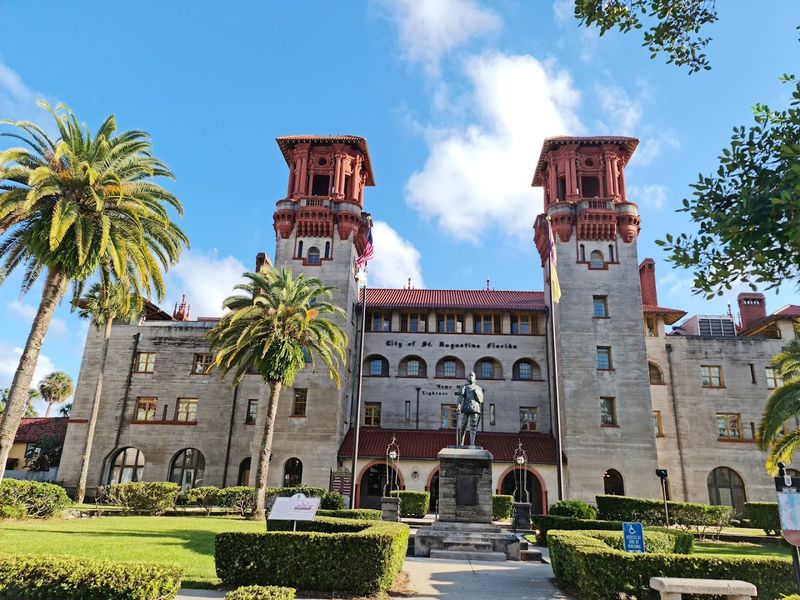
Some buildings whisper their history quietly, but the Lightner Museum announces it boldly from the sidewalk.
Henry Flagler commissioned the Hotel Alcazar in 1888, and architect John Carrere designed it in the Spanish Renaissance Revival style, blending Moorish arches, decorative towers, and ornate stonework into one jaw-dropping structure.
The building sits at 75 King St in the heart of St. Augustine, and its warm stone facade contrasts beautifully with the bright Florida sky above.
Every arch and carved detail tells a story about the ambitions of the Gilded Age, when wealthy industrialists competed to build the most impressive resorts in the country.
Standing outside and taking it all in, you get a clear sense of why visitors consistently rate the architecture as one of the top reasons to visit.
The building itself is practically a living exhibit, and no entry ticket is needed to appreciate it from the street.
The Gilded Age Story Behind Hotel Alcazar
Back in 1888, Henry Flagler had a vision to turn St. Augustine into the Newport of the South, and Hotel Alcazar was a key piece of that dream.
Flagler, who co-founded Standard Oil with John D. Rockefeller, used his enormous fortune to build a string of luxury hotels along Florida’s east coast, and the Alcazar was designed to complement his even grander Ponce de Leon Hotel directly across the street.
Wealthy guests from New York, Chicago, and beyond flocked here every winter season to enjoy the warm climate and the hotel’s lavish amenities.
When the Great Depression hit, the hotel struggled and eventually closed, sitting largely unused until Otto Lightner arrived in 1947 with a bold new plan.
Lightner, publisher of Hobbies magazine, purchased the building to house his vast personal collection, and the museum that carries his name has been welcoming curious visitors ever since.
Otto Lightner And The Magazine That Built A Museum
Not every museum owes its existence to a magazine, but the Lightner Museum proudly does.
Otto Lightner published Hobbies, a popular magazine that encouraged everyday Americans to collect anything they found interesting, from matchbox covers and bottle caps to fine Victorian glassware and antique furniture.
Lightner practiced exactly what he preached, amassing a personal collection so large that he needed an entire hotel to display it properly.
When he purchased the former Hotel Alcazar in 1947, he had a clear mission to share his passion for collecting with the public, creating what some visitors describe as a delightful collection of collections.
His philosophy gave the museum its wonderfully eclectic personality, where a cabinet of curiosities sits comfortably beside a display of finely crafted Victorian decorative arts.
That spirit of enthusiastic, joyful collecting still fills every room today, making the Lightner feel less like a formal institution and more like a fascinating personal passion project on a grand scale.
The World-Record Swimming Pool Turned Event Space
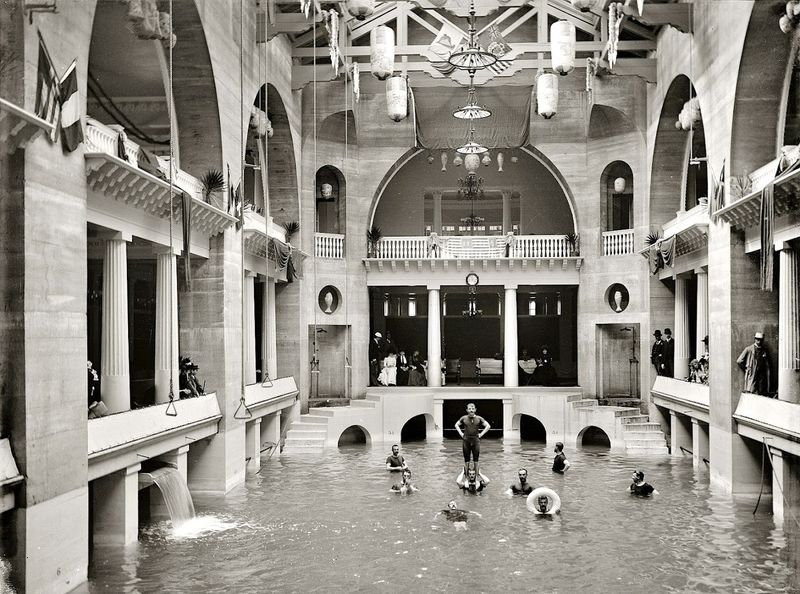
At one point in history, the basement of this building held the largest indoor saltwater swimming pool in the entire world, and that fact alone is worth pausing to appreciate.
The Alcazar pool was a showpiece of Gilded Age engineering, fed by a system that pumped saltwater directly from the nearby bay and maintained at a comfortable temperature for the hotel’s elite guests.
Today, that dramatic space has been transformed into an event venue and houses a beautiful restaurant where visitors can enjoy a meal surrounded by soaring arched ceilings and original tile work.
The pool area is also a popular wedding venue, and reviews from couples who have celebrated there describe it as one of the most breathtaking ceremony settings in all of Florida.
Reservations are strongly recommended if you plan to dine at the cafe, since the space fills up quickly, especially on weekends and during St. Augustine’s busy tourist season.
Victorian Decorative Arts That Dazzle Room By Room
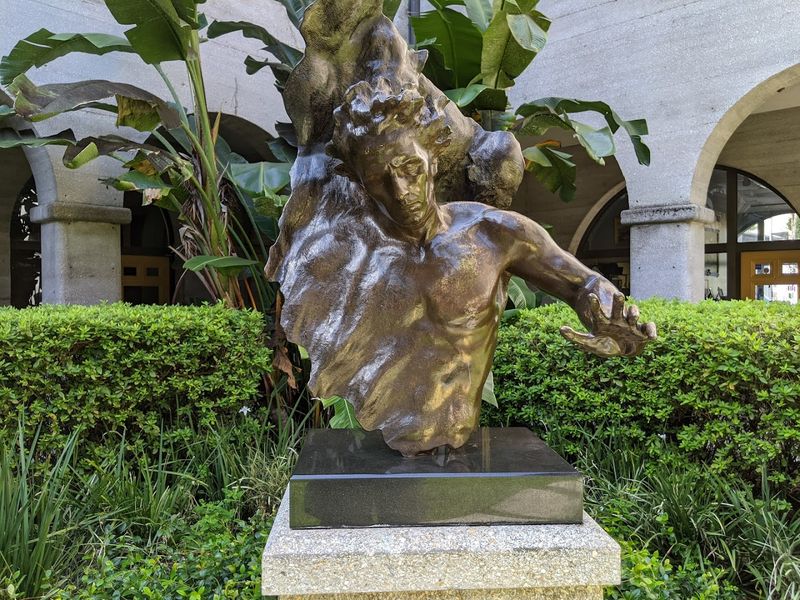
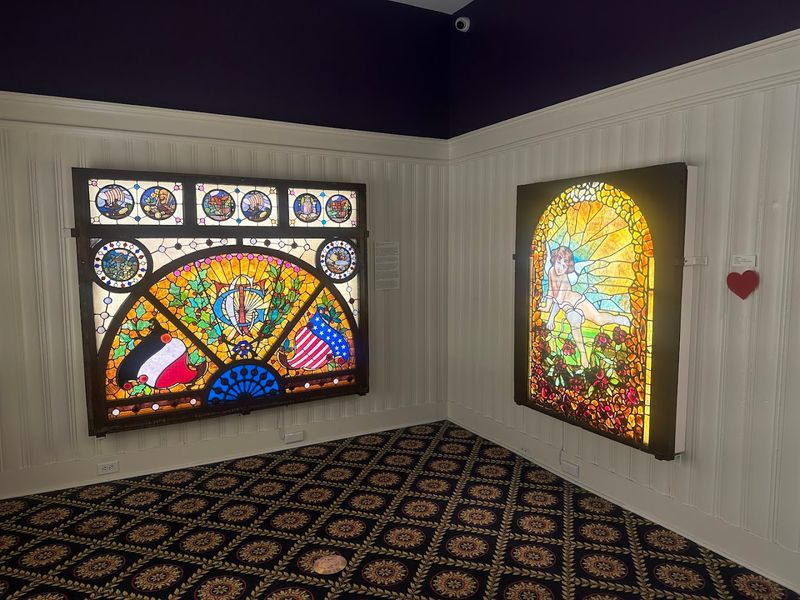
Few collections in Florida rival the sheer variety and craftsmanship on display throughout the Lightner Museum’s Victorian decorative arts galleries.
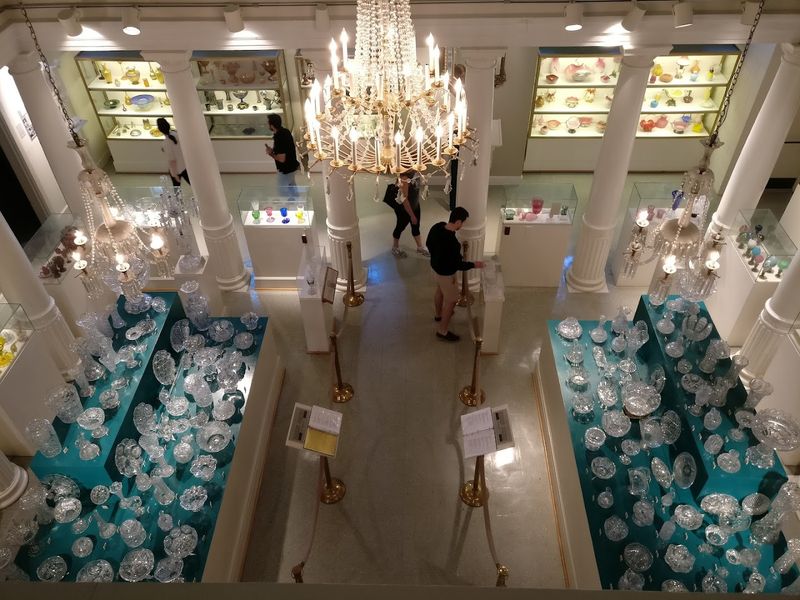
Room after room showcases furniture, porcelain, stained glass, and decorative objects that represent the peak of 19th-century craftsmanship, each piece accompanied by a description card that gives helpful background information.
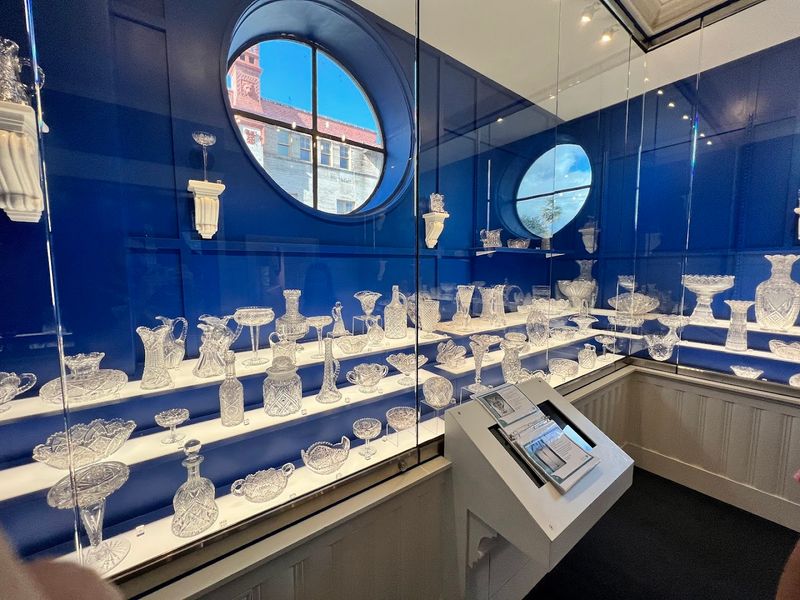
One of the most popular galleries features an extraordinary collection of cut glass and crystal, where light bounces through hundreds of intricately carved pieces to create a sparkling, almost magical effect.
Visitors with an eye for detail will also appreciate the stained glass room, where colorful panels glow with the kind of artistry that was considered the height of sophisticated taste during the Gilded Age.
The Florida landscape paintings scattered throughout the museum add a regional flavor that connects the collection to the state’s natural beauty.
Every floor offers something new to discover, making the museum well worth a leisurely two-hour stroll at a comfortable, unhurried pace.
Mechanical Musical Instruments That Still Sing
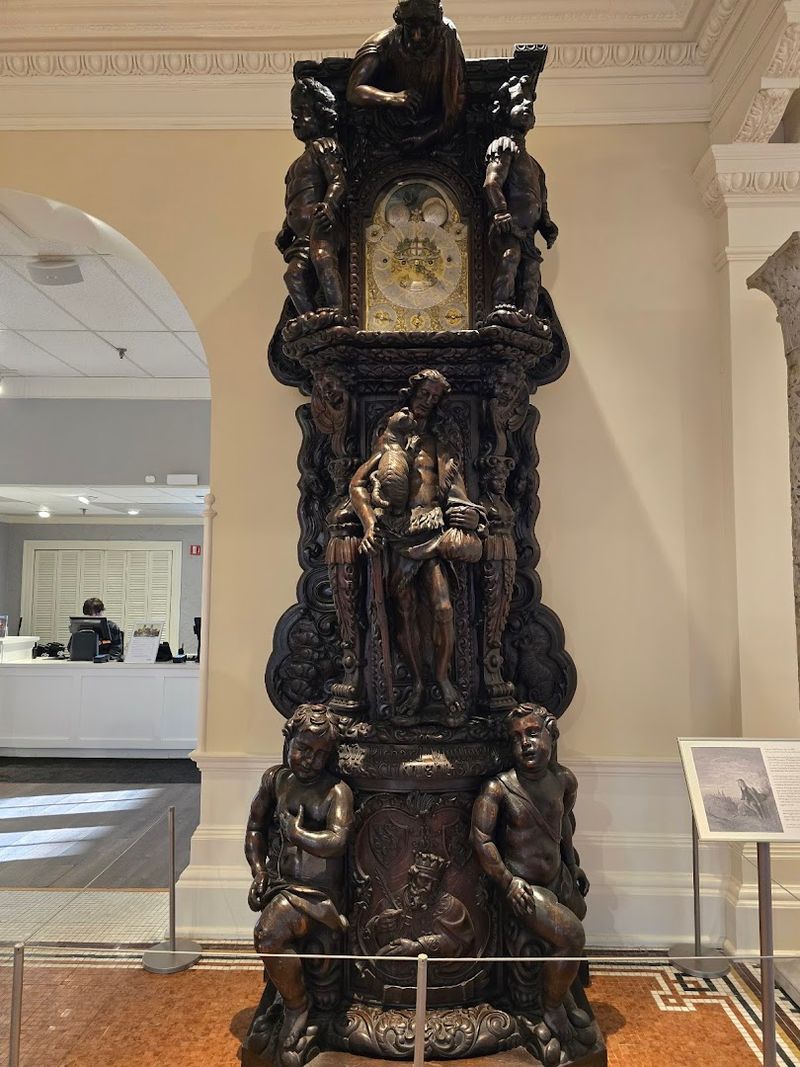
Imagine a room filled with instruments that play themselves, and you will have a pretty good idea of what awaits you in one of the Lightner Museum’s most talked-about exhibits.
The mechanical musical instrument collection includes music boxes, orchestrions, and other automated devices that were the high-tech entertainment gadgets of the late 19th and early 20th centuries.
These clever contraptions were prized possessions in wealthy homes and hotels, capable of producing surprisingly complex musical performances without a single human musician.
Visitors frequently mention wishing they could hear the instruments in action, and on select occasions the museum does demonstrate some of the working pieces, so checking the schedule before your visit is a smart move.
The craftsmanship involved in building these mechanisms is genuinely impressive, with tiny moving parts, hand-painted panels, and decorative cases that are as beautiful as they are functional.
Standing next to one of these silent machines, it is easy to imagine the delight they must have brought to guests at the original Hotel Alcazar.
The Turkish Baths And Spa Rooms That Survive Today
Henry Flagler did not build the Hotel Alcazar simply to offer rooms and meals; he wanted guests to experience total luxury, and that included a full Turkish bath and spa complex that was considered cutting-edge wellness in the 1880s.
The museum has preserved sections of the original spa rooms, complete with the unusual contraptions and fixtures that hotel guests once used during their therapeutic treatments.
Walking through these spaces gives you a fascinating window into how wealthy Americans understood health and relaxation more than a century ago, when elaborate bathing rituals were considered both fashionable and medically beneficial.
The equipment on display has a wonderfully quirky quality to it, with devices that look more like science experiments than spa tools by today’s standards.
Museum staff and docents are enthusiastic about explaining the history behind these rooms, and several visitors have mentioned how helpful the on-site volunteers are when you have questions.
The spa exhibit is one of those hidden highlights that many first-time visitors walk away talking about long after their trip.
Oddities, Curiosities, And The Collections Nobody Else Has
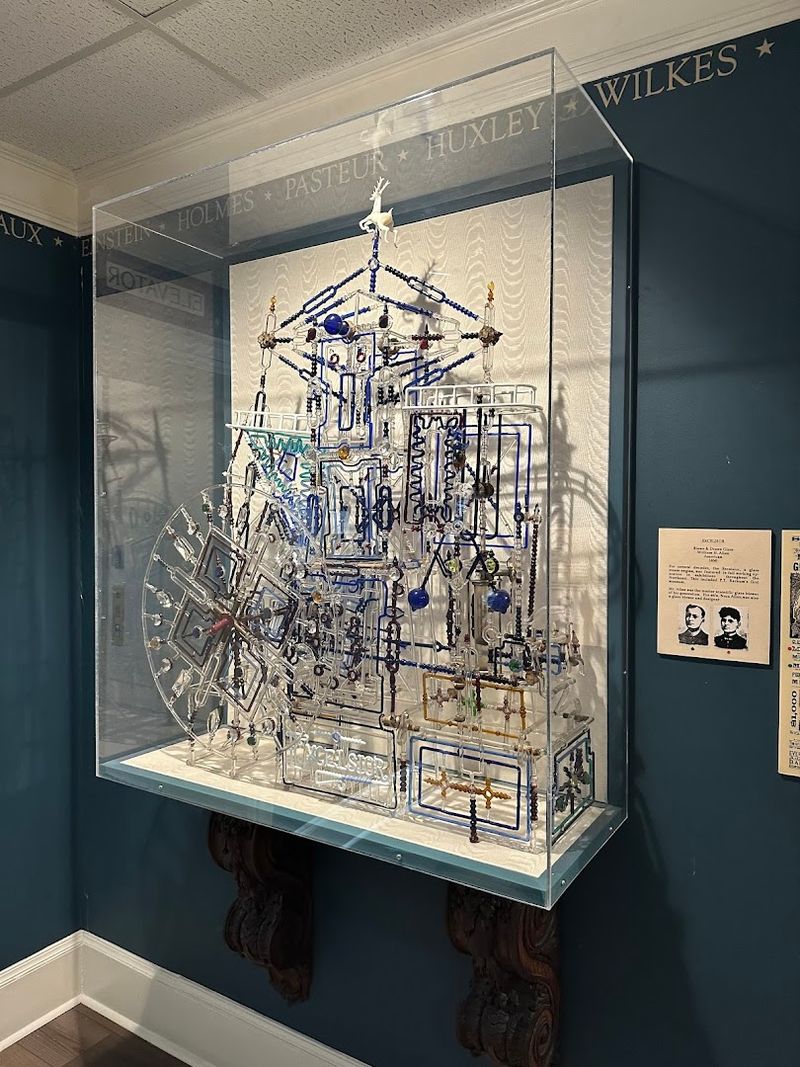
Part of what makes the Lightner Museum genuinely one of a kind is its proud embrace of the strange, the rare, and the wonderfully unexpected.
Otto Lightner’s philosophy of collecting everything interesting means that alongside the fine art and decorative pieces, you will find displays of oddities and curiosities that stop you mid-step and make you look twice.
A mummy exhibit has drawn loyal fans over the years, with some repeat visitors specifically returning to see it, and the eclectic mix of rocks, shells, and natural specimens adds a natural history flavor to the collection.
There is also a celebrated display tracing the evolution of early safety bicycles, which is surprisingly engaging even for visitors who would not normally consider themselves cycling enthusiasts.
Keith Pariani, whose personal bicycle collection is featured in the museum, has been known to appear on-site and share stories about his pieces directly with lucky visitors.
That kind of personal, unexpected encounter is exactly the sort of thing that makes a museum visit memorable.
A Location That Places You At The Heart Of St. Augustine
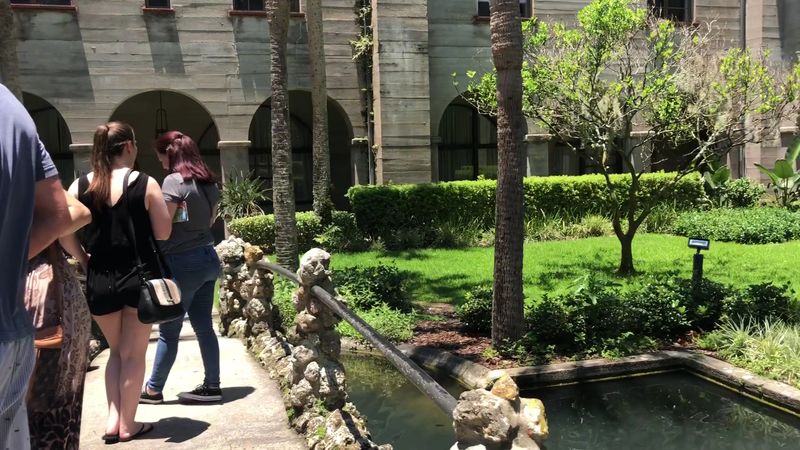
The address at 75 King St puts the Lightner Museum right at the center of one of the most historically rich neighborhoods in the entire United States.
Flagler College, the stunning former Ponce de Leon Hotel, sits directly across the street, and the two buildings together create a stretch of Gilded Age grandeur that is genuinely hard to match anywhere in Florida.
The surrounding area is packed with restaurants, boutique shops, historic sites, and walkable streets that reward slow exploration, making the museum a natural anchor for a full day of sightseeing.
St. Augustine is already famous as the oldest continuously occupied European-established settlement in the country, and the Lightner fits perfectly into that story of layers of history stacked on top of each other.
Parking and public transport options are available nearby, and the museum’s central location means you can easily combine a visit here with other stops along King Street and the nearby waterfront.
Practical Tips For Getting The Most Out Of Your Visit
Planning ahead makes a real difference at the Lightner Museum, and a few simple tips can help you enjoy every minute of your time there.
The museum is open daily from 9 AM to 5 PM, and admission is twenty dollars per adult, with various discounts available for students, seniors, and groups, so checking the website at lightnermuseum.org before you go is a smart first step.
A map is provided at the entrance detailing the themes and layouts of each floor, and using it helps you navigate the multi-level building, which can feel a little labyrinthine since it retains its original hotel floor plan.
Elevators are available for those who prefer not to use the staircases, though some visitors note they can be slow during busy periods.
If you want to eat at the cafe inside the former pool area, make a reservation well in advance, especially on weekends.
Most visitors find that two hours is a comfortable amount of time to see everything without feeling rushed.