
This 2,900-Acre State Park In Ohio Is Still A Mystery To Many People
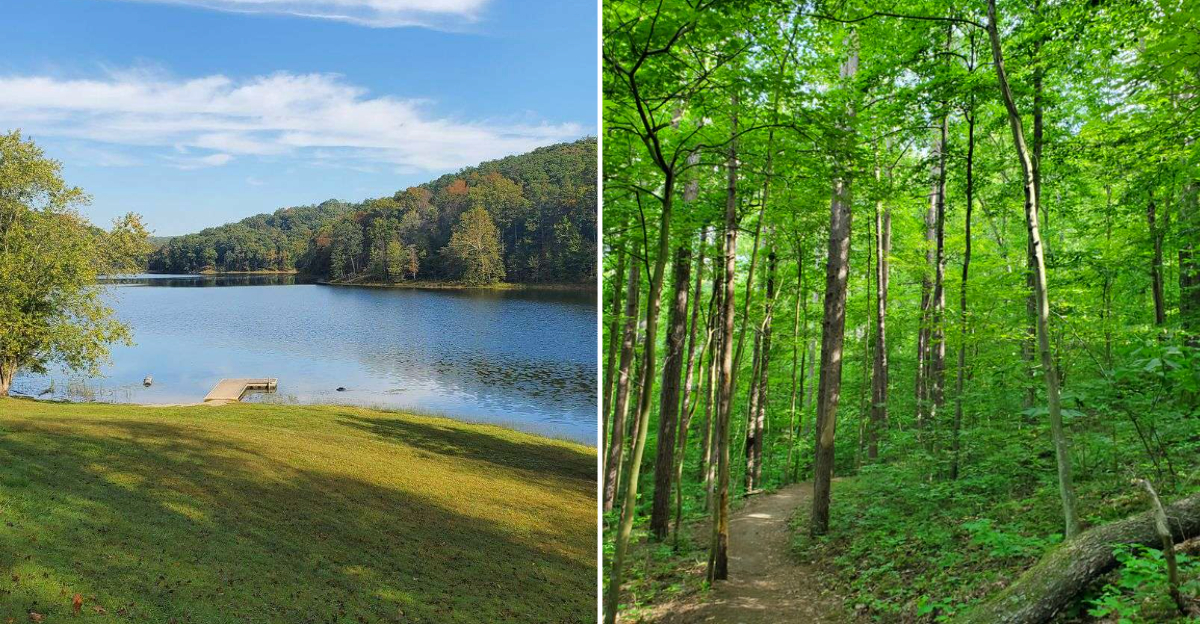
I’ll admit something right off the bat: before my first visit to Lake Hope State Park, I had no idea this sprawling natural sanctuary existed. Hidden in Vinton County near McArthur, Ohio, this 2,900-acre wilderness remains surprisingly under the radar despite offering everything outdoor lovers crave.
The park wraps around a stunning 120-acre lake and sits within the larger Zaleski State Forest, creating a secluded escape that feels worlds away from everyday life.
What struck me most during my time exploring the trails, paddling the calm waters, and staying in one of the cozy cabins was how peaceful everything felt. Unlike more crowded destinations, Lake Hope maintains an unhurried atmosphere where you can actually hear yourself think.
This hidden corner of southeastern Ohio delivers outdoor experiences that totally rival better-known parks without the overwhelming crowds that often come with popularity.
A Secluded Wilderness Experience
Finding Lake Hope State Park at 27331 OH-278, McArthur, OH 45651 requires commitment. The winding roads that lead here discourage casual visitors, which honestly works in favor of those who make the journey.
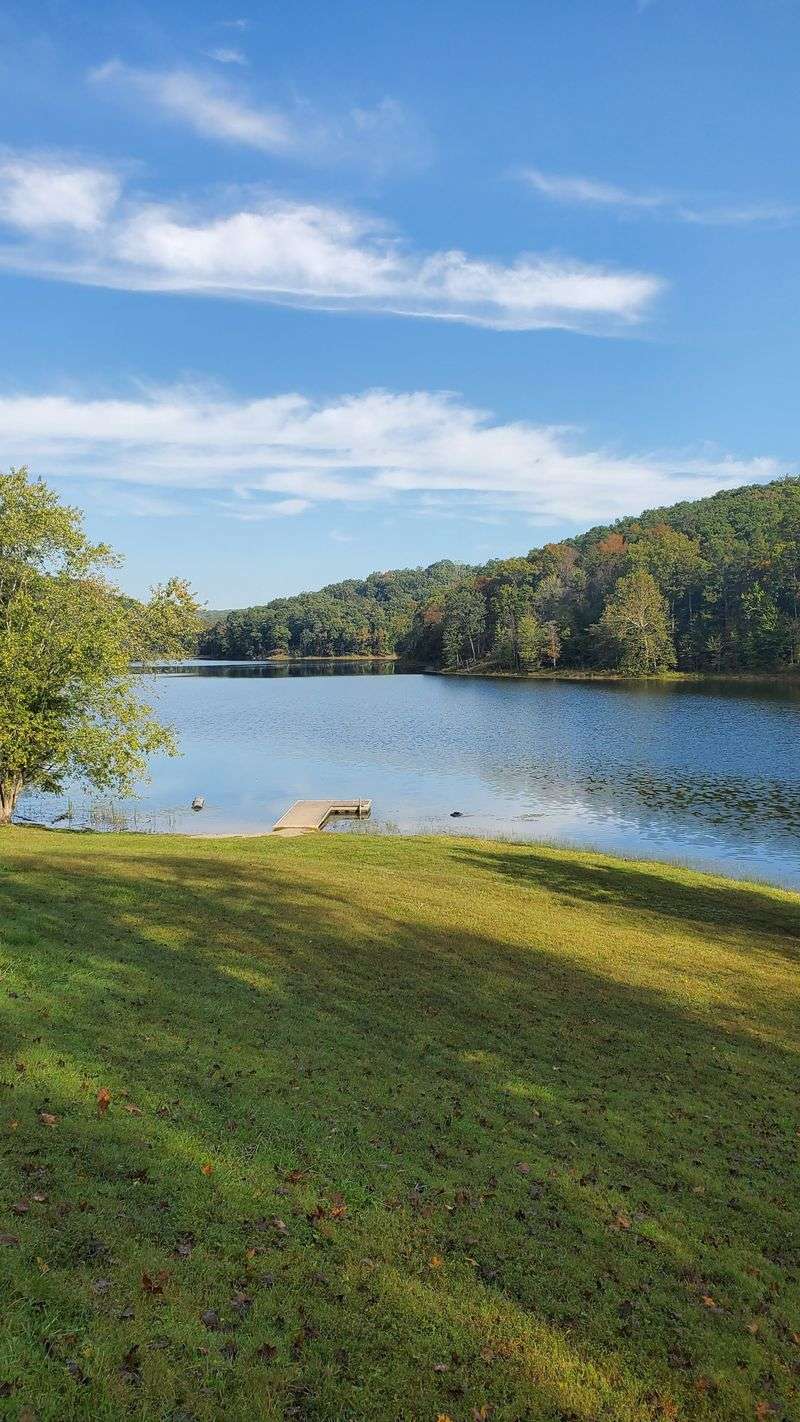
During my weekday morning visit in October, I practically had the entire 120-acre lake to myself, something nearly impossible at more famous Ohio destinations.
The park encompasses nearly 3,000 acres within Zaleski State Forest, creating layers of wilderness that extend far beyond what you initially see. Dense hardwood forests cover rolling hills, and the lake sits nestled in a valley that seems designed for reflection and quiet contemplation.
What makes this place genuinely special is how the isolation enhances every experience. Hiking trails wind through woods where you might not see another soul for hours.
The campground, though well-maintained, never feels overcrowded even during peak seasons.
This seclusion creates opportunities for wildlife encounters and stargazing that simply aren’t possible in busier parks, making Lake Hope a true refuge for anyone seeking authentic wilderness connection without traveling hundreds of miles from home.
The Surprising Lake at the Heart
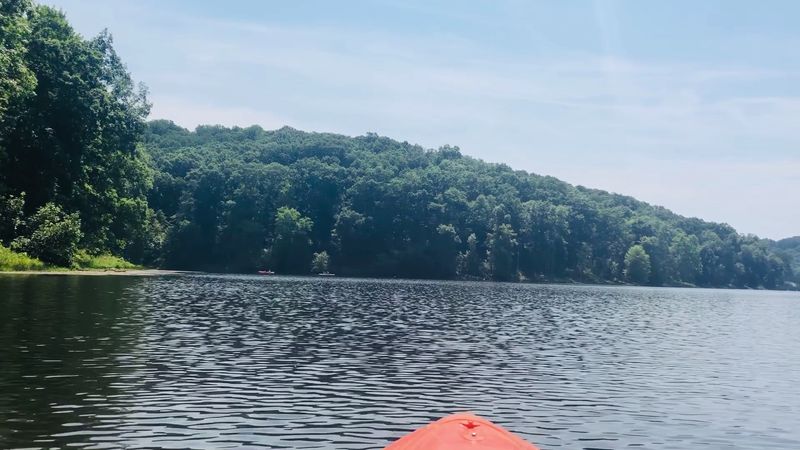
Lake Hope itself surprised me with its beauty and versatility. Spanning approximately 120 acres, with seasonal changes in water level, this isn’t some tiny pond masquerading as a lake.
The water stretches far enough to provide genuine boating experiences while remaining intimate enough that you never feel lost or overwhelmed.
The lake’s calm surface creates perfect conditions for beginners trying kayaking or canoeing for the first time. I watched families paddling together, fishermen casting lines from small boats, and even spotted a great blue heron hunting along the shoreline.
The water stays refreshingly clear, and the surrounding forest creates stunning reflections that change with the seasons.
What impressed me most was the accessibility. A small beach area provides swimming opportunities during warmer months, though the water can be brisk even in summer.
Boat rentals make it easy to get on the water without hauling your own equipment. The dock area, while requiring some steps to reach, offers convenient access for launching kayaks and canoes.
Whether you want active water sports or simply a peaceful time floating and watching clouds drift overhead, this lake accommodates every mood and energy level beautifully.
Cabin Comfort That Surprises
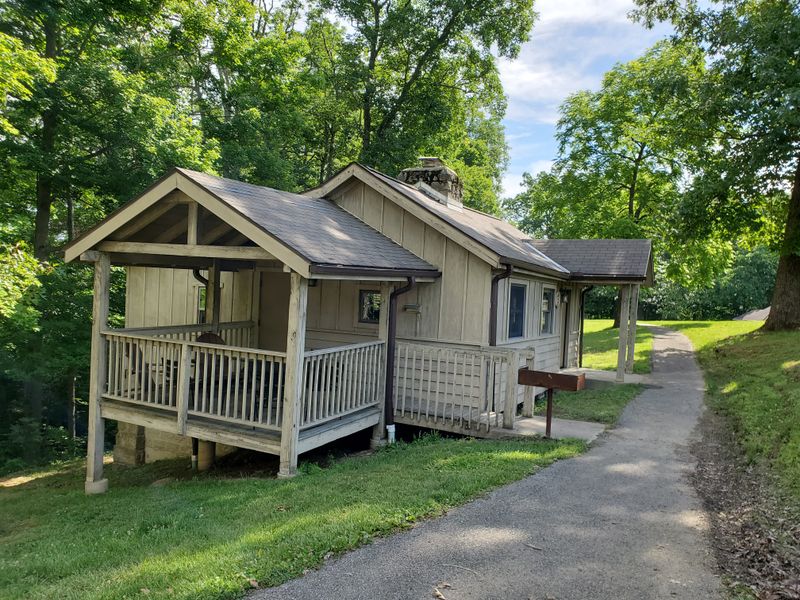
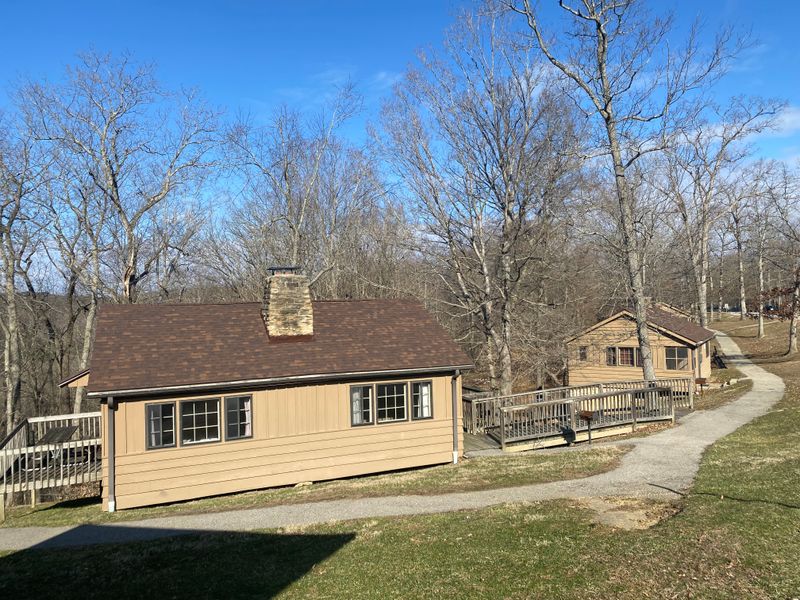
State park cabins often come with low expectations, but Lake Hope’s accommodations genuinely surprised me. The cabins range from rustic to modern, with many featuring full kitchens, comfortable beds, and wood-burning fireplaces that create cozy atmospheres on cool evenings.
I stayed in one of the Forest cabins, and the attention to detail impressed me immediately. The kitchen came stocked with cookware, utensils, plates, cups, a coffee maker, and even a toaster.
Everything was spotlessly clean, and the bed didn’t leave me feeling stiff like so many rental accommodations do. The cabin felt well-insulated too, blocking outside noise so effectively that I could barely hear the summer cicadas.
What makes these cabins special is their balance of comfort and nature connection. Large windows frame forest views, and each cabin includes an outdoor fire pit for evening gatherings.
Some feature bunk beds perfect for families, while others offer more romantic two-bedroom layouts. The affordable pricing makes these cabins accessible for regular getaways rather than once-a-year splurges.
After forty years as an Ohio resident, one visitor wrote, these accommodations made them wonder why they’d been traveling to Florida for vacations when such quality existed right here.
Trails That Challenge and Reward
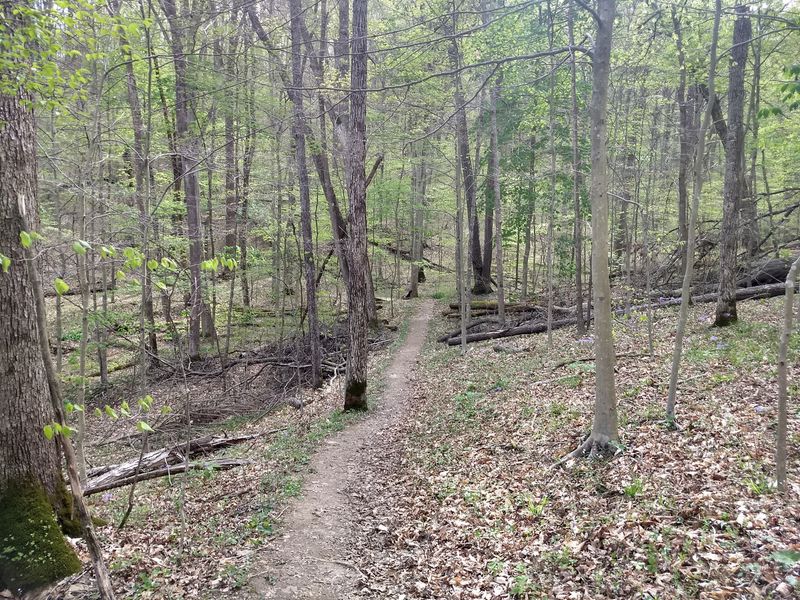
The trail system here deserves honest discussion because the difficulty levels vary significantly. The Peninsula Loop, advertised as three miles, proves genuinely challenging with narrow passages, steep drop-offs, and constant elevation changes that will test even experienced hikers.
I found myself carefully watching foot placement on sections where the trail narrowed considerably, with significant drops just feet away.
The Hope Furnace Trail offers more moderate terrain and leads to fascinating historical remnants worth exploring. This trail provides good footing and interesting destinations without the technical challenges of steeper routes.
For those seeking easier options, trails around the lake offer gentler grades and wider paths suitable for families.
What struck me about hiking here was the solitude. Unlike Hocking Hills, where you’re constantly passing other groups, I hiked for hours seeing only a handful of other people.
The forest feels genuinely wild, with towering hardwoods creating cathedral-like canopies overhead. Fall colors explode across these hillsides in October, while spring brings wildflowers and migrating birds.
Just remember that cell service is nonexistent on most trails, so download maps beforehand and let someone know your plans before heading out alone.
The Lodge That Anchors Community
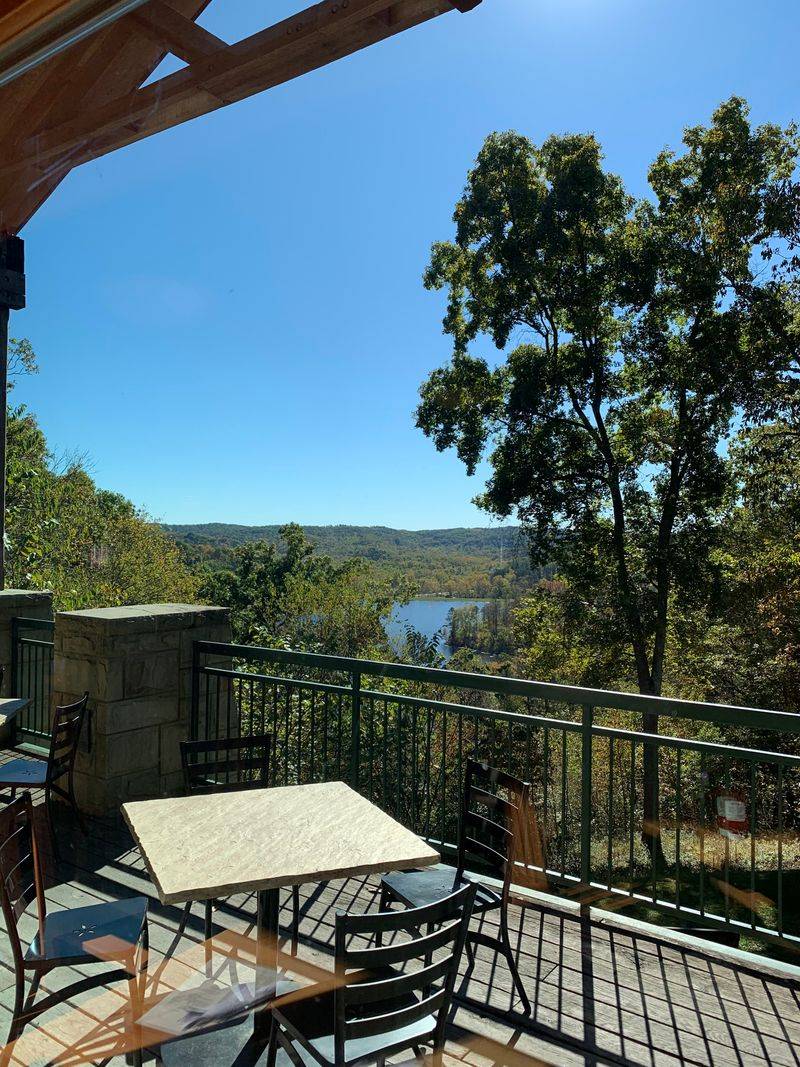
Lake Hope Lodge serves as the park’s social and culinary hub, offering home-style meals with spectacular lake views. The rustic building maintains character while providing modern comfort, and the dining area’s windows frame the water perfectly for sunset meals.
I found the food surprisingly good for a state park restaurant. The menu focuses on comfort classics done well rather than attempting anything too ambitious.
Portions are generous, prices remain reasonable, and the servers treat guests like neighbors rather than tourists. The lodge also provides the park’s only reliable WiFi, making it a gathering spot for visitors needing to check messages or plan their next day’s adventures.
Beyond meals, the lodge creates community. I watched families sharing stories about their day’s adventures, couples enjoying quiet dinners overlooking the water, and solo travelers striking up conversations at the bar.
The building can also be rented for groups, accommodating up to 24 guests in its more rustic Laurel Lodge configuration. This central gathering place adds warmth to the park experience, providing a comfortable retreat after long days exploring.
Even if you’re camping or staying in a cabin, stopping by the lodge for a meal or just to warm up by the fireplace enhances the overall Lake Hope experience significantly when the dining room is operating, though as of early 2026, the Lake Hope Dining Lodge is temporarily closed, so be sure to check the current status before planning on a meal here.
Water Activities Beyond Swimming
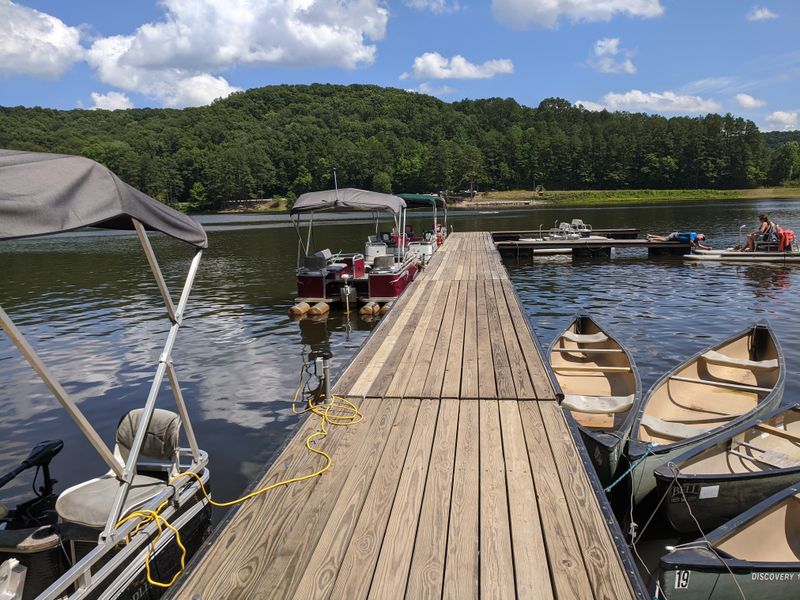
The boat rental operation at Lake Hope deserves special mention because Carol, who runs the boathouse, exemplifies hospitality done right. Multiple visitors specifically praised her friendly efficiency in getting rentals arranged, and my experience confirmed their assessments.
She made the process simple and welcoming, even for first-time pontoon renters.
The rental fleet includes pontoon boats perfect for leisurely lake tours, plus kayaks and canoes for more active exploration. Rental fees remain very reasonable compared to private marinas, and all boats are clean and well-maintained.
Life jackets are provided with every rental, important since the beach area is unguarded. The pontoons handle easily even for inexperienced operators, making them ideal for families wanting to spend a few hours on the water together.
Fishing draws many visitors to Lake Hope, though you’ll need patience. The lake holds healthy bass populations, but as one angler noted, you might catch a hundred tiny ones before landing that quality fish.
Still, the peaceful experience of casting lines while surrounded by forested hills makes even slow fishing days enjoyable. The combination of rental accessibility, reasonable pricing, and beautiful scenery creates water recreation opportunities that rival much more expensive destinations.
The Historic Hope Furnace Connection
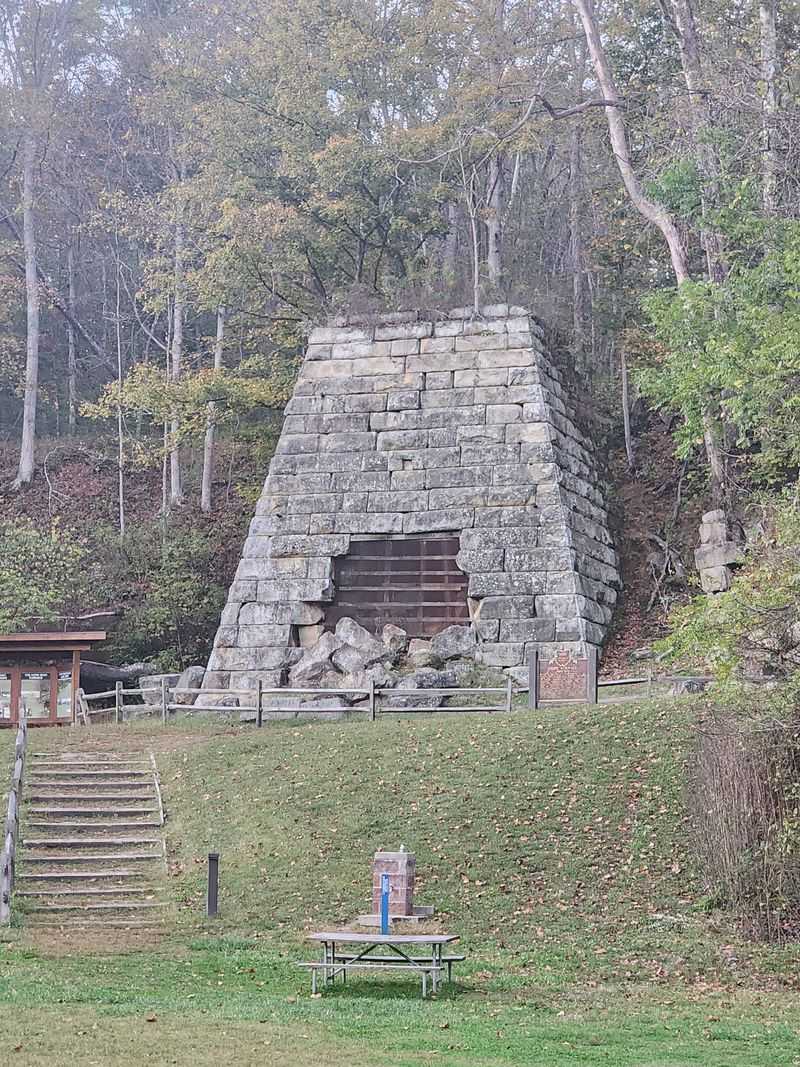
History buffs will appreciate Lake Hope’s connection to Ohio’s iron-making past. The Hope Furnace, which gives the park its name, represents an important piece of regional industrial heritage.
This 19th-century iron furnace processed local ore using charcoal produced from surrounding forests, supporting a thriving community during its operational years.
Today, the furnace ruins stand as a fascinating destination accessible via hiking trails. Interpretive signs explain the iron-making process and the community that once thrived here.
The stone structure remains impressively intact considering its age, and the site provides excellent photo opportunities while offering tangible connections to Ohio’s industrial development.
What makes this historical element special is how it adds depth to the natural experience. Understanding that these now-peaceful forests once rang with industrial activity creates perspective on how landscapes recover and transform.
The furnace parking area also serves as a trailhead for several routes, making it both a destination and starting point for exploration.
This blend of natural beauty and human history distinguishes Lake Hope from parks offering only scenic views, providing educational value alongside recreational opportunities that enhance appreciation for both the land’s past and its present protected status.
Proximity to Other Adventures
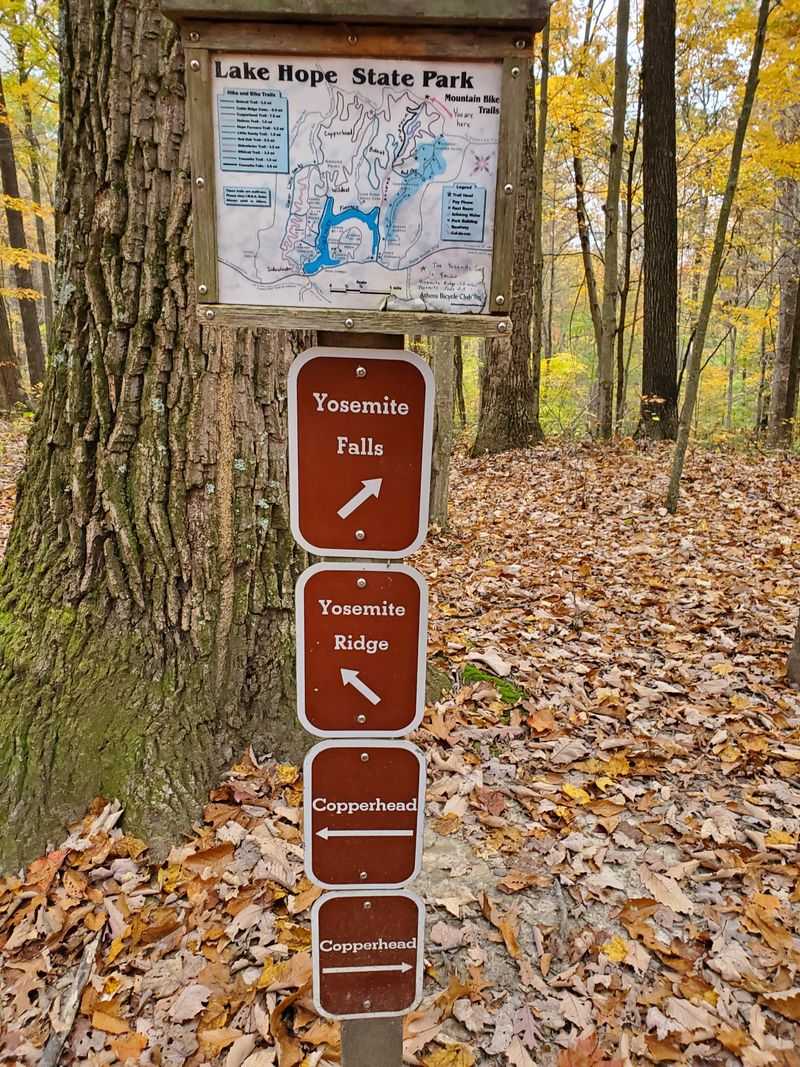
Lake Hope’s location in southeastern Ohio creates opportunities for multi-destination adventures. Hocking Hills State Park sits less than thirty minutes away, allowing visitors to experience both areas during a single trip.
This proximity means you can enjoy Lake Hope’s peaceful seclusion while still accessing the famous waterfalls and rock formations that draw crowds to Hocking Hills.
The Moonville Rail Trail runs nearby, offering easy hiking and biking along a converted railroad grade. The trail leads to the historic Moonville Tunnel, a fascinating abandoned railroad tunnel that’s become a popular photography destination.
This trail provides flat, accessible routes perfect for families or anyone wanting easier terrain than Lake Hope’s hillier options offer.
Athens, Ohio, located down the road, adds cultural and culinary variety to outdoor adventures. This college town offers excellent restaurants and local craft options that provide welcome alternatives after days of camp cooking.
The combination of natural attractions, historical sites, and nearby town amenities creates flexibility for trip planning.
You can design anything from a completely wilderness-focused getaway to a mixed itinerary balancing outdoor activities with cultural experiences, all within a compact geographic area that minimizes driving time and maximizes adventure opportunities.
Wildlife and Natural Observation
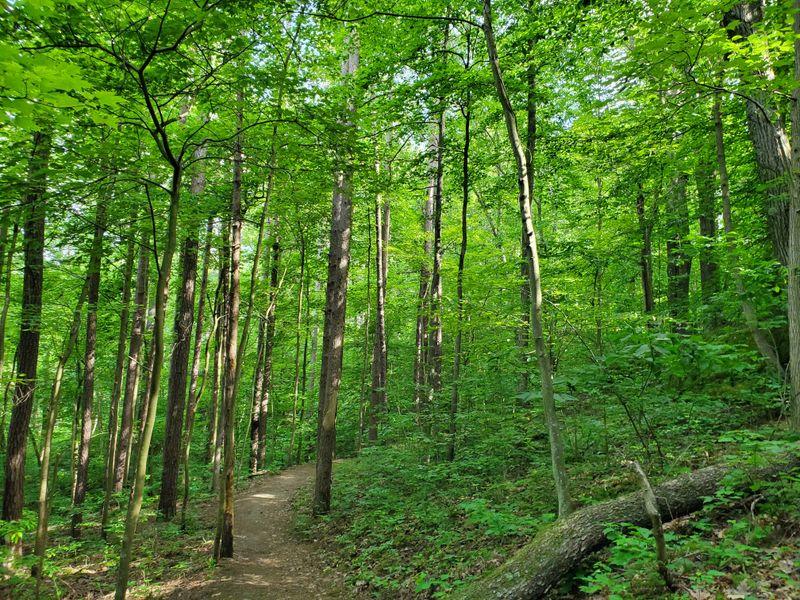
Wildlife encounters happen regularly at Lake Hope, adding unexpected magic to visits. White-tailed deer appear frequently around cabins and along trails, often unbothered by human presence.
During my stay, I spotted deer nearly every morning, their calm demeanor suggesting they’re accustomed to park visitors who respect their space.
Birdwatchers will find Lake Hope particularly rewarding. Hummingbirds frequent cabin areas during warmer months, and setting up feeders often results in close encounters with these remarkable, tiny birds.
The lake attracts great blue herons, various waterfowl, and, during migration seasons, an impressive variety of songbirds moving through the forest canopy.
The surrounding Zaleski State Forest provides habitat for larger wildlife, including wild turkeys, which I heard calling in the early mornings, and occasional coyotes whose howls echo through valleys at night. The forest’s healthy ecosystem supports diverse species from salamanders in creek beds to hawks soaring overhead.
This abundance of wildlife transforms ordinary walks into potential adventure, where you never know what you might encounter around the next bend.
The key is moving quietly, watching carefully, and respecting the animals’ space, allowing natural behaviors to unfold without human interference disrupting these precious wilderness moments.
Seasonal Transformations Worth Witnessing
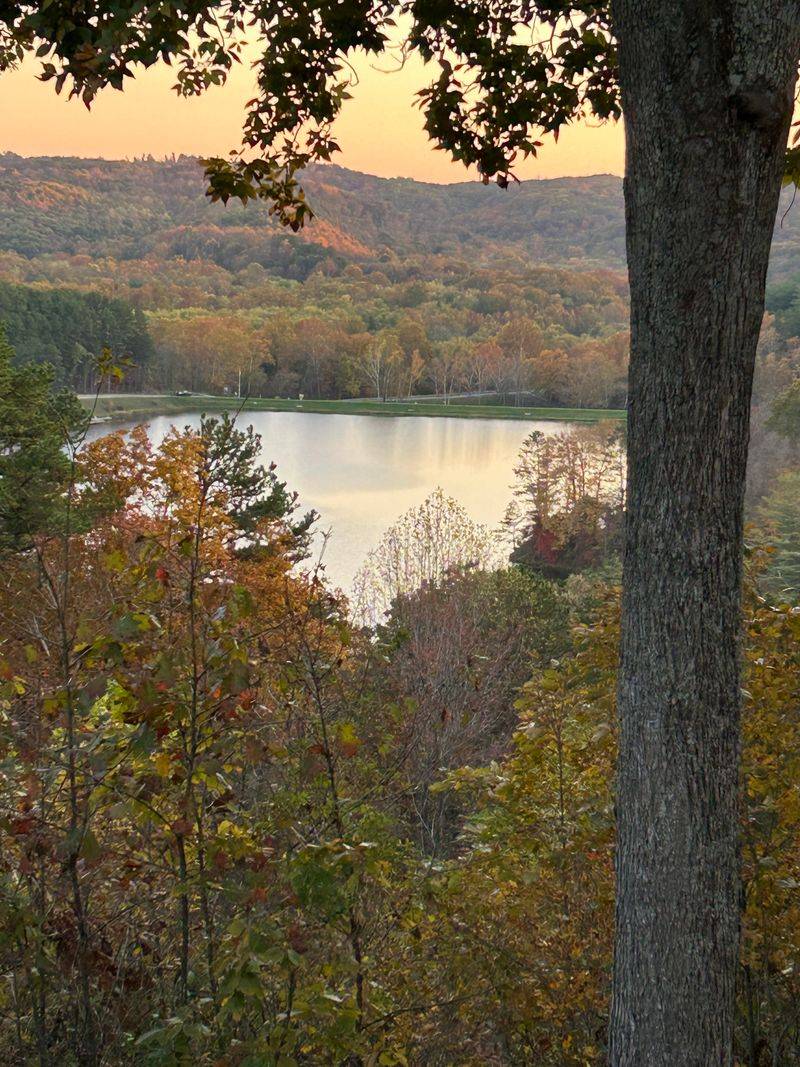
This place transforms dramatically with the seasons, each offering distinct experiences worth planning trips around. Fall brings explosive color as hardwood forests shift through brilliant reds, oranges, and golds.
October visits provide peak foliage combined with comfortable hiking temperatures and reduced insect activity. The lake becomes a mirror reflecting the surrounding color show, creating photographic opportunities that rival any calendar image.
Winter at Lake Hope offers stark beauty and profound solitude. The cabins’ fireplaces become essential features, and the frozen landscape reveals views impossible to see through summer foliage.
Cross-country skiing and snowshoeing become options when conditions cooperate, and the absence of crowds creates almost complete wilderness immersion.
Spring awakens the forest with wildflowers carpeting the ground before trees leaf out, and migrating birds fill the woods with song. Summer brings full lake access with swimming, boating, and camping at their peak, though also higher visitor numbers and warm temperatures.
Each season rewards visitors differently, and experiencing Lake Hope across multiple visits throughout the year reveals how dramatically this landscape shifts. The park never feels quite the same twice, providing reasons to return repeatedly rather than checking it off a list after a single visit.
Practical Considerations for Visiting
Planning a Lake Hope visit requires understanding some practical realities that enhance rather than diminish the experience when you’re prepared. Cell phone service is essentially nonexistent throughout most of the park, including trails, campsites, and cabins.
Only the lodge area provides reliable connectivity through WiFi. This means downloading maps, directions, and any needed information before arrival becomes essential rather than optional.
The park operates 24 hours daily year-round, but as of early 2026, the lodge restaurant is temporarily closed. If you’re visiting, plan accordingly by bringing food supplies or being prepared to drive to nearby towns for meals, and check for any updates on future dining options.
The cabins include full kitchens, making self-catering practical and economical for longer stays.
Bring basics like paper towels, napkins, and extra supplies since the nearest stores require significant drives on winding roads. Firewood for cabin and campsite fire pits needs to be purchased or brought from home.
The park provides many amenities, but it’s not a resort where everything is instantly available. This self-sufficient approach actually enhances the experience, encouraging visitors to slow down, plan ahead, and embrace a more deliberate pace that matches the peaceful wilderness setting surrounding them throughout their entire Lake Hope adventure.