
This Stunning Maine Lighthouse Sits On A Cliff That Feels Like The Edge Of The World

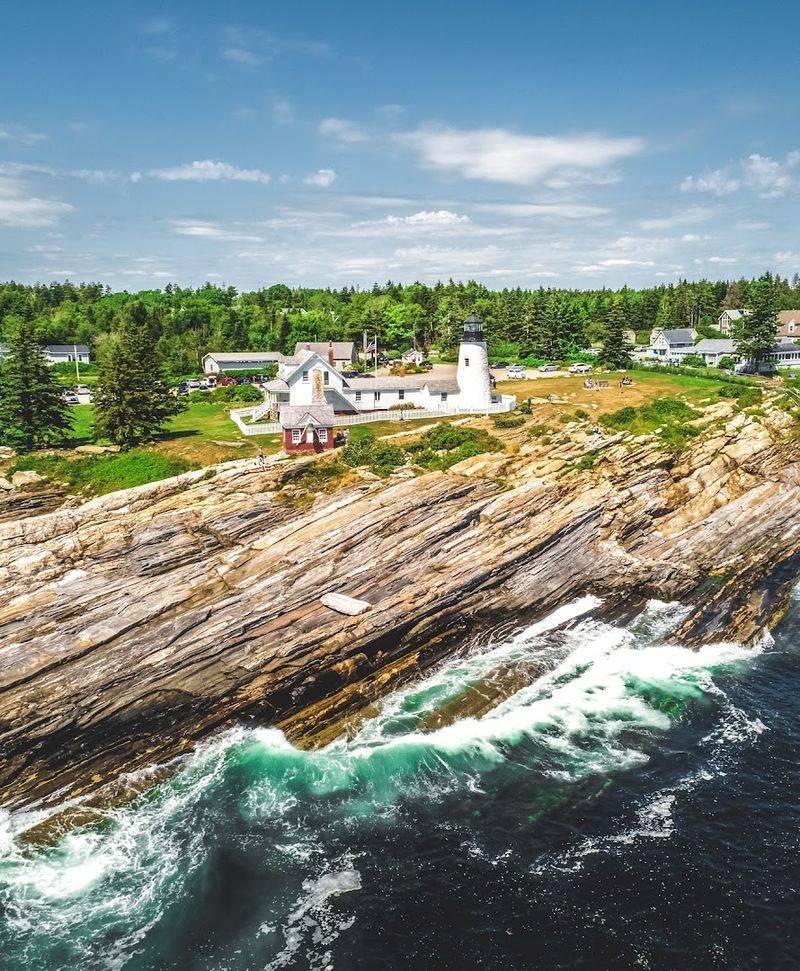
Maine has a way of making you pause without warning, and this coastal landmark proves it. Set on ancient, wave-carved rock, the lighthouse has been guiding sailors since 1827, standing firm against the Atlantic’s constant push.
There’s a moment when you step onto the cliffs and everything else fades. The ocean feels endless, the horizon stretches farther than expected, and the sound of waves hitting stone takes over completely.
On a clear day, the view seems almost unreal, like it just keeps going. It’s the kind of place that makes you feel small in the best possible way, not overwhelmed, just aware of how vast everything is.
Few spots along the Maine coast deliver that feeling so effortlessly.
A Lighthouse Rebuilt To Last

History has a funny way of correcting its own mistakes, and Pemaquid Point Lighthouse is a perfect example.
The original tower was constructed in 1827 under orders from President John Quincy Adams, but the mortar used in its construction was so poor in quality that the structure began deteriorating almost immediately.
By 1835, a brand-new tower was built on the same commanding site, this time with far superior craftsmanship. That second tower is what stands proudly today, nearly two centuries later, which says a lot about how well the job was done the second time around.
Standing at roughly 38 feet tall, the lighthouse may not be the tallest in Maine, but its position on the dramatic rocky headland gives it a presence that towers far above its modest height.
Visiting and seeing those original stones up close makes you appreciate how much human determination went into keeping this light burning across the generations.
Light Powered By 19th-Century Genius
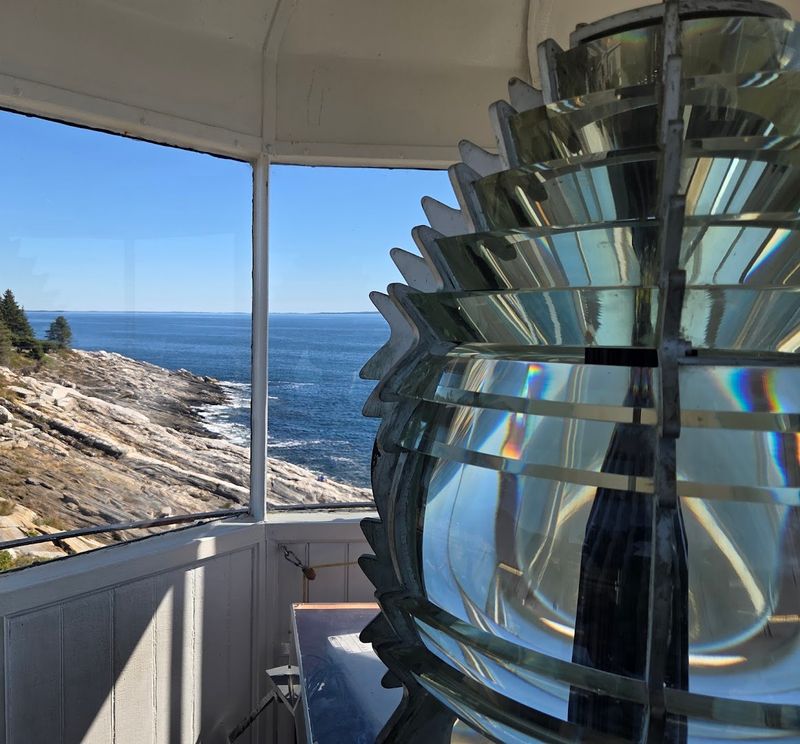
Not many lighthouses can say their original optics are still on the job, but Pemaquid Point pulls it off with quiet pride. The lighthouse houses a fourth-order Fresnel lens, a beautifully engineered piece of glass technology that was installed in the 19th century and continues to function as an active aid to navigation.
Fresnel lenses work by using a series of concentric glass prisms to concentrate light into a powerful beam visible far out at sea. This particular lens is one of only six fourth-order Fresnel lenses still actively working in the entire state of Maine, making it genuinely rare.
When you climb the tower and stand close to it, the craftsmanship is almost hypnotic. The way the prisms catch and bend light feels more like art than engineering.
Seeing something so old still performing its original purpose, night after night, is the kind of quiet marvel that stays with you long after you have driven back down Bristol Road.
Maine’s Most Famous Coin Cameo

Few landmarks earn a spot on official currency, but Pemaquid Point Lighthouse landed one of the most visible honors a Maine icon can receive.
When the United States Mint released the Maine state quarter in 2003 as part of the 50 State Quarters Program, the image chosen to represent the entire state was this lighthouse standing on its rocky coastal perch.
That decision was not accidental. The lighthouse had already become one of the most photographed and recognized landmarks in New England, so putting it on a coin felt like the natural next step.
If you have ever pulled a Maine quarter from your pocket, you have technically carried a tiny portrait of Pemaquid Point with you.
One practical heads-up for photographers: capturing the lighthouse cleanly from ground level is trickier than it looks because of how the terrain positions the tower. Moving around the rocks to find your angle is half the fun, and the reward is a shot worth far more than 25 cents.
The Rocks Steal The Show
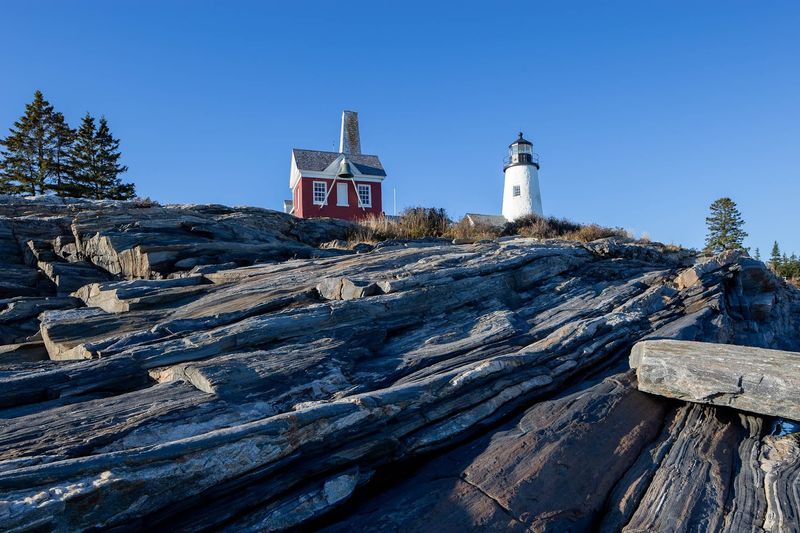
Most people arrive expecting the lighthouse to be the main attraction, and then the rocks steal the show entirely.
The shoreline at Pemaquid Point is made up of ancient layered geological formations that have been folded, compressed, and sculpted by millions of years of pressure and erosion. The result is something that looks almost architectural, with sweeping striped patterns running through the stone in curves and waves.
Walking across those rocks feels like exploring a natural sculpture garden that stretches right to the waterline. On calm days, the tidal pools tucked between the formations are worth investigating closely, full of small marine life clinging to the edges of the Atlantic world.
When the ocean is active and waves are rolling in hard, standing on the outer rocks and watching the spray launch skyward is genuinely thrilling.
Wear shoes with solid grip because the surfaces can be slippery near the water. Bring lunch, find a flat rock with a view, and let the whole scene remind you why Maine coastline has earned its legendary reputation.
Climb Inside The Beacon
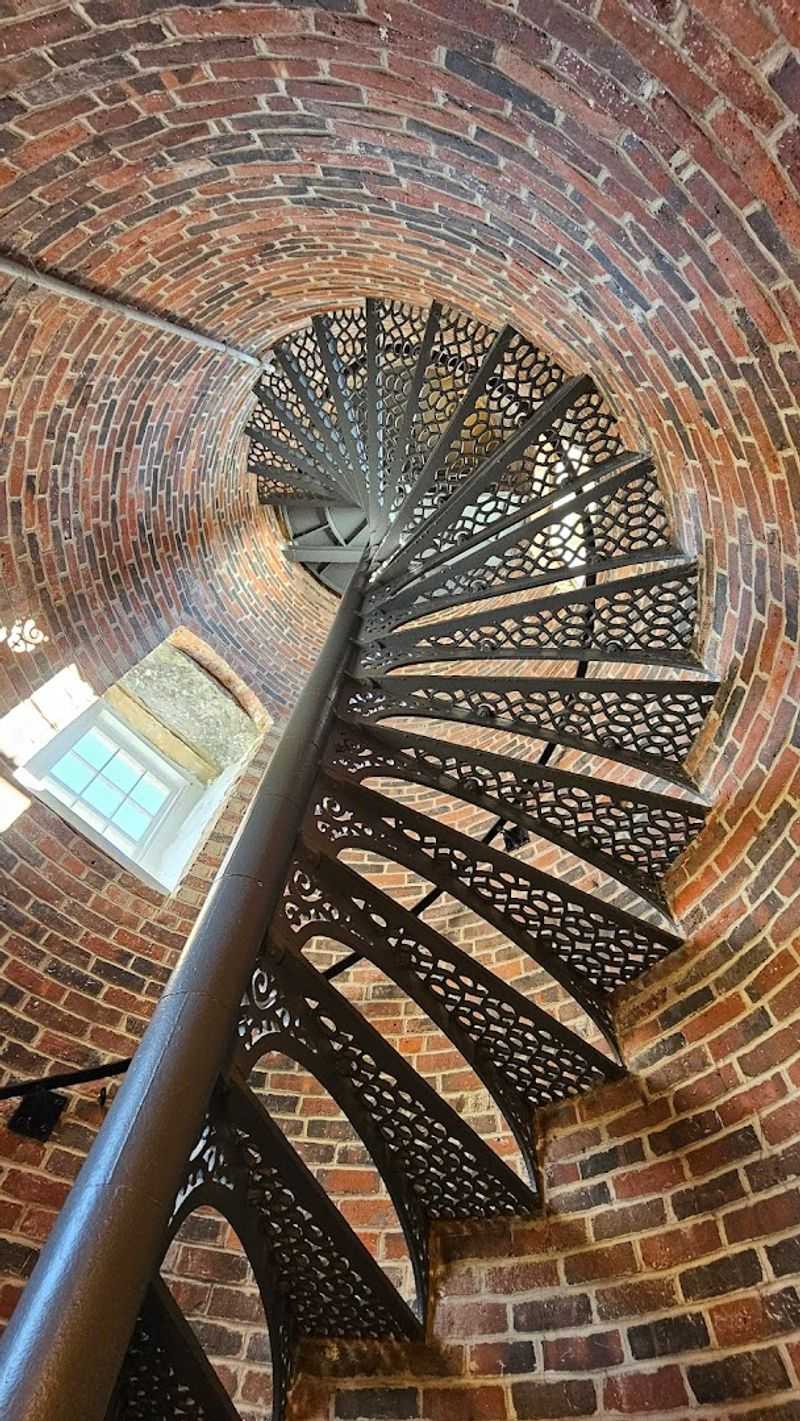
Plenty of lighthouses in the United States are strictly look-but-do-not-touch landmarks, which makes Pemaquid Point feel like a rare privilege.
Visitors are allowed to climb the tower during operating hours, getting up close to the lantern room and the working Fresnel lens in a way that most historic lighthouses simply do not permit.
The climb involves steep stairs and a ladder near the top, so it is worth knowing ahead of time if that sounds like your kind of adventure. The effort is modest and the payoff at the top is a panoramic view of the open Atlantic that genuinely takes your breath away in a completely literal sense.
Access to the tower requires a suggested donation of one dollar per person, separate from the park entrance fee.
Only four visitors are allowed inside at a time, so there may be a short wait during busy summer days. The lighthouse is open Tuesday through Sunday from 9 AM to 5 PM.
Calling ahead at 207-677-2492 is always a smart move before making the trip.
A Small Museum With Big Stories
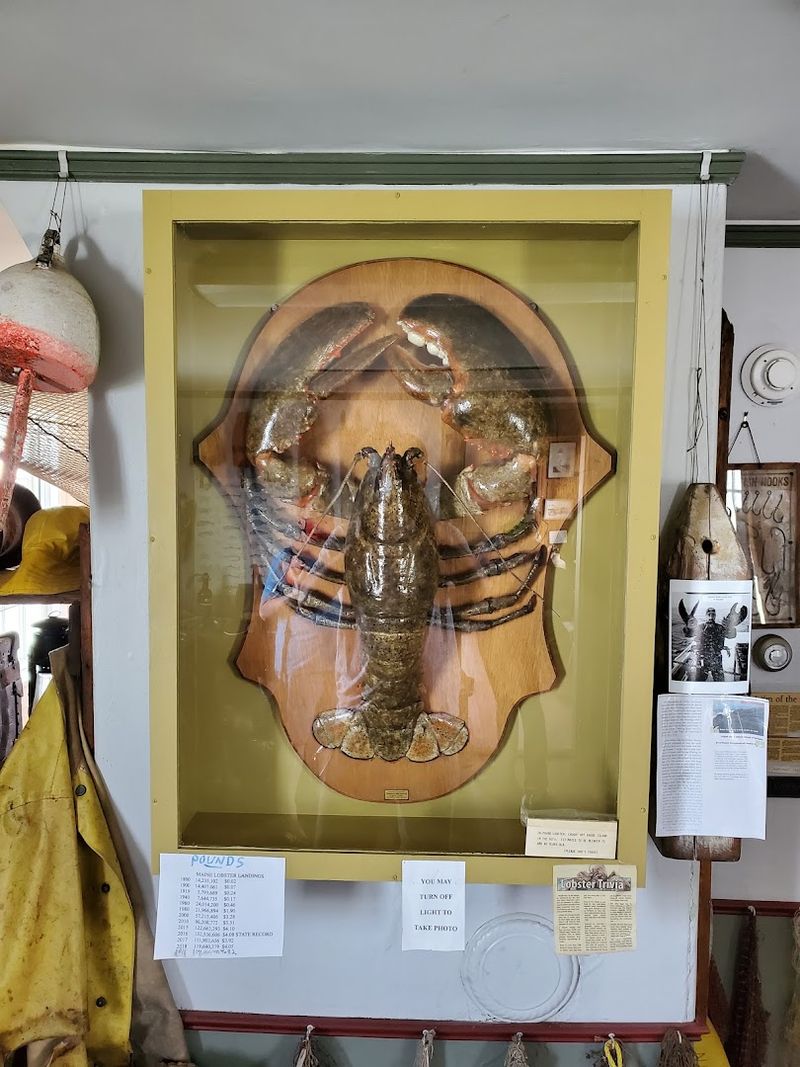
Right beside the lighthouse stands the keeper’s house, and today it serves as the Fishermen’s Museum, a compact but surprisingly rich collection of maritime history.
The building itself dates back to the lighthouse era, which means the walls around the exhibits carry their own stories before you even look at a single display case.
Inside, the museum covers the history of the Maine fishing industry with exhibits on traditional gear, boat-building methods, and the daily lives of the men and women who worked the waters off this coastline for generations.
The staff and volunteers are notably knowledgeable, often sharing details and stories that bring the artifacts to life in a way that no label text alone could manage.
The museum is included in the park entrance fee of four dollars per person for visitors aged twelve and older, making it an easy addition to the visit rather than an extra decision to make.
It is small enough to explore thoroughly in under an hour, which leaves plenty of time to wander the grounds and absorb the coastal atmosphere at your own pace.
Art Meets The Atlantic

Not every lighthouse visit includes a stop at an art gallery, but Pemaquid Point manages to offer exactly that without feeling the least bit out of place.
On the grounds of the park, a gallery showcases work by local Maine artists, and the subject matter tends to lean heavily toward the coastal landscapes that surround you the moment you step outside again.
The gallery adds a cultural layer to what could otherwise be a purely scenic outing.
Seeing how different artists interpret the same cliffs, the same light, and the same churning Atlantic water gives you a new set of eyes for the landscape you are standing in.
For anyone who collects original art or simply appreciates seeing a place through a creative lens, the gallery is worth more than a quick glance. It is a genuine surprise tucked into a visit that already delivers more than most people expect.
The combination of natural drama outside and artistic reflection inside makes Pemaquid Point one of the more layered day trips available anywhere along the Maine coast.
The Price Of Entry

Visiting Pemaquid Point Lighthouse is genuinely affordable, especially when you consider how much the fee covers.
The park entrance costs four dollars per person for visitors aged twelve and older, and that single payment grants access to the lighthouse grounds, the Fishermen’s Museum, the art gallery, the learning center, picnic areas, and well-maintained restrooms.
Climbing the tower itself requires a separate suggested donation of one dollar per person, which goes directly toward the operation and maintenance of the lighthouse rather than the general park fund. It is a small and completely reasonable ask for the experience of standing inside a working 19th-century beacon.
The park is open daily from 9 AM to 5 PM, which gives visitors a solid window to explore without feeling rushed. There is ample parking on site, including space for larger vehicles and RVs.
The address is 3115 Bristol Rd, New Harbor, ME 04554, and the park website has current seasonal information. Reaching the park by phone at 207-677-2492 can help you plan around any schedule changes.
When The Storm Hit Hard
In January 2024, powerful storms struck the Pemaquid Point area and caused major damage to parts of the park, particularly the historic bell house, while the lighthouse tower itself was not significantly damaged. What happened next says everything about how much this community values its most iconic landmark.
Restoration efforts moved quickly, driven by a combination of local pride, volunteer energy, and genuine love for what the lighthouse represents to the region.
The speed of the recovery surprised many visitors who arrived expecting to find lingering damage and instead found a site that looked carefully tended and very much alive.
That kind of rapid response does not happen without deep community investment, and it is visible in the well-maintained grounds and the attentive care given to every corner of the property.
Knowing that history adds something to the visit that the scenery alone cannot provide. Standing at a place that was recently threatened and watching it stand firm against the Atlantic gives the lighthouse a resilience that feels almost personal.
It is not just old stone and glass.
It is a landmark that its community refused to let go of quietly.
How To Catch It At Its Best
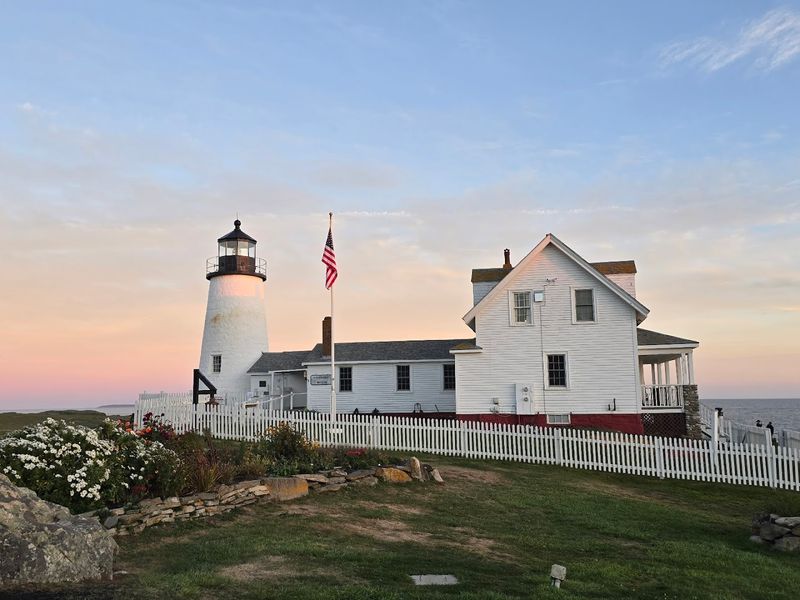
Summer is when most people visit Pemaquid Point Lighthouse, and it’s easy to see why. From June through September, the weather is usually at its best, and the long days mean you get that soft, golden light in the late afternoon that makes everything look incredible without much effort.
But if you can swing it, spring or early fall can be even better. After Labor Day, things quiet down a lot, and the whole place takes on a calmer, more reflective feel.
The light gets a little sharper, the ocean feels a bit more powerful, and the rocks seem to stand out more. It’s a different kind of beauty that really sticks with you.
A simple picnic on the rocks is one of the best ways to enjoy it. Just bring something to eat, find a comfortable spot, and take your time.
Good shoes help a lot too since the terrain can be uneven. And if you show up close to opening time on a weekday, you’ll usually beat the crowds and have an easier time getting up into the tower.