
This Stunning Marble Castle In Ohio Was Built In 1905 By The True Industrial Visionary
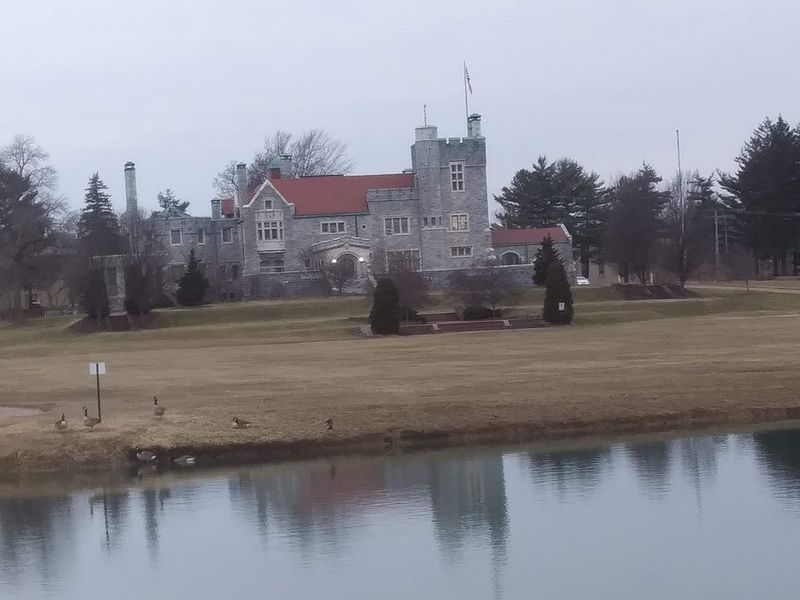
Standing proudly at 200 Glamorgan St in Alliance, Ohio, there’s a castle that looks like it was plucked straight from the European countryside and planted in the American Midwest.
Built between 1904 and 1905 by industrial tycoon William Henry Morgan, this stunning marble structure has witnessed over a century of history, transformation, and community pride.
I had the chance to explore this remarkable estate, and what struck me most was how it represents both the grandeur of America’s industrial age and the dedication of a community determined to preserve its heritage.
From the magnificent rotunda to the sprawling grounds dotted with curious features like the famous echo spot, every corner tells a story.
Walking through rooms where one of Ohio’s most influential industrialists once lived feels like stepping into a time machine.
The castle has served many purposes over the decades, from private residence to school to community landmark, and each chapter has left its mark on this architectural wonder.
The Visionary Behind the Castle
William Henry Morgan wasn’t just another wealthy businessman. His family’s firm, Morgan Engineering Company, founded by his father Thomas Rees Morgan, became one of the most important manufacturing firms in the steel industry during America’s industrial boom.
His company designed and built equipment that helped shape the nation’s infrastructure, and his success allowed him to commission this extraordinary residence in the early 1900s, with construction between 1904 and 1905.
Morgan chose Alliance, Ohio, as the location for both his business empire and his dream home. The castle stands as a testament to his achievements and his desire to create something lasting and beautiful.
When I learned about his story during my visit, I gained a deeper appreciation for the ambition and vision required to build such a structure.
The castle’s construction required importing materials and craftsmen from various locations. Morgan spared no expense in creating a home that would reflect his status and taste.
His legacy lives on not just in the building itself, but in the community he helped build around his industrial enterprises.
Architectural Grandeur in Stone and Marble
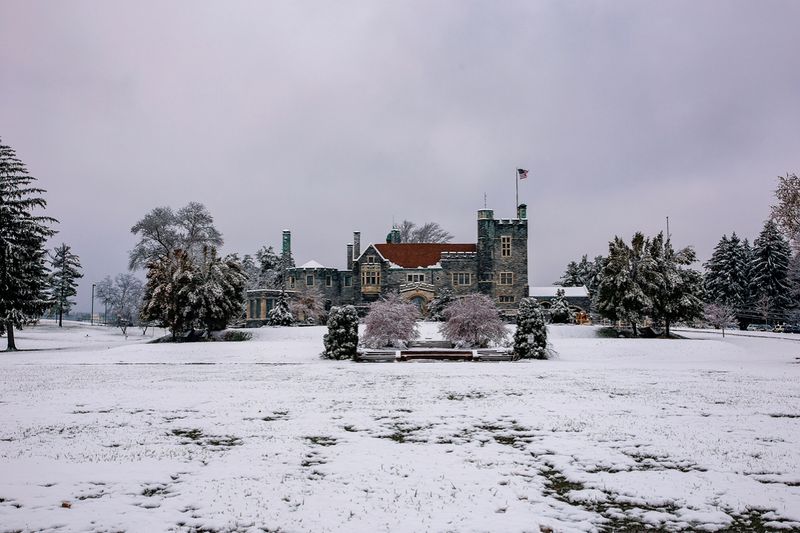
The moment you approach the property, the castle’s imposing presence commands attention. Constructed primarily of stone with marble accents throughout, the building showcases the craftsmanship of a bygone era.
The exterior features turrets, arched windows, and intricate stonework that required skilled masons to complete.
What impressed me most was the attention to detail in every architectural element. From the carved stone embellishments to the carefully proportioned windows, nothing was left to chance.
The building sits majestically on a rolling hill, offering commanding views of the surrounding landscape that make you feel like royalty standing on the front porch.
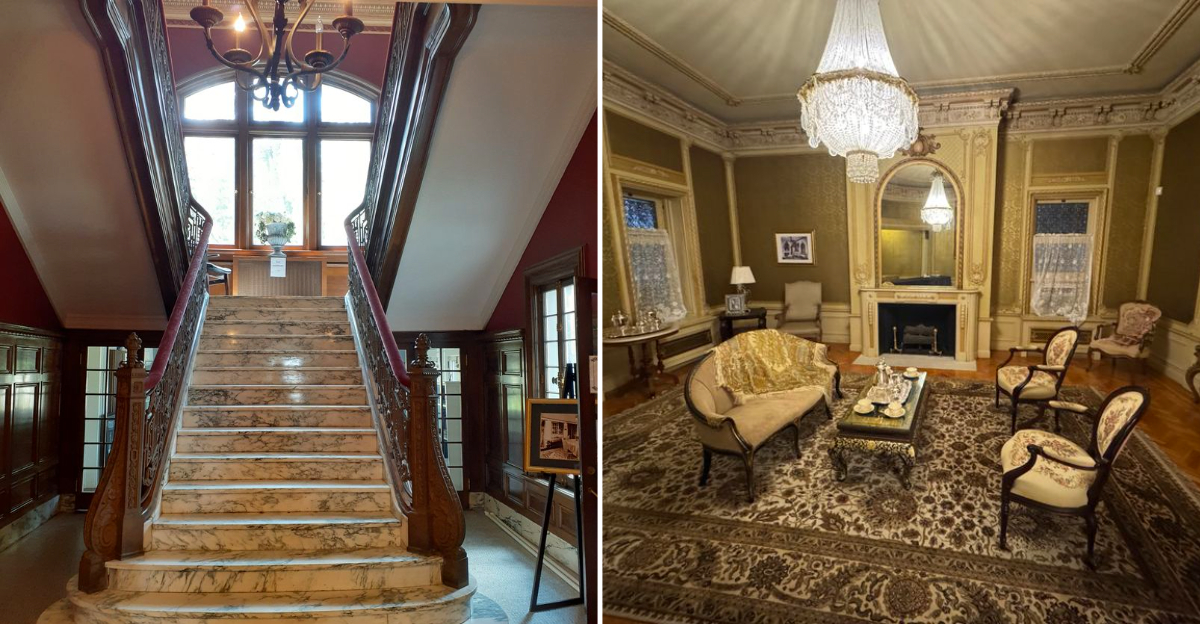
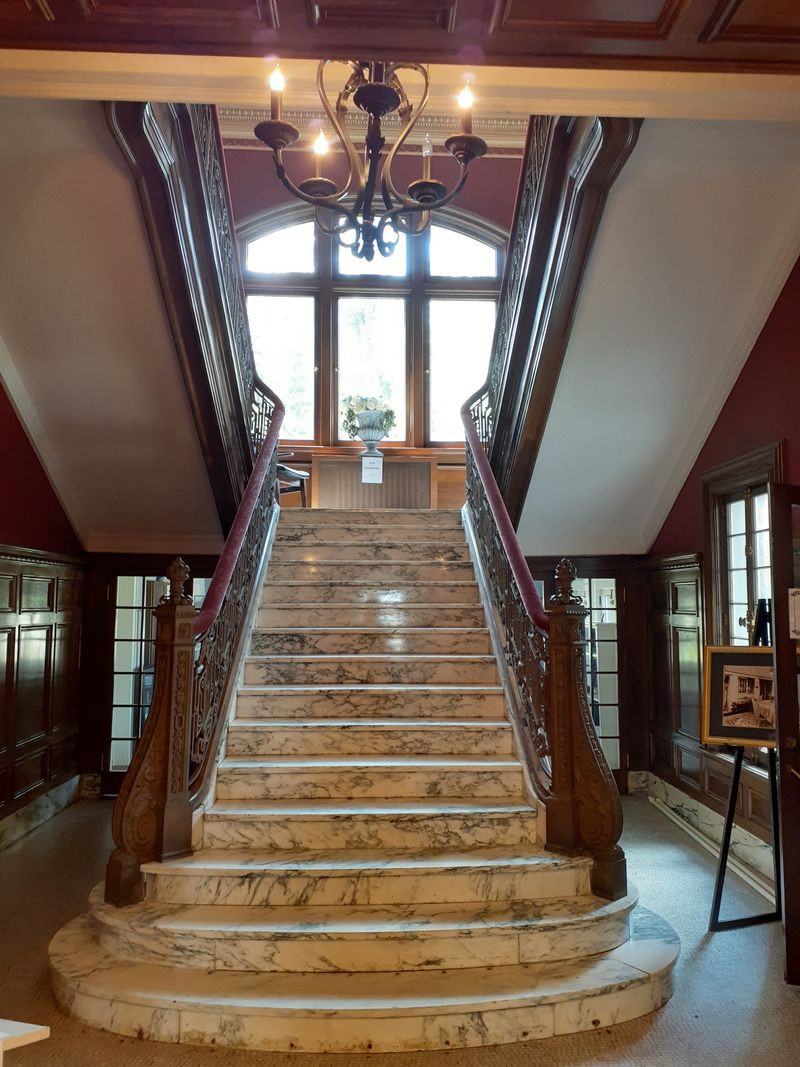
Inside, the marble work continues with stunning staircases, columns, and decorative features. The rotunda serves as the heart of the home, with its soaring ceiling and elegant design creating an immediate sense of awe.
Even after more than a century, the quality of materials and construction remains evident in every room I explored during my tour.
The Magnificent Rotunda Experience
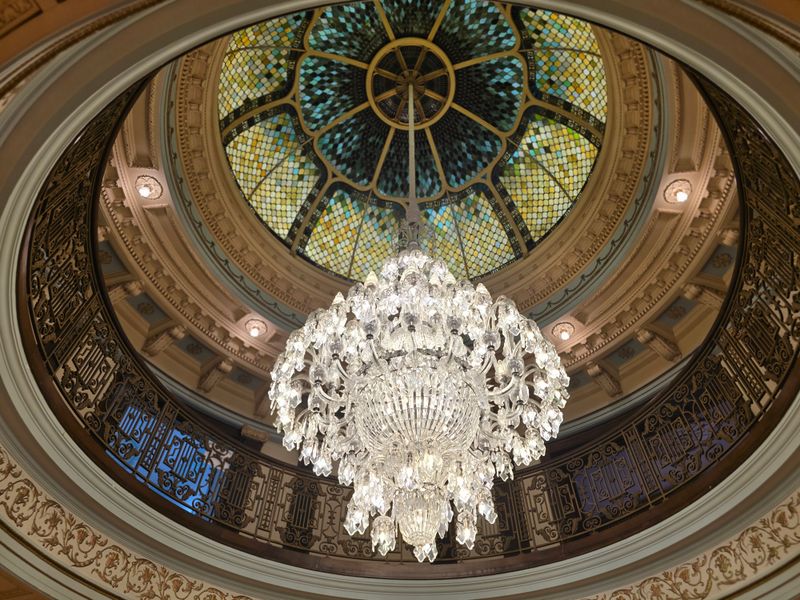
Stepping into the rotunda feels like entering a cathedral dedicated to beauty and craftsmanship. This circular entrance hall features soaring ceilings, elegant columns, and architectural details that immediately transport visitors to another era.
The space serves as the castle’s centerpiece, setting the tone for everything that follows.
During my visit, I spent several minutes just looking upward, taking in the intricate ceiling work and the way natural light filters through the space. Tour guides often begin their presentations here, and it’s easy to understand why.
The rotunda represents the best-preserved area of the castle and gives visitors the clearest sense of the original grandeur Morgan intended.
Multiple reviews I read before visiting mentioned the rotunda as the highlight of their tour, and I completely agree.
While some areas of the castle have been modified over the years, this space remains largely true to its original design, offering an authentic glimpse into early twentieth-century luxury and architectural ambition in Ohio.
The Mysterious Echo Spot
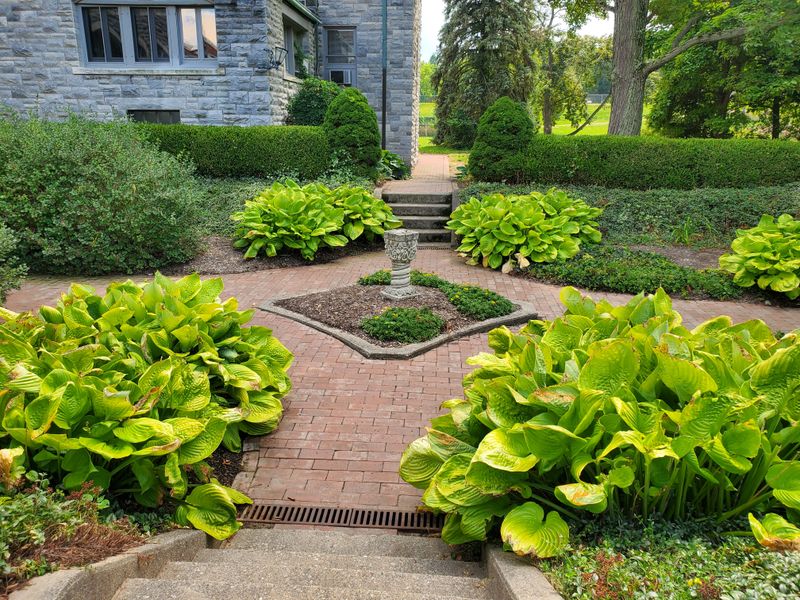
About twenty-five yards from the front entrance lies one of the castle’s most intriguing features. Known locally as the witches circle or echo spot, this circular area creates an acoustic phenomenon that delights visitors.
When you stand in the center and speak, your voice bounces back with remarkable clarity and volume.
I tested this myself, and the effect genuinely surprised me. The echo is strong enough that even a whisper becomes amplified.
Tour guides enthusiastically demonstrate this feature, and it’s become one of the most talked-about aspects of visiting the property. Children especially love experimenting with different sounds and voices in this spot.
The circle holds special meaning for many visitors beyond its acoustic properties. One reviewer shared a touching story about finding comfort there during a difficult time.
Whether you’re interested in the physics behind the phenomenon or simply enjoy the playful experience, this outdoor feature adds an unexpected element of wonder to your visit to this Ohio landmark.
Exploring the Expansive Grounds
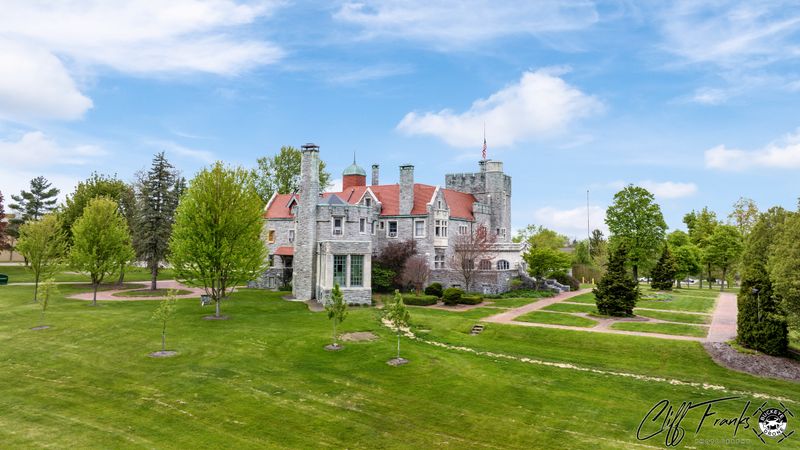
Beyond the castle itself, the property encompasses beautifully maintained grounds that invite exploration and reflection. Rolling lawns, mature trees, and carefully planned landscaping create a park-like atmosphere.
Walking paths allow visitors to appreciate the estate from different angles and discover hidden features scattered throughout the property. During my stroll around the grounds, I encountered several visitors simply enjoying the peaceful environment.
Ducks waddle near the lower areas, adding to the tranquil ambiance.
The property sits high enough to offer lovely views of the surrounding Alliance area, making it clear why Morgan chose this particular location for his home.
In the back, you’ll find a historic sundial that some visitors find symbolically meaningful. The grounds are accessible even when the castle isn’t open for tours, making this a popular spot for photography, casual walks, and quiet contemplation.
The spacious property provides a welcome escape from everyday bustle right in the heart of Ohio.
Guided Tours Through History
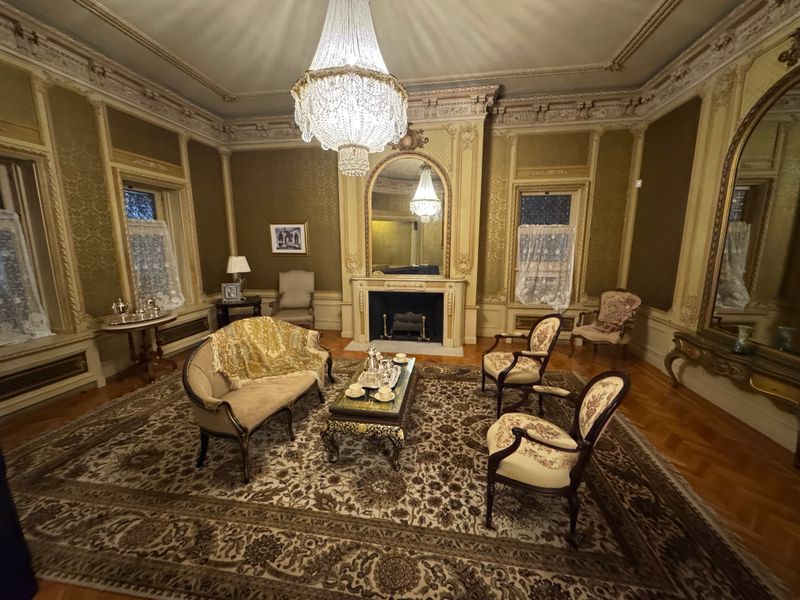
Tours are offered on select days each month, providing access to areas not otherwise open to the public. Knowledgeable volunteer guides often lead visitors through the castle, sharing stories about the Morgan family, the building’s construction, and its various uses over the decades.
The admission is usually ten dollars per person, and most visitors spend about an hour exploring.
My tour guide, like many mentioned in reviews, demonstrated genuine passion for the property’s history. She pointed out original features, explained modifications made over the years, and answered questions with impressive detail.
The personal touch these volunteers bring makes the experience feel more like visiting a friend’s historic home than attending a formal museum tour.
Tours cover multiple floors, including the basement where a bowling alley once existed, the main floor with its formal rooms, the modified second floor, and the third floor featuring the old kitchen and dance floor.
Each level reveals different aspects of how the castle functioned as a private residence and later as other institutions occupied the space.
A Building with Many Lives
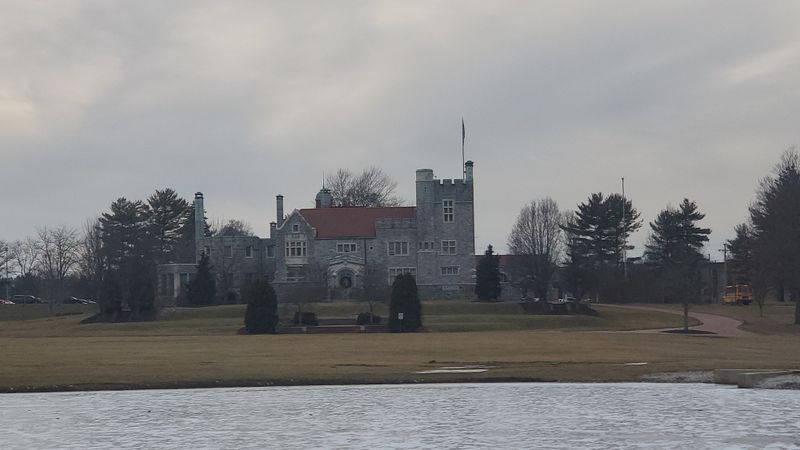
After serving as the Morgan family residence, the castle embarked on a journey through various incarnations. At different times, it housed a school, with classrooms and administrative offices occupying spaces originally designed for domestic life.
This practical use helped preserve the structure when it might otherwise have faced demolition.
Currently, portions of the building serve as office space, which some visitors find disappointing when they encounter modern furnishings in historic rooms. Storage areas and ongoing restoration projects mean not every room appears as it did in Morgan’s time.
However, this mixed use has arguably saved the castle from abandonment and decay.
I found this aspect of the castle’s story particularly fascinating because it reflects the practical challenges of historic preservation. Keeping such a large building maintained requires funding, and allowing contemporary uses provides necessary income.
The balance between preservation and practicality remains an ongoing conversation among those who care about the property’s future in Ohio.
Special Events and Community Gatherings
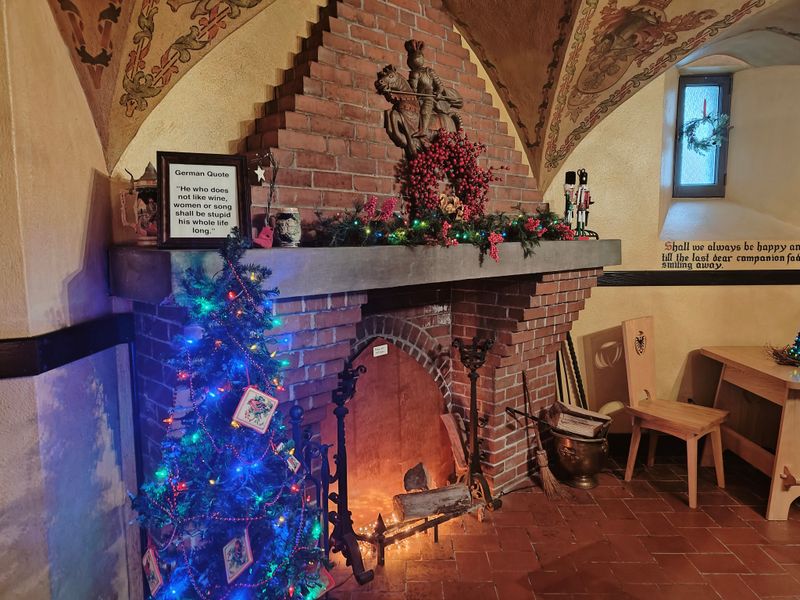
Throughout the year, the castle hosts various community events, holiday celebrations, and private functions. During December, the building is decorated for the holidays, creating a festive atmosphere that attracts numerous visitors.
Weddings occasionally take place on the grounds, with the castle providing a dramatic backdrop for photographs and celebrations.
When I visited during a busy period, the energy and excitement were palpable. Families explored the decorated rooms, couples posed for pictures on the front steps, and community members gathered to celebrate their shared heritage.
The castle has evolved from a private residence into a true public treasure that brings people together.
Homecoming events and other community gatherings demonstrate how deeply the castle has woven itself into Alliance’s social fabric. While some visitors prefer quieter times for more contemplative tours, others enjoy the vibrant atmosphere of special events.
The castle’s ability to serve multiple purposes keeps it relevant and valued by current generations throughout Ohio.
Restoration Challenges and Future Hope
Maintaining a structure of this age and complexity presents ongoing challenges. Roof leaks, fire damage from years past, and the natural deterioration that comes with time have all taken their toll.
Volunteers and preservation advocates work tirelessly to address these issues, but restoration requires significant funding and expertise that isn’t always readily available.
During my tour, I noticed areas where restoration work is clearly needed alongside spaces that have been beautifully maintained. The basement rooms, which some reviewers called the most interesting part of the house, show both the castle’s original character and the effects of time.
The old library remains magnificent despite the building’s challenges.
Many visitors, myself included, left hoping for the castle’s full restoration. The dedication of volunteers who give tours, maintain the grounds, and advocate for preservation provides reason for optimism.
This Ohio landmark deserves the resources needed to preserve it for future generations who will surely appreciate its historical significance and architectural beauty as much as current visitors do.