
This Tampa, Florida Science Museum Has America’s Second-Largest Planetarium And A Moon Mission Simulator
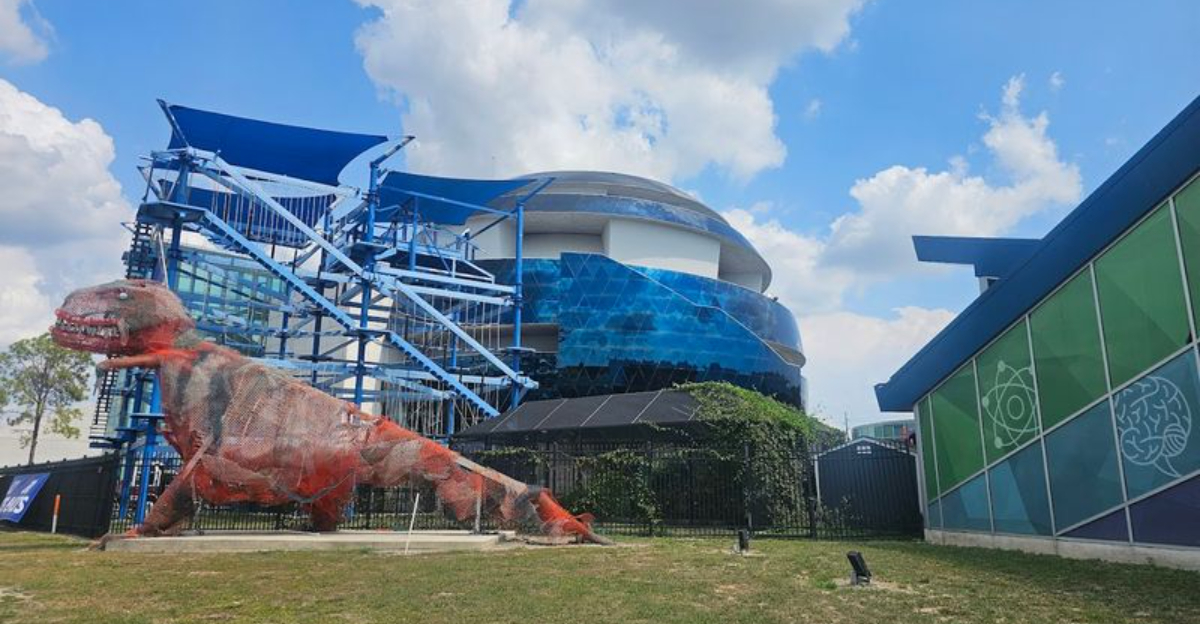
Florida is known for theme parks and roller coasters, but what if one of the most thrilling experiences in Tampa does not involve speed at all? What if the real rush comes from curiosity?
Step inside this science center and it becomes clear right away. This is not a place where you quietly read plaques and move on.
This is a place where you push buttons, test ideas, and watch your own questions turn into discoveries. The energy feels electric.
Kids run toward exhibits. Adults lean in closer.
Everyone looks up when the massive dome overhead transforms into a swirling universe of stars.
Here, learning is not passive. It is loud.
It is interactive. It is unforgettable.
In a state built on entertainment, this Florida attraction proves something powerful. When curiosity takes center stage, science can be just as exciting as any thrill ride.
America’s Second-Largest Planetarium Experience
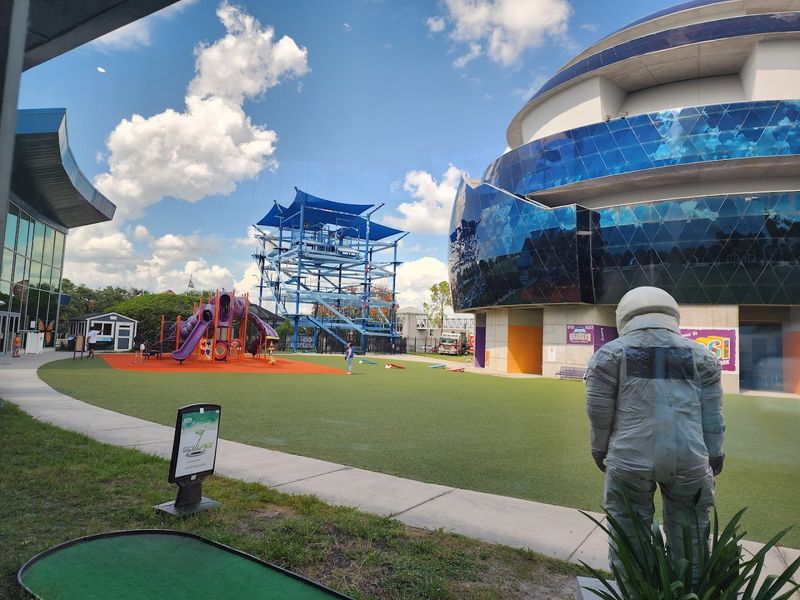
Reclining in a seat inside the Saunders Planetarium & Digital Dome Theatre, I felt the ceiling dissolve into deep space, stars blooming overhead in every direction. The dome spans an impressive size, earning its rank as the second-largest planetarium in the United States, and the immersive projection system wraps you in visuals that stretch from horizon to horizon.
Shows range from solar system tours to abstract visual experiences set to music, each one designed to pull you out of your everyday headspace and into something much bigger.
What surprised me most was how the dome eliminates the usual theater frustrations. No tall person blocking my view, no glowing phone screens interrupting the visuals, just a clear, unobstructed experience no matter where you sit.
The audio quality adds another layer, with sound designed to move through the space in ways that match the visuals, creating a fully immersive environment.
Whether you catch a science-focused program narrated by passionate staff or a creative visual journey, the planetarium anchors the MOSI experience with a sense of wonder that lingers long after the lights come up. You can experience it for yourself at 4801 E Fowler Ave, Tampa, FL 33617, where the dome rises as one of the most impressive science attractions in Florida.
Mission Moonbase Lunar Colony Simulator
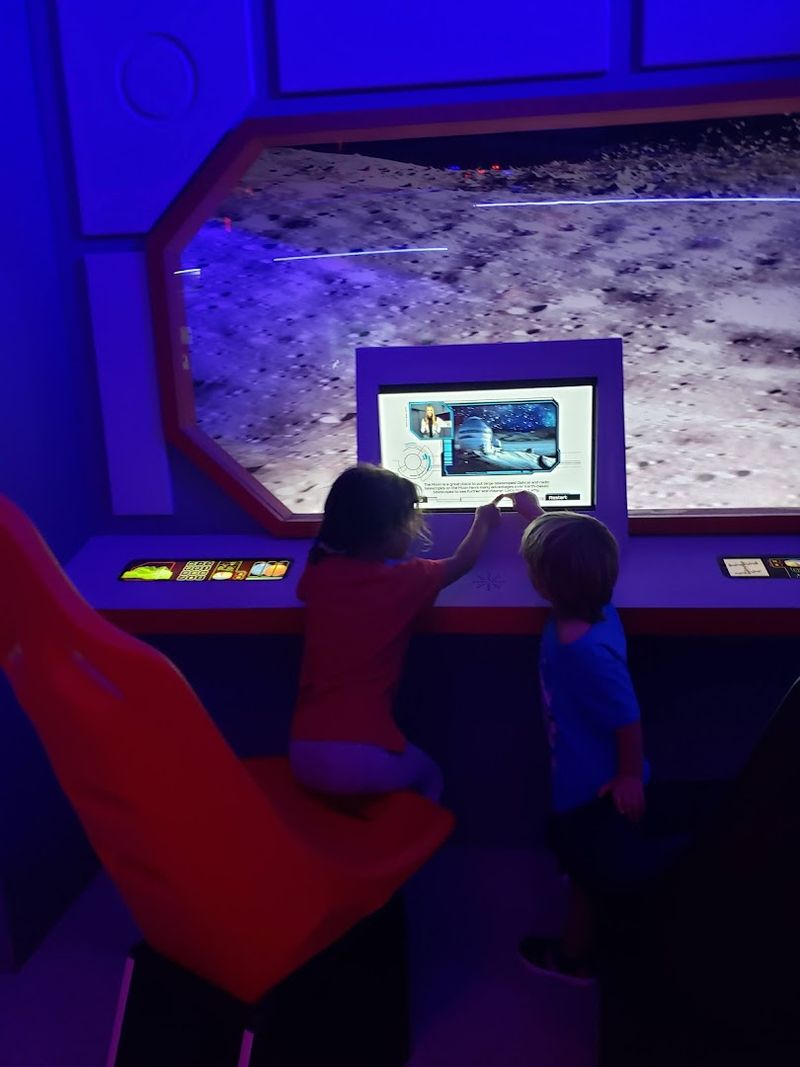
Mission Moonbase drops you into a lunar colony scenario where you get to make decisions, operate controls, and experience what it might feel like to live and work on the moon. I watched kids huddle around control panels, their faces lit by the glow of screens as they navigated challenges that real astronauts might face.
The exhibit combines NASA-backed science with interactive storytelling, turning abstract space concepts into tangible experiences you can touch, manipulate, and explore.
What makes this simulator stand out is how it balances education with engagement. You’re not just reading about moon missions; you’re participating in one, making choices that affect outcomes and learning through trial and error.
The setup encourages teamwork, problem-solving, and curiosity, making it equally appealing to young space enthusiasts and adults who never quite outgrew their astronaut dreams.
Every button you press and every scenario you navigate reinforces the complexity and excitement of space exploration, leaving you with a deeper appreciation for the science and engineering that make lunar missions possible.
Sky Trail Ropes Course Adventure
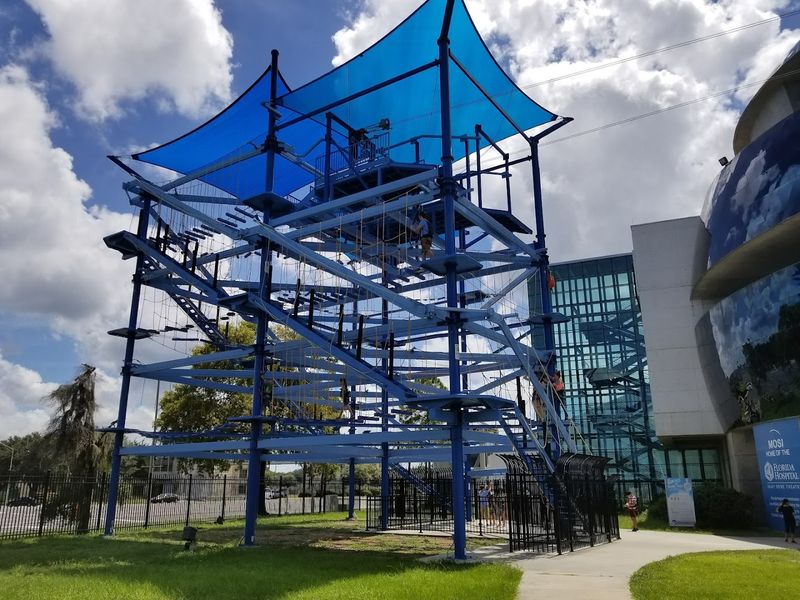
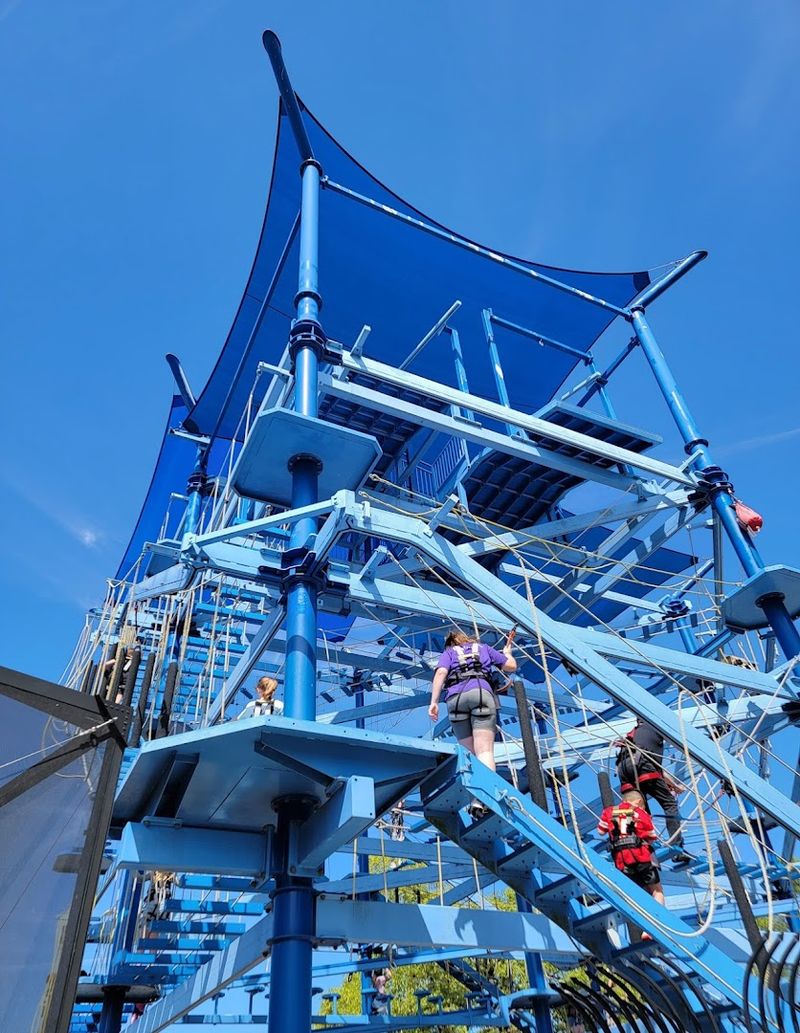
Clipping into the harness for the Sky Trail Ropes Course, I felt my heart rate tick up as I looked at the obstacles suspended above the museum floor. This attraction combines physical challenge with science, requiring balance, strategy, and a willingness to step outside your comfort zone.
The course twists through different levels of difficulty, offering paths for beginners and more daring routes for those seeking a real test of nerve and coordination.
What I appreciated was how the experience taught physics and problem-solving without feeling like a lesson. Each obstacle demanded a different approach, forcing you to think about weight distribution, momentum, and leverage while your adrenaline kept you focused.
The setup also accommodated different ages and skill levels, making it accessible for families who wanted to challenge themselves together.
By the time I reached the end, my arms were tired but my mood was elevated, proving that sometimes the best way to learn about science is to put your body through a hands-on demonstration of gravity, friction, and determination in action.
Hands-On Interactive Science Exhibits
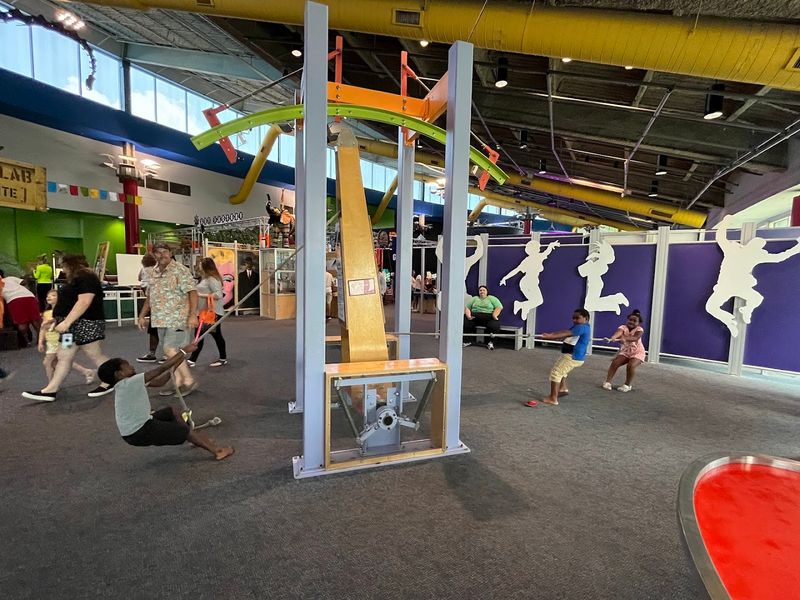
Walking through MOSI’s exhibit halls feels less like touring a museum and more like stepping into a playground designed by scientists. I found myself pulling levers, watching chain reactions unfold, and testing theories I barely remembered from school, all while surrounded by other visitors doing the same.
The exhibits span topics from biology to physics to earth science, each one inviting you to touch, manipulate, and experiment rather than passively observe.
One corner might have you testing optical illusions while another challenges you to build structures that can withstand simulated earthquakes. The variety keeps your attention moving, and the hands-on nature means you’re learning through doing, which sticks with you far longer than reading a placard ever could.
Even exhibits that seemed simple on the surface revealed deeper concepts once you started engaging with them.
The beauty of this approach is how it meets you where you are. Kids race through touching everything in sight, while adults linger to read deeper explanations and test more complex interactions, proving that curiosity doesn’t have an age limit.
Artificial Intelligence Learning Exhibit
Stepping into the AI exhibit felt like walking into the future, with interactive stations that demystified artificial intelligence through hands-on demonstrations. I watched visitors attempt to fly drones, learning firsthand how automated systems respond to commands and environmental factors.
The exhibit breaks down complex topics like machine learning, robotics, and automation into digestible experiences that show rather than tell, making abstract concepts suddenly concrete.
What struck me was how the exhibit balanced cutting-edge technology with accessibility. You didn’t need a computer science degree to understand what was happening; the displays guided you through each concept with clear explanations and opportunities to experiment.
From testing facial recognition to programming simple robotic movements, each station built on the last, creating a learning progression that felt natural and engaging.
By the time I finished exploring, I had a much clearer understanding of how AI works in everyday life and where the technology might be heading, all gained through direct interaction rather than passive consumption of information.
Idea Zone Creative Science Lab
The Idea Zone operates as a creative laboratory where science meets imagination, giving you space and materials to build, test, and experiment with your own ideas. I spotted families huddled around tables, constructing contraptions from simple materials and testing them against physics challenges.
The zone encourages trial and error, celebrating failed attempts as learning opportunities rather than mistakes, which creates an atmosphere where curiosity thrives without fear of getting things wrong.
Unlike structured exhibits with predetermined outcomes, this space lets you explore your own questions and hypotheses. Want to see how different materials affect structural stability?
Build something and find out. Curious about air resistance?
Design an object and test it. The open-ended nature means every visit can be different, depending on what captures your interest that day.
Staff members circulate through the area, offering guidance without taking over, striking that perfect balance between support and independence. By the time you leave, your hands might be a little messy but your mind is definitely more engaged.
Immersive Dome Theatre Shows
Beyond traditional planetarium programming, the dome theatre hosts immersive visual experiences that transform the space into something between art installation and science demonstration. I sat through a show that combined abstract visuals with carefully designed soundscapes, the dome wrapping around me until I lost track of where the floor ended and the projection began.
These programs range from nature documentaries to artistic interpretations of scientific concepts, each one leveraging the dome’s unique format to create something you simply can’t experience on a flat screen.
The format works particularly well for content that benefits from a sense of scale and immersion. Whether you’re watching microscopic organisms magnified to enormous size or flying through distant galaxies, the dome eliminates your peripheral vision and focuses your attention entirely on what’s being presented.
The effect can be meditative, exciting, or thought-provoking, depending on the program, but it’s always memorable.
These shows prove that science communication doesn’t have to be dry or didactic; it can be beautiful, emotional, and transformative when presented with creativity and technical sophistication.
Educational Programming for All Ages
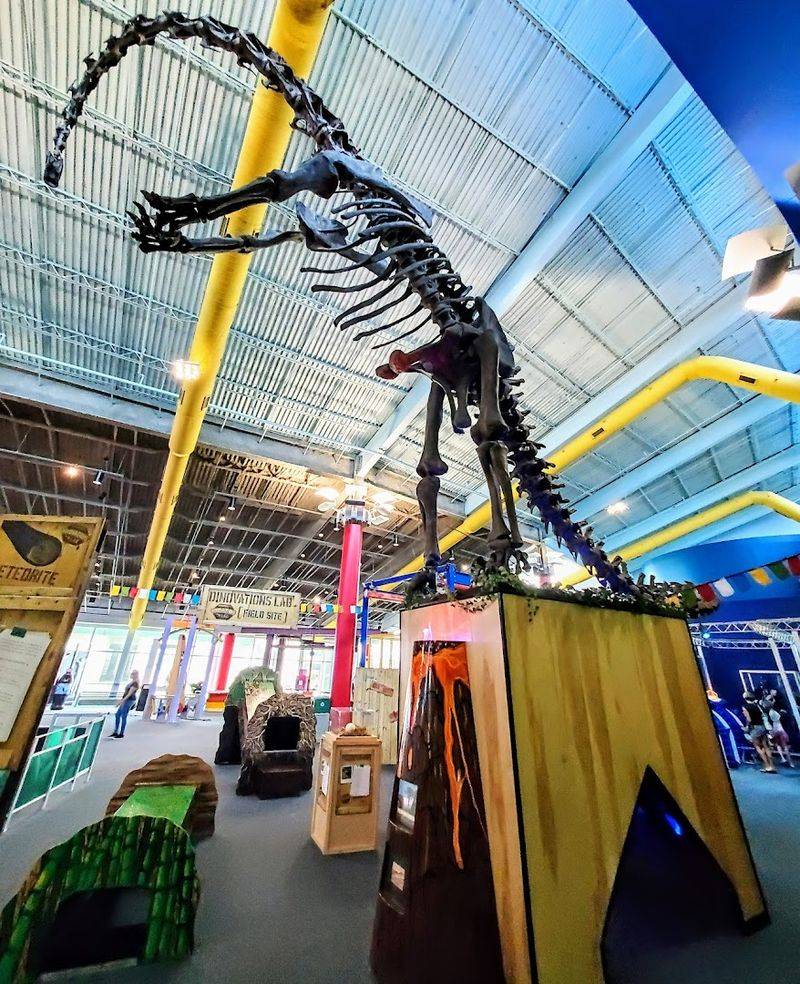
MOSI’s commitment to education extends beyond self-guided exploration through structured programming designed for different age groups and learning styles. I observed a group of young students completely absorbed in a guided activity, their instructor weaving scientific concepts into hands-on demonstrations that kept everyone engaged.
From scout badge programs to VPK field trips to adult-focused workshops, the museum tailors experiences to match developmental stages and educational goals.
What impressed me was how the programming maintained MOSI’s interactive philosophy while adding structure and depth. Instructors didn’t lecture; they facilitated discovery, asking questions that prompted critical thinking and encouraging participants to form hypotheses before testing them.
The approach worked equally well for elementary students learning basic concepts and older visitors exploring more complex scientific principles.
Special programs like overnight astronomy merit badge events take the experience even further, combining learning with adventure in ways that create lasting memories and genuine understanding. These structured opportunities complement the free-exploration model, giving visitors multiple ways to engage with science depending on their interests and needs.
Rotating Special Exhibitions
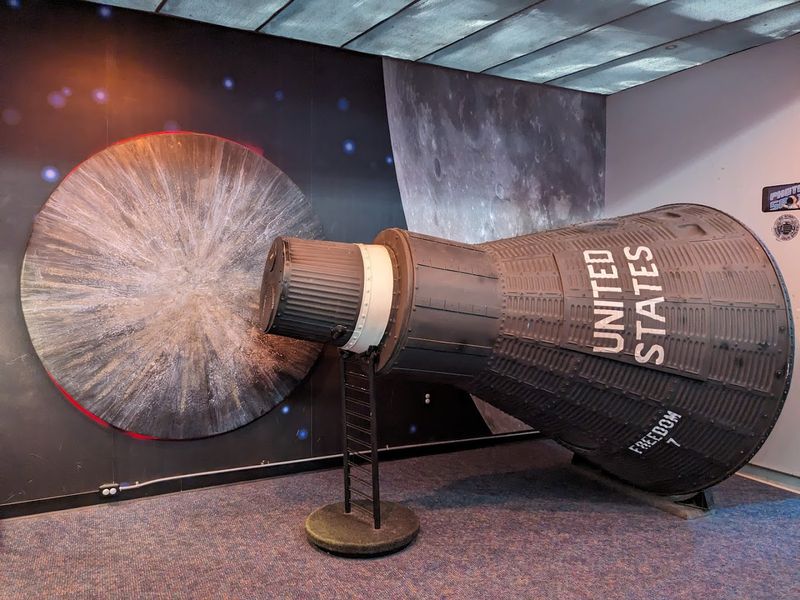
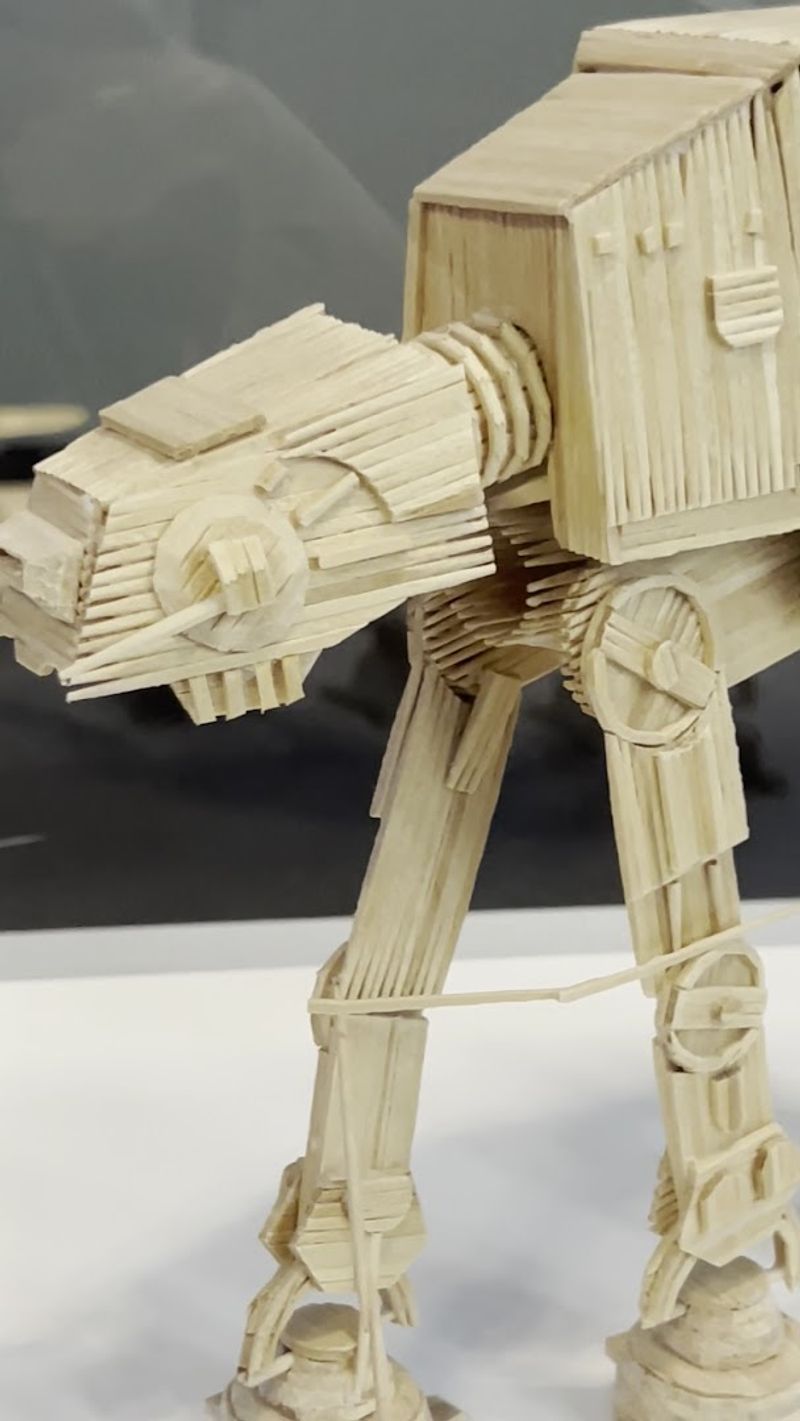
Regular rotation of special exhibitions keeps MOSI fresh even for repeat visitors, introducing new topics and perspectives that complement the permanent collection. During my visits I’ve encountered everything from the quirky science behind bodily functions to architectural marvels recreated in wood, each temporary exhibit bringing its own flavor and focus.
This rotating approach means the museum constantly evolves, offering new reasons to return and new angles on scientific thinking.
These special exhibitions often tackle topics that might not fit into permanent displays, allowing MOSI to explore current events, emerging technologies, or unusual applications of scientific principles. The temporary nature also means exhibits can be more experimental or niche, appealing to specific interests without committing permanent floor space.
Whether you’re fascinated by environmental science, engineering, biology, or technology, chances are good a relevant special exhibit will appear at some point.
This commitment to fresh content demonstrates MOSI’s understanding that science isn’t static, and neither should a science museum be, creating an institution that grows and changes alongside the fields it represents.
Accessible Location Near University of South Florida
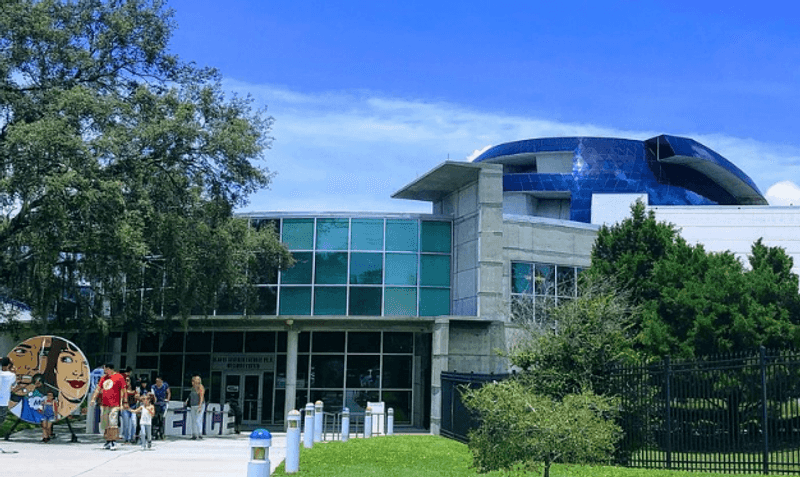
Positioned at 4801 E Fowler Avenue directly across from the University of South Florida, MOSI benefits from a location that’s both accessible and connected to Tampa’s broader educational community. I’ve found the museum easy to reach whether you’re driving from downtown Tampa or coming from the surrounding suburbs, with ample parking that eliminates the stress of finding a spot.
The proximity to USF creates natural partnerships and collaborations, enriching the museum’s programming and connecting academic research with public engagement.
The location has anchored MOSI in this spot since 1982, giving it deep roots in the community and making it a familiar landmark for generations of Tampa residents. Being near a major university also means the museum sits in an area already oriented toward learning and discovery, creating a neighborhood atmosphere that supports its educational mission.
Operating daily from 10 AM to 5 PM except for major holidays, the museum maintains consistent hours that make planning visits straightforward. The combination of accessible location, reliable schedule, and long-standing presence makes MOSI a dependable destination for science exploration.