
This Texas Lake Is Seeing More Alligators Than Visitors Expected
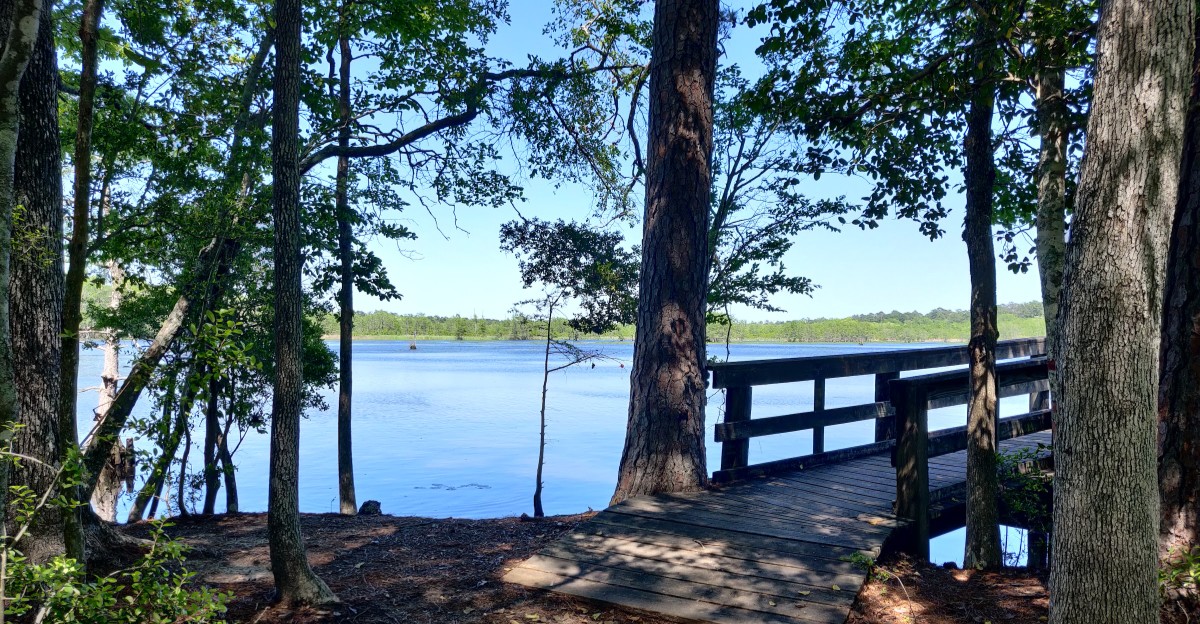
State biologists catch alligators, tag them, release them, and then go looking for them again. Somewhere between wildlife research and an extremely unfriendly game of hide-and-seek, this East Texas lake has developed quite a reputation.
Most visitors come for quiet water, fishing, kayaking, and a night around the campfire. Then something moves near the shoreline, and suddenly nobody’s quite so eager to dip their toes in the lake.
There’s a certain thrill in visiting a place where nature hasn’t agreed to stay in the background. The alligators aren’t there for anyone’s entertainment, of course, and keeping a respectful distance is part of the deal.
Still, it’s one thing to hear that alligators live in a lake and another to realize your peaceful weekend getaway comes with actual prehistoric neighbors.
Scientists Are Literally Playing Catch And Release With The Gators
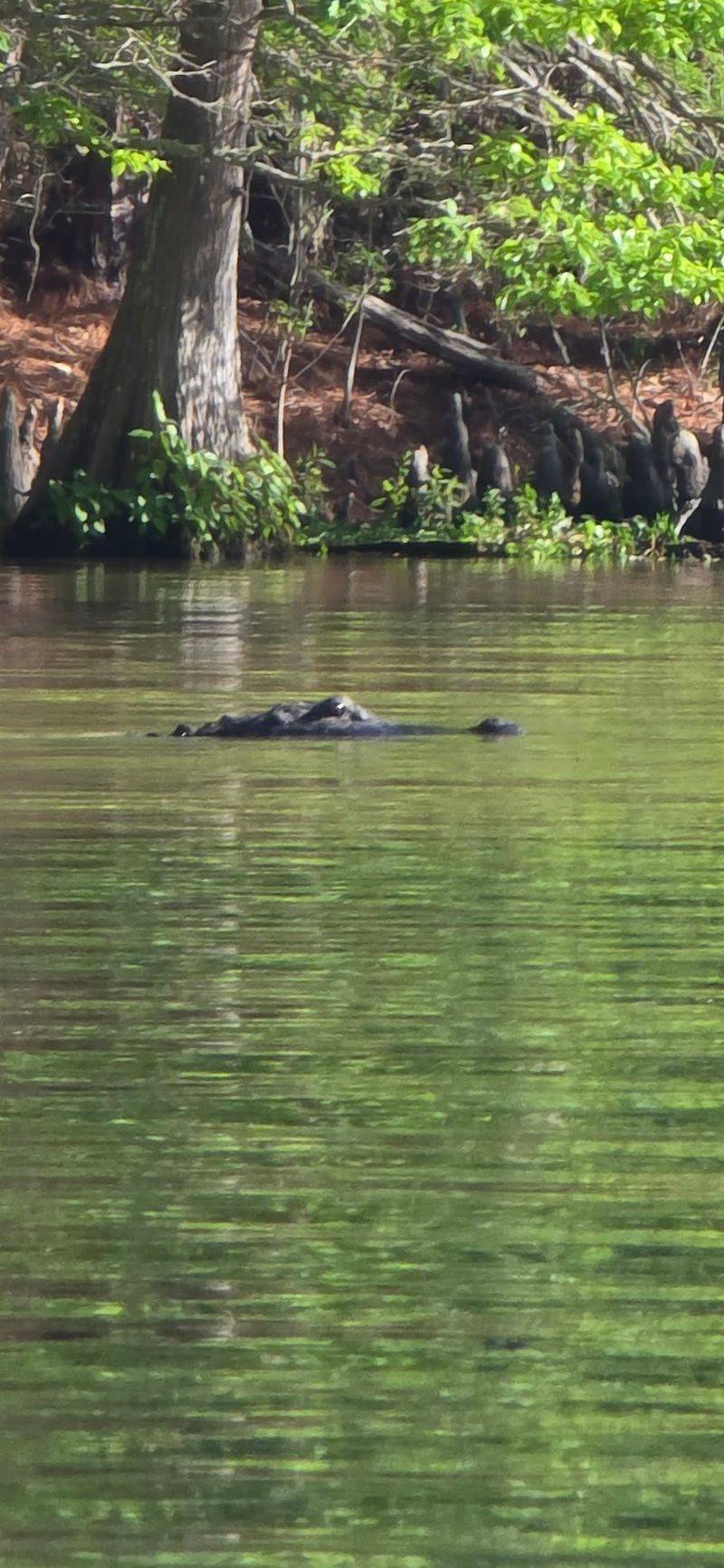
Most lakes get studied for fish. B.A.
Steinhagen Lake gets studied for alligators, and that tells you plenty about who runs the place.
The Texas Parks and Wildlife Department started a mark-and-recapture project here around 2022. Crews catch alligators, mark them, release them, and later look for the same animals again.
That repeat data helps scientists learn how inland gators grow, move, and survive.
Martin Dies, Jr. State Park sits right on the western shore of this lake. That makes it a front-row seat to one of the more unusual research projects in Texas.
You won’t be joining the crew, of course. Still, it’s fun to know the gator you spot might have a file somewhere.
Inland alligators don’t get studied as much as their coastal cousins. That’s part of what makes this lake so useful to biologists.
Every capture adds another clue to the bigger picture.
So when you see a ripple near the bank, give it a little respect. That could be a research subject going about its day.
Honestly, it probably has better paperwork than most of us.
More Sightings Have Folks Asking What Changed
Reports of more alligator sightings have been popping up around East Texas lakes. The reasons aren’t a mystery novel, but they are interesting.
Habitat conditions shift over time. Flooding can push alligators into new spots, and mating season gets them moving around too.
More people spending time outdoors also means more eyes on the water.
Put those together, and a quiet gator suddenly becomes a trending topic at the campsite. B.A.
Steinhagen Lake has long been known for its alligator population. So the gators aren’t exactly new arrivals.
People are just noticing them more often.
Spring is a lively time for this. Mating season can make alligators more active and more vocal.
Some campers even get treated to their deep bellows echoing across the water at night.
Here’s a helpful way to think about it. You’re visiting their home, not the other way around.
Seeing one is a sign of a healthy wetland, not a reason to cancel the trip.
Keep your camera ready and your feet on dry land. A sighting makes a great story when everyone keeps a smart distance.
Thirty Feet Is The Magic Number You’ll Want To Remember
Thirty feet. That’s roughly the length of a school bus, and it’s the distance Texas Parks and Wildlife recommends keeping from any alligator.
It sounds like a lot until you see one up close. Then it suddenly feels like not nearly enough.
Binoculars and a zoom lens are your best friends here.
Feeding or bothering alligators in Texas State Parks is illegal. It counts as a Class C misdemeanor, and the fine can add up fast.
More importantly, a fed gator learns to connect people with snacks.
Timing matters too. Alligators get more active around dawn and dusk.
The park advises skipping swims in designated areas during those hours, which is easy enough to plan around.
Got a dog along for the trip? Keep it on a leash no longer than six feet and away from the water’s edge.
To an alligator, a small pup looks a lot like regular prey.
None of this needs to feel scary. Think of it like sharing a hallway with a grumpy neighbor.
Give space, mind your business, and everybody has a perfectly fine day.
Paddle Nearly 14 Miles Of Swampy, Sloughy Goodness
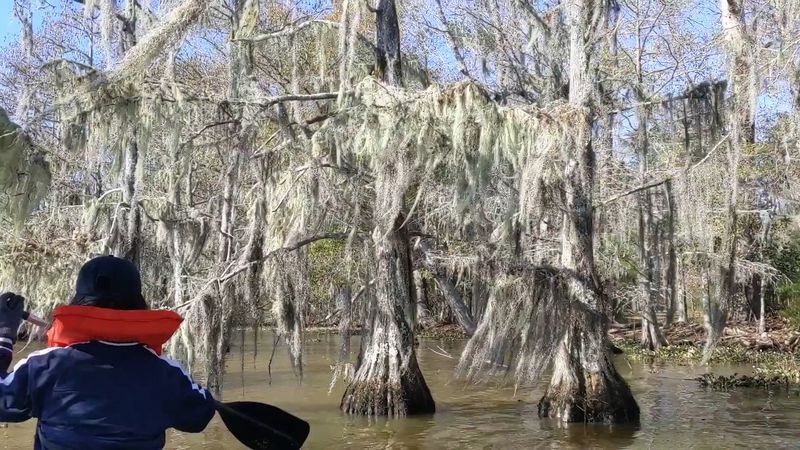
Kayakers, this one’s for you. Martin Dies, Jr. State Park offers nearly 14 miles of marked paddling trails.
Those routes wind through backwater sloughs, across the open lake, and along the Neches River. That’s three very different moods in one park.
One minute you’re in tight cypress channels, and the next you’re out on wide water.
No boat? No problem.
Canoe and kayak rentals are available on a first-come, first-served basis. Showing up early is a smart move on busy weekends.
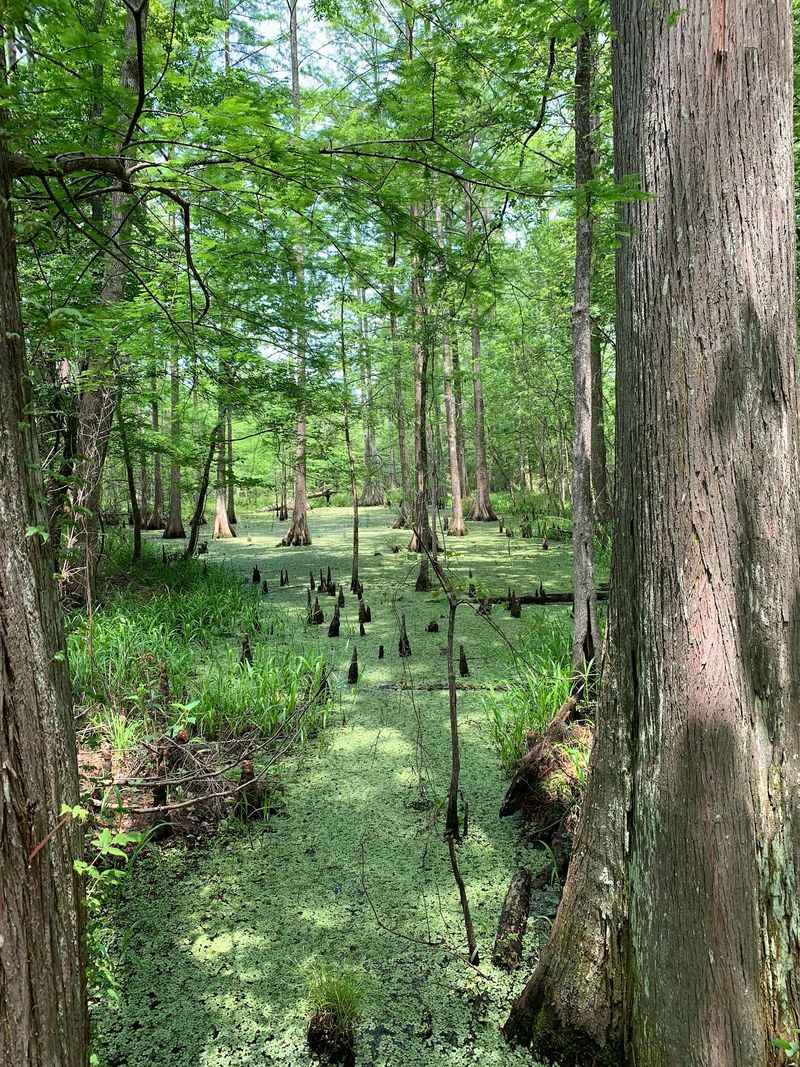
The sloughs are where the scenery gets moody in the best way. Cypress trunks rise from the water, and the shade keeps things calm.
It’s also prime wildlife territory, so keep your eyes peeled.
Rangers sometimes lead paddling tours too. That’s a great option if you’re new to the area or nervous about getting turned around.
A guide also knows exactly where to look for birds and, yes, the occasional gator.
Pack water, bug spray, and patience. Paddle quietly, glide slowly, and let the swamp do the talking.
It has a lot to say if you listen.
Campsites Galore, Plus Cabins For The Bug-Averse
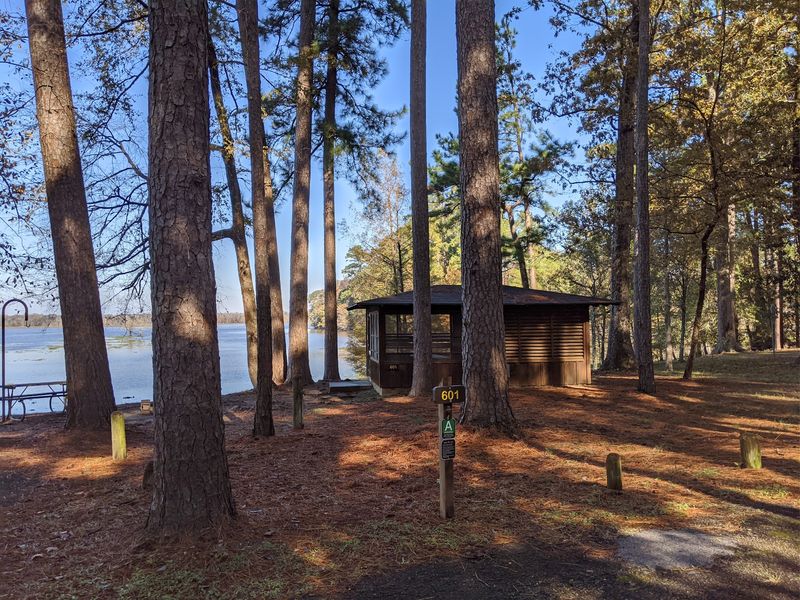
Over 200 campsites. That’s a lot of room for tents, trailers, and folks who swear they’ll wake up for sunrise.
Most sites at Martin Dies, Jr. State Park come with water and electric hookups. Screened shelters and cabins are also available for anyone who prefers walls between them and the night.
Cabins sleep up to eight people.
Pets can join you outdoors, but they aren’t allowed inside park buildings. That includes the cabins, so plan your pup’s sleeping arrangements ahead of time.
Hot showers, restrooms, a dump station, and a park store round out the basics. Some facilities have been under construction, so check before you go.
The good news is that plenty of others stay open.
Fire rules can change with the weather. During burn bans, only containerized fuel stoves are allowed for cooking.
Bring a camp stove just in case, because nobody wants a sad cold-hot-dog dinner.
Busy seasons run from September through Thanksgiving and March through Independence Day. Reservations are strongly recommended for camping and day use.
Book early and you’ll thank yourself later.
Your Fishing Line Has Some Scaly Company
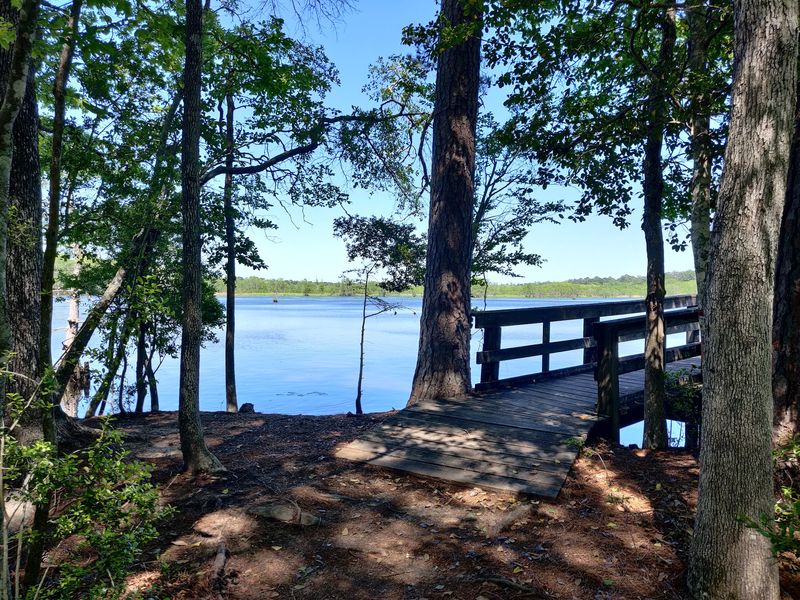
Catfish, bass, perch, and crappie all call this water home. That’s a solid lineup for anyone who likes a tug on the line.
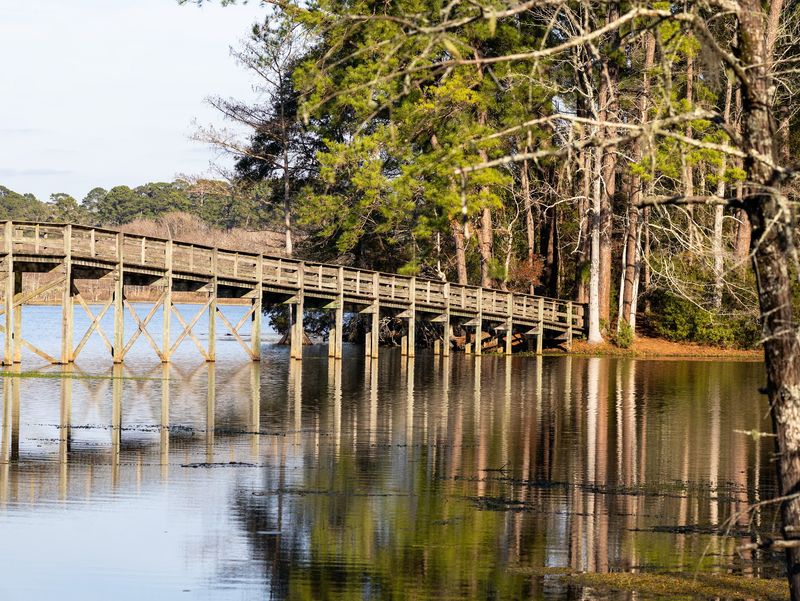
You can fish from piers or right from the bank at Martin Dies, Jr. State Park. Fish cleaning stations make the after-party a lot less messy.
Boat ramps are available too, though some have been closed temporarily for work.
Of course, you’re not the only one interested in fish here. Alligators know a good buffet when they see one.
Never toss fish scraps or bait into the water near the shore.
That one habit keeps gators from hanging around expecting free meals. It’s also part of the no-feeding rule, so it protects your wallet too.
Crappie fans might want to time trips for cooler months. Catfish lovers can try their luck almost any time.
Either way, pack a cooler and some patience.
The lake was built to help manage water releases and power from upstream. Nobody planned it as a fishing paradise.
Somehow it turned into one anyway, which feels like the best kind of accident.
Rangers Turn Gator Curiosity Into Real Know-How
Curious kids ask a million questions about alligators. Luckily, the rangers here have answers.
The park’s Nature Center offers hands-on activities for young explorers. Rangers also lead programs on local plants and animals, plus guided nature hikes.
When the sun goes down, night hikes and star parties take over.
Campfire programs and history talks add even more variety. There are art activities too, which is perfect for kids who’d rather sketch a heron than chase one.
The lineup changes, so check the schedule before your visit.
Children can join the Junior Ranger program and earn a badge. It’s a small reward, but kids tend to wear it like an Olympic medal.
Parents get the bonus of a focused, happy child for an afternoon.
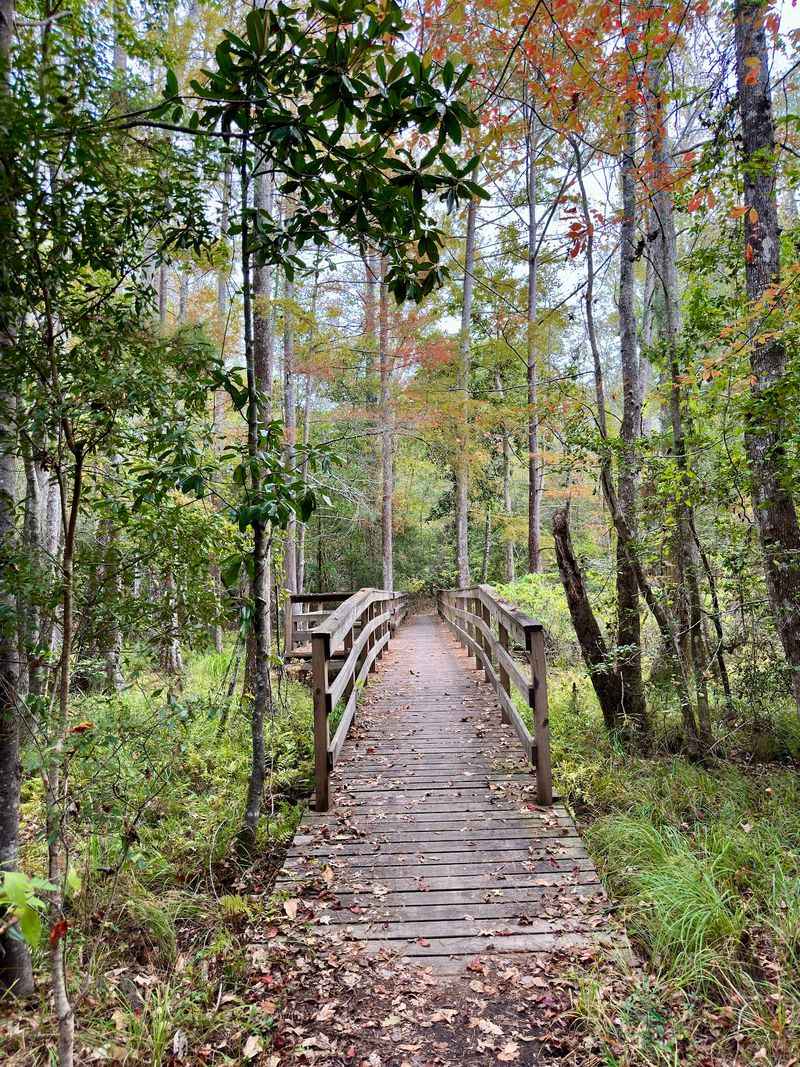
Back on land, the trails are great for hiking, biking, and birdwatching. Geocaching adds a little treasure hunt to the day.
A playground and picnic areas give everyone a spot to recharge.
Learning about gators from an expert beats guessing every time. Your kids might head home as the family wildlife experts.
Prepare for very long car-ride lectures.
A Lake Once Nicknamed Dam B Has A Surprising Backstory
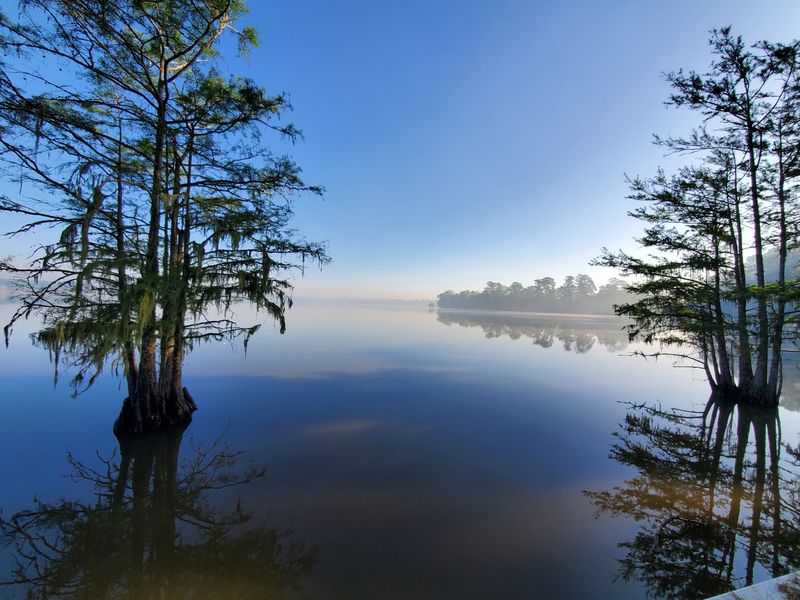
Dam B. That was the not-so-glamorous name this lake carried for years.
Construction started in March 1947, and the lake began filling in April 1951. The project wrapped up in June 1953.
In July 1967, it was renamed B.A. Steinhagen Lake after a Beaumont citizen who championed water development on the Neches River.
Plenty of folks still call it Dam B, and others know it as Town Bluff Reservoir. Three names for one lake might be a Texas record.
The U.S. Army Corps of Engineers manages it today.
The lake does serious work behind the scenery. It helps regulate releases from Sam Rayburn Dam, supports flood control, and supplies water.
The Robert D. Willis Hydropower Project has been generating power here since 1989.
Martin Dies, Jr. State Park came along in 1965. The land was leased from the Corps of Engineers the year before.
The park now covers about 1,300 acres of forest, wetlands, and lakeside habitats.
So the next time you spot a gator, remember this whole place started as an engineering project. Nature clearly took the job seriously.
Plan Your Trip Where Two Rivers Shake Hands
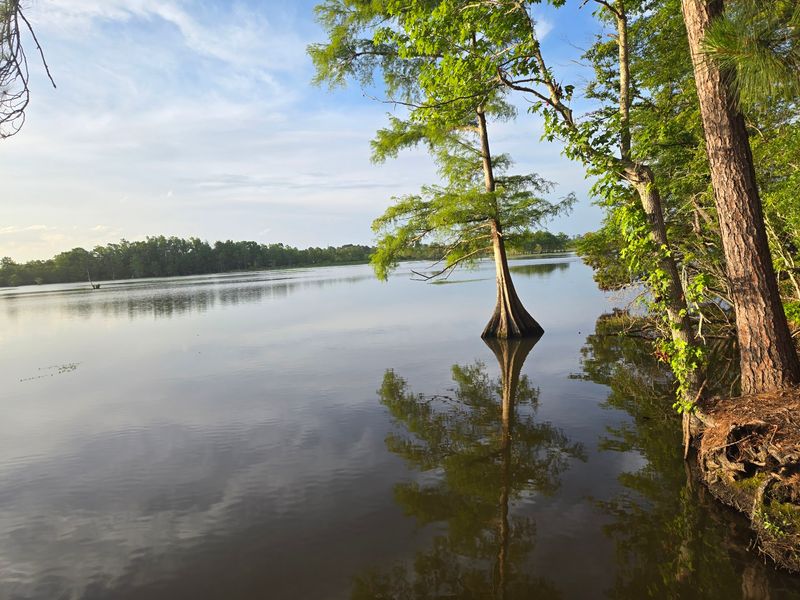
Two rivers, two counties, and one very busy wetland. The Neches and Angelina rivers meet right here on the eastern side of Texas.
You’ll find the park at 634 Park Road 48 South, Jasper, TX 75951. It sits in the Pineywoods and borders the Big Thicket.
That mix of habitats explains why wildlife loves this spot so much.
Park gates open from 6 a.m. to 10 p.m. daily. Headquarters keeps shorter hours with a lunch break, so plan your check-in accordingly.
Entry is charged per person for anyone 13 and older, and it’s easy on the budget.
Need supplies? Woodville and Jasper both offer fuel, groceries, and restaurants.
They’re the county seats for Tyler and Jasper counties.
Got extra time? The Angelina National Forest lies to the north, and the Big Thicket National Preserve is to the south.
The Alabama-Coushatta Tribe Reservation sits about 30 miles west on U.S. Highway 190.
The Jasper County Historical Museum is close by too. Stack a few of these together and you’ve got a full East Texas weekend.
Just save some energy for gator spotting.